Normal Grammar Worksheets for Ages 3-9 - Page 3
130 filtered results
-
From - To
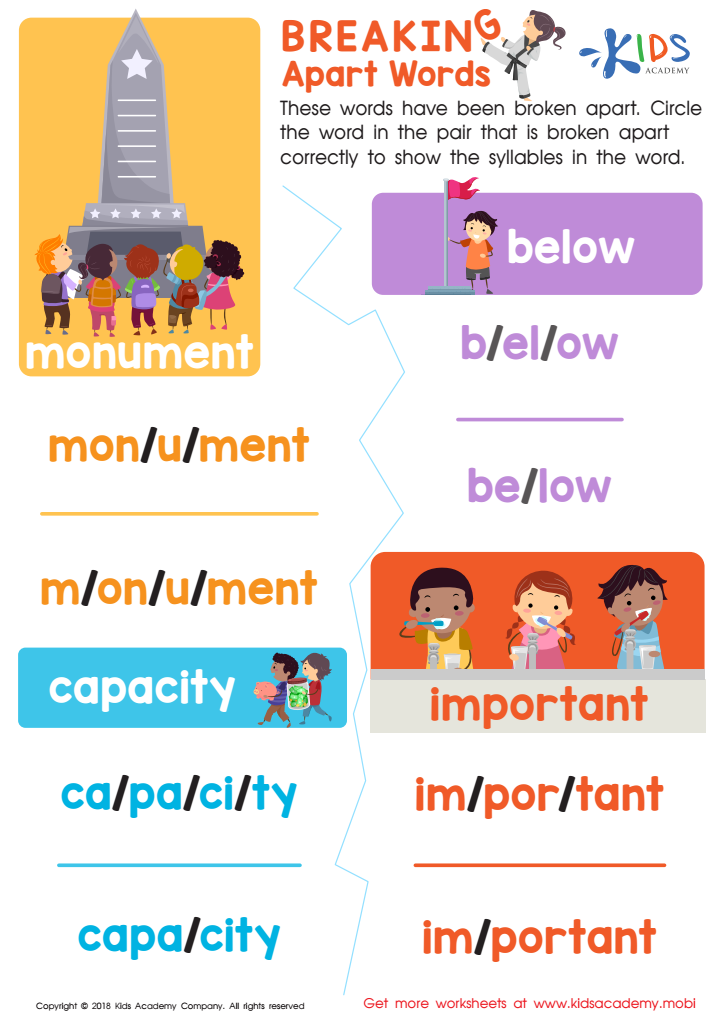
Breaking Apart Words Worksheet
 Assign to My Students
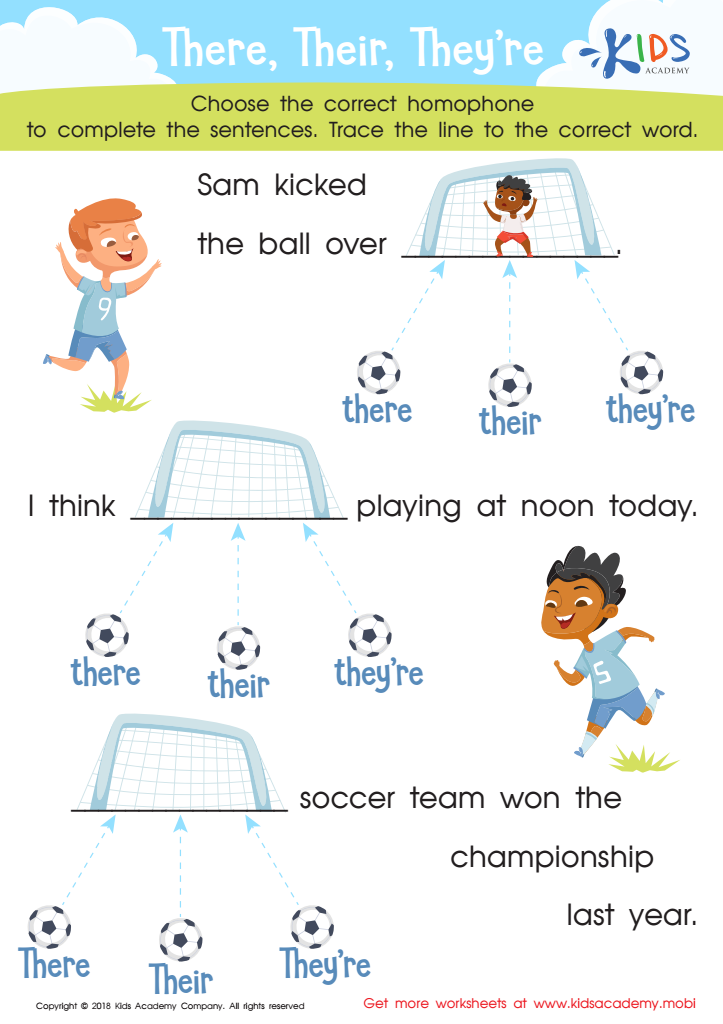
There, Their, They're Worksheet
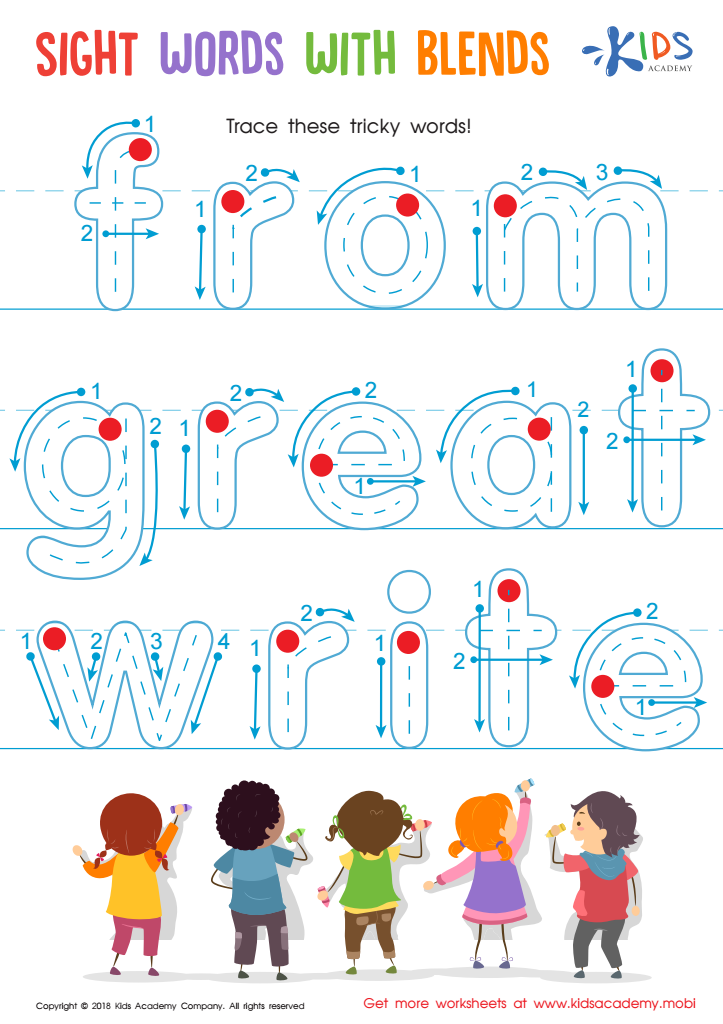
Sight Words with Blends Worksheet
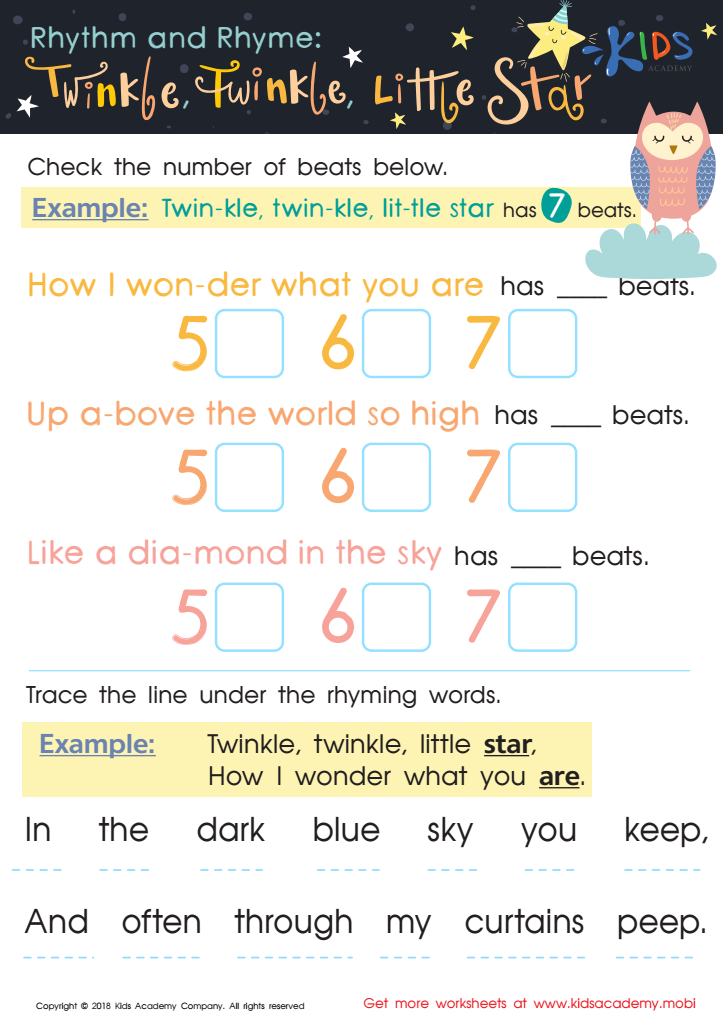
Rhythm and Rhyme: Twinkle, Twinkle, Little Star Worksheet
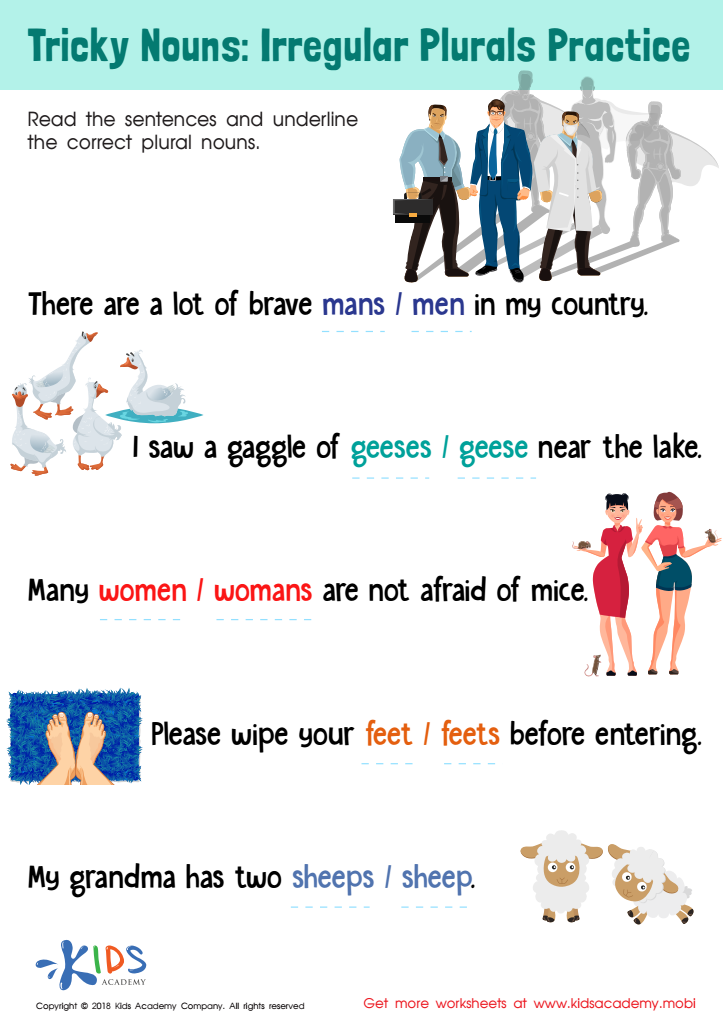
Tricky Nouns: Irregular Plurals Practice Worksheet
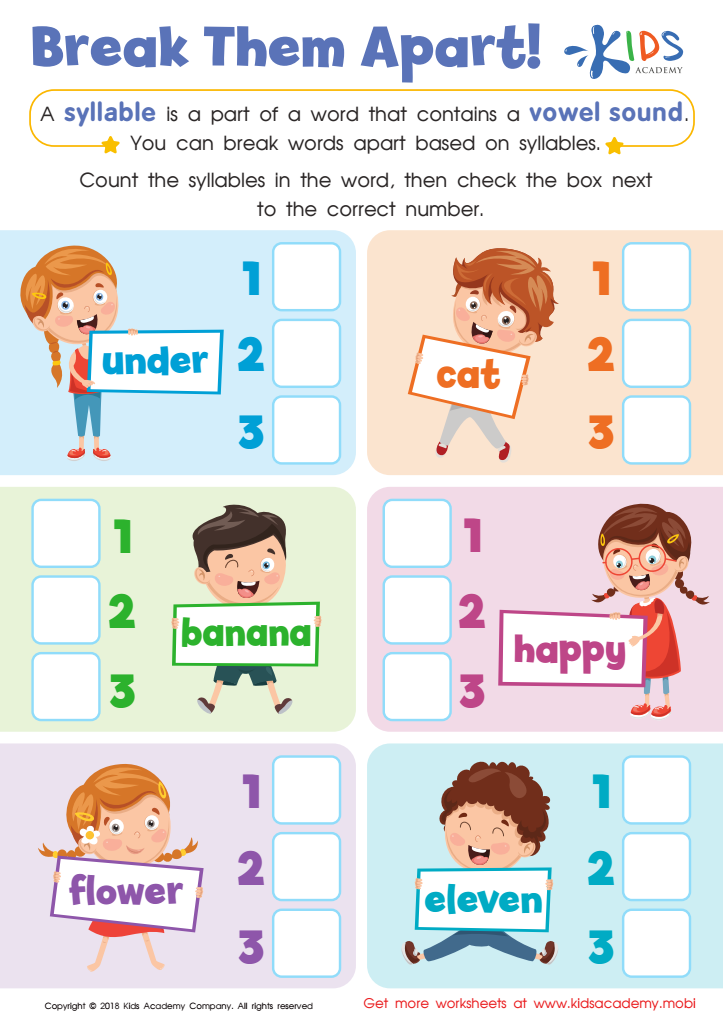
Reading: Break Them Apart Worksheet
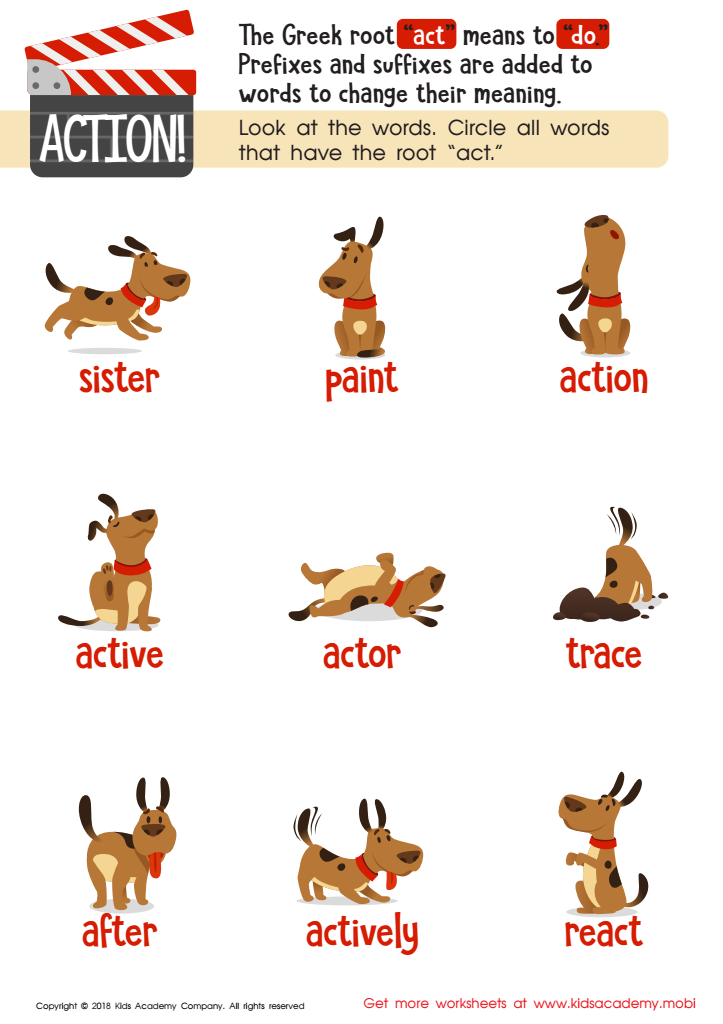
Action! Worksheet
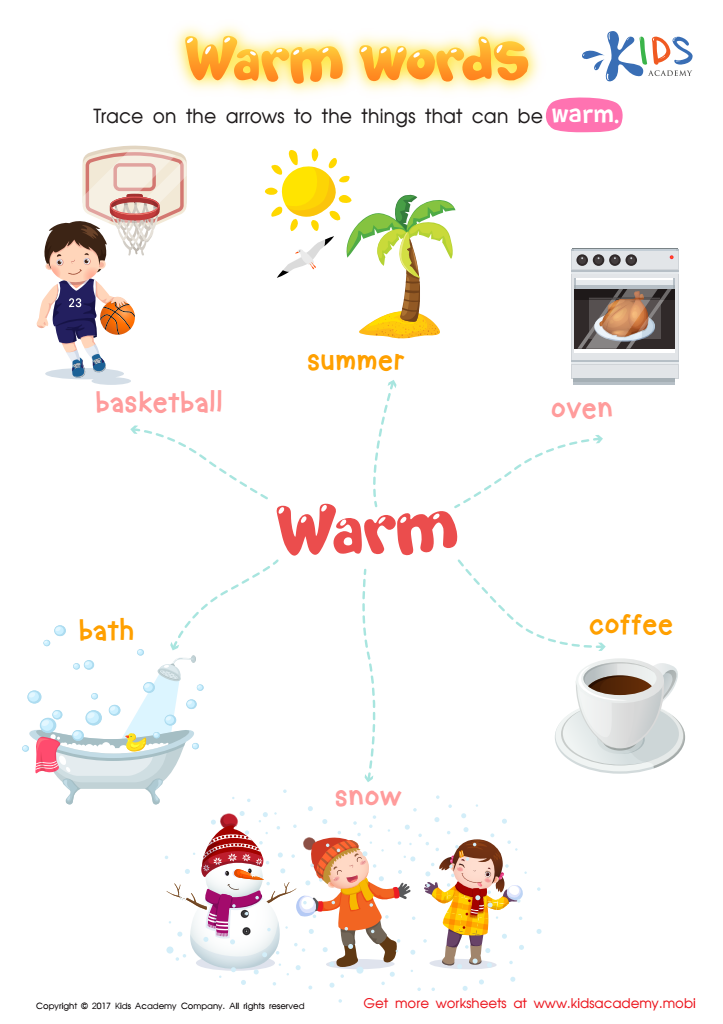
Warm Words Worksheet
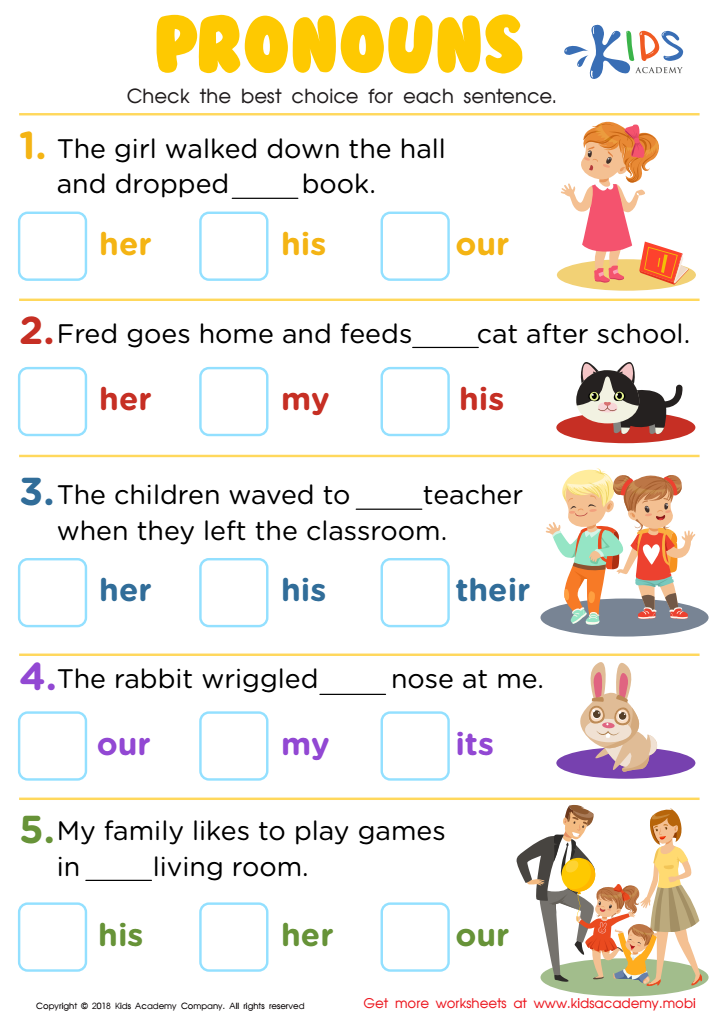
Pronouns Worksheet
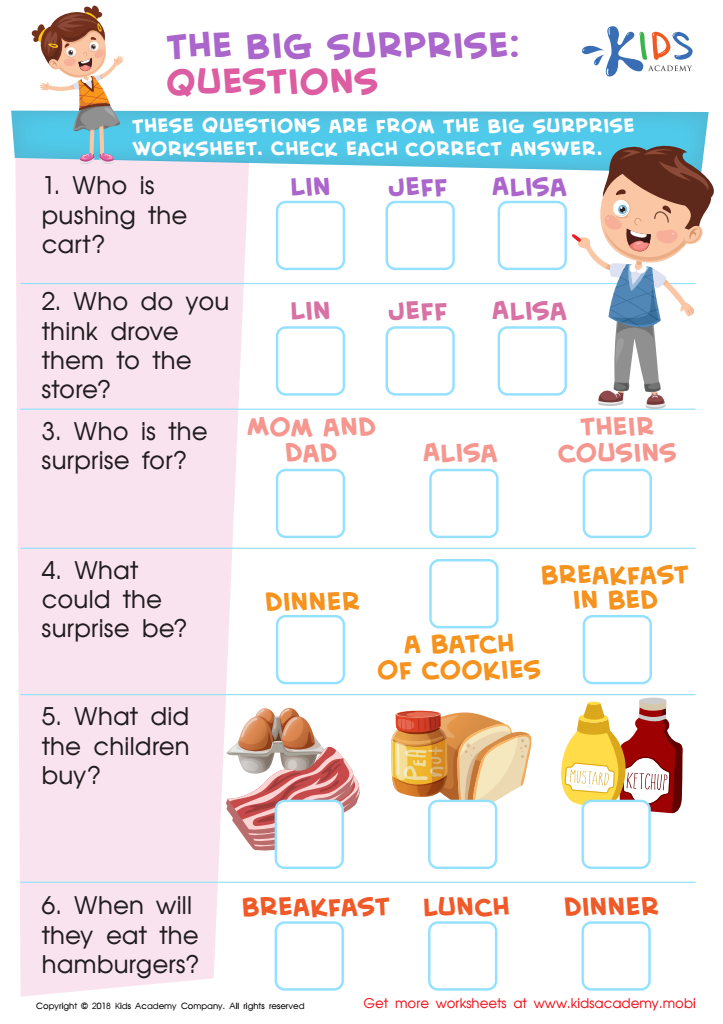
The Big Surprise: Questions Worksheet
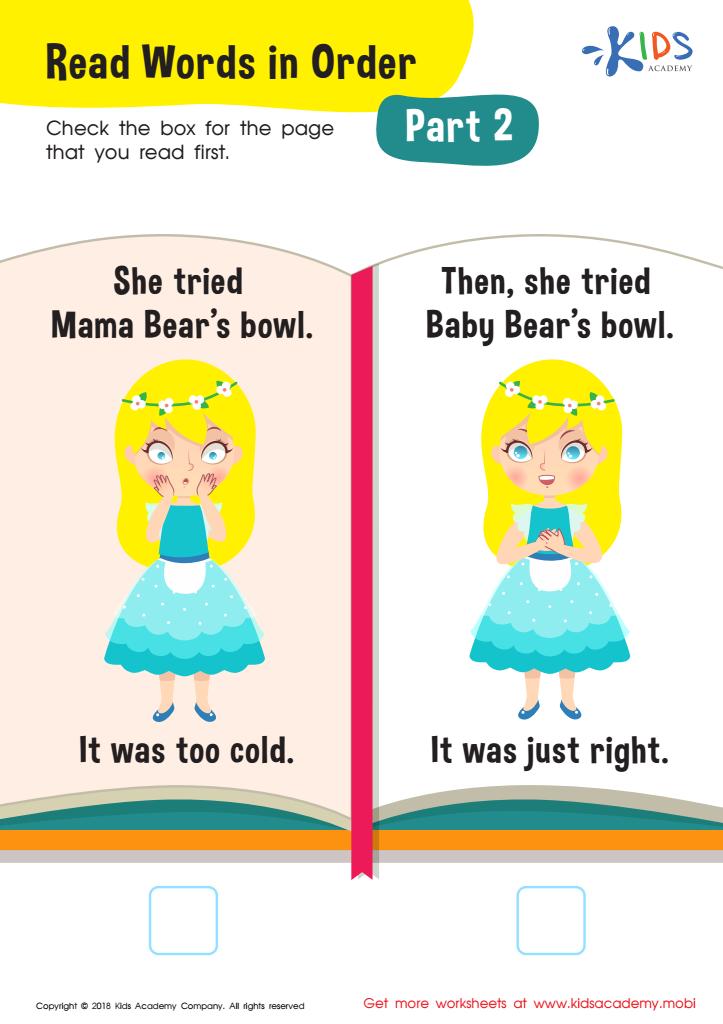
Read Words Order Part 2 Worksheet
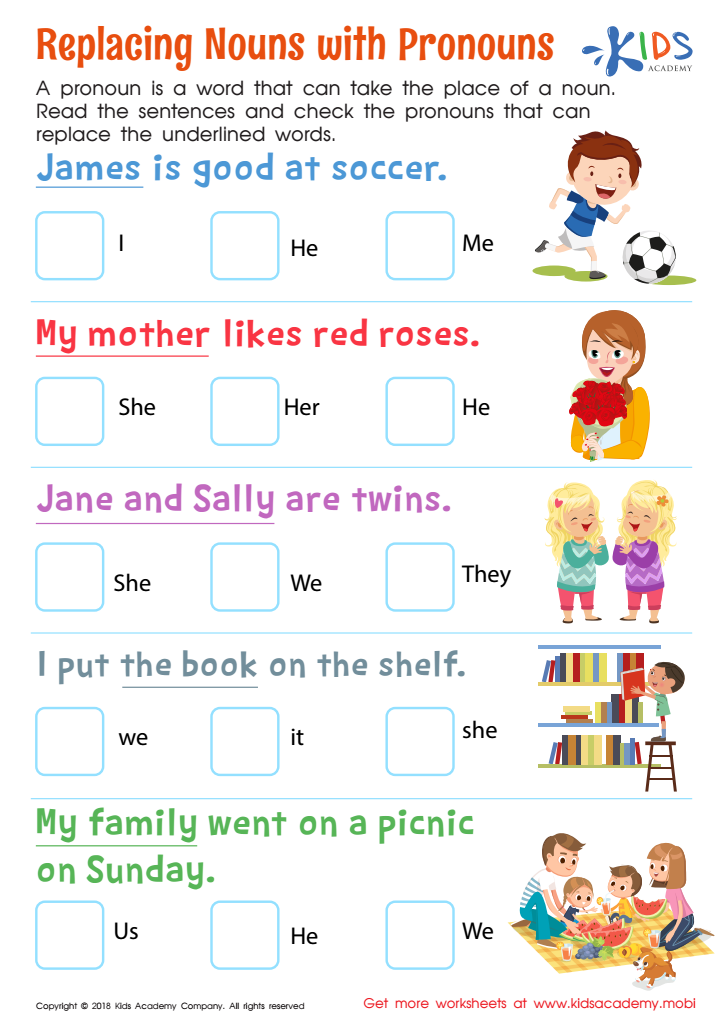
Replacing Nouns with Pronouns Worksheet
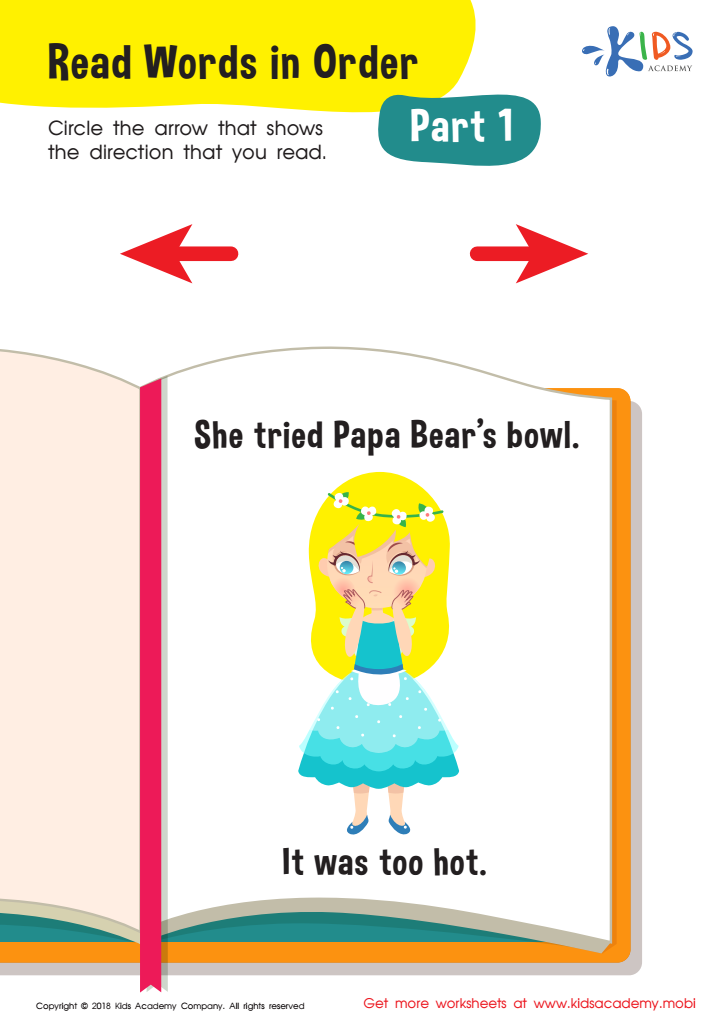
Read Words Order Part 1 Worksheet
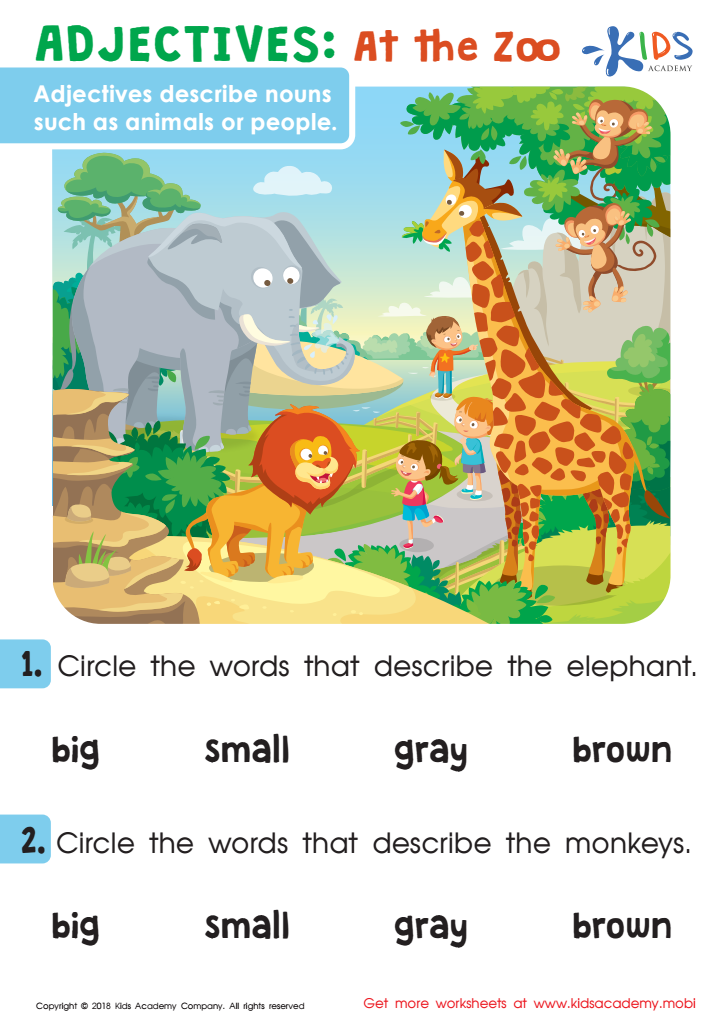
Adjectives: At The Zoo Worksheet
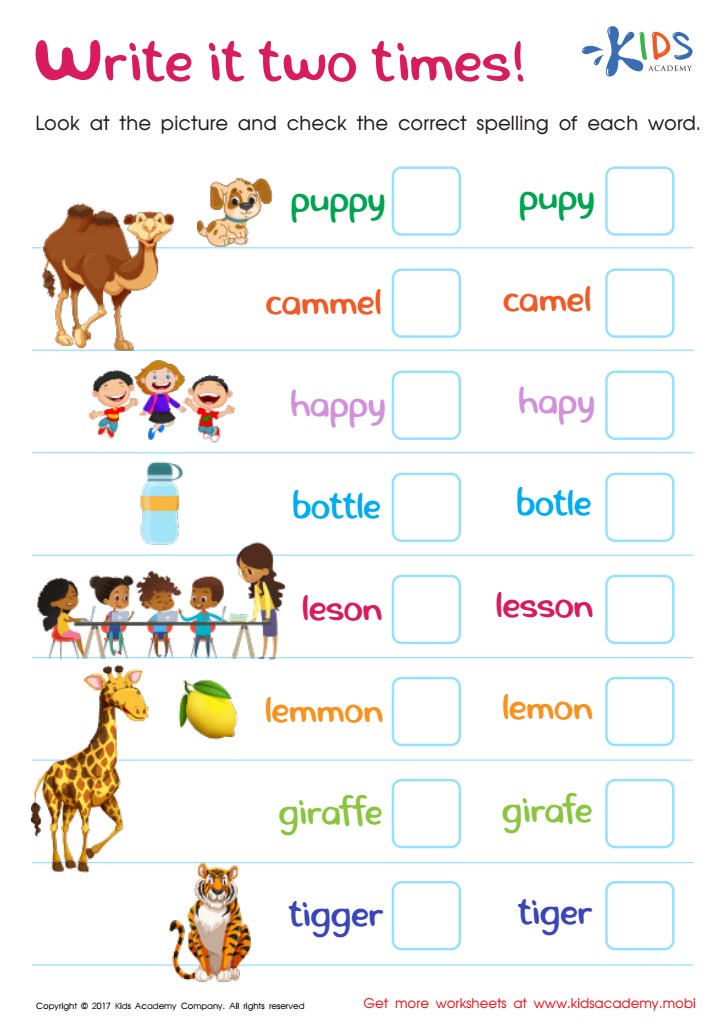
Spelling Practice Worksheet
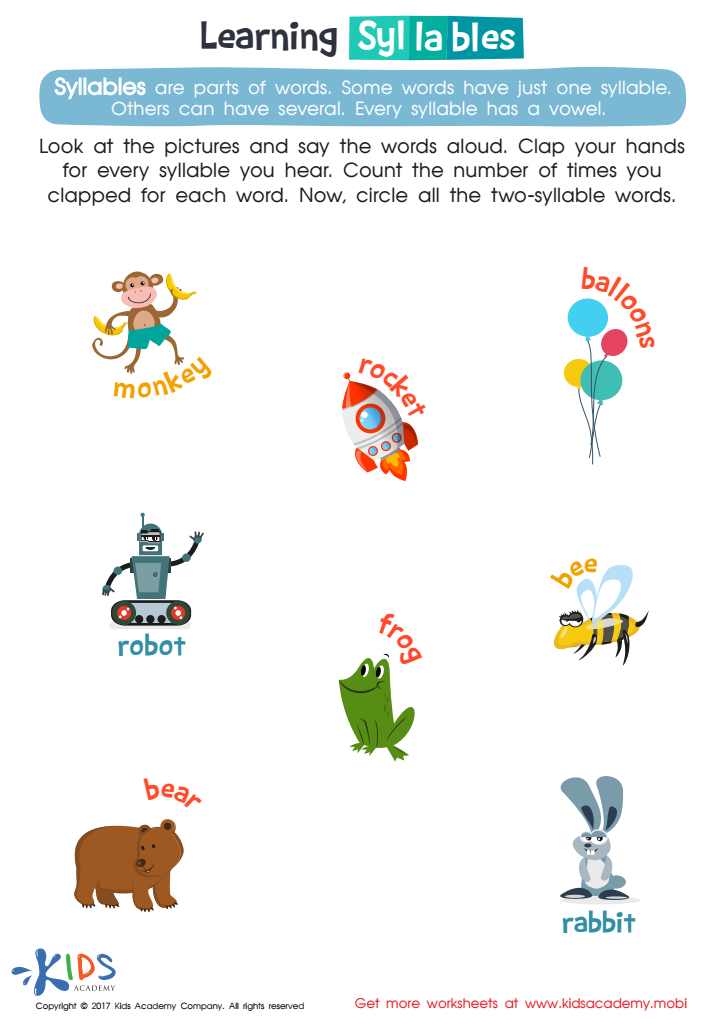
Learning Syllables Word Structure Worksheet
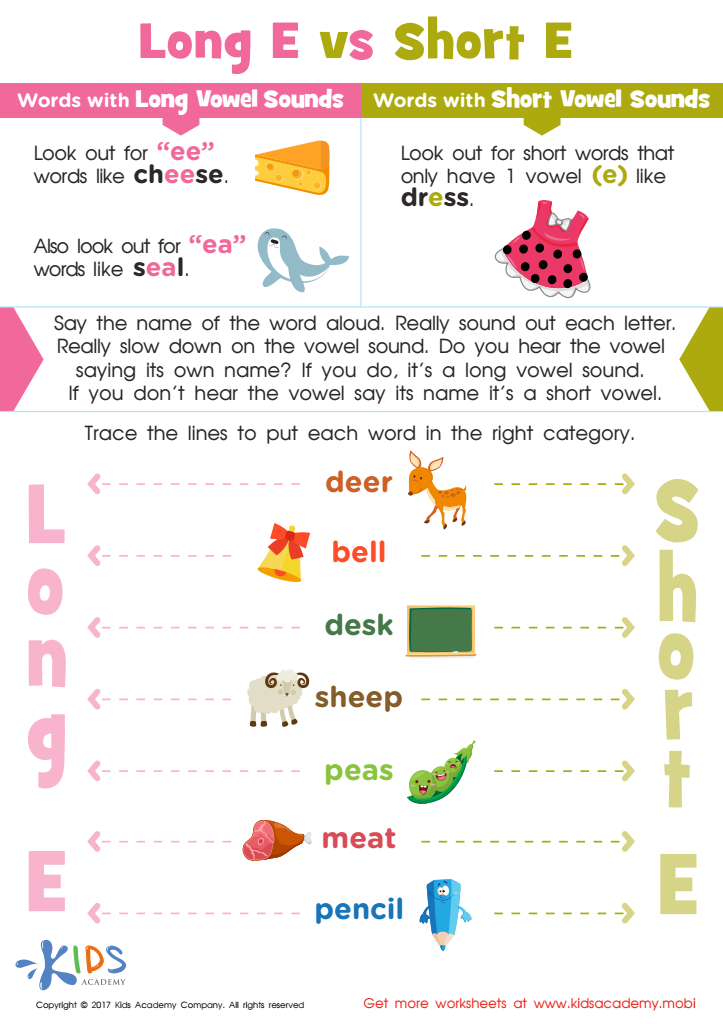
Long and Short Vowel E Spelling Worksheet
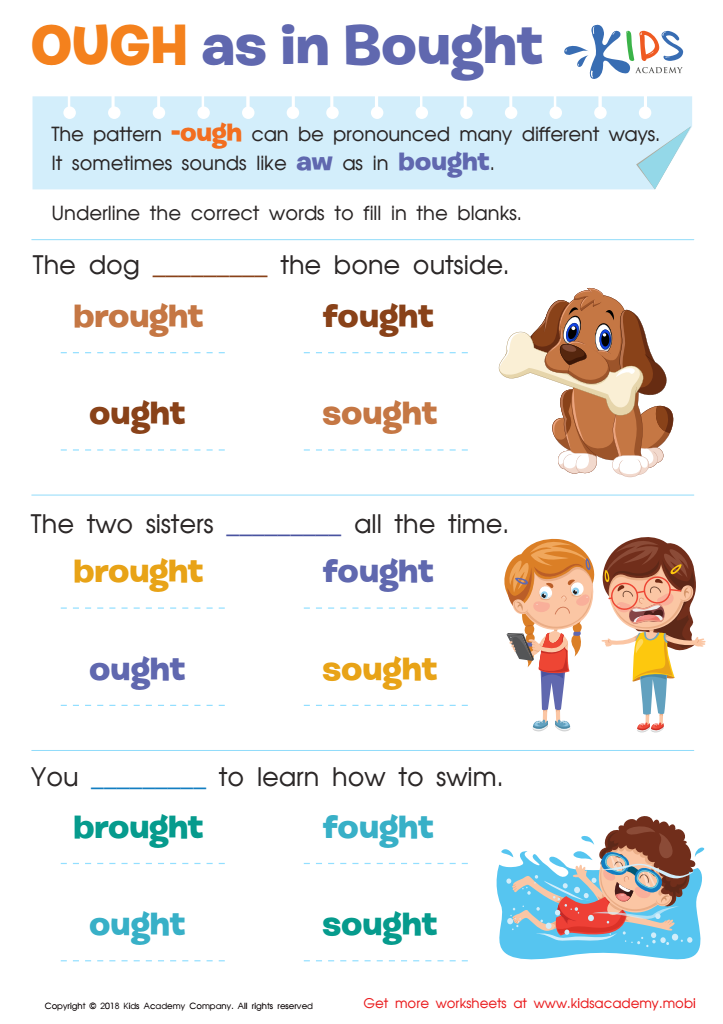
OUGH as in Bought Worksheet
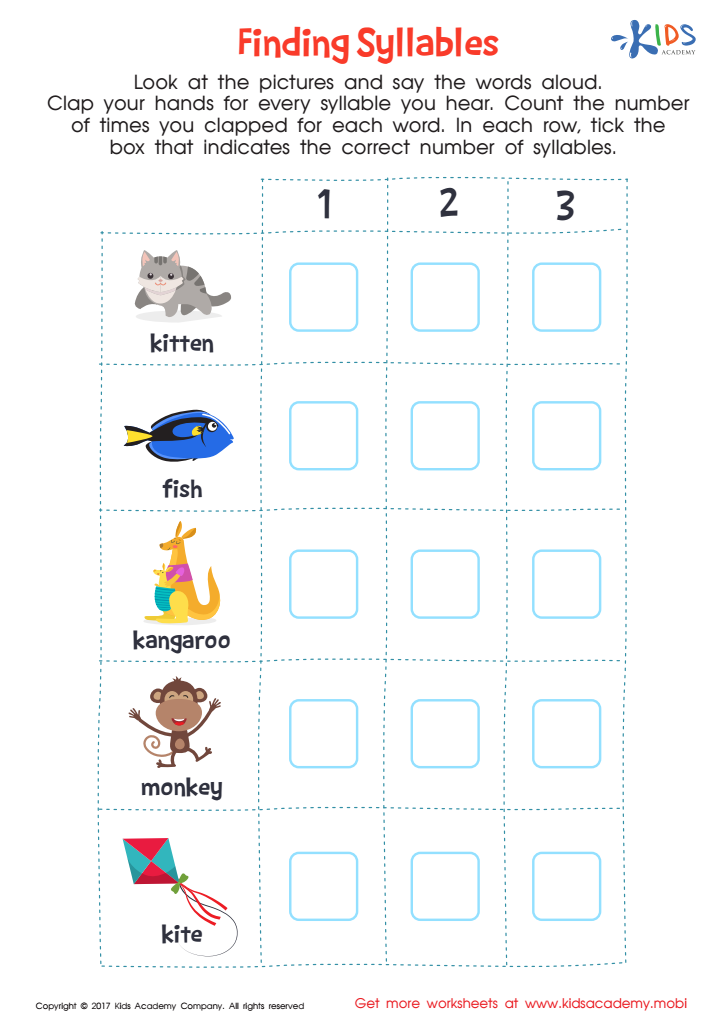
Finding Syllables Word Structure Worksheet
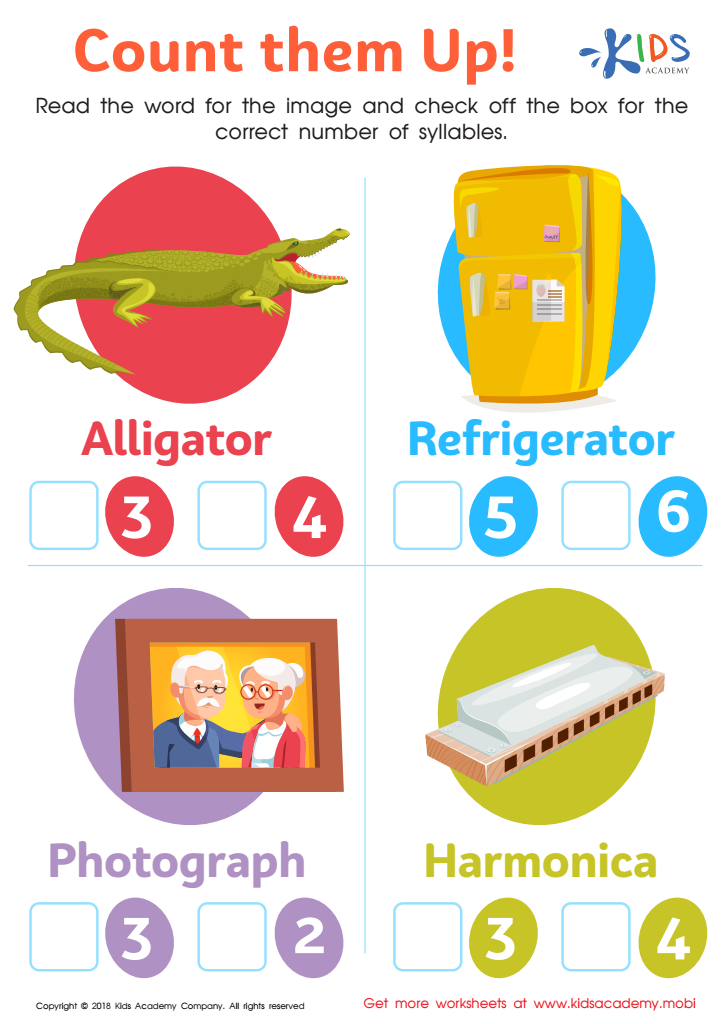
Count Them Up Worksheet
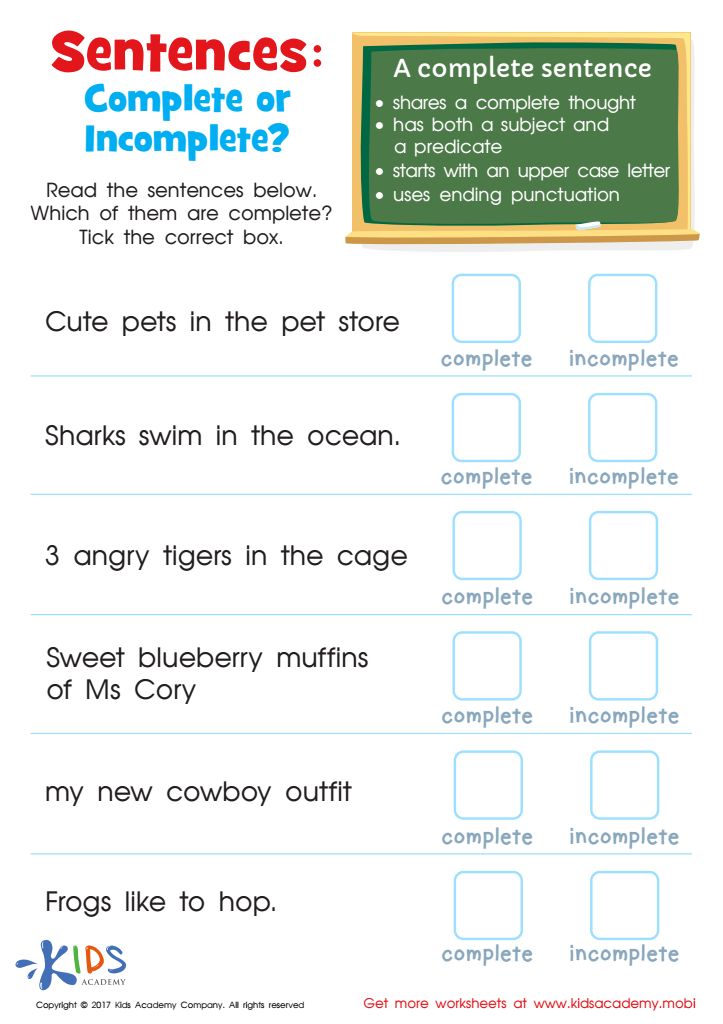
Sentences: Complete or Incomplete Worksheet
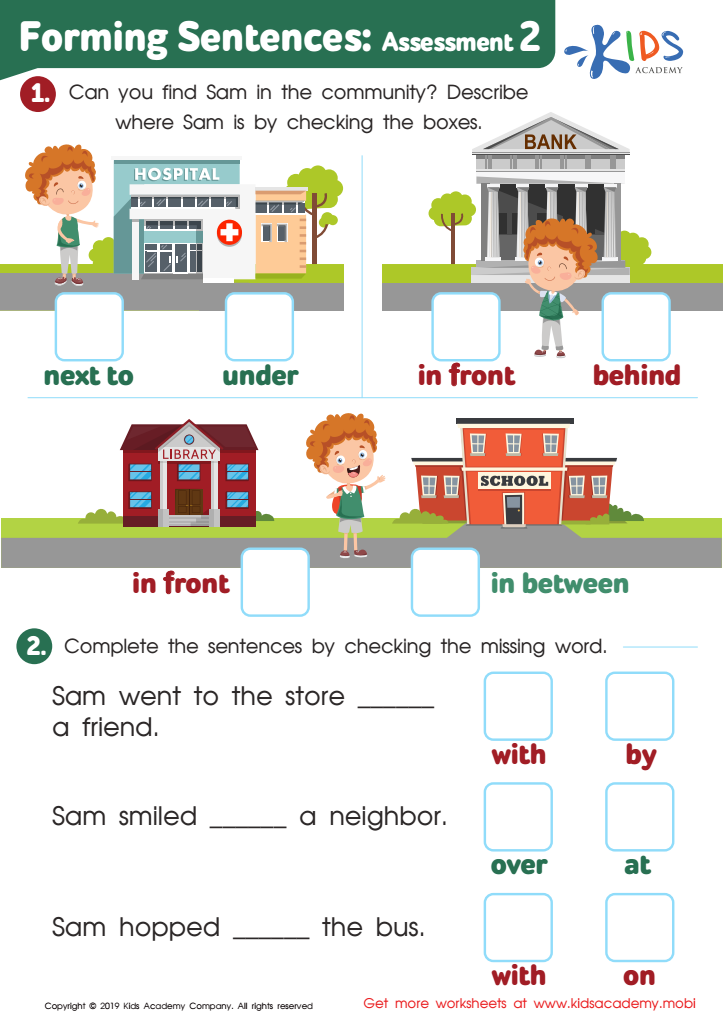
Forming Sentences: Assessment 2 Worksheet
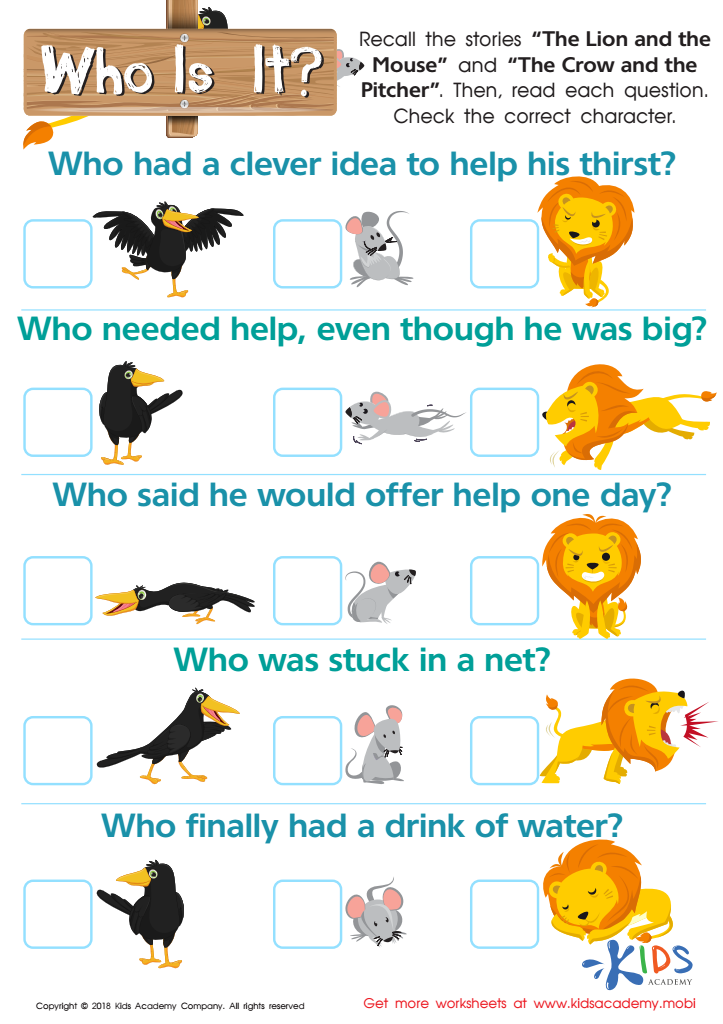
Who Is It? Worksheet
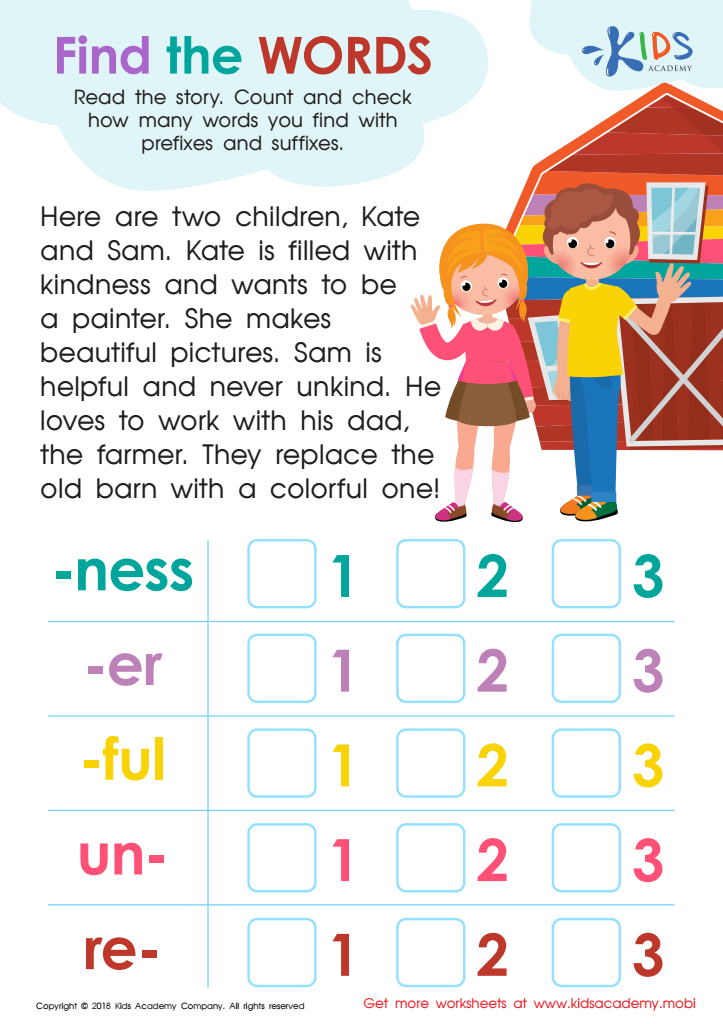
Prefix and Suffix Worksheet For Grade 3



.jpg)

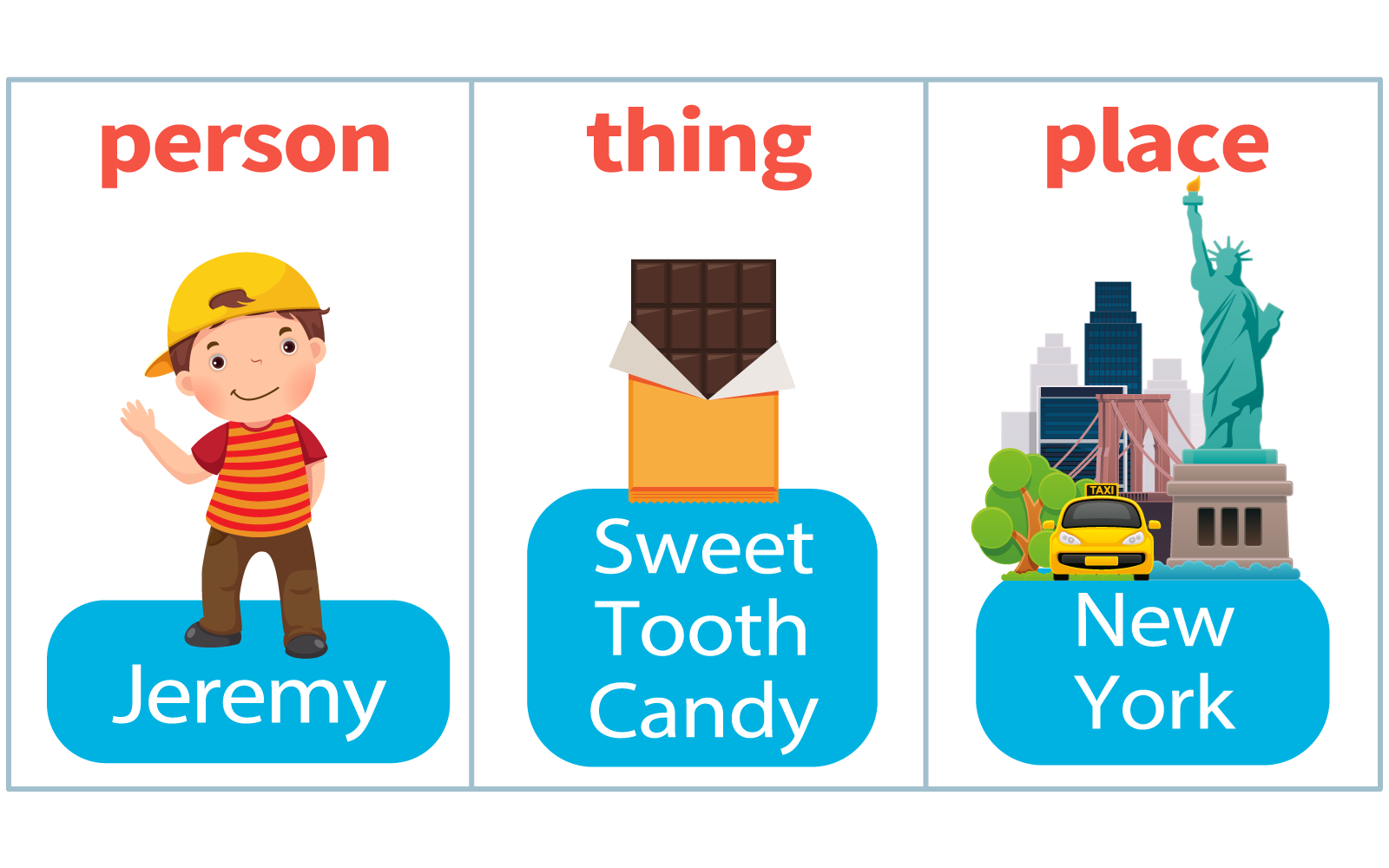

Parents and teachers should care about Normal Grammar for Ages 3-9 because it lays the foundation for effective communication and literacy skills vital for children's development. During these formative years, children are naturally curious and eager to absorb language, making it an ideal time to introduce grammar concepts in a playful, engaging manner. Strong grammar skills contribute to clearer expression of thoughts, ideas, and emotions, which are essential for success in both academic and social settings.
Introducing Normal Grammar at this age fosters critical thinking and enhances listening and comprehension skills. It helps children recognize patterns in language, ultimately leading to more confident readers and writers. By incorporating age-appropriate grammar exercises through games, stories, and interactive activities, children can internalize these concepts without feeling overwhelmed.
Moreover, understanding grammar supports inclusive communication, enabling children to connect with diverse peers and share their perspectives effectively. For educators, integrating grammar instruction into the curriculum promotes a cohesive learning environment, ensuring that all students are equipped with essential tools for literacy. Therefore, emphasizing Normal Grammar in early childhood education is crucial for nurturing well-rounded communicators, setting a solid foundation for lifelong learning.