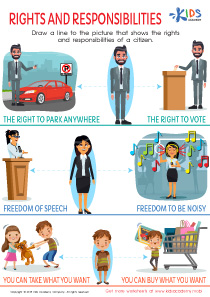
Normal Governance and Civics Worksheets for Ages 4-7 - Page 2
28 filtered results
-
From - To
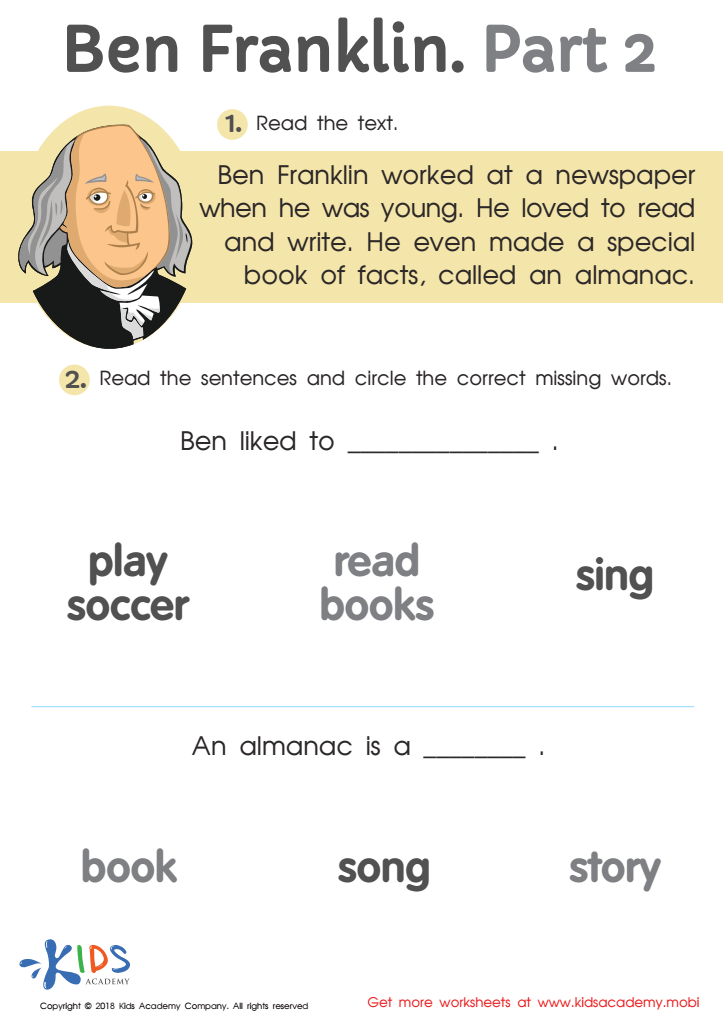
Ben Franklin Part 2 Worksheet
 Assign to My Students
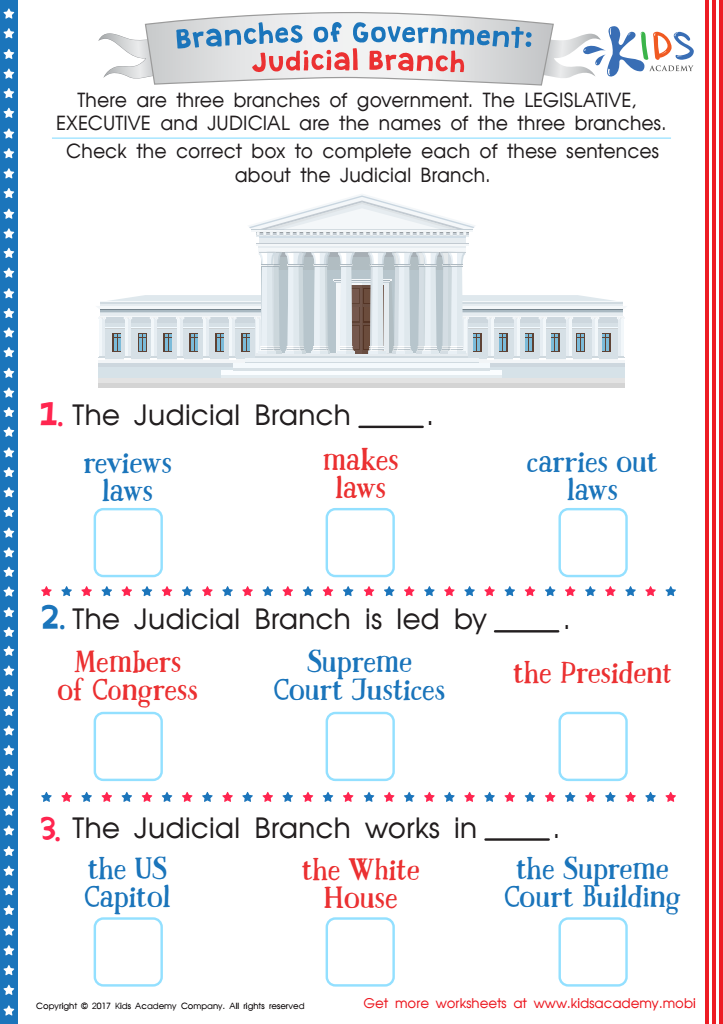
Braches of the Government: Judicial Branch Worksheet
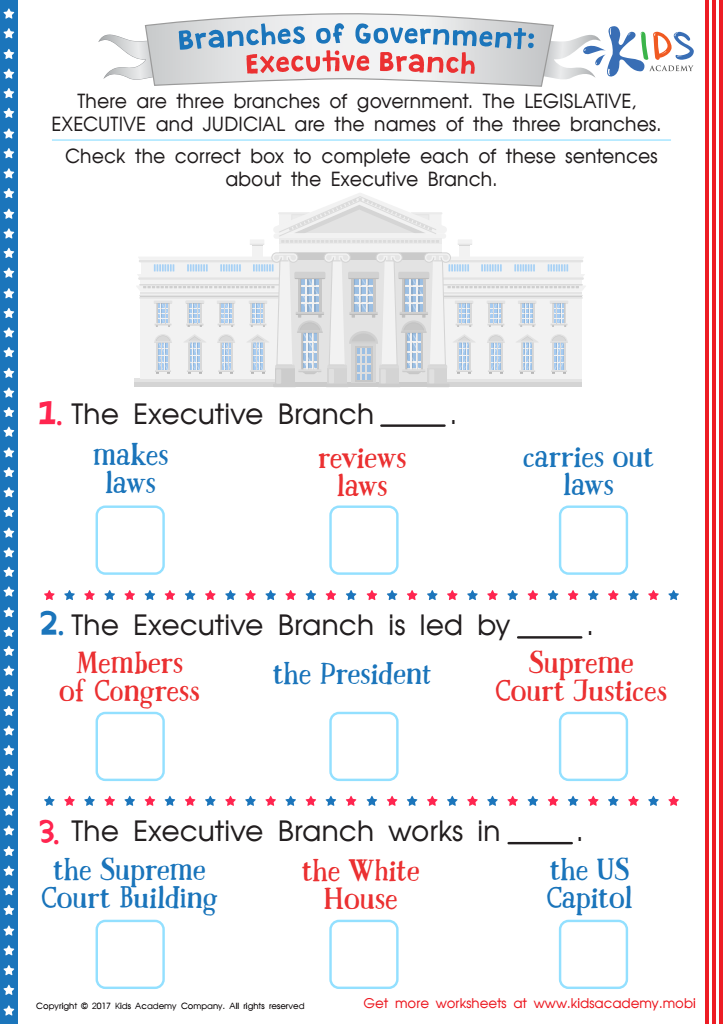
Branches of the Government: Executive Branch Printable
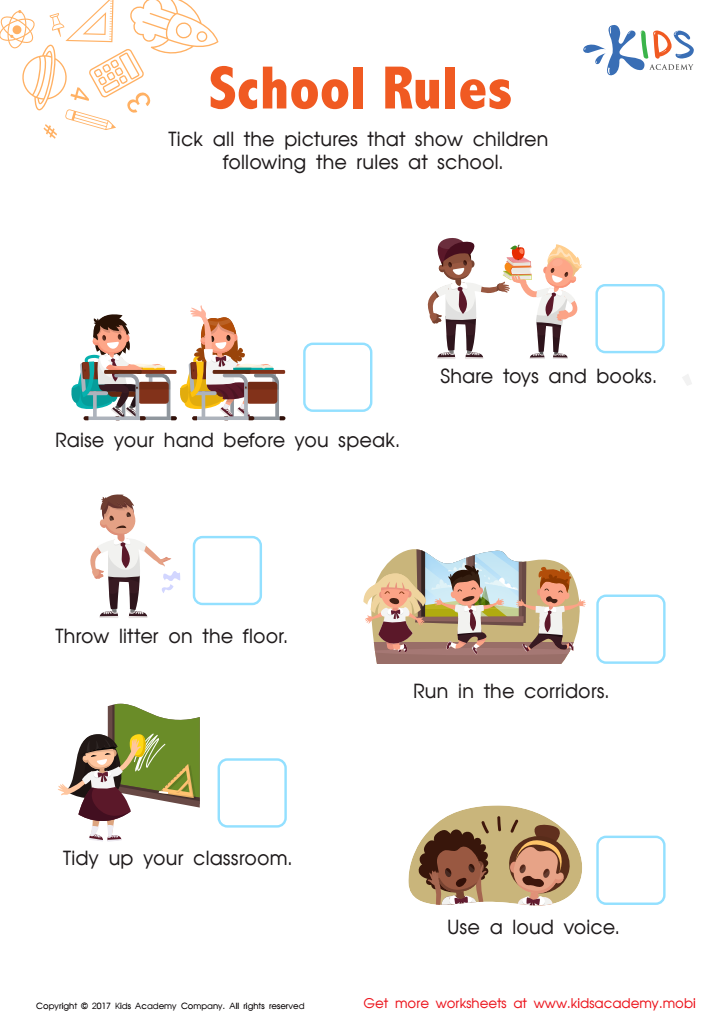
School Rules Worksheet


Introducing children ages 4-7 to the fundamentals of governance and civics is essential for several reasons. First, it helps cultivate informed and responsible future citizens. Early exposure empowers children to understand their roles and responsibilities within a community, promoting positive social values such as fairness, kindness, and cooperation.
Second, introducing these concepts early encourages critical thinking and sets the foundation for appreciating diverse perspectives. At this age, children are naturally curious and open-minded, making it an ideal time to instill values of democracy, justice, and equality. This foundational knowledge paves the way for more complex understanding as they grow older.
Third, it fosters a sense of belonging and community awareness. Lessons and activities about local governance, community helpers, and basic laws introduce kids to the work that goes into maintaining their communities and the importance of participation. This helps them feel more connected and capable as contributors to their world.
Lastly, teaching civics and governance demystifies topics that can seem abstract later in life. Early, age-appropriate engagement makes subjects like voting, rule-making, and leadership understandable and relatable. Ensuring that children grasp these fundamentals from a young age strengthens the democratic fabric by encouraging an engaged, knowledgeable, and proactive populace.