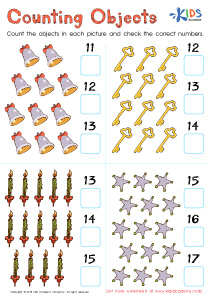
Normal Place Value Worksheets for Ages 4-8 - Page 2
43 filtered results
-
From - To
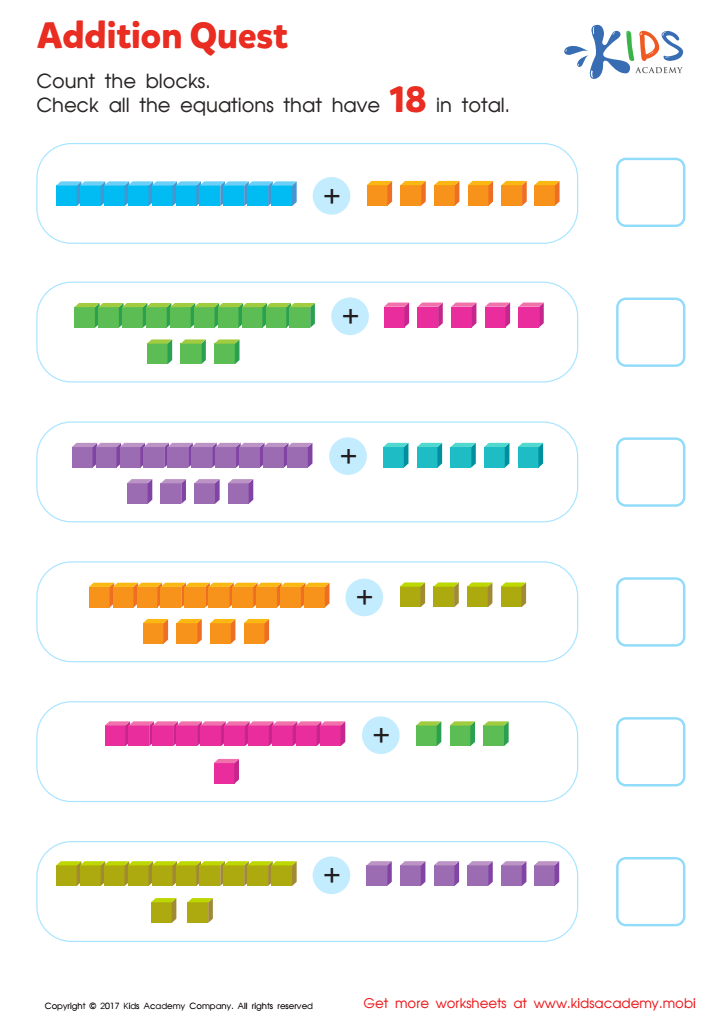
Addition Quest Worksheet: Part 2
 Assign to My Students
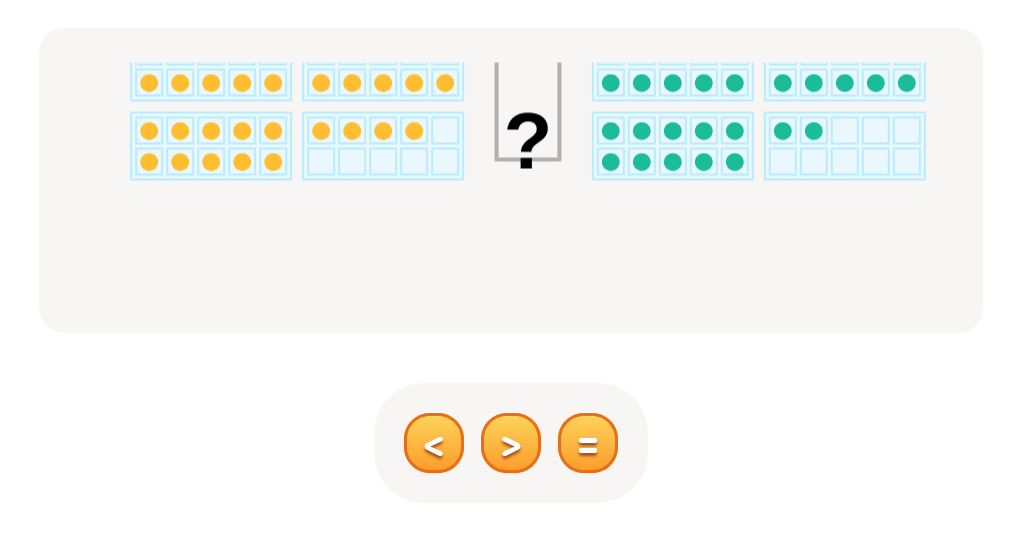

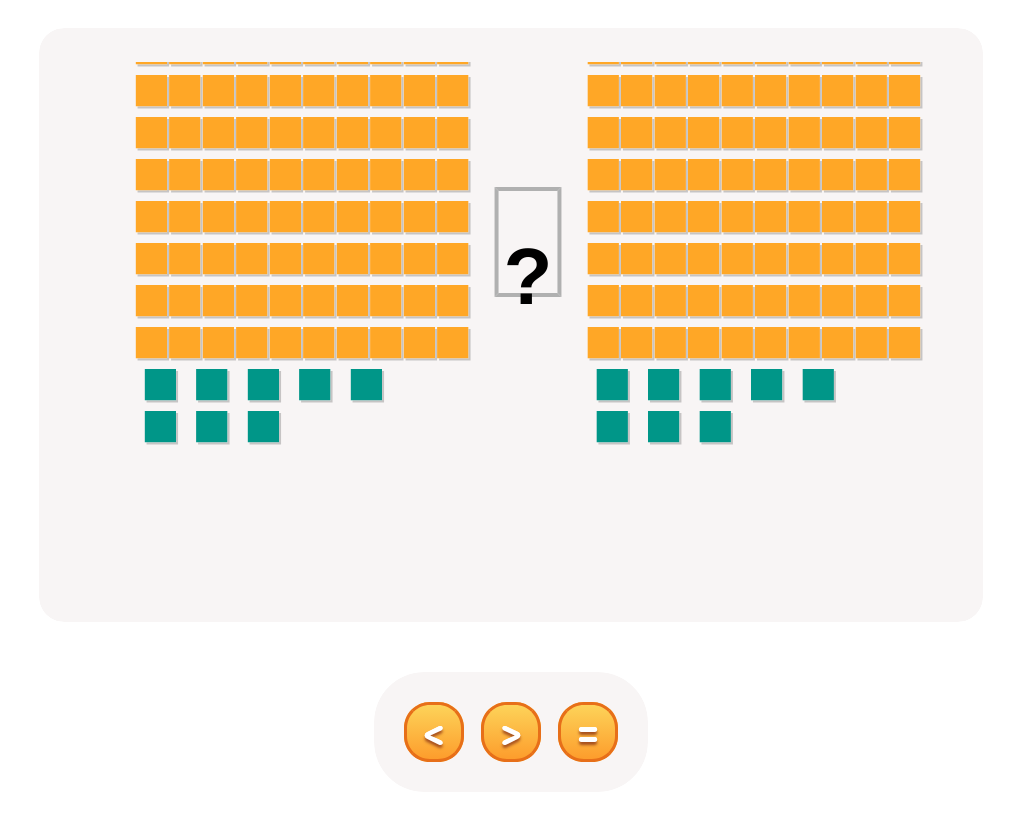
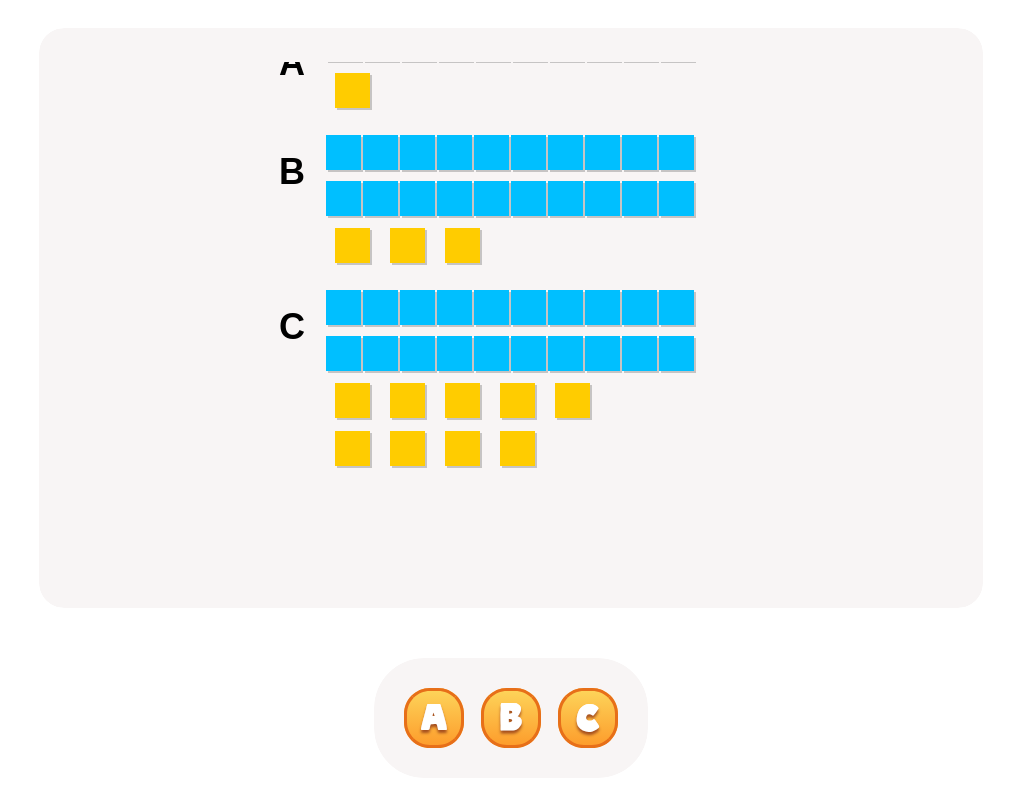
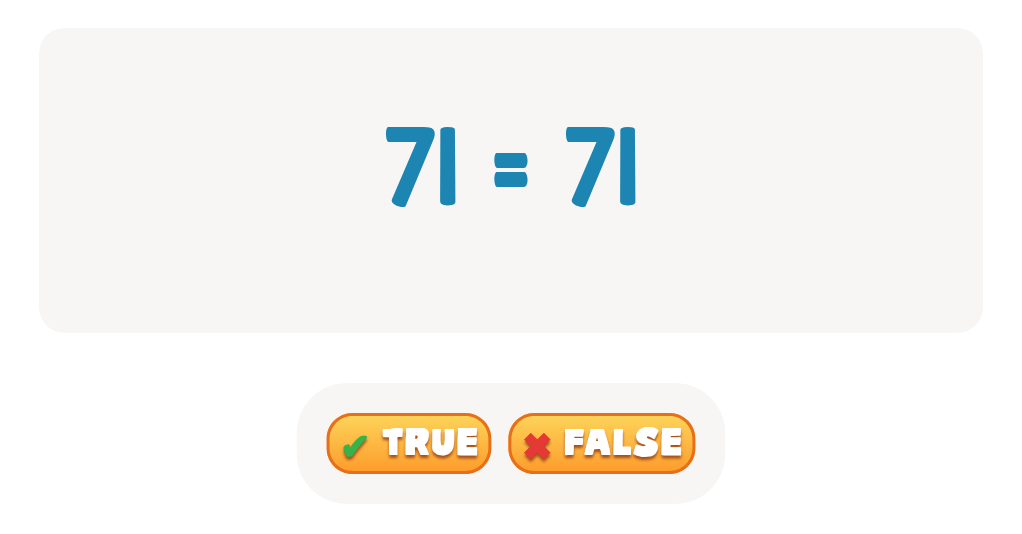
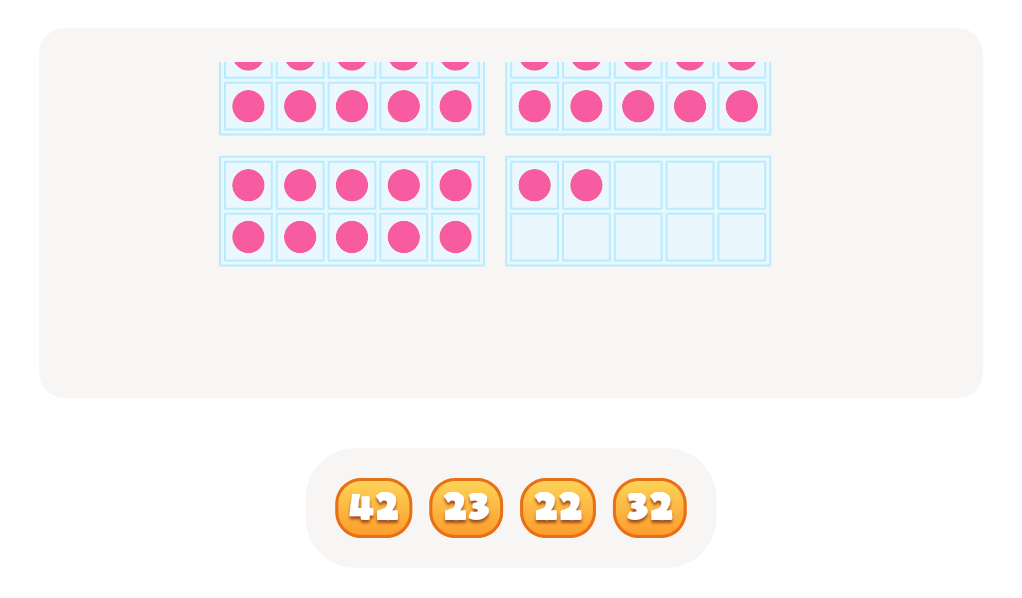
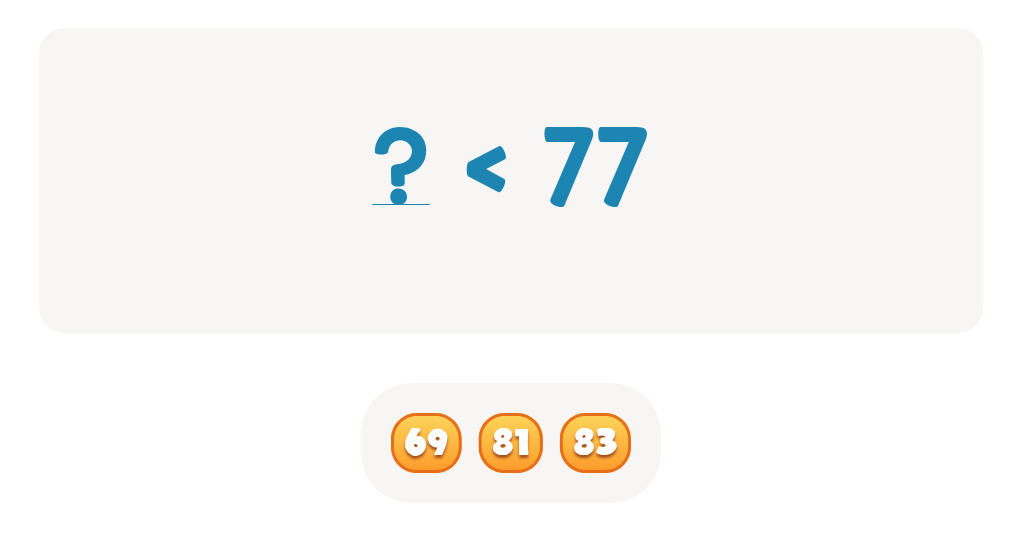
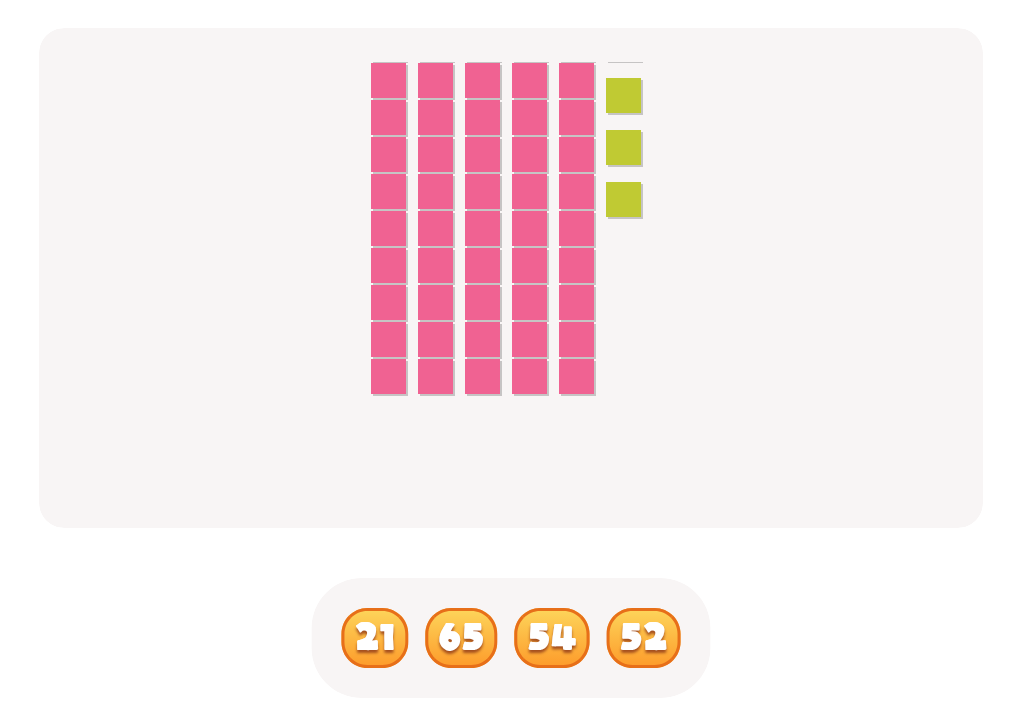
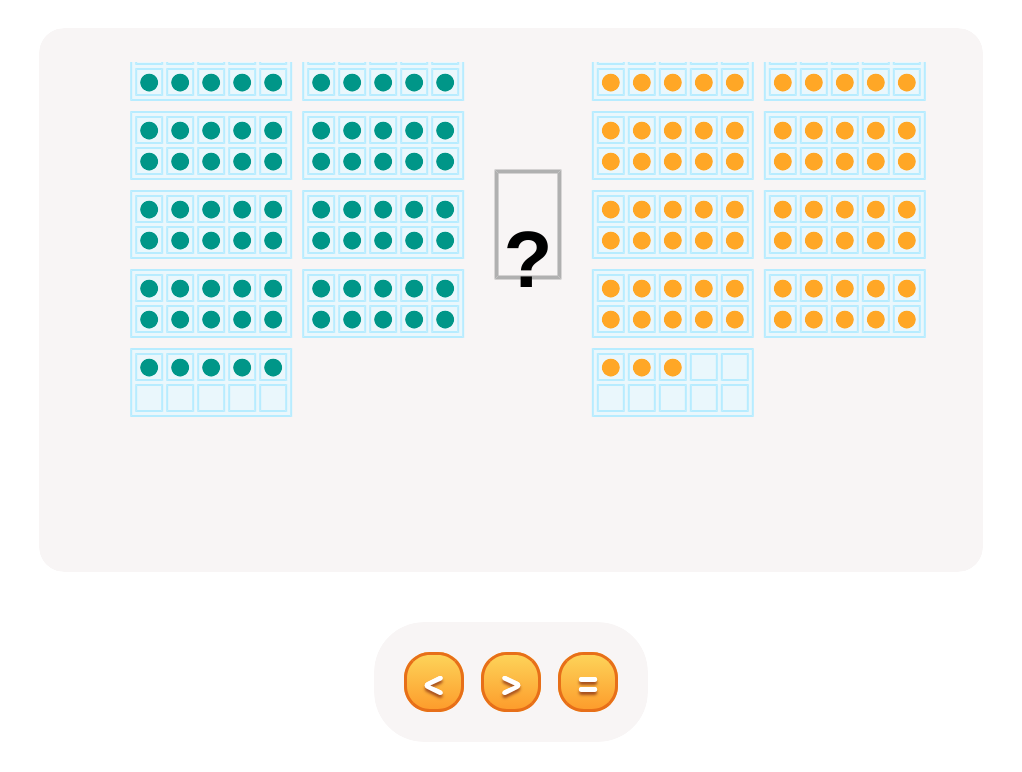
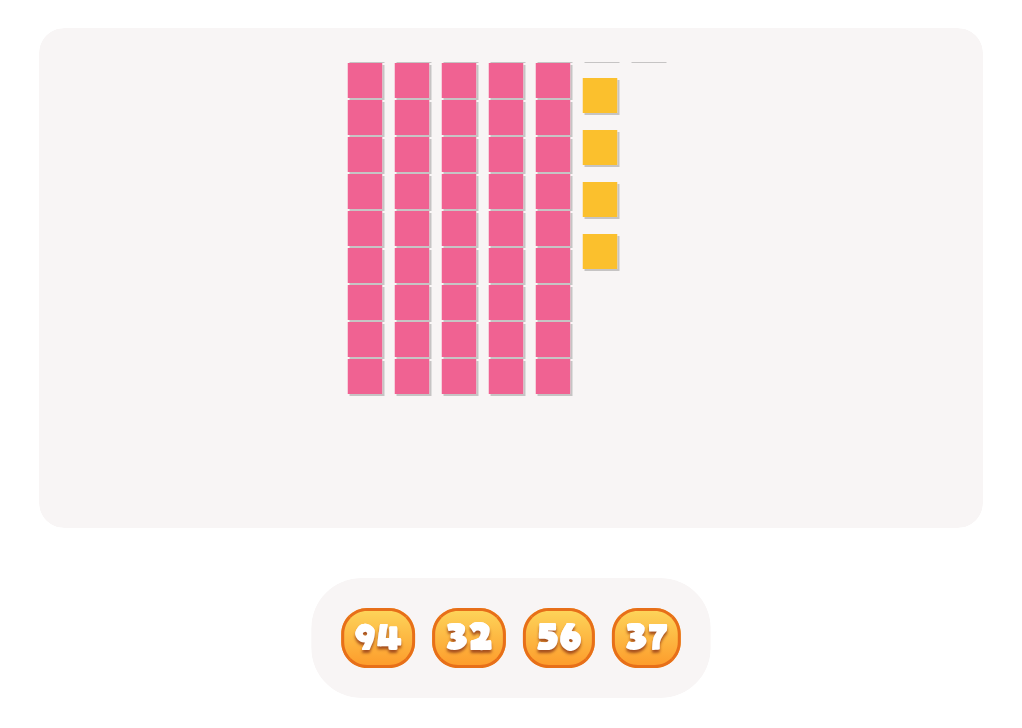
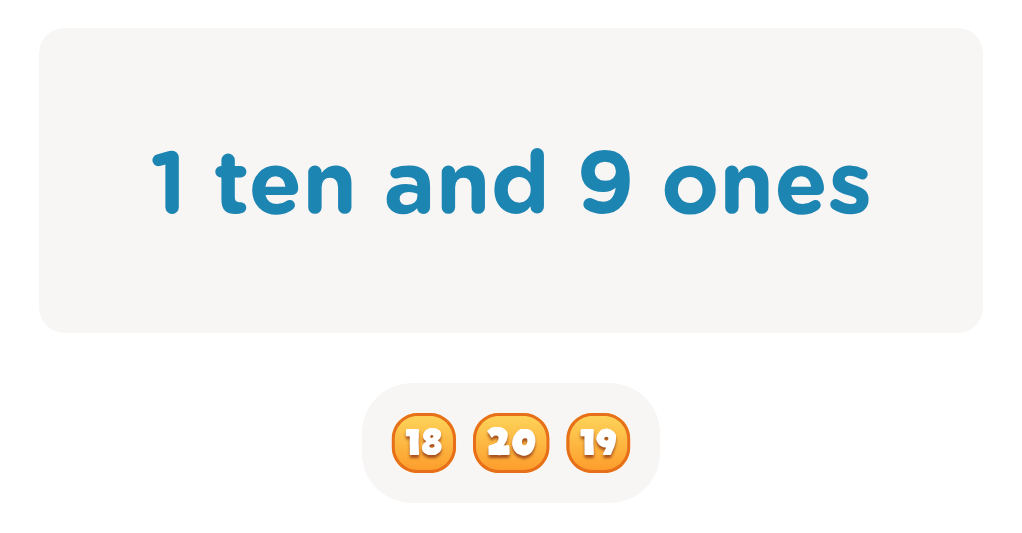
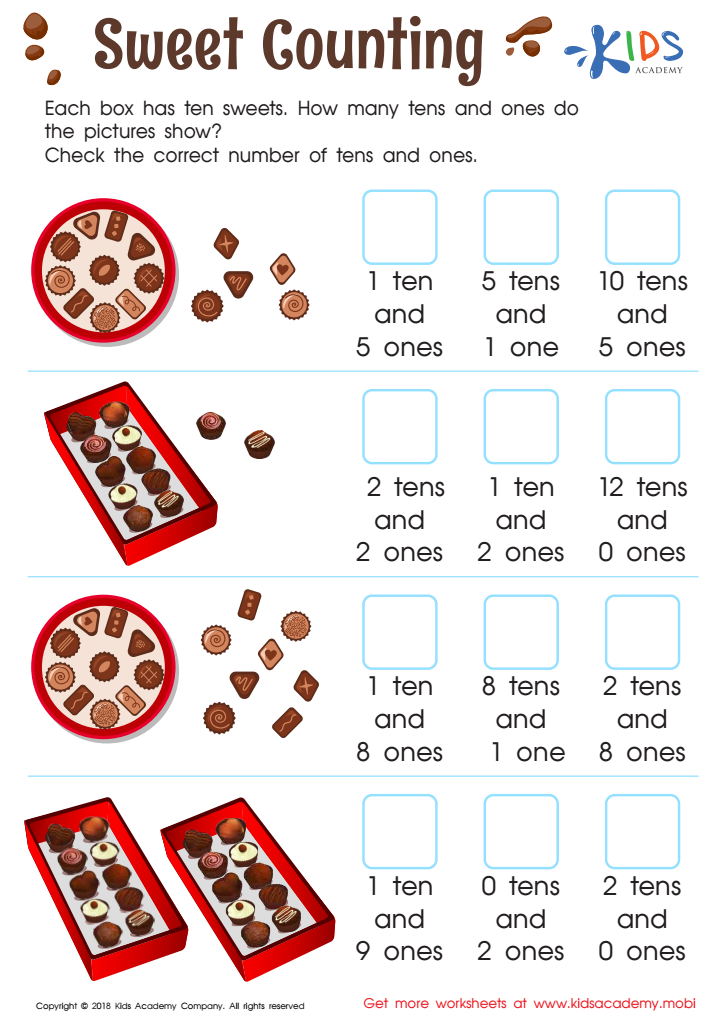
Sweet Counting - Part 2 Worksheet
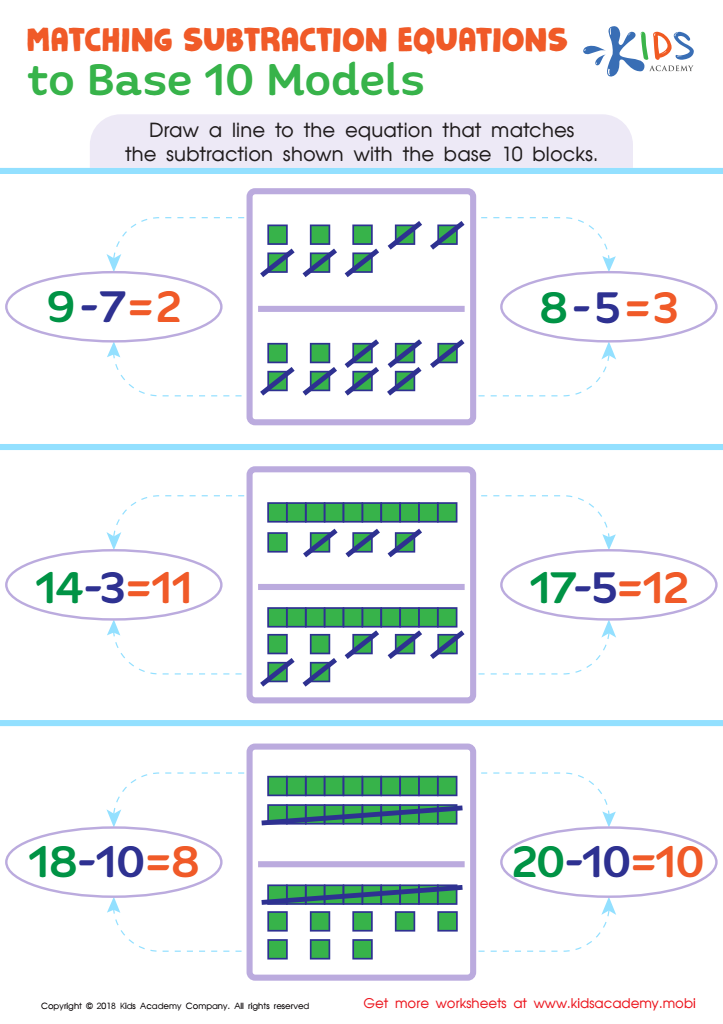
Matching Subtraction Equations To Base 10 Models Worksheet
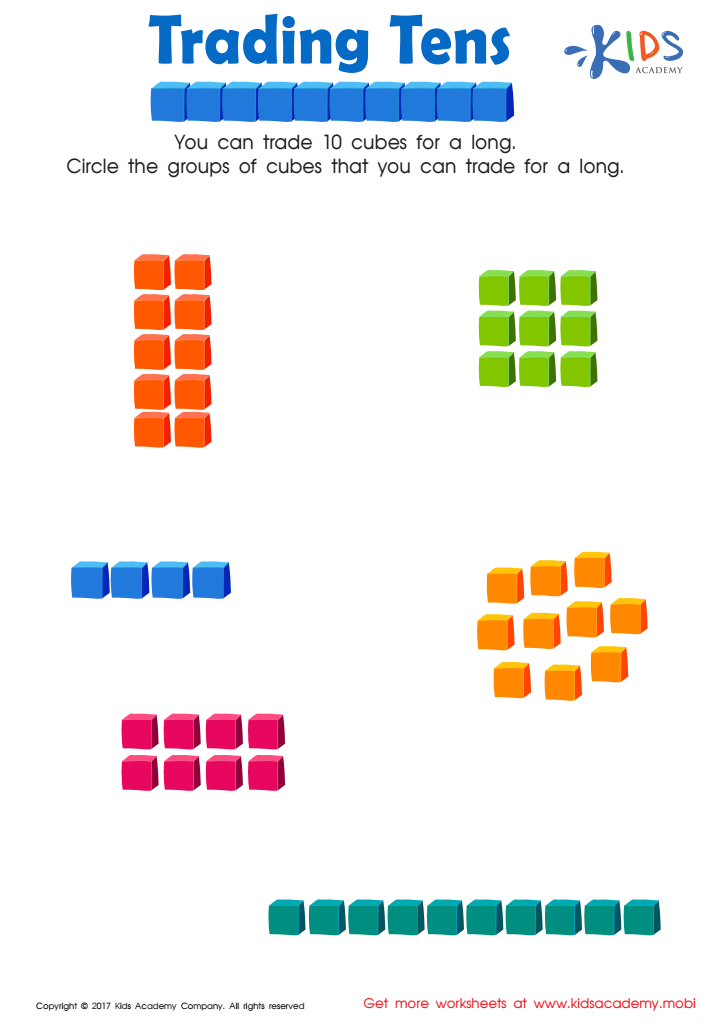
Trading Tens Worksheet
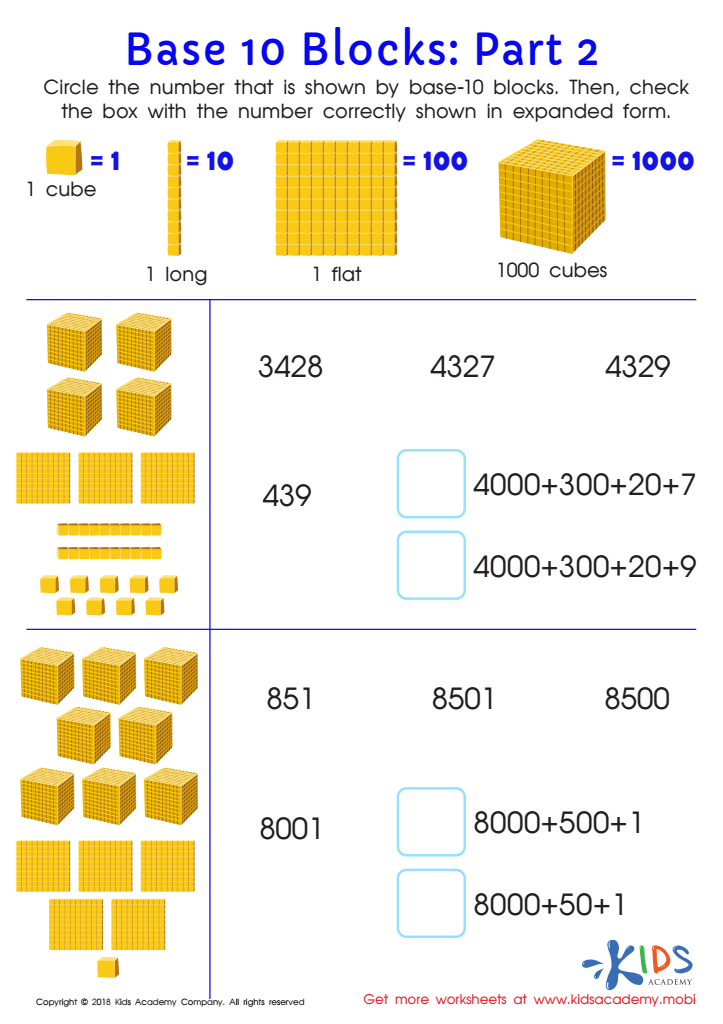
Base 10 Blocks Worksheet: Part 2
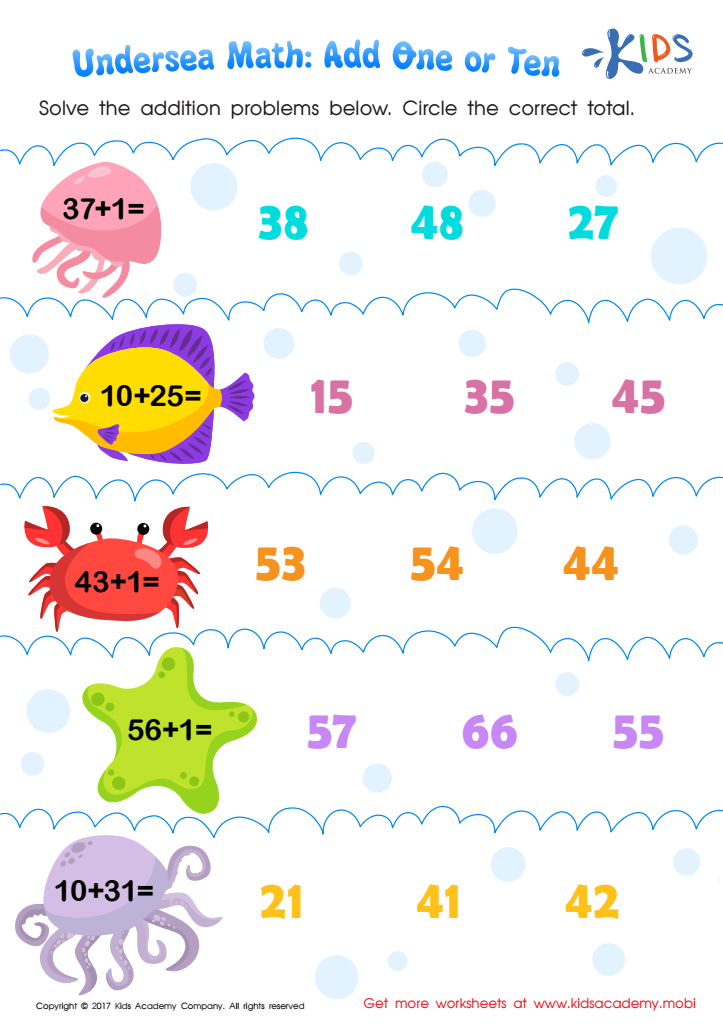
Undersea Math Worksheet
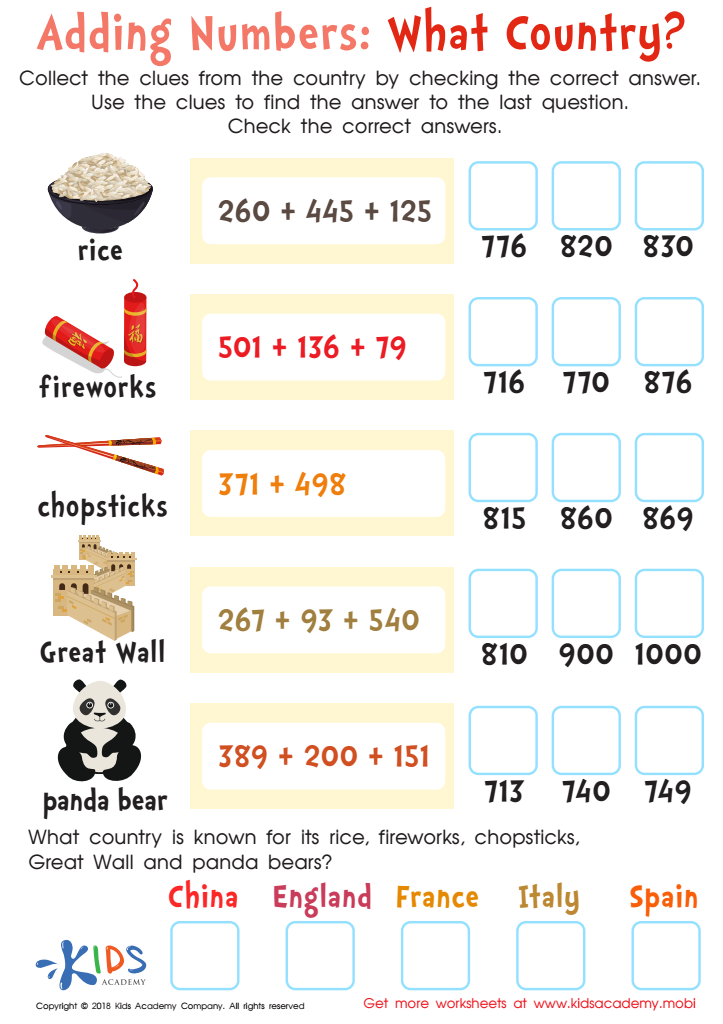
Adding Numbers: What Country Worksheet
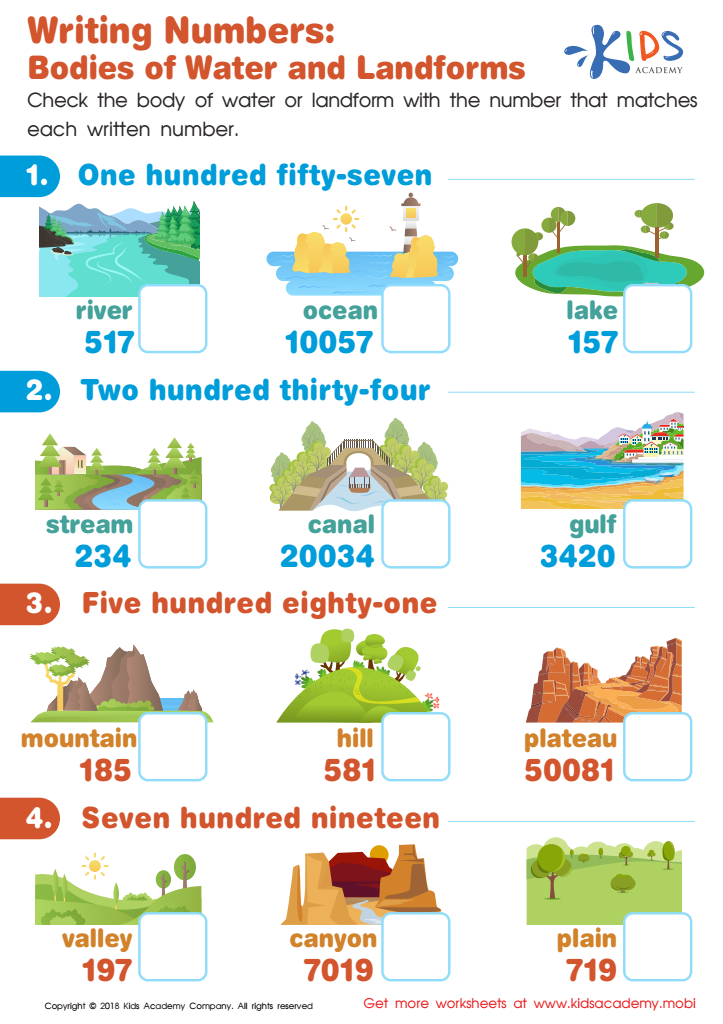
Bodies of Water and Landforms Writing Numbers Worksheet
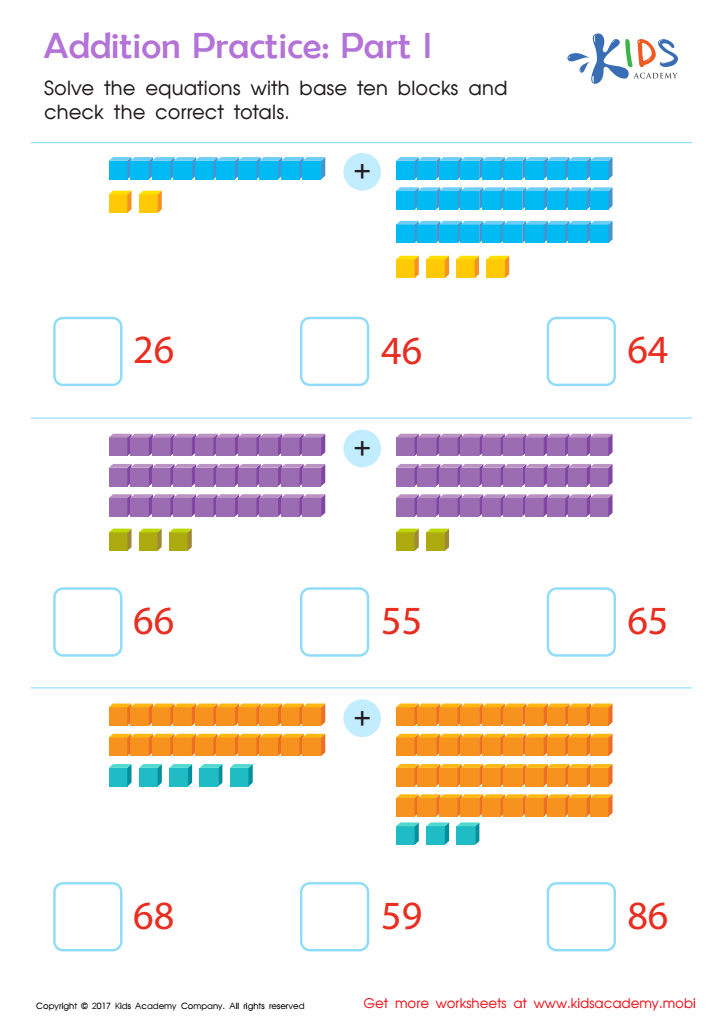
Addition Practice Sheet: Part 1
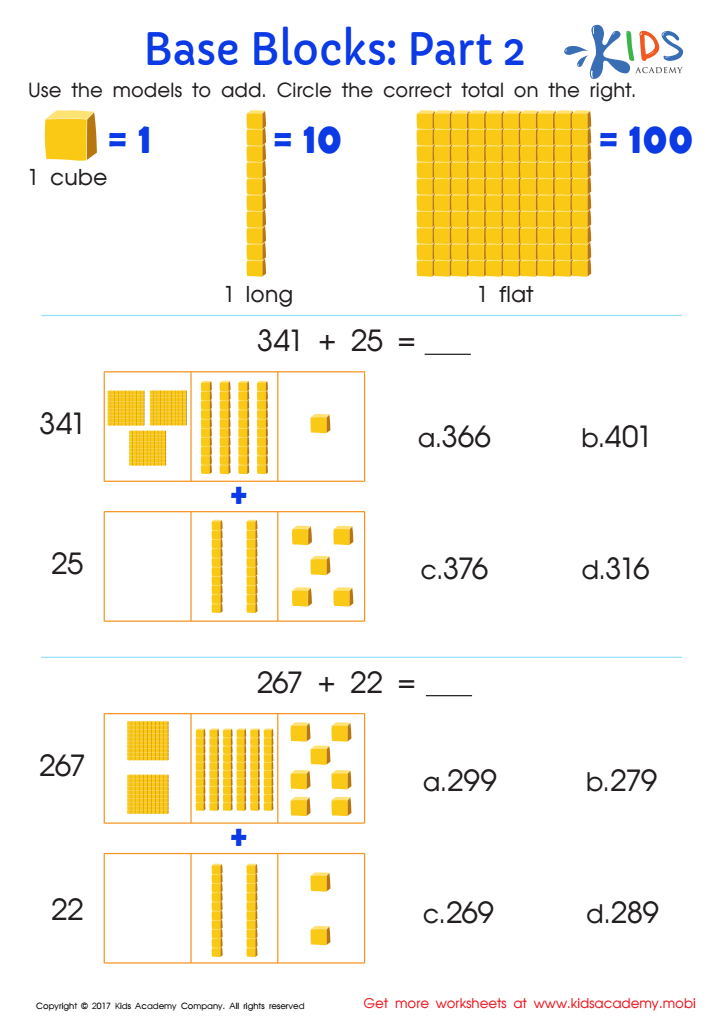
Base Ten Blocks Worksheet: Part 2
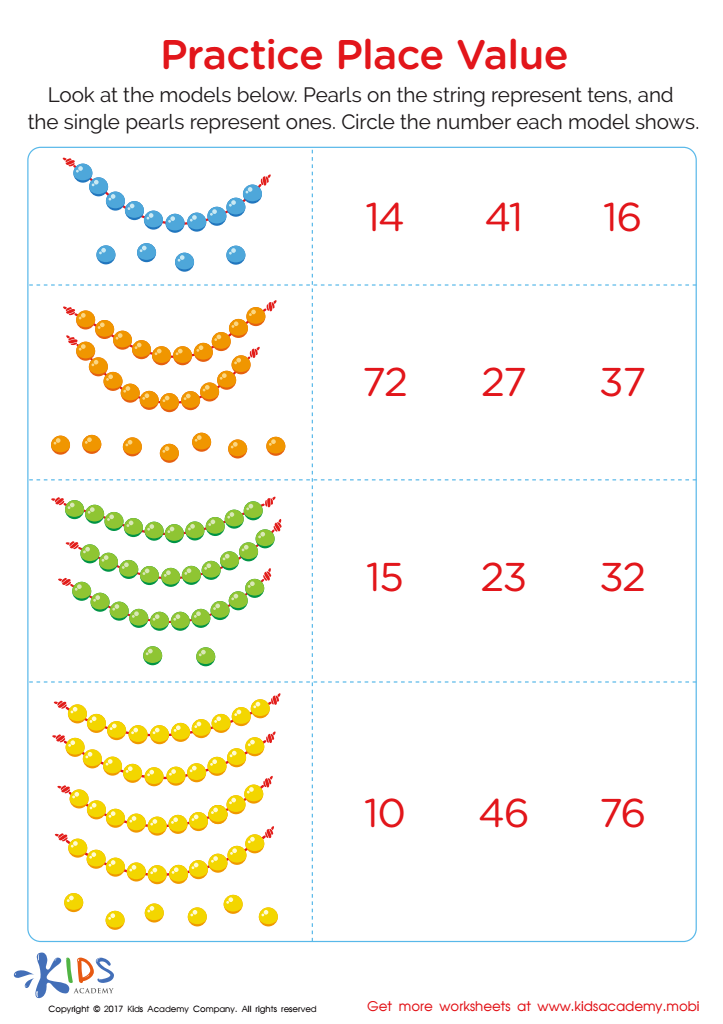
Practice Place Value Printable
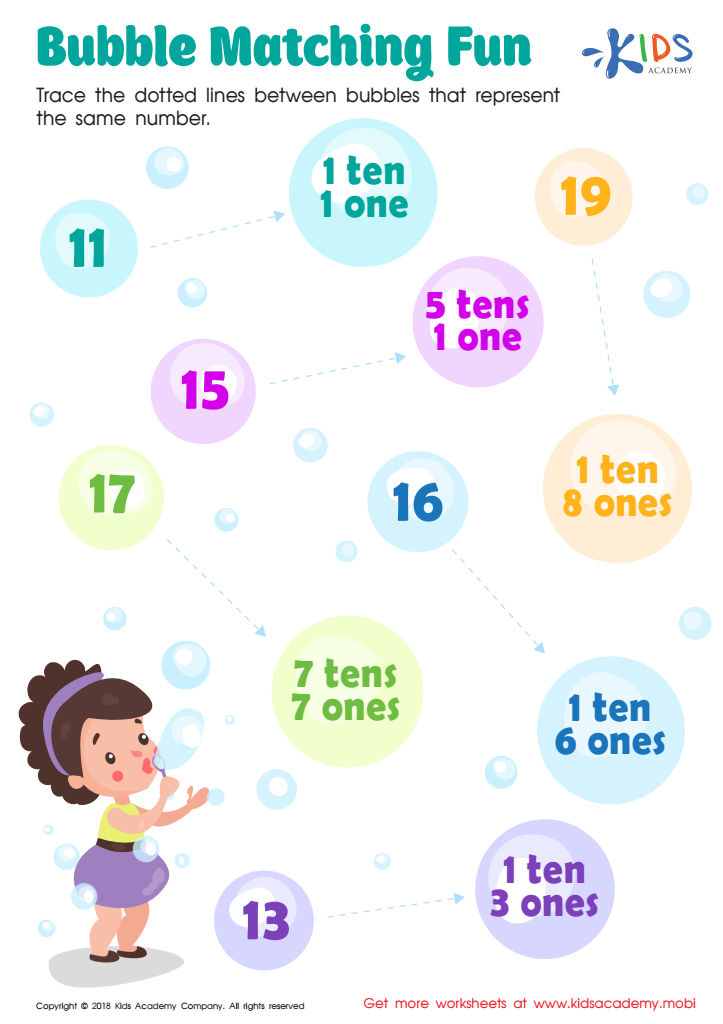
Bubble Matching Fun Worksheet
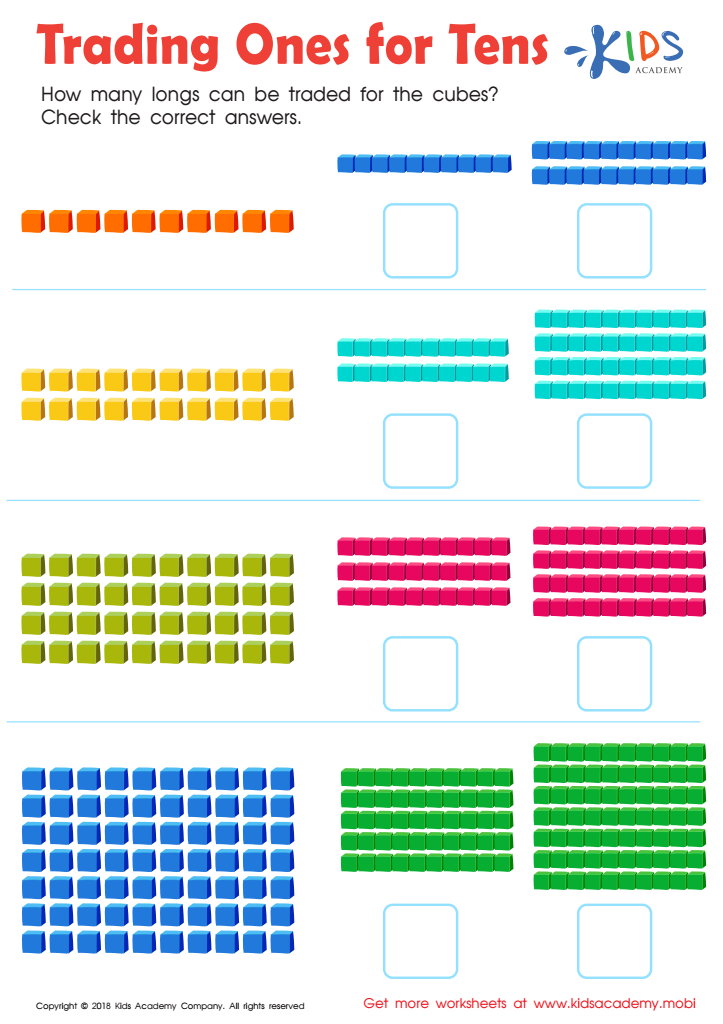
Trading Ones for Tens Worksheet: Part 2
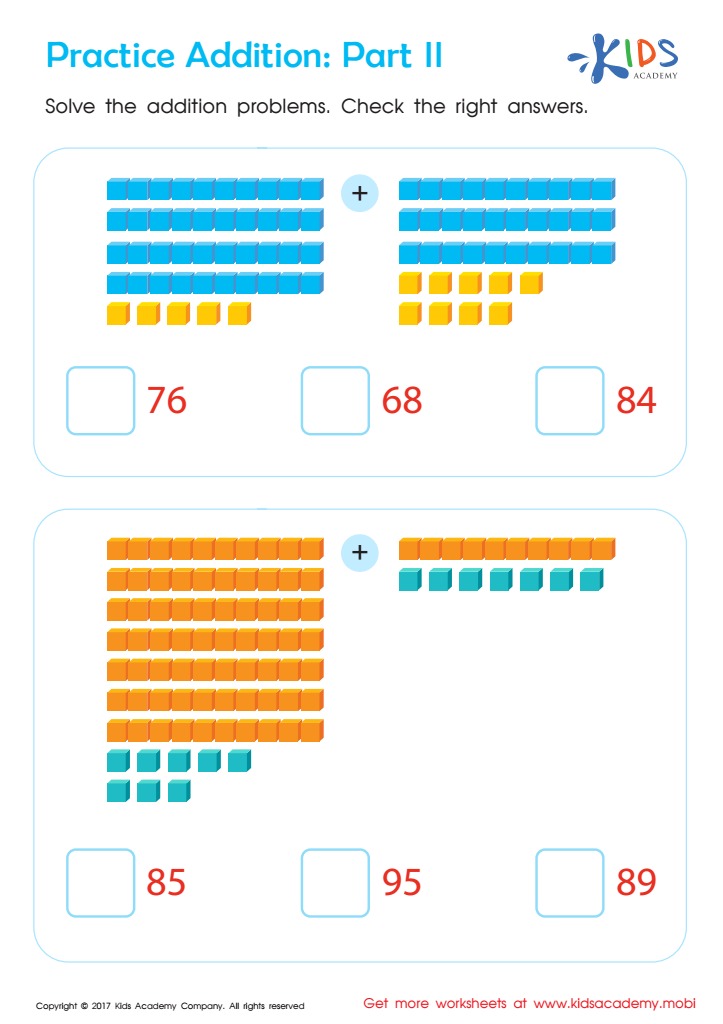
Practice Addition: Part 2 Worksheet
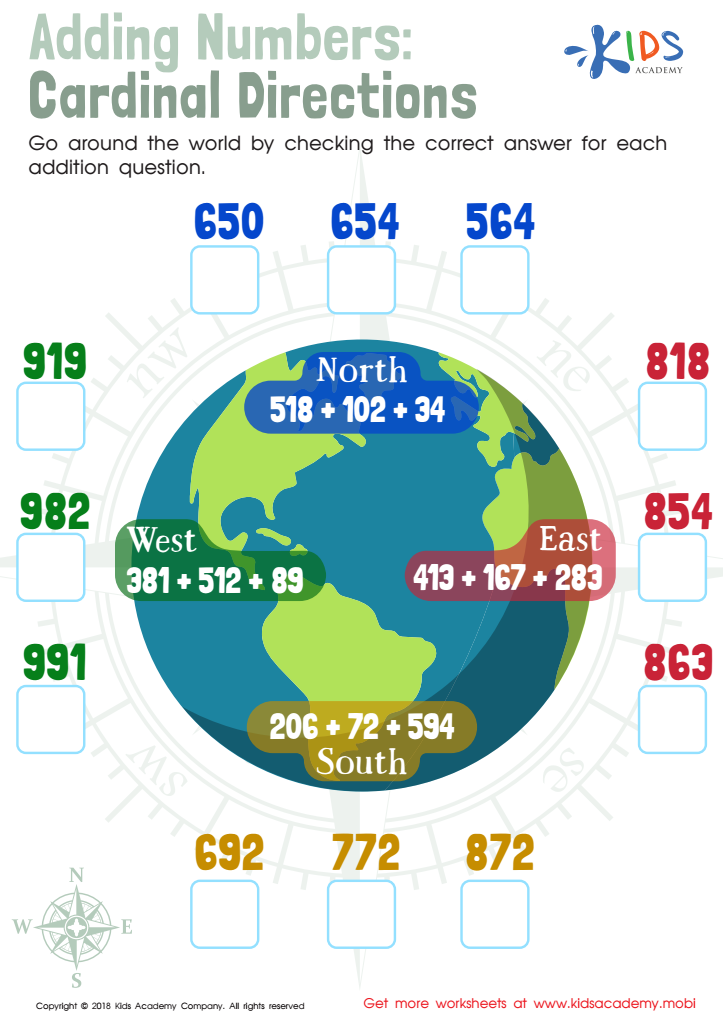
Adding Numbers: Cardinal Directions Worksheet
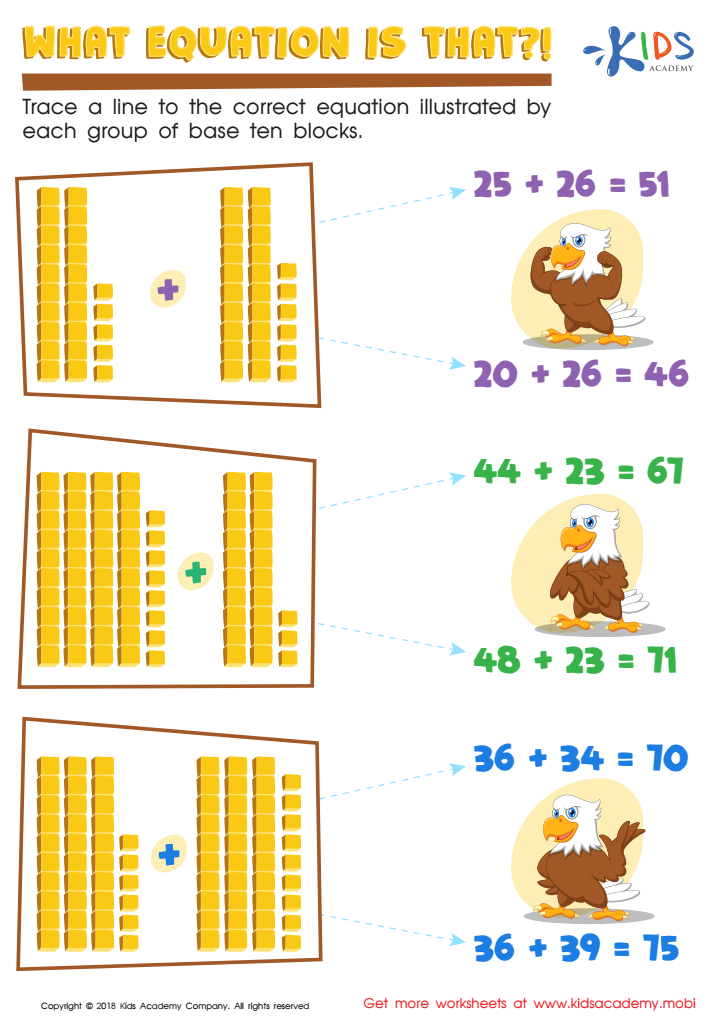
What Equation Is That? Worksheet
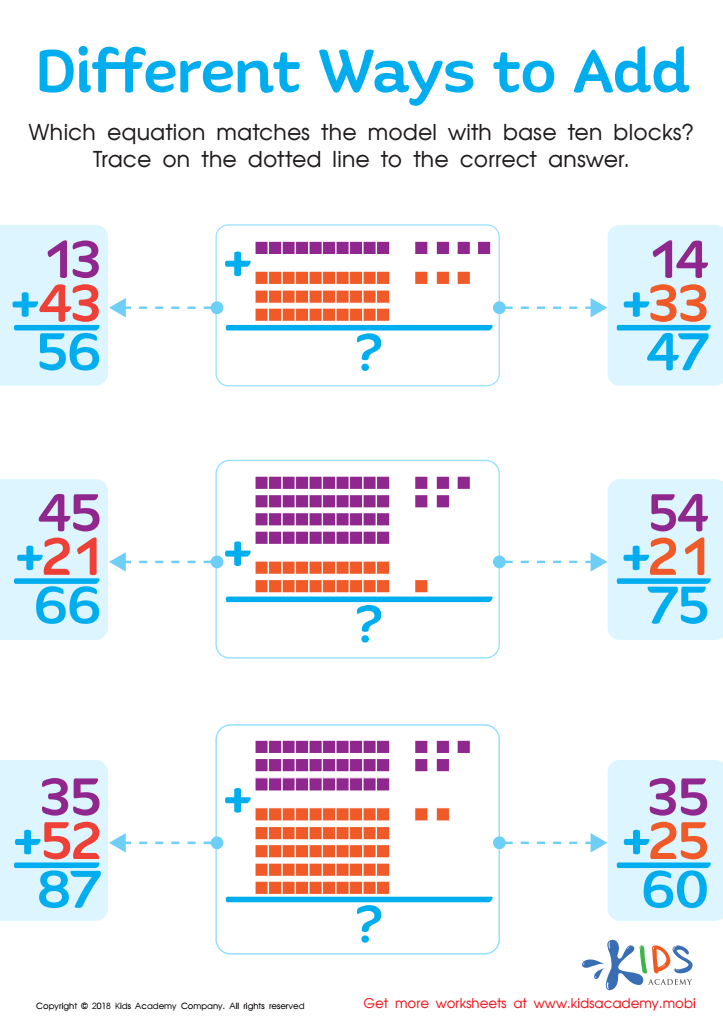
Different Ways to Add Worksheet
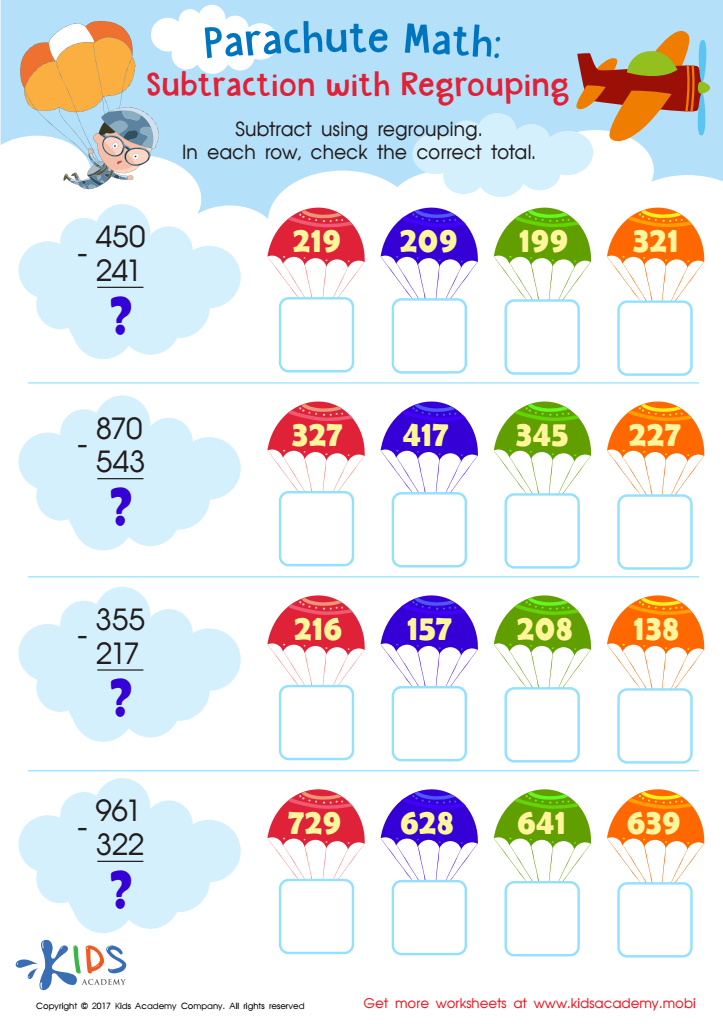
Subtraction with Regrouping for 3rd Grade Worksheet
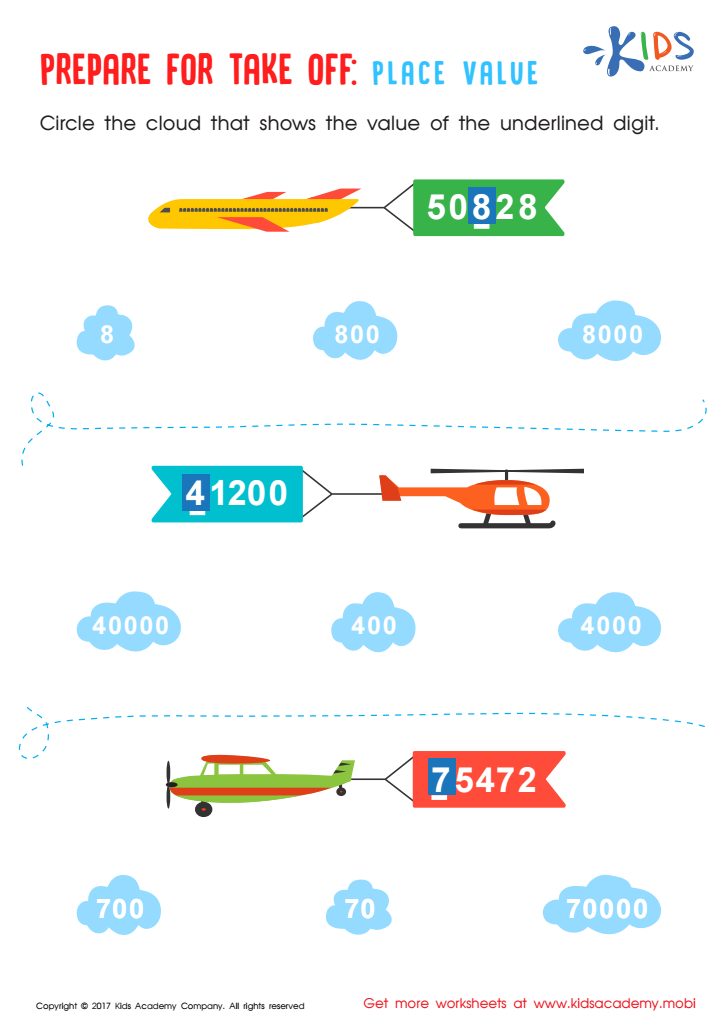
Free Place Value Worksheet for 3rd Grade







Understanding normal place value is crucial for children aged 4-8 as it lays the foundation for their arithmetic skills and future mathematical learning. At this developmental stage, children are building cognitive skills that help them comprehend the concept of numbers and their value. When children grasp the place value system, they learn that the position of a digit indicates its value—units, tens, hundreds, and so on. This insight not only aids in performing basic operations but also enhances their ability to understand larger numbers.
For parents and teachers, focusing on normal place value fosters confidence and competence in young learners. It encourages problem-solving skills and logical thinking, as children learn to regroup and manipulate numbers. Teaching this concept early creates a strong math foundation, leading to better outcomes in the later stages of education.
Moreover, a solid understanding of place value supports real-life applications, from counting money to telling time, reinforcing its relevance and importance. Parents and teachers are instrumental in nurturing children’s curiosity and positive experiences with math. Thus, by emphasizing normal place value, they equip children with essential skills that are vital for lifelong learning and everyday problem-solving.