Normal Science Worksheets for Ages 4-8 - Page 10
312 filtered results
-
From - To
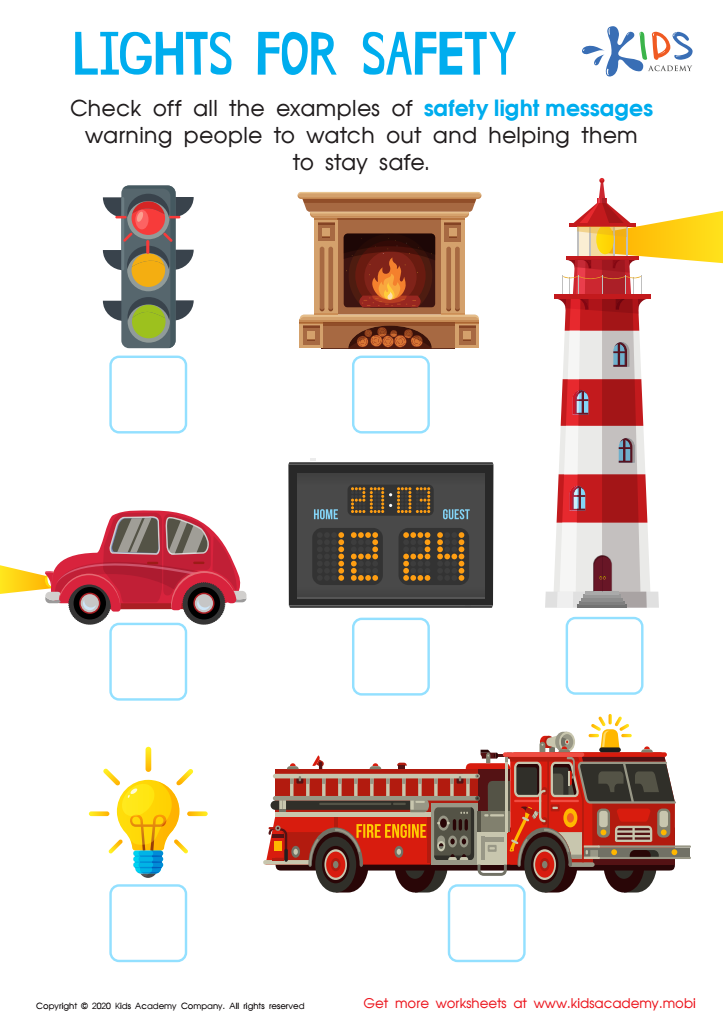
Lights for Safety Worksheet
 Assign to My Students
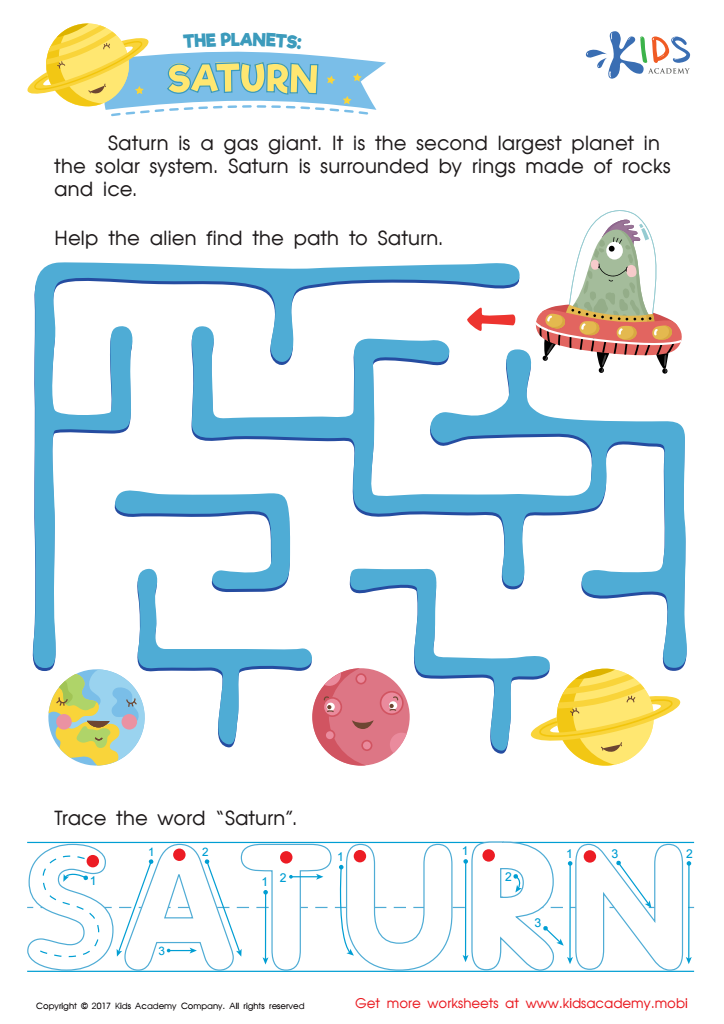
The Planets: Saturn Printable
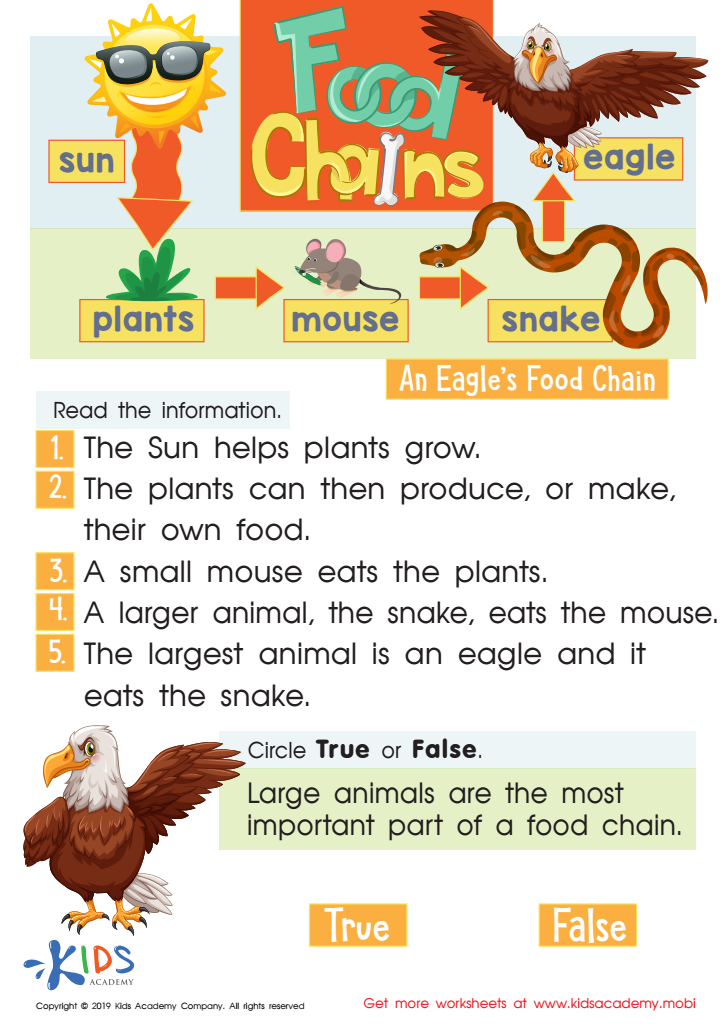
Food Chains Worksheet
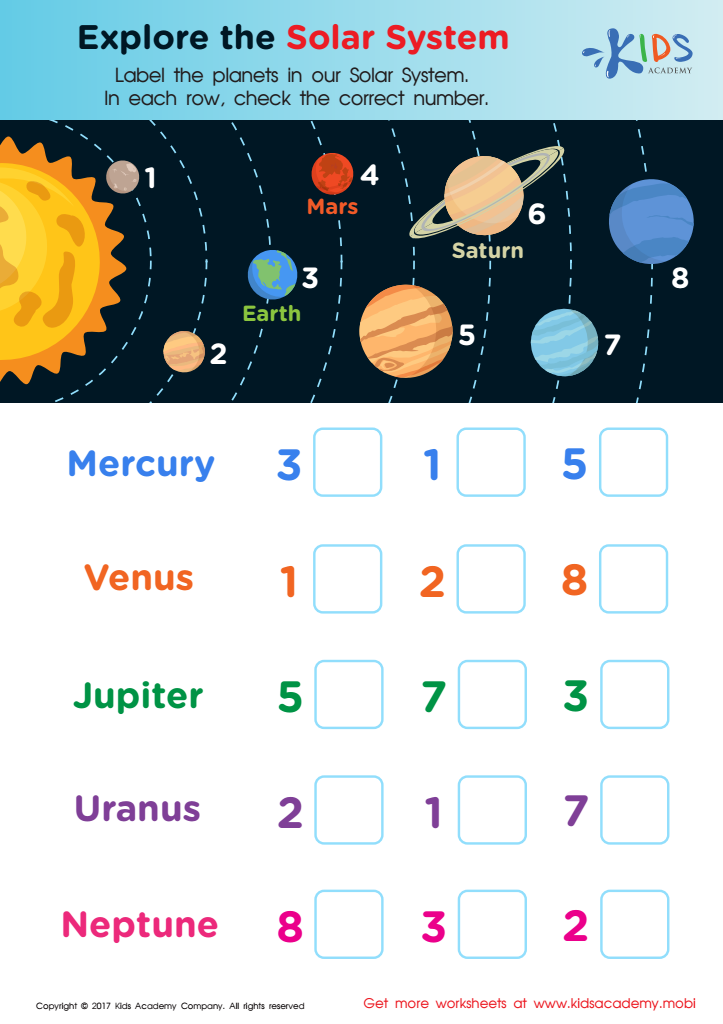
Solar System Planets Worksheet
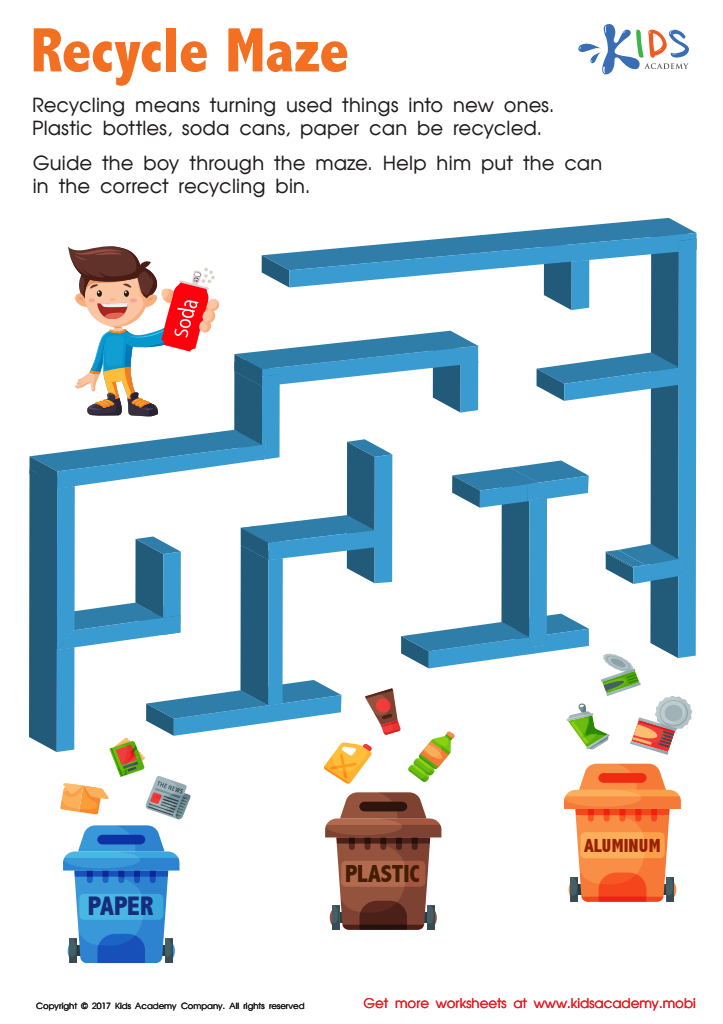
Recycle Maze Worksheet
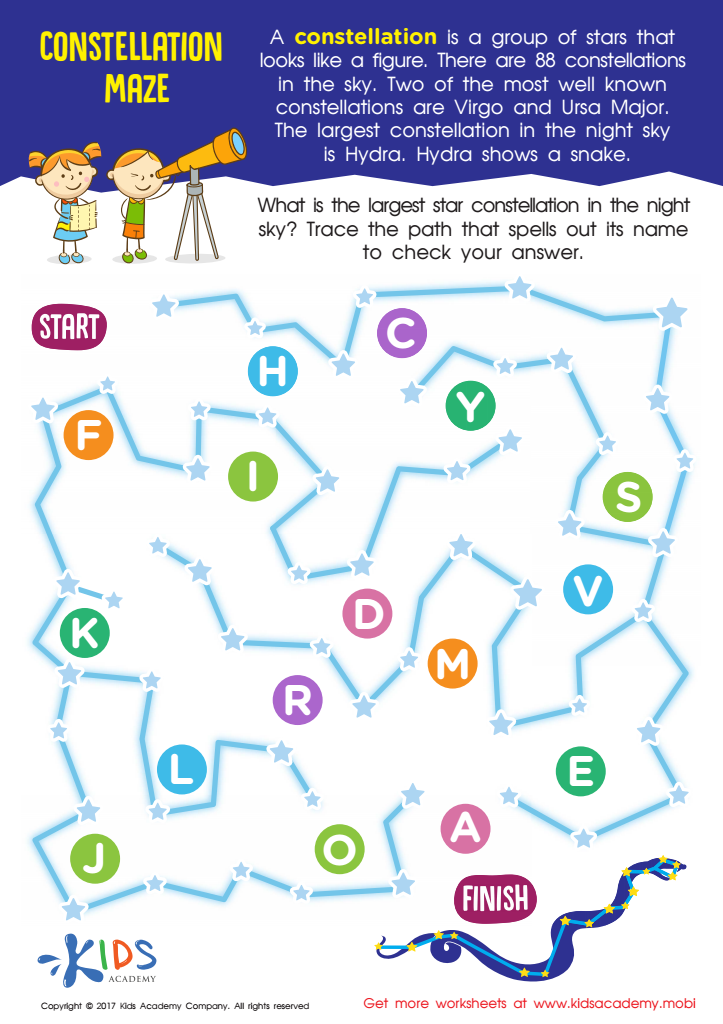
Constellations Worksheet
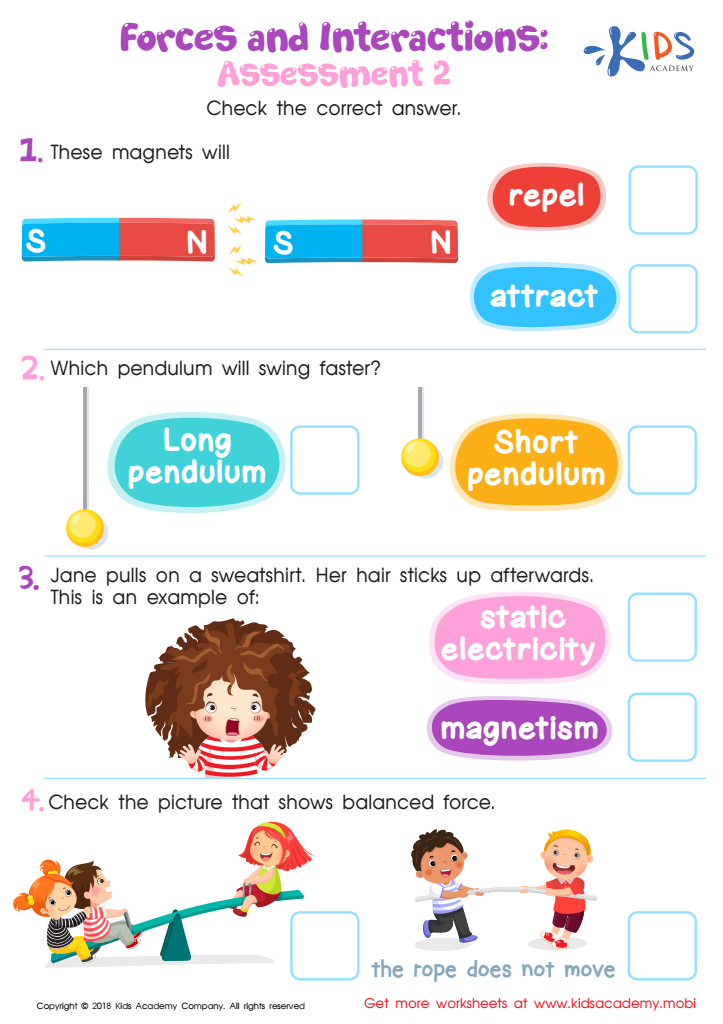
Forces and Interactions Worksheet For 3rd Grade
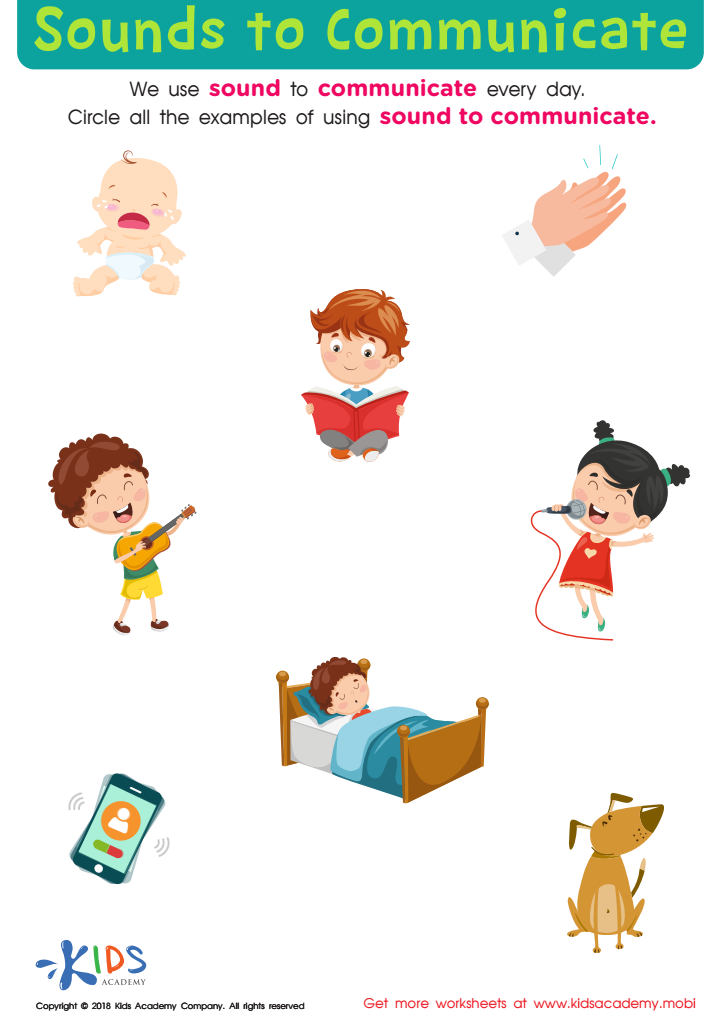
Sounds to Communicate Worksheet
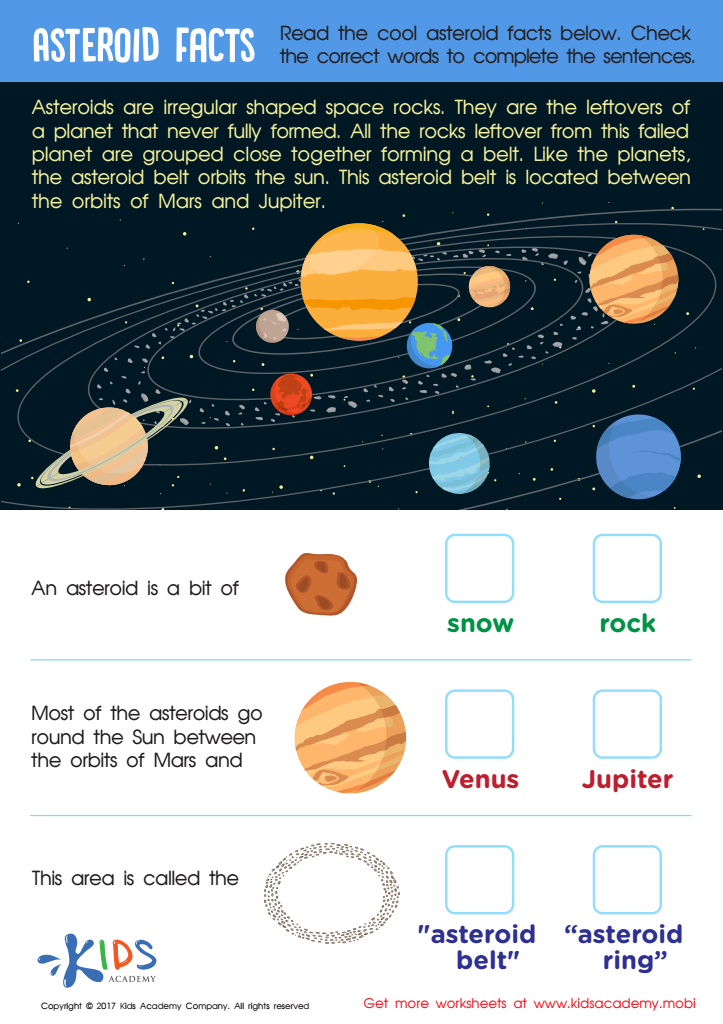
Asteroid Facts Worksheet
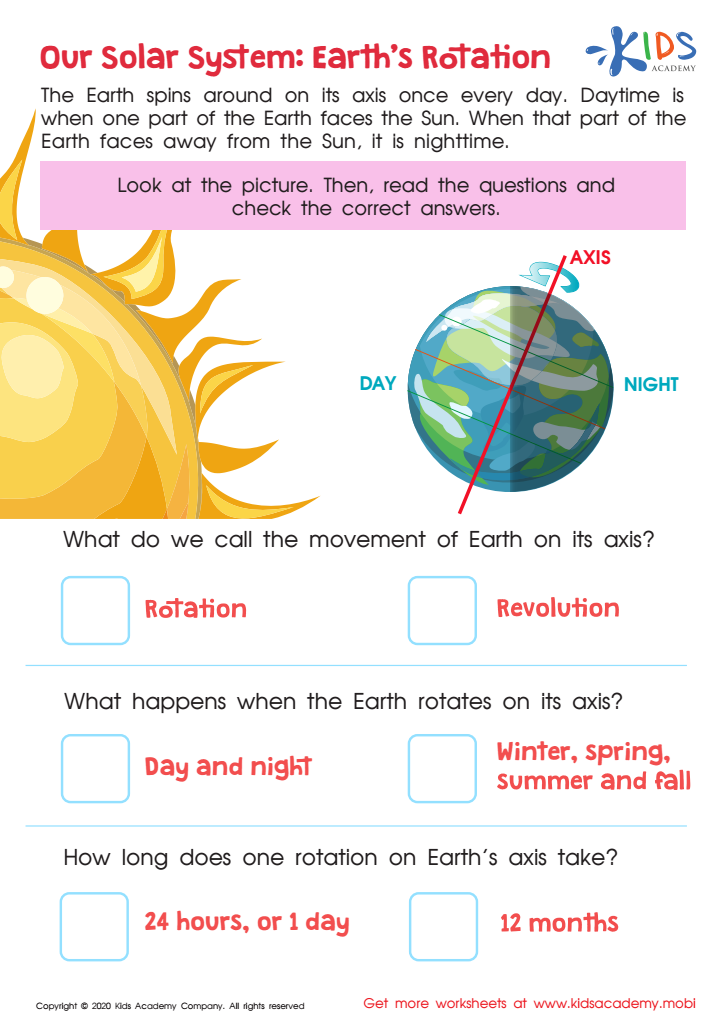
Our Solar System: Earth's Rotation Printable
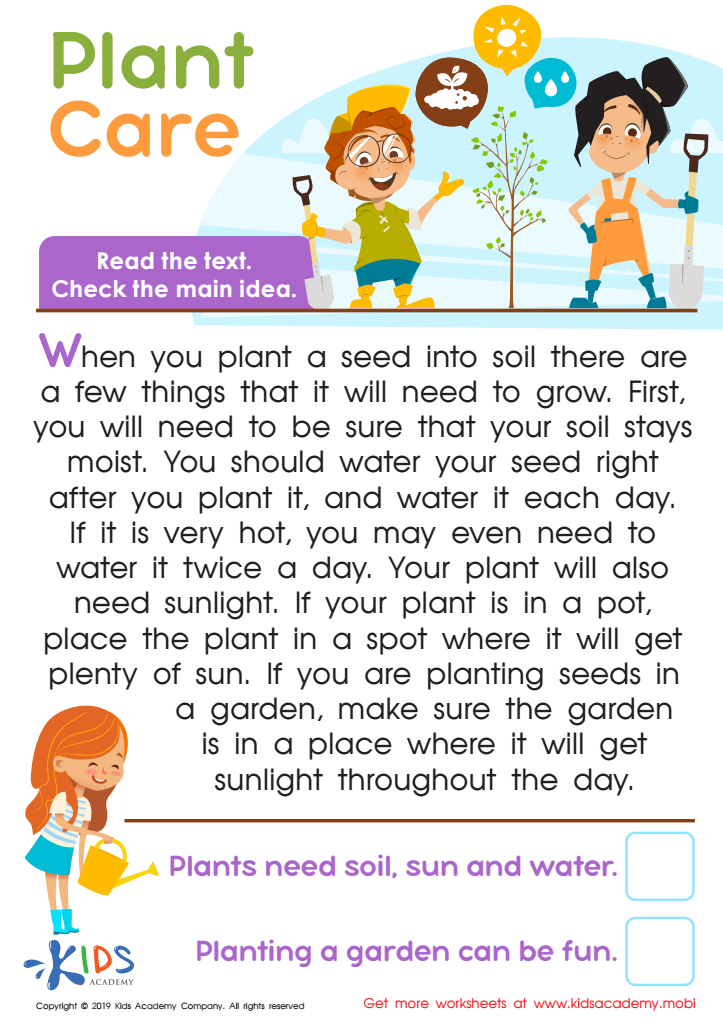
Plant Care Worksheet
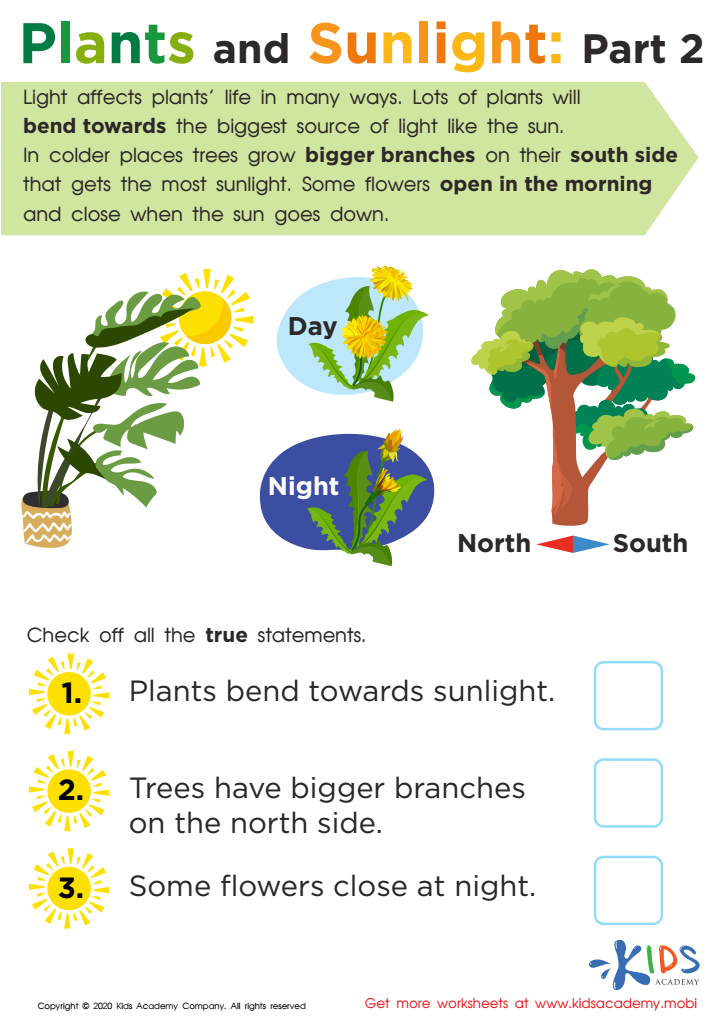
Plants and Sunlight: Part 2 Worksheet
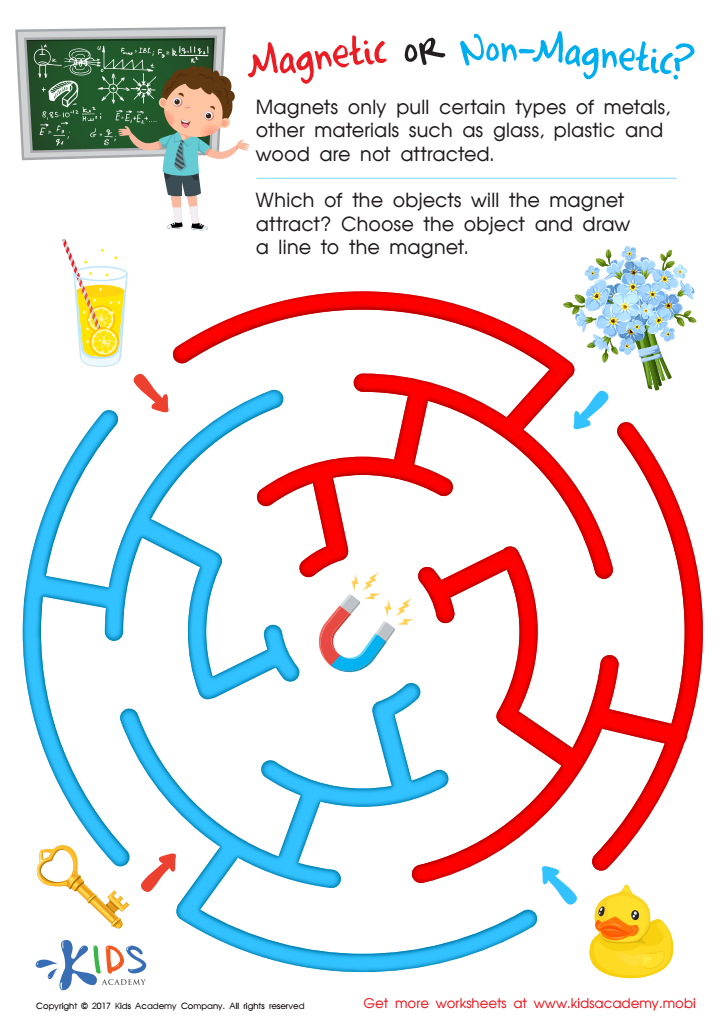
Magnetic or Non–Magnetic Worksheet
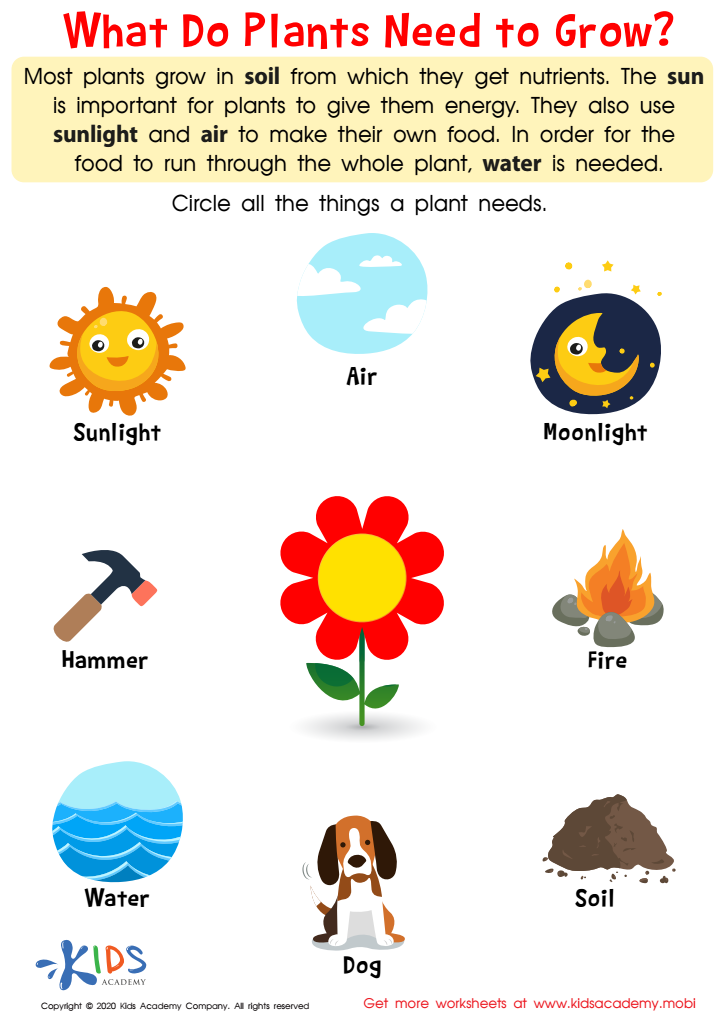
What Do Plants Need to Grow Worksheet
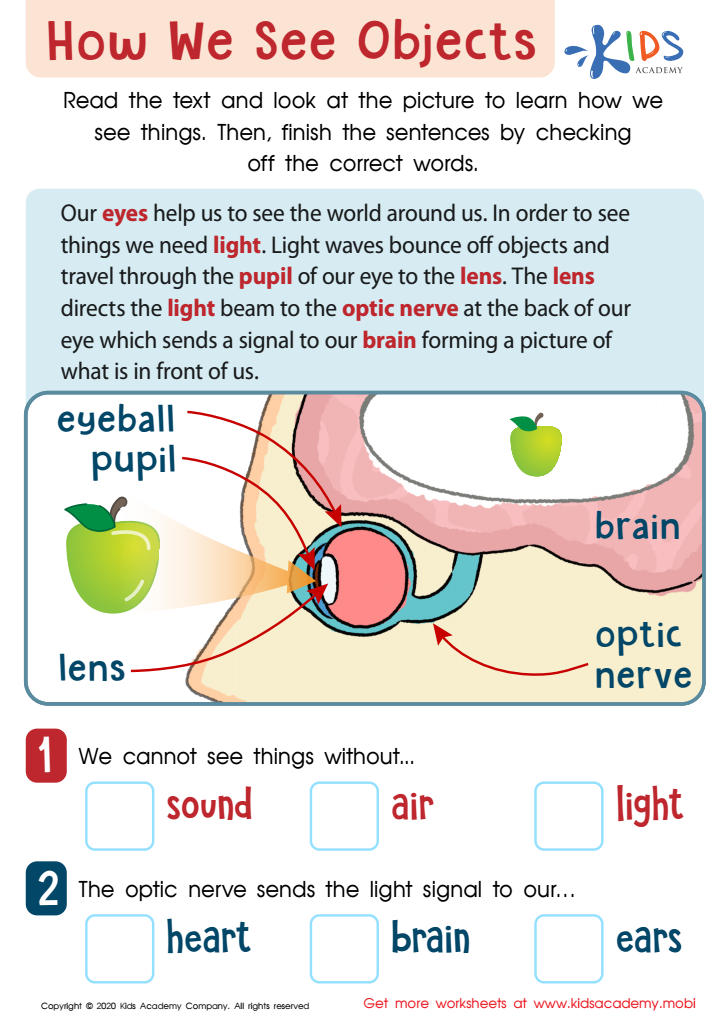
How We See Objects Worksheet
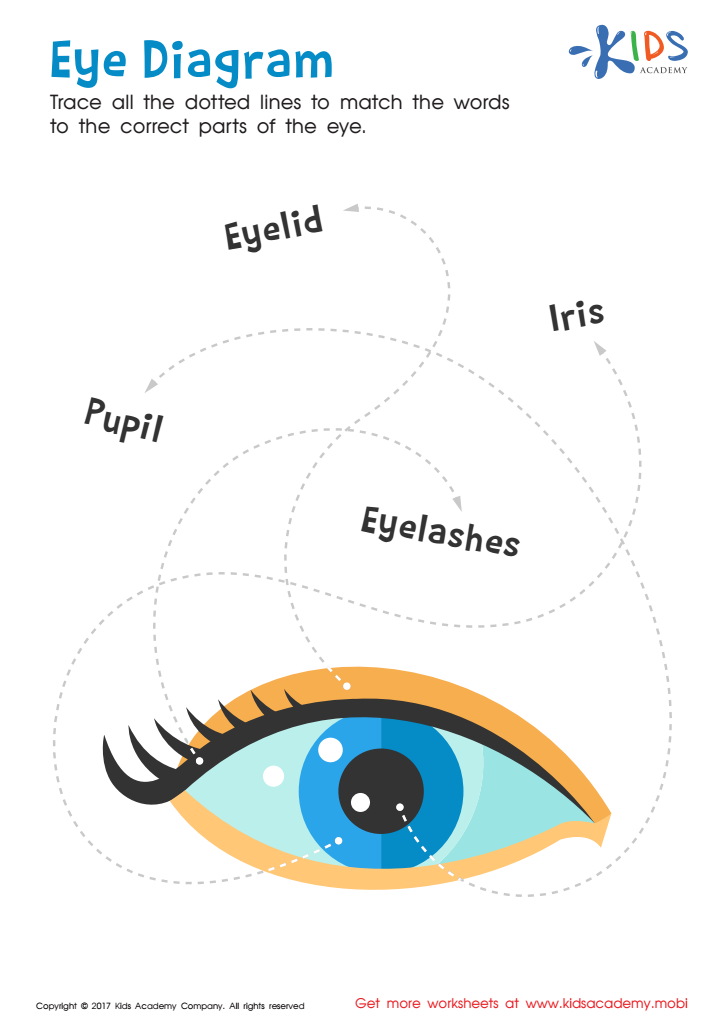
Eye Diagram Printable
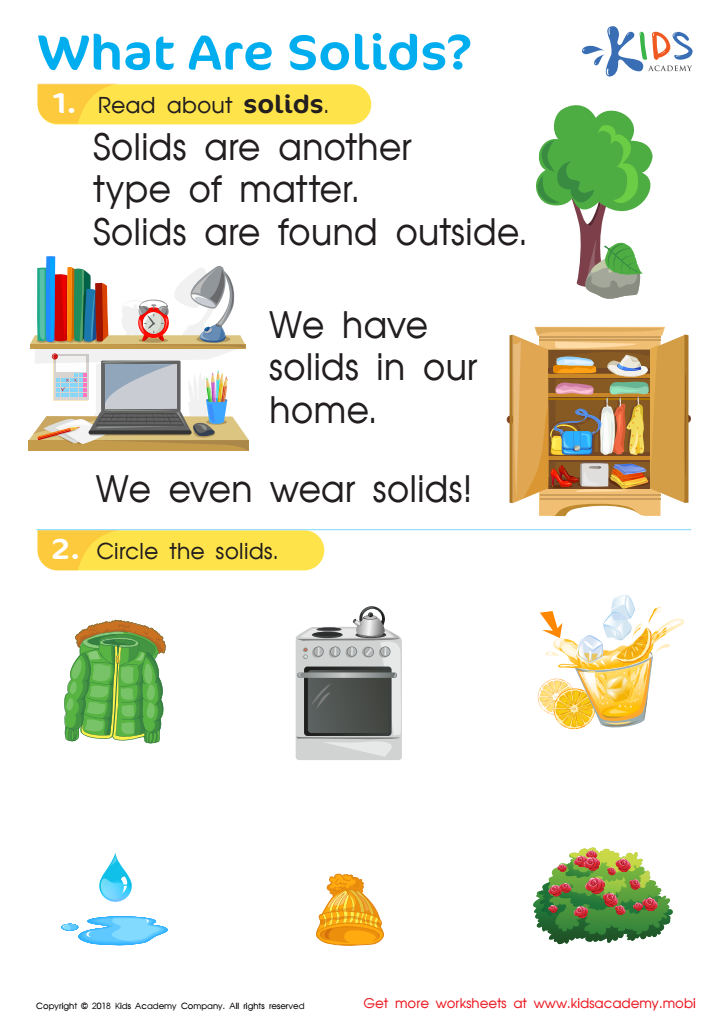
What Are Solids? Worksheet
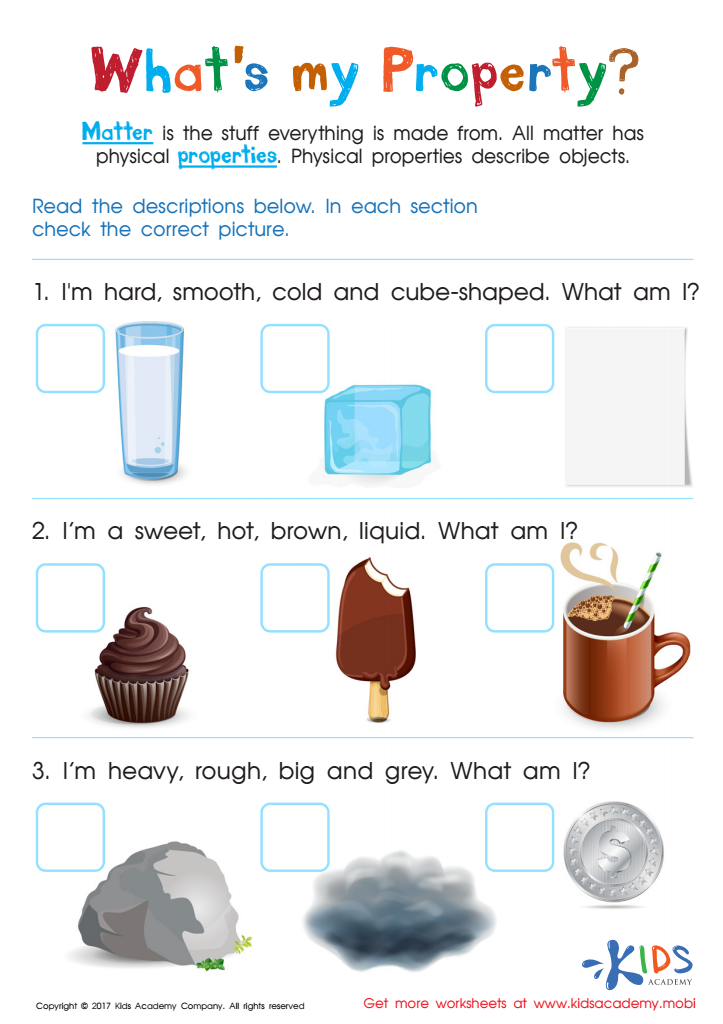
Physical Properties Of Matter Worksheet
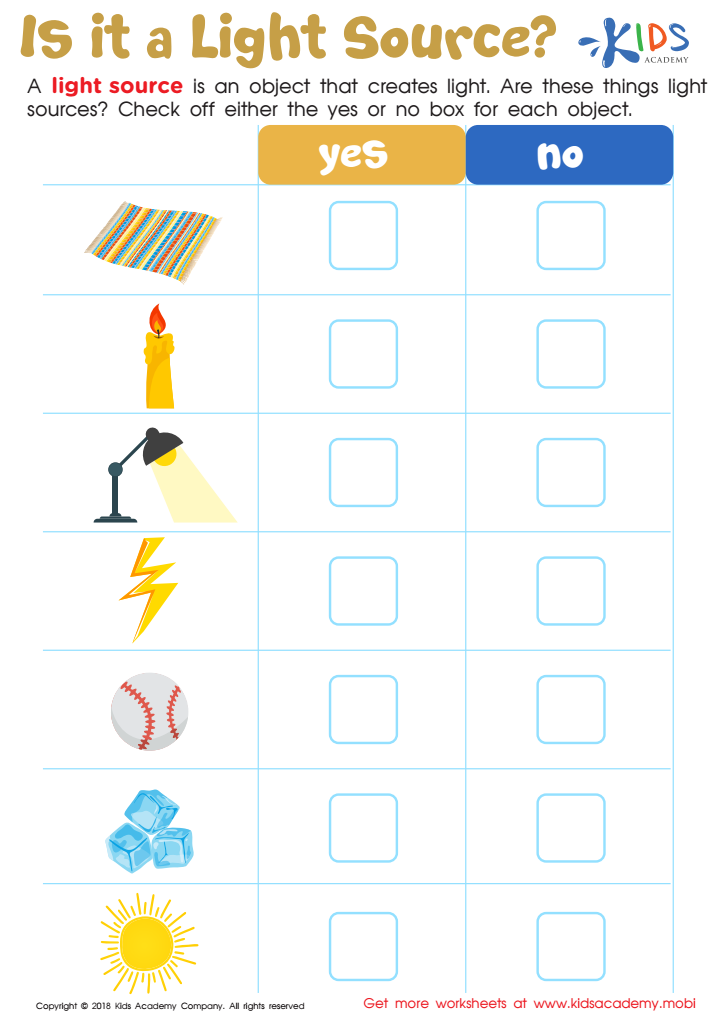
Is It a Light Source? Worksheet
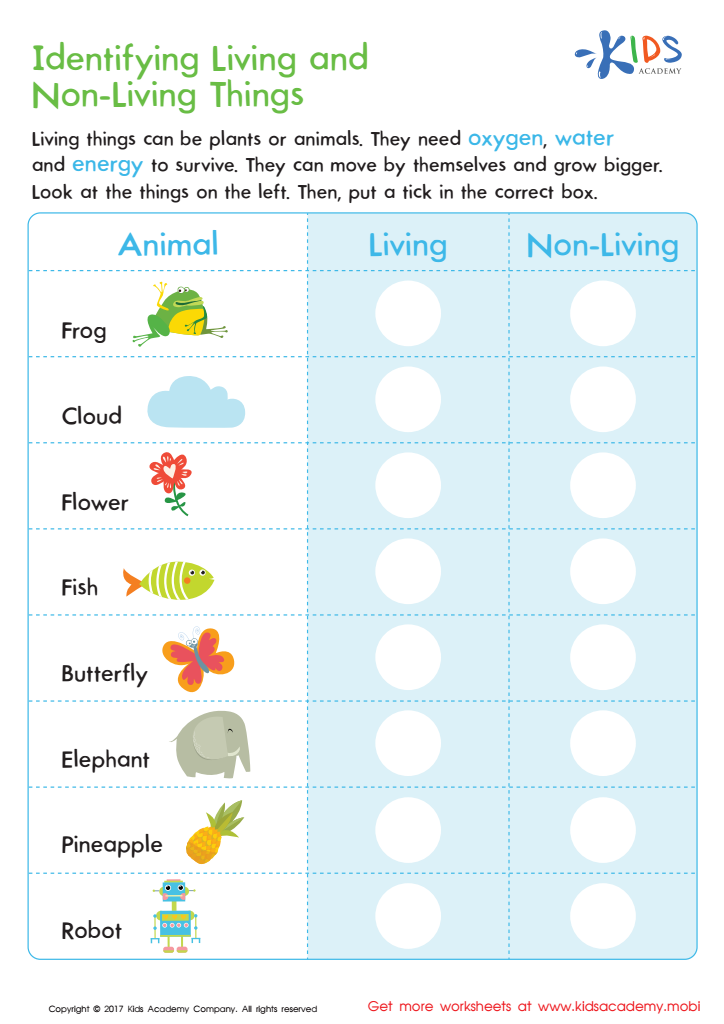
Identifying Living or Non–living Worksheet
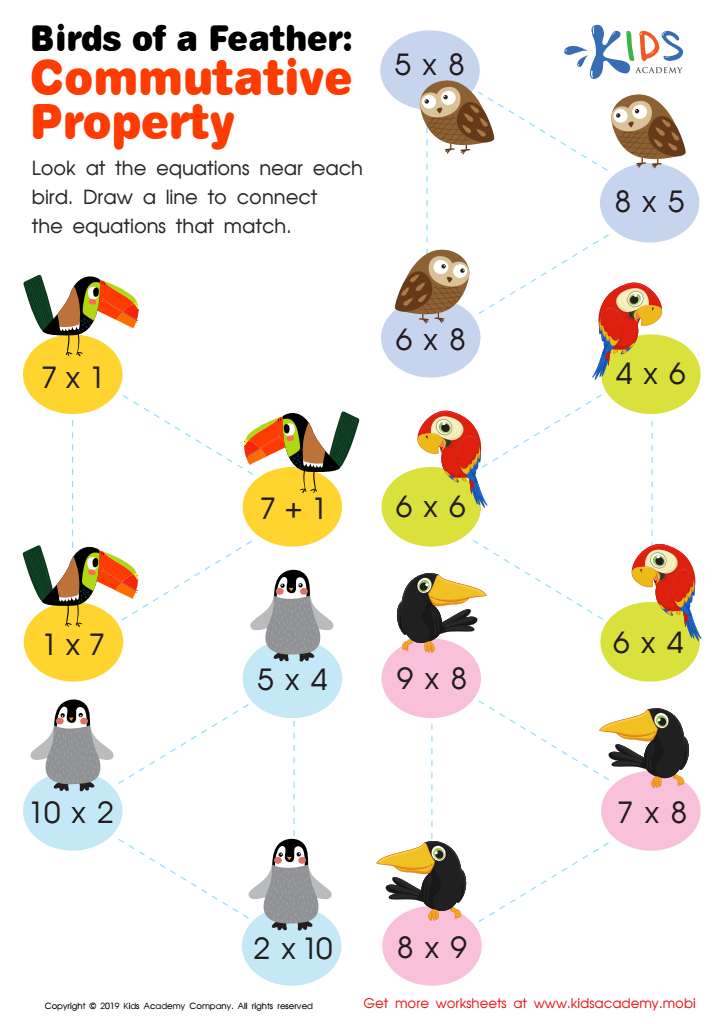
Birds of a Feather: Commutative Property Worksheet
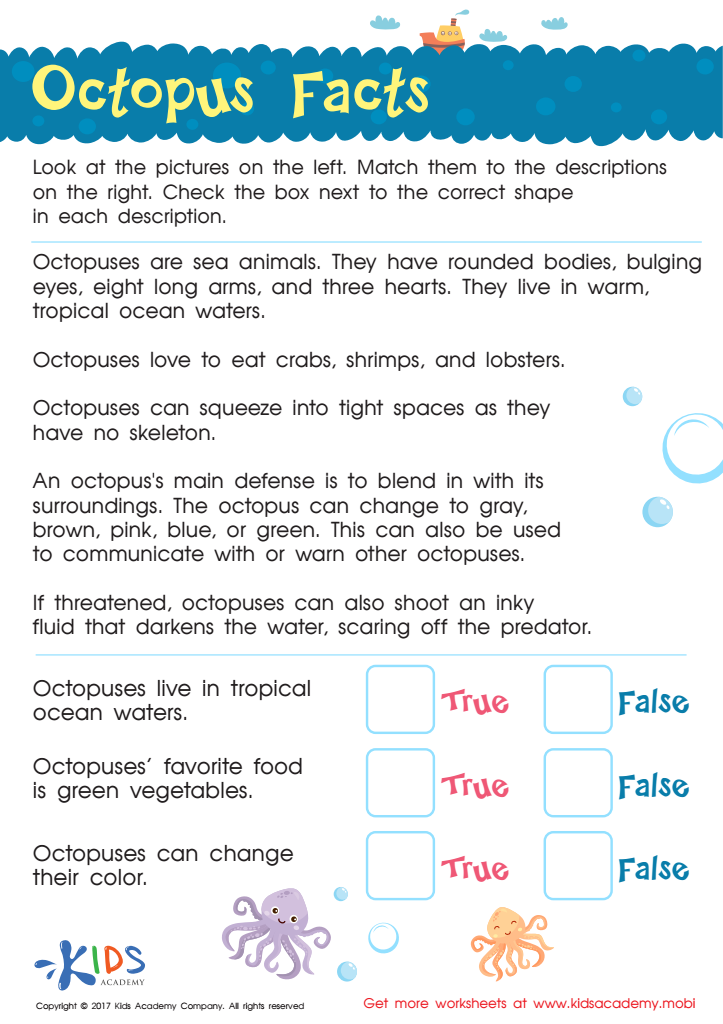
Octopus Facts Worksheet For Kids
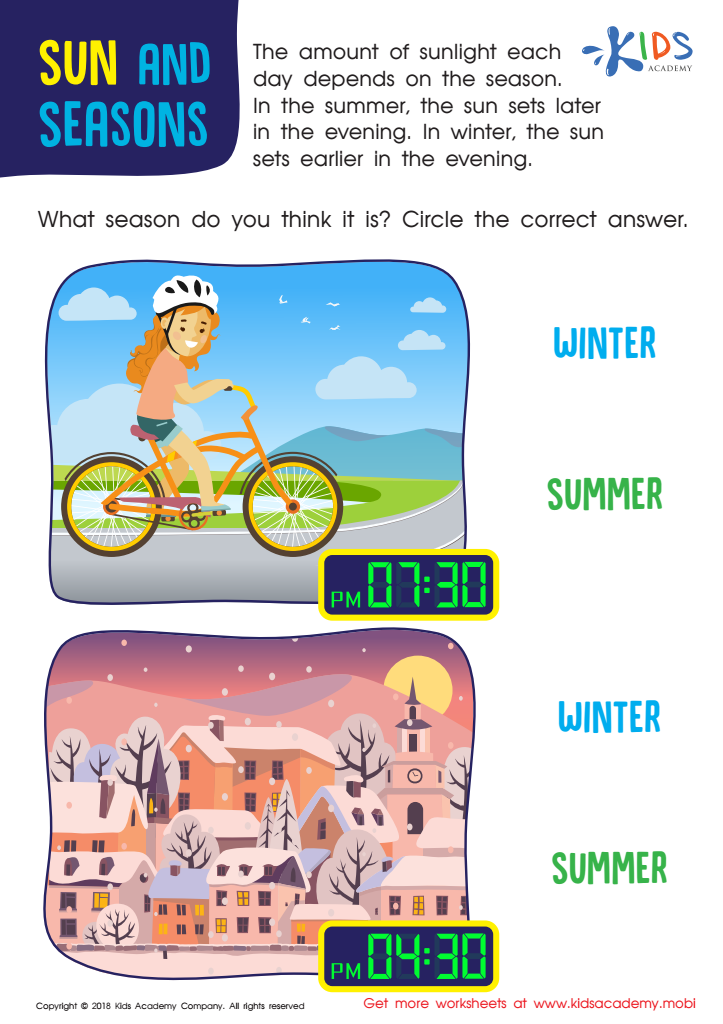
Sun and Seasons Worksheet
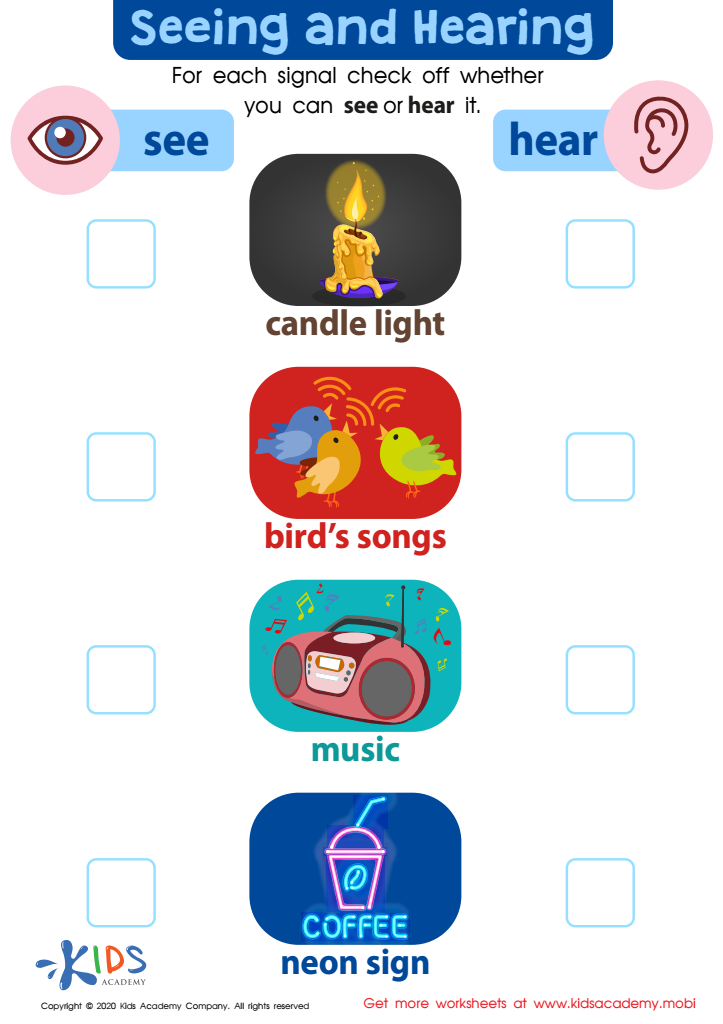
Seeing and Hearing Worksheet








Parents and teachers should care about Normal Science for Ages 4-8 because it lays the groundwork for scientific literacy and critical thinking. During these formative years, children explore their world, and introducing them to the principles of inquiry and simple scientific concepts fosters curiosity. Normal Science engages young learners in hands-on activities, enabling them to make observations, ask questions, and understand cause-and-effect relationships. This exploratory learning hones their problem-solving skills and nurtures an inquisitive mindset.
Moreover, Normal Science promotes collaboration as children often work in groups, facilitating social interaction and teamwork. Engaging in scientific discussions encourages effective communication, helping children articulate their findings and listen to others' perspectives.
Additionally, early exposure to science can counteract stereotypes that certain fields are only for specific genders, helping to create a more inclusive environment for everyone in STEM. Cultivating a love for science early on can steer children toward future academic and career interests, ensuring they view science not as a daunting subject but as an exciting avenue for exploration. Ultimately, investing in the scientific education of young children addresses both individual development and societal advancement, making it crucial for parents and teachers to prioritize this area of learning.







