Normal History Worksheets for Ages 4-8 - Page 2
59 filtered results
-
From - To
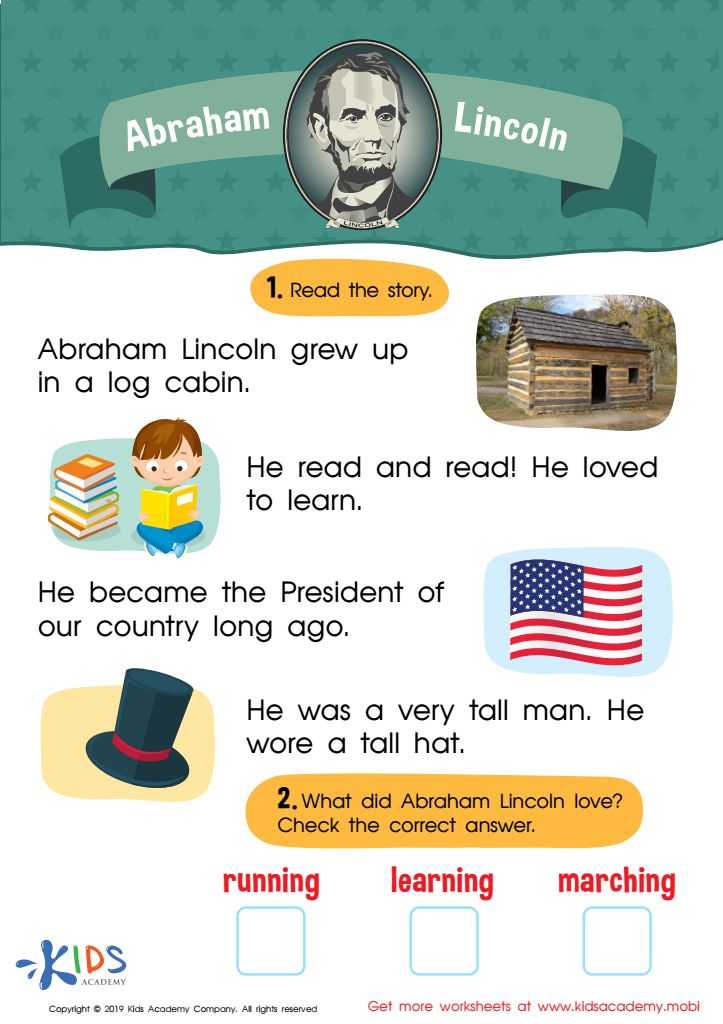
Abraham Lincoln Worksheet
 Assign to My Students
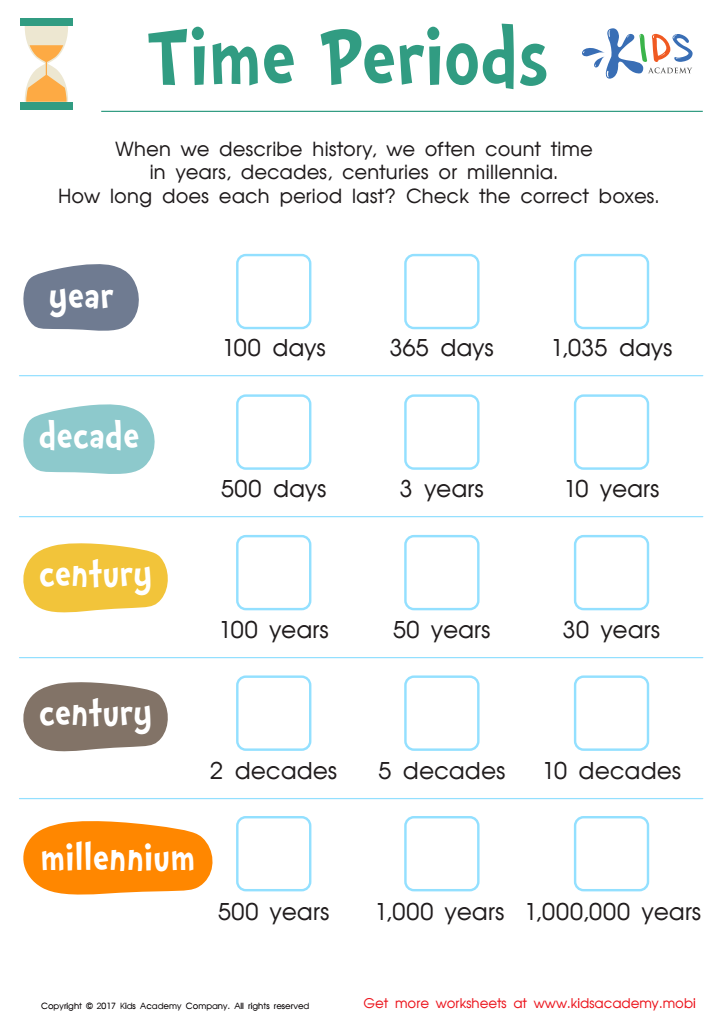
Time Periods Worksheet
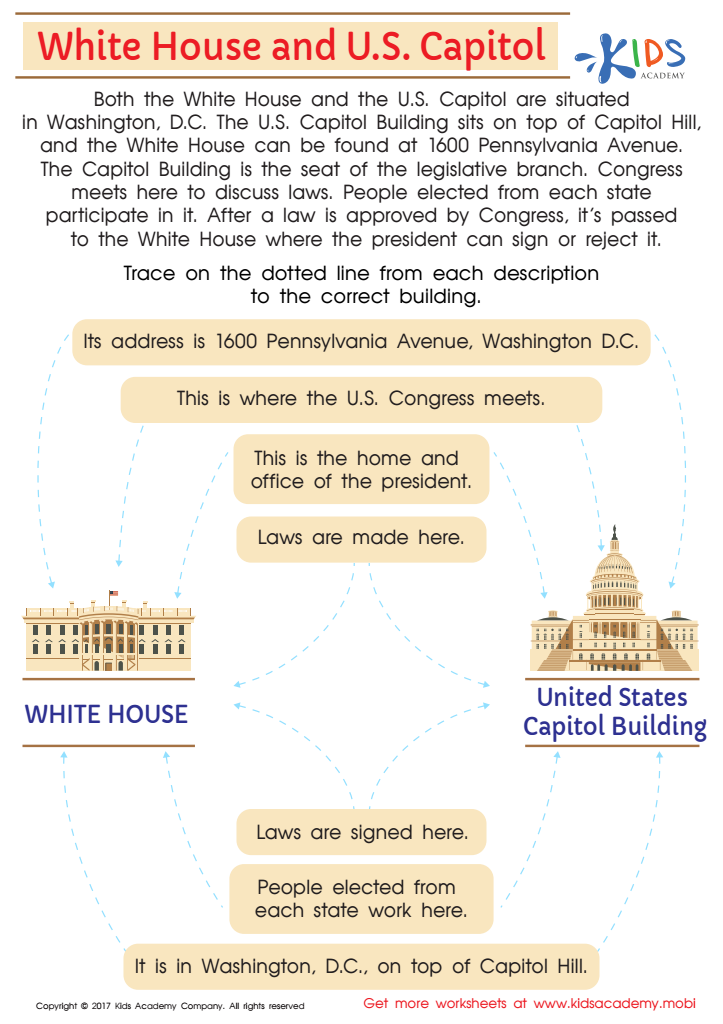
White House and US Capitol Worksheet
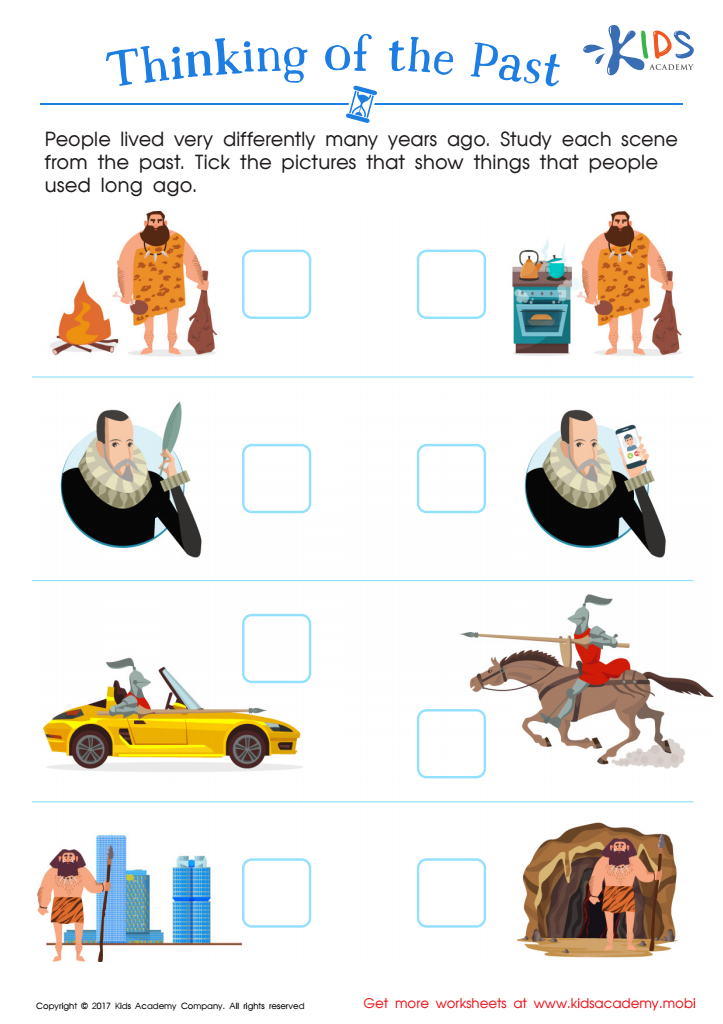
Thinking Past Printable

Thanksgiving Holiday Printable
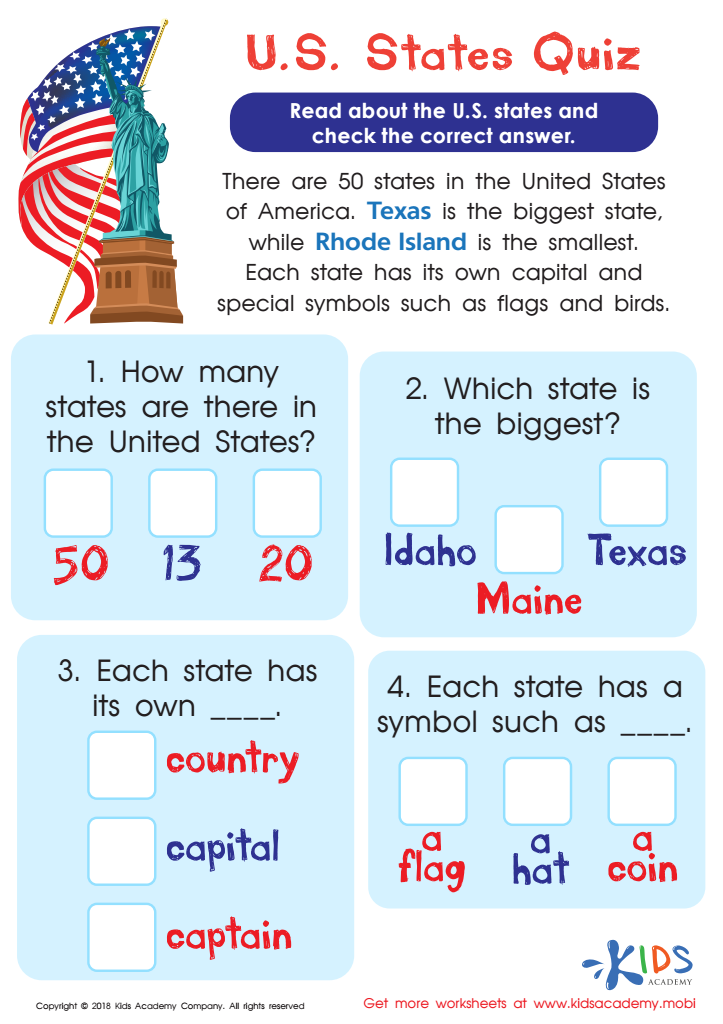
U.S. States Quiz Worksheet
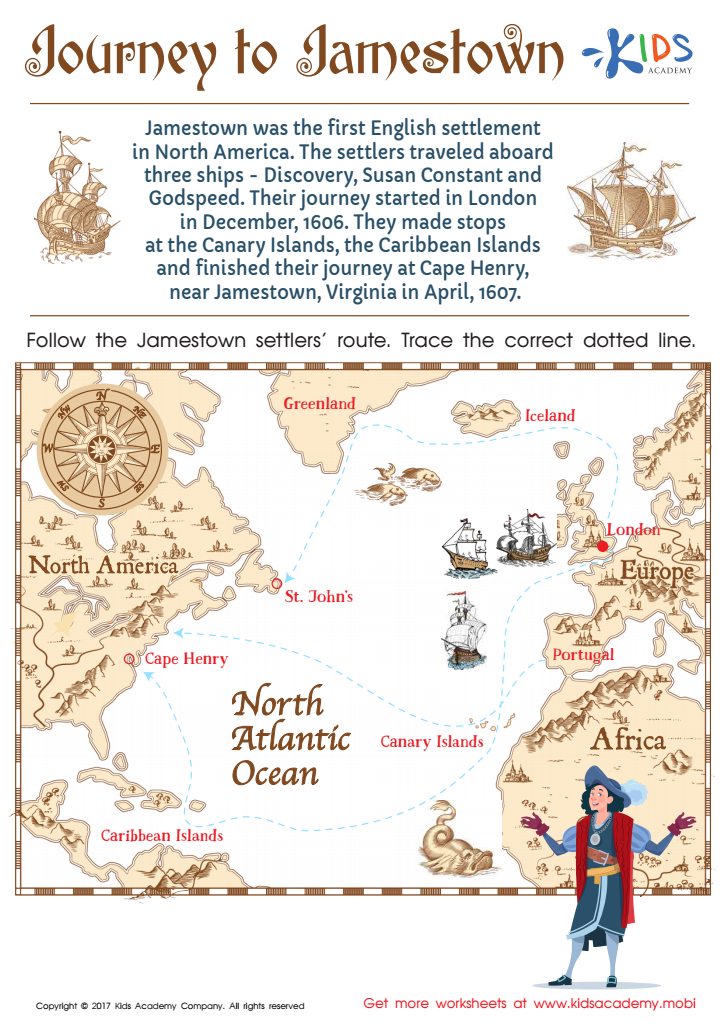
Journey to Jamestown Worksheet
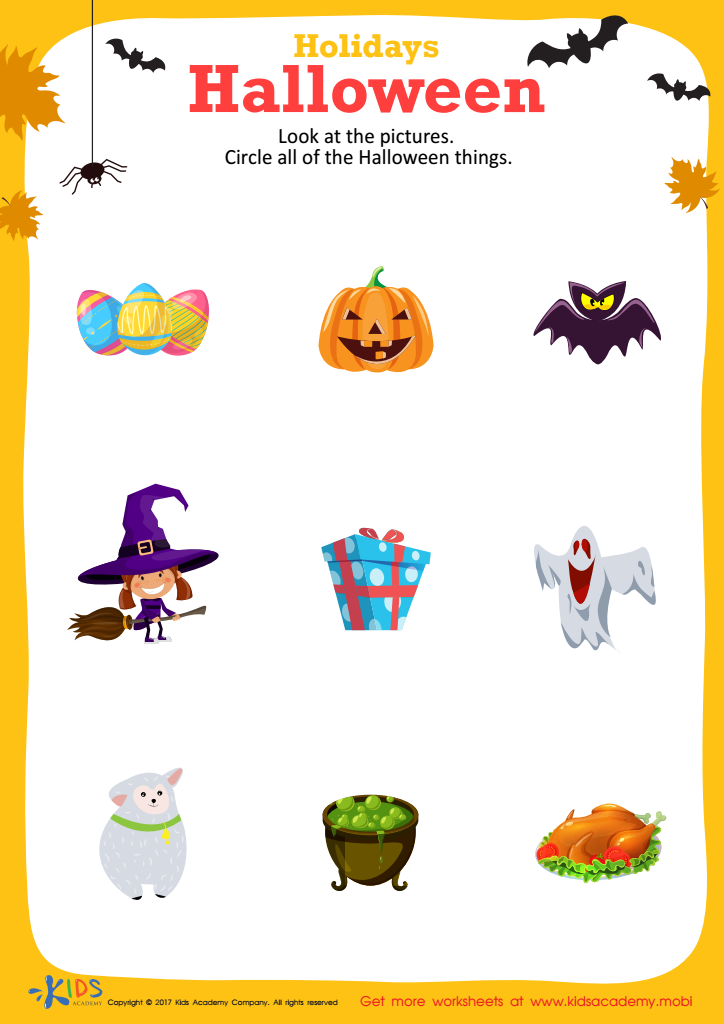
Halloween Holiday Worksheet
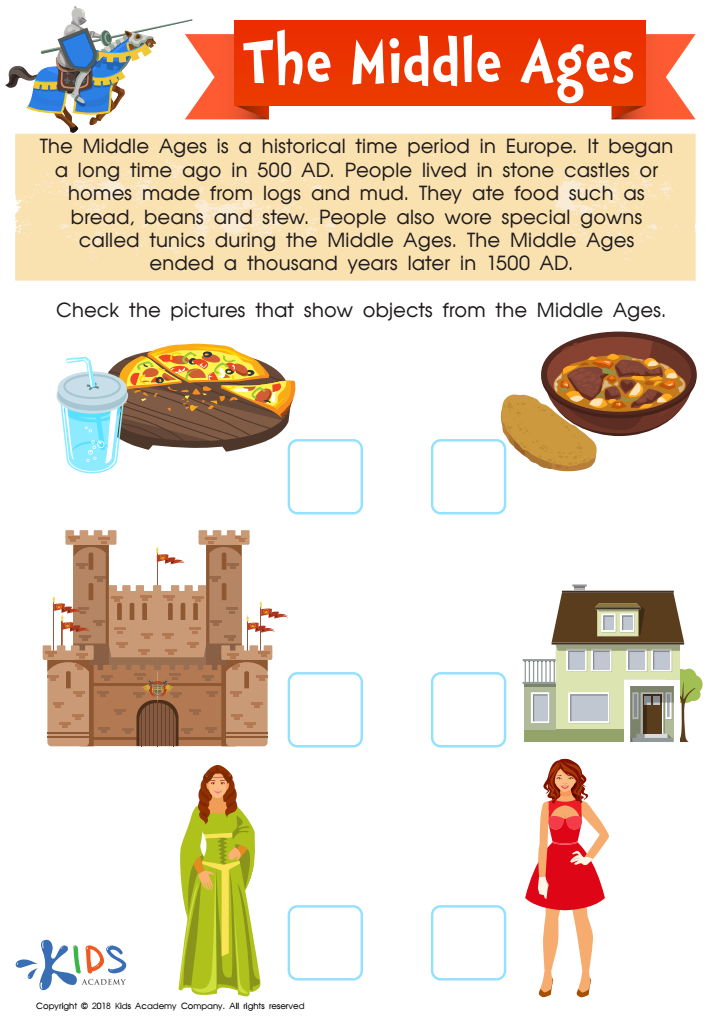
The Middle Ages Worksheet
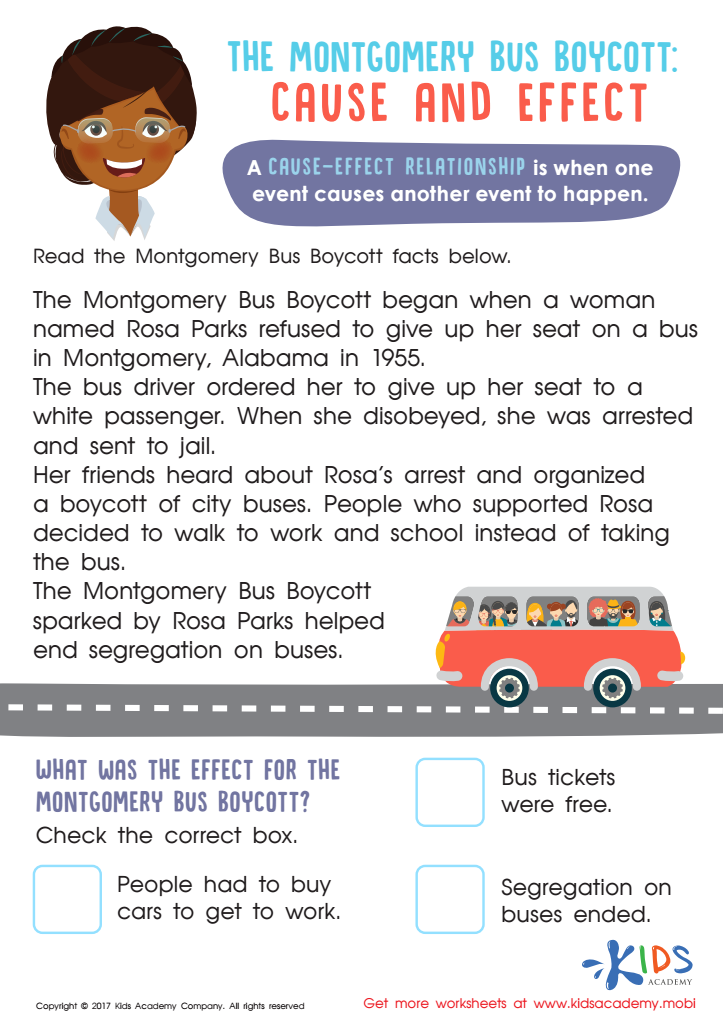
The Montgomery Bus Boycott Cause and Effect Worksheet
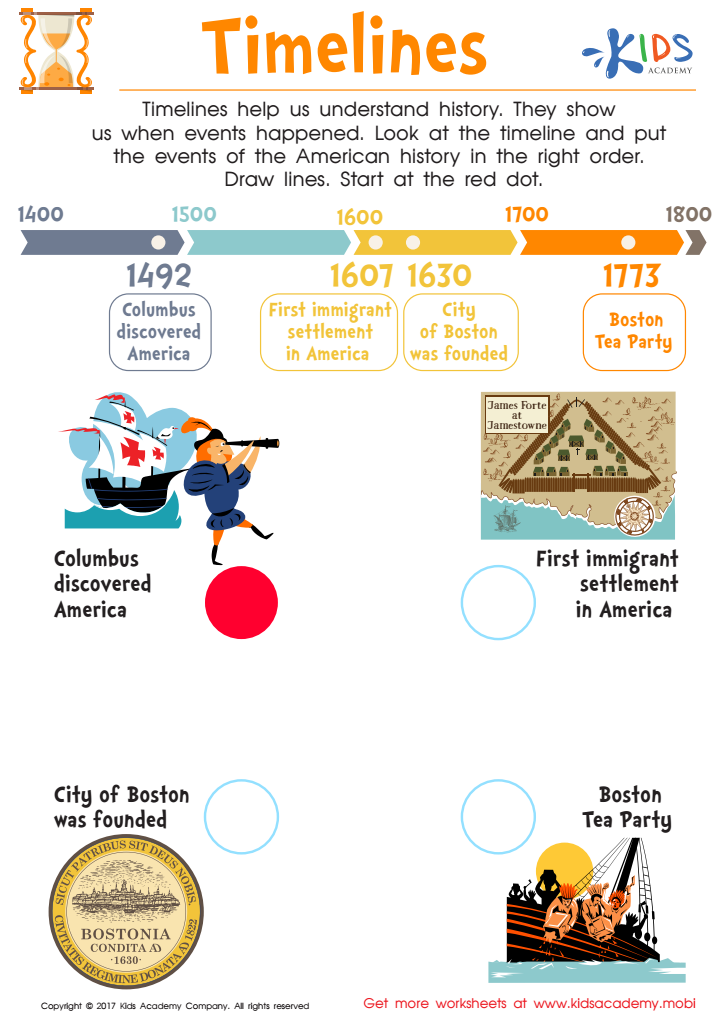
American History Timeline Worksheet
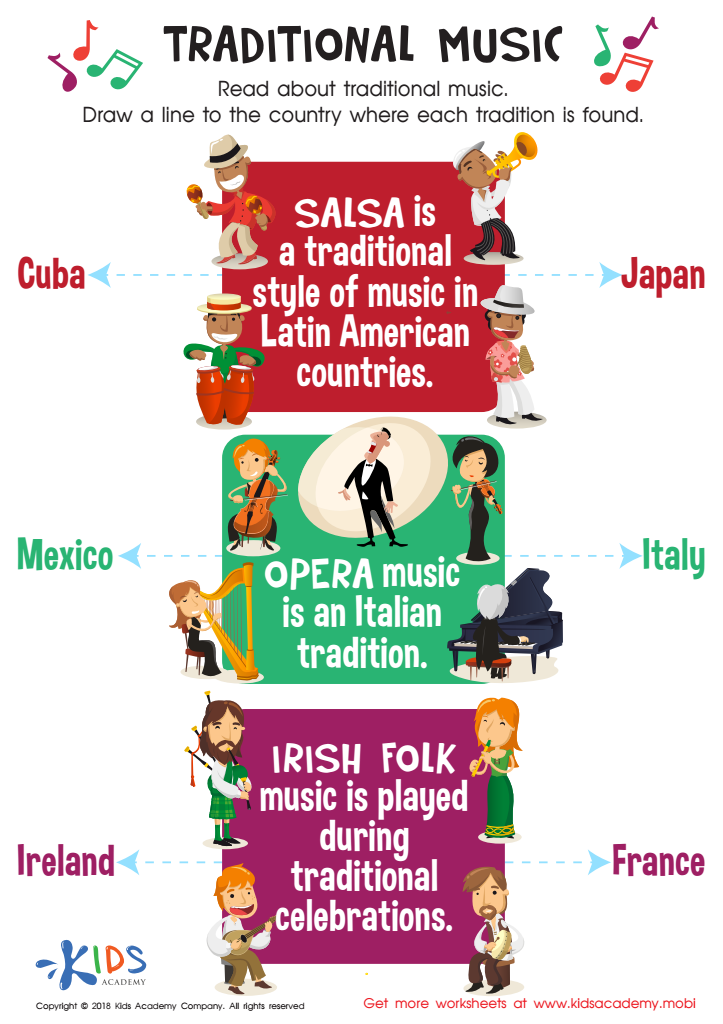
Traditional Music Worksheet
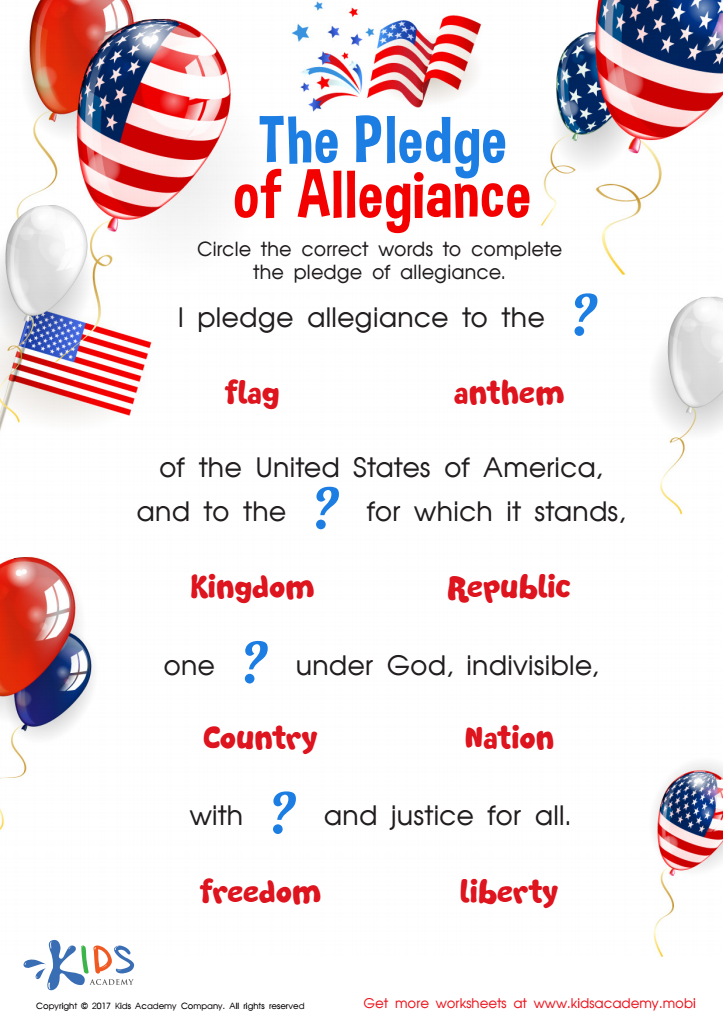
The Pledge of Allegiance Worksheet
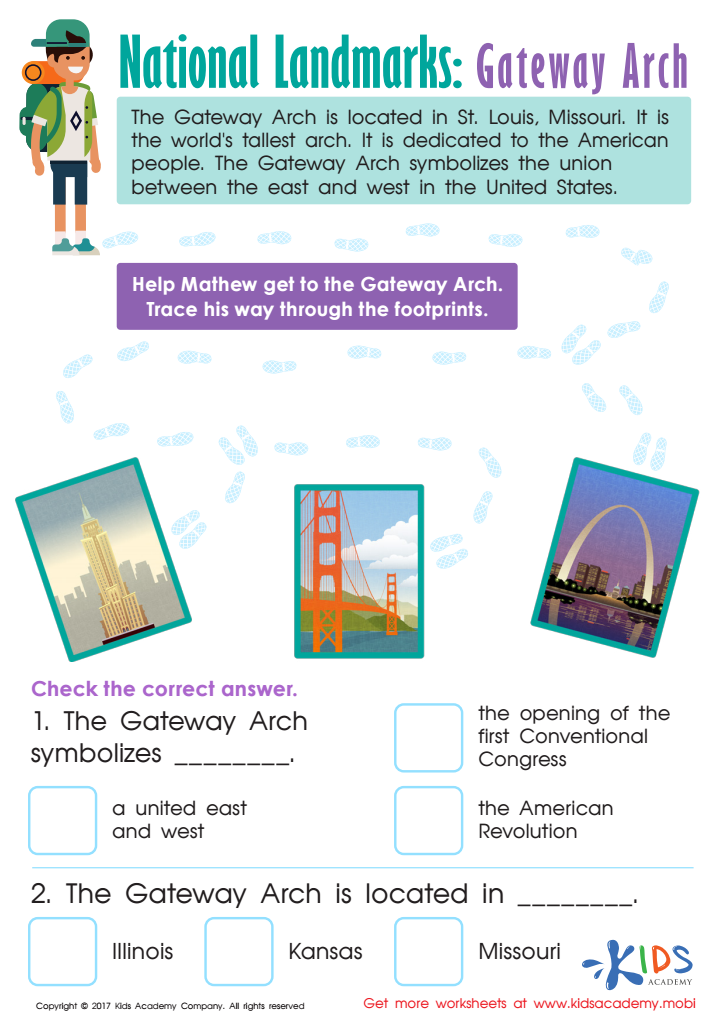
Gateway Arch Printable Worksheet
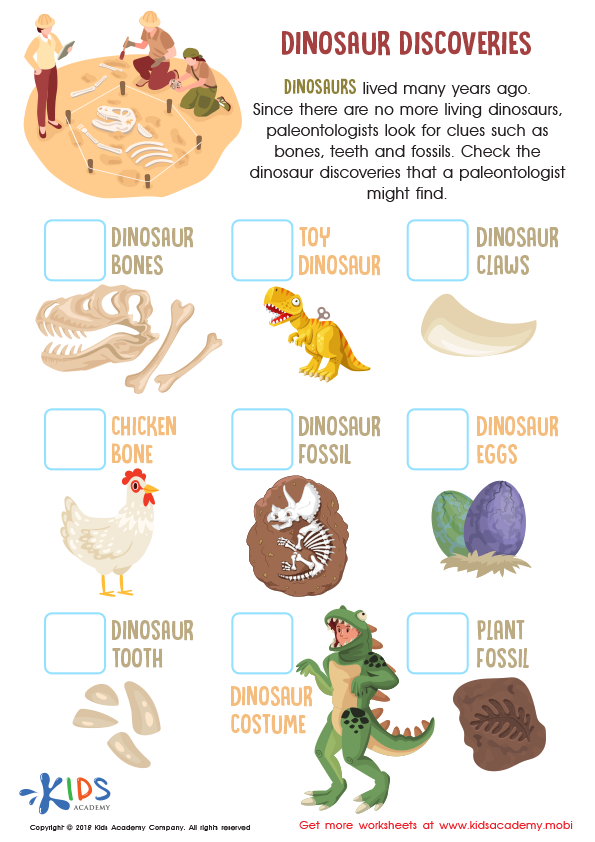
Dinosaur Discoveries Worksheet
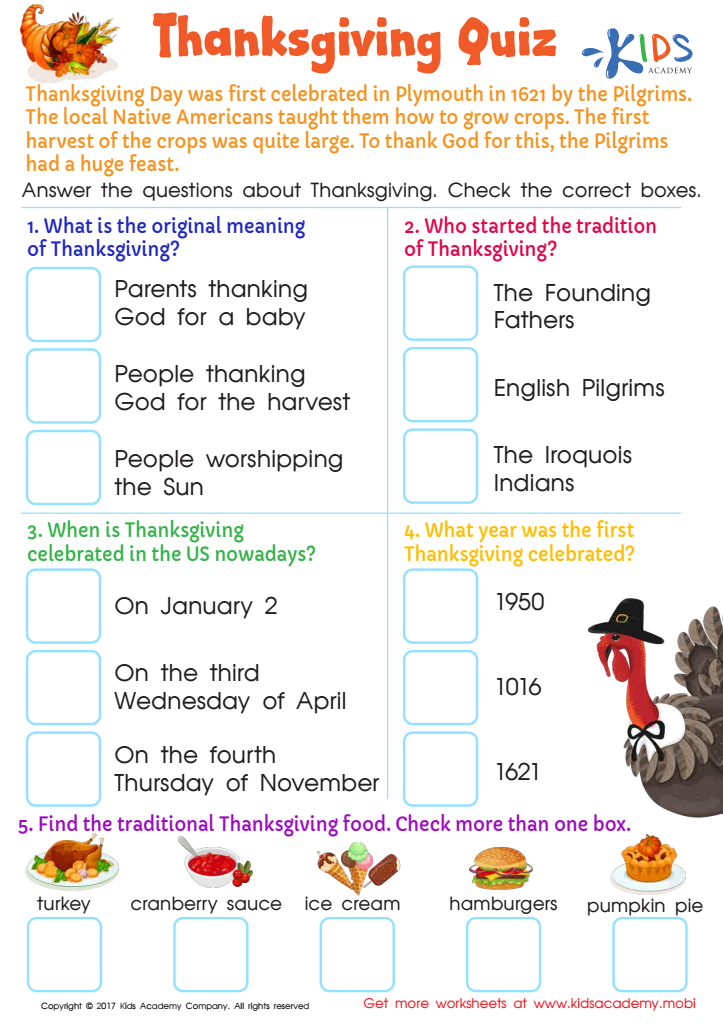
Thanksgiving Quiz Worksheet
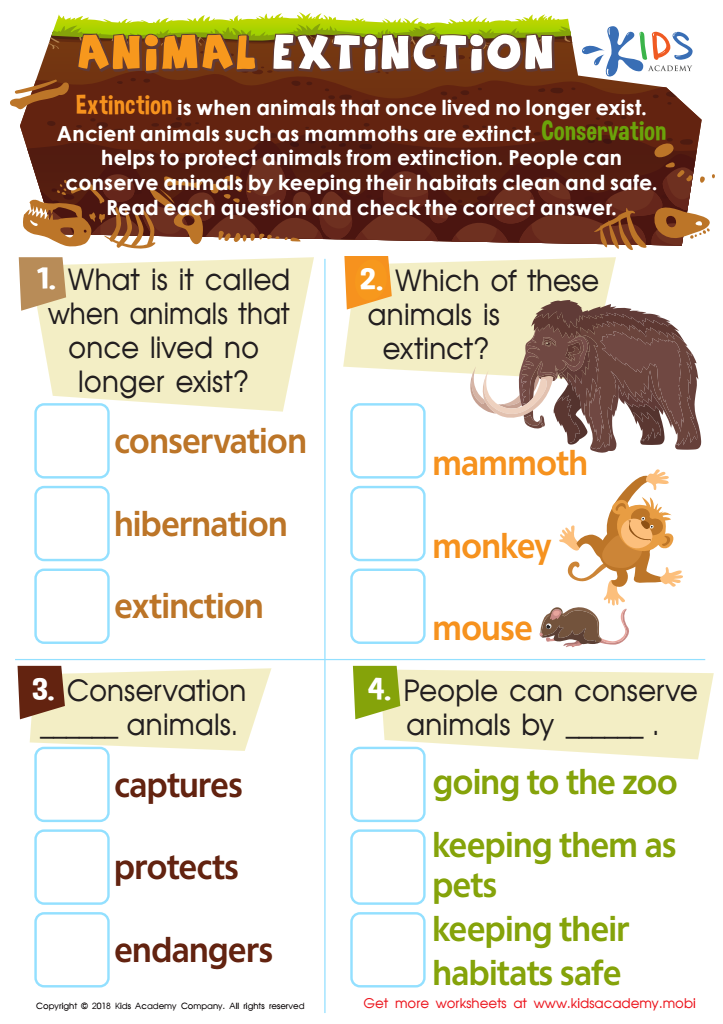
Animal Extinction Worksheet
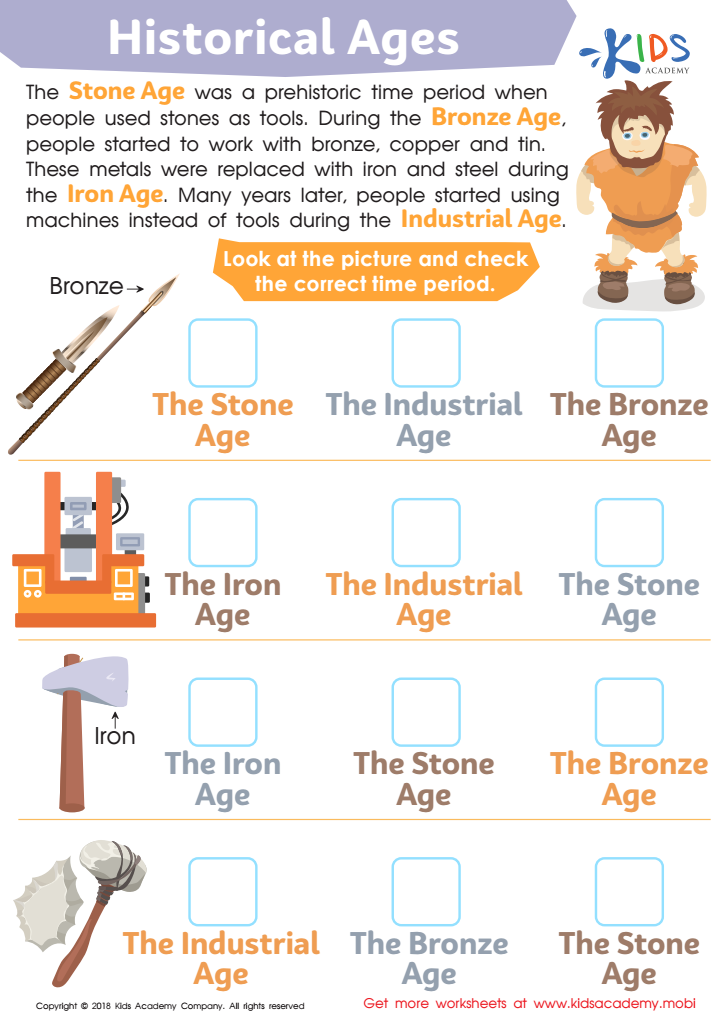
Historical Ages Worksheet
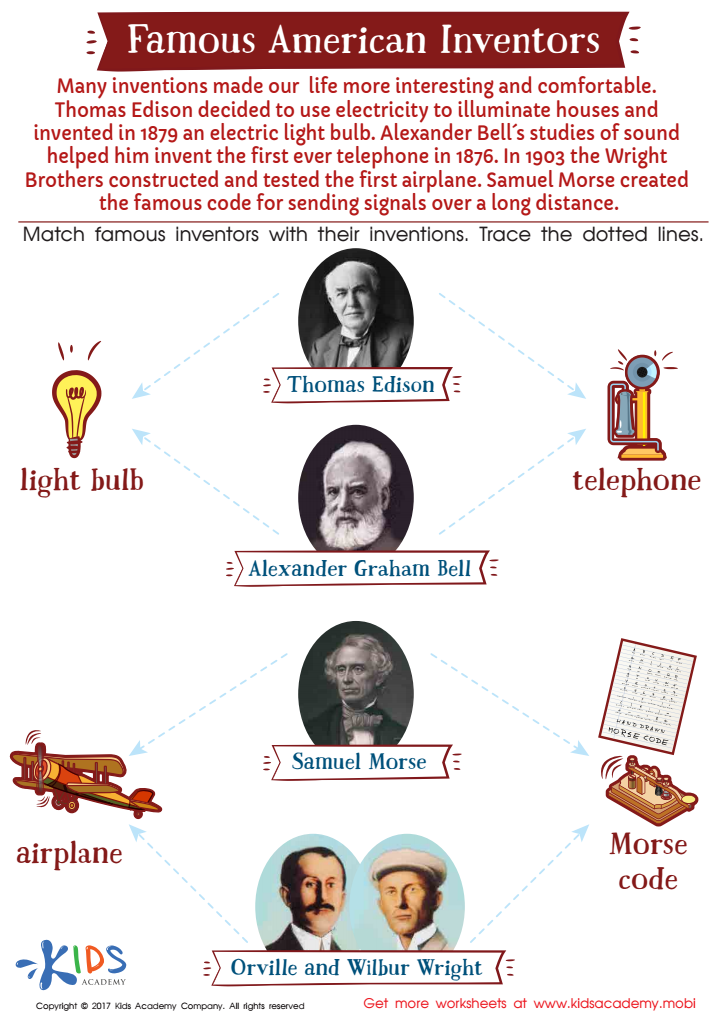
Famous American Inventors Worksheet

Christmas Holiday Worksheet
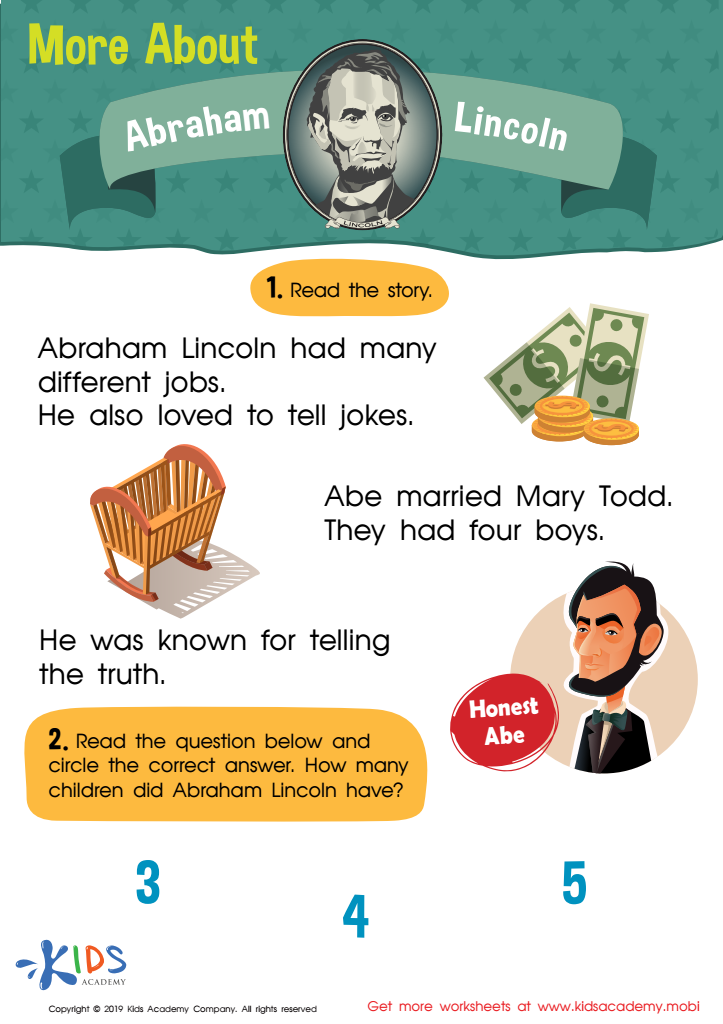
More About Abraham Lincoln Worksheet
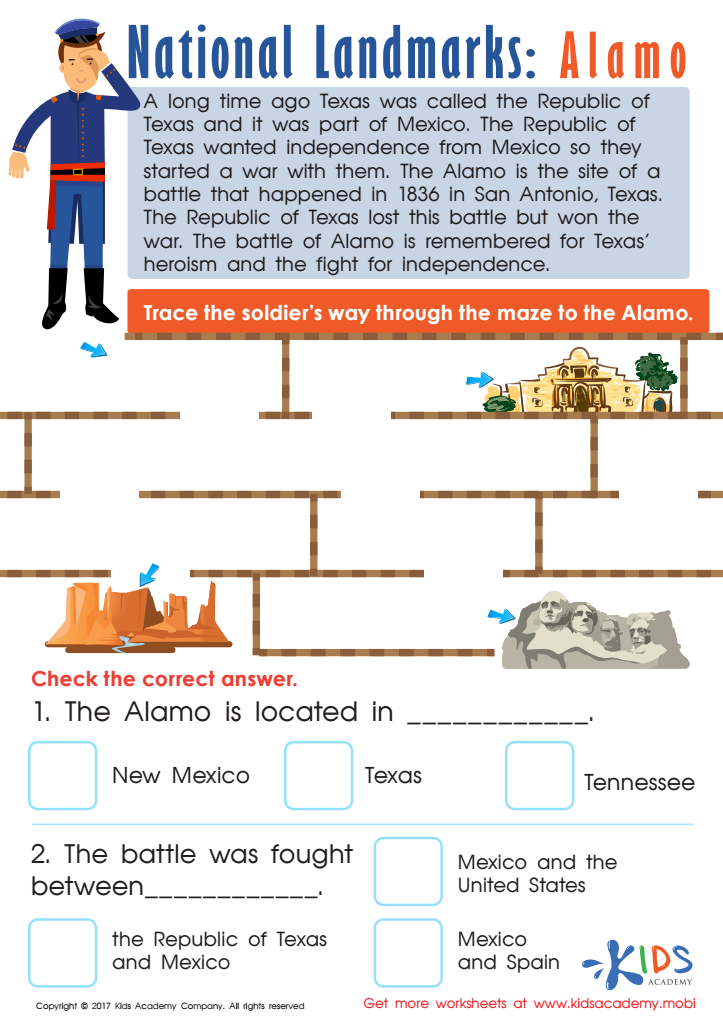
Alamo Printable Worksheet
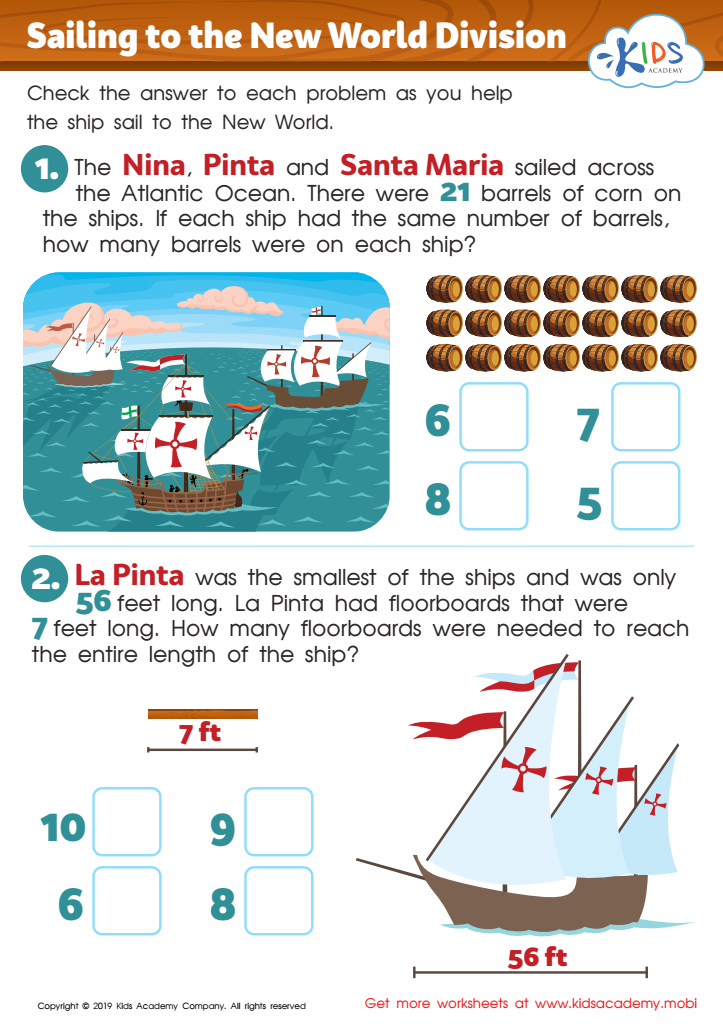
Sailing to the New World Division Worksheet
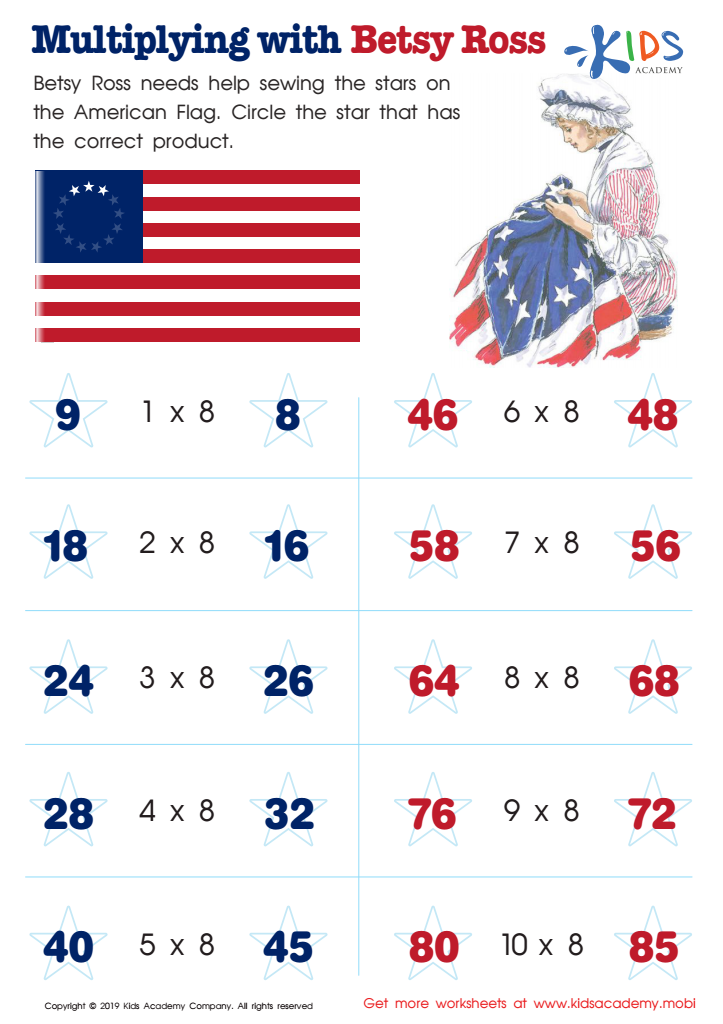
Multiplying with Betsy Ross Worksheet



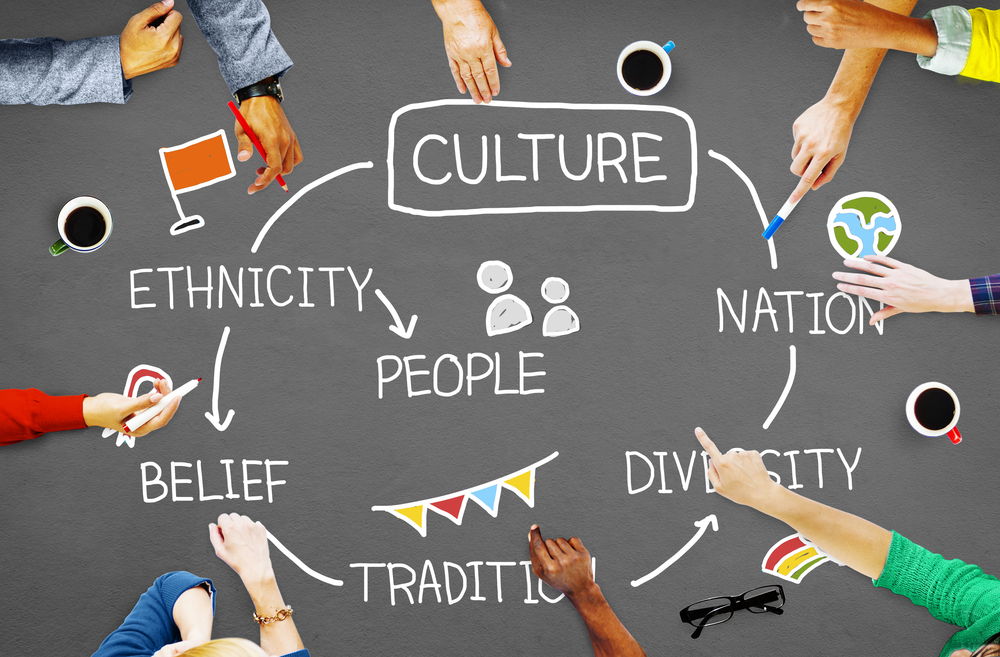




Parents and teachers should care about Normal History for ages 4-8 because it lays the foundation for children’s understanding of the world around them. At this developmental stage, children are naturally curious and eager to learn about their environment, including the people and events that have shaped it. Introducing Normal History at a young age cultivates a sense of identity, belonging, and empathy as children learn about diverse cultures, perspectives, and experiences.
Moreover, Normal History promotes critical thinking and literacy skills by encouraging children to ask questions and make connections between the past and their lives. Engaging stories and age-appropriate narratives can make history relatable, sparking interest and imagination. This can foster an early appreciation for storytelling, which is vital for cognitive development.
Additionally, understanding history helps children develop moral values and understand social dynamics, such as cooperation, conflict, and justice. By learning about historical figures and events, kids can draw lessons that resonate with them in their own lives. Ultimately, instilling an appreciation for history at a young age empowers children to become informed, responsible citizens in the future, encouraging a lifelong love of learning.