Normal Upper & Lowercase Letters Worksheets for Ages 4-9 - Page 2
44 filtered results
-
From - To
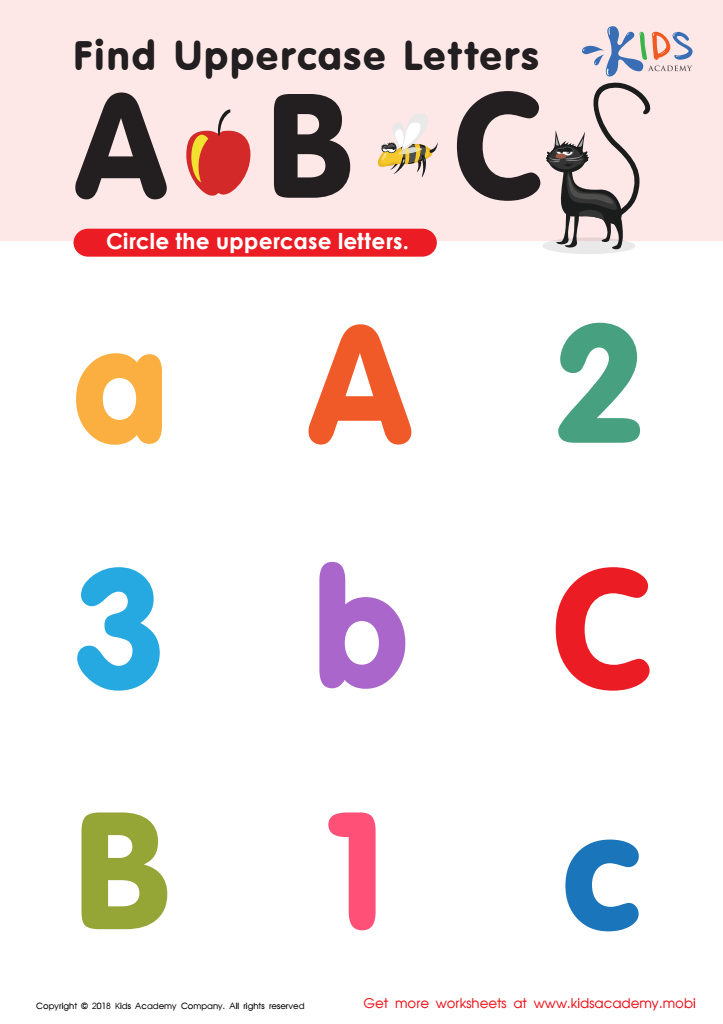
Find Uppercase Letters A, B, and C Worksheet
 Assign to My Students
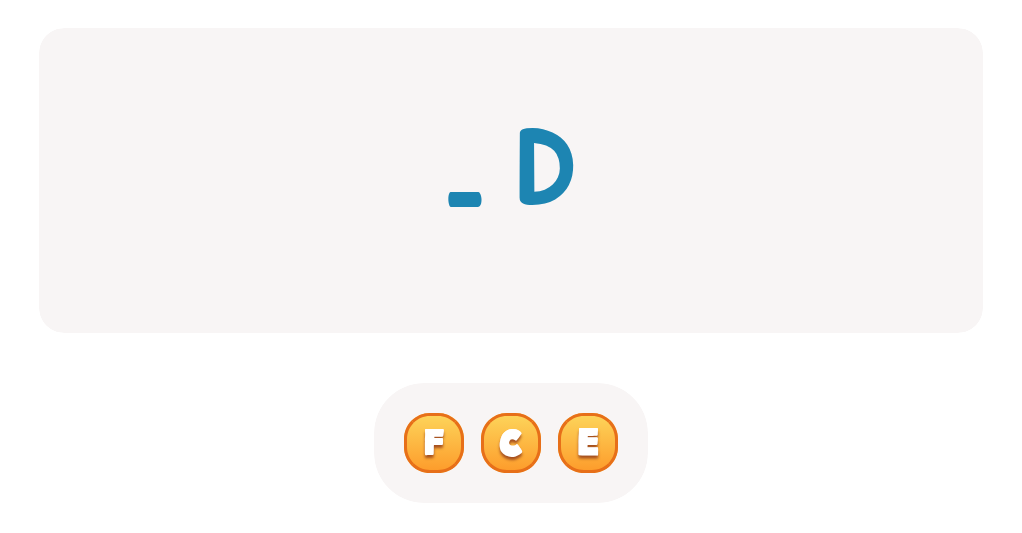

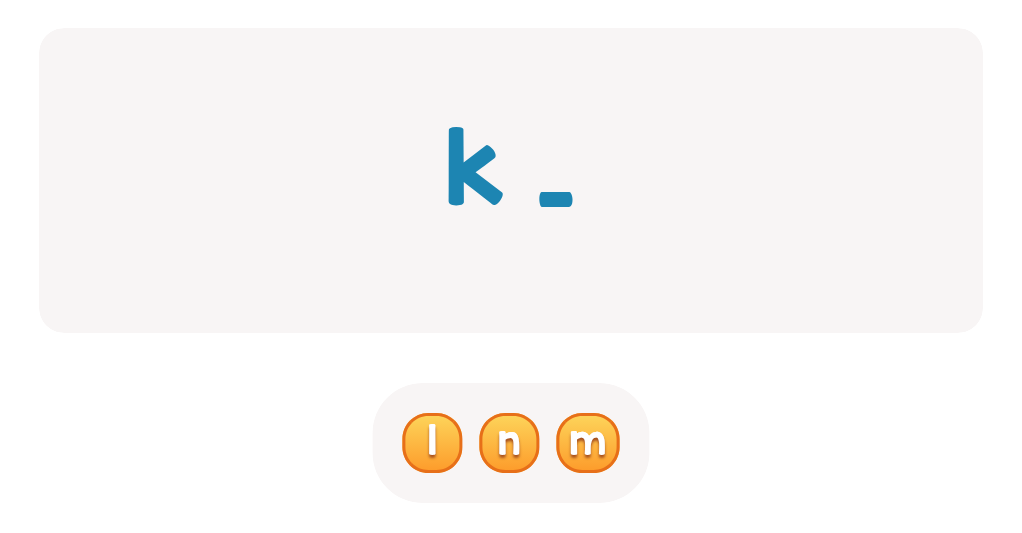
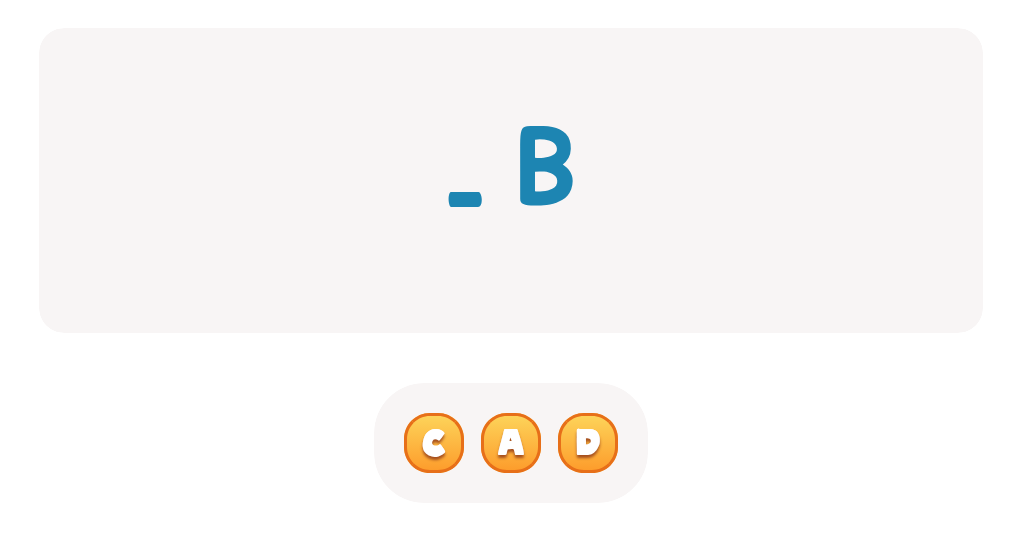
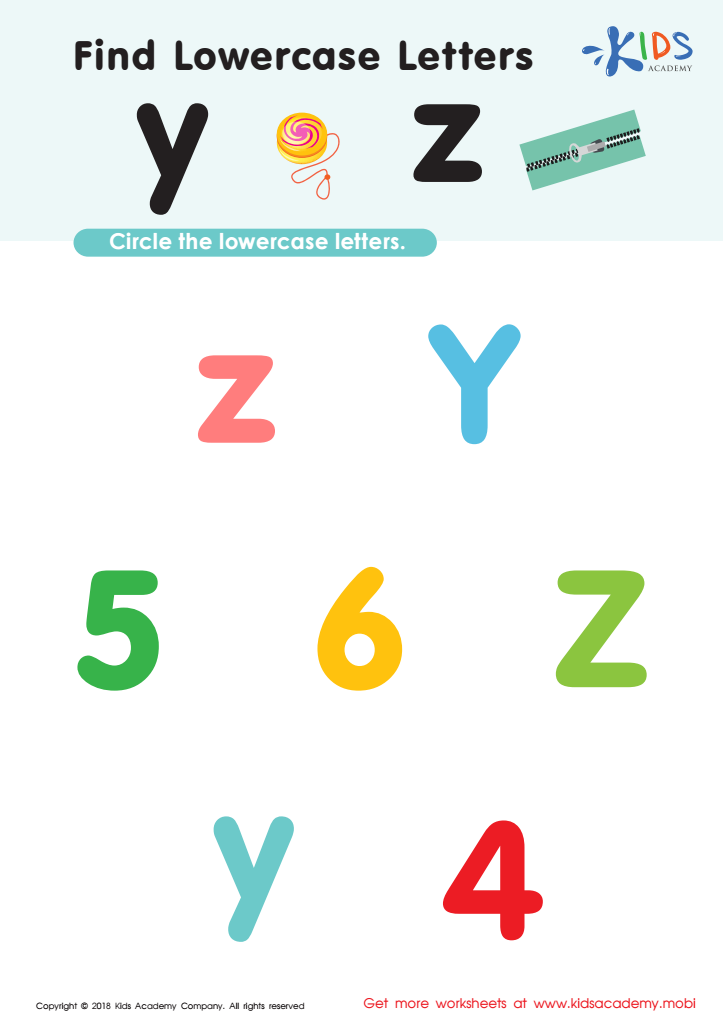
Find Lowercase Letters y z Worksheet
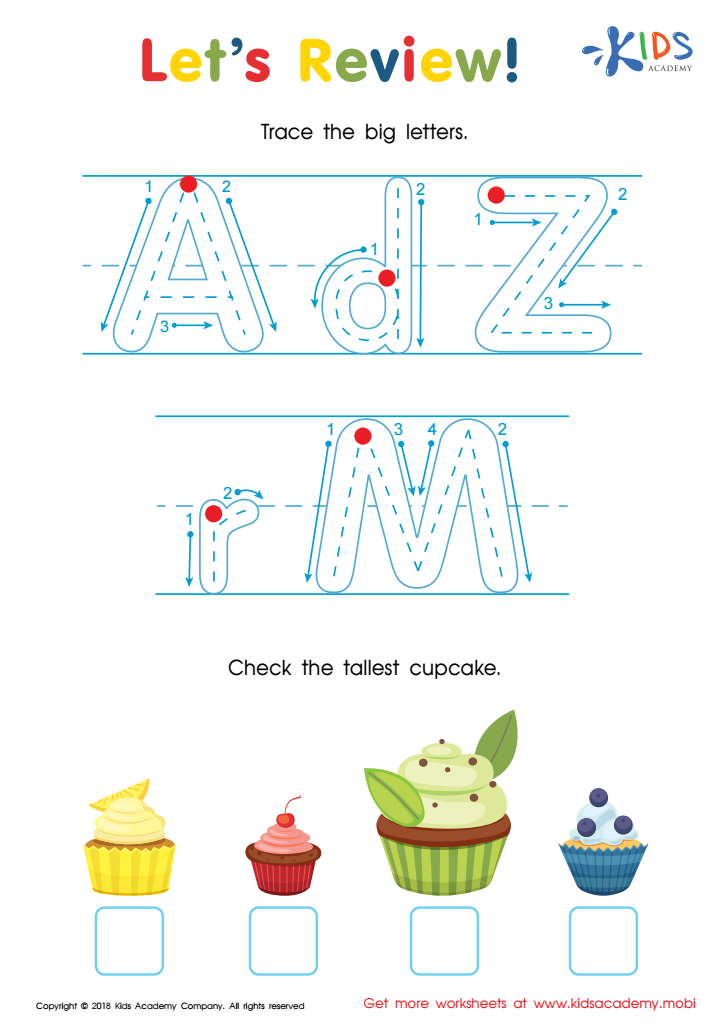
Let's Review! Big Letters Worksheet
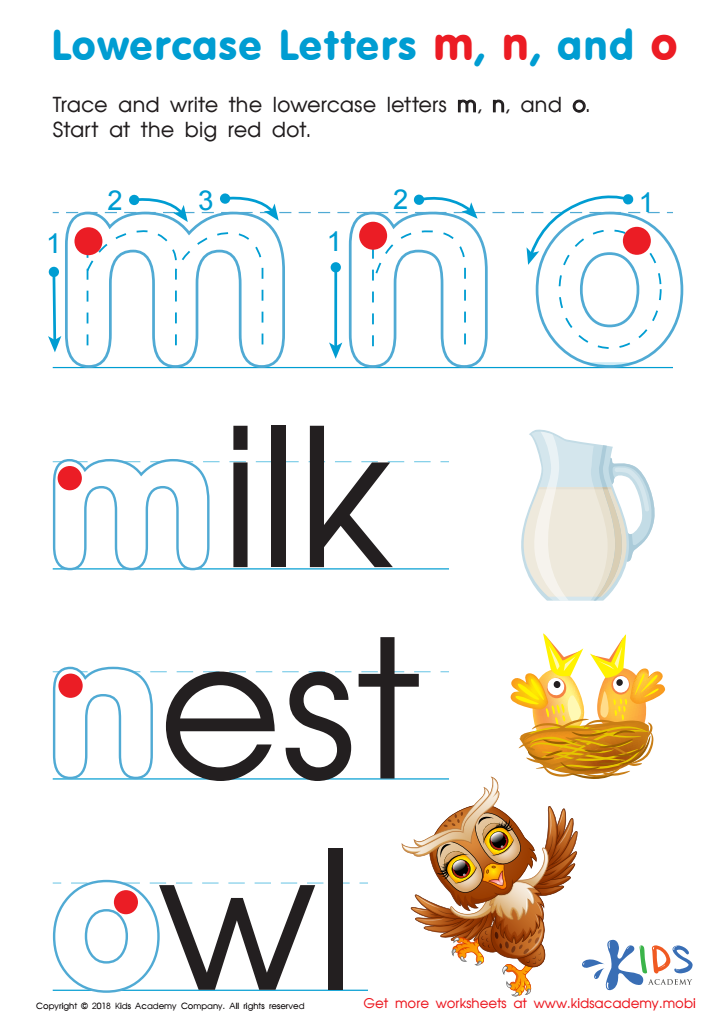
Lowercase Letters m n o Worksheet
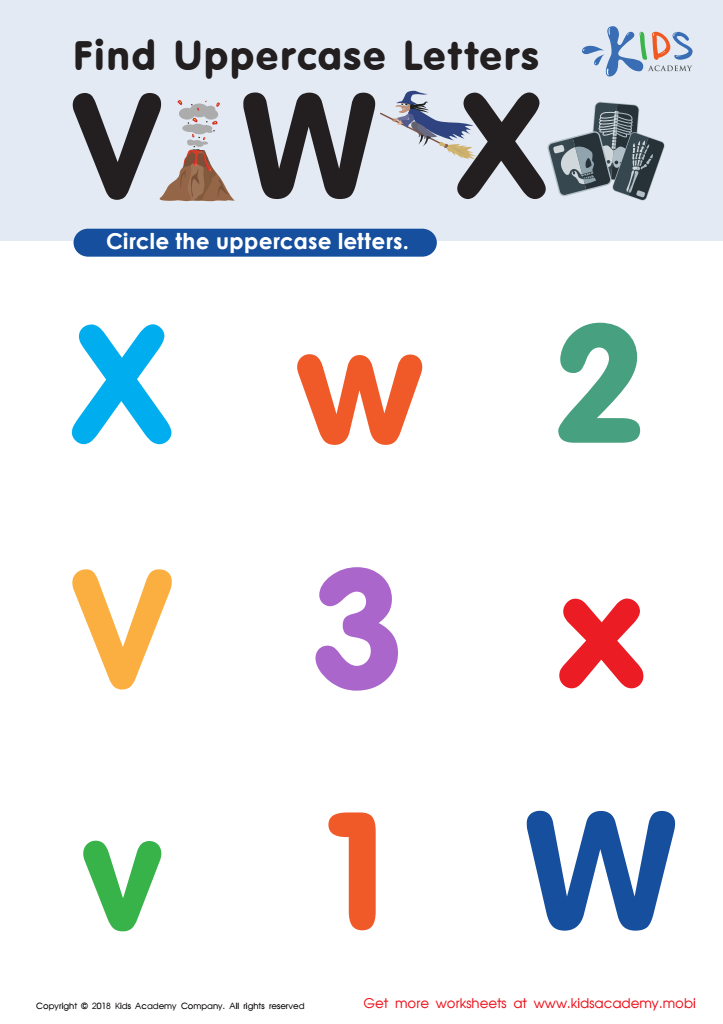
Find Uppercase Letters V, W, X Worksheet
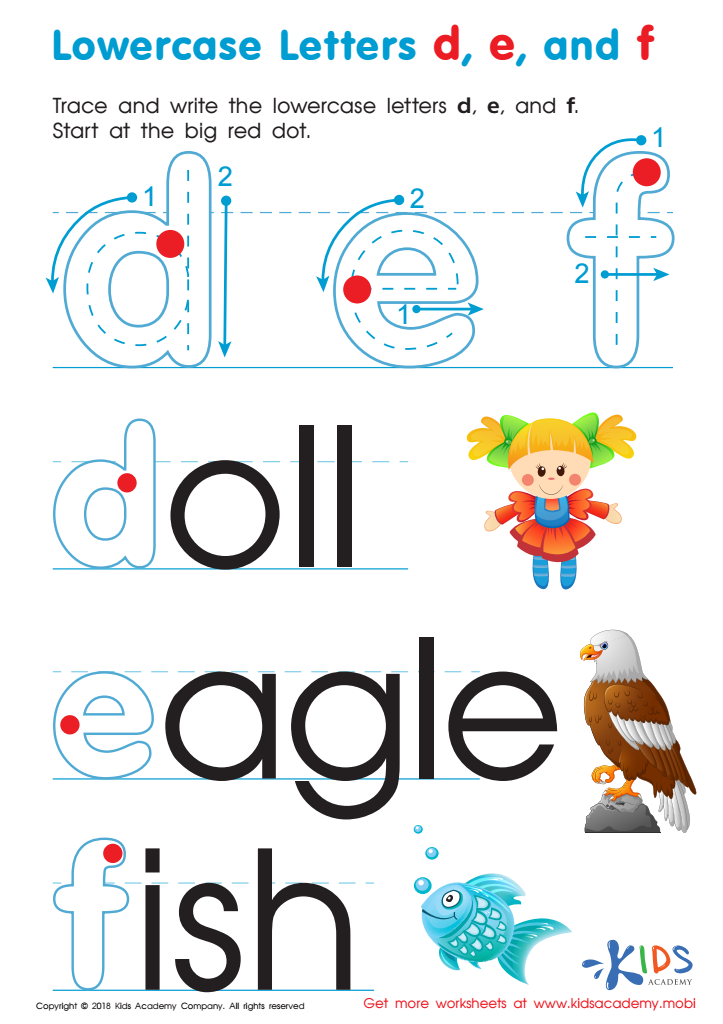
Lowercase Letters d e f Worksheet
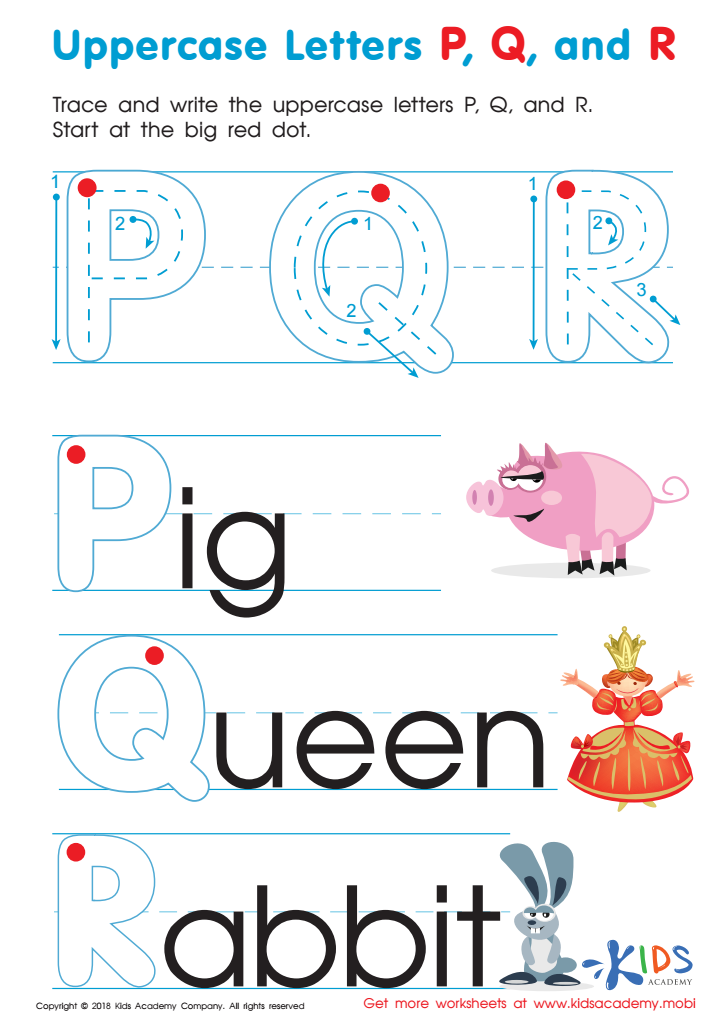
Uppercase Letters P, Q, and R Worksheet
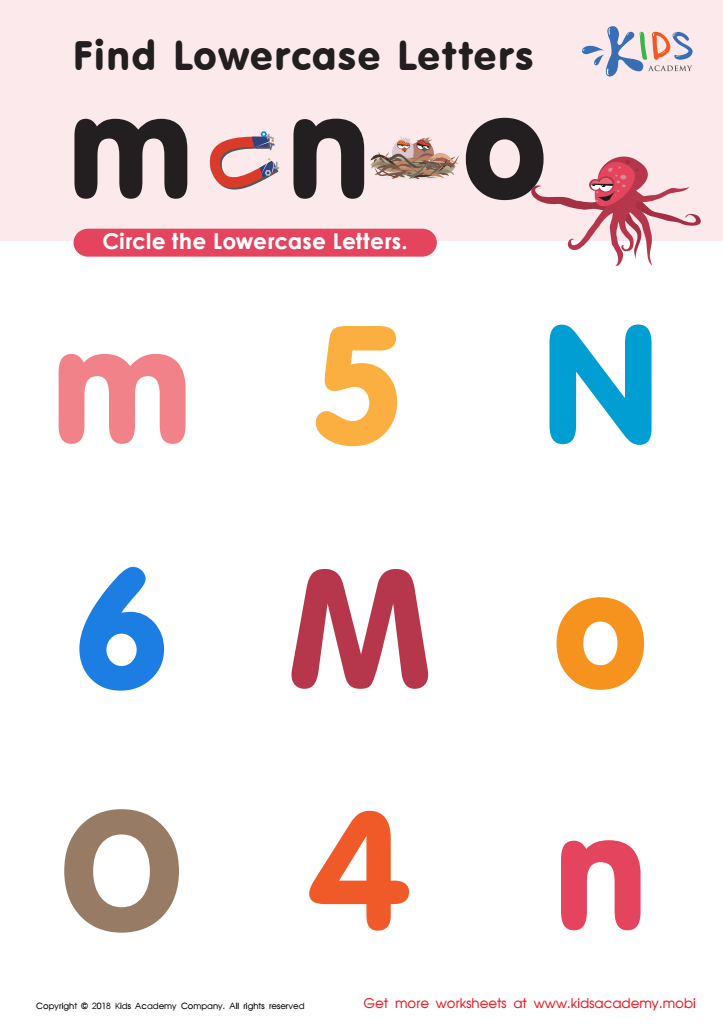
Find Lowercase Letters m n o Worksheet
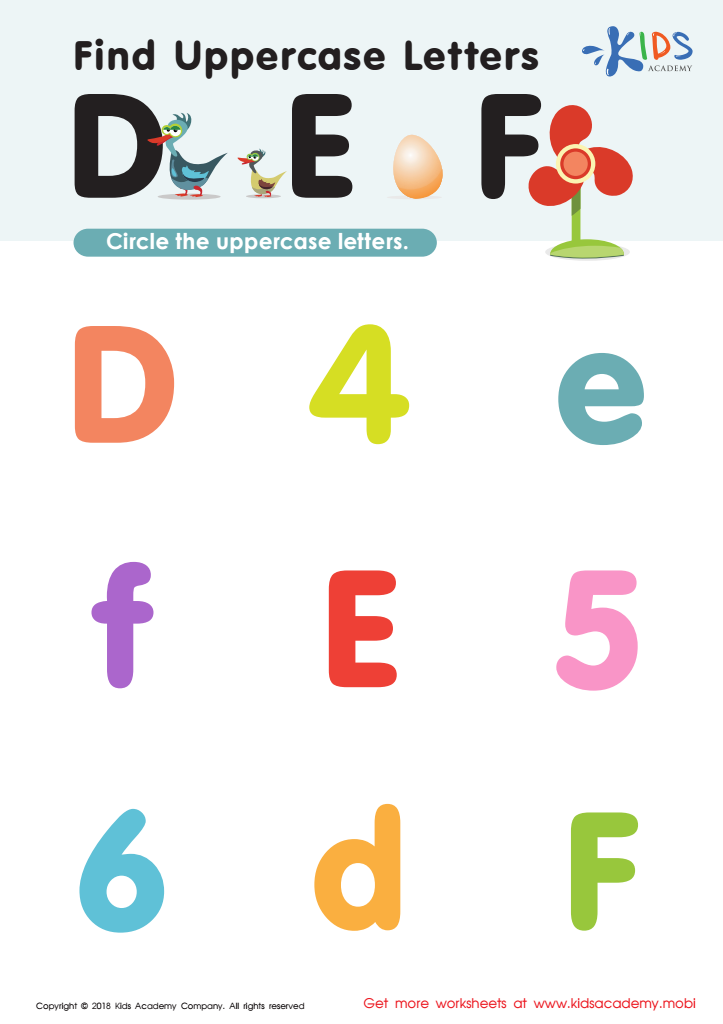
Find Uppercase Letters D, E, and F Worksheet
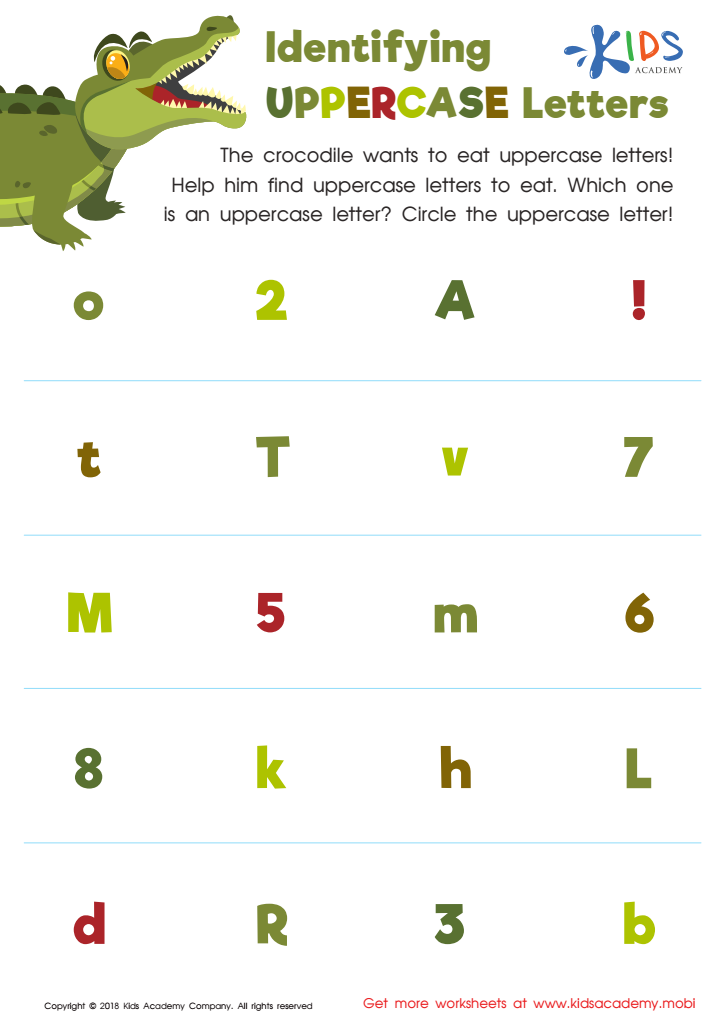
Identifying Uppercase Letters Worksheet

Find lowercase letters a b c Worksheet
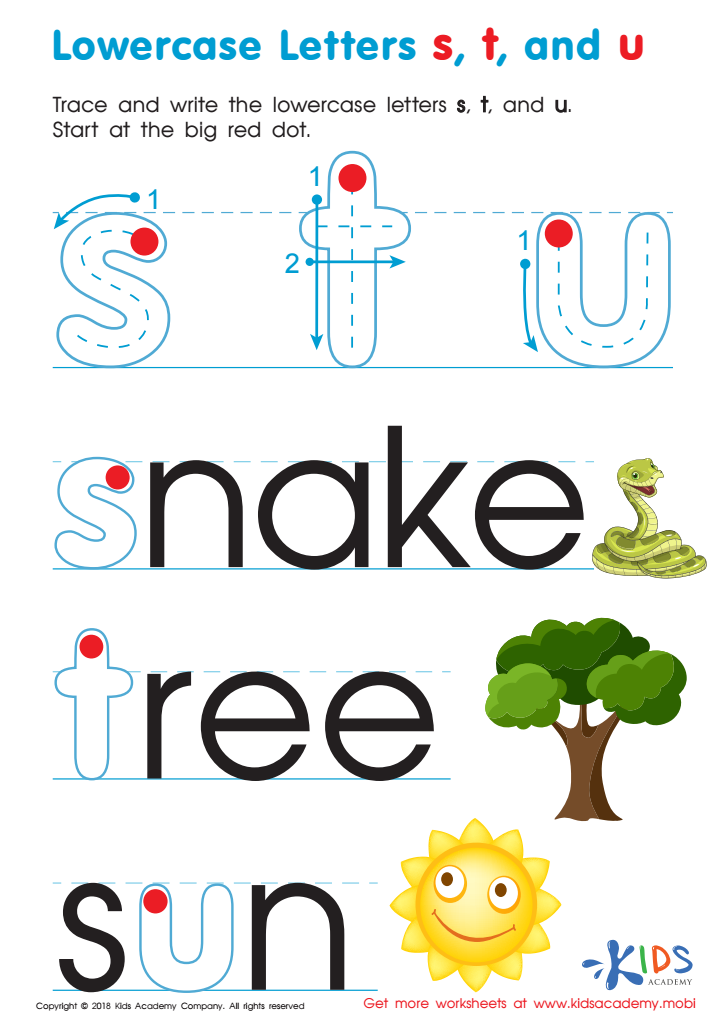
Lowercase Letters s t u Worksheet
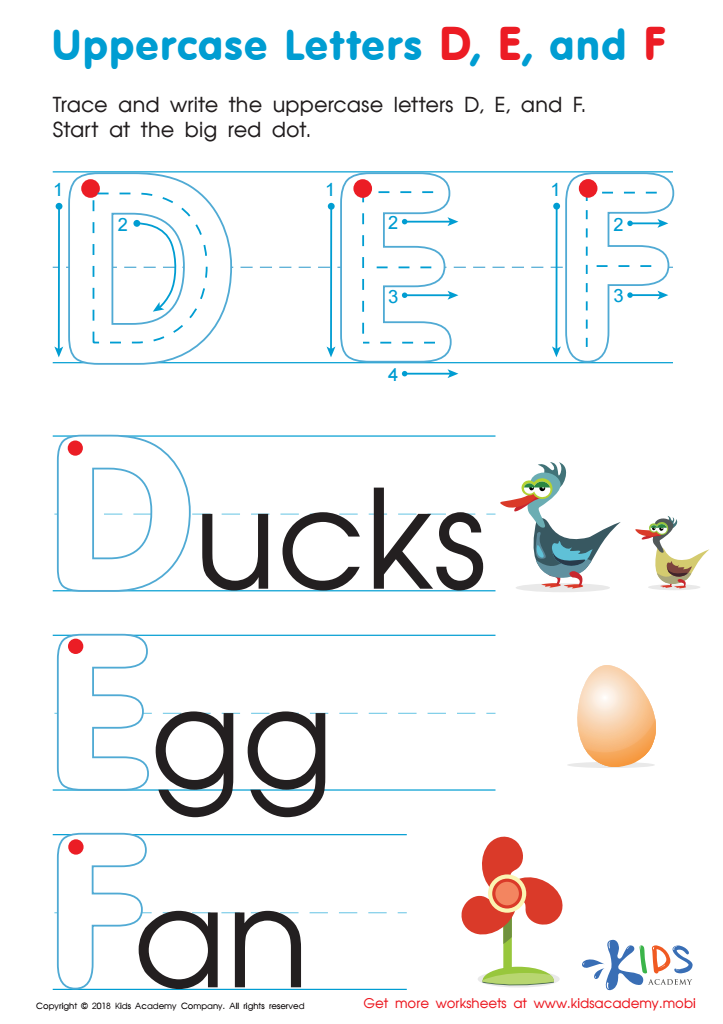
Uppercase Letters D, E, and F Worksheet
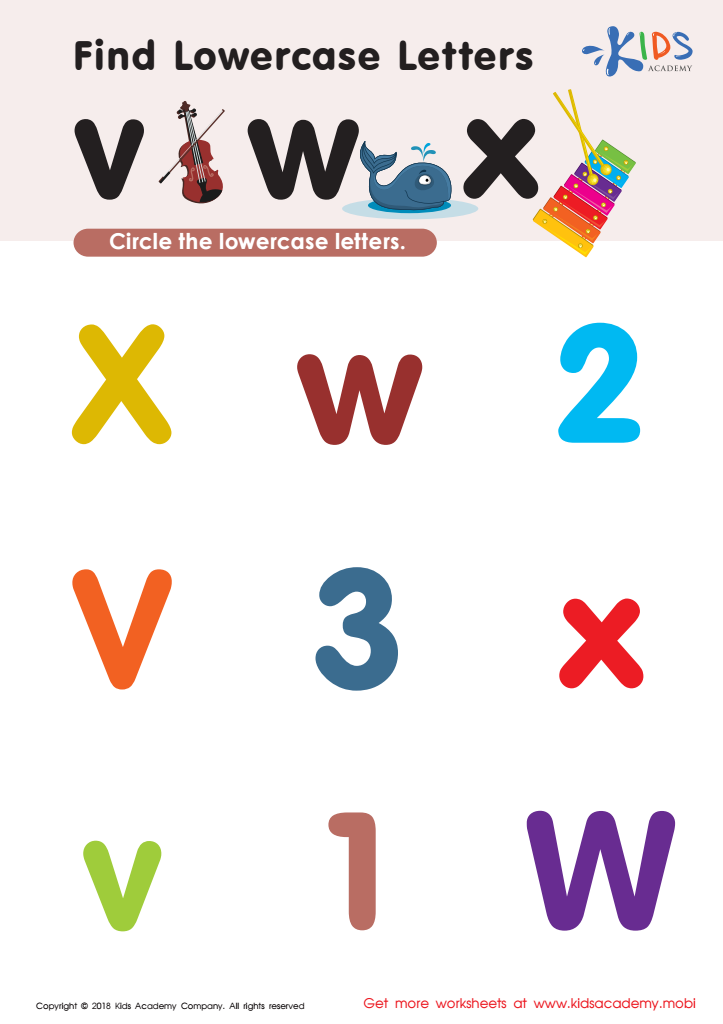
Find Lowercase Letters v w x Worksheet
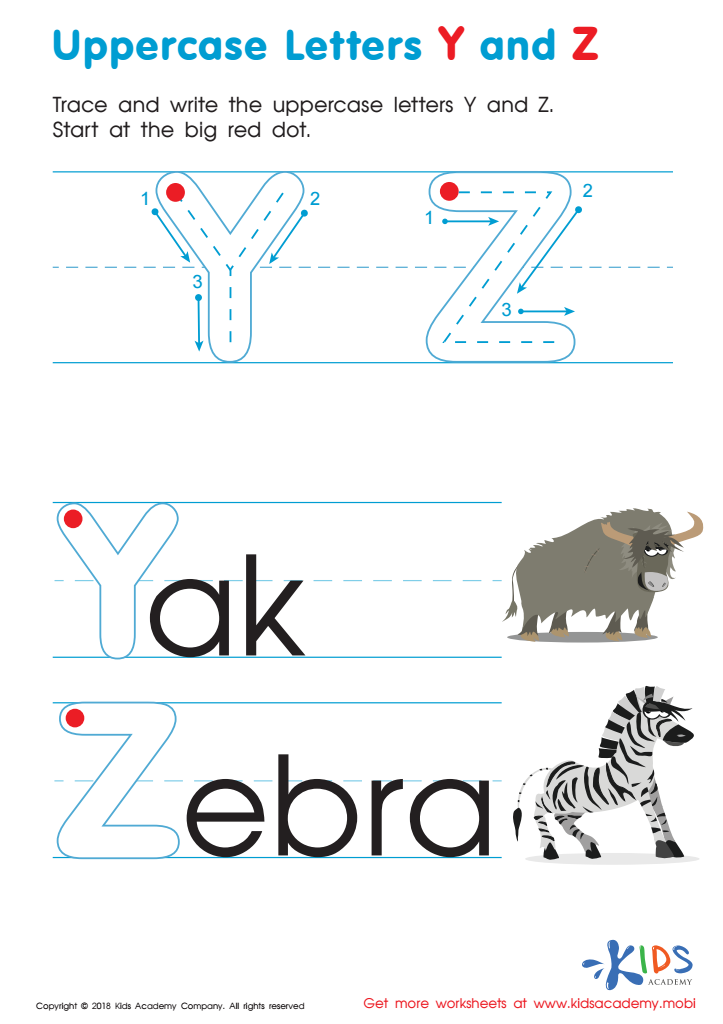
Uppercase Letters Y Z Worksheet
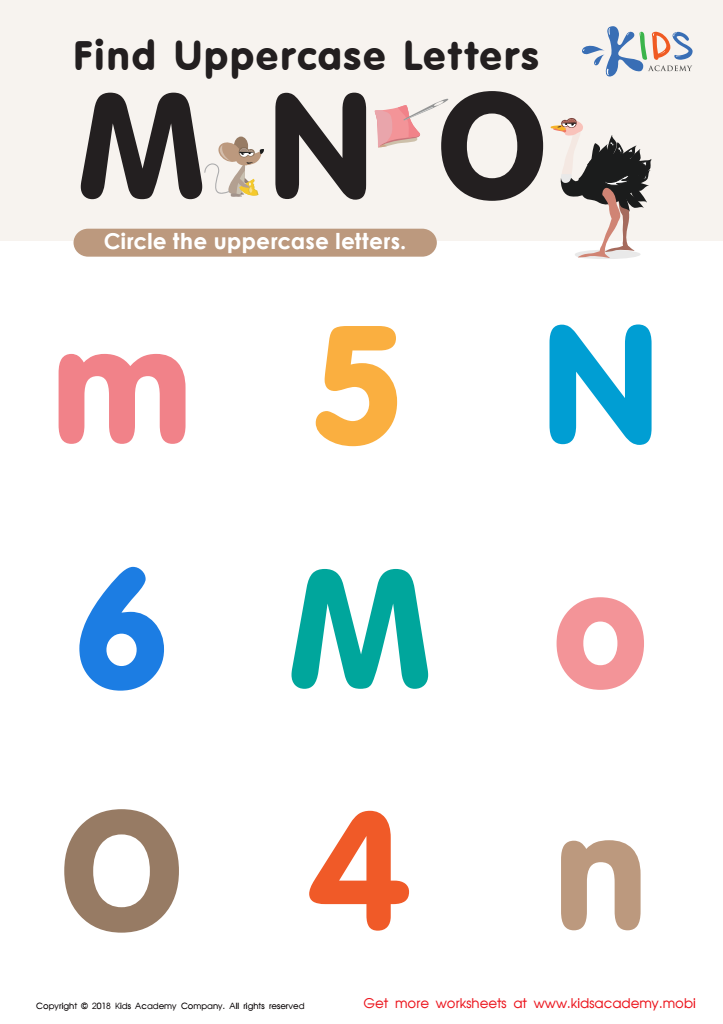
Find Uppercase Letters M, N, and O Worksheet
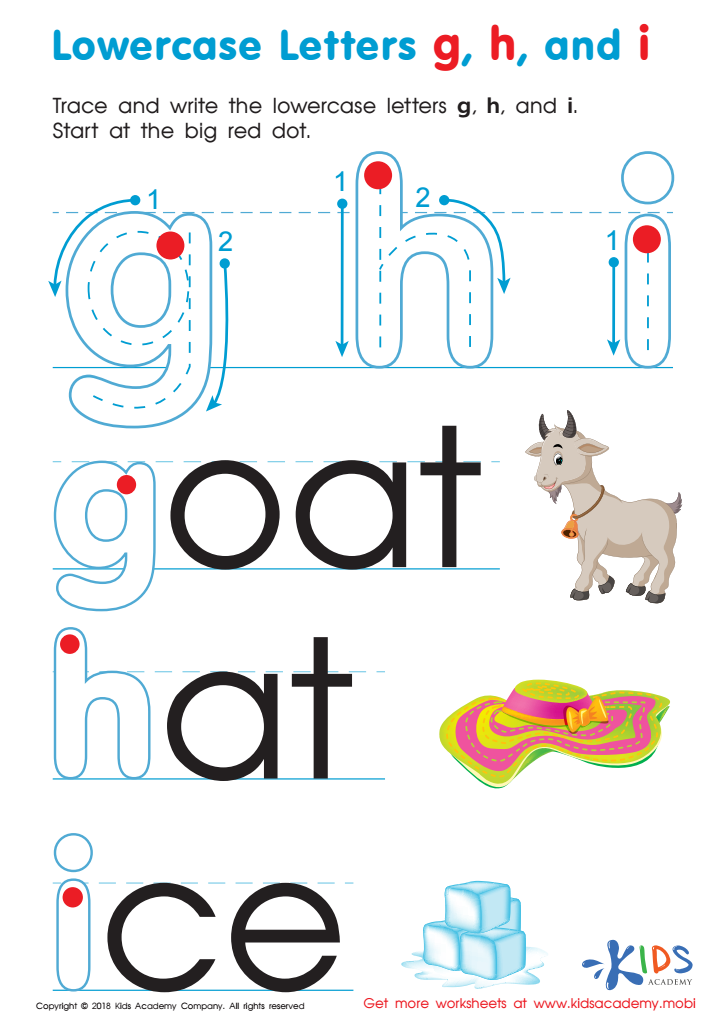
Lowercase Letters g h i Worksheet
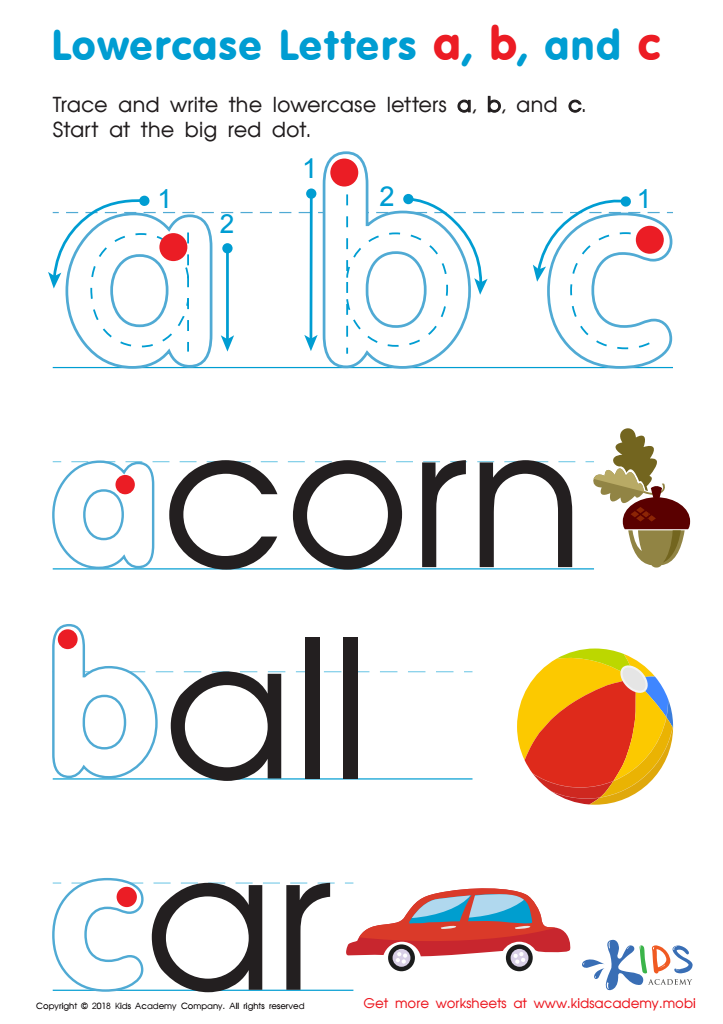
Lowercase Letters a b c Worksheet
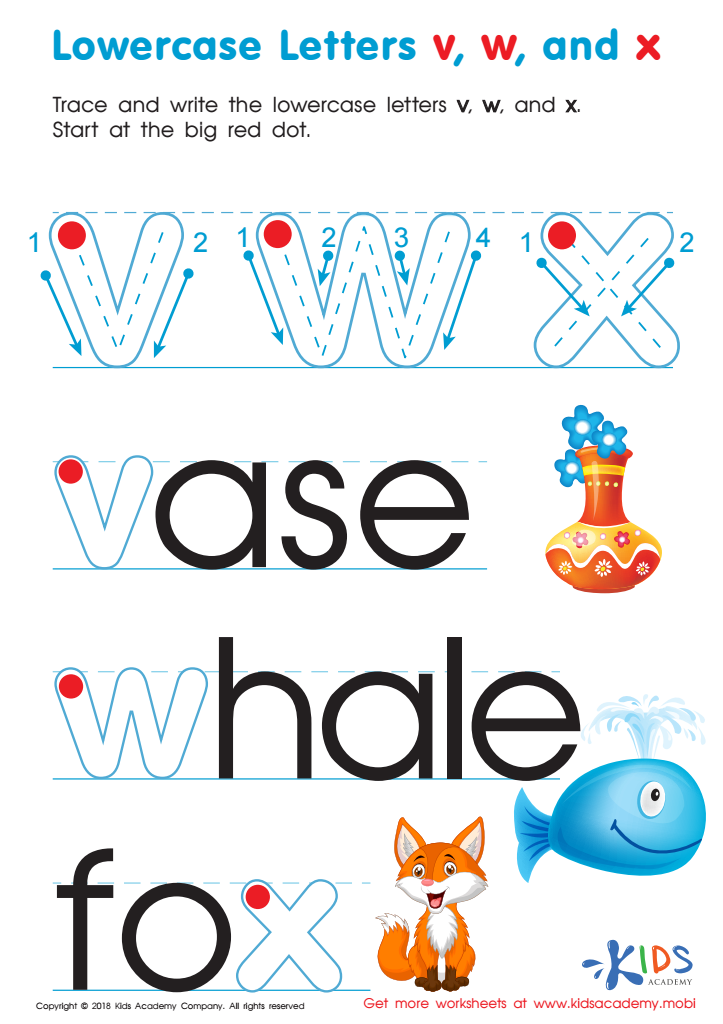
Lowercase Letters v w x Worksheet
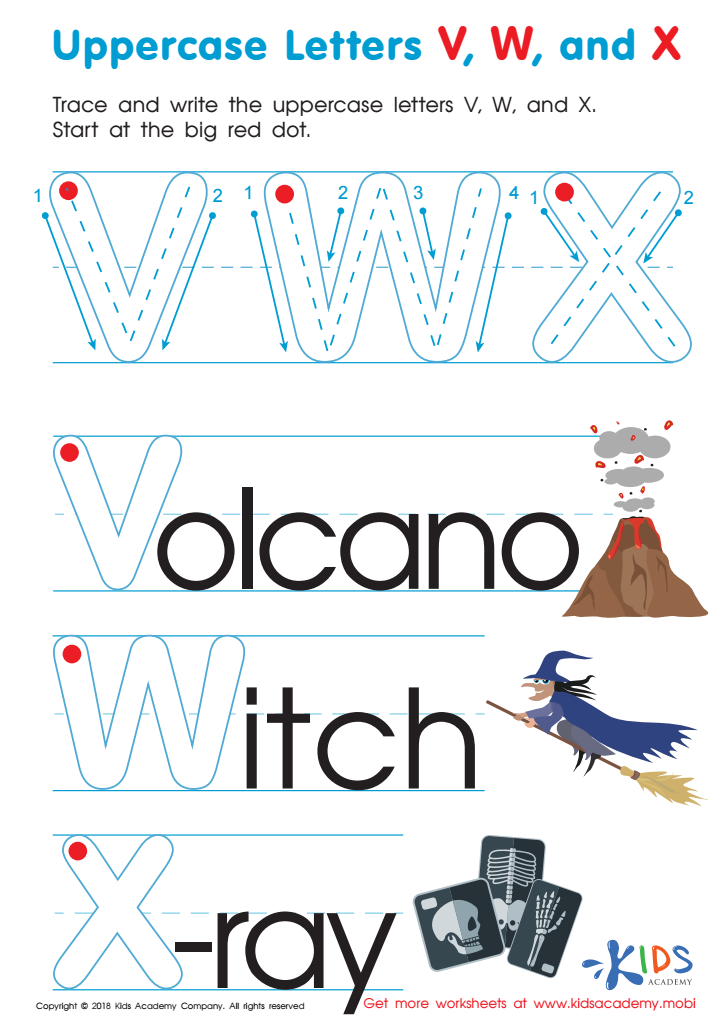
Uppercase Letters V, W, and X Worksheet






Parents and teachers play a crucial role in helping children develop foundational literacy skills, and understanding normal uppercase and lowercase letters is essential for this process. Mastery of letter recognition lays the groundwork for reading and writing. Children aged 4-9 are in a critical stage of language development, and exposure to both uppercase and lowercase letters helps them differentiate between the two forms.
Uppercase letters are typically associated with the beginning of sentences and proper nouns, whereas lowercase letters make up the vast majority of written text. Familiarity with both helps children decipher and engage with reading materials, boosting their confidence and comprehension skills. Inclusive practice in teaching these forms ensures learners develop a more holistic understanding of language.
Furthermore, as children begin to write, their ability to use both uppercase and lowercase letters correctly aids in effective communication. With a solid grasp of these letters, children can express themselves more clearly and stay engaged in literacy activities. Ultimately, prioritizing the learning of normal uppercase and lowercase letters nurtures a love for reading and writing, paving the way for academic success and lifelong learning. Engaging with literacy early on sets a strong foundation for future educational achievements.







