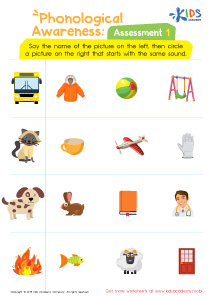
Normal Vowels and Consonants Worksheets for Ages 4-9 - Page 2
26 filtered results
-
From - To
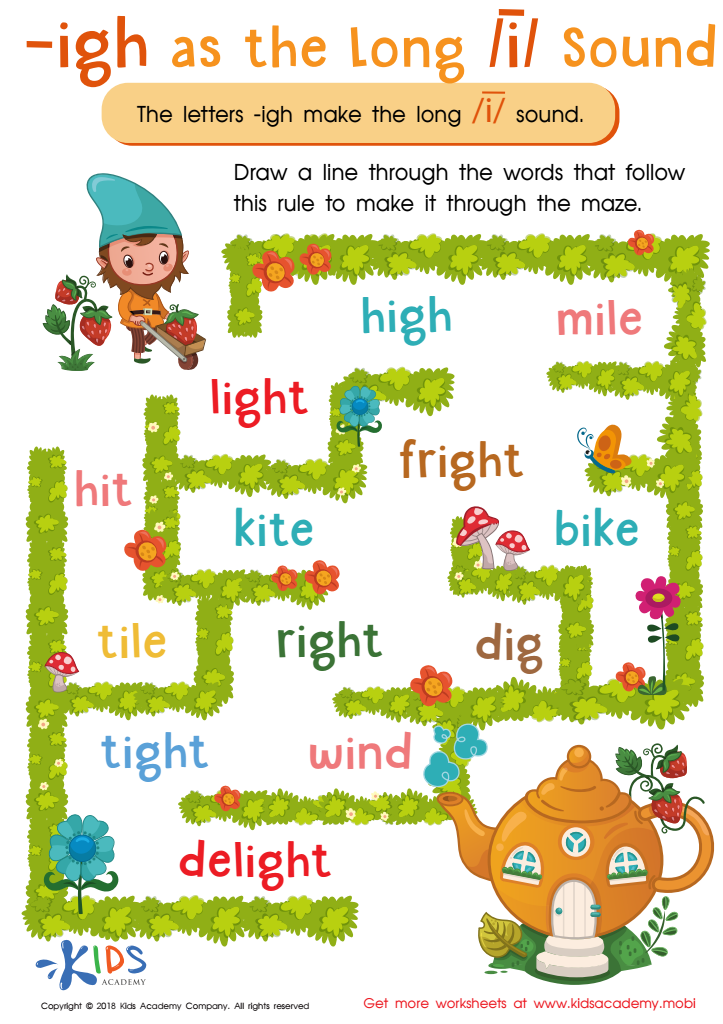
Reading: IGH as Long I Worksheet
 Assign to My Students
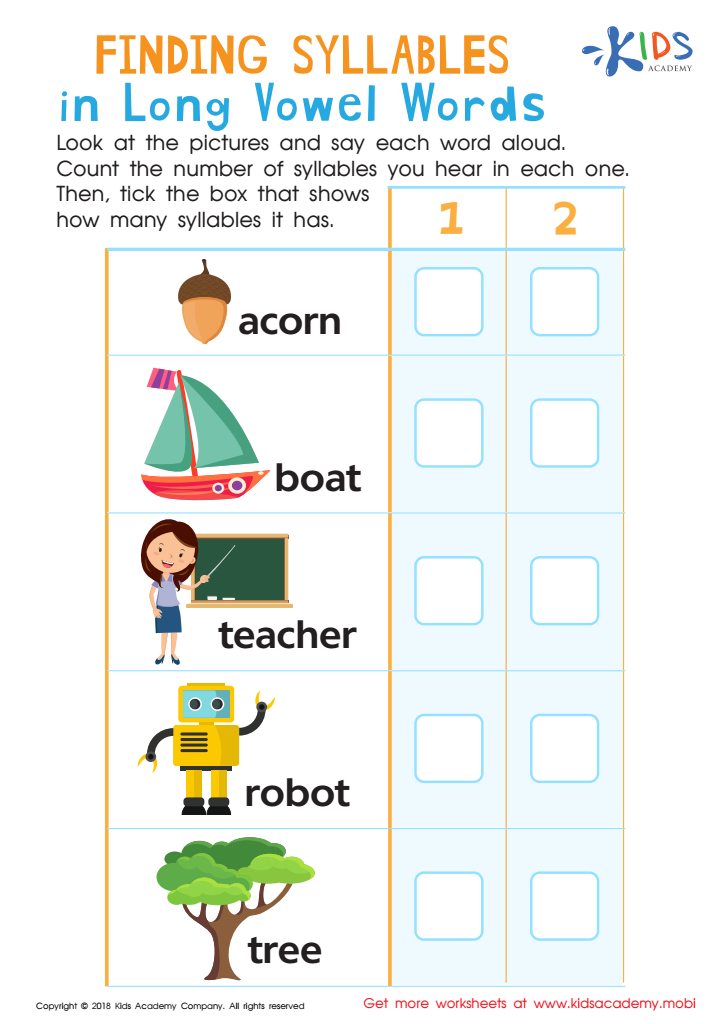
Finding Syllables in Long Vowel Words Worksheet



Understanding normal vowels and consonants is crucial for children aged 4-9 because they form the foundation of language and literacy skills. At this age, children are developing phonemic awareness—the ability to hear and manipulate sounds in words. By learning the distinction between vowels and consonants, children enhance their reading and writing abilities.
Parents and teachers should care that children recognize the roles of vowels and consonants in forming words. Vowels are the building blocks of syllables and critical for pronunciation, while consonants frame the sound of words. Engaging children in games and activities that highlight these sounds aids in their recognition and fluency, reinforcing the connection between sound and text.
Moreover, phonics instruction, which emphasizes normal vowels and consonants, fosters spelling and decoding skills essential for reading comprehension. This foundational knowledge empowers students to become confident readers and communicators.
In summary, a strong grasp of normal vowels and consonants supports early literacy, enhances cognitive development, and lays the groundwork for lifelong learning, making it a key focus for parents and educators alike.