Normal Governance and Civics Worksheets for Ages 4-9 - Page 2
41 filtered results
-
From - To
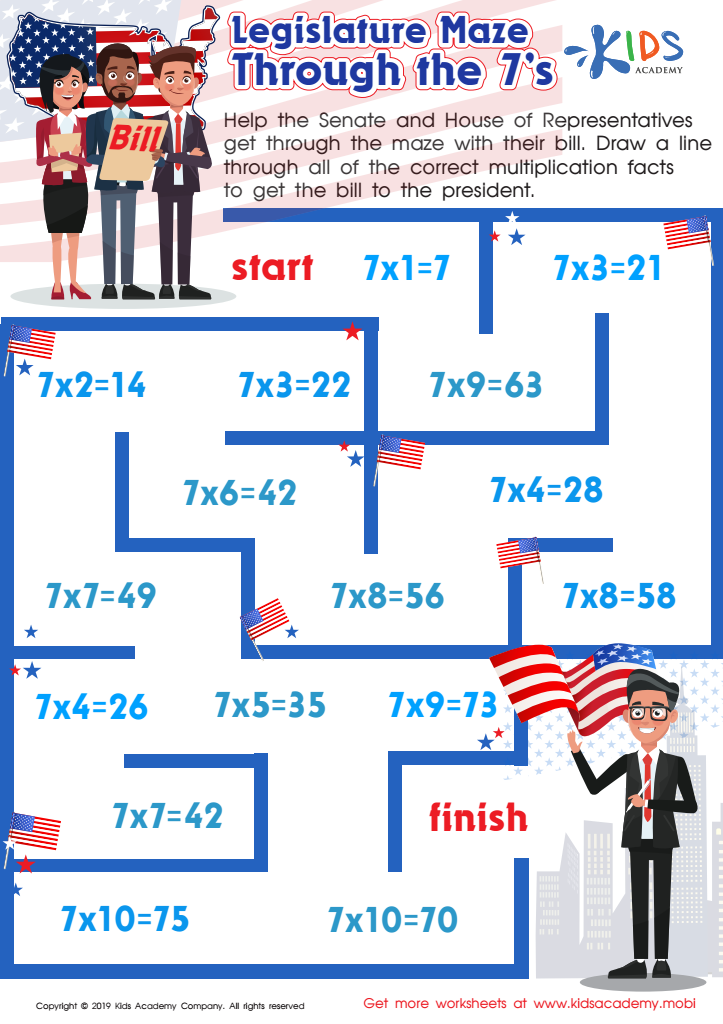
Legislature Maze Through the 7’s Worksheet
 Assign to My Students
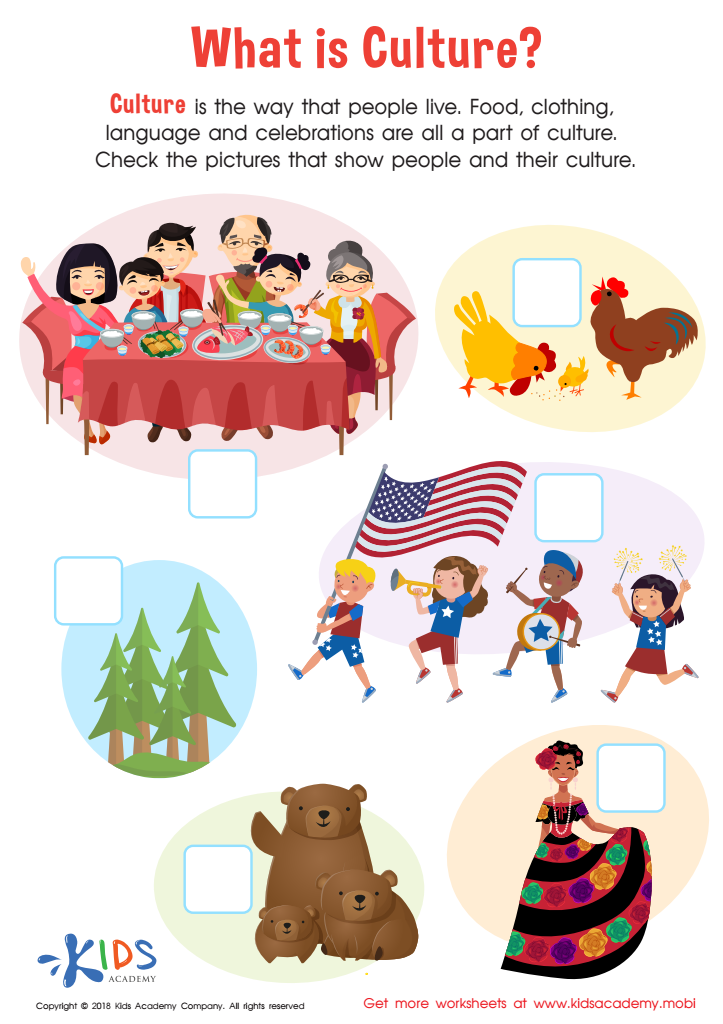
What Is Culture? Worksheet
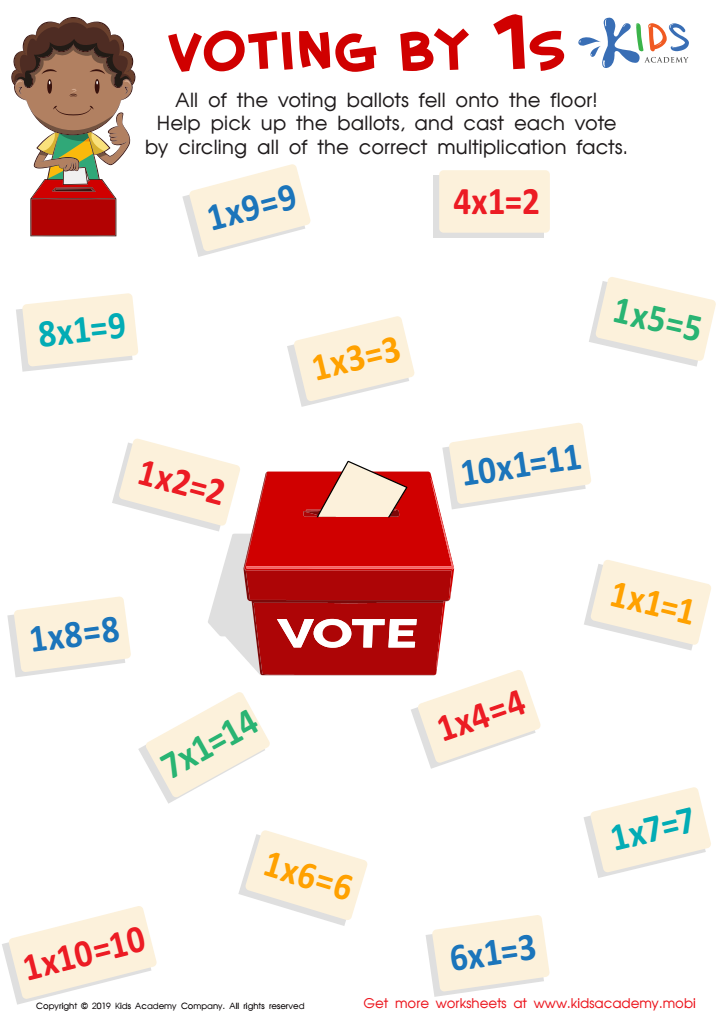
Voting by 1s Worksheet
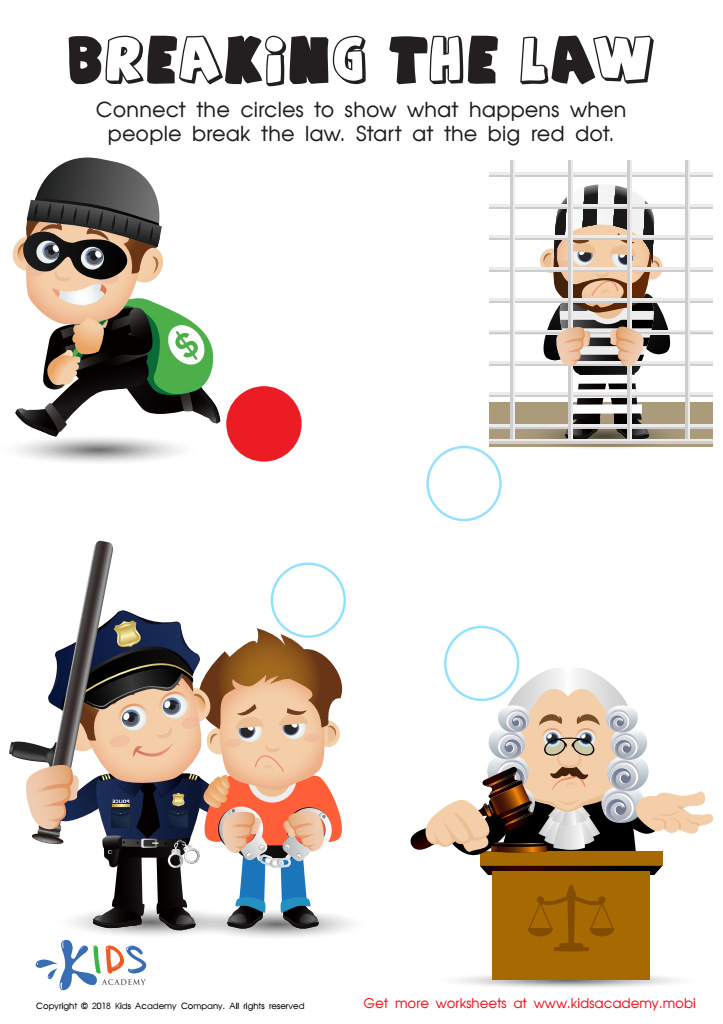
Breaking the Law Worksheet
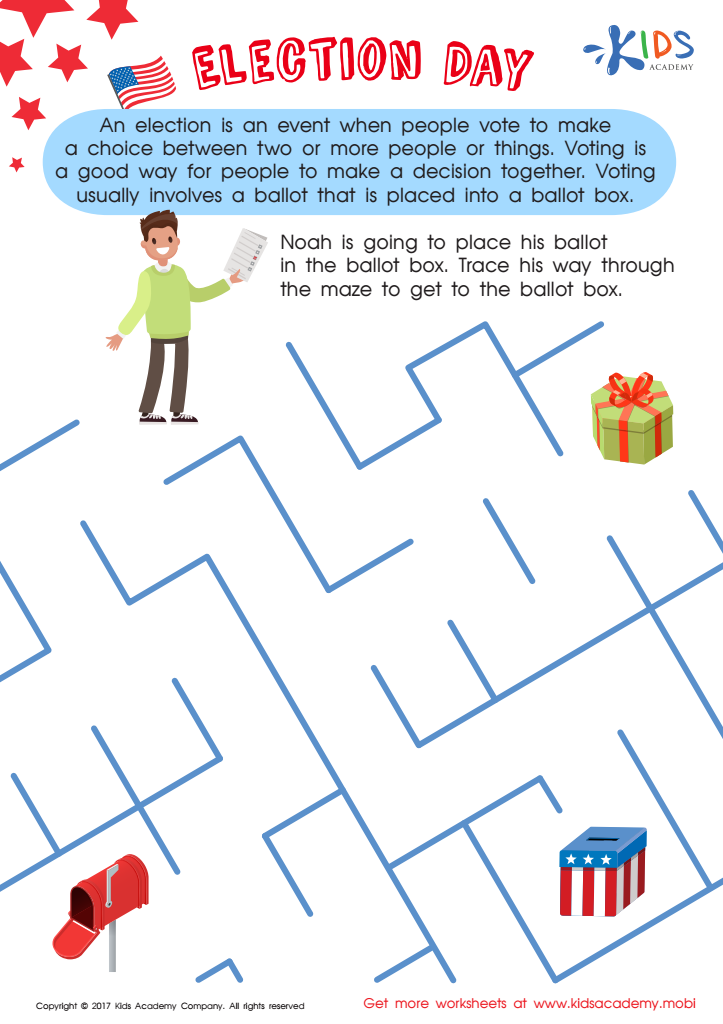
Election Day Worksheet
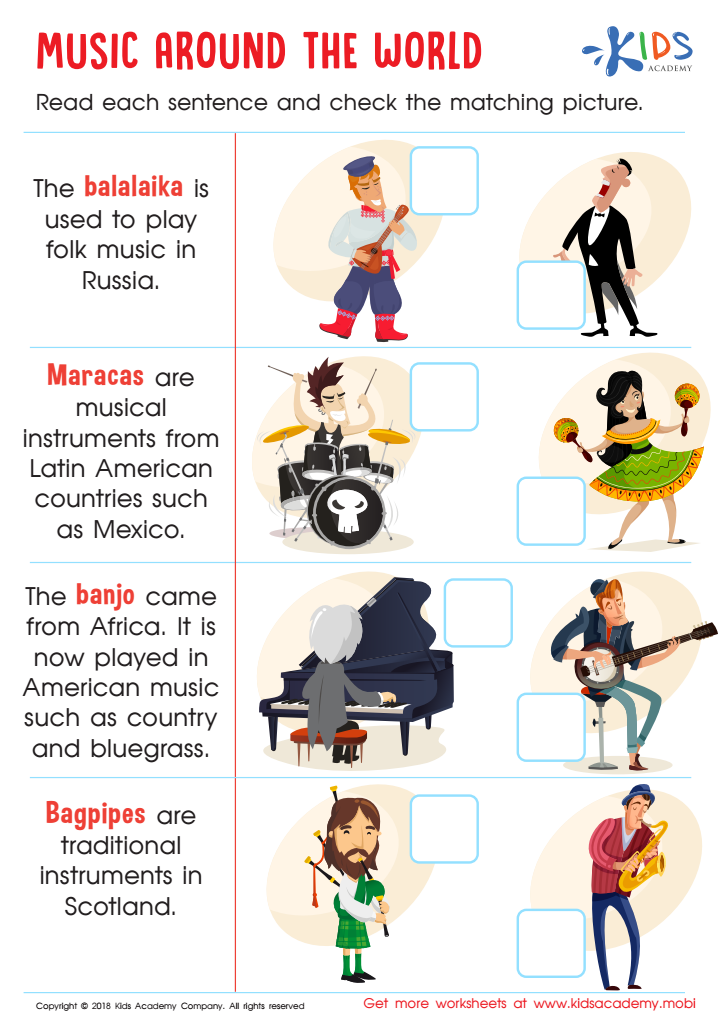
Music Around the World Worksheet
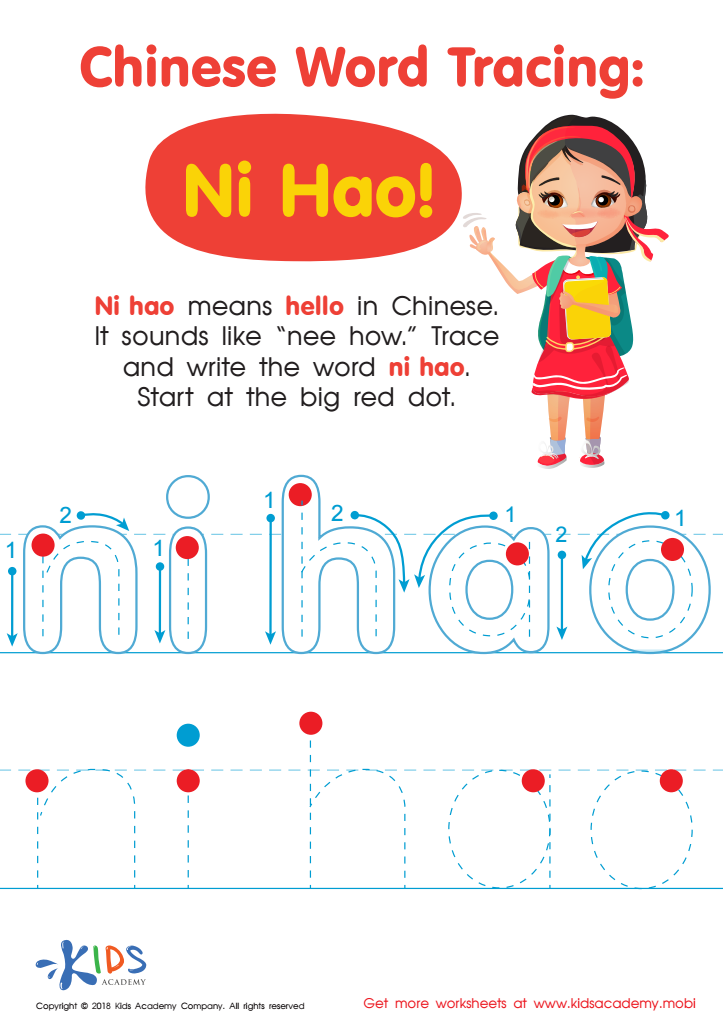
Chinese Word Tracing: Ni Hao Worksheet
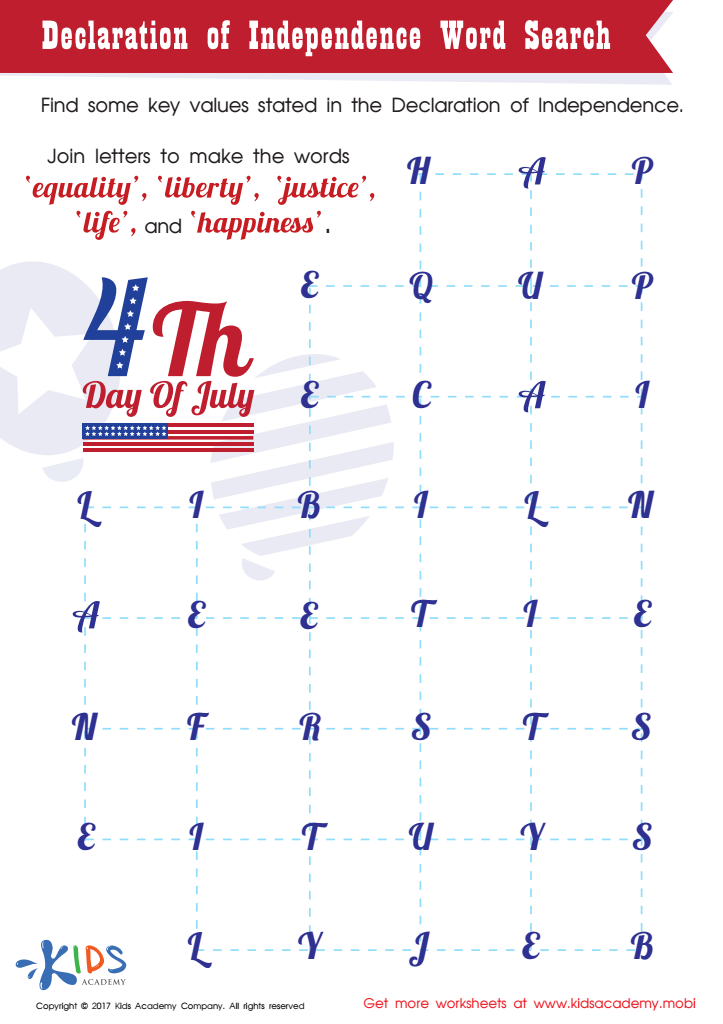
Declaration of Independence Word Search Printable
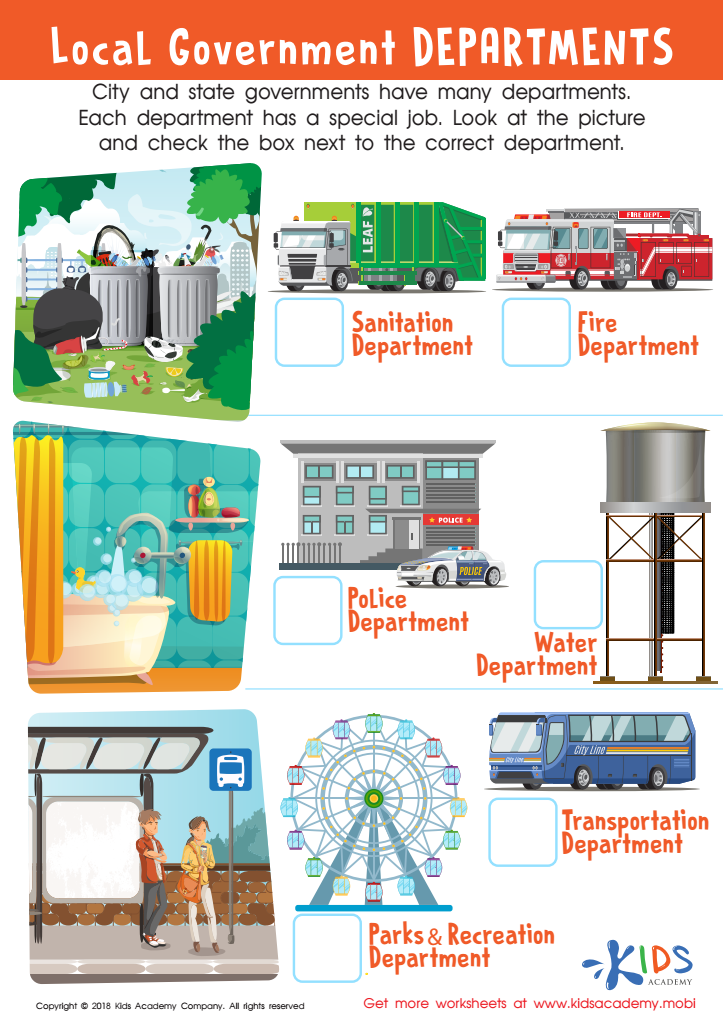
Local Government Departments Worksheet
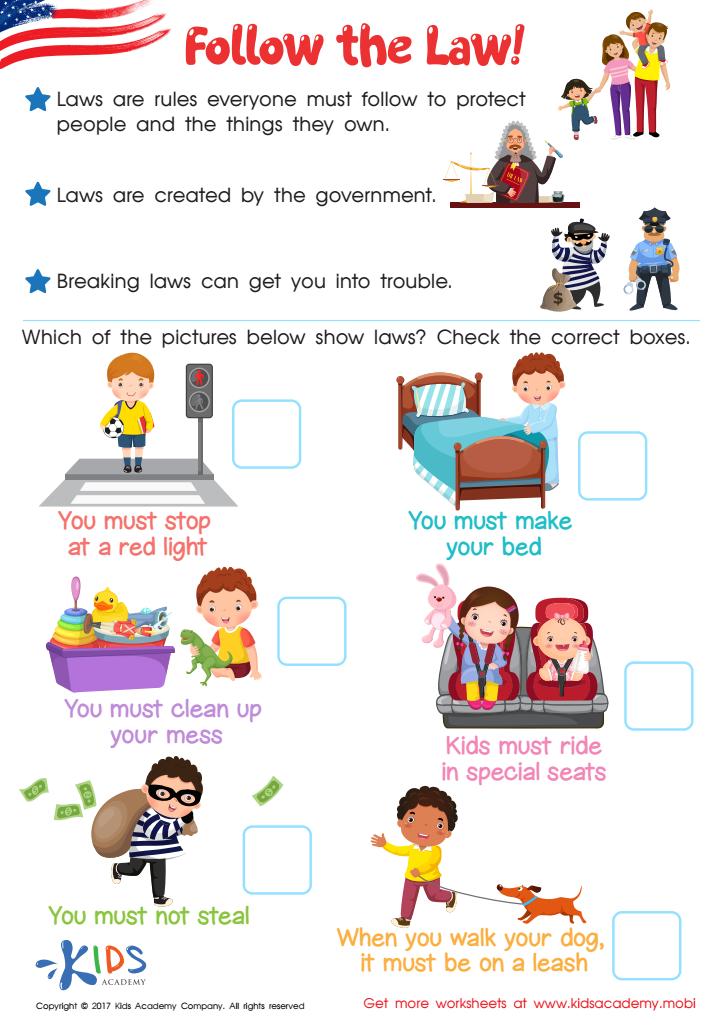
Follow the Law Worksheet
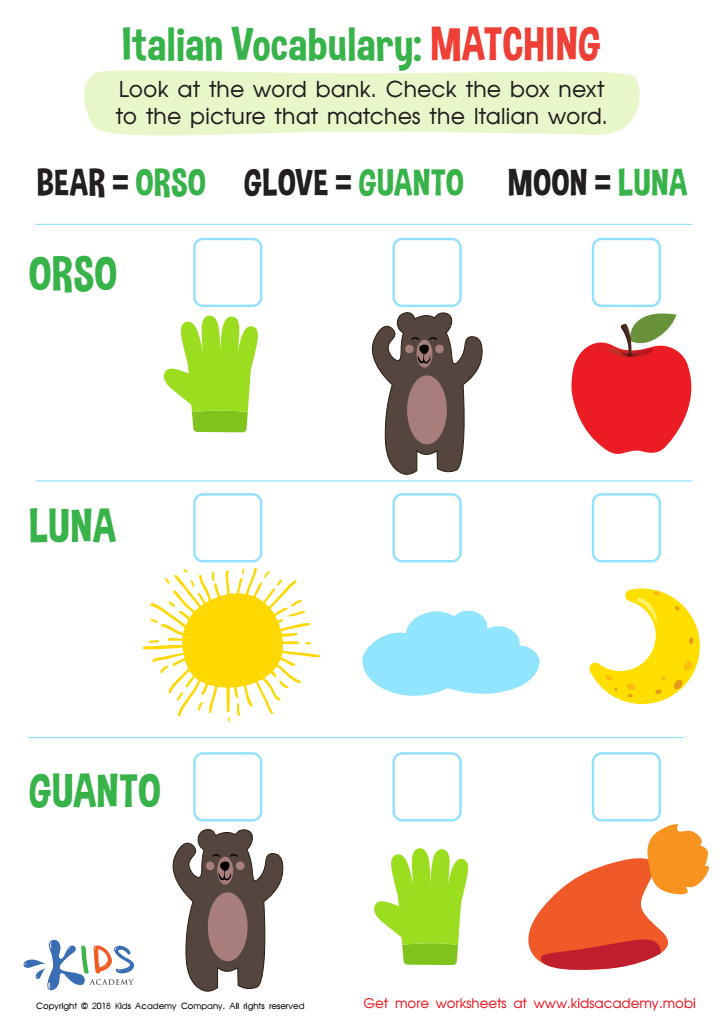
Italian Vocabulary Matching Worksheet
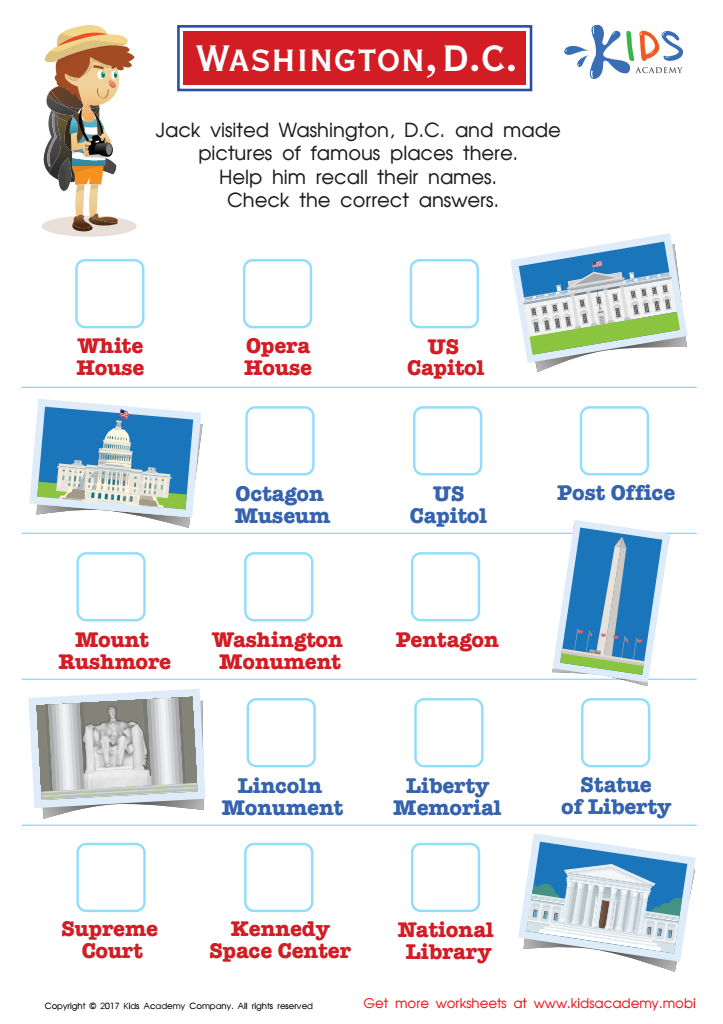
Washington D.C. Printable Worksheet
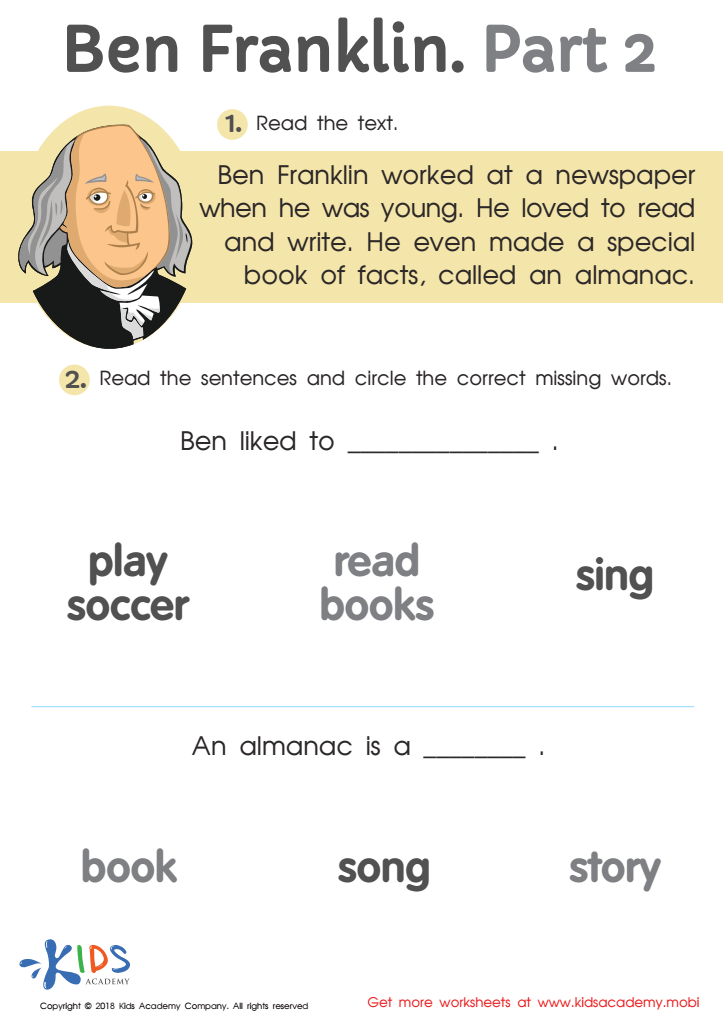
Ben Franklin Part 2 Worksheet
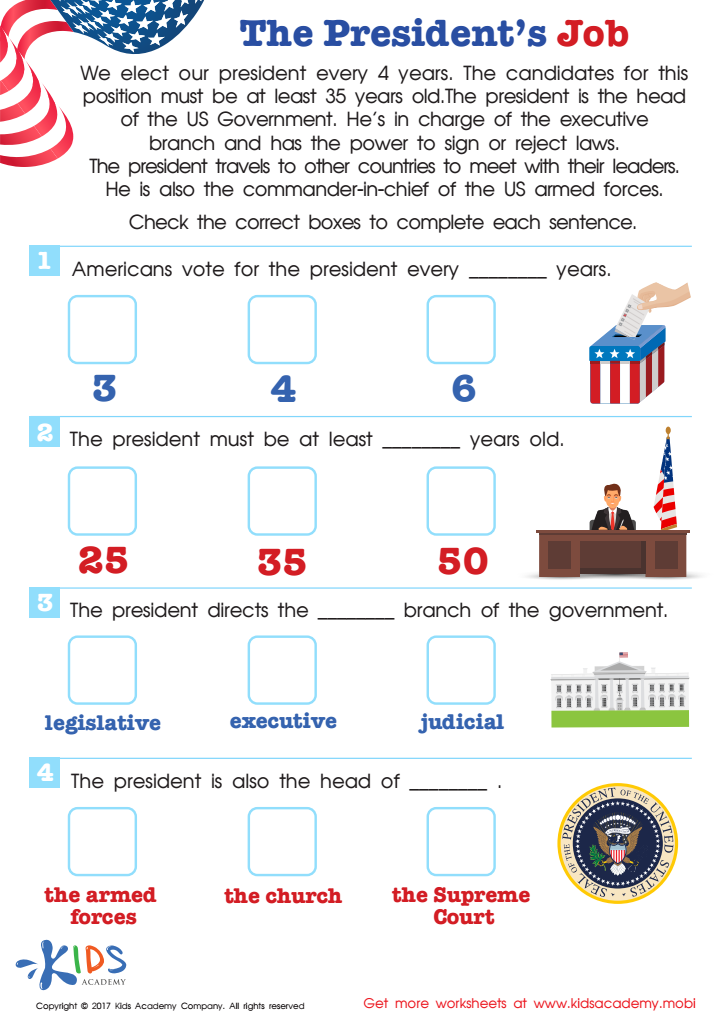
President of the USA Job Description Worksheet
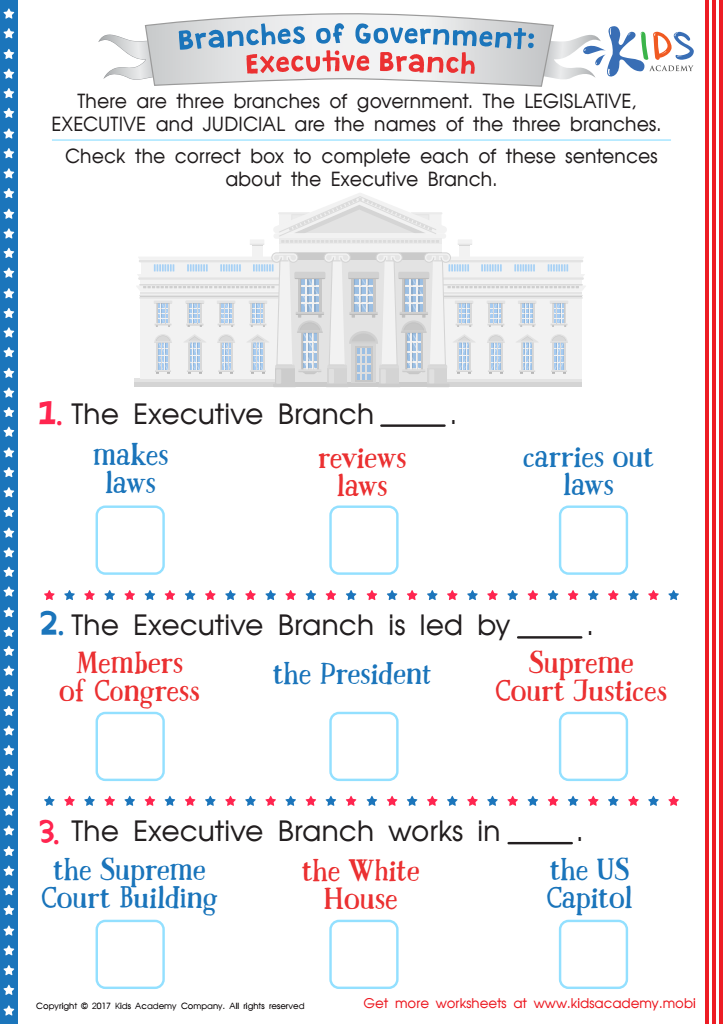
Branches of the Government: Executive Branch Printable
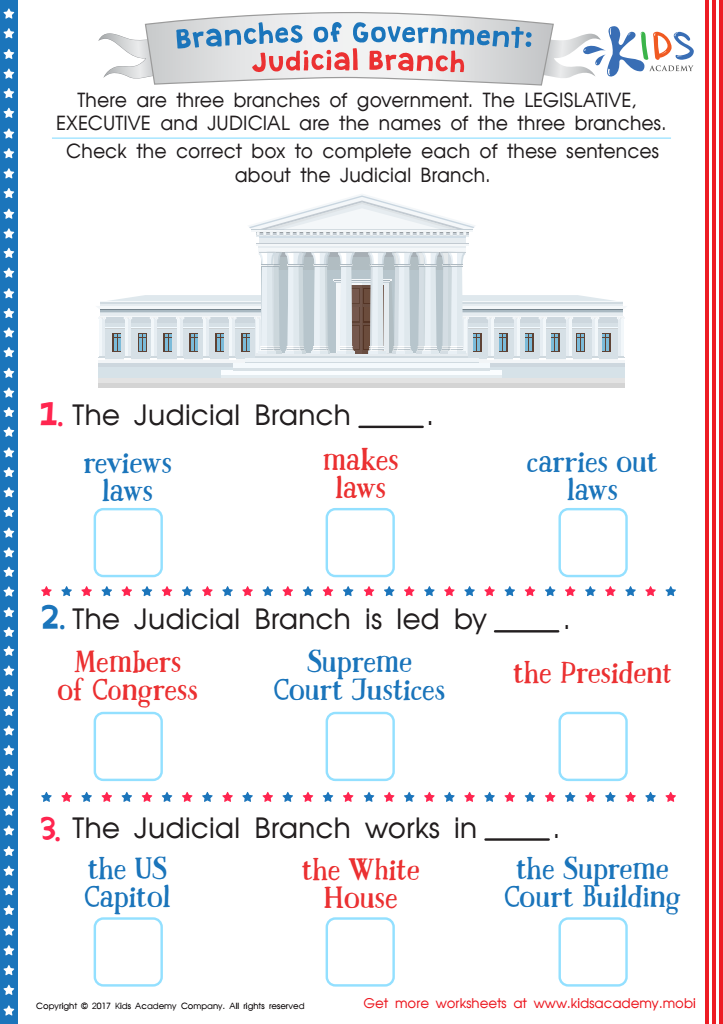
Braches of the Government: Judicial Branch Worksheet
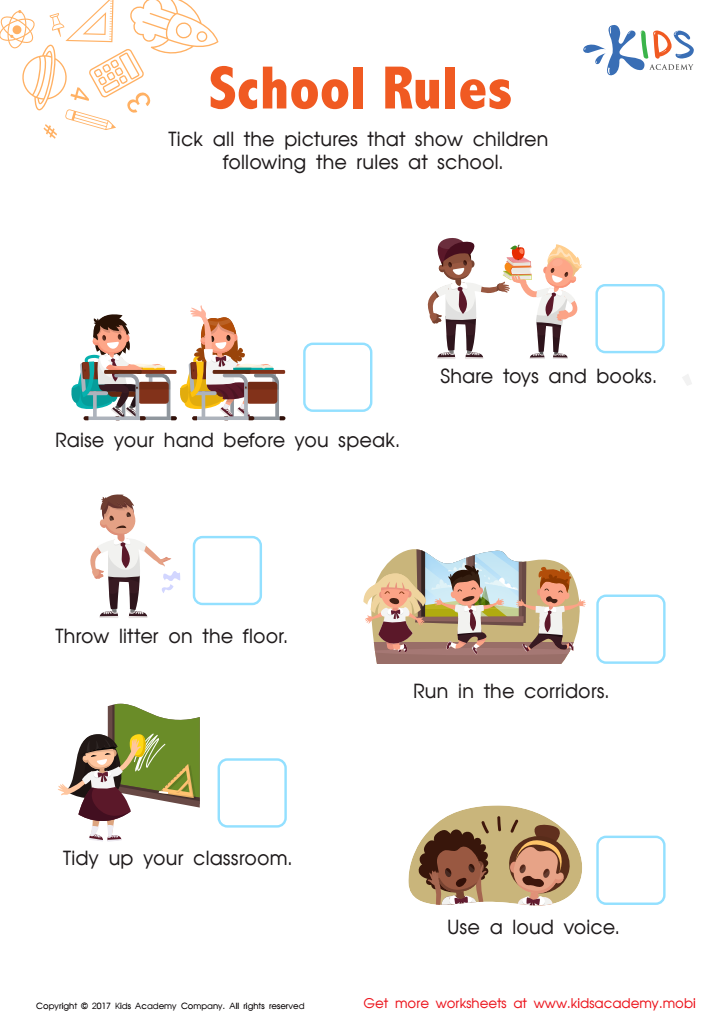
School Rules Worksheet


Understanding normal governance and civics is crucial for young children for several reasons, making it essential for parents and teachers to care about these concepts even at an early age. Firstly, introducing children ages 4-9 to these ideas helps build a foundation for their later understanding of society and their roles within it. By explaining concepts such as rules, fairness, and community, educators can help children recognize the importance of cooperation and their responsibilities as members of various groups.
More importantly, teaching these subjects promotes critical thinking and decision-making skills. When kids learn about how decisions are made, they develop an understanding of the democratic process and the significance of participation and voting. They also learn to respect differing opinions and the importance of problem-solving through communication and compromise.
Introducing governance and civics at an early age enhances kids' abilities to grasp more complex societal structures as they grow older. This knowledge fosters a sense of belonging and empowerment, encouraging children to become engaged citizens who are aware of their rights and responsibilities. Also, young minds are like sponges, and instilling these values early can shape their character and ethics. Overall, early education in governance and civics cultivates respectful, informed, and active future adults, integral to a healthy, functioning society.