Normal Worksheets for Ages 5-8 - Page 69
1637 filtered results
-
From - To
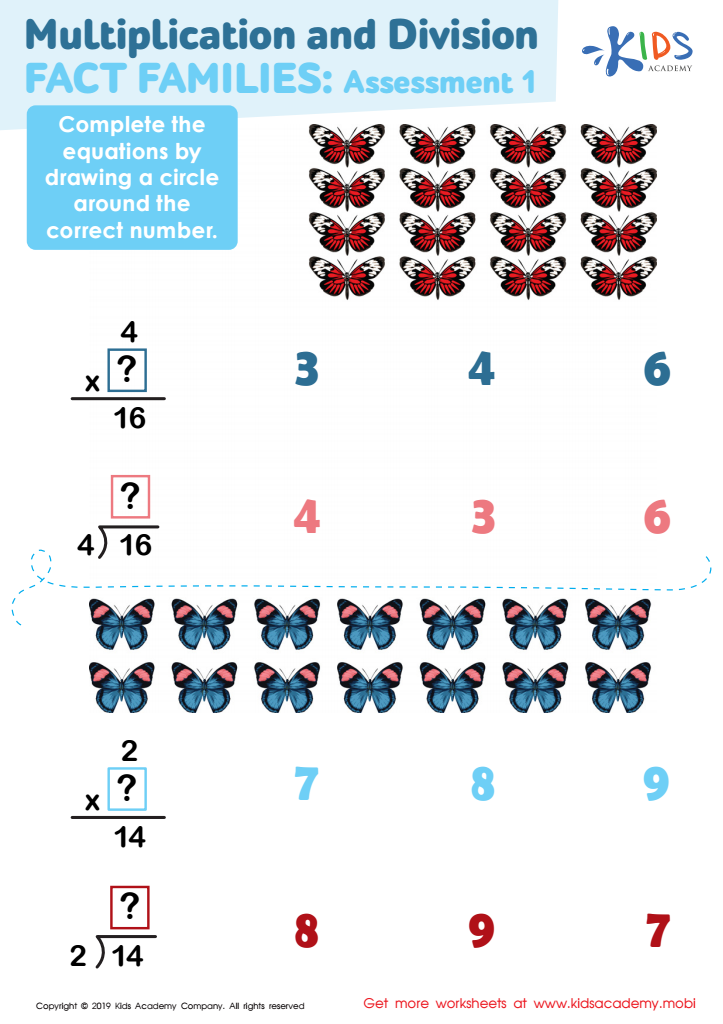
Multiplication and Division Fact Families Assessment 1 Worksheet
 Assign to My Students
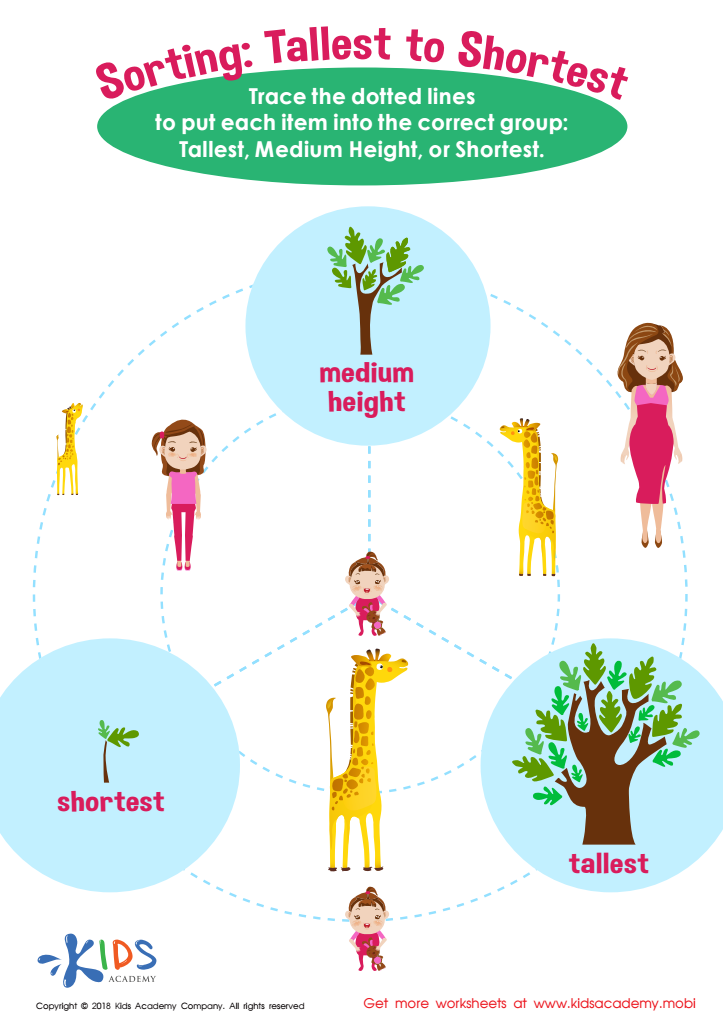
Sorting: Tallest to Shortest Worksheet
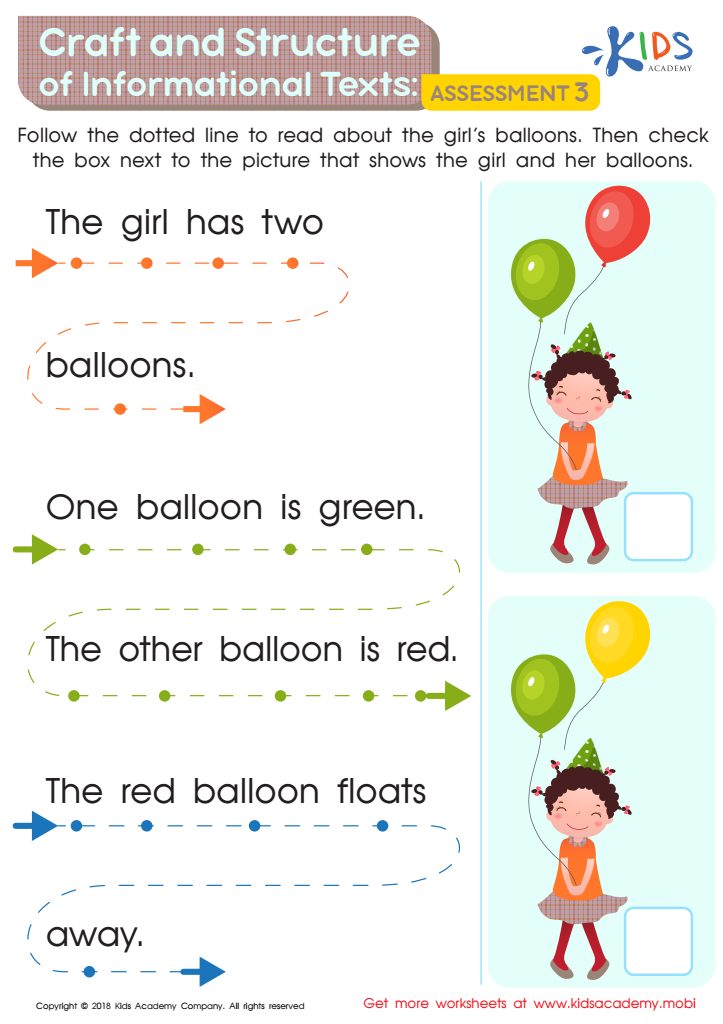
Craft and Structure of Informational Texts: Assessment 3 Worksheet
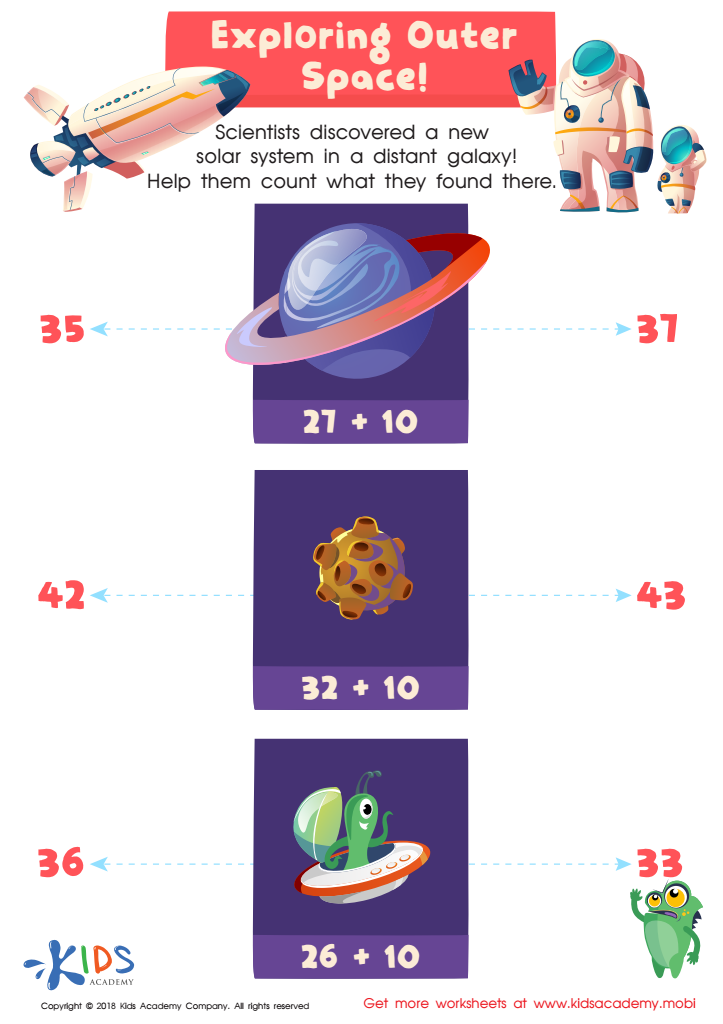
Exploring Outer Space Worksheet
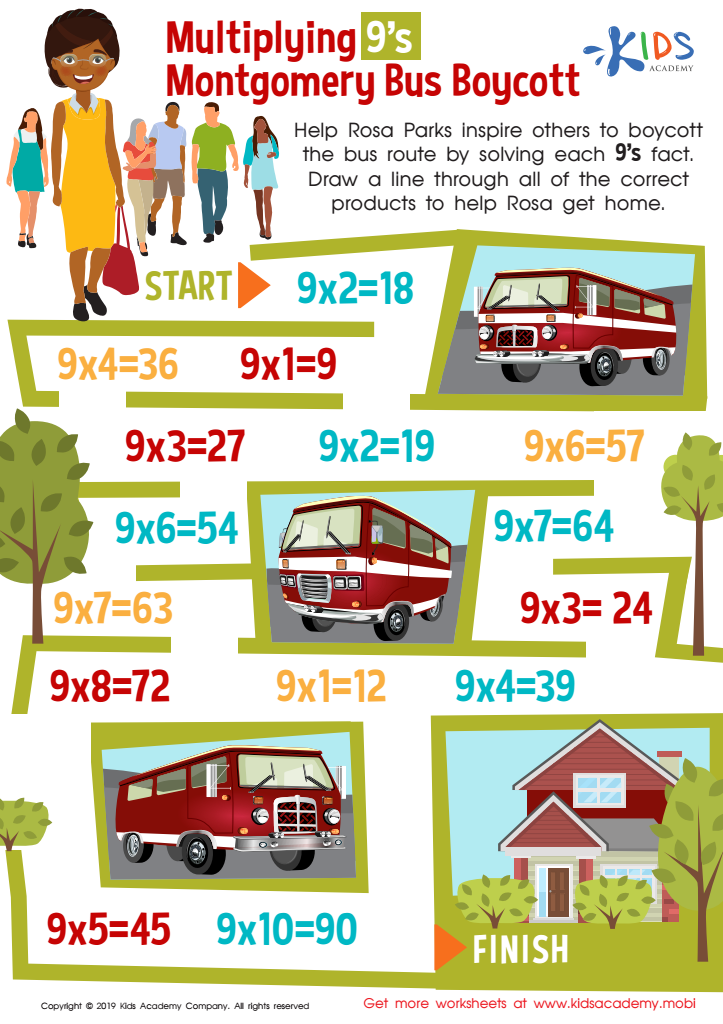
Multiplying 9’s Montgomery Bus Boycott Worksheet







Parents and teachers should care about normal developmental milestones for ages 5-8 because these years are crucial for a child's physical, emotional, social, and cognitive growth. During this period, children start formal schooling, forming the foundation for lifelong learning. Understanding what is considered "normal" helps caregivers identify whether a child is meeting developmental expectations, which can inform appropriate support and interventions if necessary.
Additionally, awareness of normal behaviors assists parents and teachers in fostering an environment that nurtures a child’s individuality while ensuring they receive the right guidance. For instance, if a child struggles with social interactions, educators can implement strategies to support social skills, while parents can reinforce these lessons at home.
Moreover, children are influenced by their surroundings, and recognizing varied developmental patterns helps adults maintain realistic expectations, avoiding frustration or undue pressure on the child. Instead, adults can encourage healthy growth and resilience during these formative years, which impact self-esteem and motivation. Ultimately, understanding what’s normal enables parents and teachers to create enriching experiences that cater to children’s diverse needs, preparing them not only for academic success but also for holistic well-being as they grow.








