Normal Geography Worksheets for Ages 5-8 - Page 3
51 filtered results
-
From - To
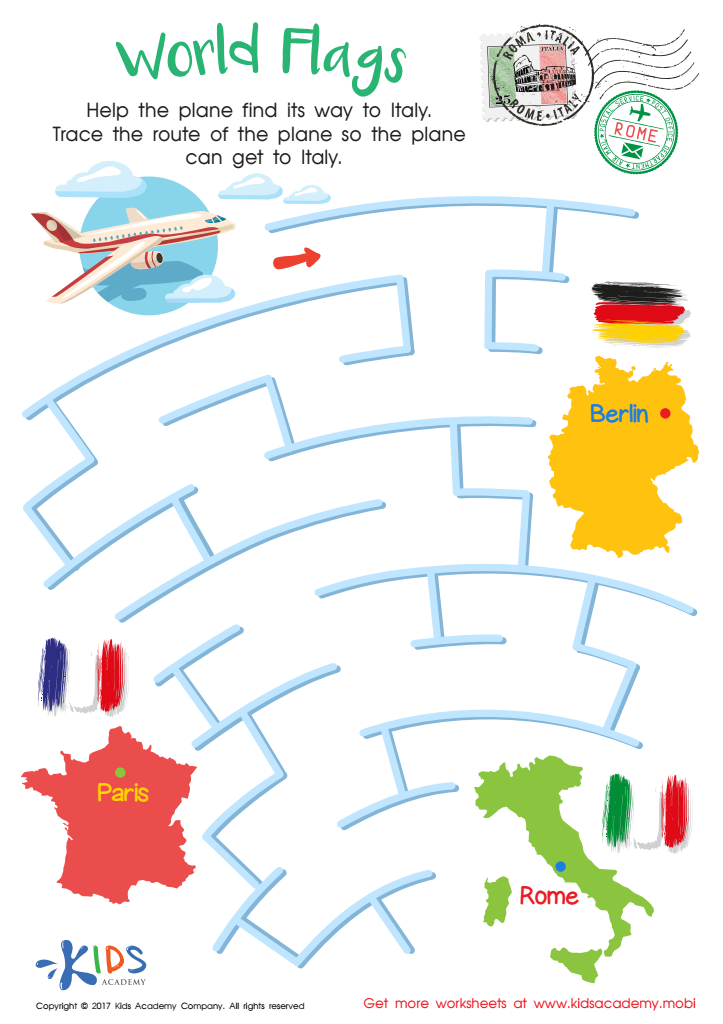
World Flags Maze Worksheet
 Assign to My Students
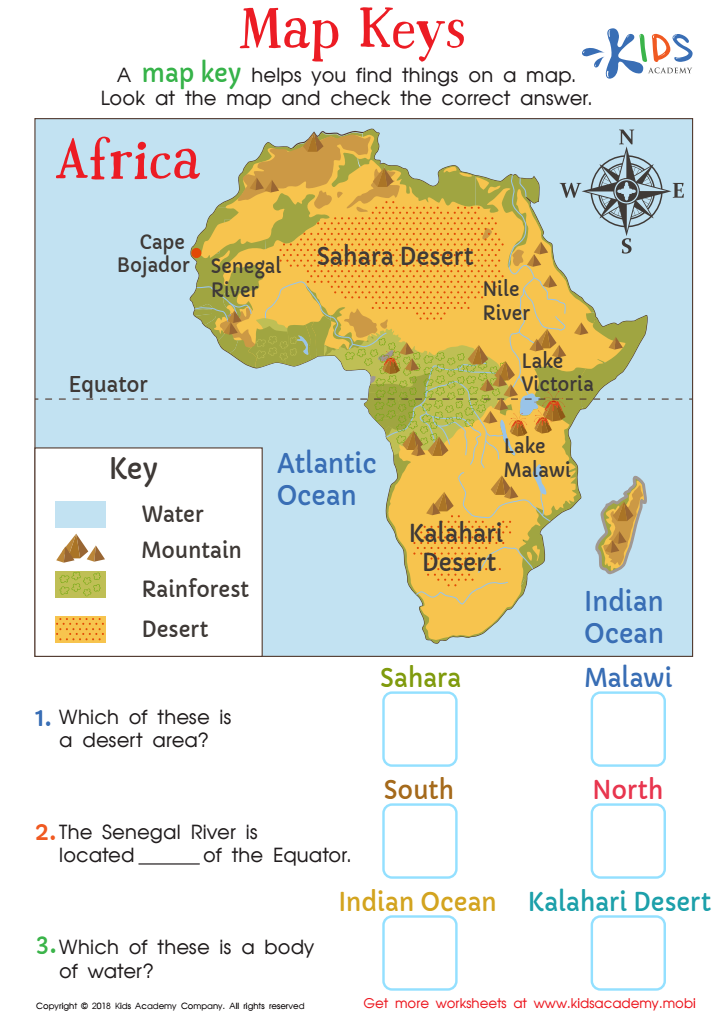
Map Keys Worksheet
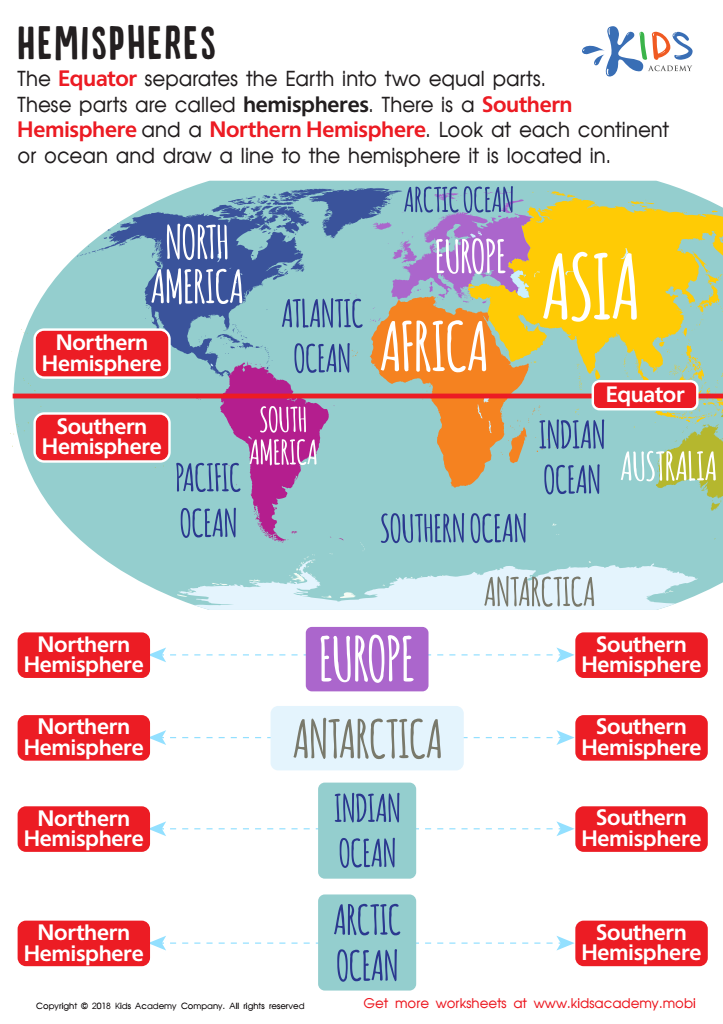
Hemispheres Worksheet






Understanding basic geography helps young children make sense of the world around them. For ages 5-8, geography isn’t just about memorizing maps and locations; it serves as a foundational tool for developing other crucial skills.
Firstly, early exposure to geography enhances spatial thinking. Recognizing different countries, understanding continents, and locating places on a map improve a child’s ability to comprehend and organize information spatially, a skill that transcends geography and is useful in math and science.
Secondly, learning geography fosters cultural awareness and empathy. Knowing about different places and people encourages children to appreciate diversity and understand that the world is a vast, varied place. This early understanding can foment open-mindedness and respect towards different cultures as they grow.
Lastly, basic geography lessons integrate well with other subjects. Stories in literature often reference real places, historical events occur in specific locales, and even scientific concepts like ecosystems can be geographically rooted. Such interdisciplinary learning enhances a child’s holistic educational experience.
In summary, introducing children to geography between the ages of 5 and 8 equips them with better spatial reasoning, fosters an appreciation for cultural diversity, and provides a rounded, interconnected educational experience. Investing time in early geography education can thus have long-lasting positive effects on a child's intellectual and social development.