Normal Tracing Words Worksheets for Ages 5-8 - Page 2
34 filtered results
-
From - To
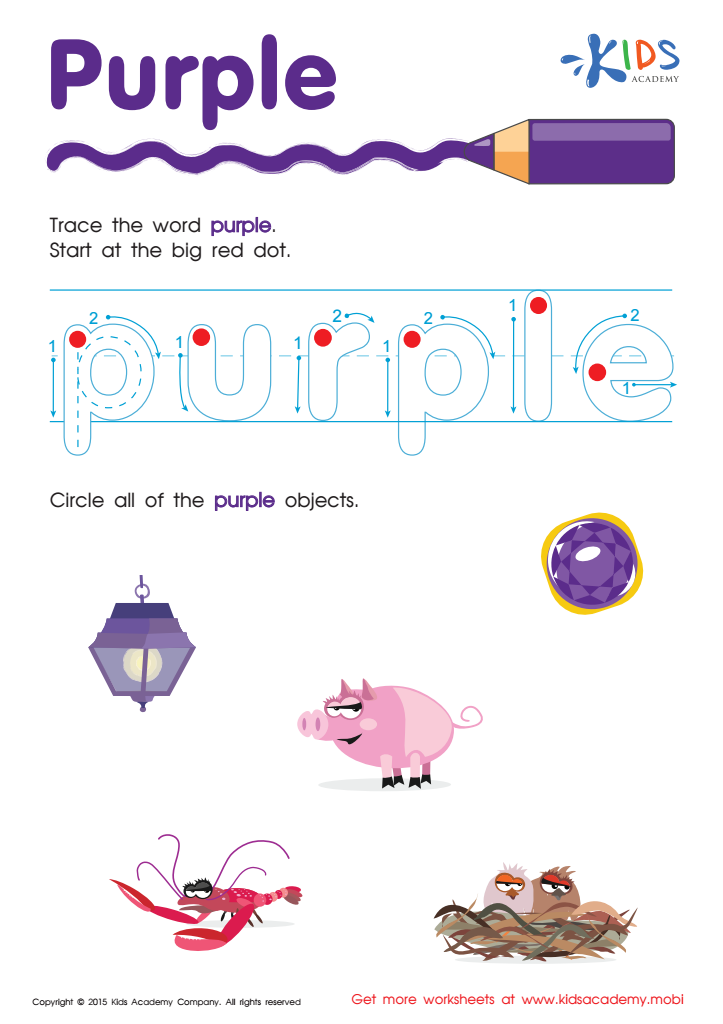
Purple Tracing Color Words Worksheet
 Assign to My Students
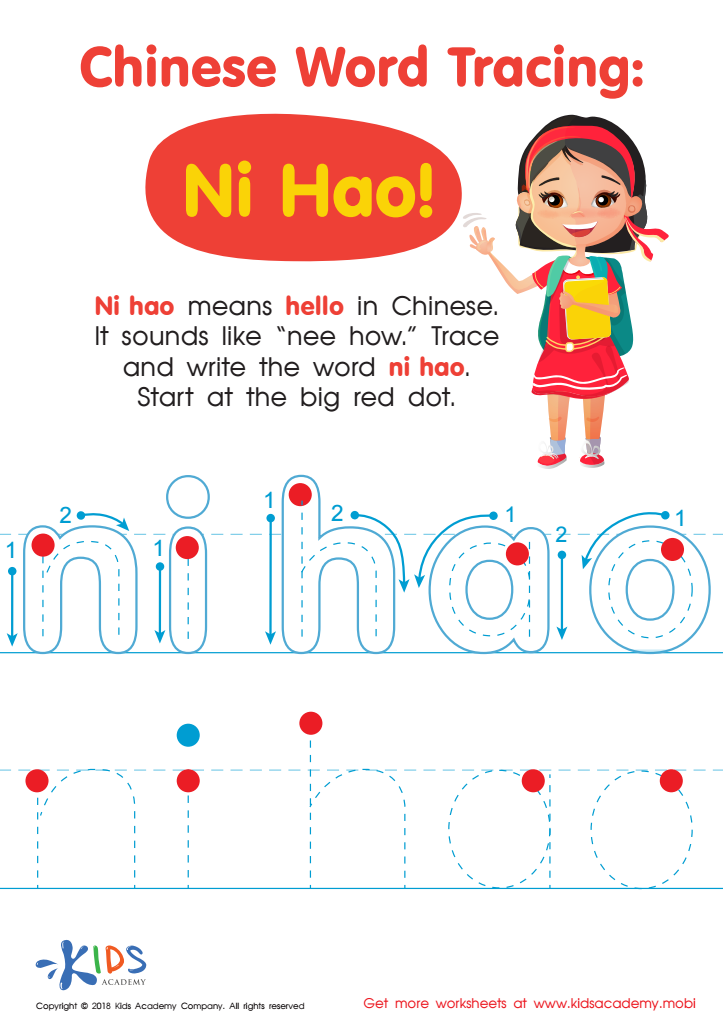
Chinese Word Tracing: Ni Hao Worksheet
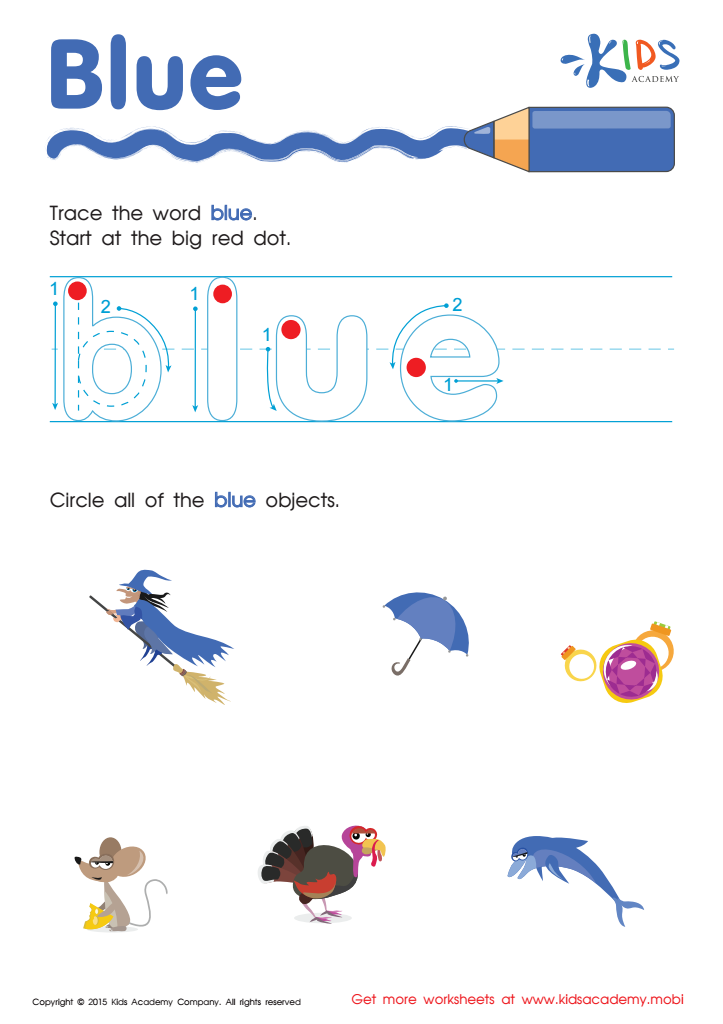
Blue Tracing Color Words Printable
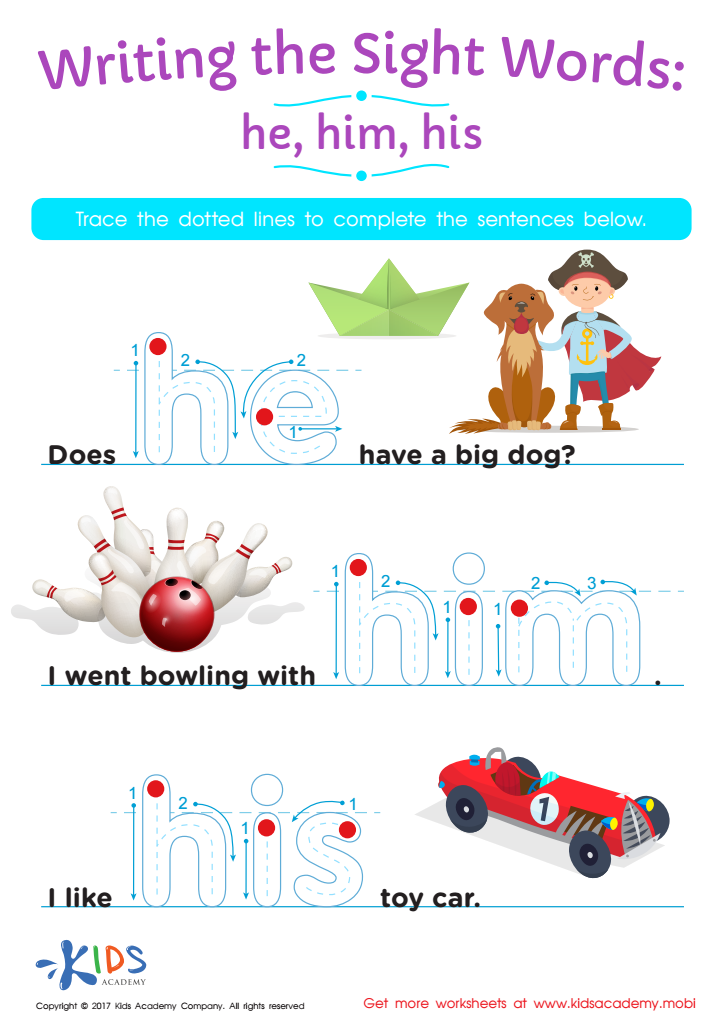
He, Him, His Printable Sight Words Worksheet
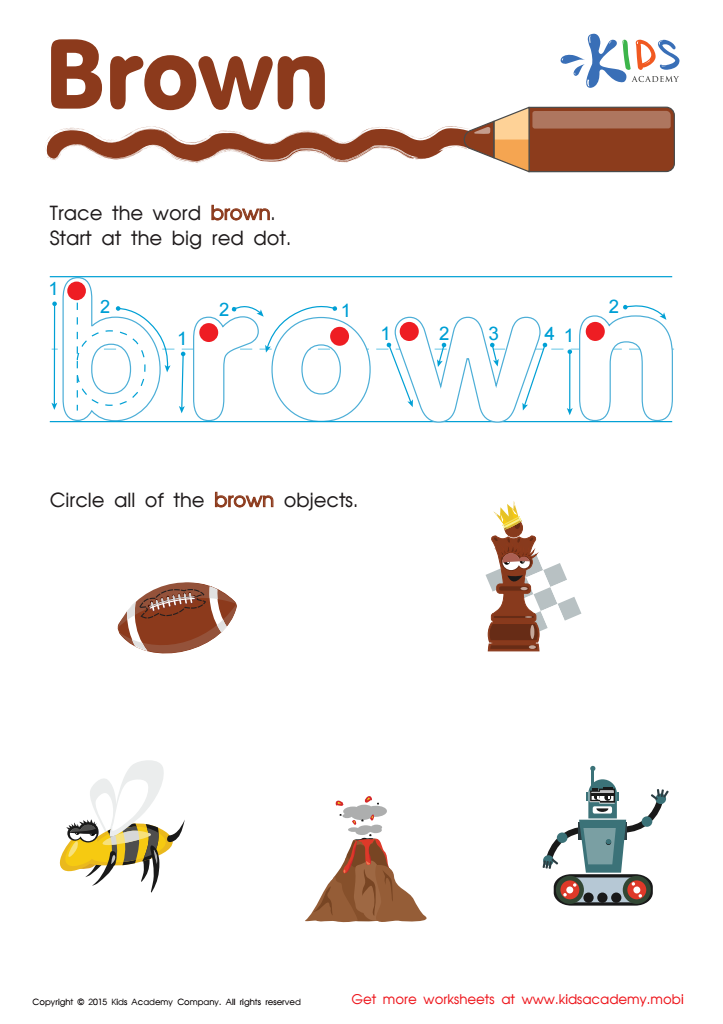
Brown Tracing Color Words Worksheet
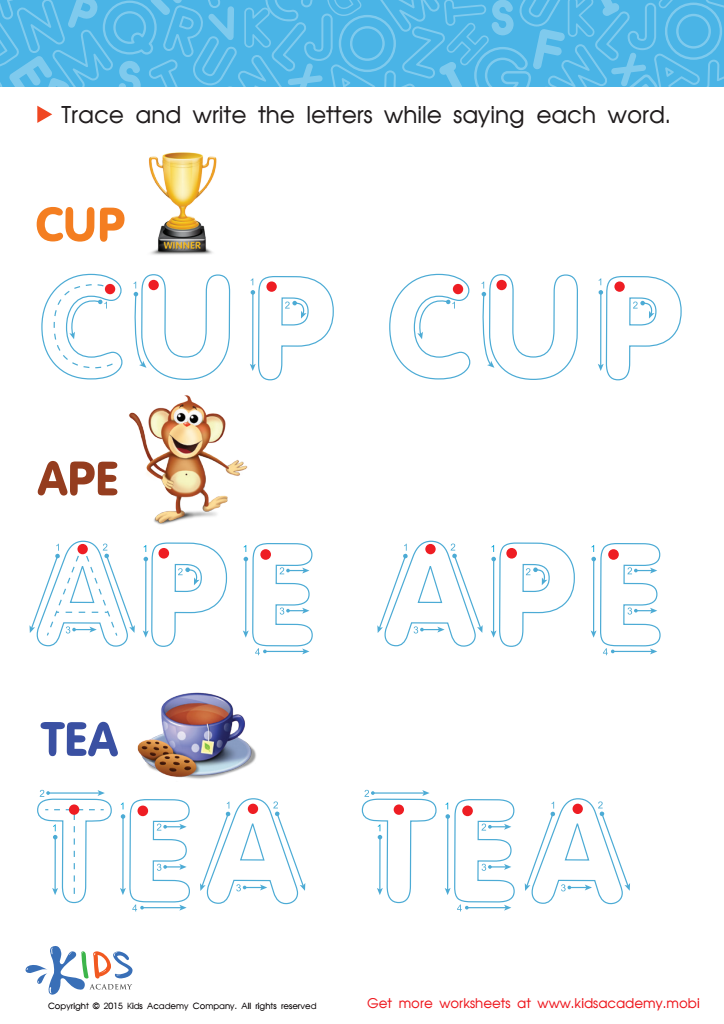
A Cup, an Ape and Tea Spelling Worksheet
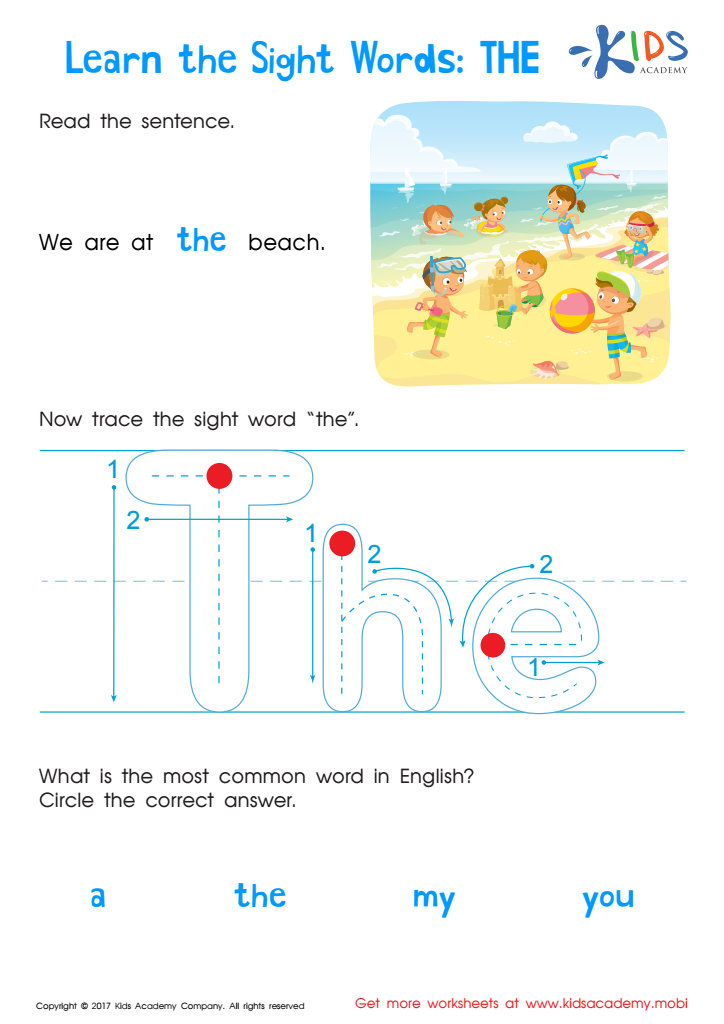
Sight Words: The Worksheet
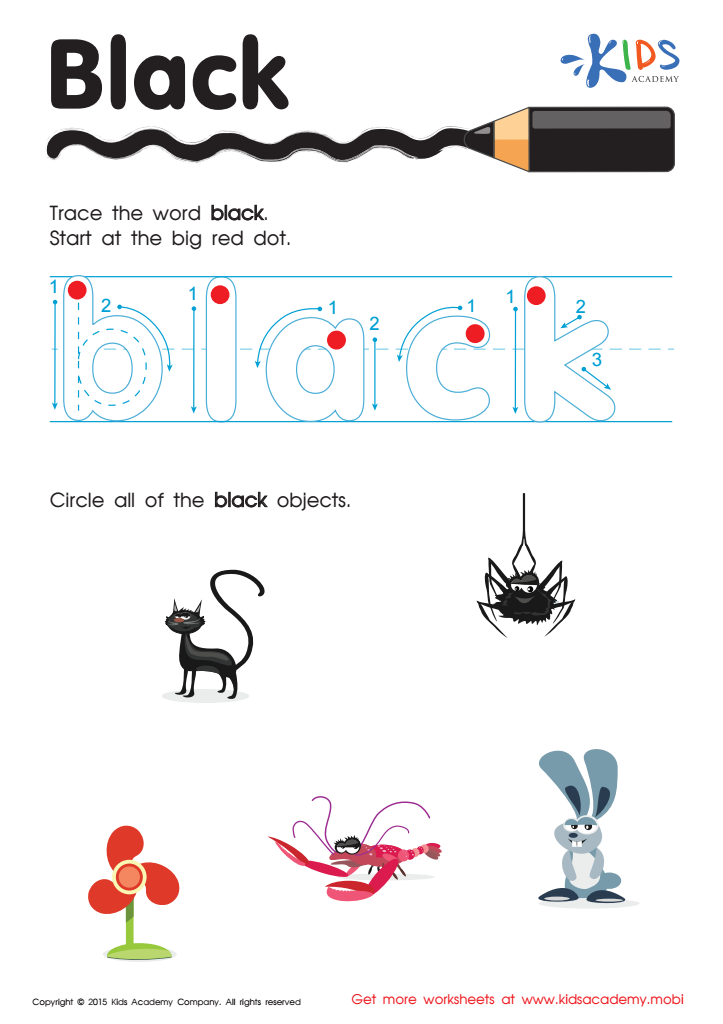
Black Tracing Color Words Printable
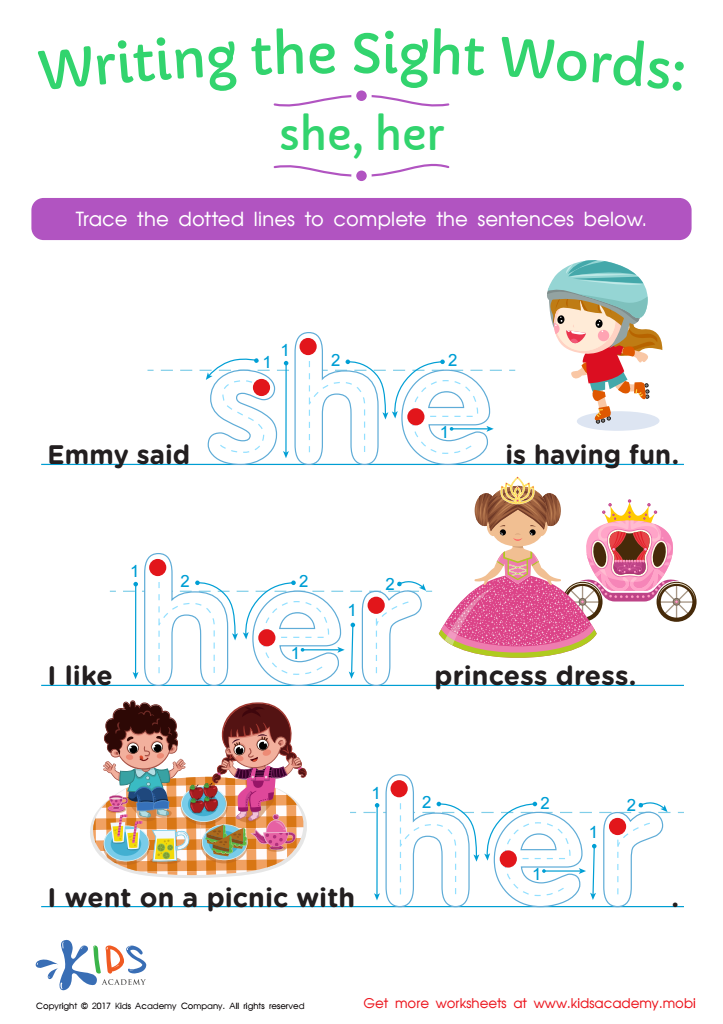
She, Her Printable Sight Words Worksheet
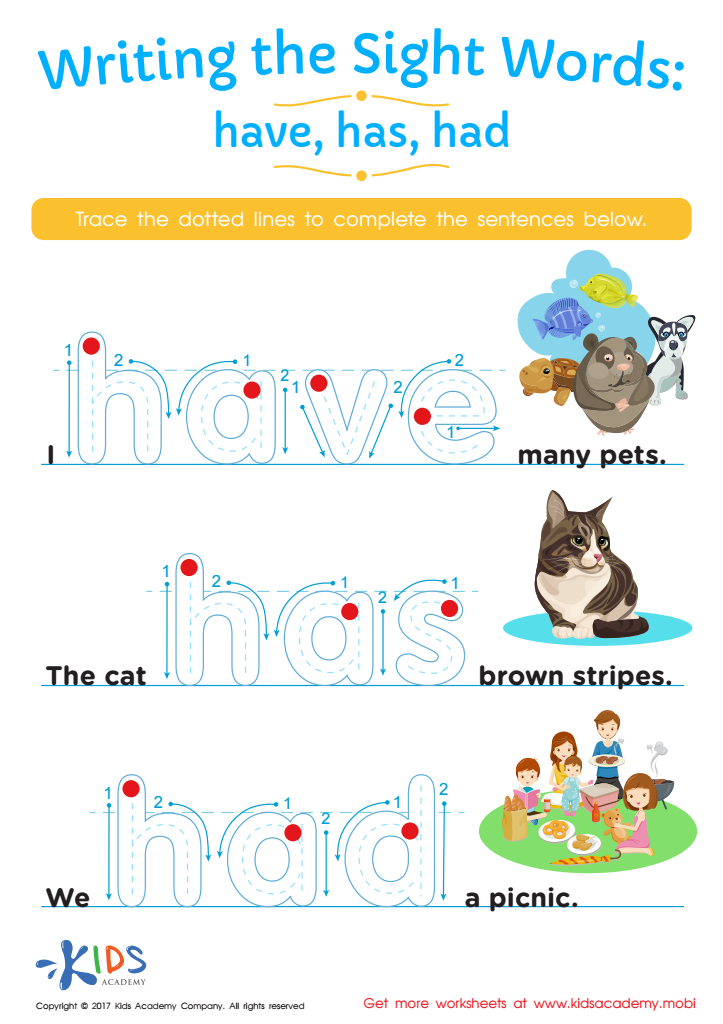
Have, Has, Had Worksheet Sight Words Worksheet








Normal tracing words play a crucial role in the early development of reading and writing skills for children ages 5-8. When young learners engage in tracing exercises, they build foundational skills essential for academic success. For one, tracing helps to develop fine motor skills and hand-eye coordination, which are necessary for writing neatly and efficiently. As kids trace letters and words, they also enhance their muscle memory, making the act of writing less strenuous.
Secondly, tracing exercises reinforce letter recognition and the connection between spoken and written language. By repetitively viewing and tracing each letter, children start to internalize the shapes and sounds associated with each letter, which bolsters their reading fluency. This early exposure to word formation aids in phonics understanding, allowing kids to decode words more effectively as they learn to read.
Moreover, tracing provides a structured form of practice, instilling good pencil control and stroke order habits that are vital as children progress to writing sentences and paragraphs. Finally, the act of completing tracing tasks successfully boosts self-confidence and encourages a positive attitude towards learning. When parents and teachers prioritize tracing activities, they are setting young learners on a path toward becoming proficient, confident readers and writers.