Normal Letter Recognition Worksheets for Ages 5-9 - Page 3
67 filtered results
-
From - To
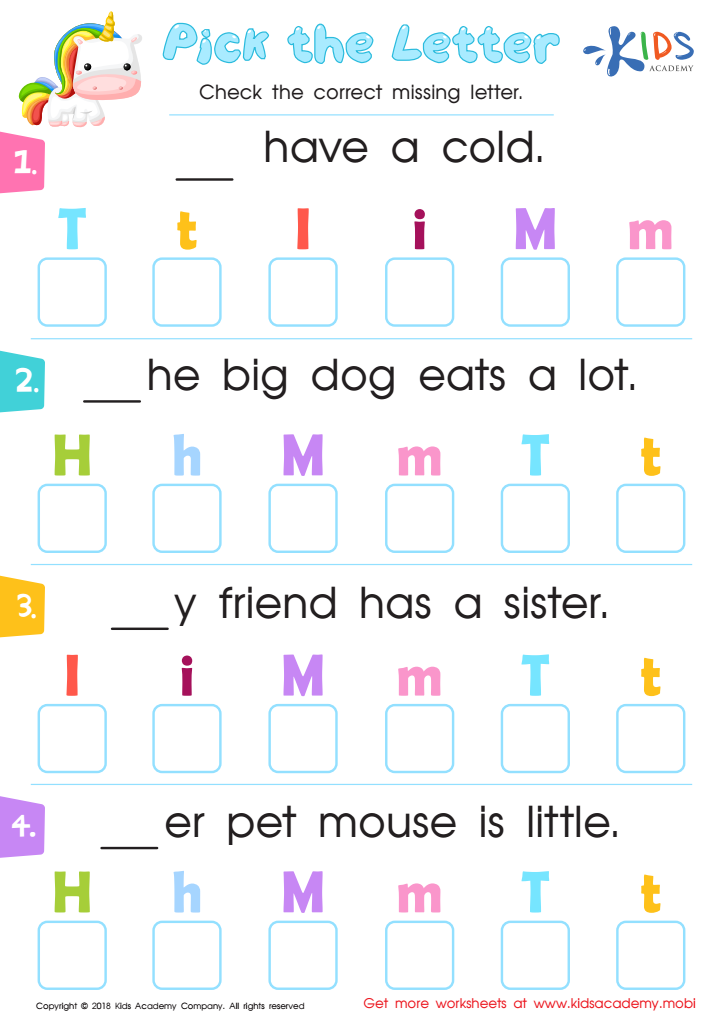
Pick the Letter Worksheet
 Assign to My Students
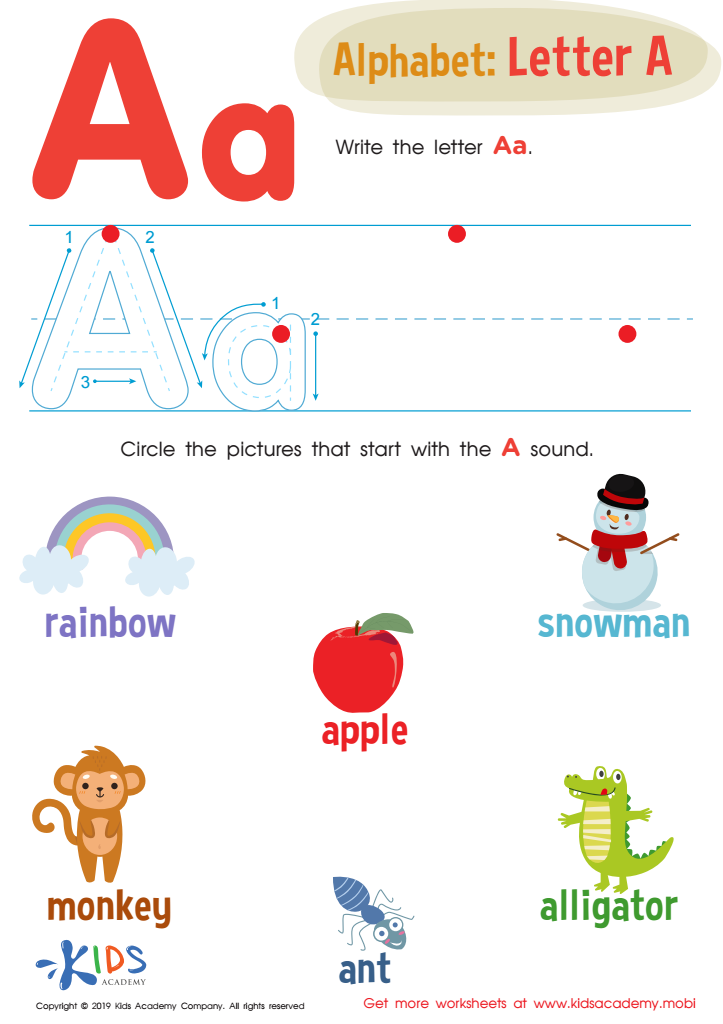
Letter A Tracing Worksheet
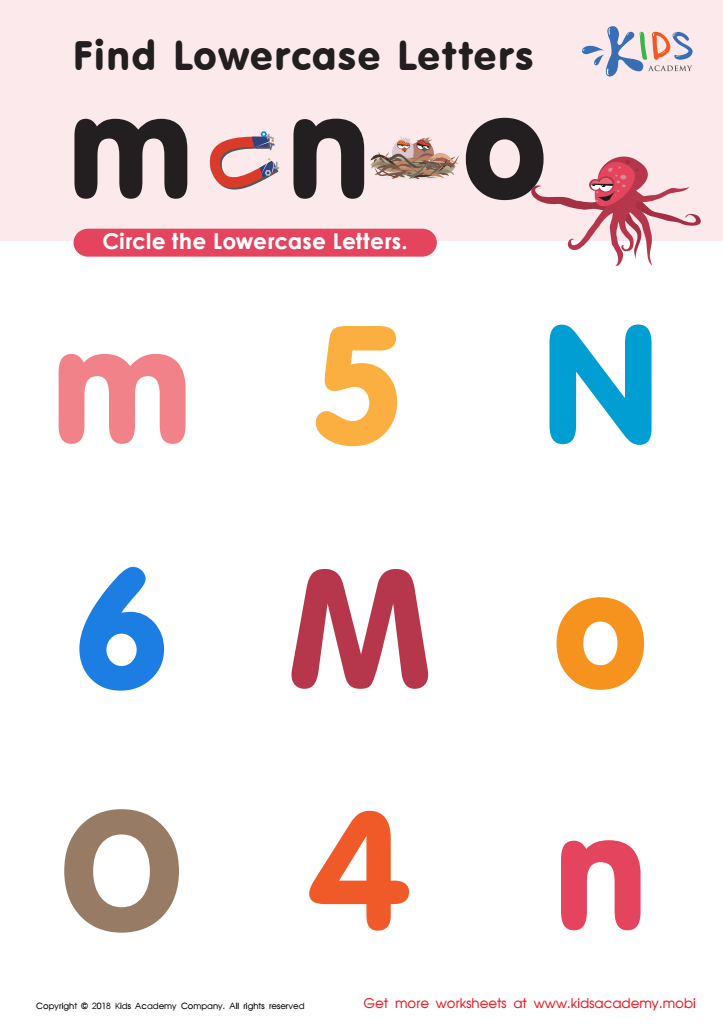
Find Lowercase Letters m n o Worksheet
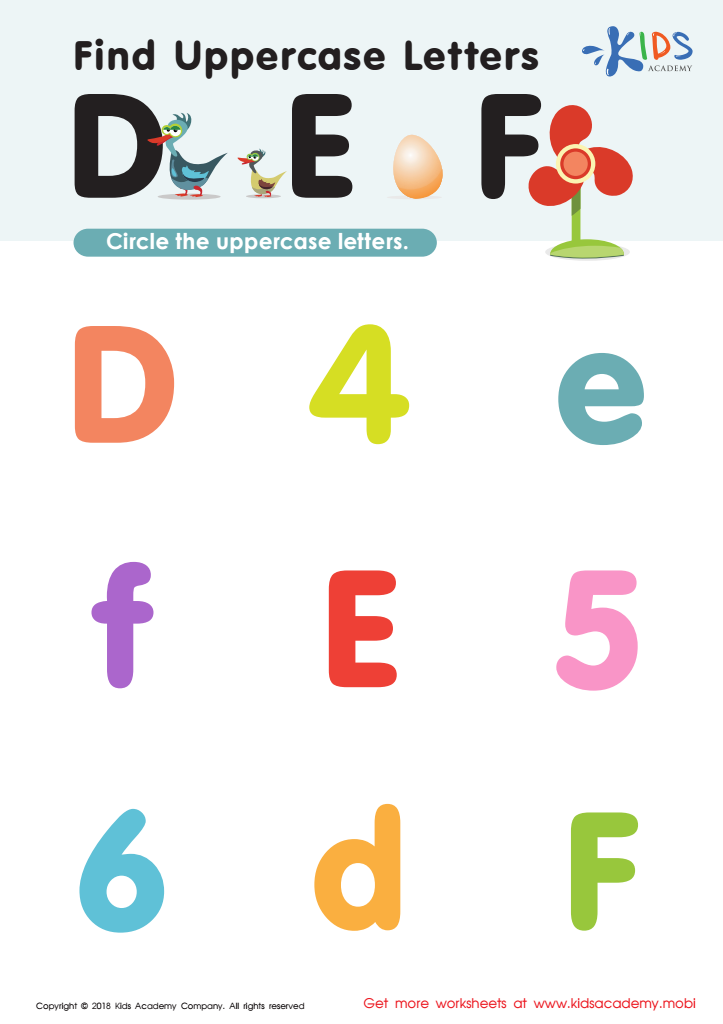
Find Uppercase Letters D, E, and F Worksheet
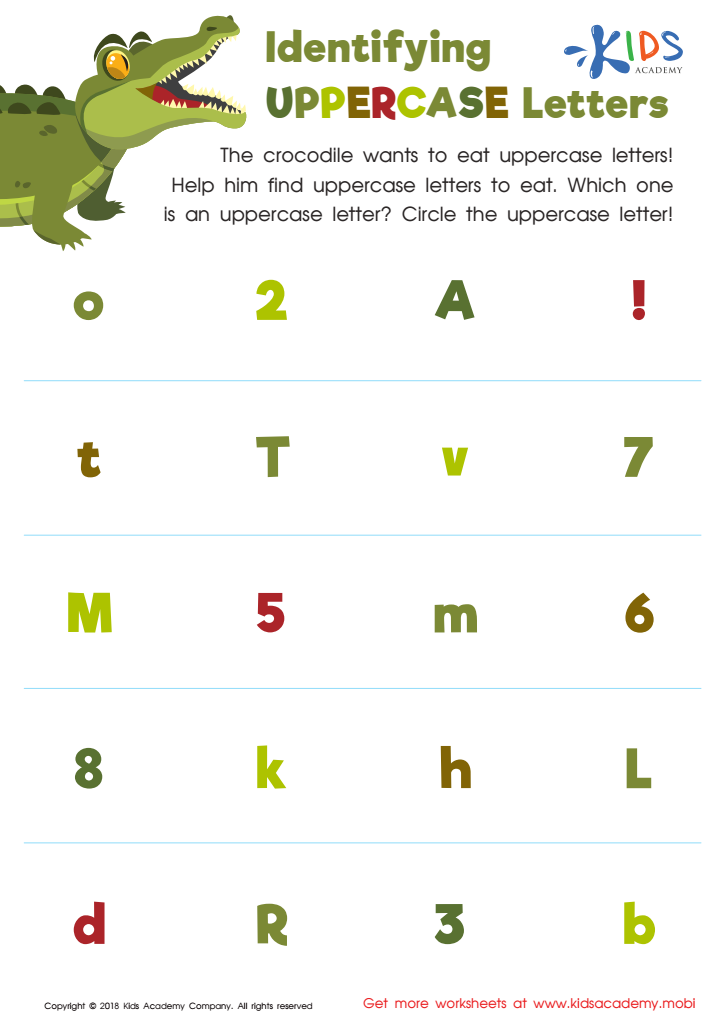
Identifying Uppercase Letters Worksheet
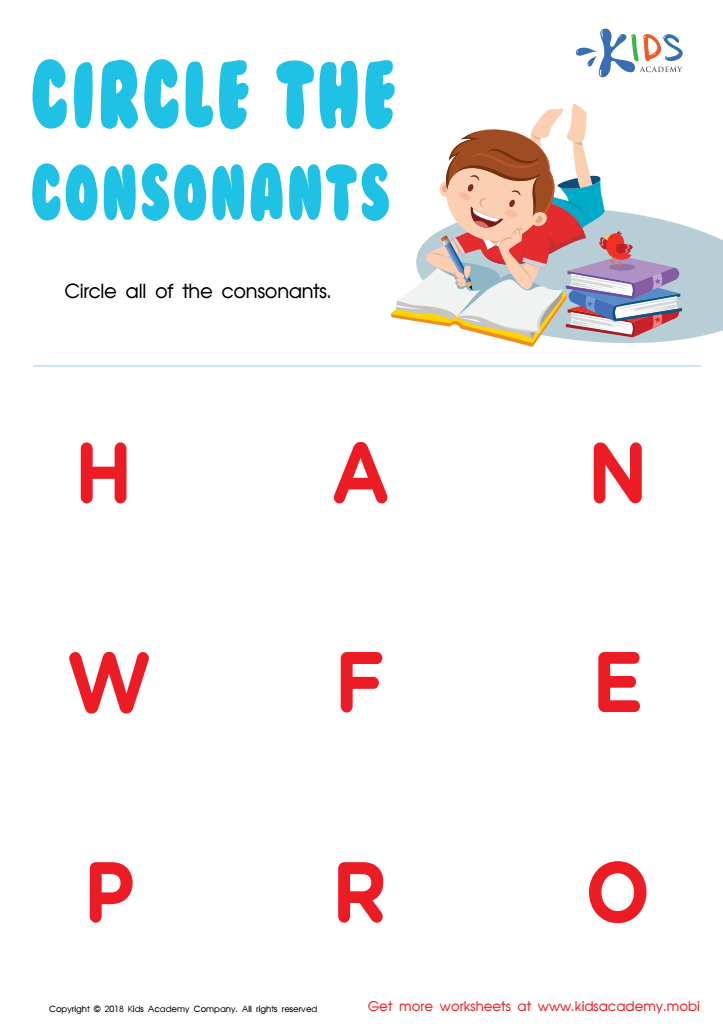
Circle the Consonants Worksheet
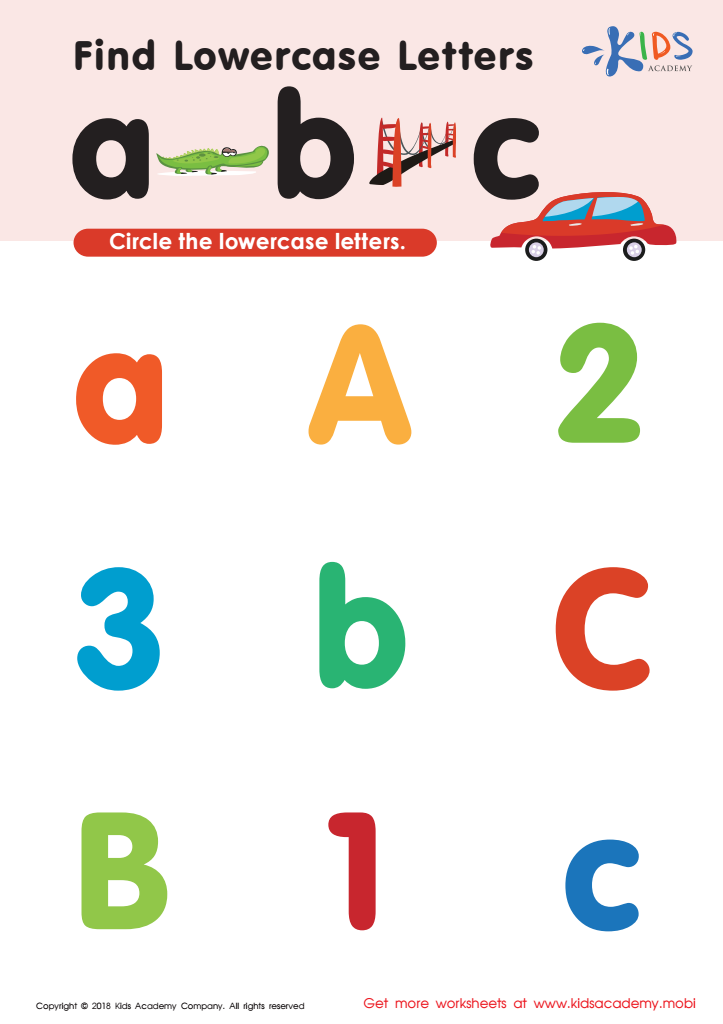
Find lowercase letters a b c Worksheet
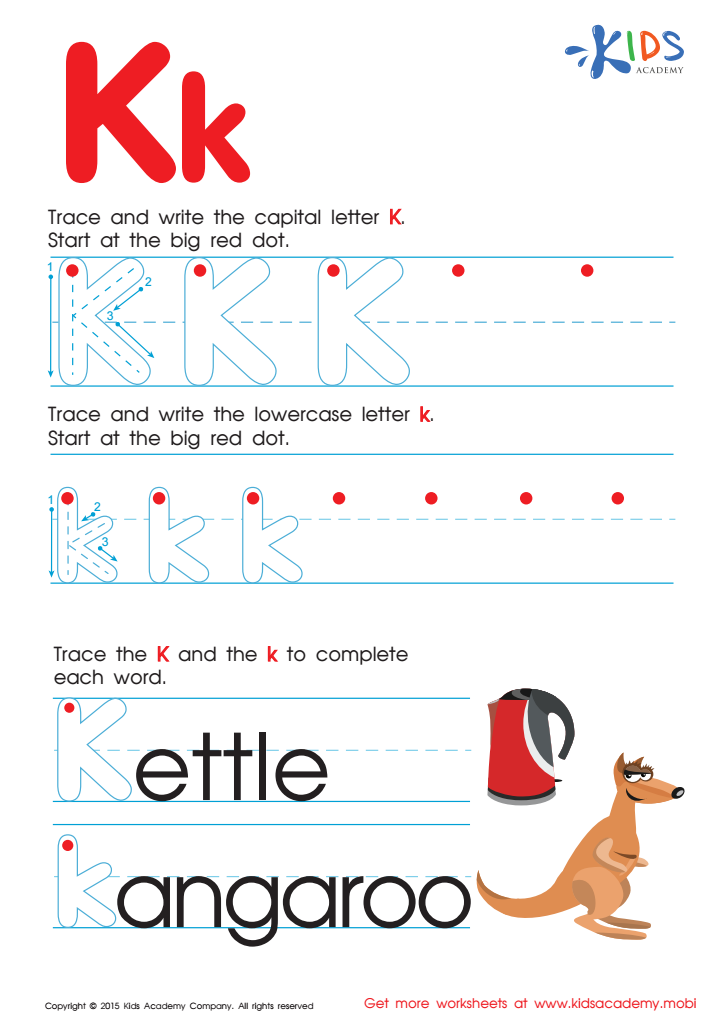
Letter K Tracing Page
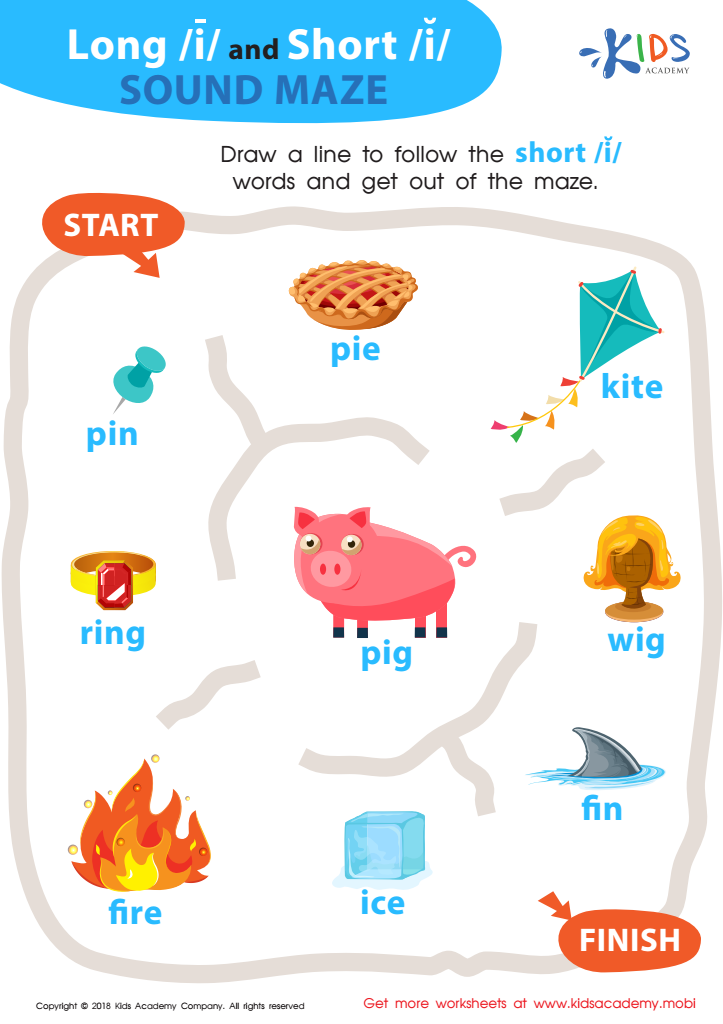
Reading: Long I and Short I Sound Maze Worksheet
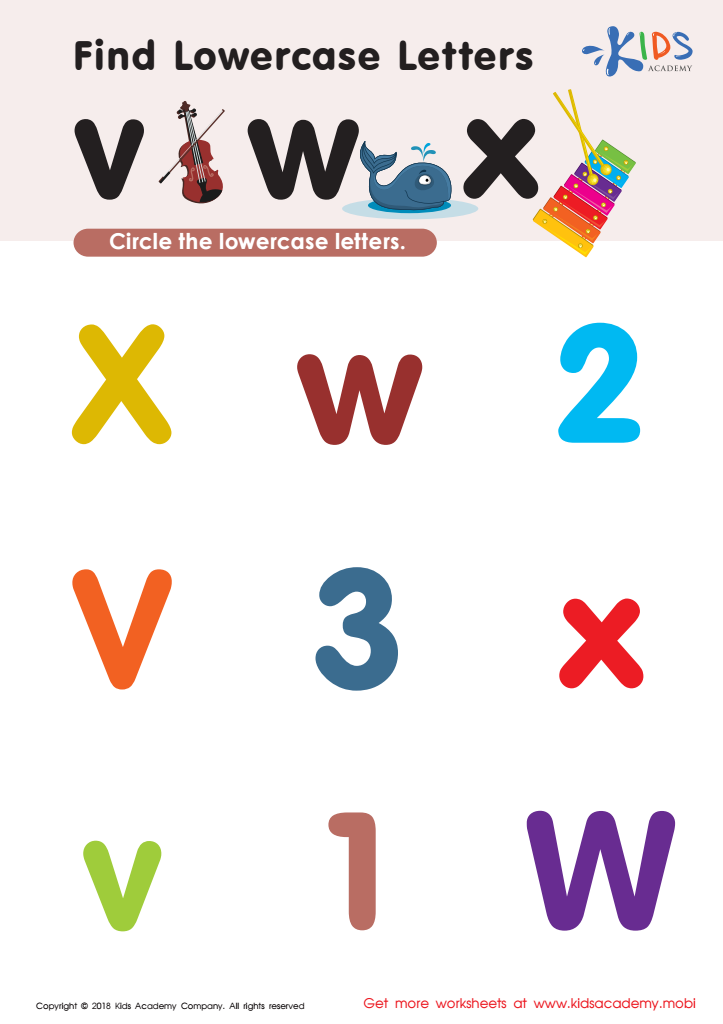
Find Lowercase Letters v w x Worksheet
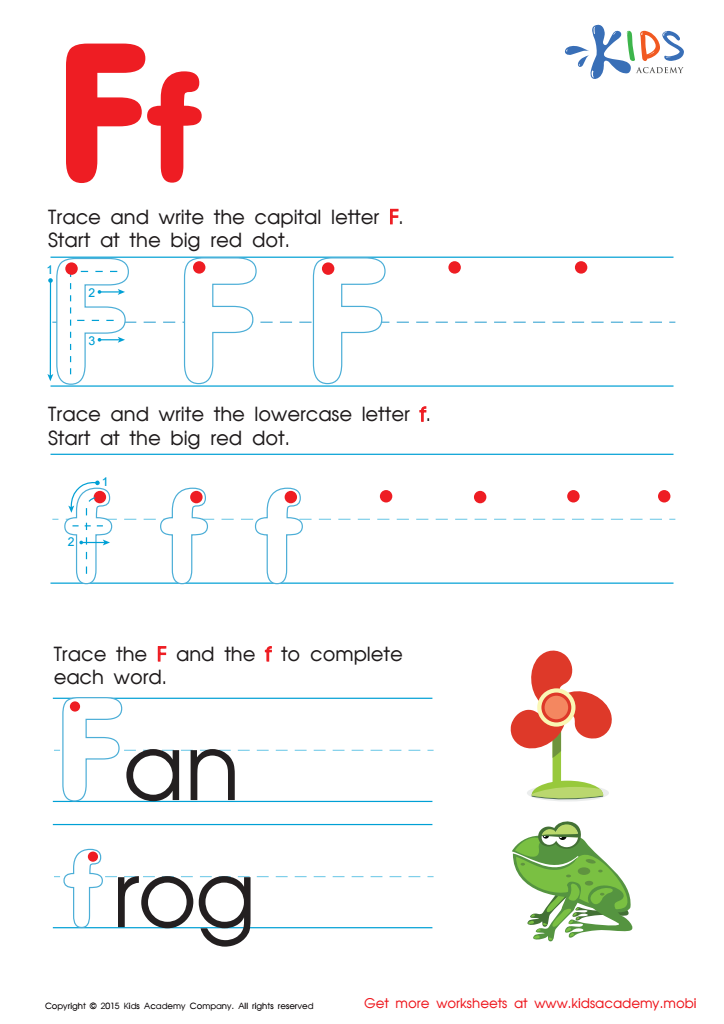
Letter F Tracing Page
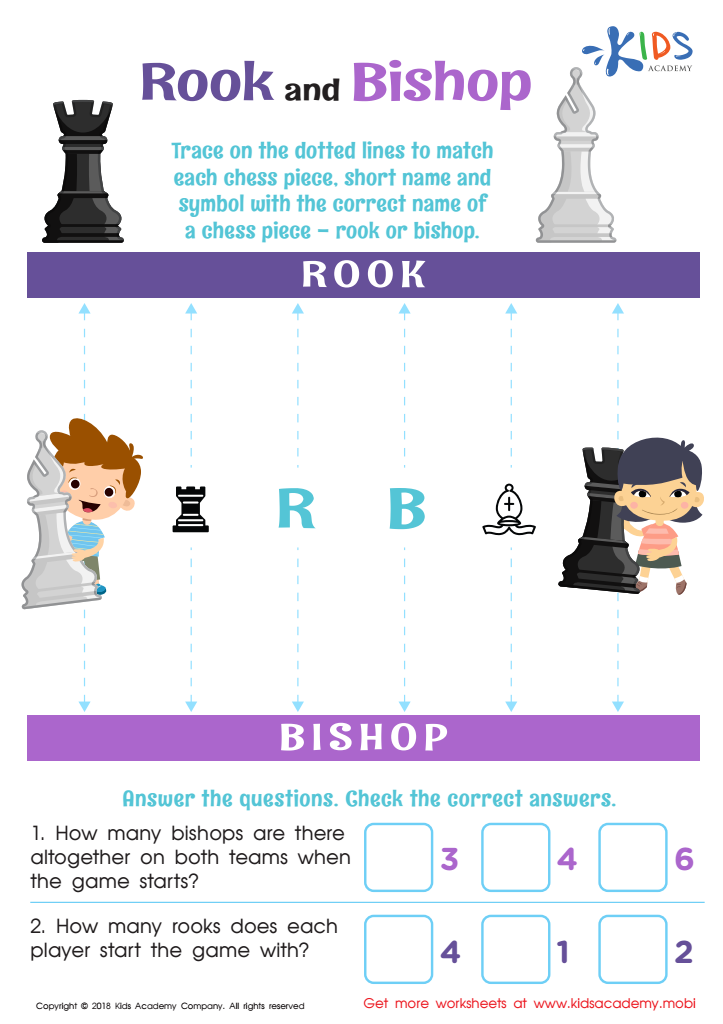
Rook and Bishop Worksheet
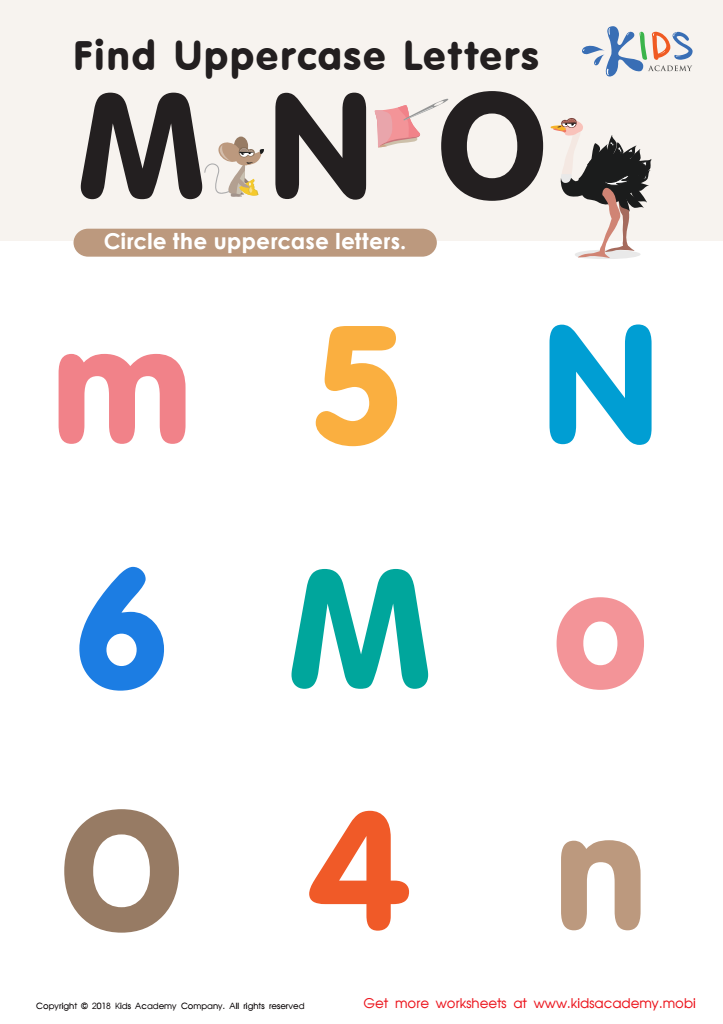
Find Uppercase Letters M, N, and O Worksheet
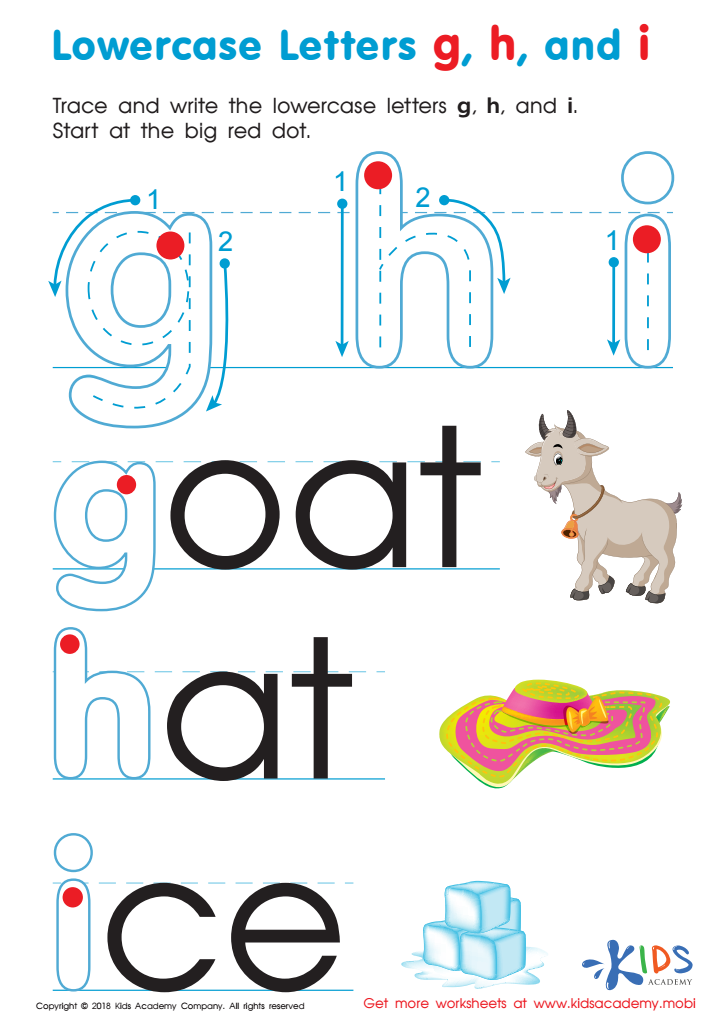
Lowercase Letters g h i Worksheet
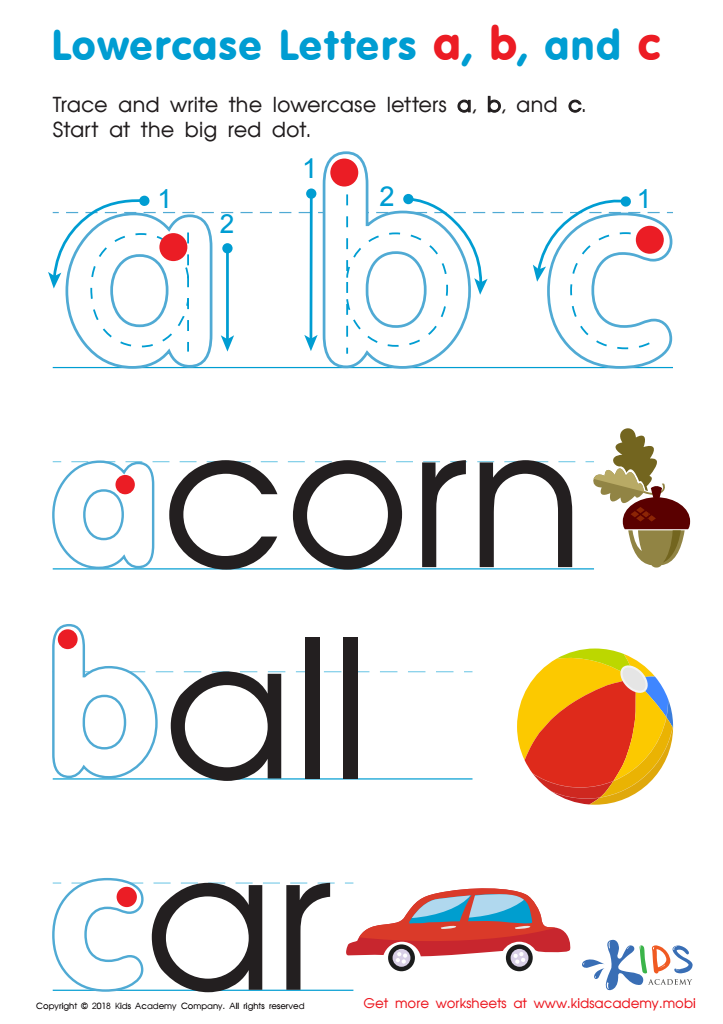
Lowercase Letters a b c Worksheet
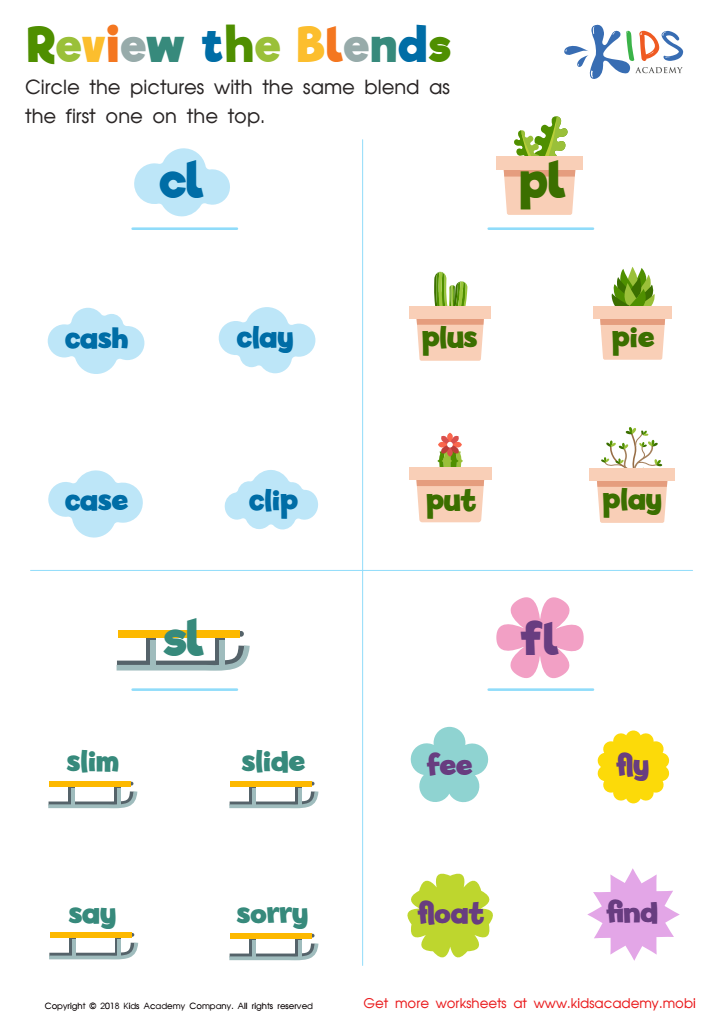
Review the Blends Worksheet

Letter D Tracing Page
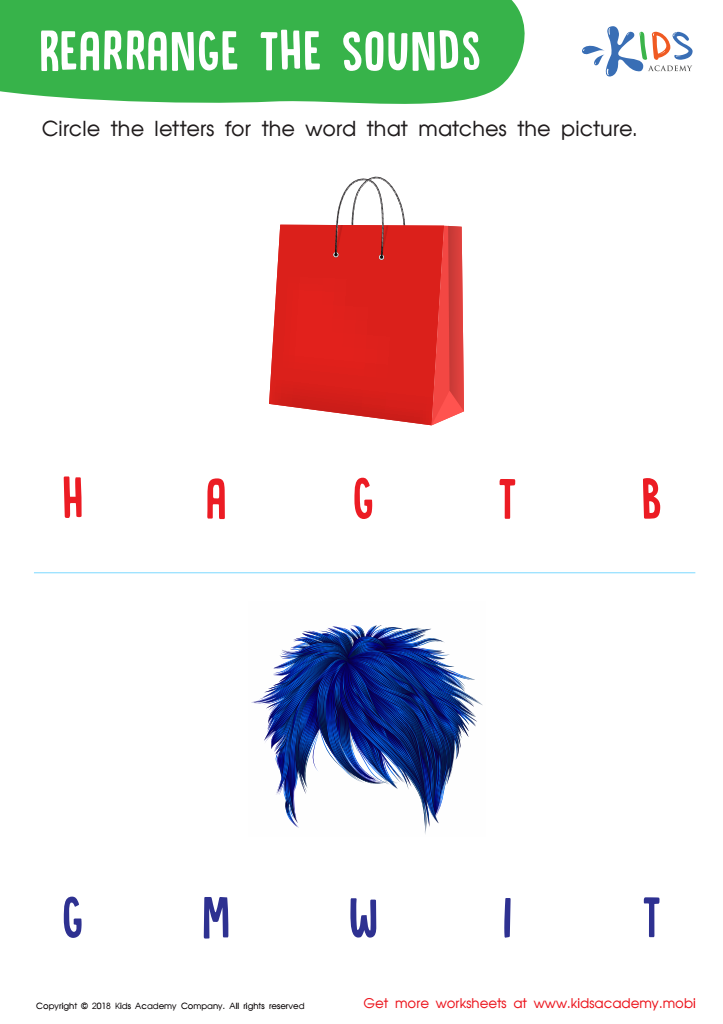
Rearrange the Sounds Worksheet
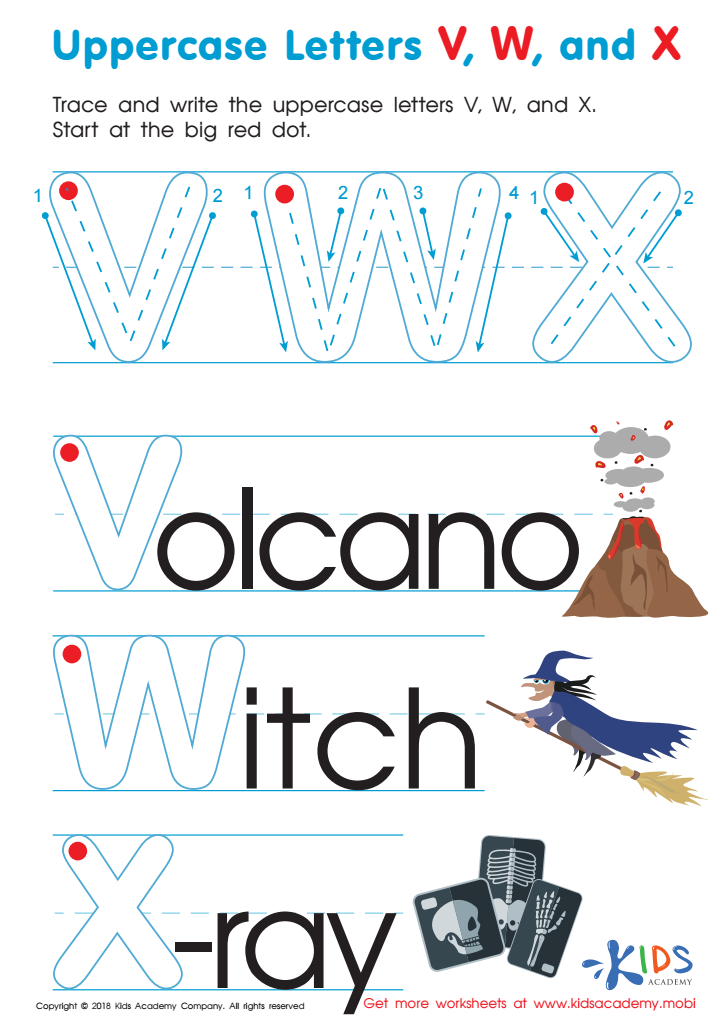
Uppercase Letters V, W, and X Worksheet








Normal Letter Recognition is a vital skill for children aged 5-9, as it lays the groundwork for literacy development. During these formative years, children typically transition from learning the alphabet to reading simple texts. Recognizing letters quickly and accurately helps them decode words, facilitating a smoother shift to reading fluency.
Parents and teachers should care about letter recognition because it directly impacts a child's academic success. Early intervention in this area can prevent future struggles with reading, helping children to develop confidence and a love for learning. Furthermore, strong letter recognition skills enhance children's ability to spell and understand phonics, both of which are crucial for effective communication.
Additionally, fostering this skill nurtures cognitive development and critical thinking. Children begin to associate letters with sounds, which forms the basis of phonemic awareness—a key element in reading comprehension.
Engaging children in fun, interactive activities that promote letter recognition, such as games or storytelling, can enhance their learning experience. Thus, by prioritizing letter recognition, parents and teachers can support children's overall literacy skills, building a strong foundation for their future academic endeavors and lifelong learning.








