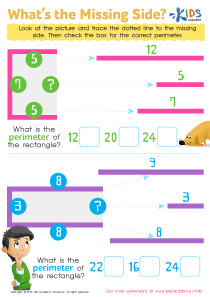
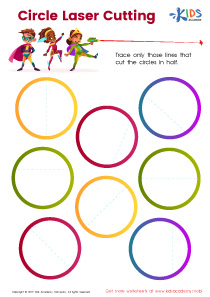
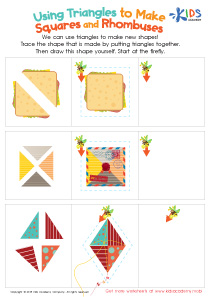
Normal 2D Shapes Worksheets for Ages 5-9 - Page 2
33 filtered results
-
From - To
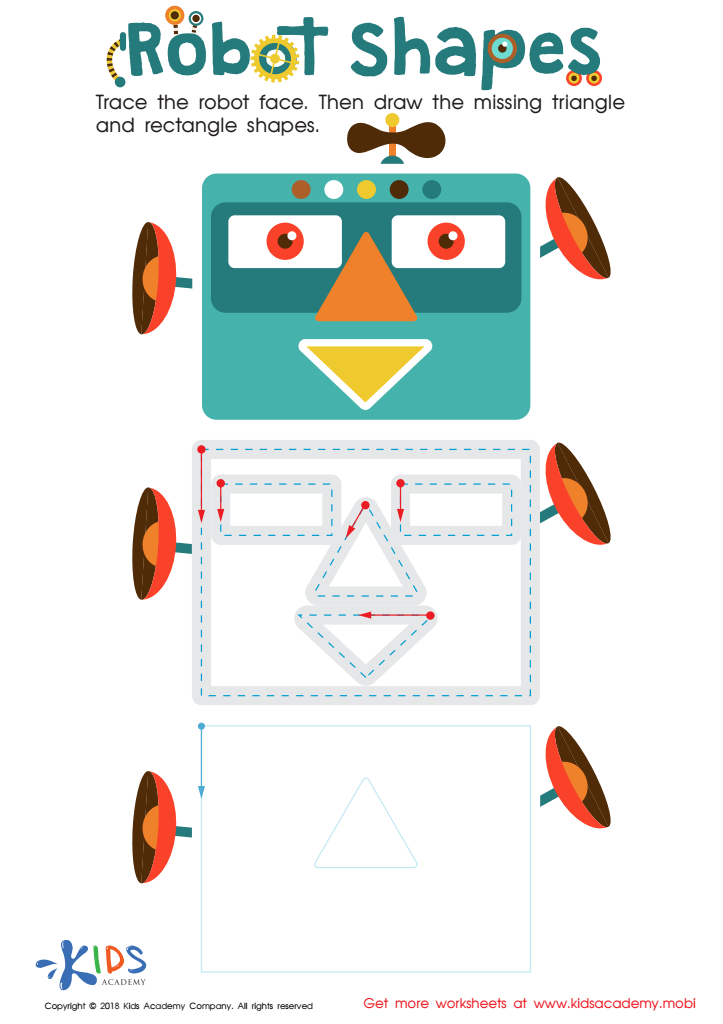
Robot Shapes Worksheet
 Assign to My Students



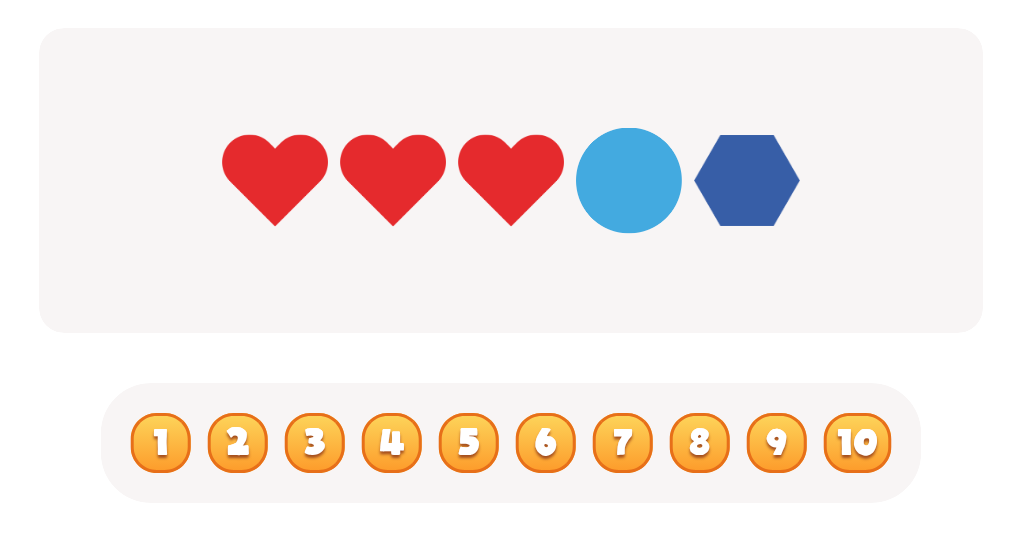
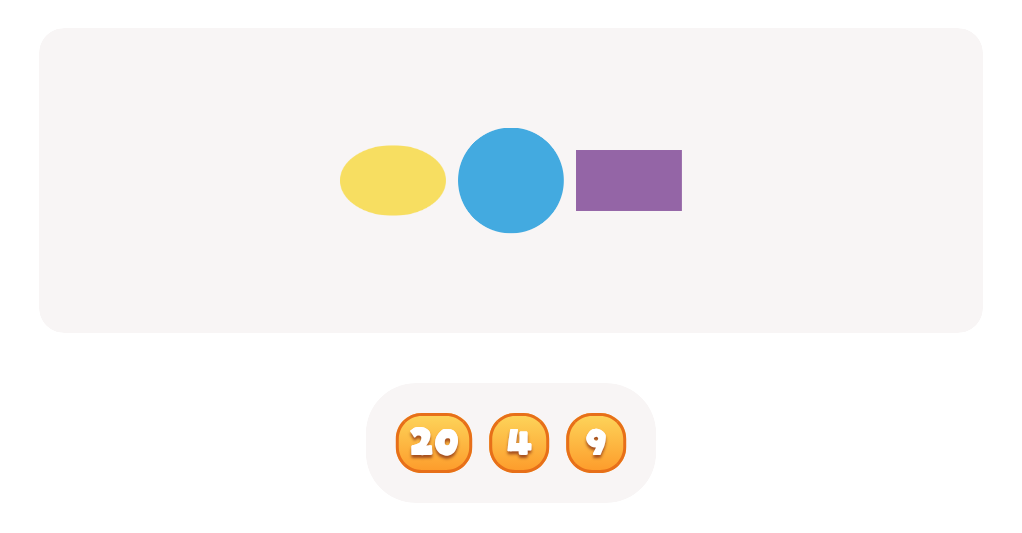
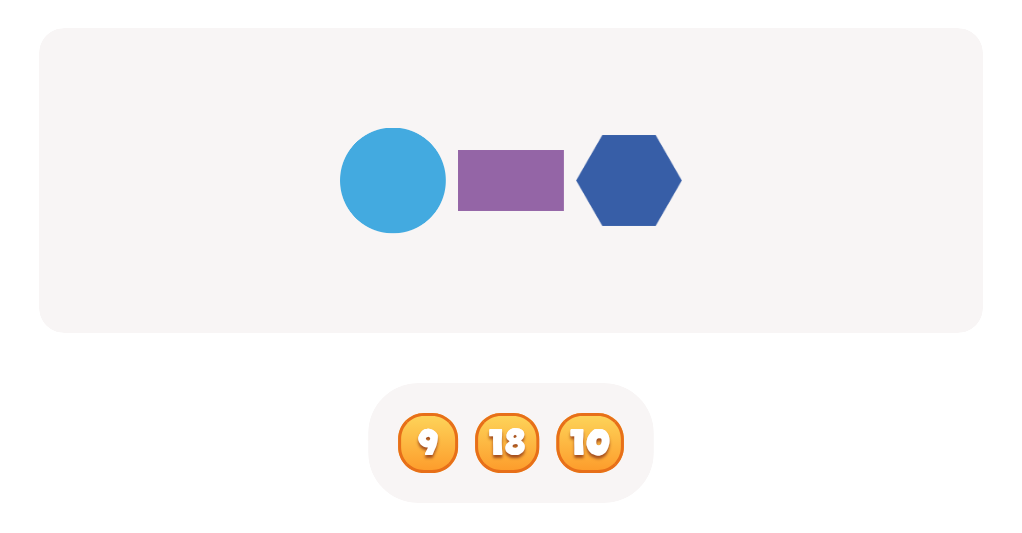
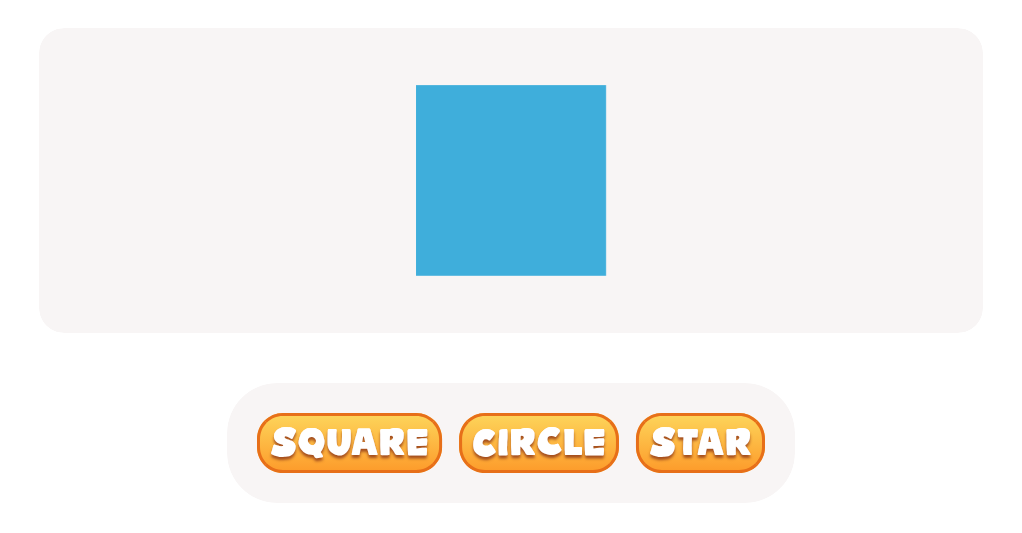
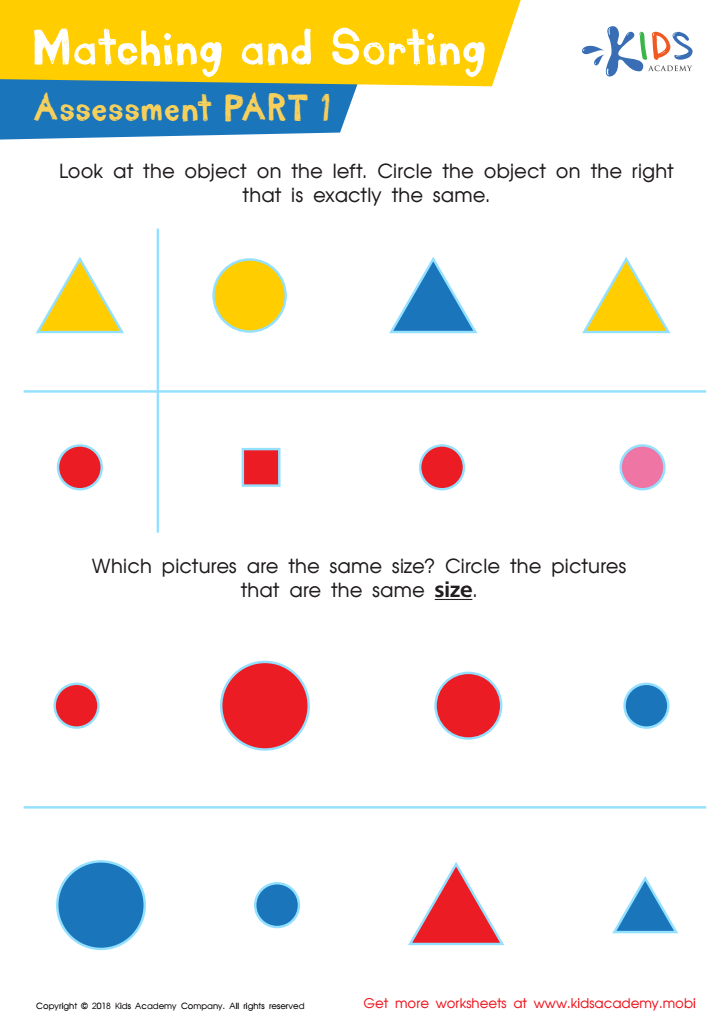
Matching and Sorting for Kindergarten: Assessment 1 Worksheet
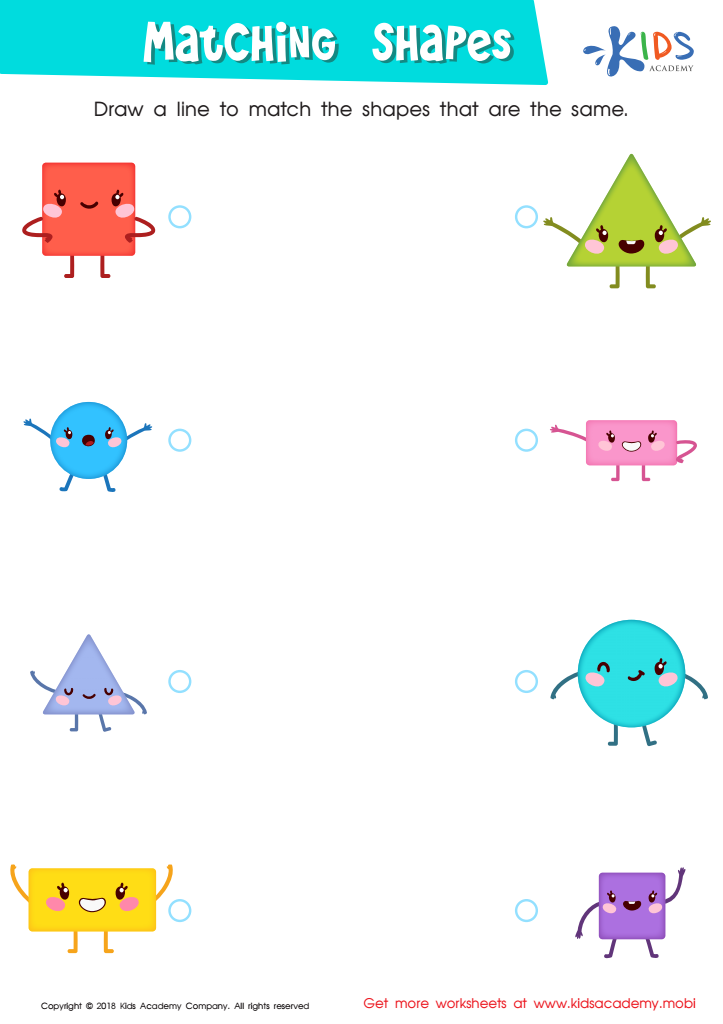
Matching Shapes Worksheet
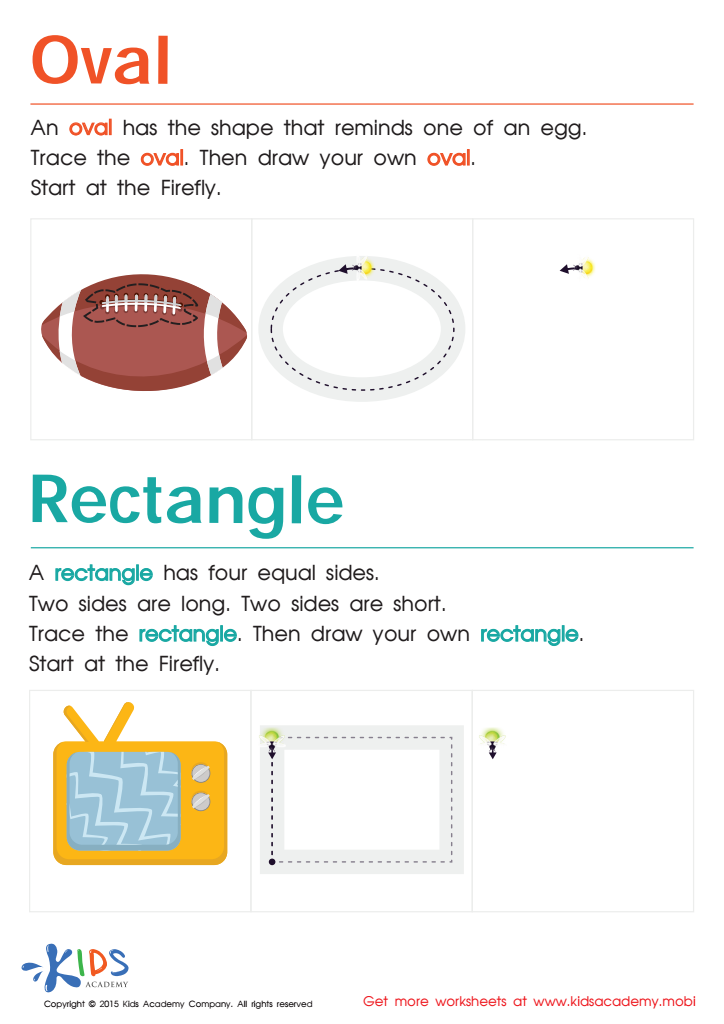
Easy Drawing of Ovals And Rectangles Worksheet
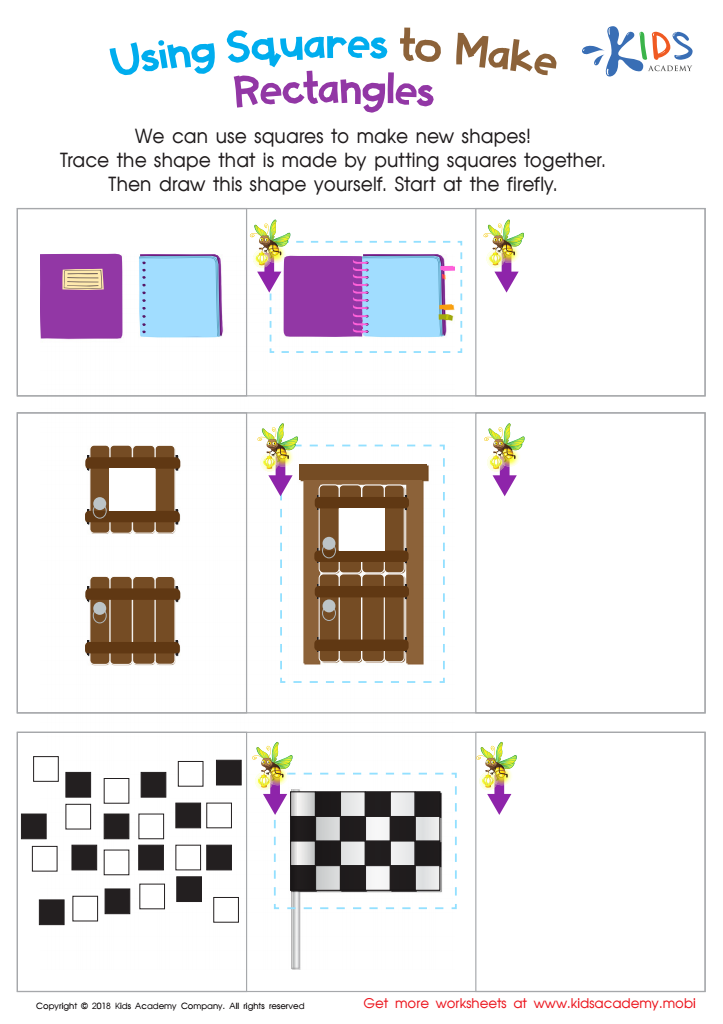
Using Squares to Make Rectangles Worksheet
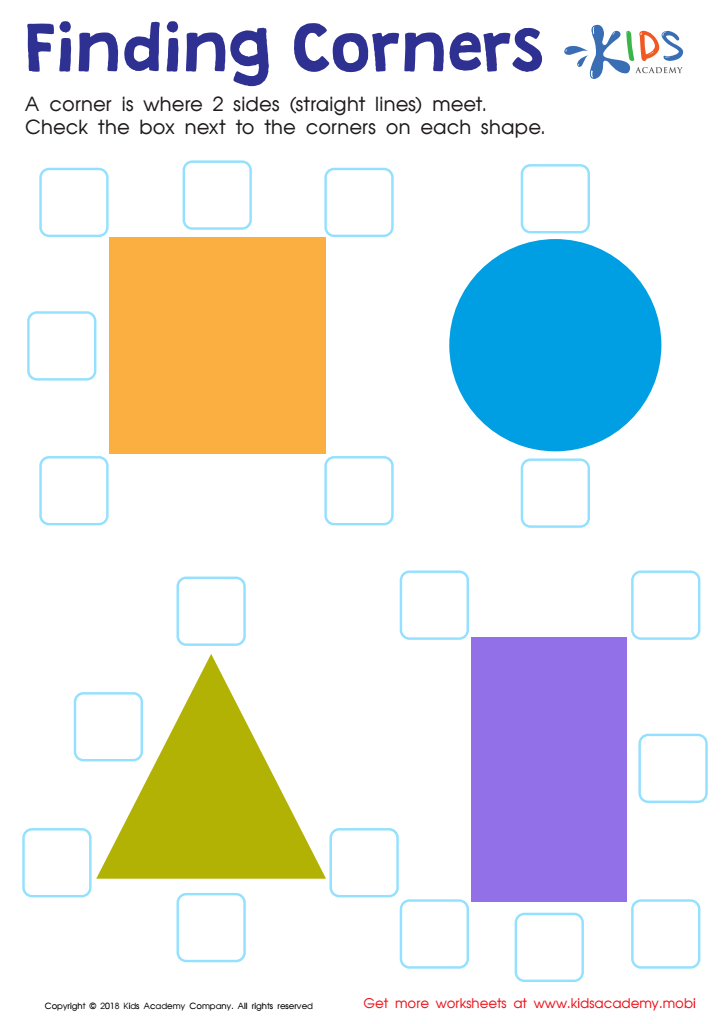
Finding Corners Worksheet
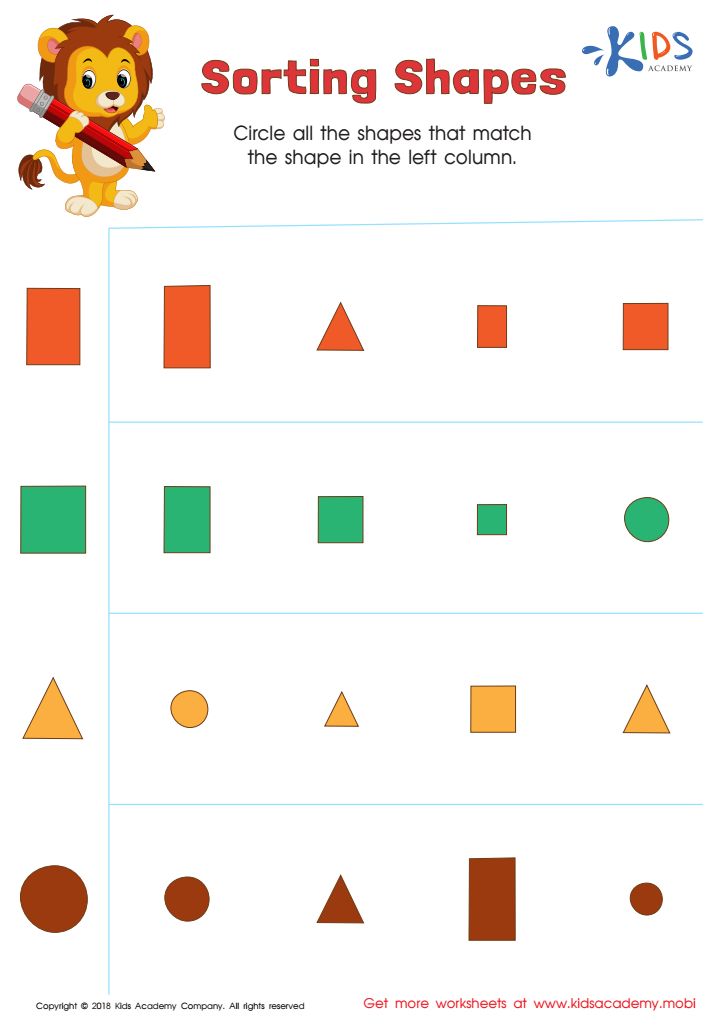
Sorting Shapes - Part 2 Worksheet
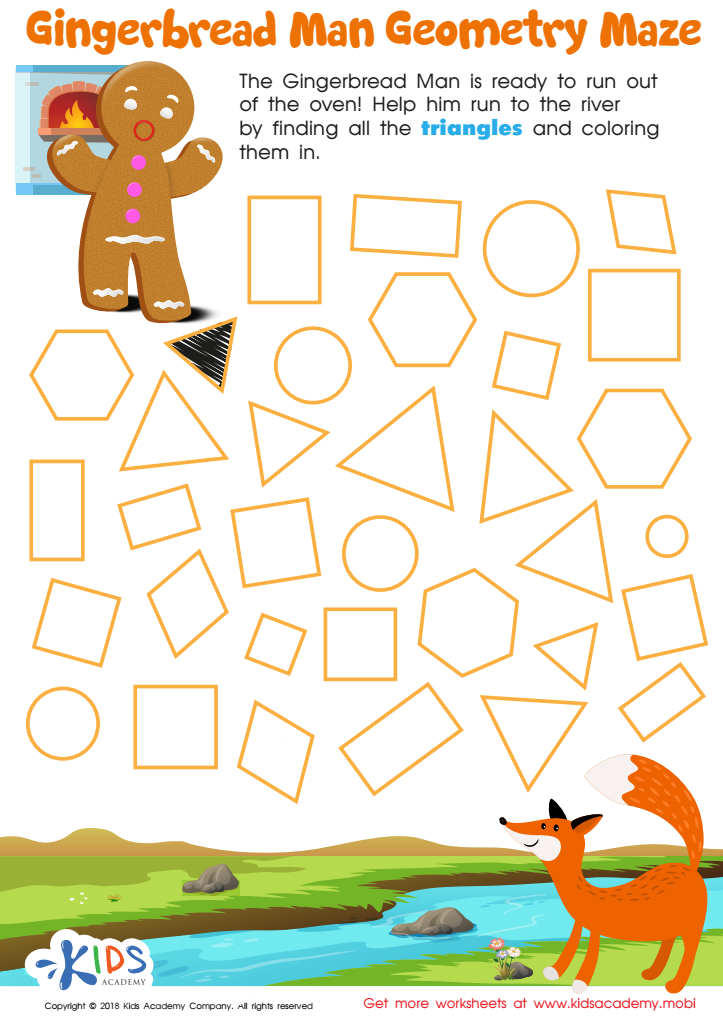
Gingerbread Man Geometry Maze Worksheet
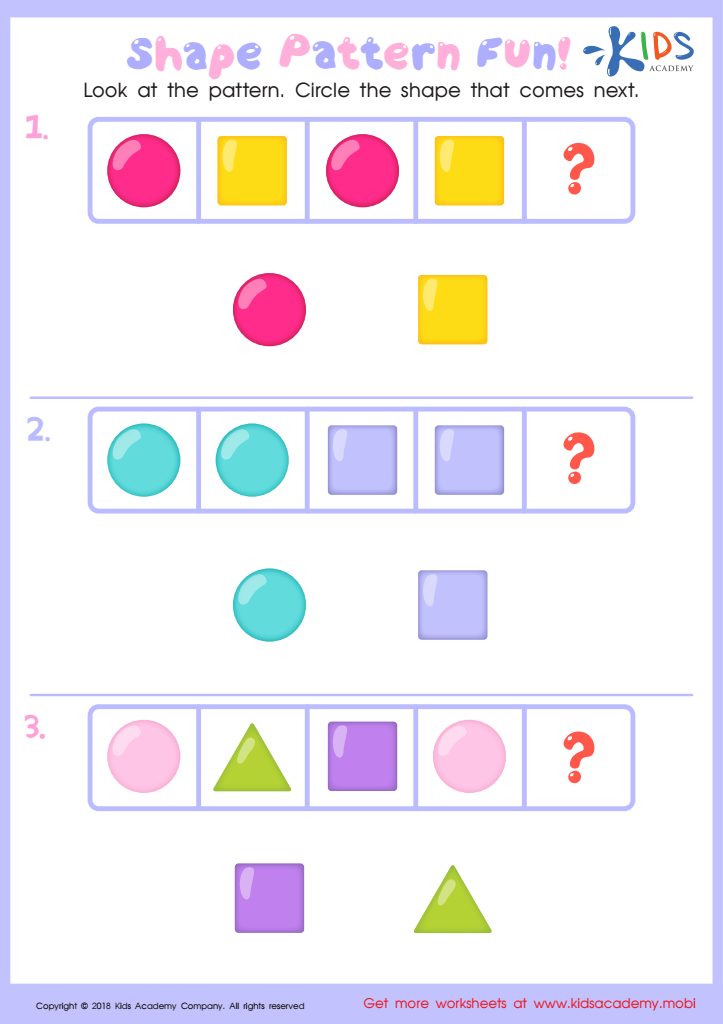
Shape Pattern Fun Worksheet








Understanding normal 2D shapes is crucial for children aged 5-9 as it lays the foundation for essential mathematical skills and spatial awareness. At this age, children are naturally curious, and introducing them to shapes such as circles, squares, triangles, and rectangles allows them to explore their environment more effectively. Recognizing and naming these shapes enhances their vocabulary and cognitive abilities, promoting critical thinking.
Additionally, 2D shapes are integral to everyday activities—whether it's identifying traffic signs, engaging in arts and crafts, or even playing games. Mastering shapes contributes to problem-solving skills, as children learn to categorize and associate, reinforcing their understanding of geometry.
Teaching 2D shapes also promotes fine motor skills when children engage in activities like drawing, cutting, and painting. Furthermore, these concepts can be integrated into cross-curricular learning, tying in art, science, and even social studies.
Overall, shape recognition does more than build mathematical competency; it enriches a child's understanding of the world around them, which is why parents and teachers should prioritize this learning. Investing time in understanding normal 2D shapes will equip children with vital skills that are essential not only in mathematics but in various aspects of their daily lives.