Normal Comparing Numbers Worksheets for Ages 5-9 - Page 2
32 filtered results
-
From - To
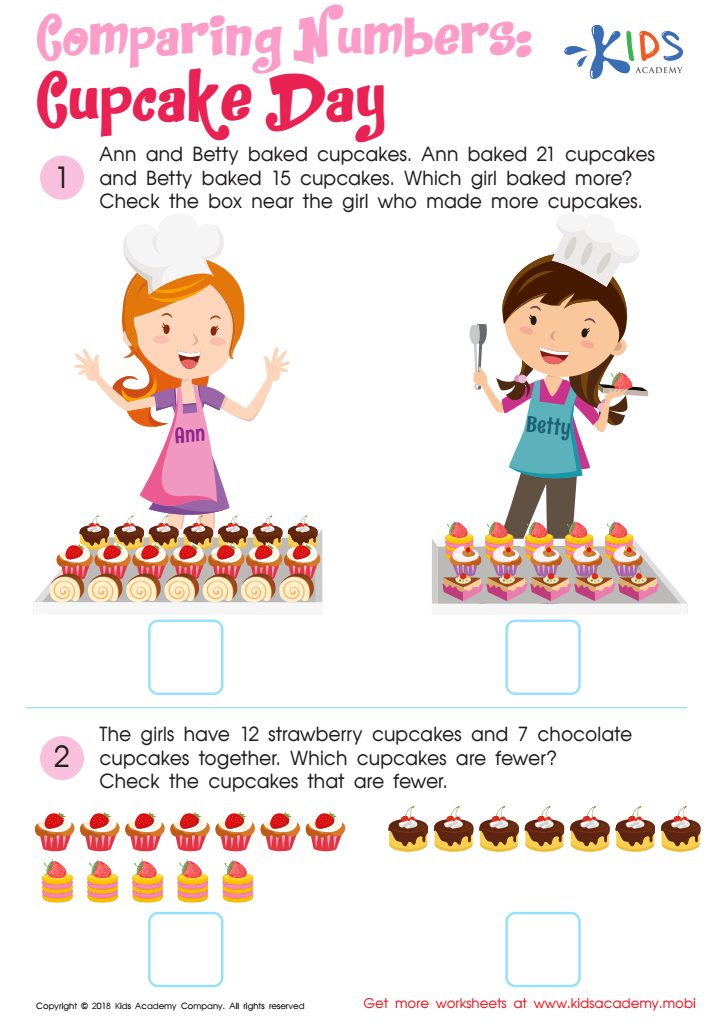
Cupcake Day Worksheet
 Assign to My Students
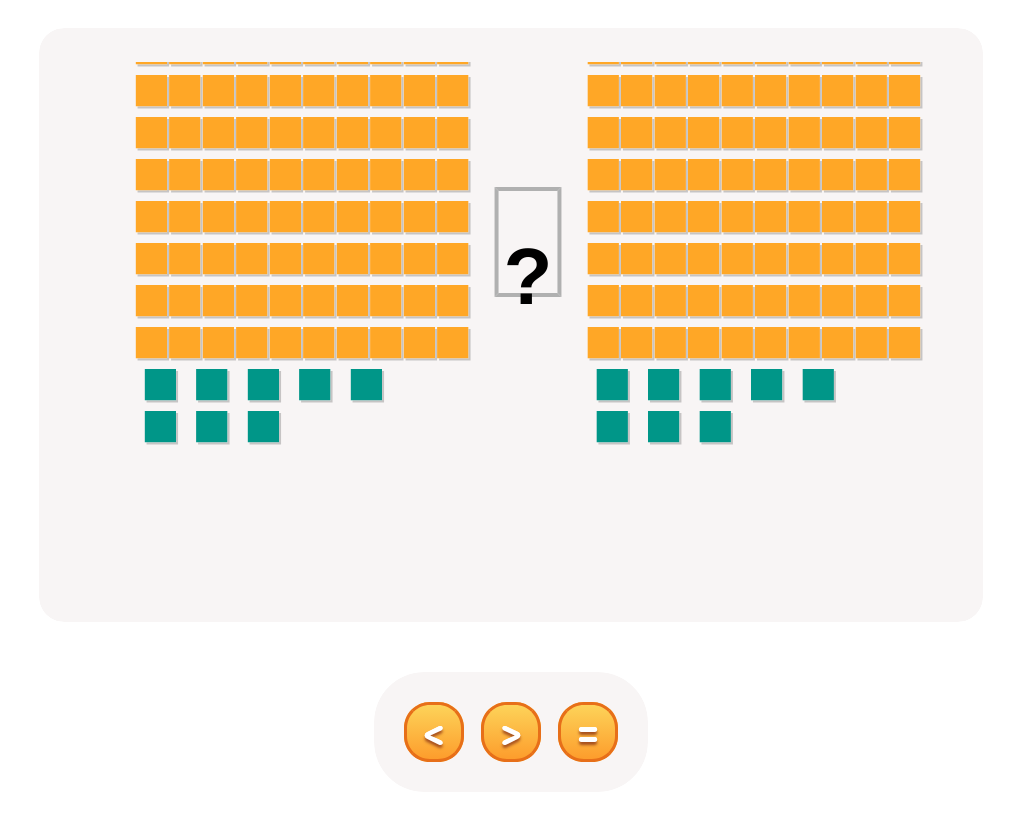

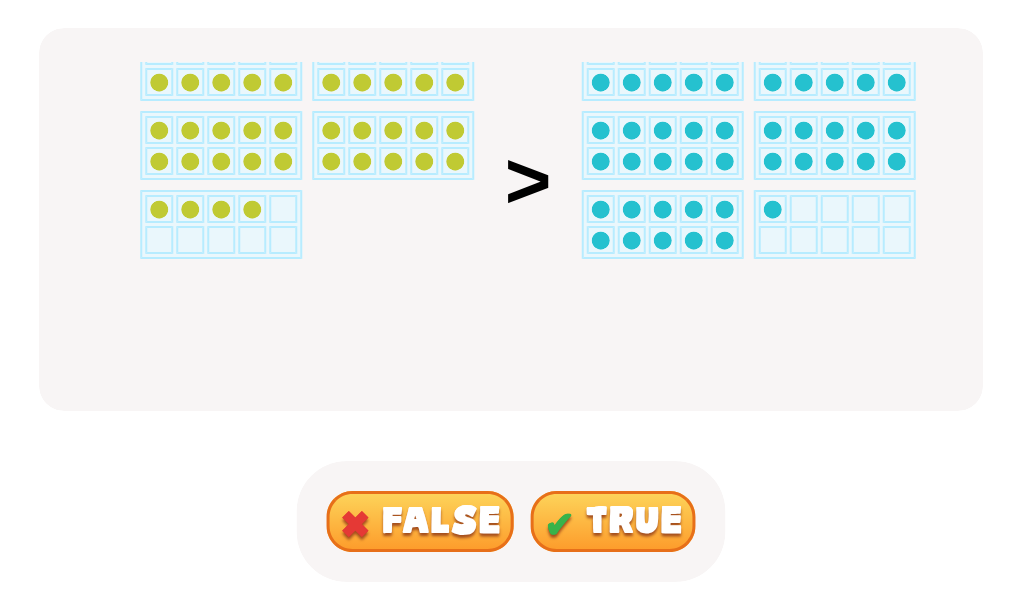
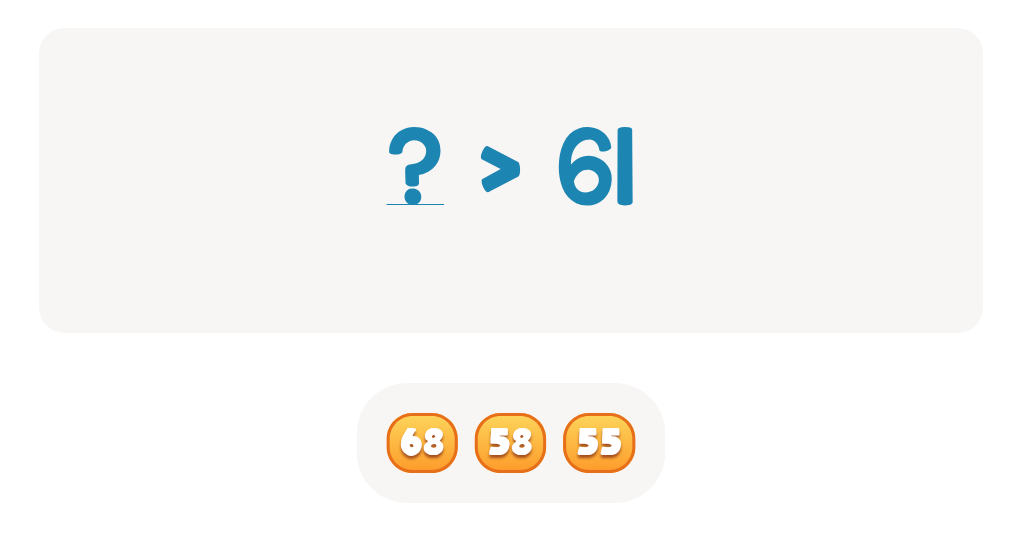
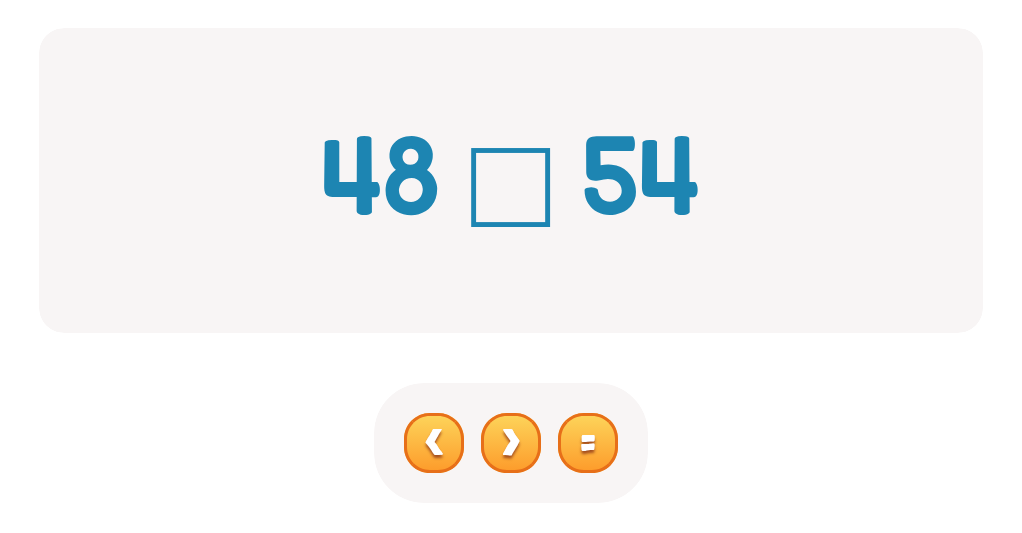
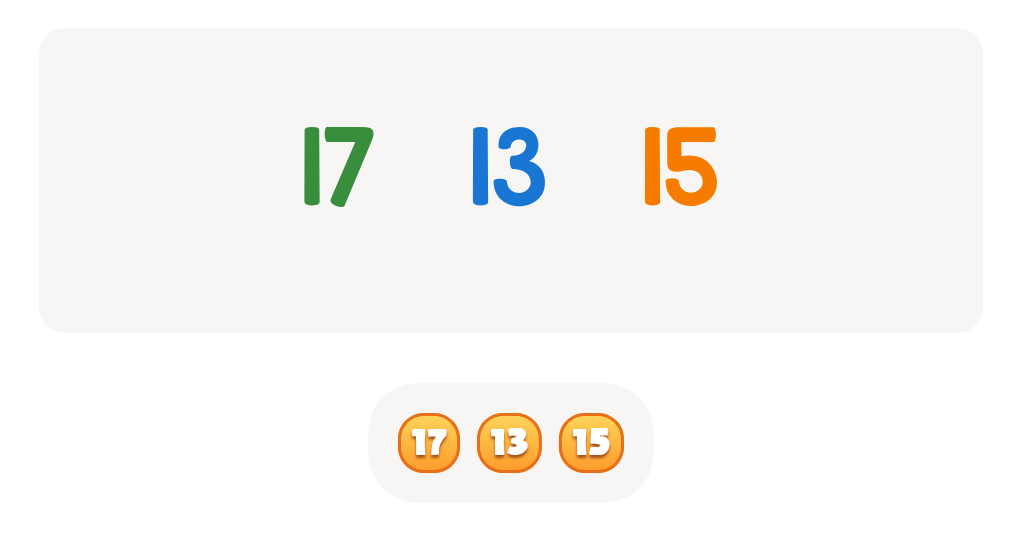
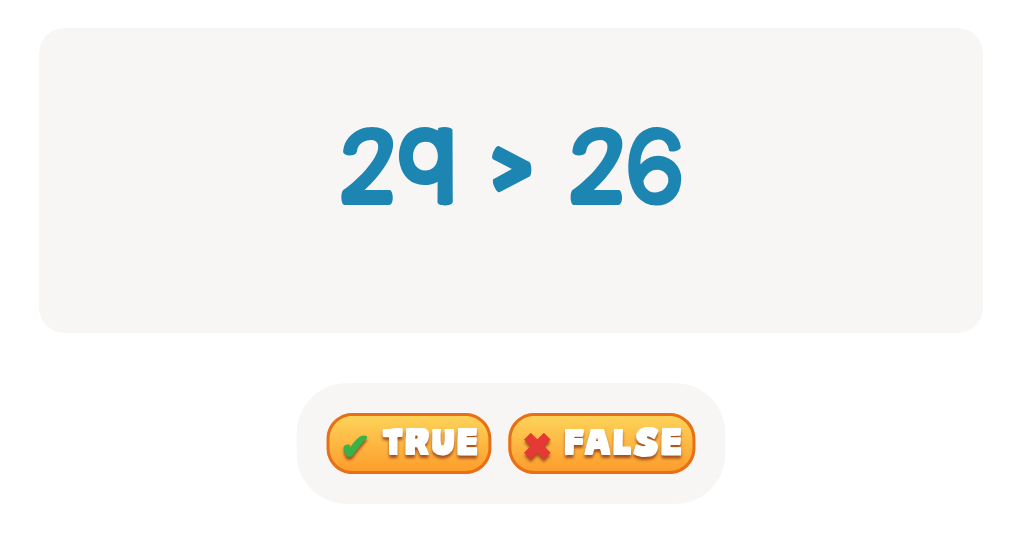
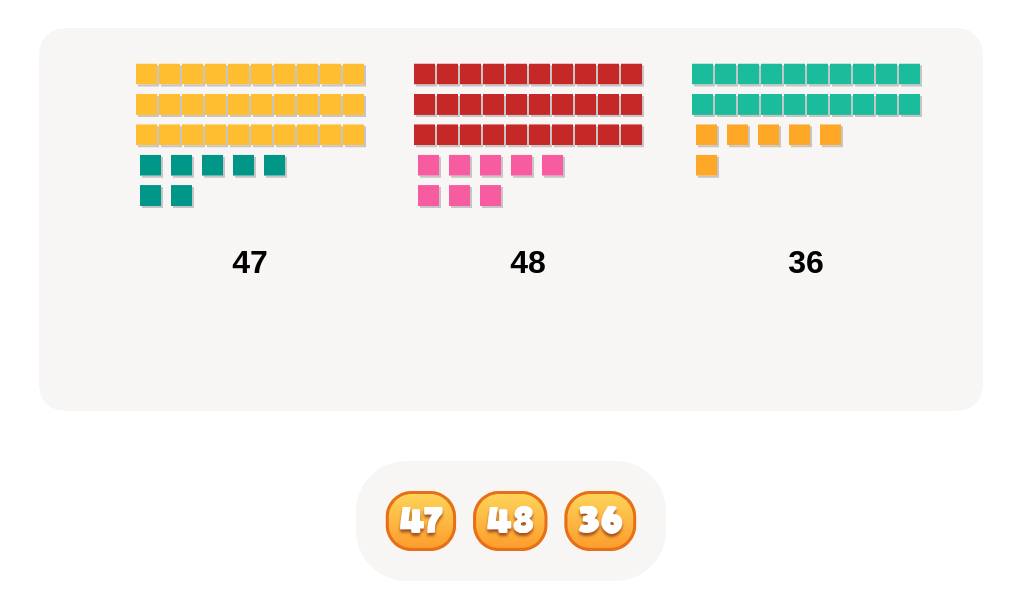
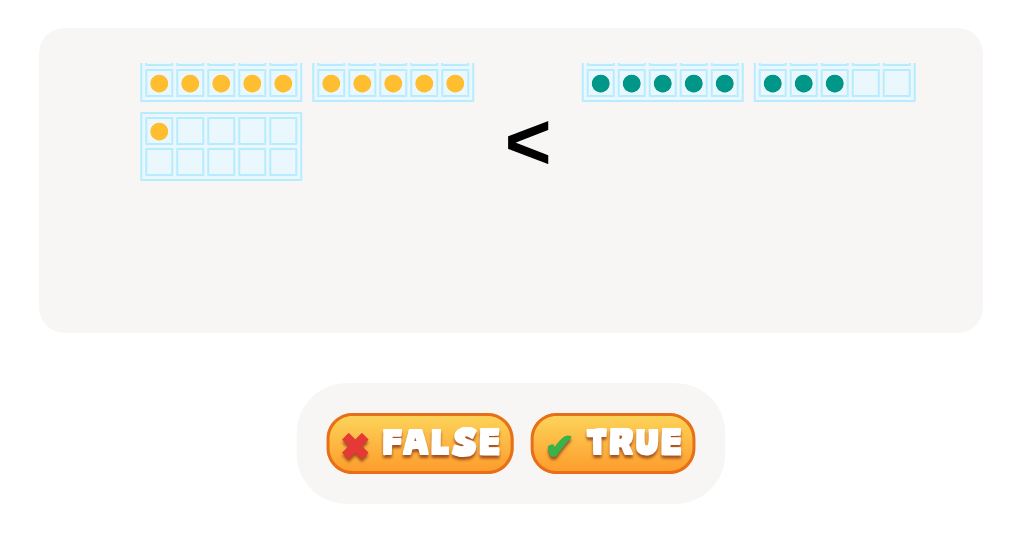
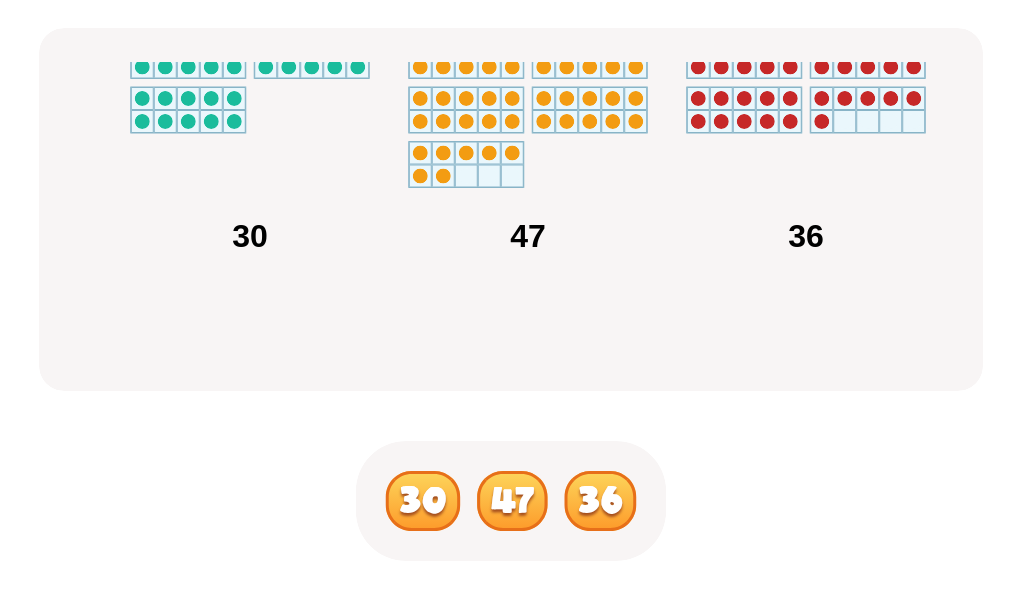
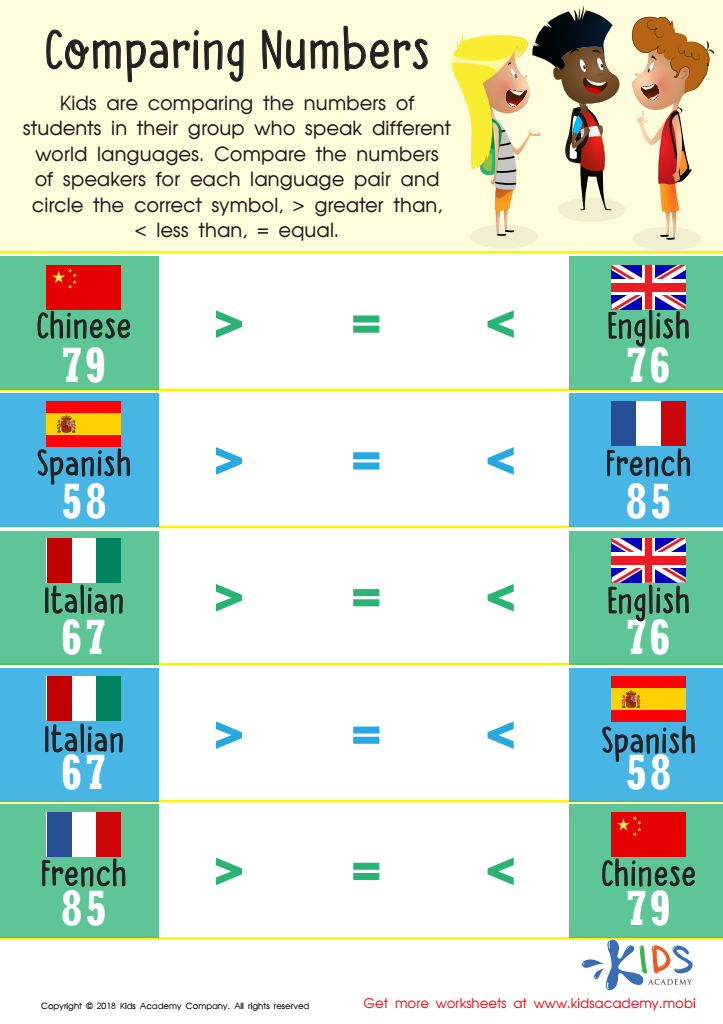
Comparing Numbers Worksheet for 1st Grade
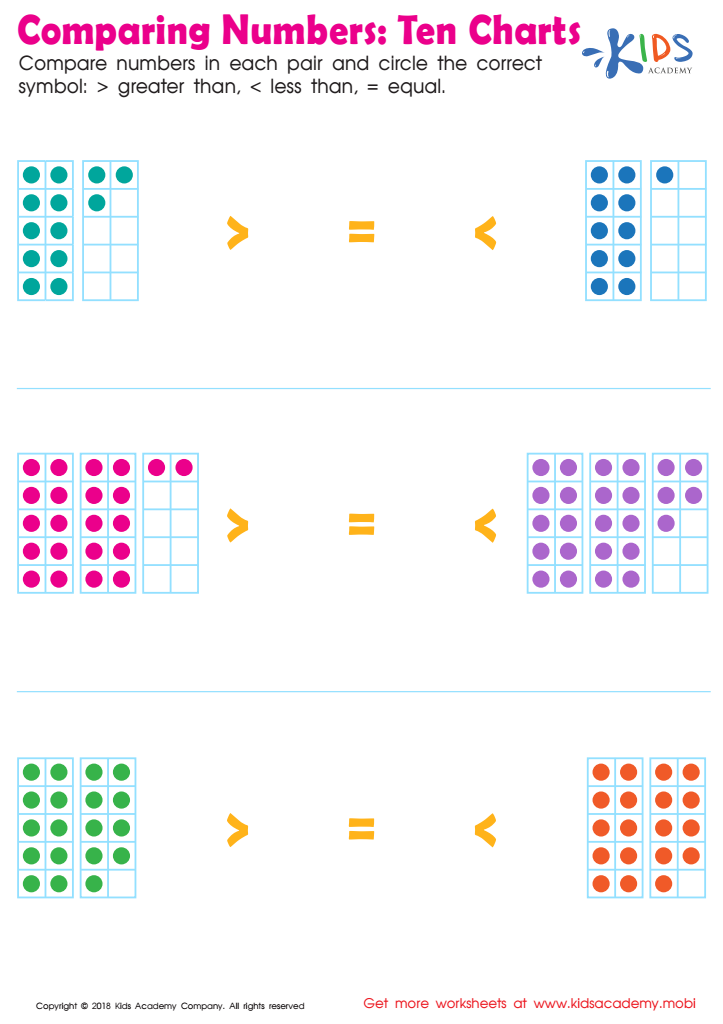
Ten Charts Worksheet
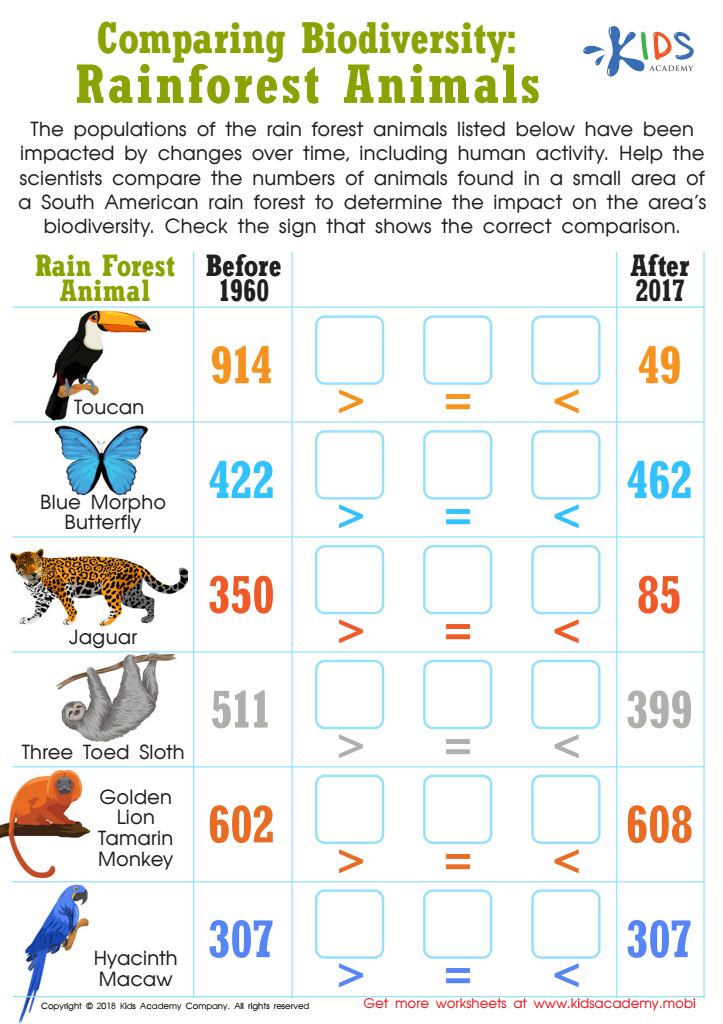
Comparing Biodiversity: Rainforest Animals Worksheet
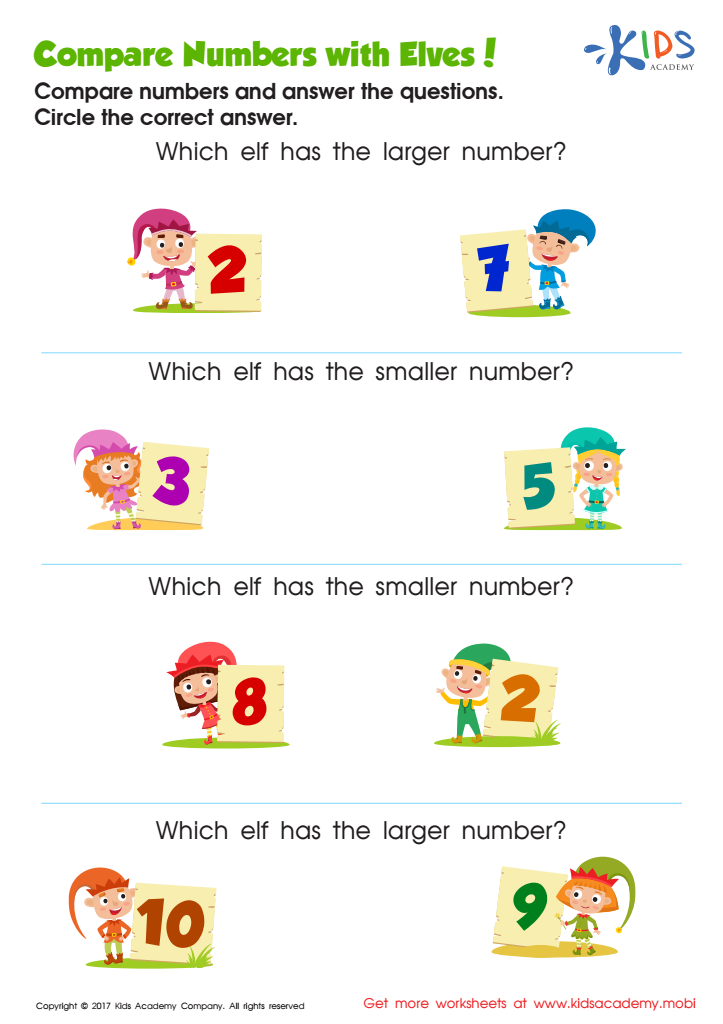
Comparing Numbers Worksheet for Kindergarten
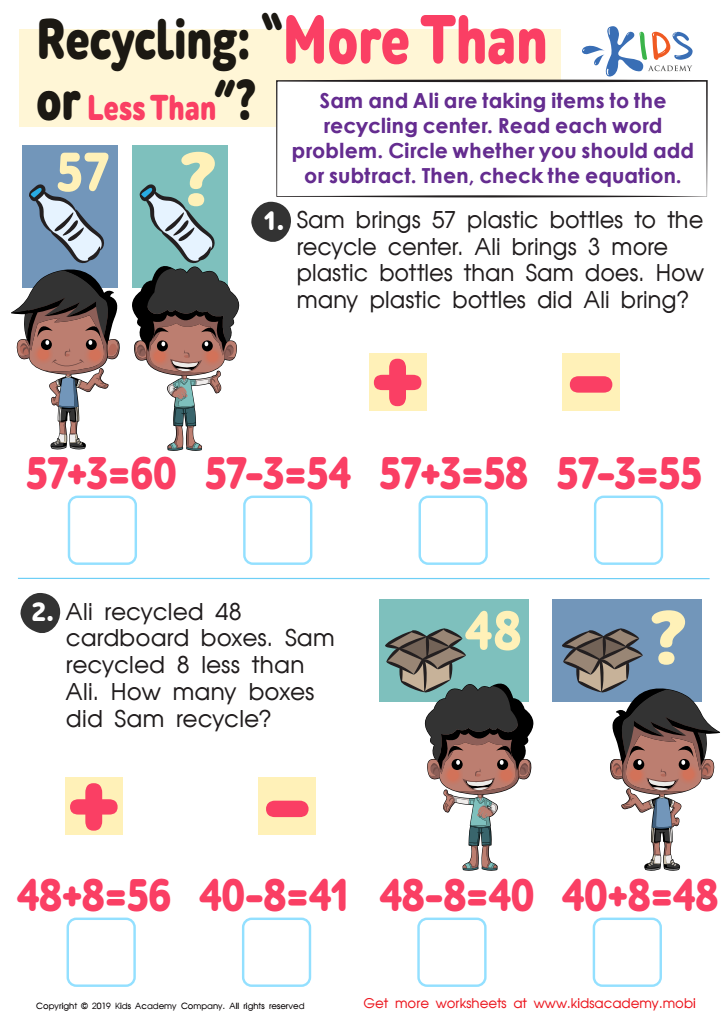
Recycling - More or Less Worksheet
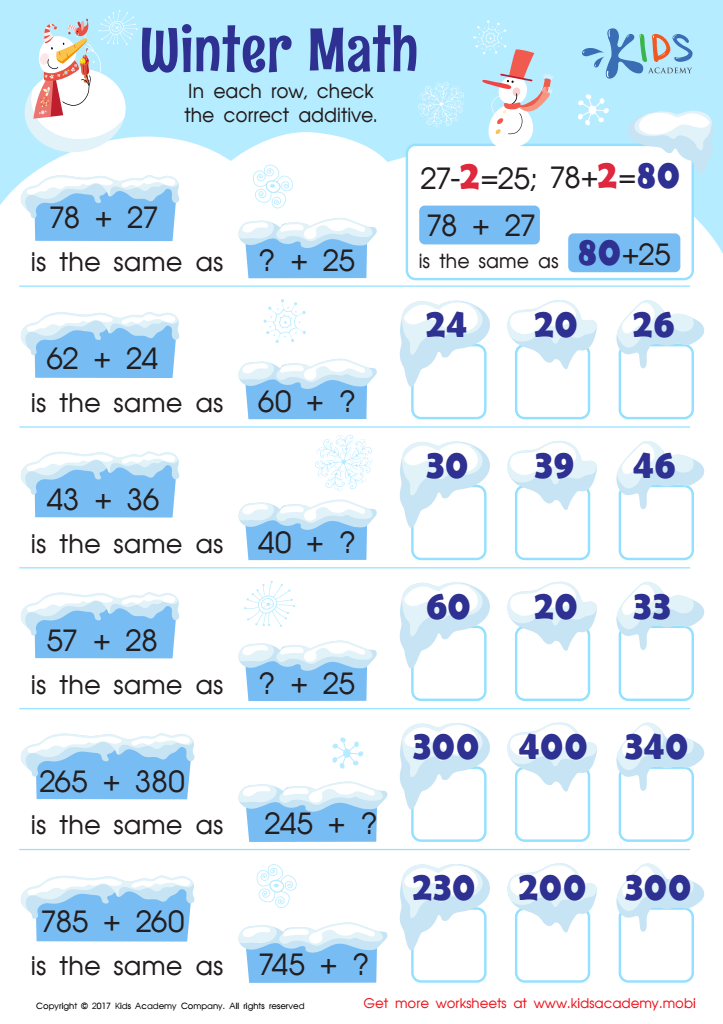
Free Addition Worksheet
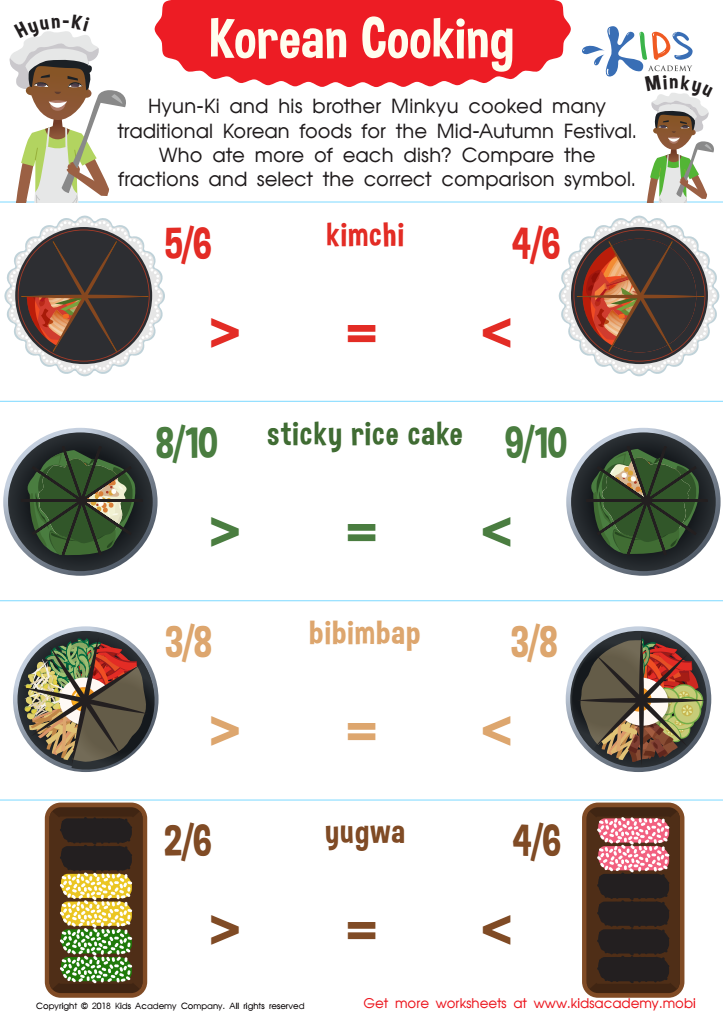
Korean Cooking Worksheet







Normal comparing numbers is a fundamental mathematical skill essential for children aged 5-9. During this formative period, kids develop foundational concepts that will shape their future understanding of mathematics. Learning to compare numbers helps children build critical thinking skills and reinforces their understanding of greater than, less than, and equal to (>, <, =).
Understanding how to compare numbers aids in problem-solving, which is a transferable skill across subjects and real-life situations. When children can clearly differentiate among quantities, they gain confidence in their mathematical reasoning, which is vital for later topics such as addition, subtraction, and even more complex operations.
Additionally, this skill enhances a child's ability to understand numerical patterns and relationships, fostering an early love for learning. Parents and teachers can use everyday situations, such as comparing items in a grocery store or counting toys, to make this learning engaging and relevant.
Moreover, mastering these concepts creates a strong foundation for future academic success. Engaging children in activities that promote number comparison not only enriches their mathematical comprehension but also supports their overall cognitive development, encouraging curiosity and a positive attitude toward learning. Ultimately, understanding how to compare numbers lays the groundwork for lifelong learning and critical assessment.