Normal Short Vowels Worksheets for Ages 6-8
12 filtered results
-
From - To
Discover our engaging Normal Short Vowels Worksheets designed specifically for children aged 6-8. These printable resources provide a fun and interactive way for young learners to identify and practice short vowel sounds through a variety of activities. Each worksheet features age-appropriate exercises that help reinforce phonetic skills, improve vocabulary, and enhance reading fluency. Perfect for classroom or home use, our worksheets encourage hands-on learning and boost confidence in early literacy. Download now to support your child's education and watch them master short vowels with ease and enjoyment!
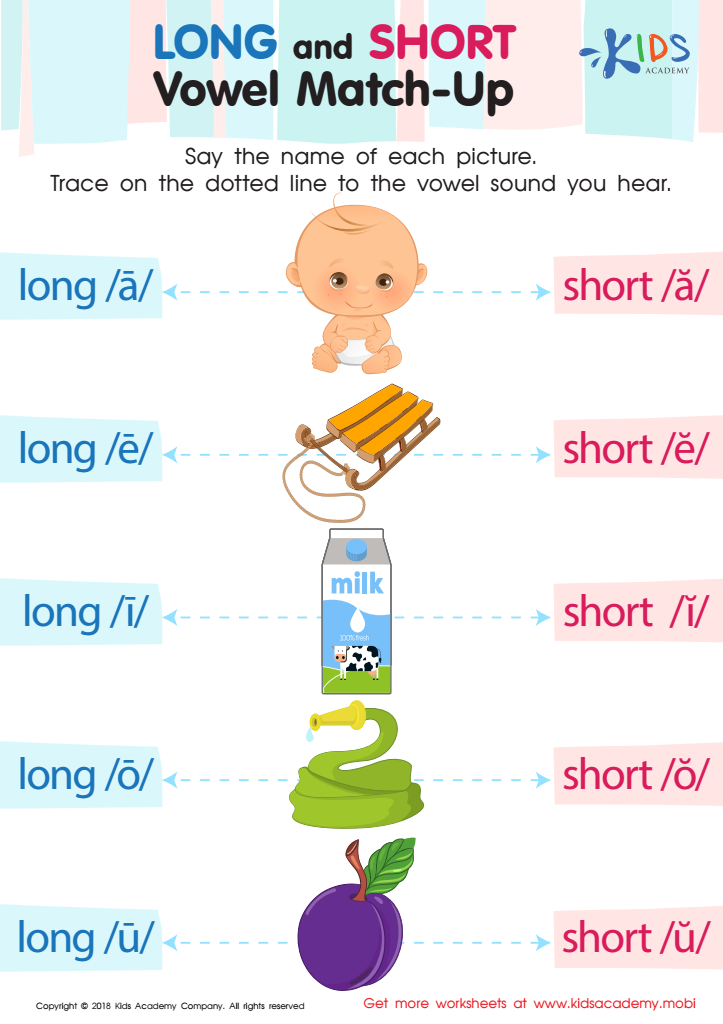
Long and Short Vowel Match up Reading Worksheet
 Assign to My Students
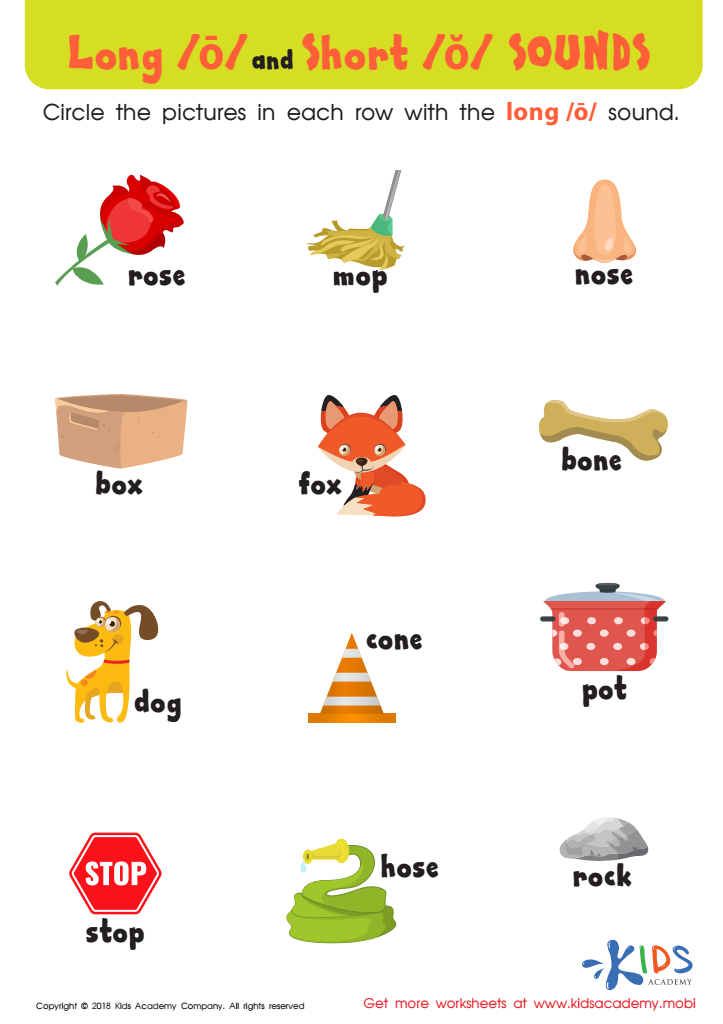
Reading: Long O and Short O Sounds Worksheet
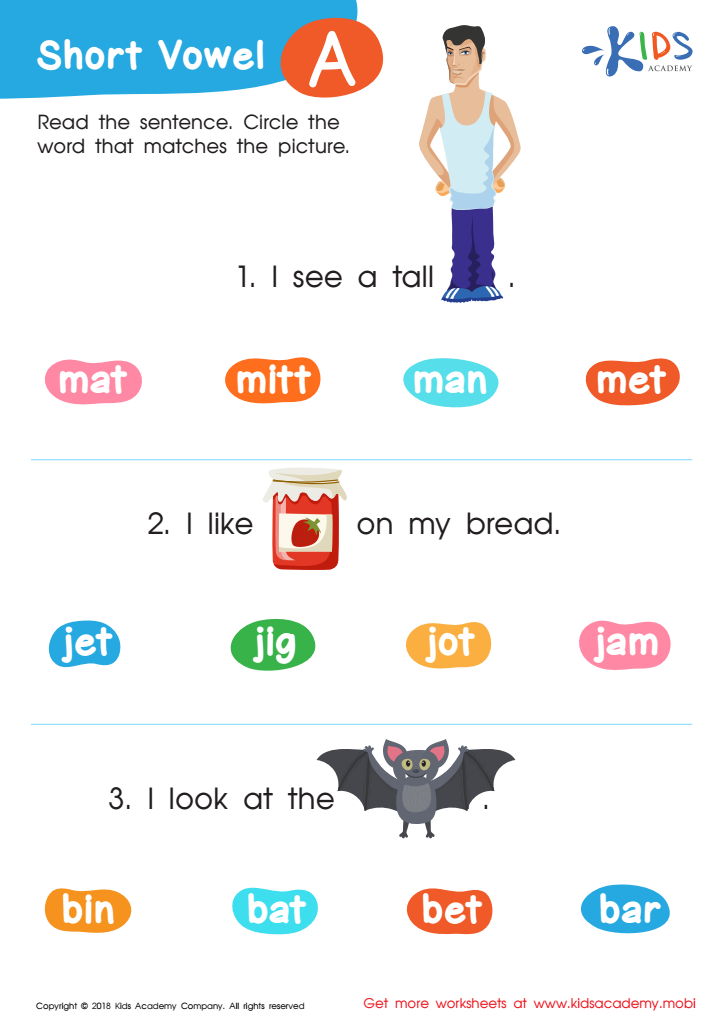
Short Vowel /a/ Worksheet
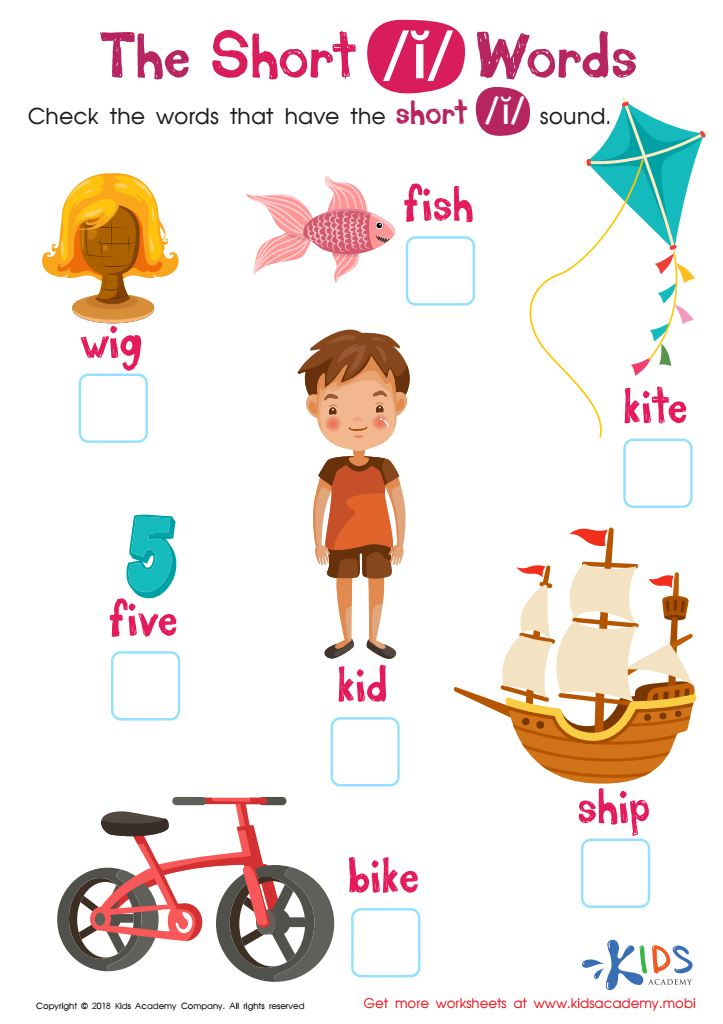
The Short I Words Reading Worksheet
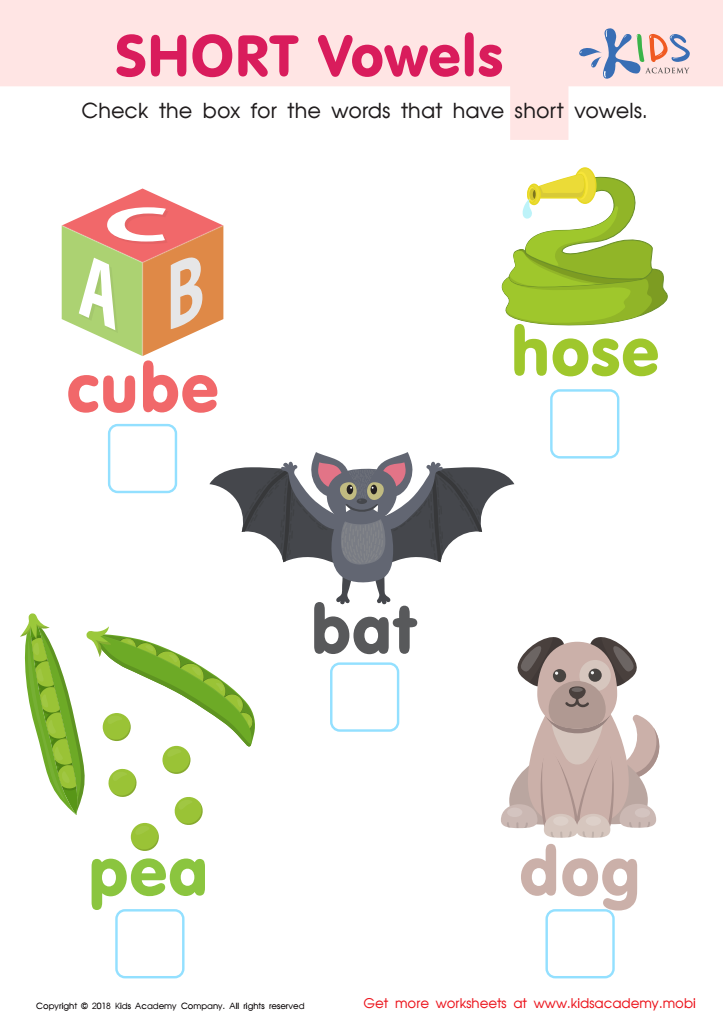
short vowels Worksheet
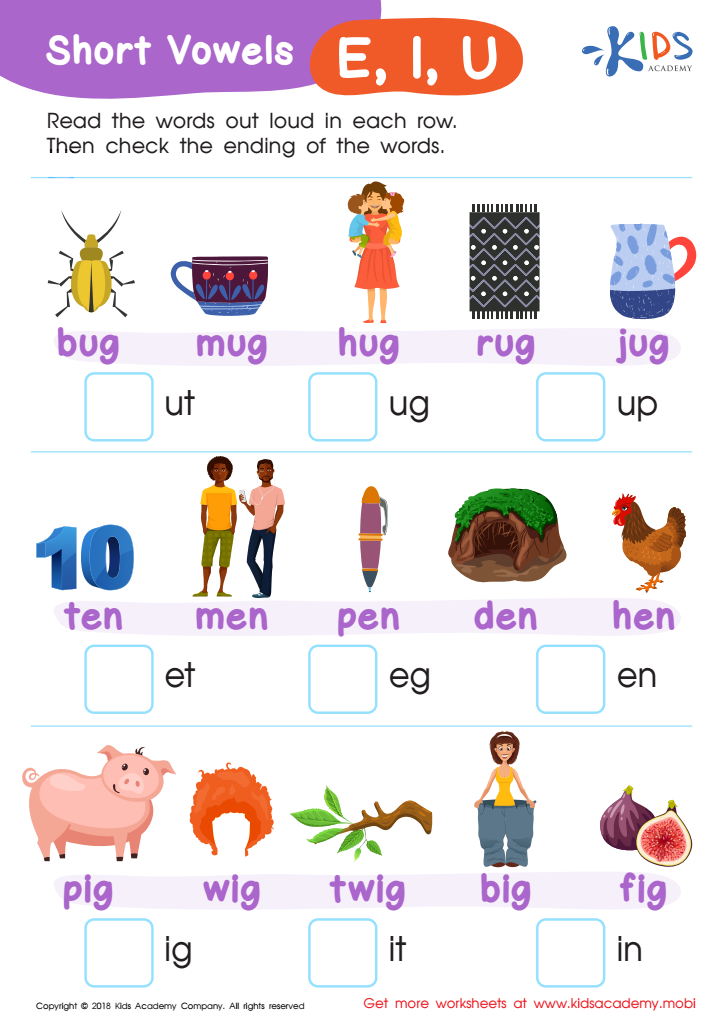
Short Vowels /e/, /i/, and /u/ Worksheet
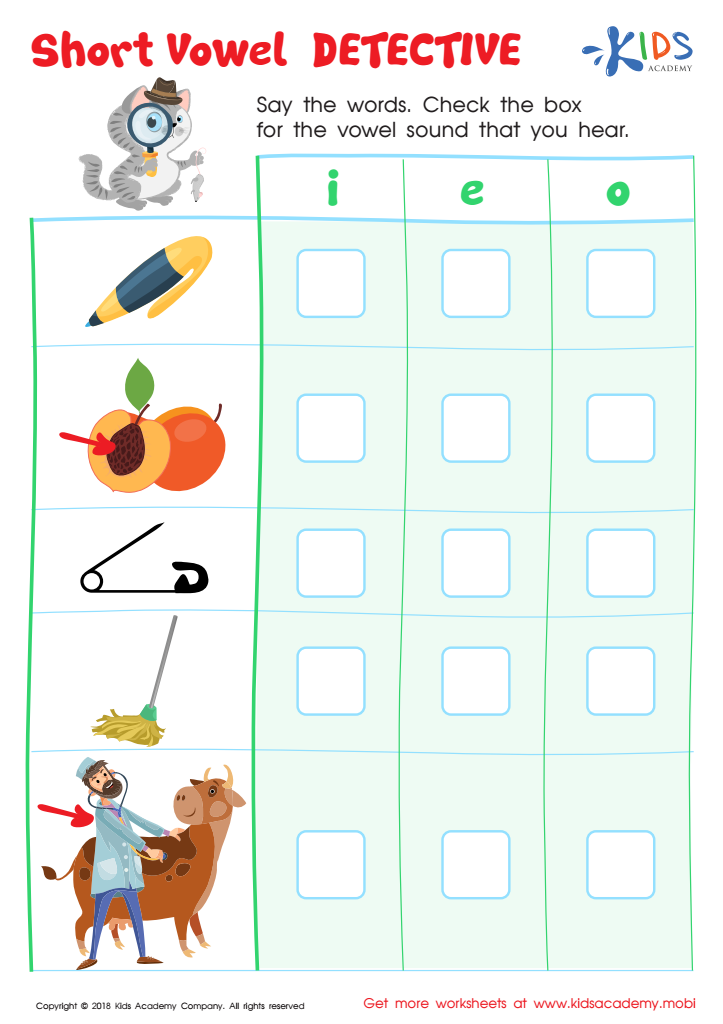
Short Vowel Detective Worksheet
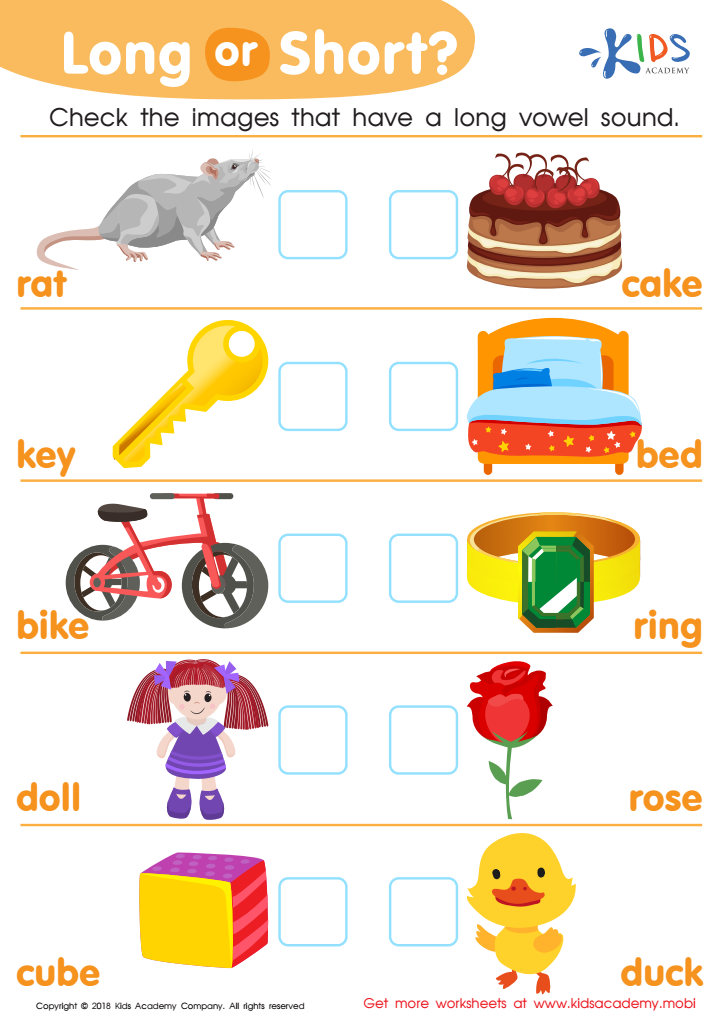
Long or Short Reading Worksheet
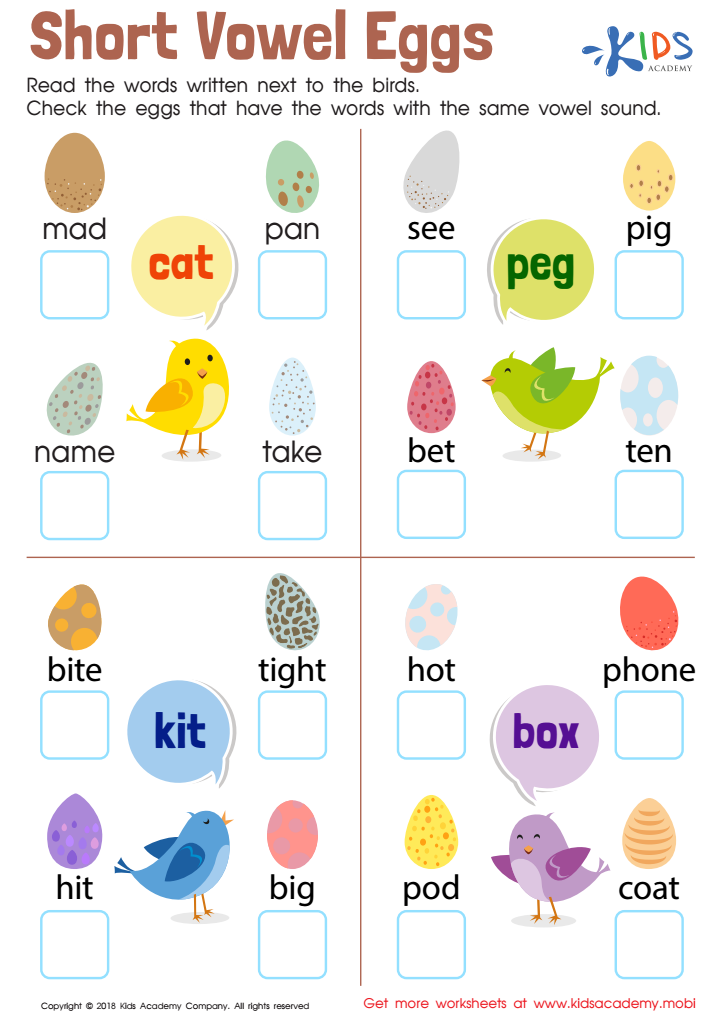
Short Vowel Eggs Worksheet
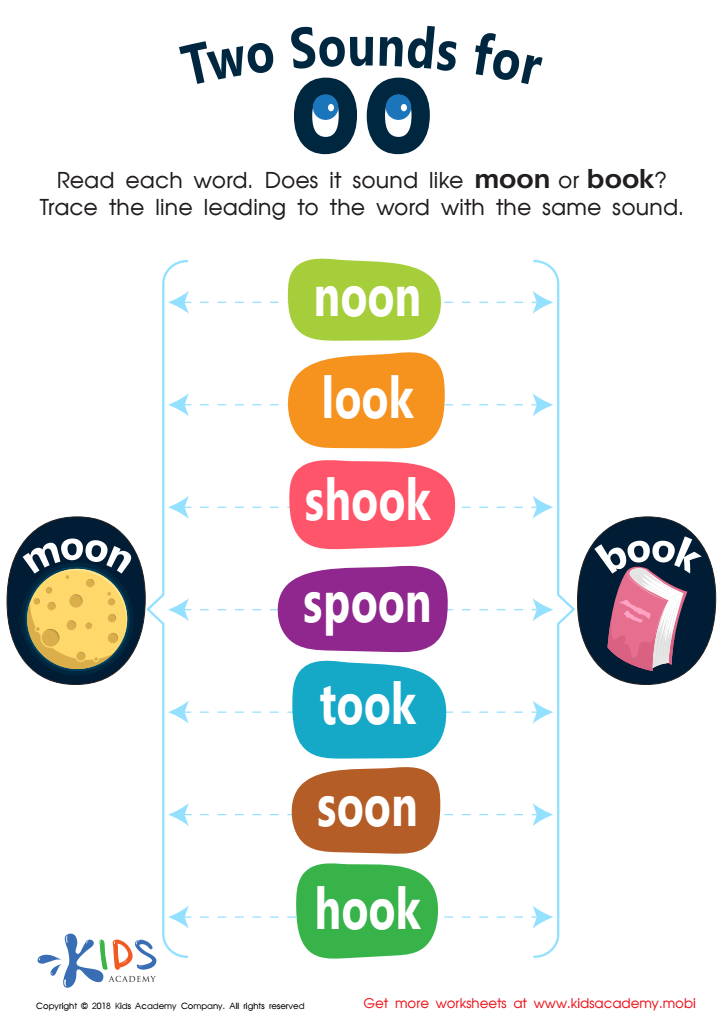
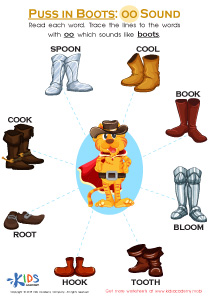
Two Sounds for OO Worksheet
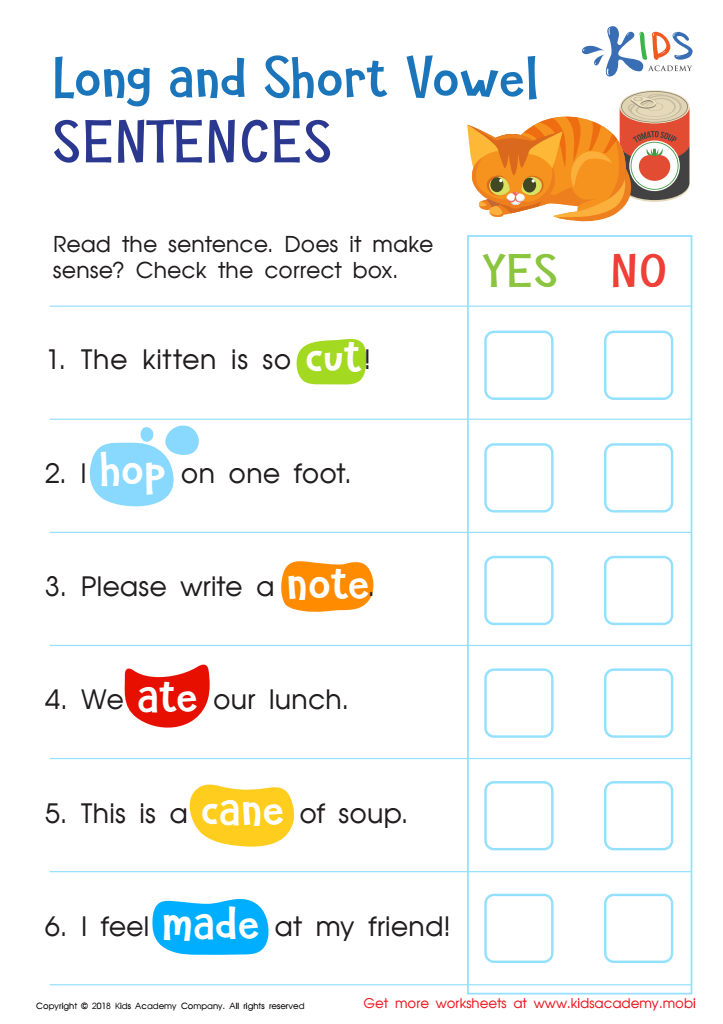
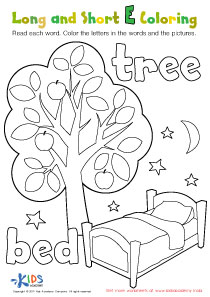
Long and Short Vowel Sentences: Assessment Worksheet
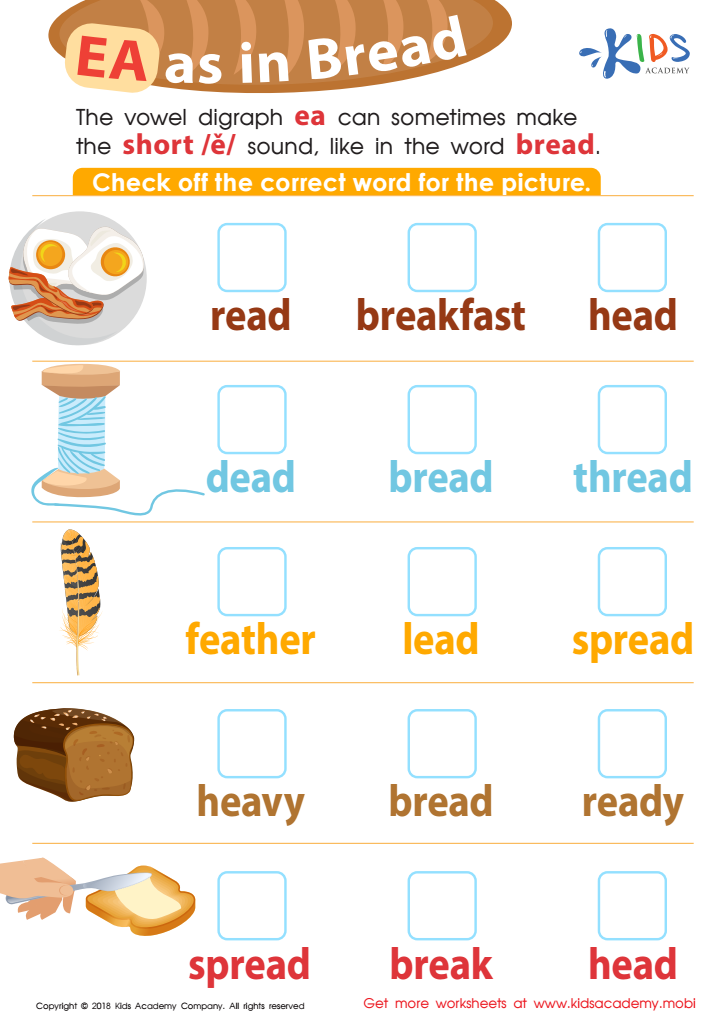
Reading: EA as in Bread Worksheet



Parents and teachers should care about normal short vowels for children aged 6-8 because these phonetic sounds form the foundation of reading and writing skills. Short vowels—such as "a," "e," "i," "o," and "u"—are integral to decoding words, which is a critical component of literacy development. Mastering short vowels enables young learners to recognize and pronounce a wide range of words, enhancing their vocabulary and overall reading fluency.
Understanding short vowels also supports spelling. When children become familiar with how these sounds work in various contexts, they gain the confidence to attempt spelling words independently. For example, knowing that the short "a" sound appears in words like "cat," "nap," and "hat" allows them to analyze and break down unfamiliar words more efficiently.
Furthermore, learning short vowels in a supportive environment fosters a love for reading. It sparks curiosity, encourages exploration, and builds connections between sounds and meanings. Children who are confident in their reading abilities are more likely to engage with texts, which, in turn, cultivates critical thinking and comprehension skills essential for academic success.
In short, prioritizing short vowels lays a powerful groundwork for children’s literacy journeys, guiding them toward greater educational achievements.