Normal Upper & Lowercase Letters Worksheets for Ages 6-8 - Page 2
43 filtered results
-
From - To
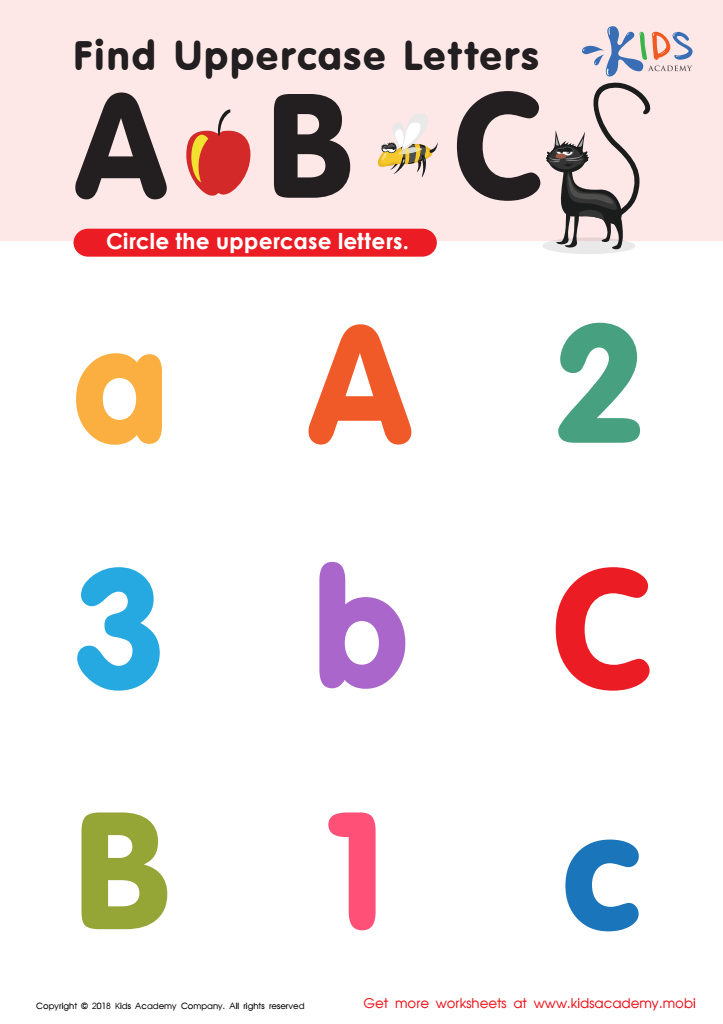
Find Uppercase Letters A, B, and C Worksheet
 Assign to My Students


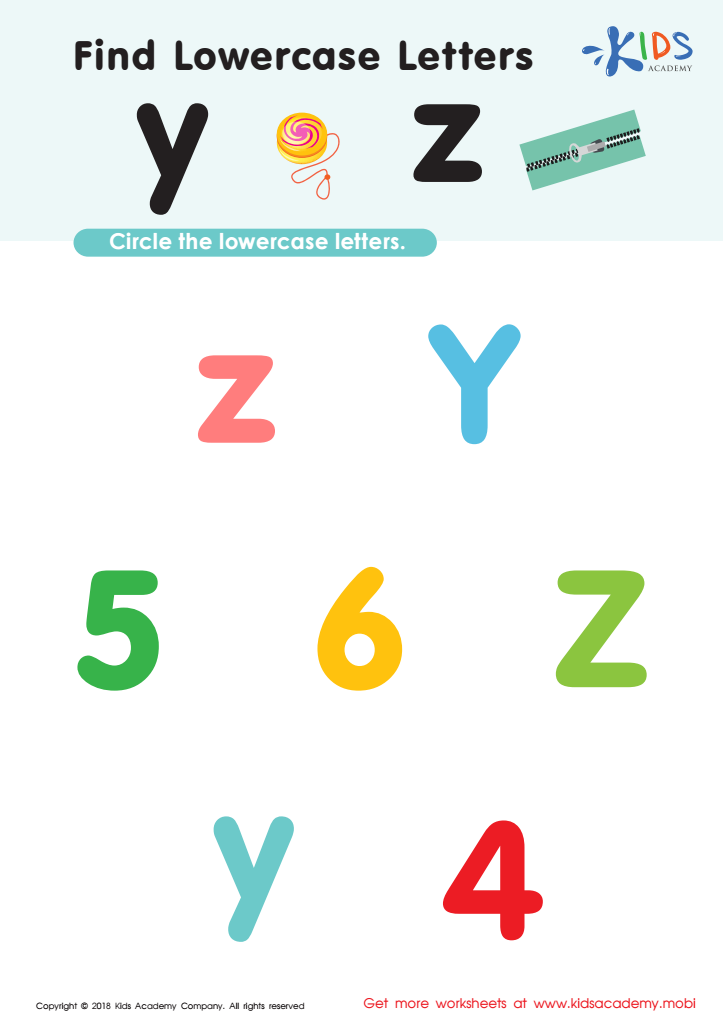
Find Lowercase Letters y z Worksheet
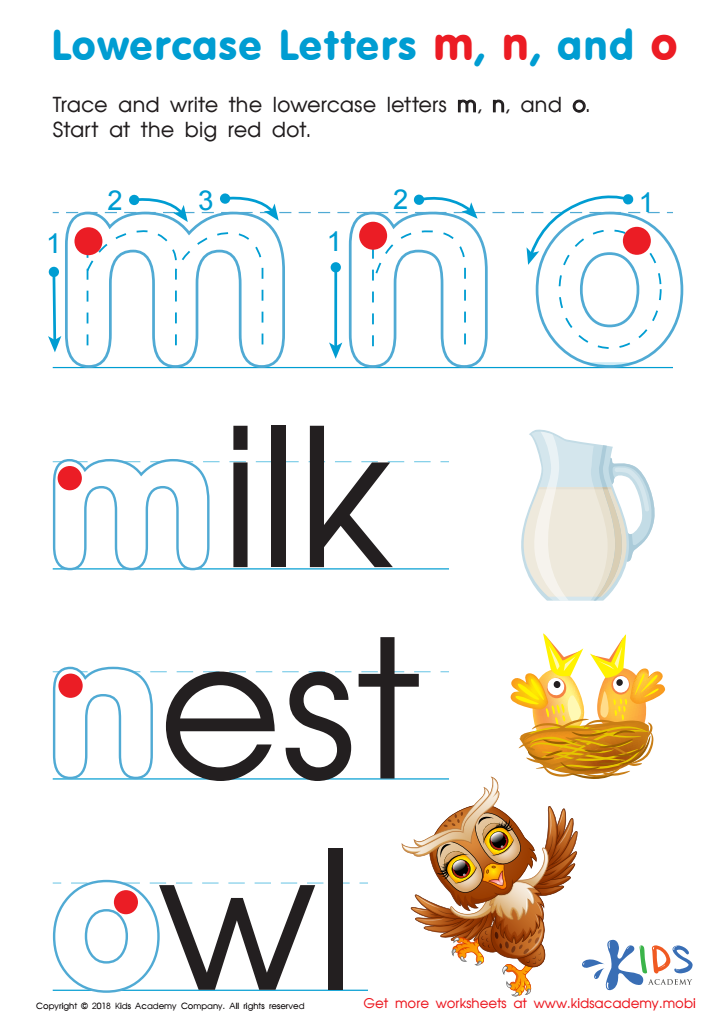
Lowercase Letters m n o Worksheet
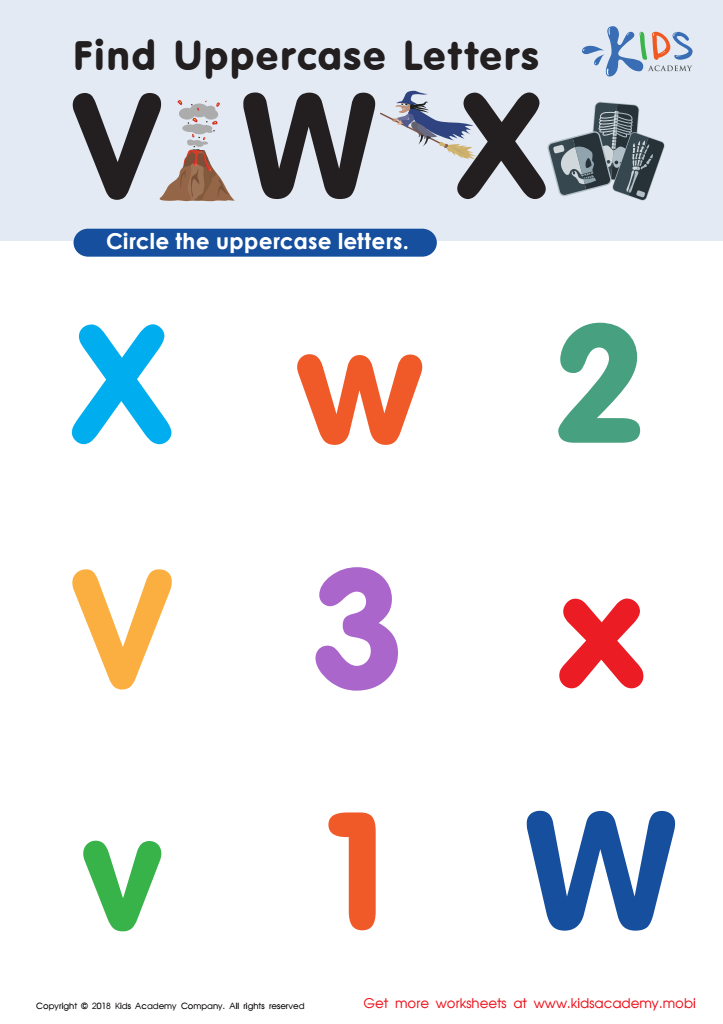
Find Uppercase Letters V, W, X Worksheet
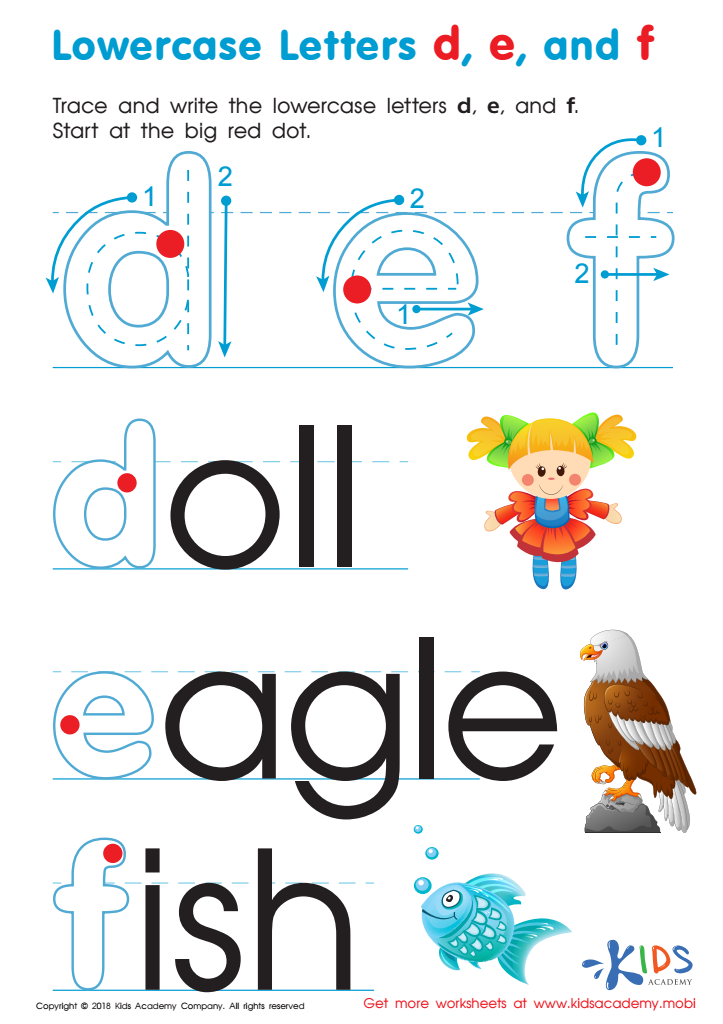
Lowercase Letters d e f Worksheet
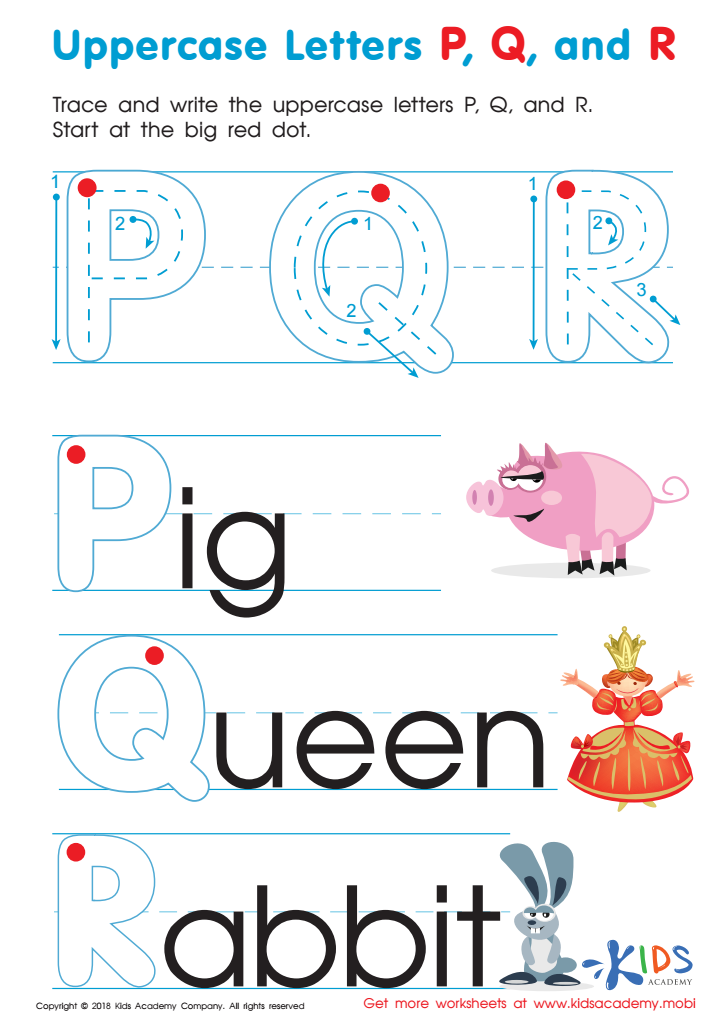
Uppercase Letters P, Q, and R Worksheet
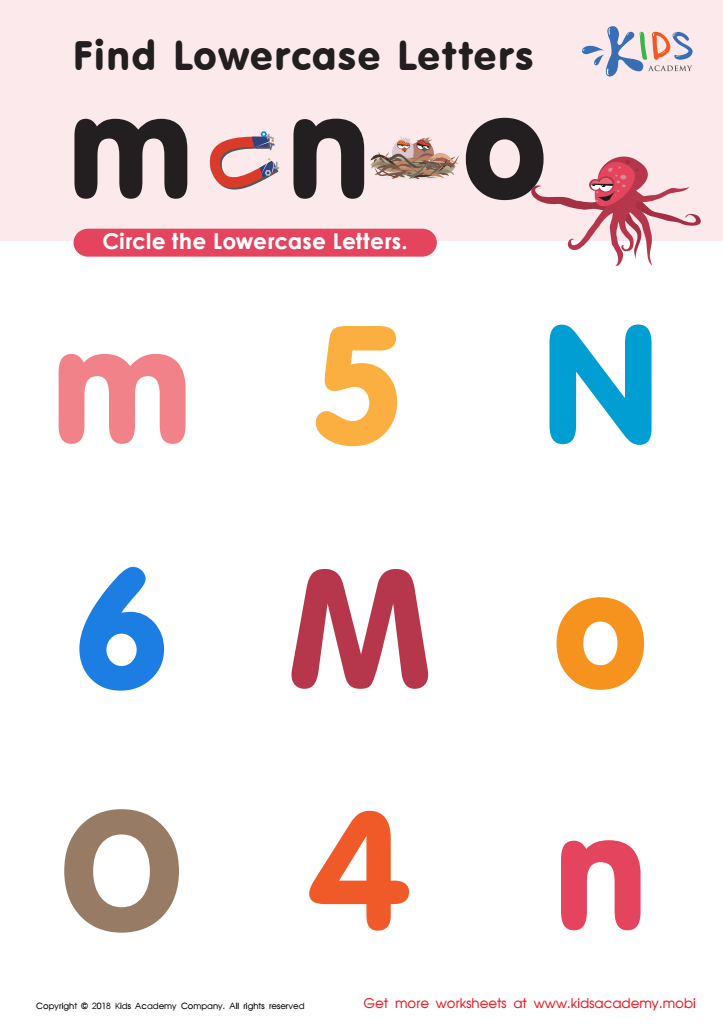
Find Lowercase Letters m n o Worksheet
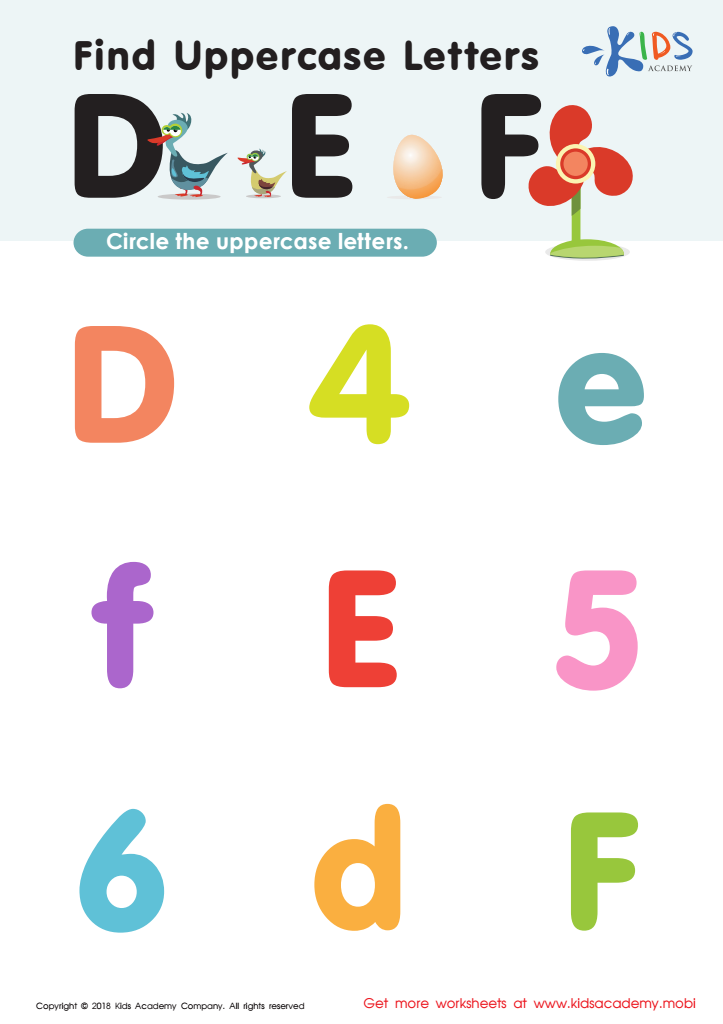
Find Uppercase Letters D, E, and F Worksheet
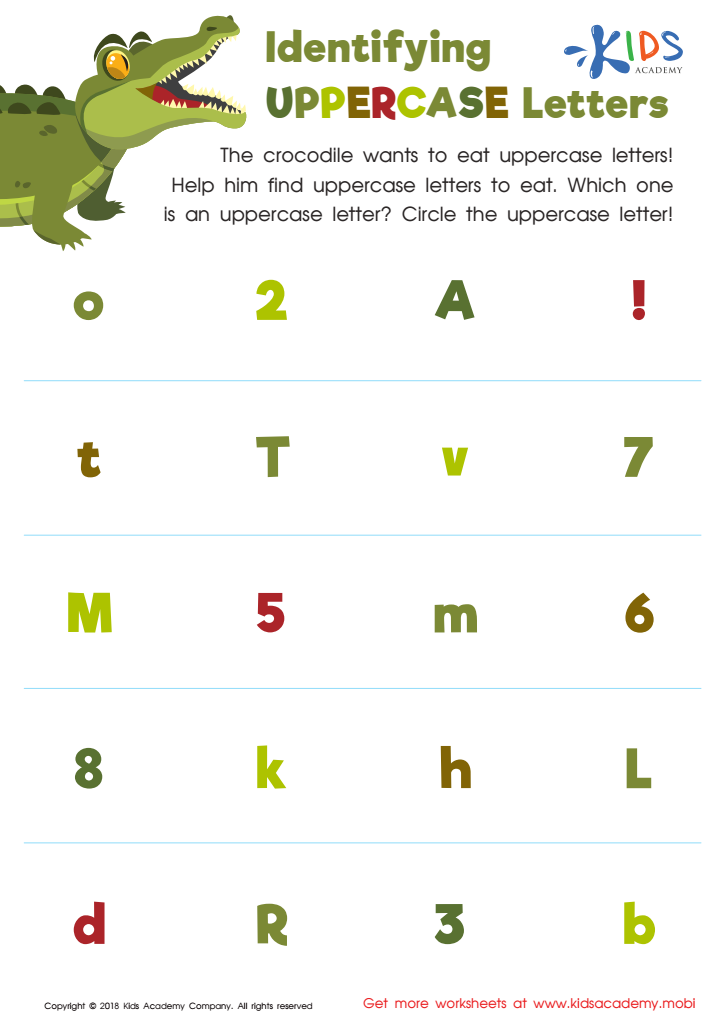
Identifying Uppercase Letters Worksheet

Find lowercase letters a b c Worksheet
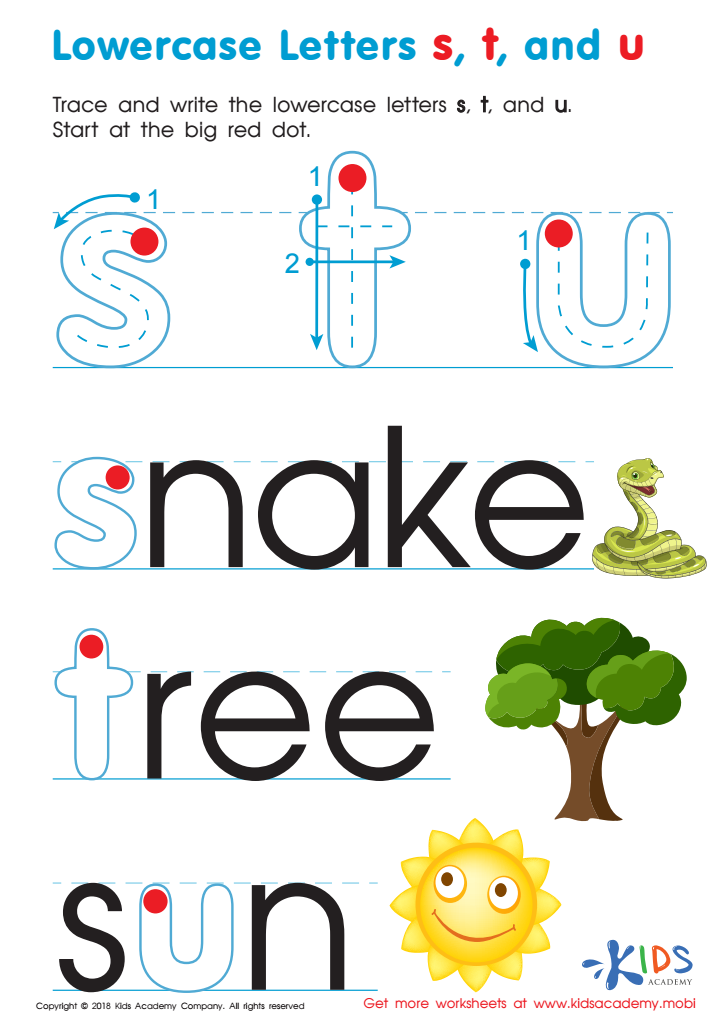
Lowercase Letters s t u Worksheet
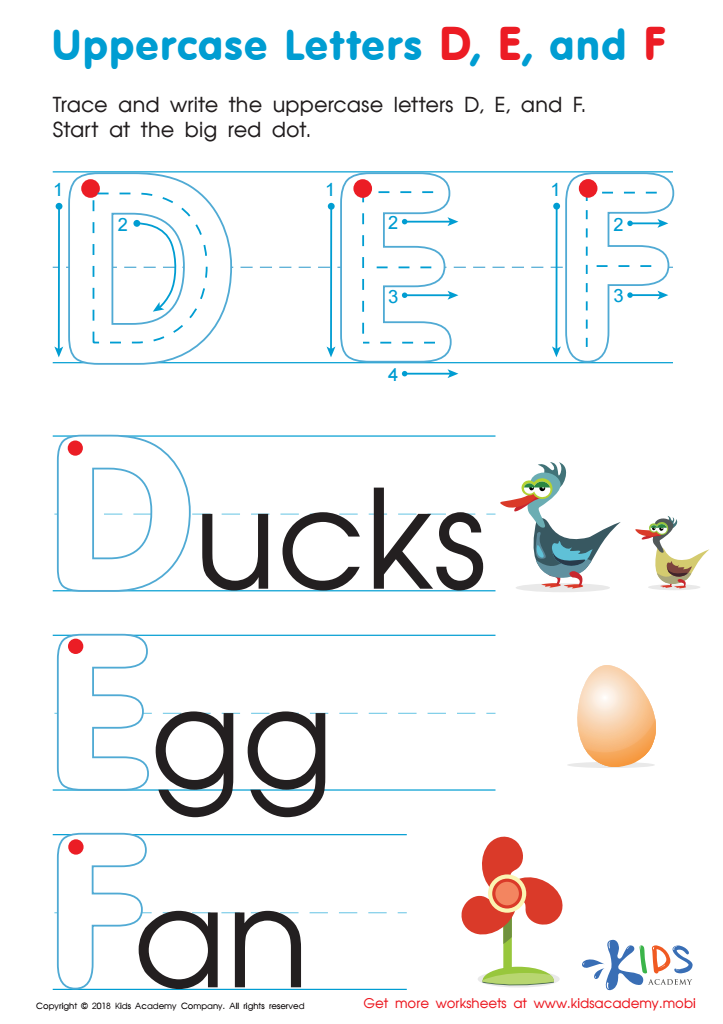
Uppercase Letters D, E, and F Worksheet
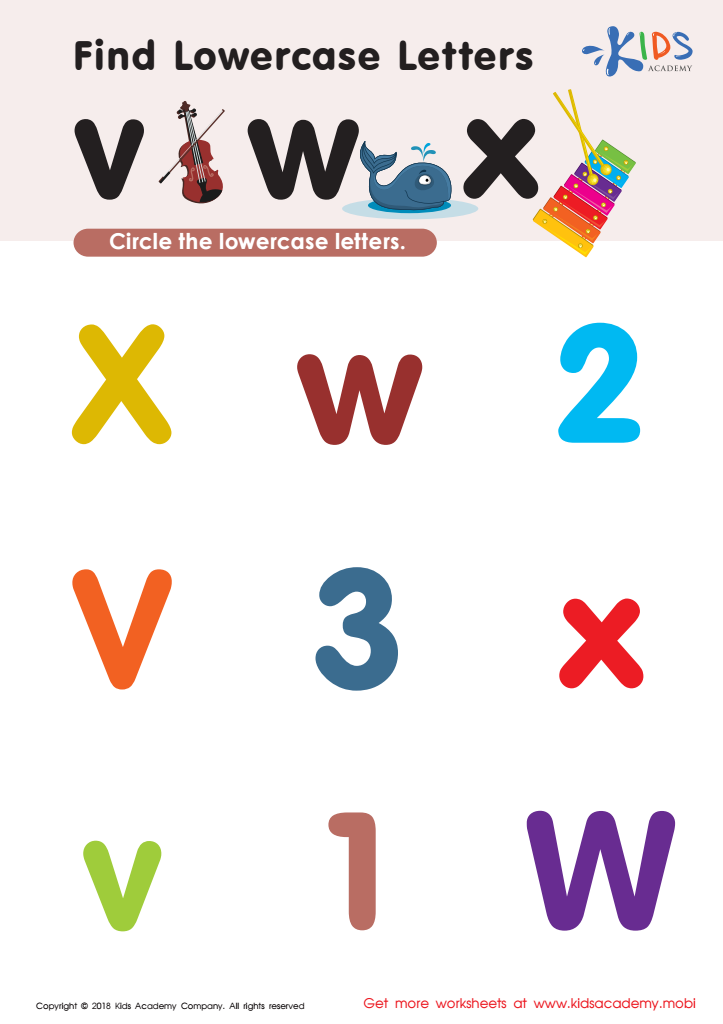
Find Lowercase Letters v w x Worksheet

Uppercase Letters Y Z Worksheet
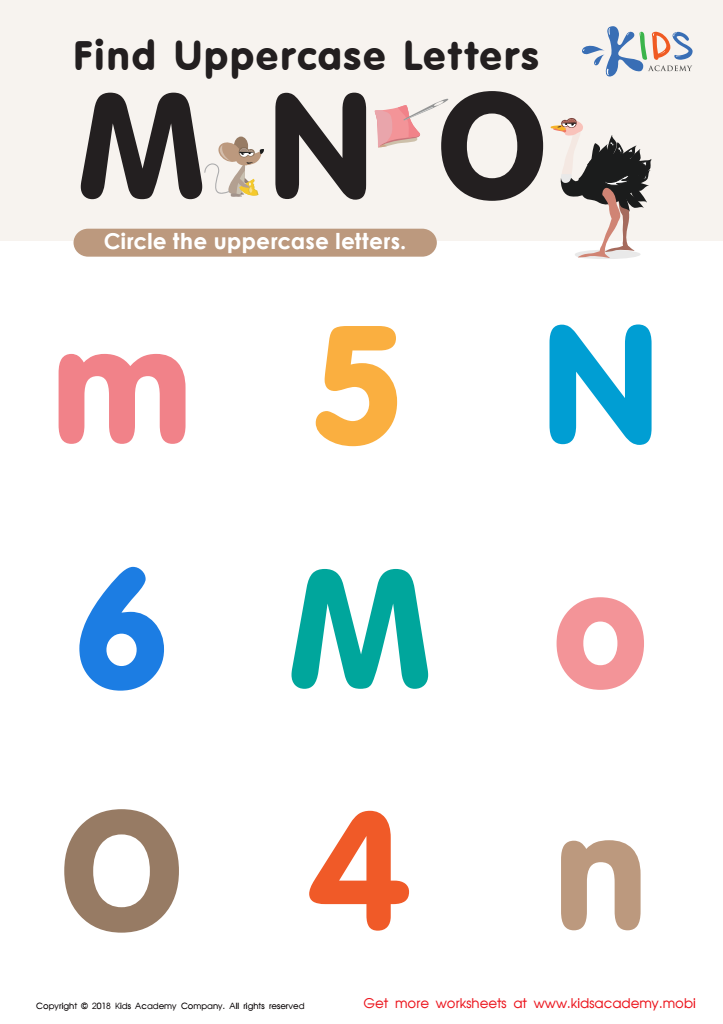
Find Uppercase Letters M, N, and O Worksheet
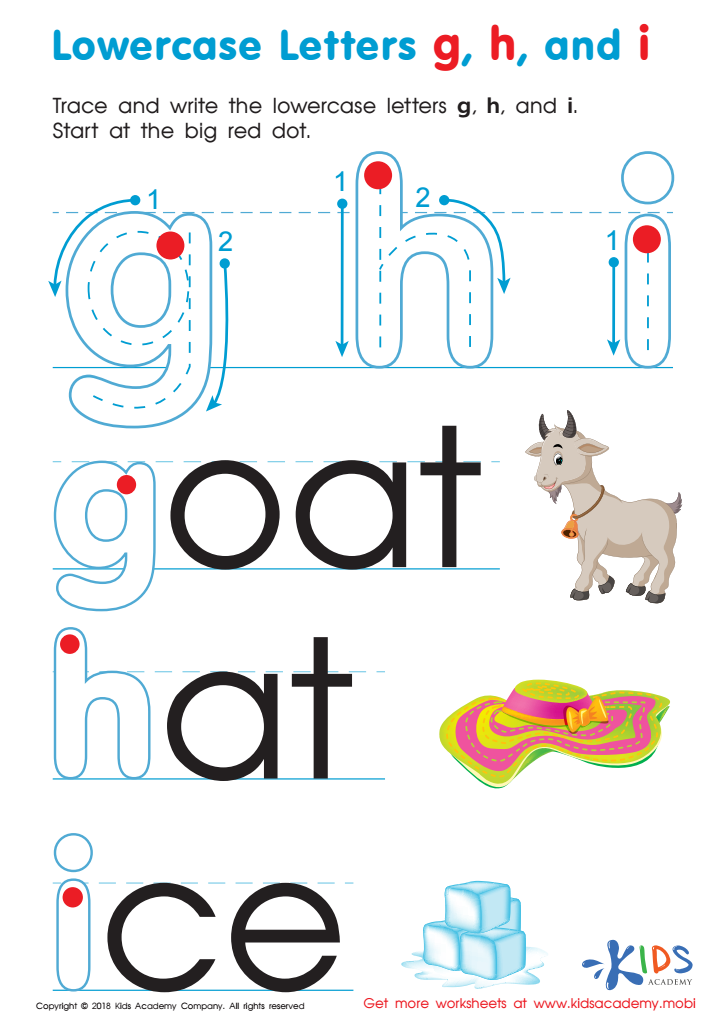
Lowercase Letters g h i Worksheet
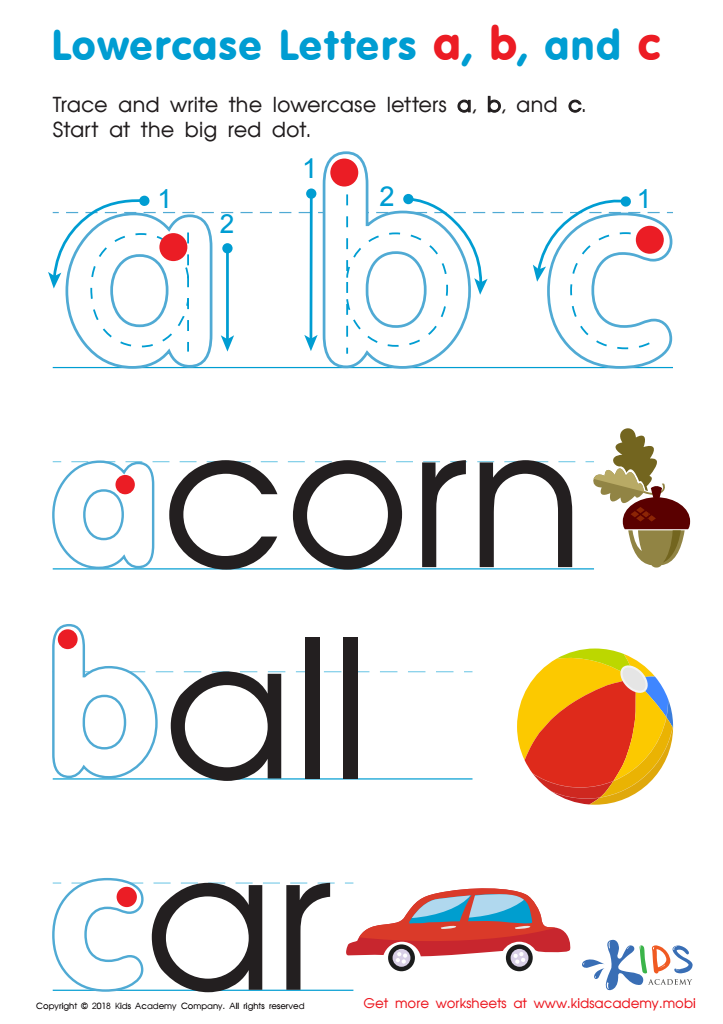
Lowercase Letters a b c Worksheet
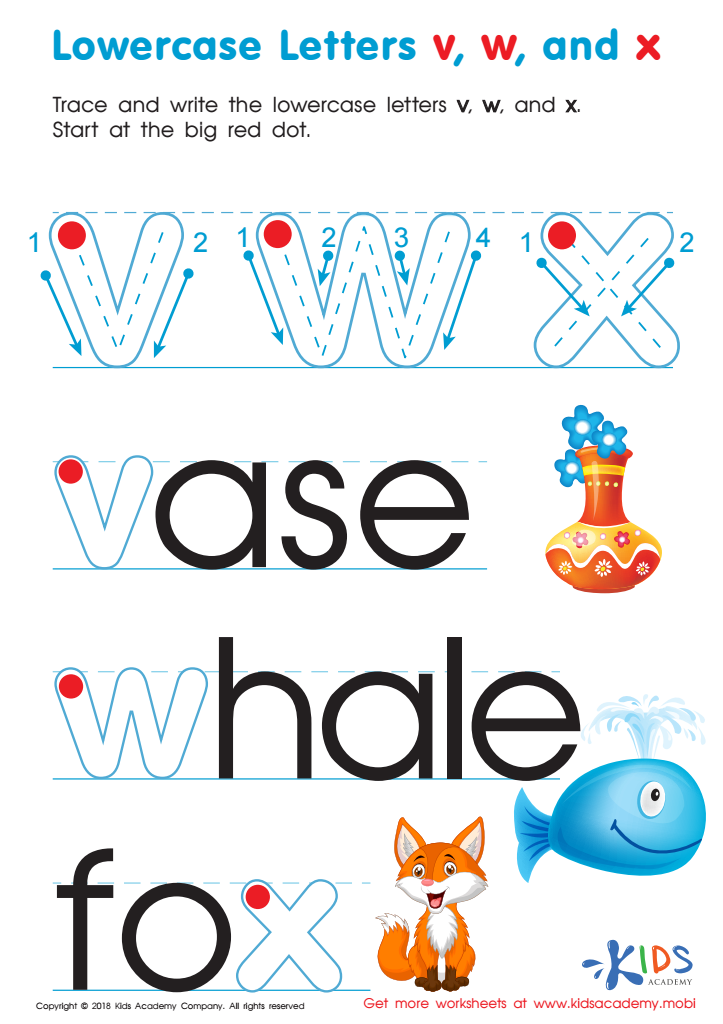
Lowercase Letters v w x Worksheet
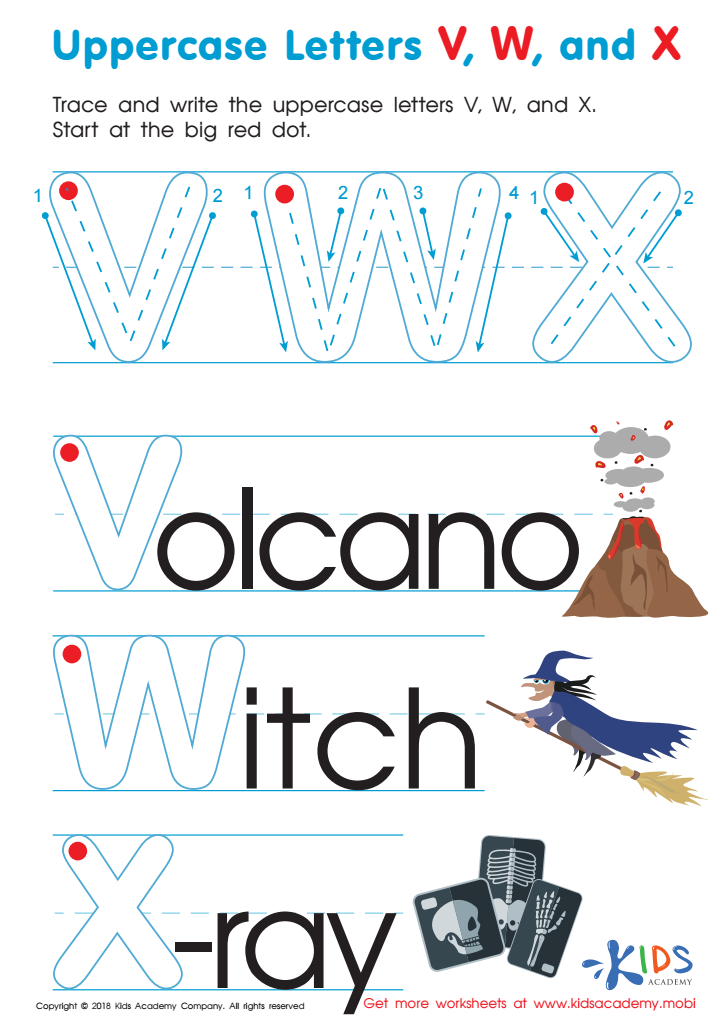
Uppercase Letters V, W, and X Worksheet






Parents and teachers should care about normal upper and lowercase letters for ages 6-8 because this skill is foundational for literacy development. During these early years, children are at a critical stage of learning to read and write, and understanding the difference between upper and lowercase letters is a crucial part of this process.
Mastery of both upper and lowercase letters helps children recognize and form letters correctly, leading to better readability and writing proficiency. This skill also aids in understanding the conventions of written language, such as capitalizing the first word of a sentence and proper nouns, which is essential for grammar.
Moreover, familiarity with both letter types positively impacts spelling and phonics. It enables children to accurately decode words and improves their ability to self-correct while reading and writing. Consistency in recognizing and using upper and lowercase letters can lead to faster, more fluid reading skills, crucial for academic success.
Finally, early mastery of this skill builds confidence and encourages a positive attitude toward learning. It sets a strong foundation for future language-related tasks, ensuring children are well-prepared for more advanced literacy challenges in later grades. Hence, it’s imperative for their overall academic growth and achievement.







