Normal Comparing Numbers Worksheets for Ages 6-8 - Page 2
32 filtered results
-
From - To
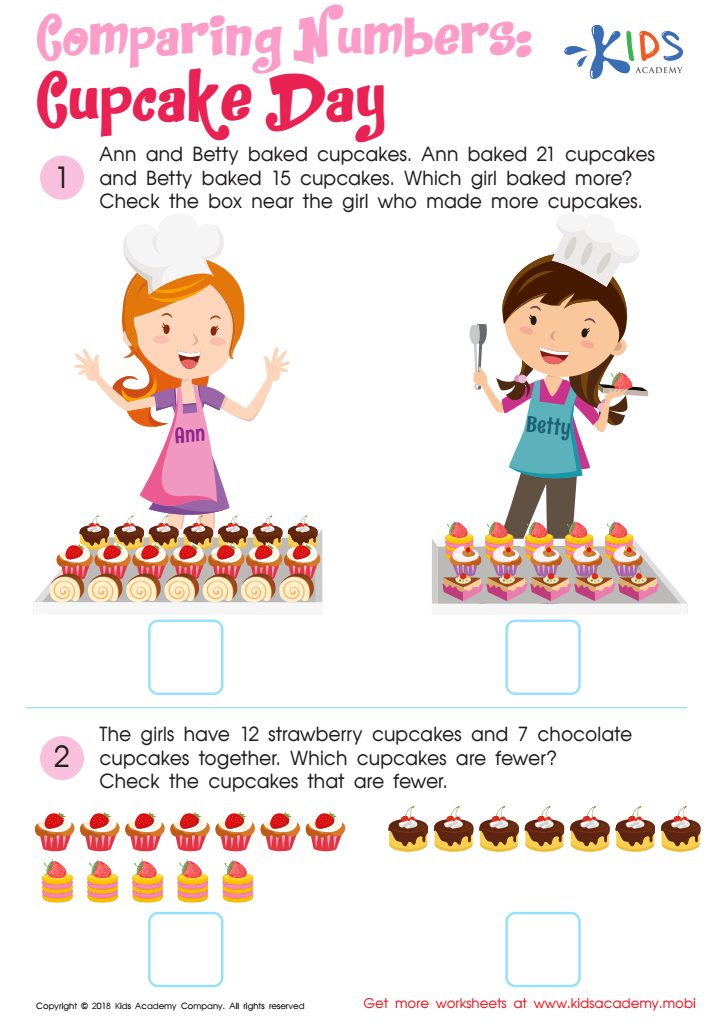
Cupcake Day Worksheet
 Assign to My Students
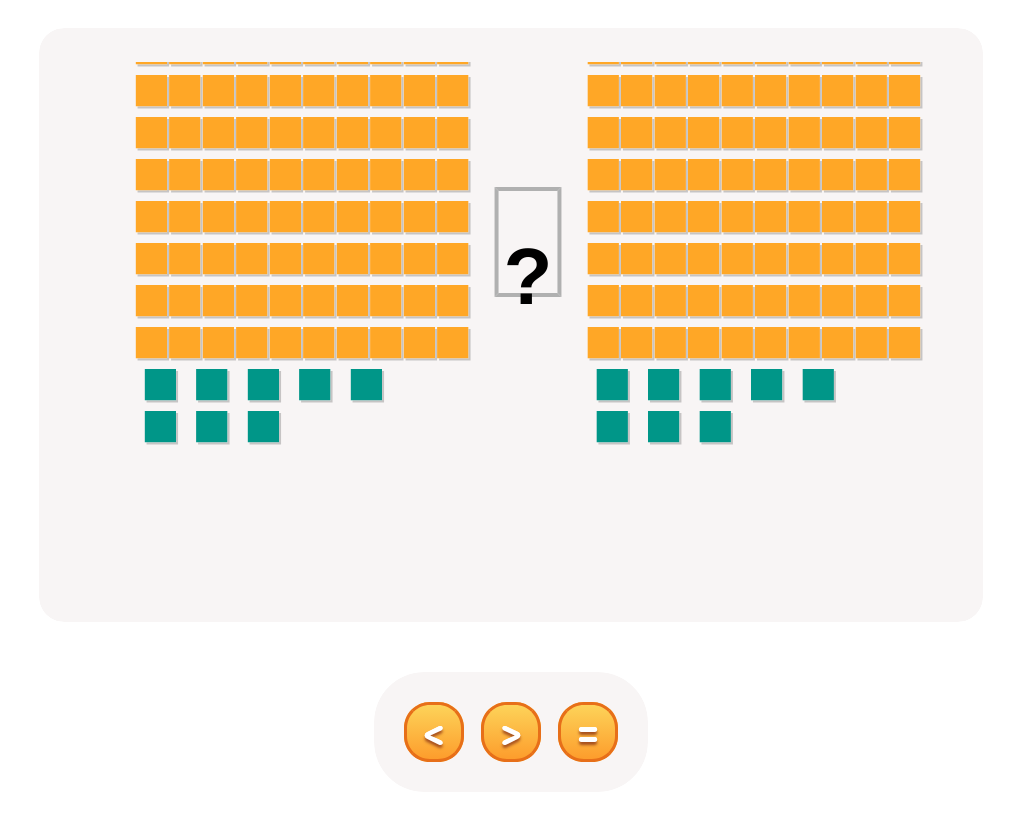

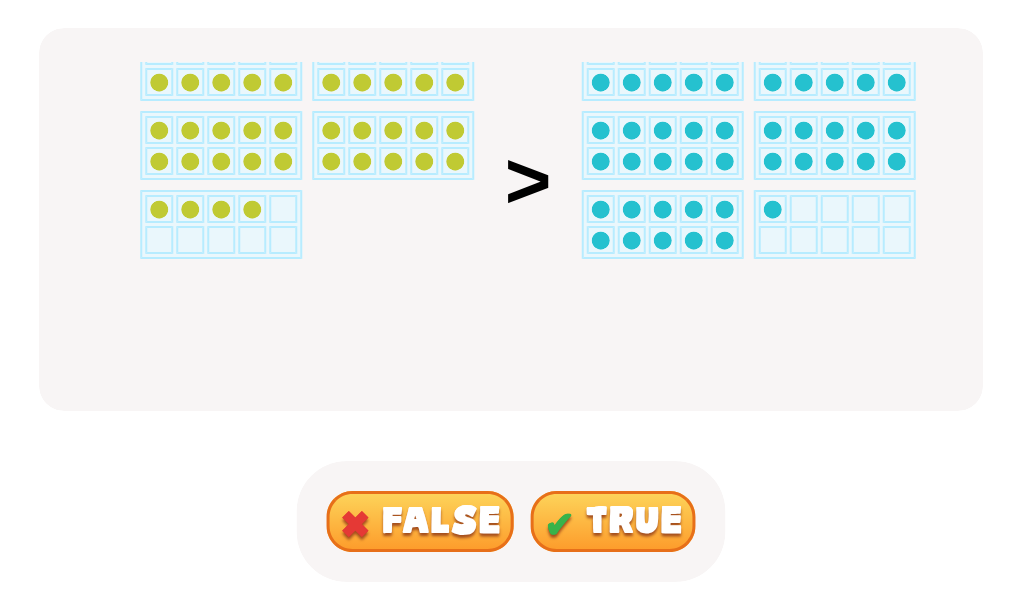
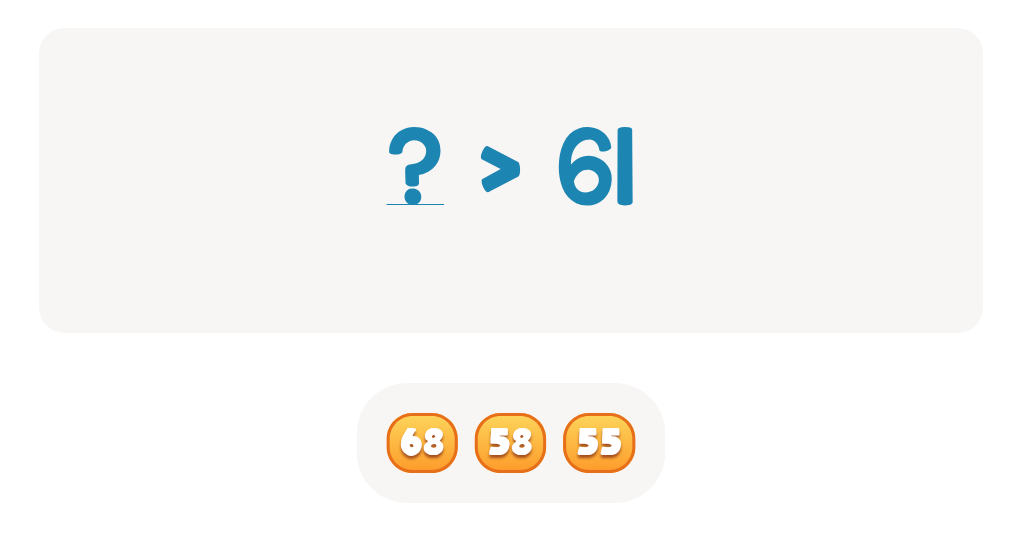
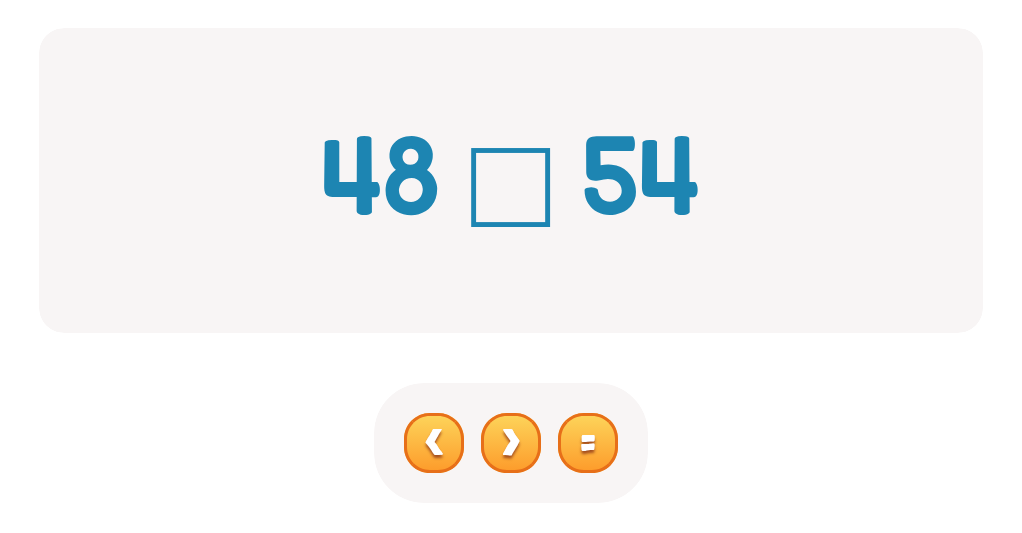
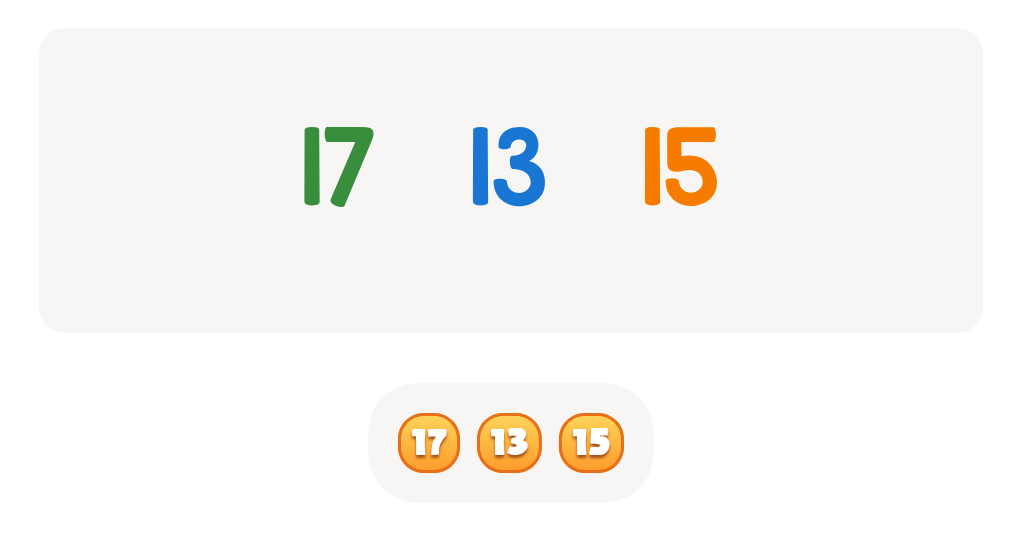
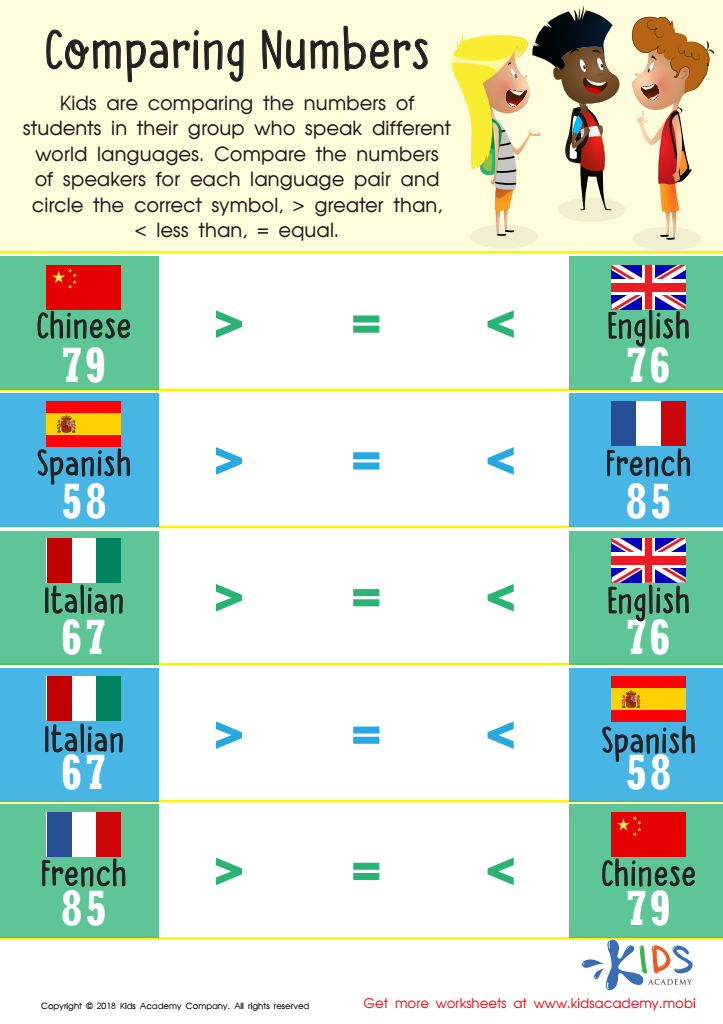
Comparing Numbers Worksheet for 1st Grade
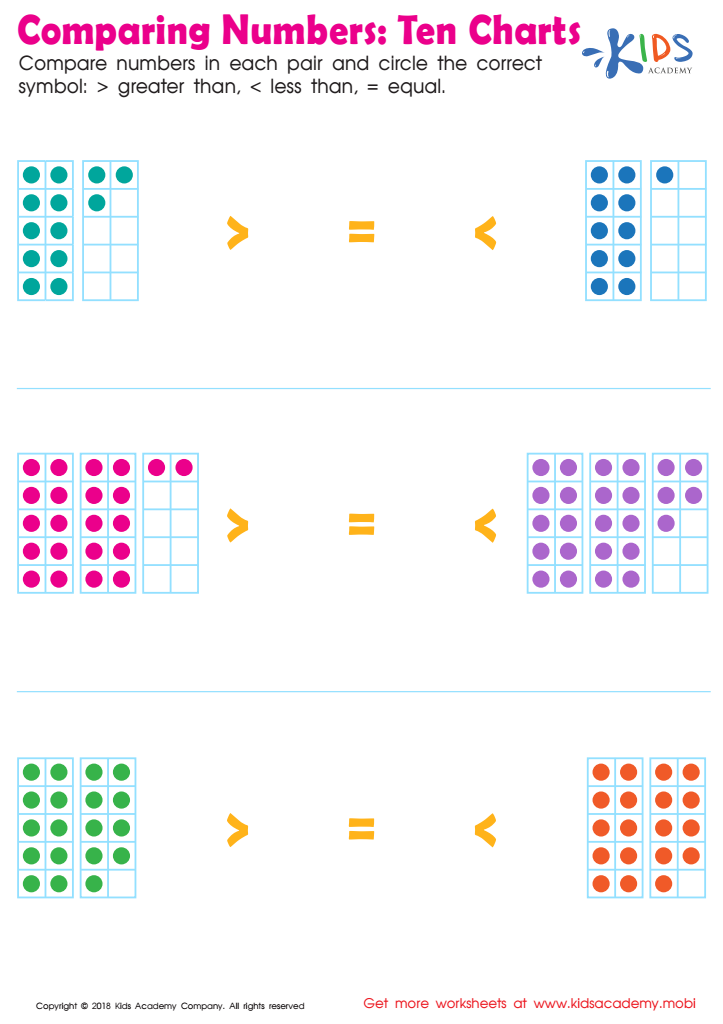
Ten Charts Worksheet
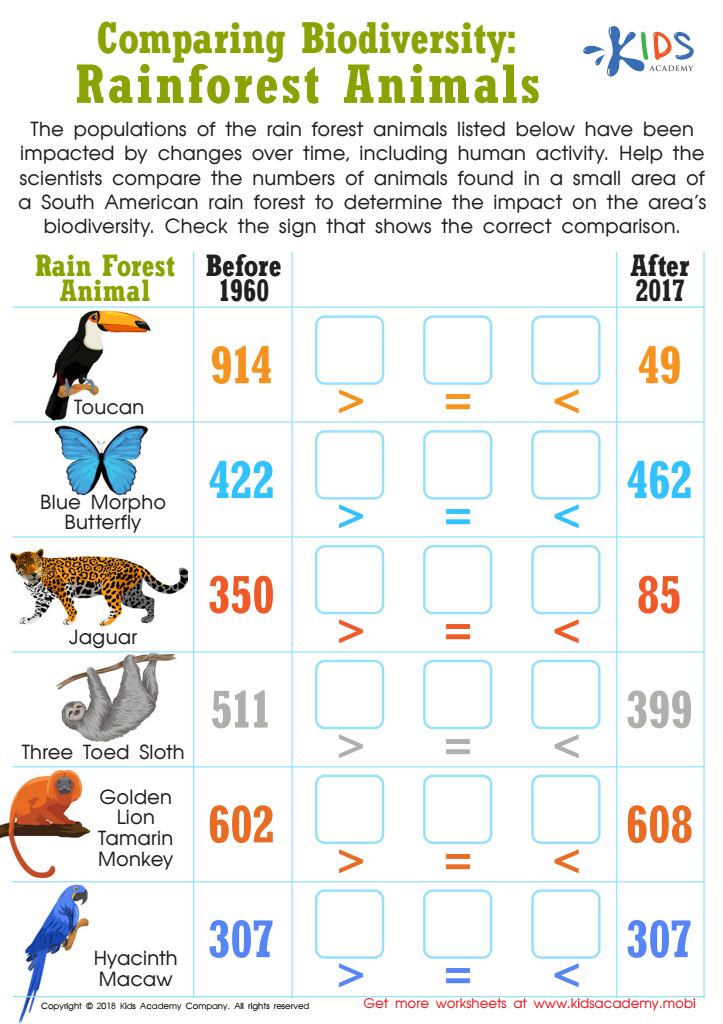
Comparing Biodiversity: Rainforest Animals Worksheet
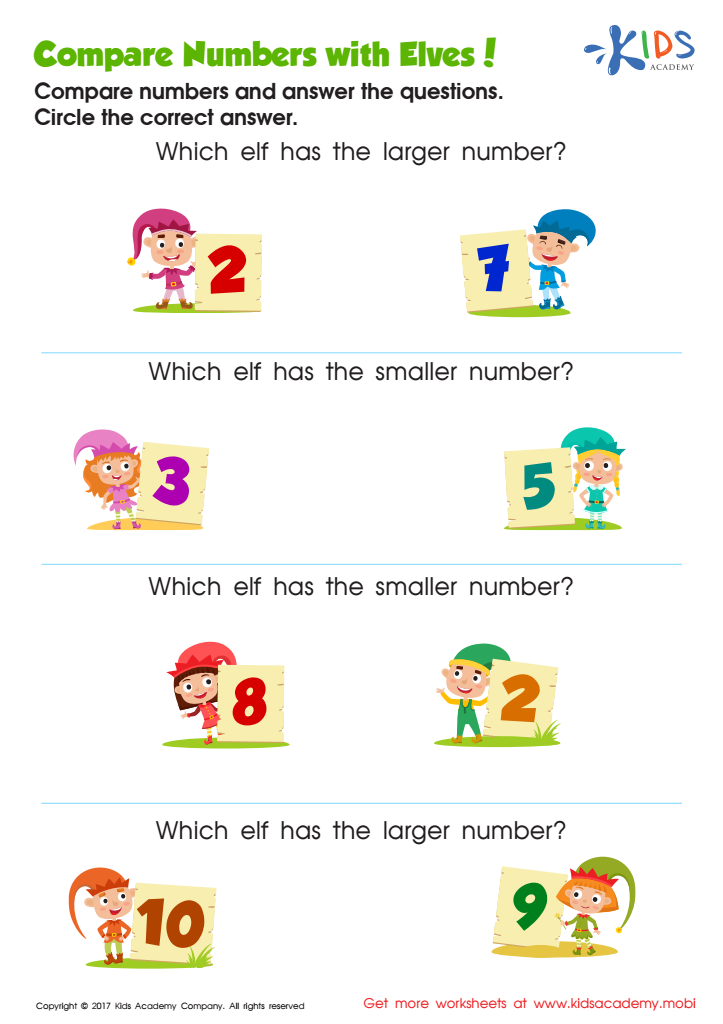
Comparing Numbers Worksheet for Kindergarten
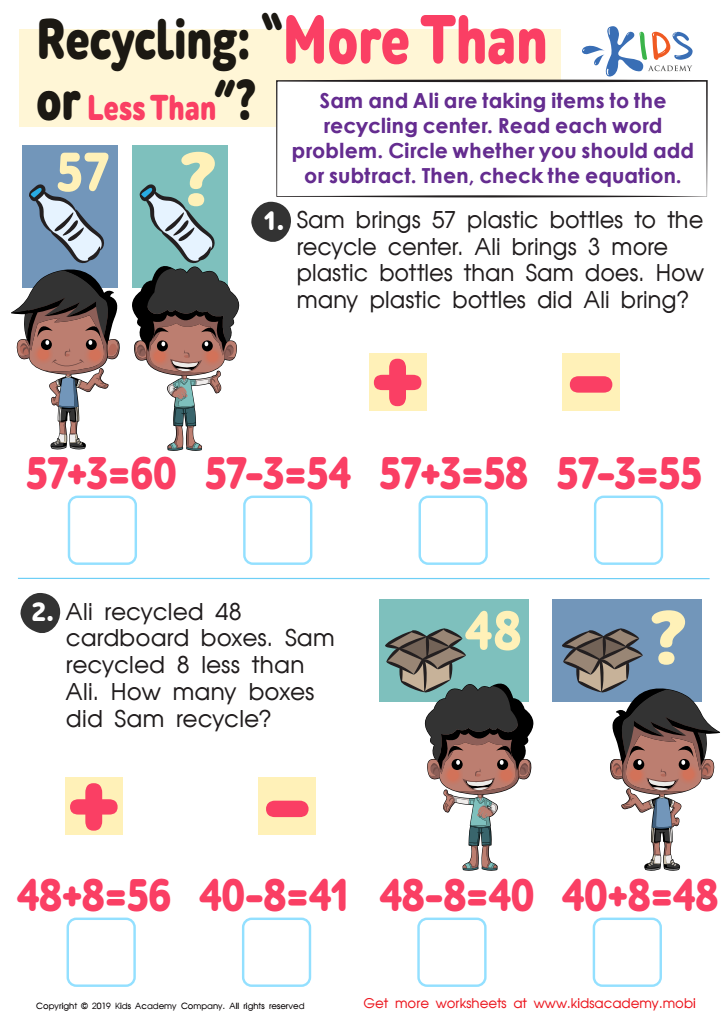
Recycling - More or Less Worksheet
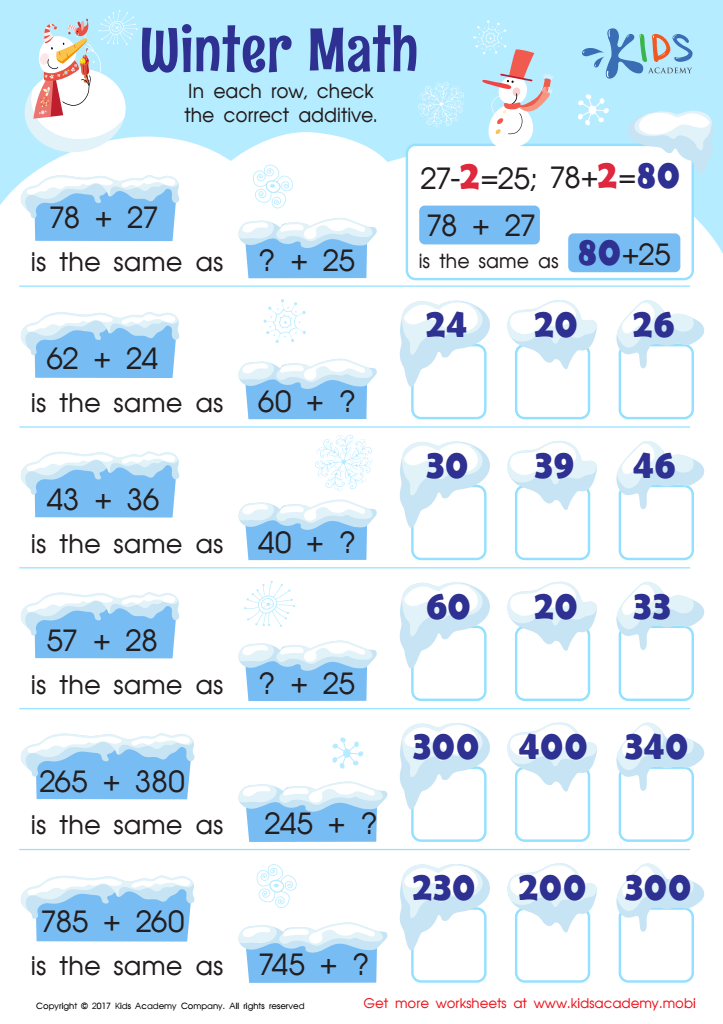
Free Addition Worksheet
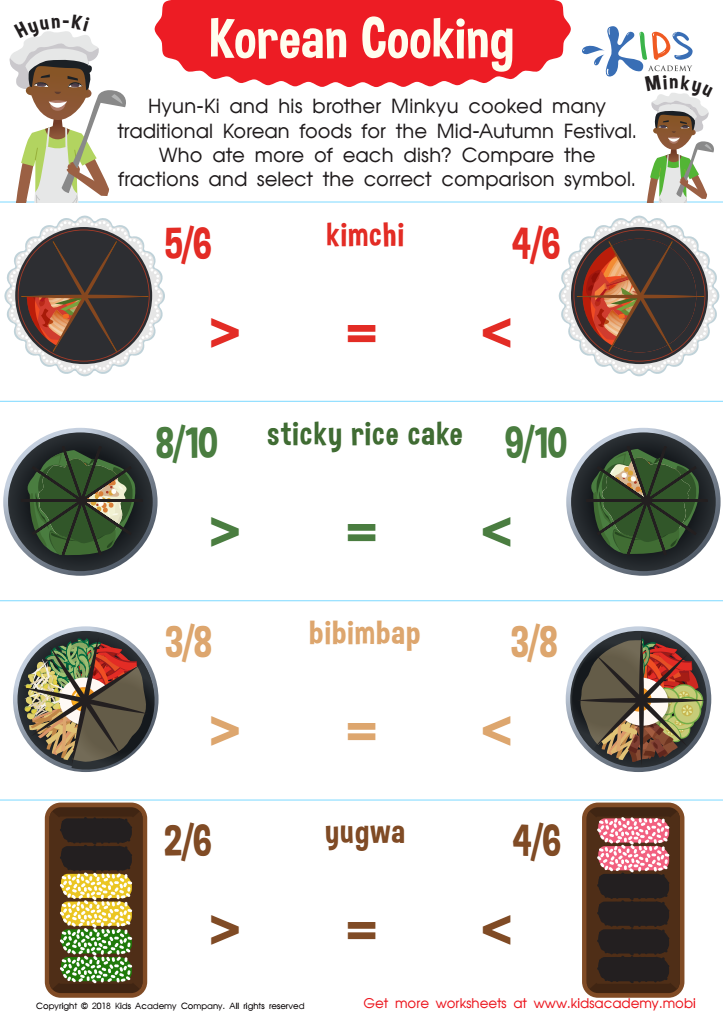
Korean Cooking Worksheet



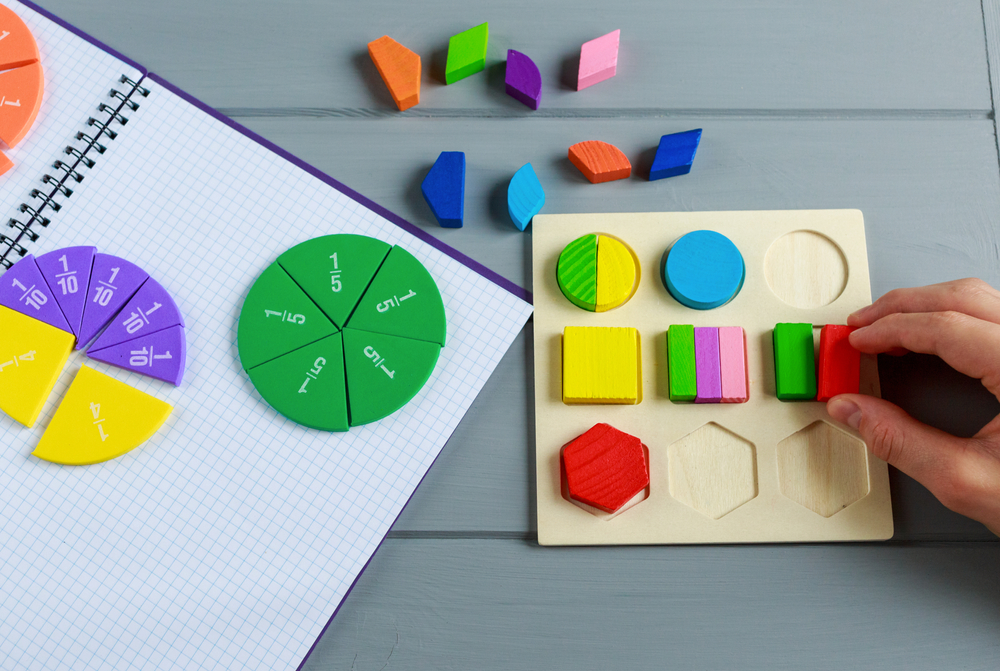




Teaching children aged 6-8 about comparing numbers is crucial for their foundational mathematical understanding and overall cognitive development. At this age, children are transitioning from concrete to more abstract thinking and need to grasp basic math concepts that will support their future learning.
Firstly, comparing numbers helps young learners develop number sense, which is the ability to understand, relate, and connect numbers. This skill underlies their ability to perform more complex mathematical operations such as addition, subtraction, and eventually multiplication and division. Children who can compare numbers easily can determine which of two numbers is larger or smaller, which is an essential skill in solving math problems and understanding quantifiable aspects of the world around them.
Secondly, comparing numbers is directly related to real-life skills such as measuring, estimating, and organizing. For instance, through understanding which numbers are greater or less, children can begin to make sense of everyday tasks such as measuring ingredients for a recipe or figuring out who has more or fewer items.
Parents and teachers should emphasize activities and lessons that make comparing numbers engaging and meaningful. Through games, visual aids, and practical examples, children can see the relevance in daily contexts, thereby fostering curiosity, confidence, and a love for learning mathematics from an early age.