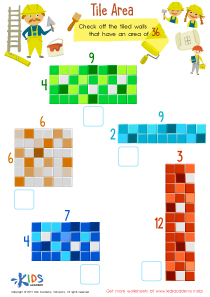
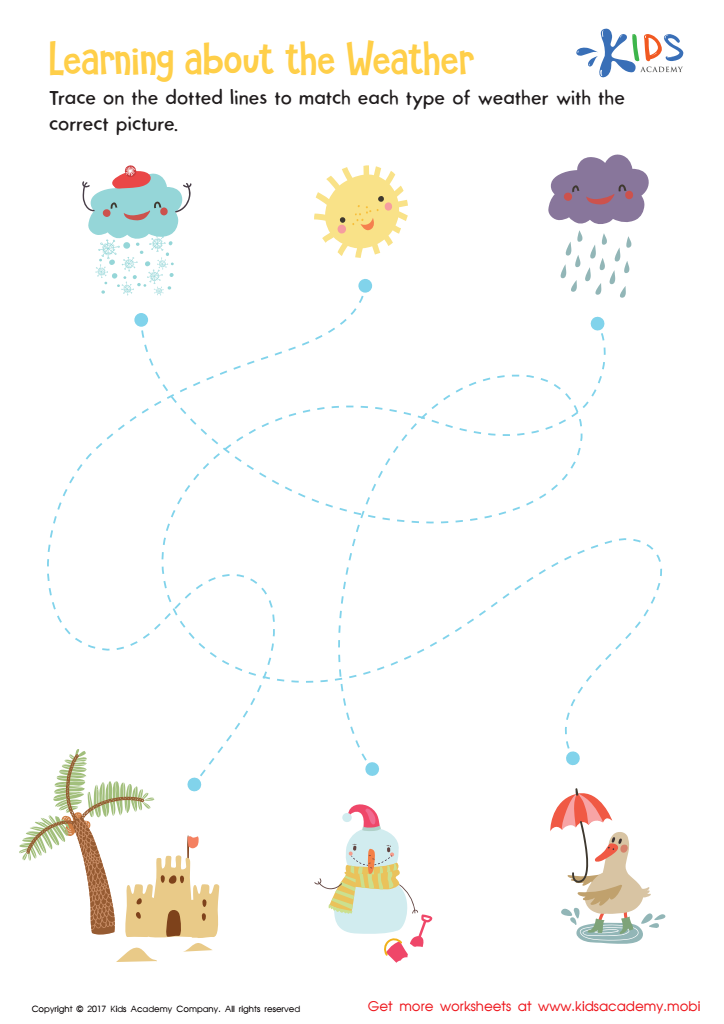
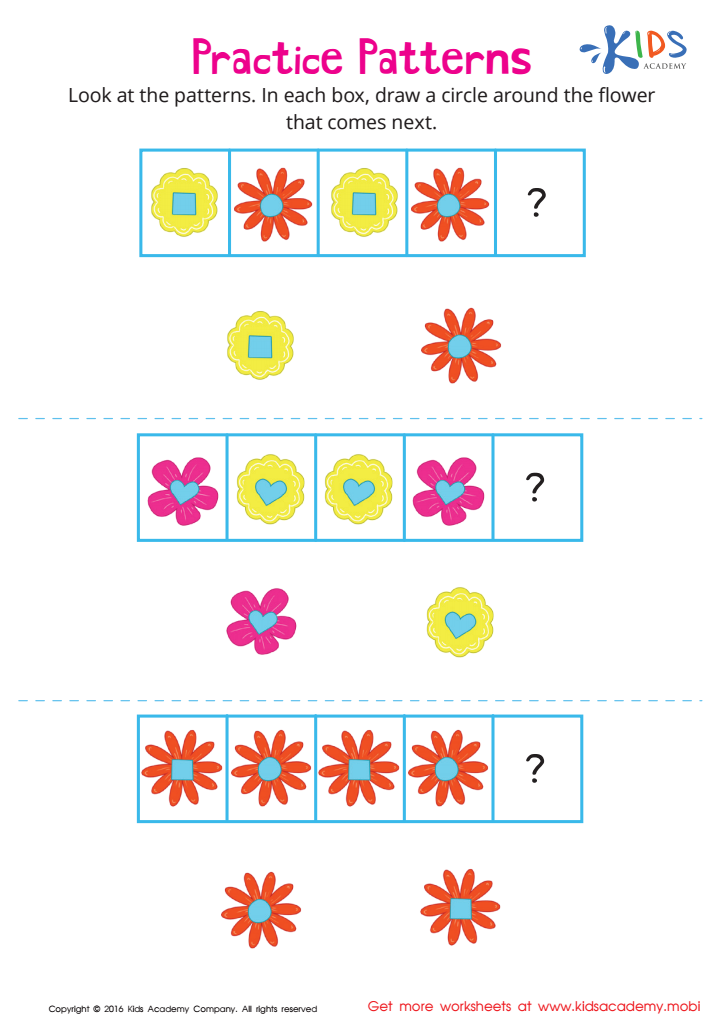
Normal Matching Worksheets for Ages 6-8 - Page 2
29 filtered results
-
From - To
 Assign to My Students
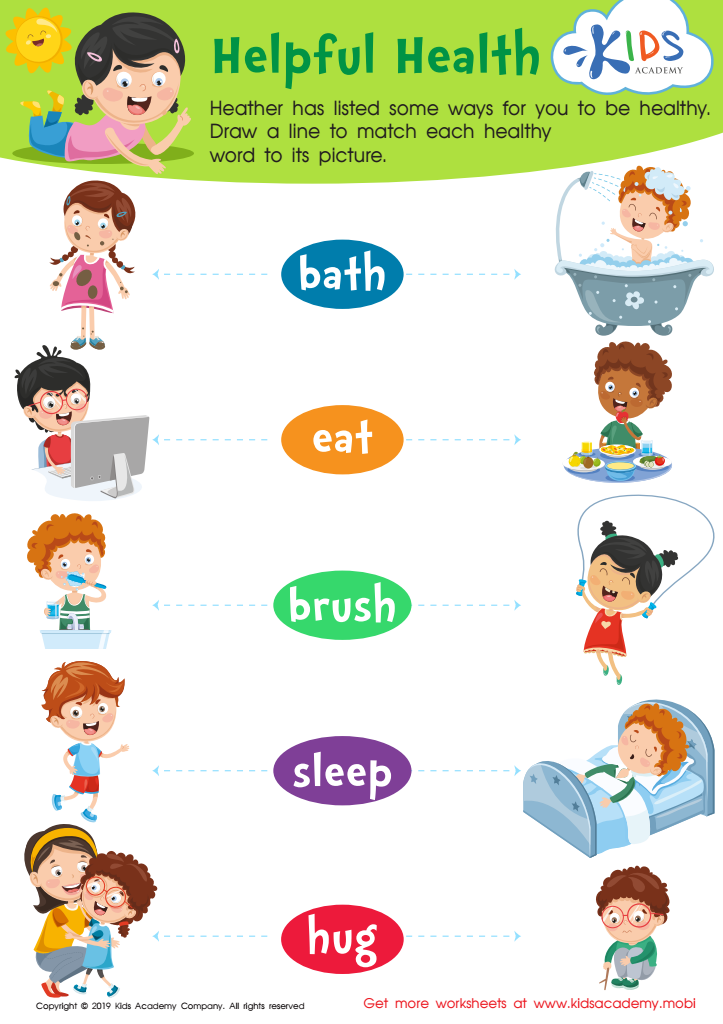
Helpful Health Worksheet
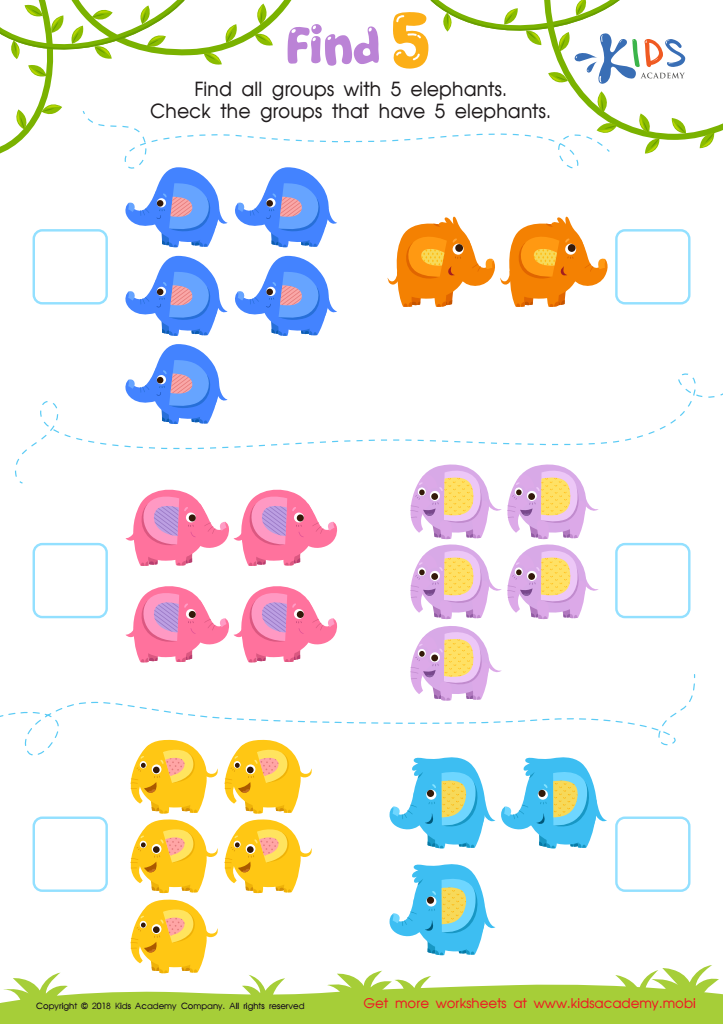
Find 5 Worksheet
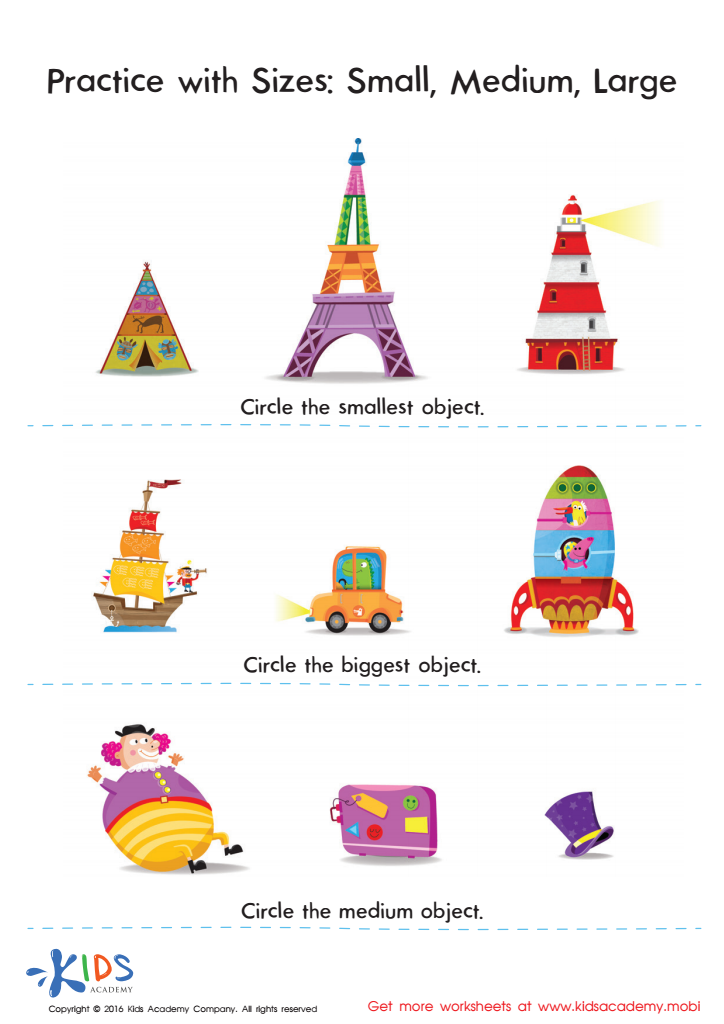








Normal Matching is a critical cognitive skill for children aged 6-8, and it's essential for parents and teachers to engage with it actively. At this age, children are developing essential reasoning and logical thinking abilities. Normal Matching involves recognizing patterns, categorizing information, and making connections between similar concepts, which are fundamental skills for problem-solving and learning across subjects.
Understanding and supporting Normal Matching can have a significant impact on a child's academic performance. It fosters early mathematical skills, supports literacy through phonological awareness, and enhances understanding in science by enabling children to group and differentiate various entities. Furthermore, Normal Matching promotes critical thinking and promotes social-emotional skills by helping children learn to interpret social cues and interact with their peers effectively.
When parents and teachers focus on activities that encourage Normal Matching, such as sorting games, pattern sequences, and classification tasks, they nurture children’s cognitive development. This not only aids their current learning but also lays a foundation for lifelong academic success. By prioritizing Normal Matching, caregivers are ensuring that children thrive both intellectually and socially at a pivotal stage in their development. Thus, investing time in this area is vital for holistic growth.