Normal Geography Worksheets for Ages 6-8 - Page 2
48 filtered results
-
From - To
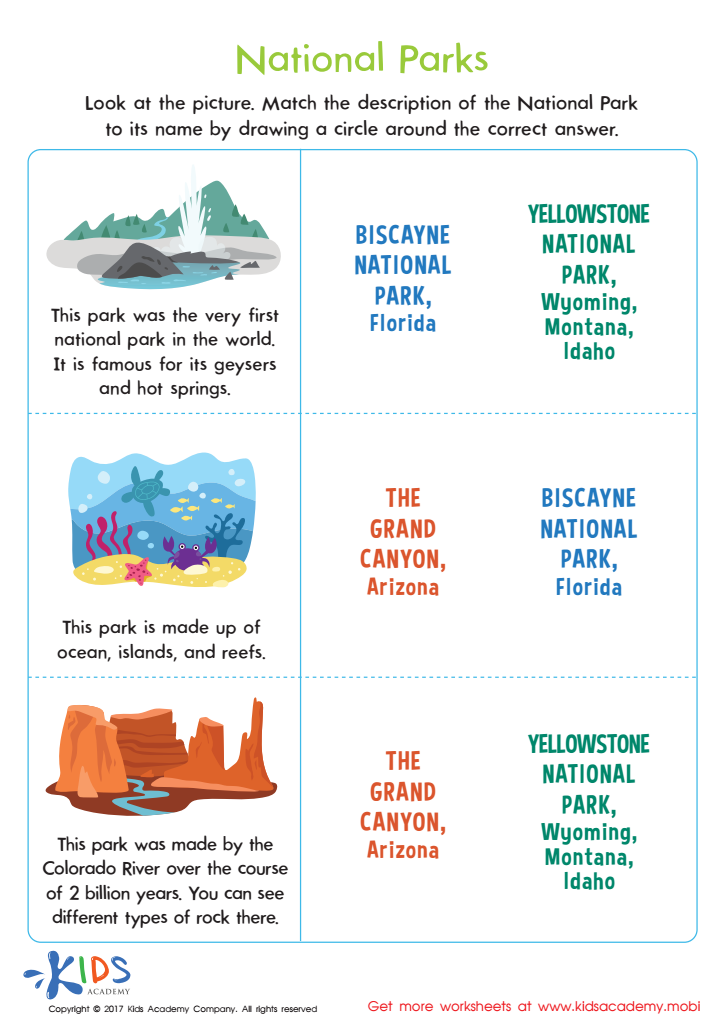
National Parks Printable
 Assign to My Students
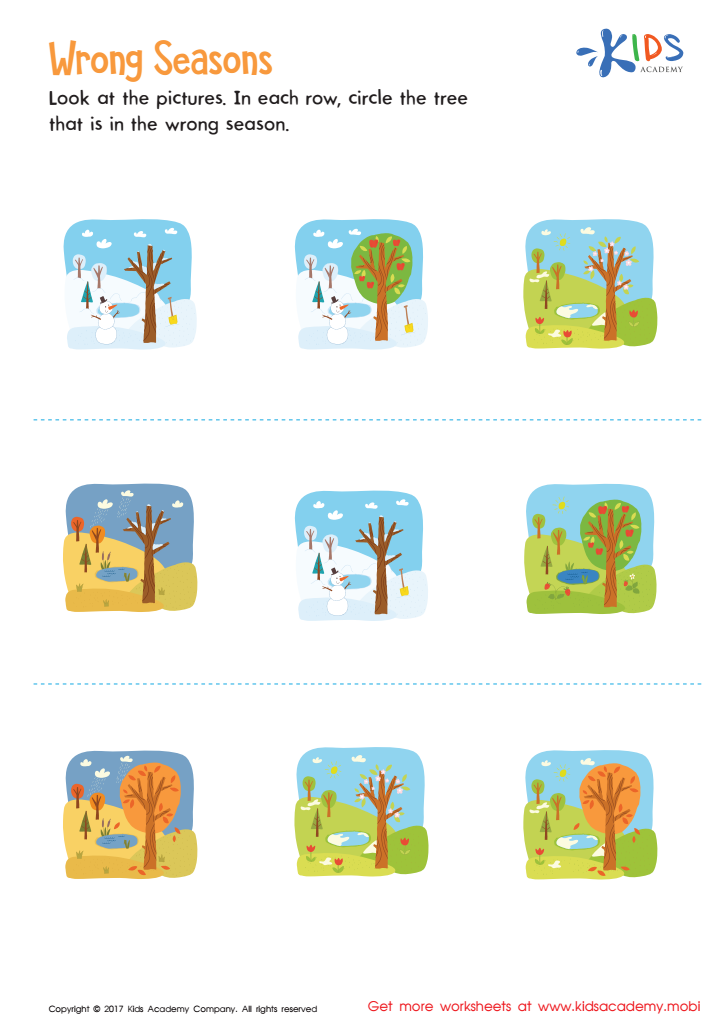
Wrong Seasons Worksheet
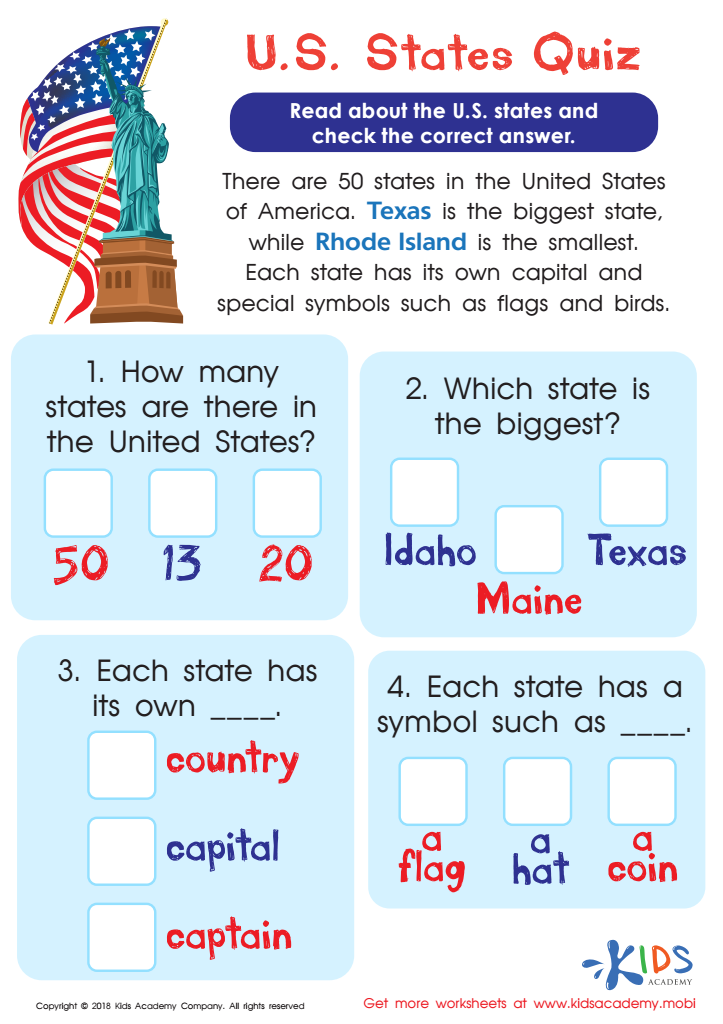
U.S. States Quiz Worksheet
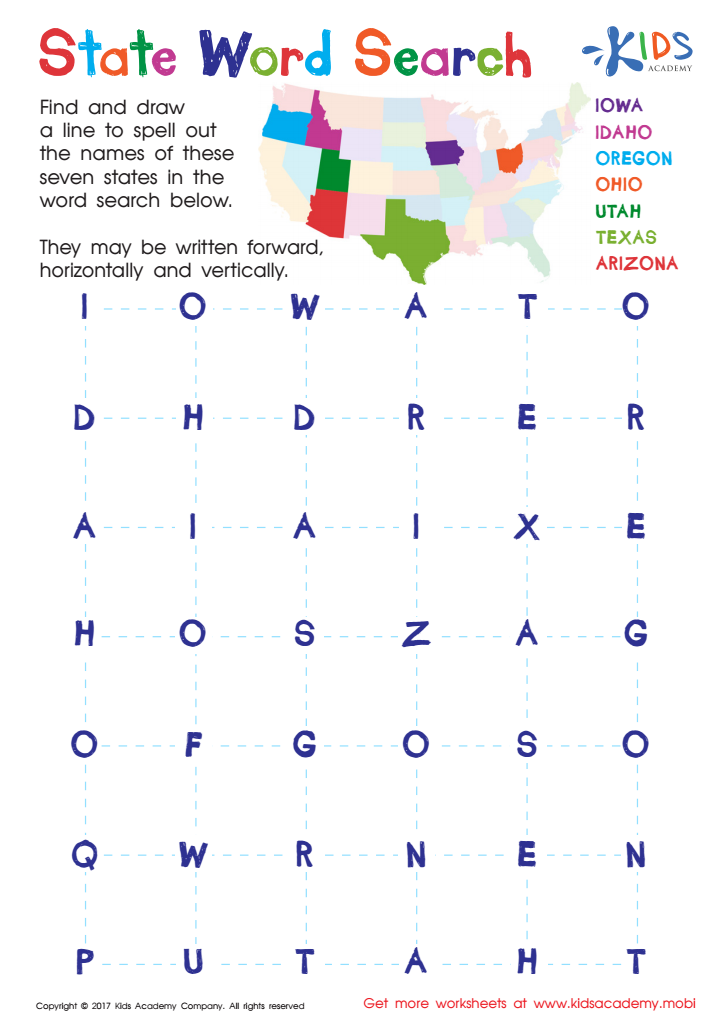
State Word Search Worksheet
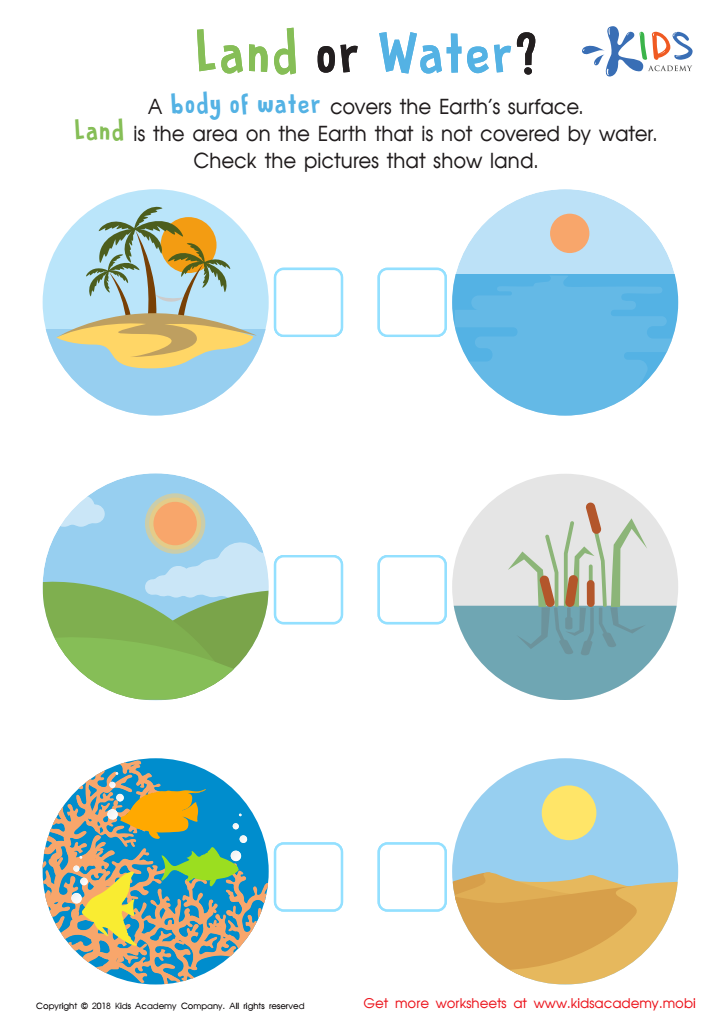
Land or Water Worksheet
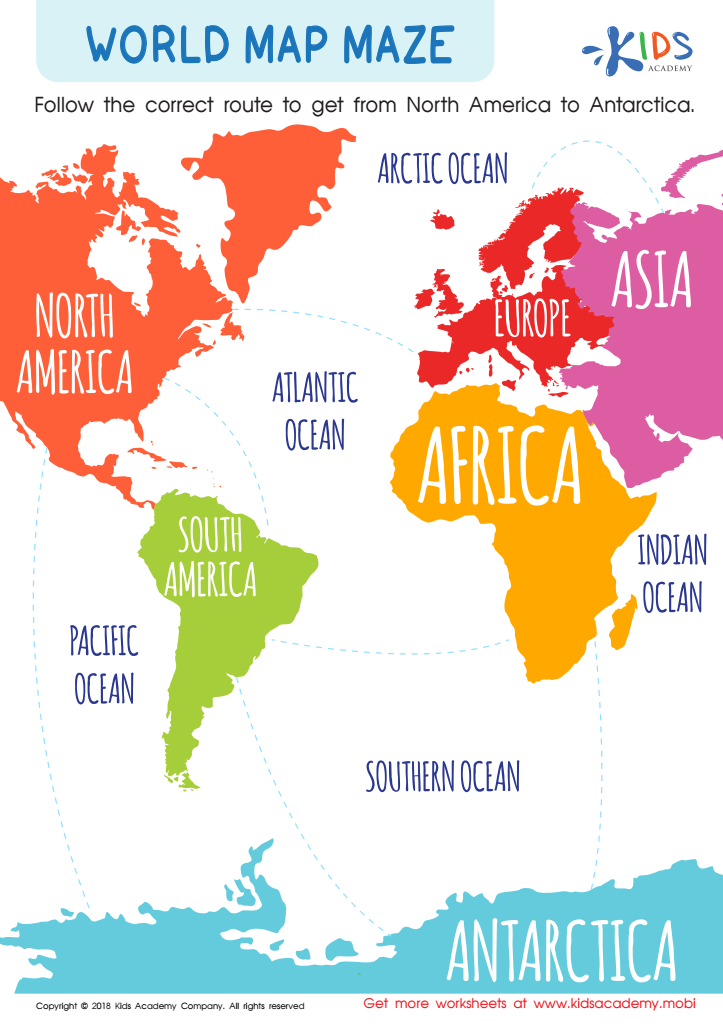
World Map Maze Worksheet
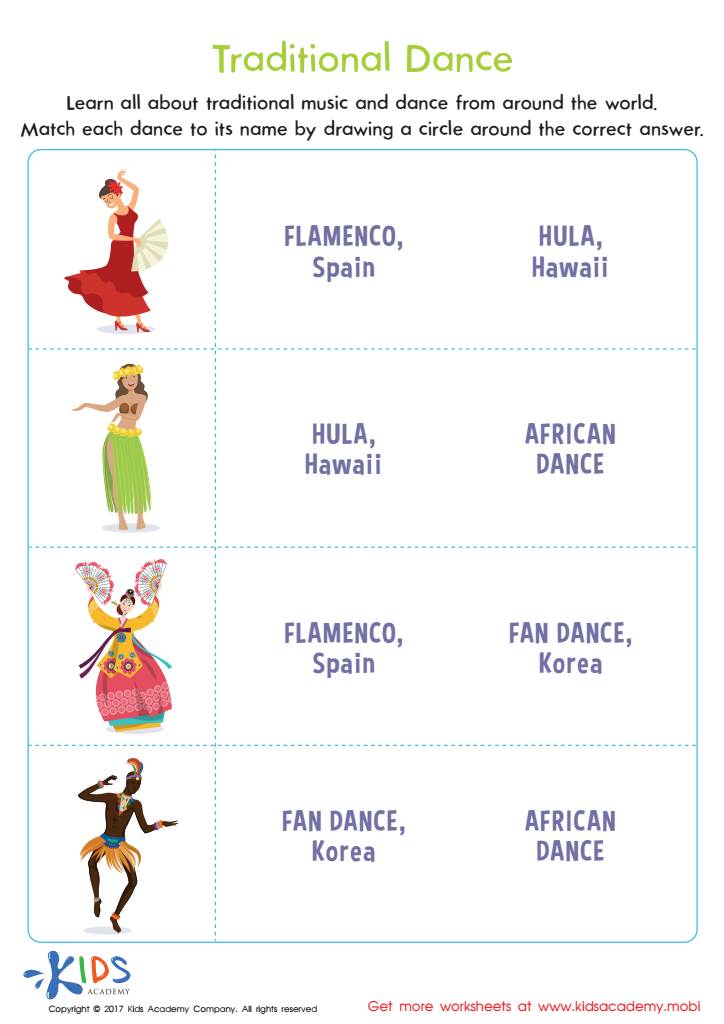
Traditional Dance Printable
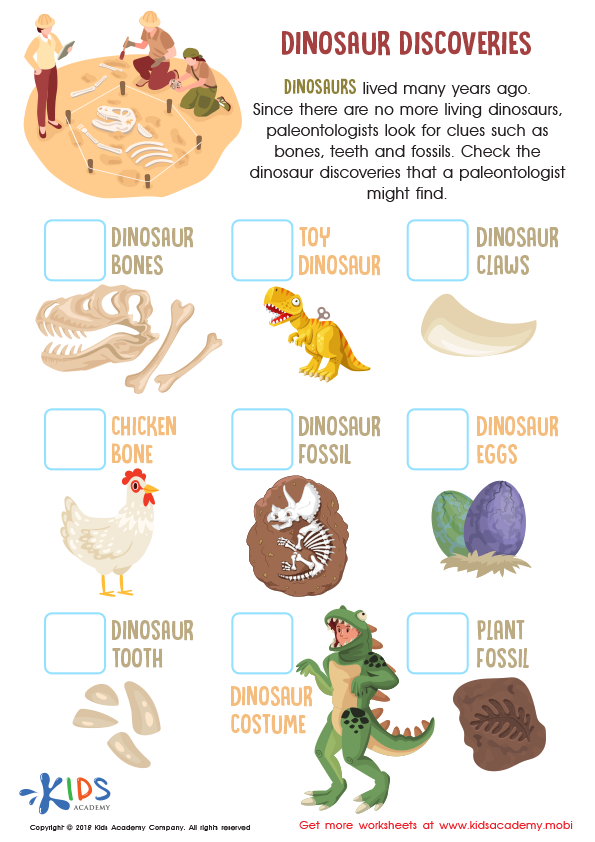
Dinosaur Discoveries Worksheet
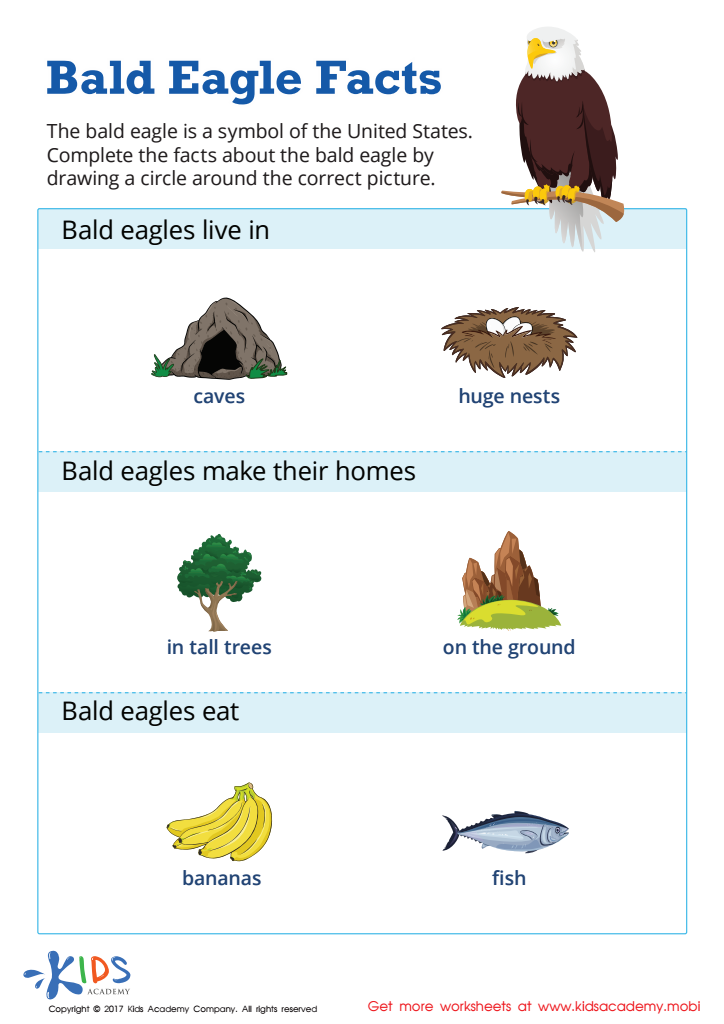
Bald Eagle Facts Worksheet
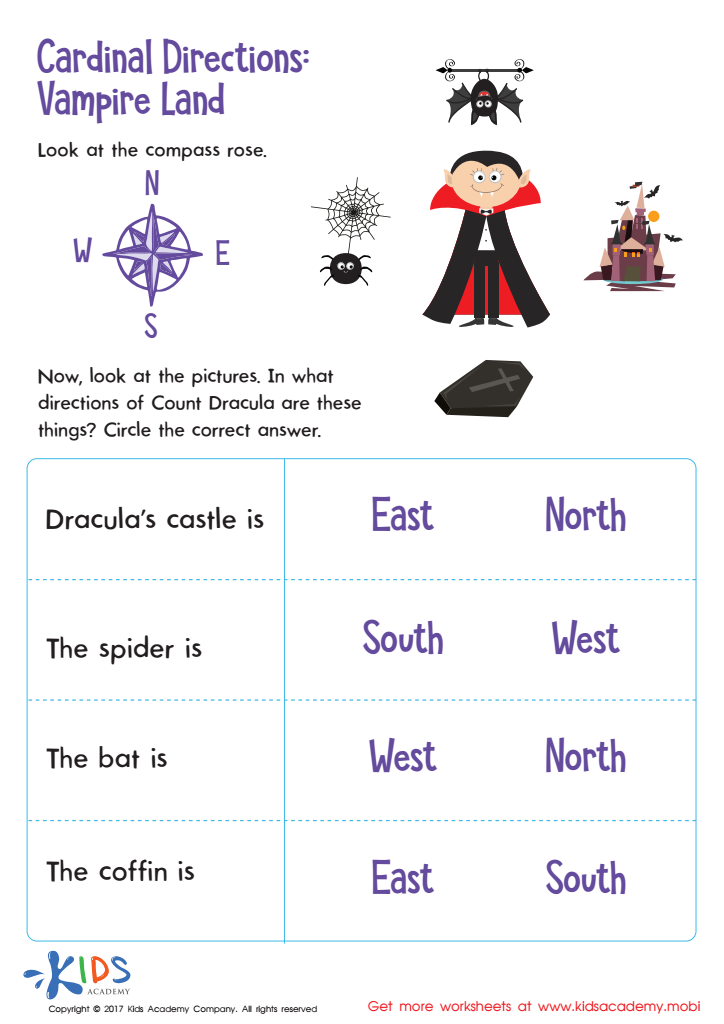
Cardinal Directions Printable
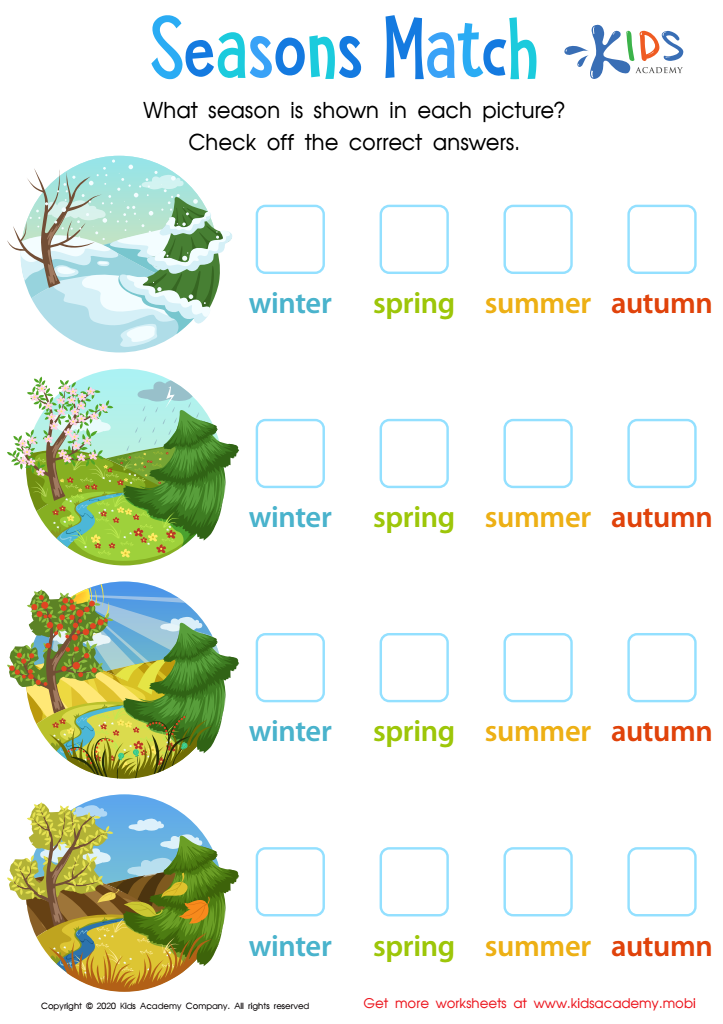
Seasons Match Worksheet
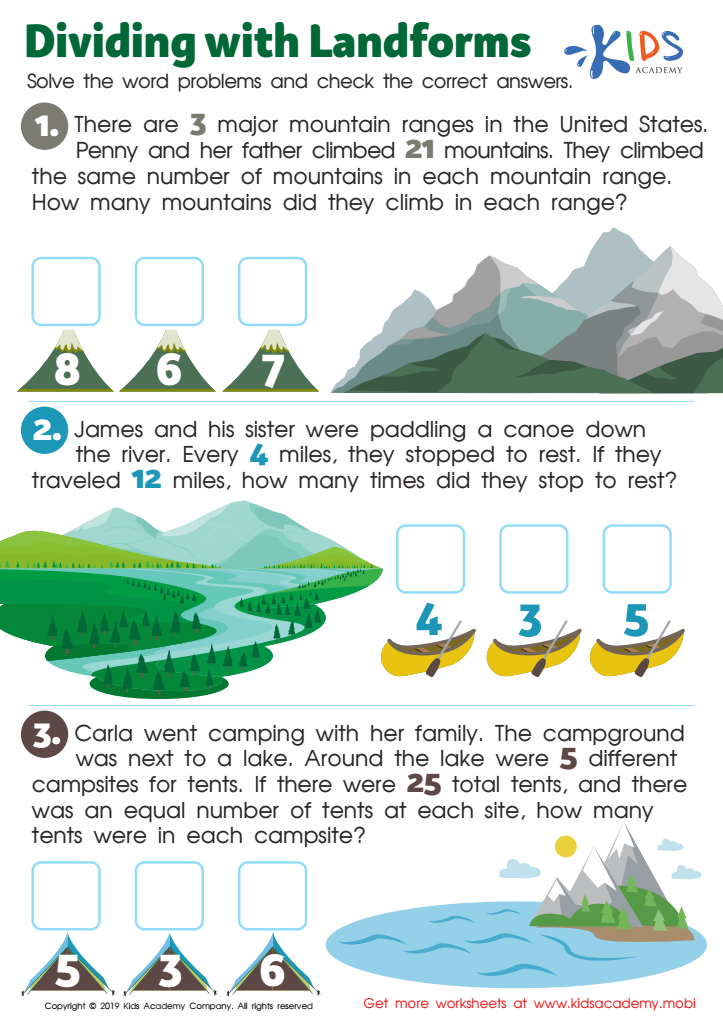
Dividing with Landforms
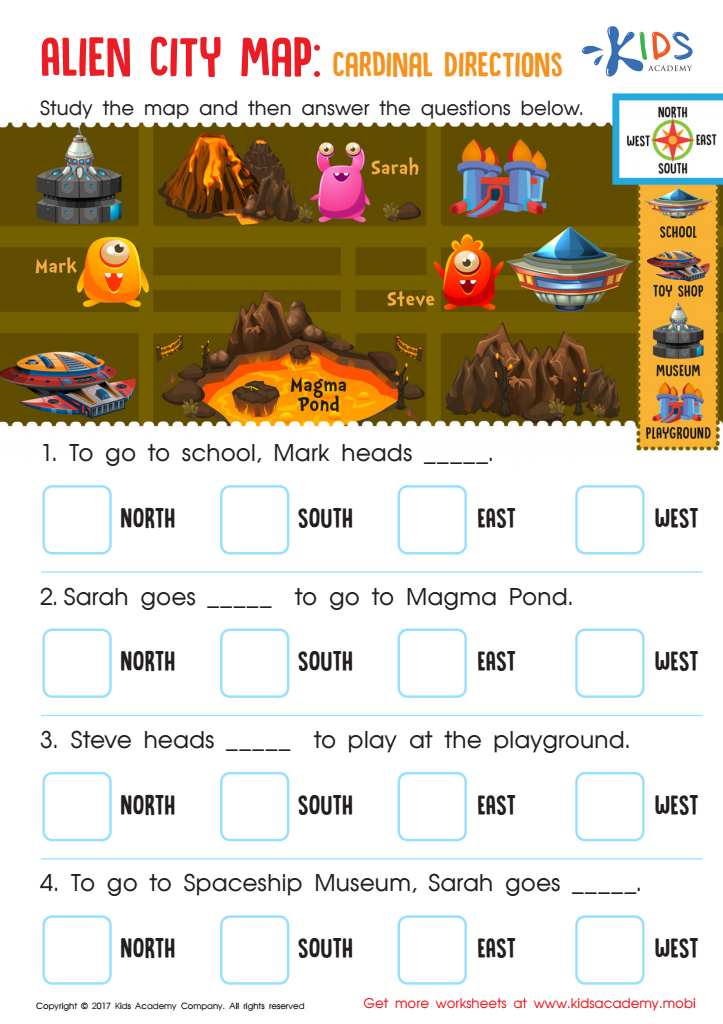
Alien City Map: Cardinal Directions Worksheet
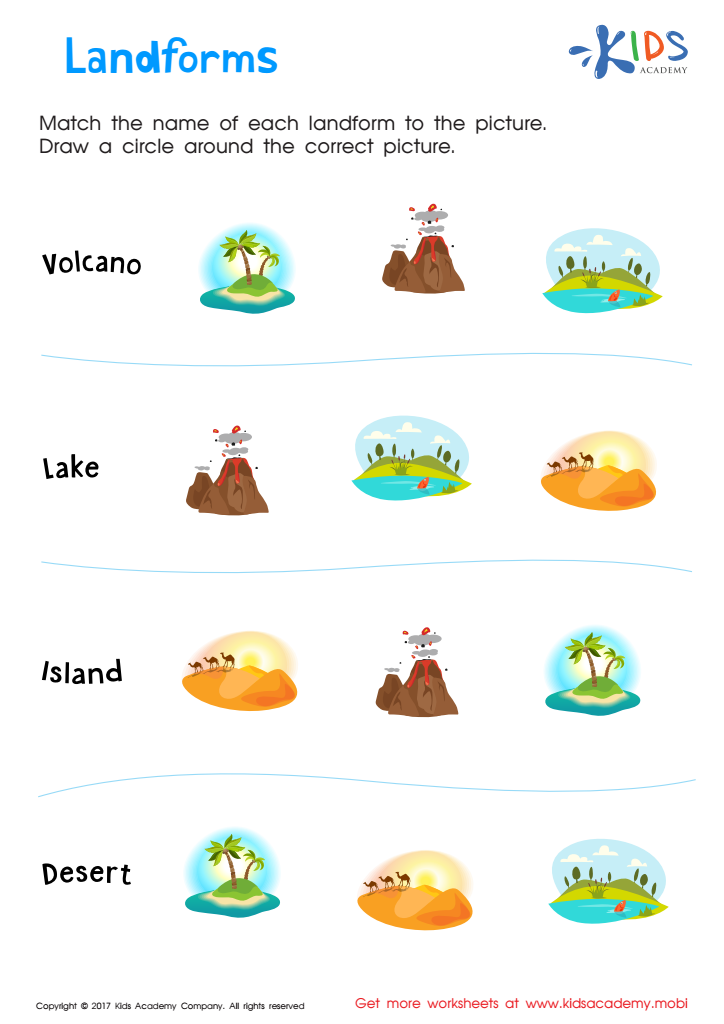
Landforms Printable
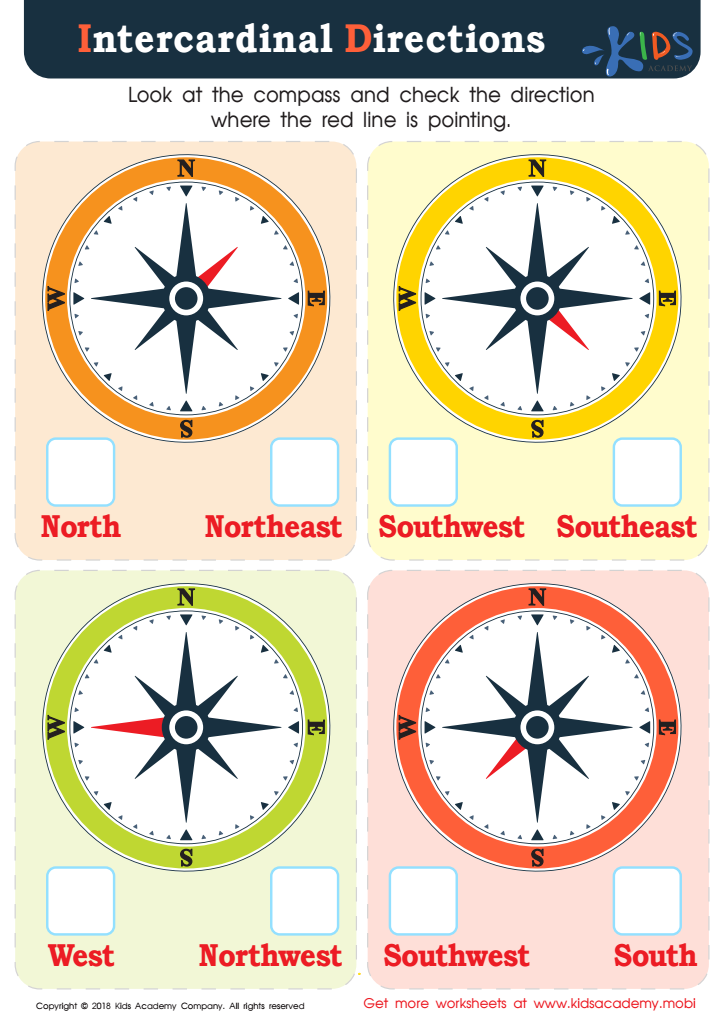
Intercardinal Directions Worksheet
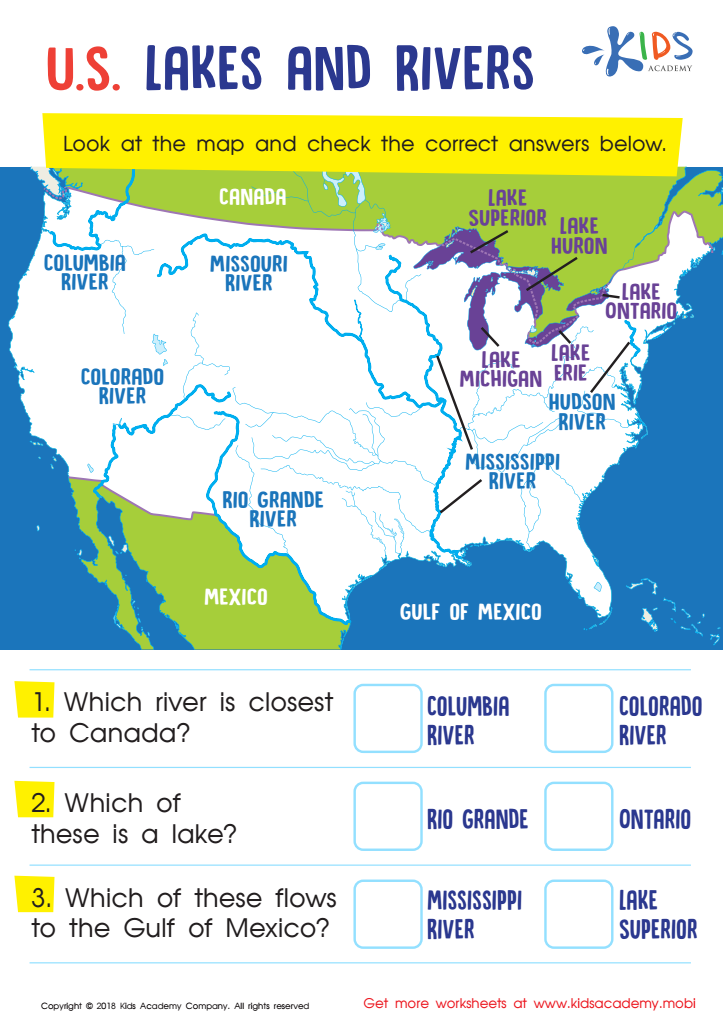
U.S. Lakes and Rivers Worksheet
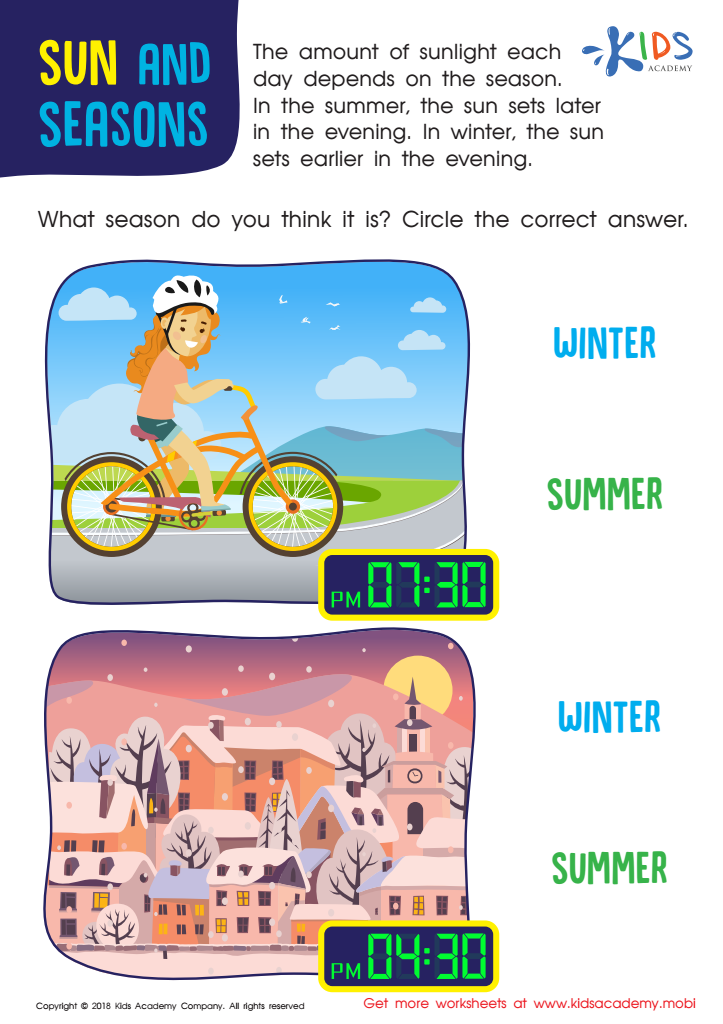
Sun and Seasons Worksheet
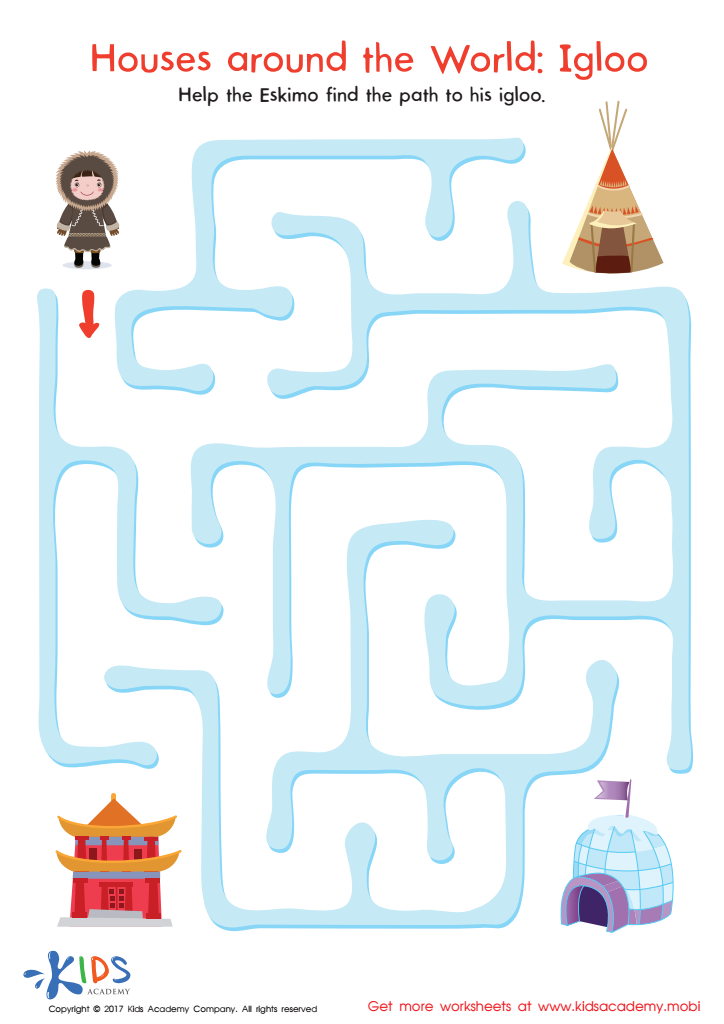
Houses Around the World: Igloo Printable
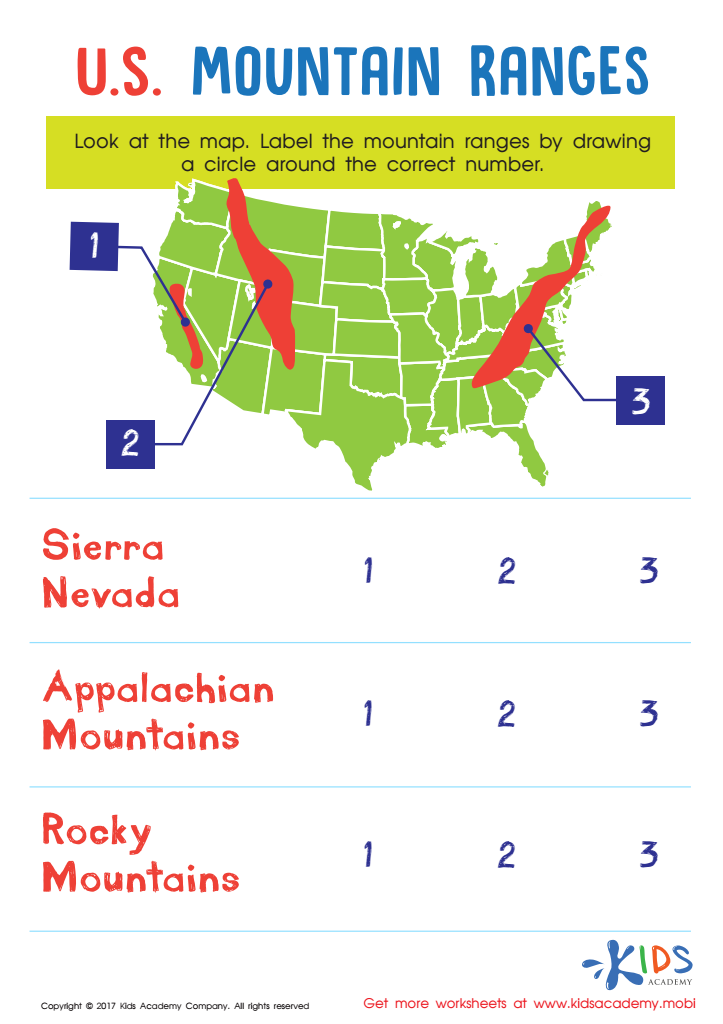
US Mountain Ranges Worksheet
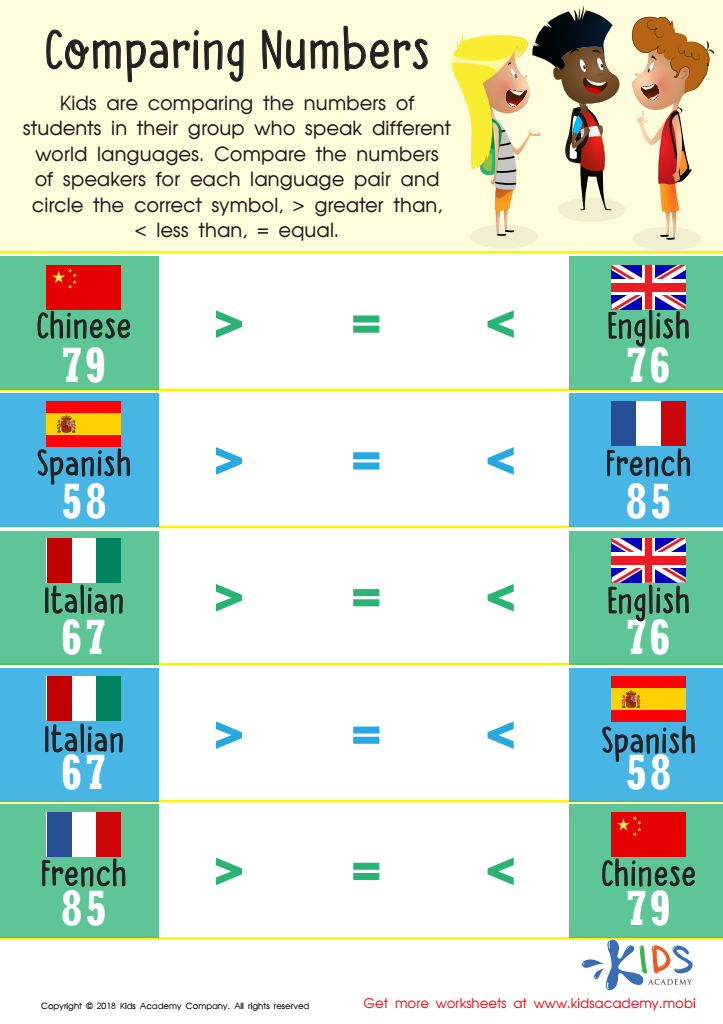
Comparing Numbers Worksheet for 1st Grade
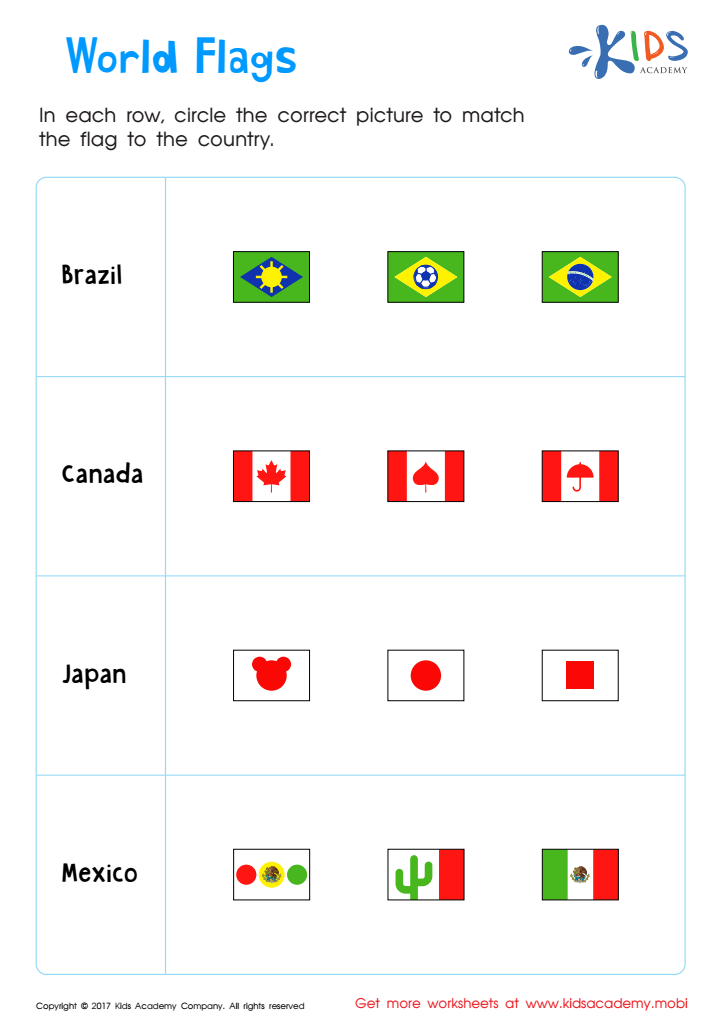
World Flags Printable
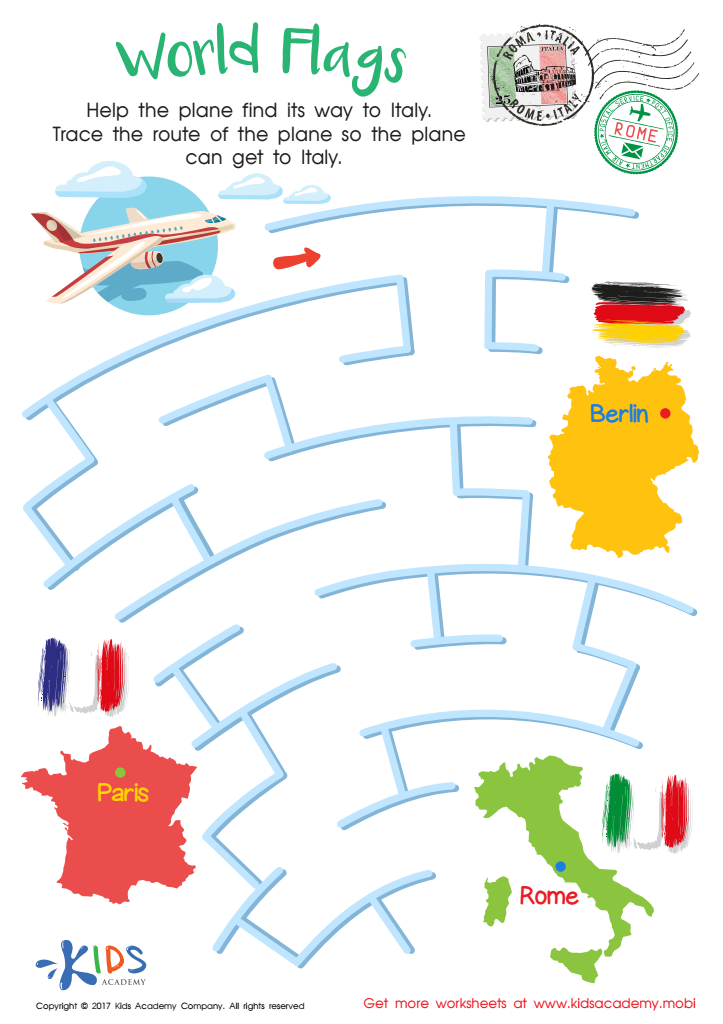
World Flags Maze Worksheet
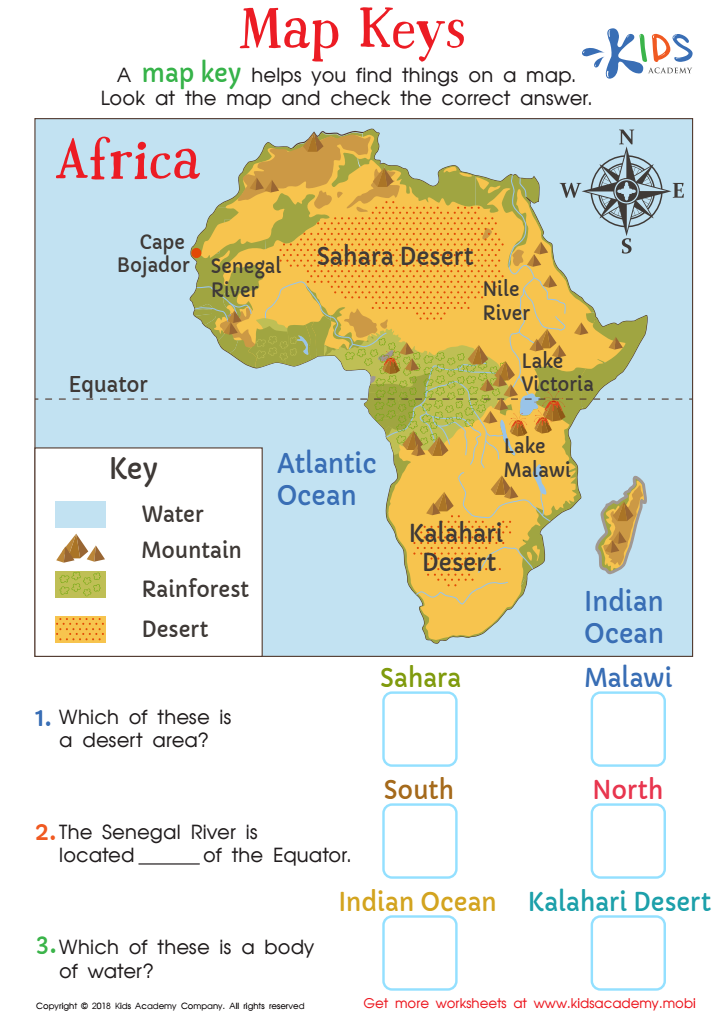
Map Keys Worksheet
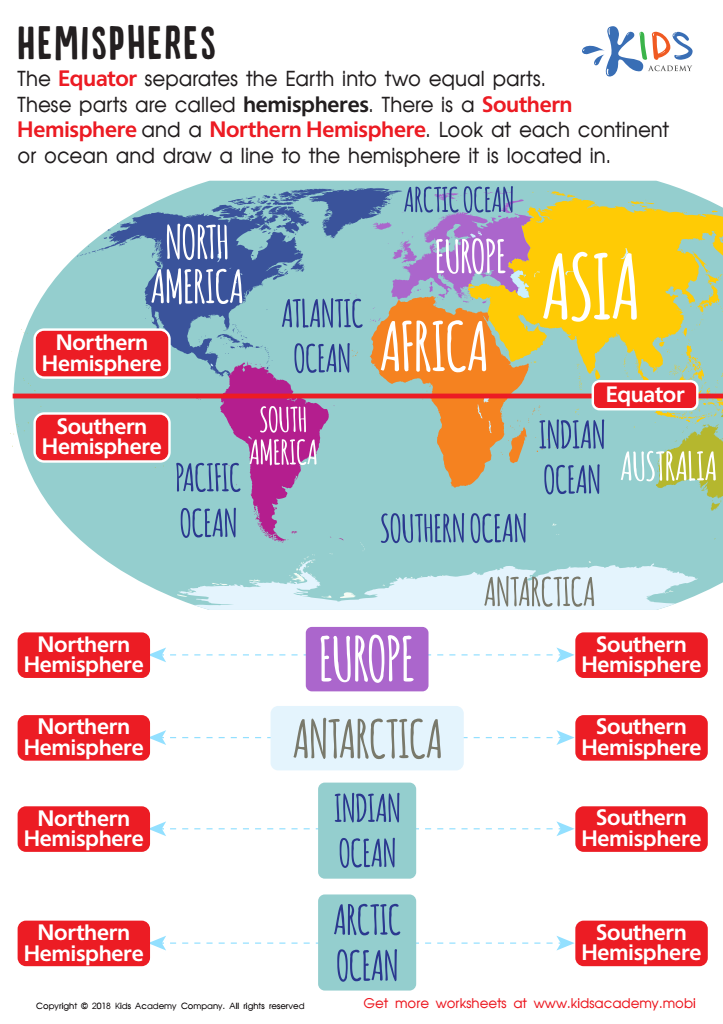
Hemispheres Worksheet






Teaching Normal Geography to ages 6-8 is crucial because it lays the foundation for spatial awareness, cultural understanding, and critical thinking. Children at this development stage have curious minds and can grasp basic geographical concepts like landforms, continents, countries, and cultural differences. By learning about geography, they understand where they fit into the larger world, fostering a sense of place and belonging.
For instance, knowing that they live on a particular continent helps them appreciate distances and diversity. Basic map skills also enhance their spatial thinking, which is essential for problem-solving in various subjects like math and science. Familiarity with geography encourages curiosity about distant places and different cultures, promoting empathy and tolerance.
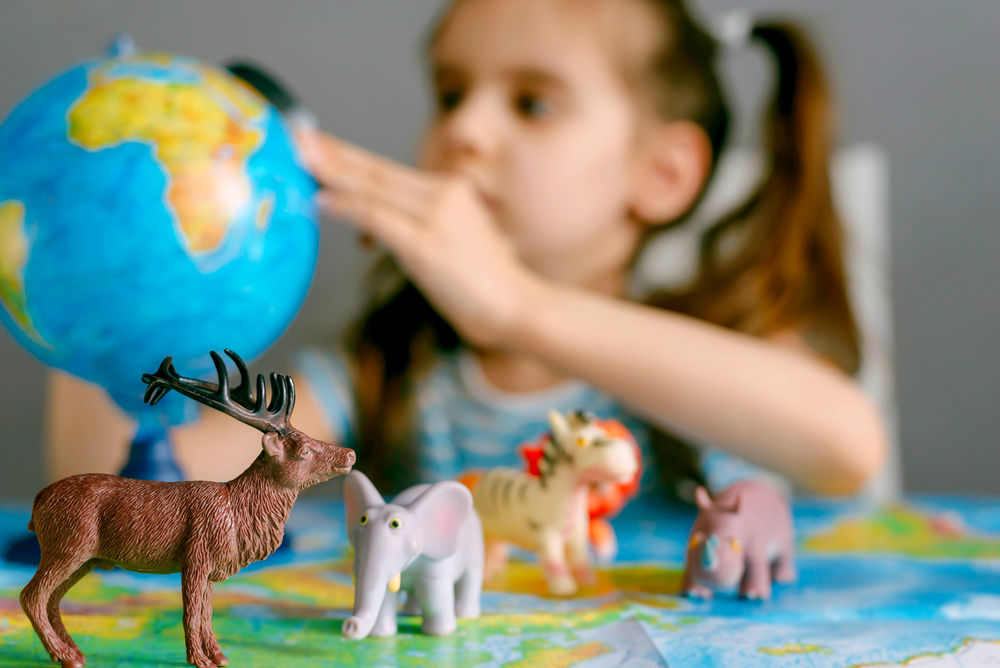
Teachers and parents play a crucial role in making geography a fun and engaging subject through interactive activities, such as drawing maps, storytelling, and using globes or digital tools. This early exposure enriches children's vocabulary and supports reading comprehension across the curriculum by connecting new words and concepts to familiar ideas.
Moreover, geography nurtures a child's natural curiosity and desire to explore. Early geographical education sparks a lifetime interest in the physical and cultural world around them, aiding in the true cultivation of global citizens who are informed and compassionate.