Normal Grammar Worksheets for Ages 6-8 - Page 3
128 filtered results
-
From - To
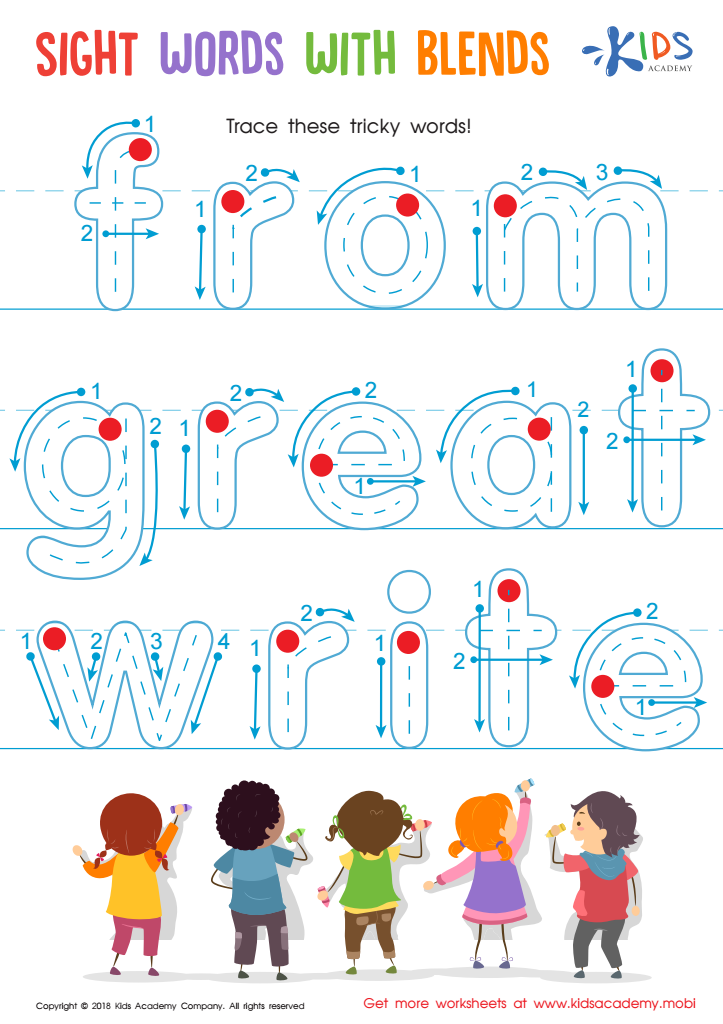
Sight Words with Blends Worksheet
 Assign to My Students
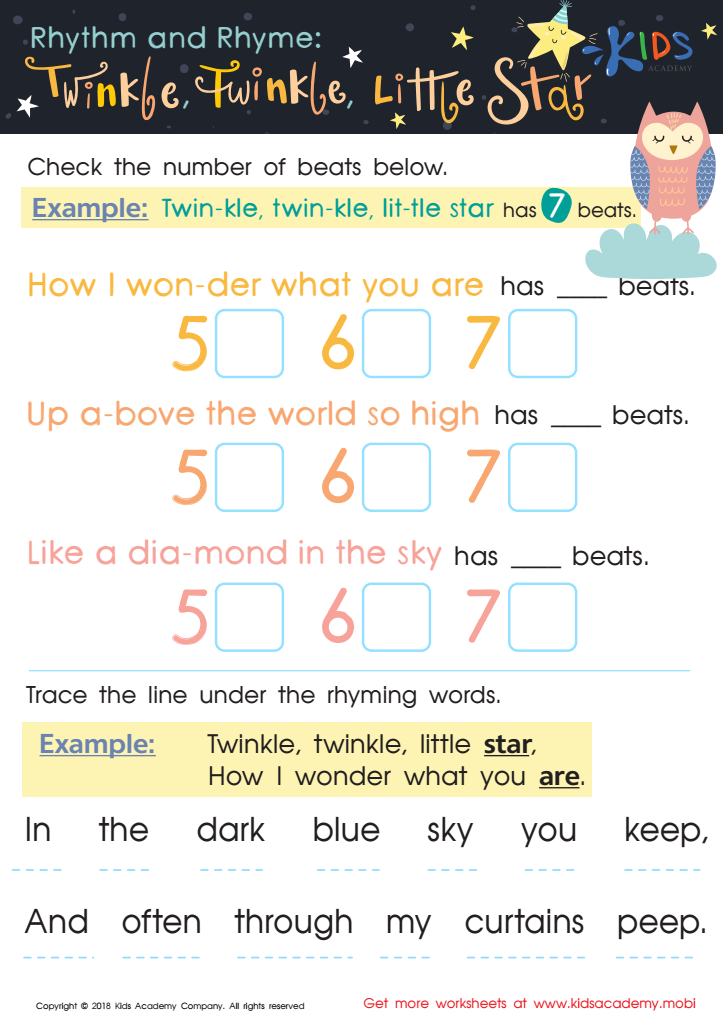
Rhythm and Rhyme: Twinkle, Twinkle, Little Star Worksheet
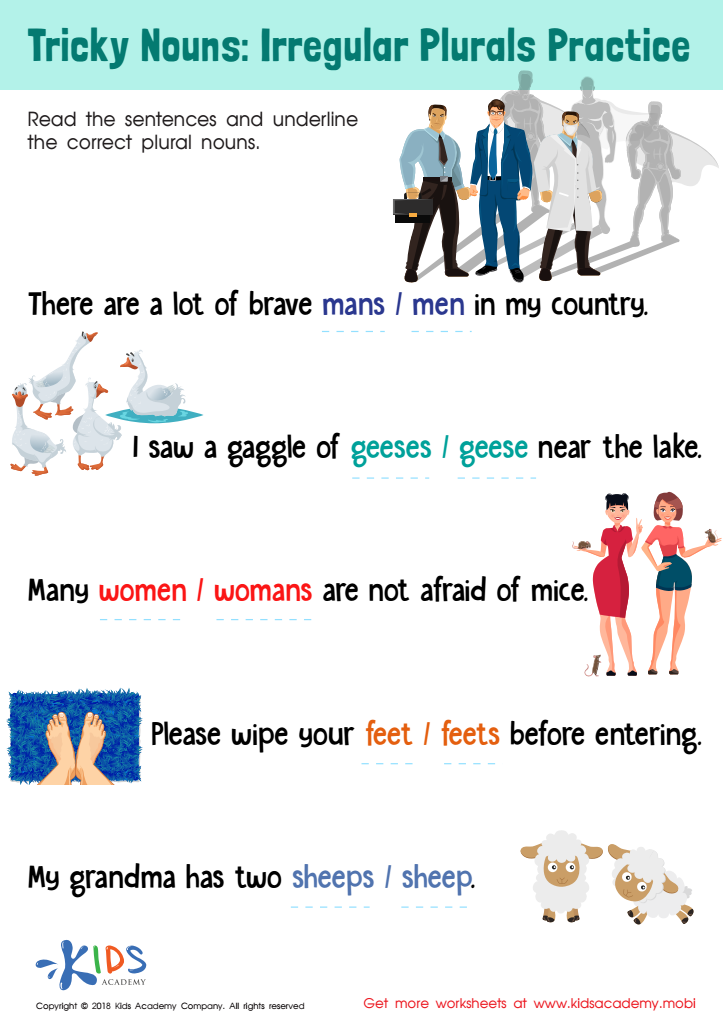
Tricky Nouns: Irregular Plurals Practice Worksheet
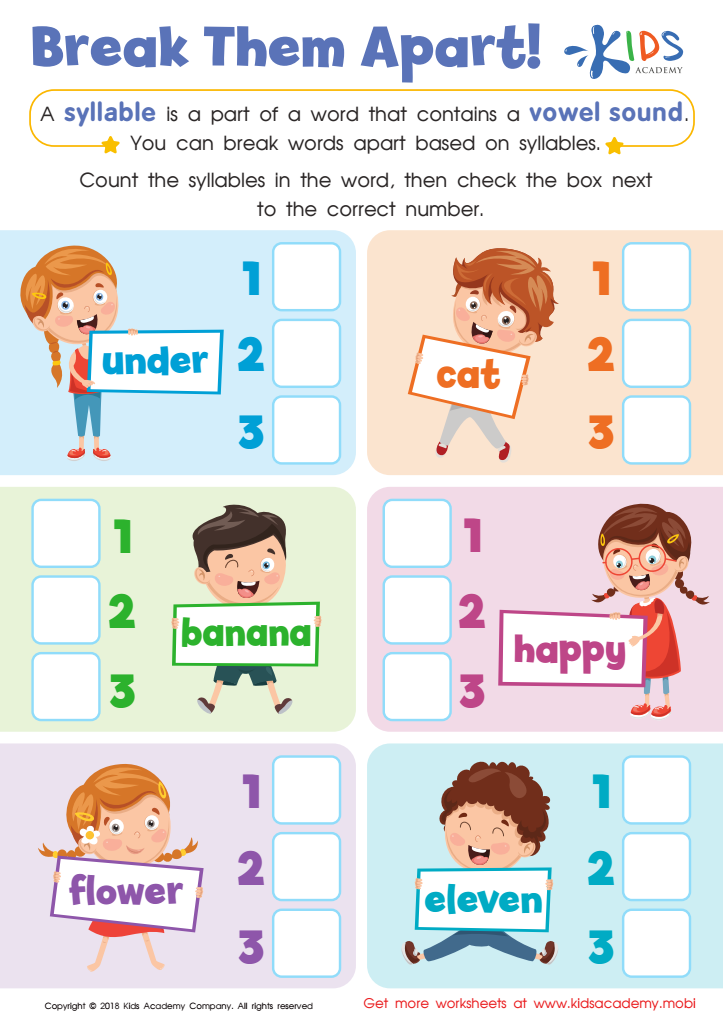
Reading: Break Them Apart Worksheet
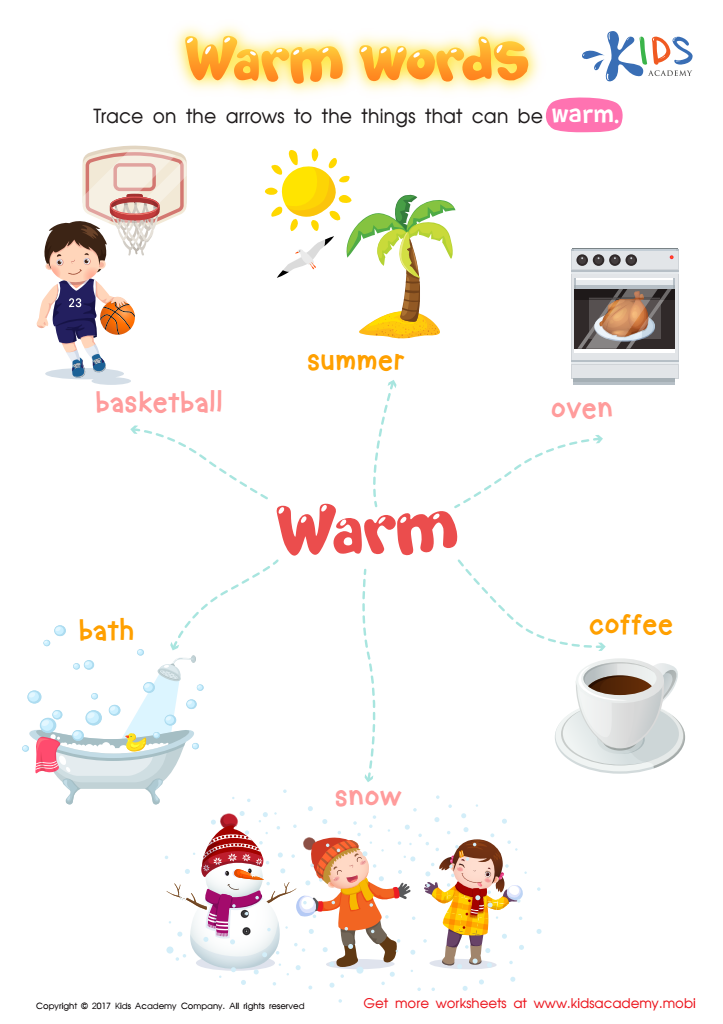
Warm Words Worksheet
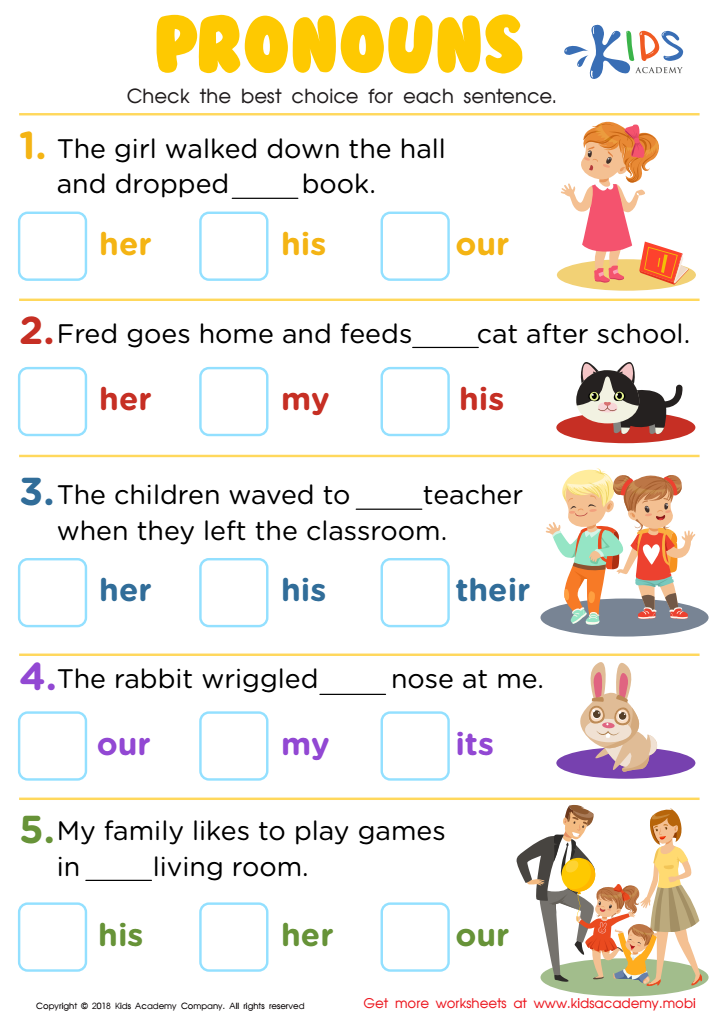
Pronouns Worksheet
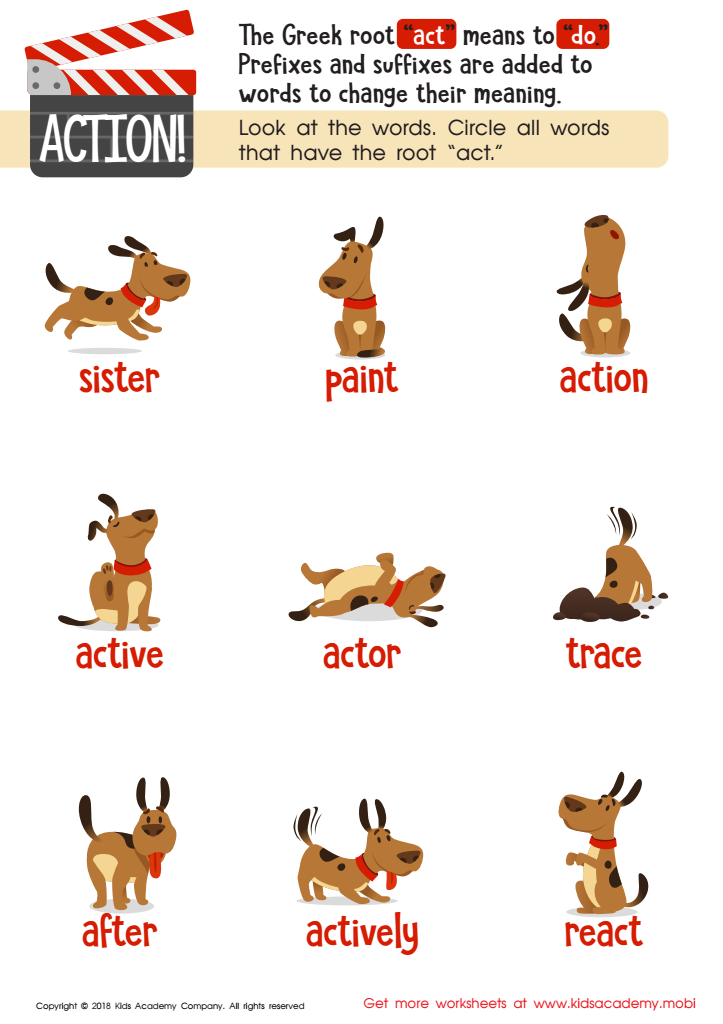
Action! Worksheet
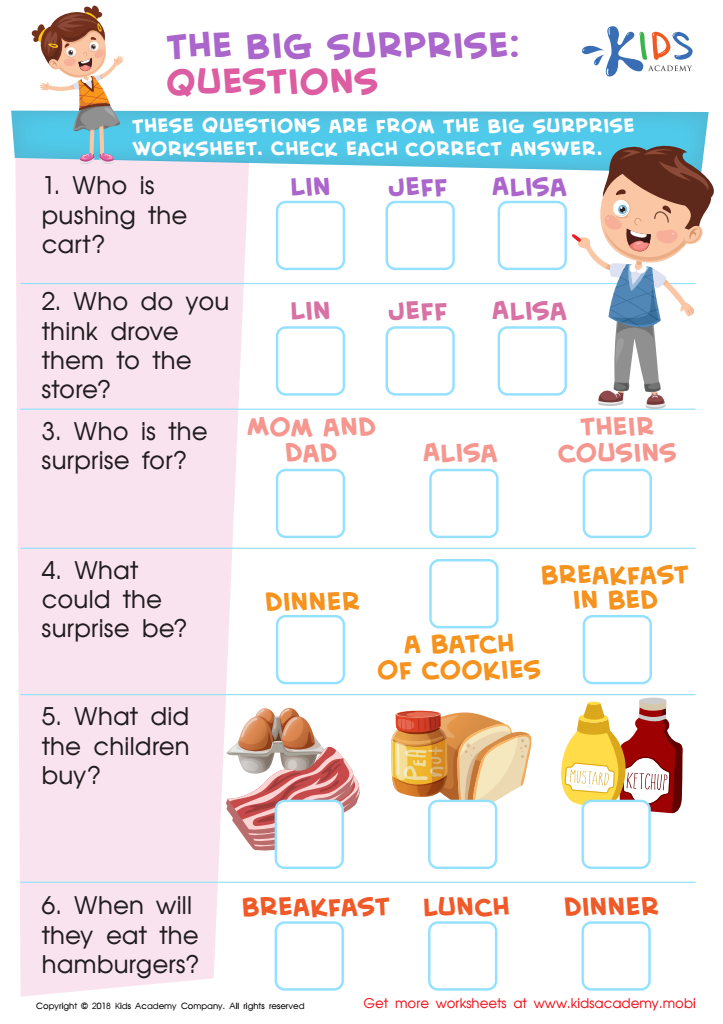
The Big Surprise: Questions Worksheet
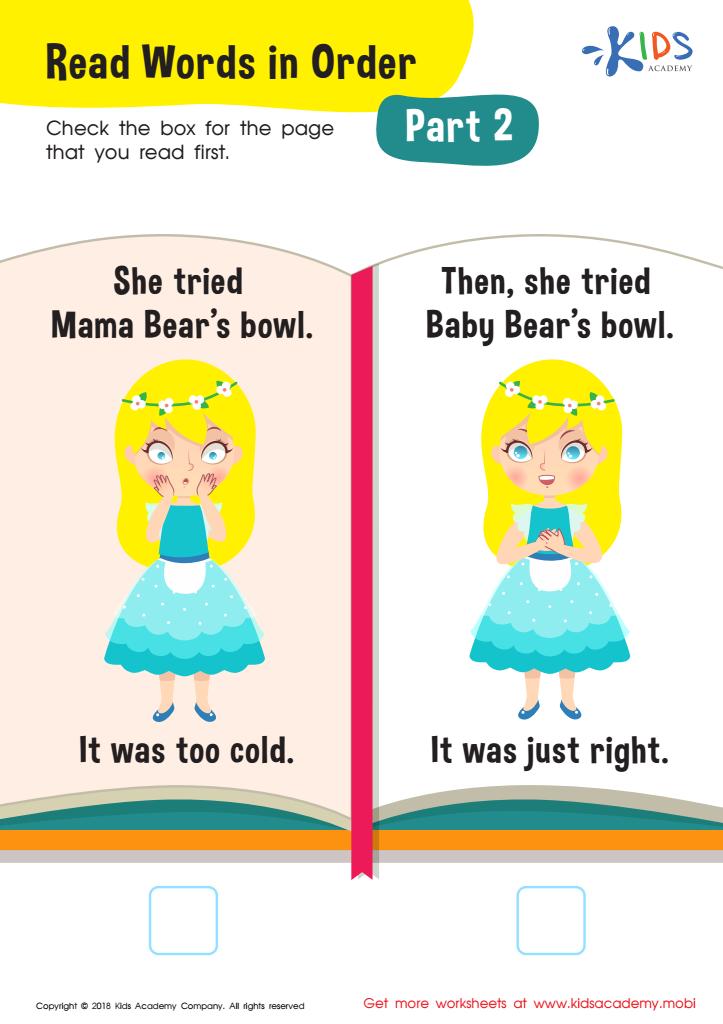
Read Words Order Part 2 Worksheet
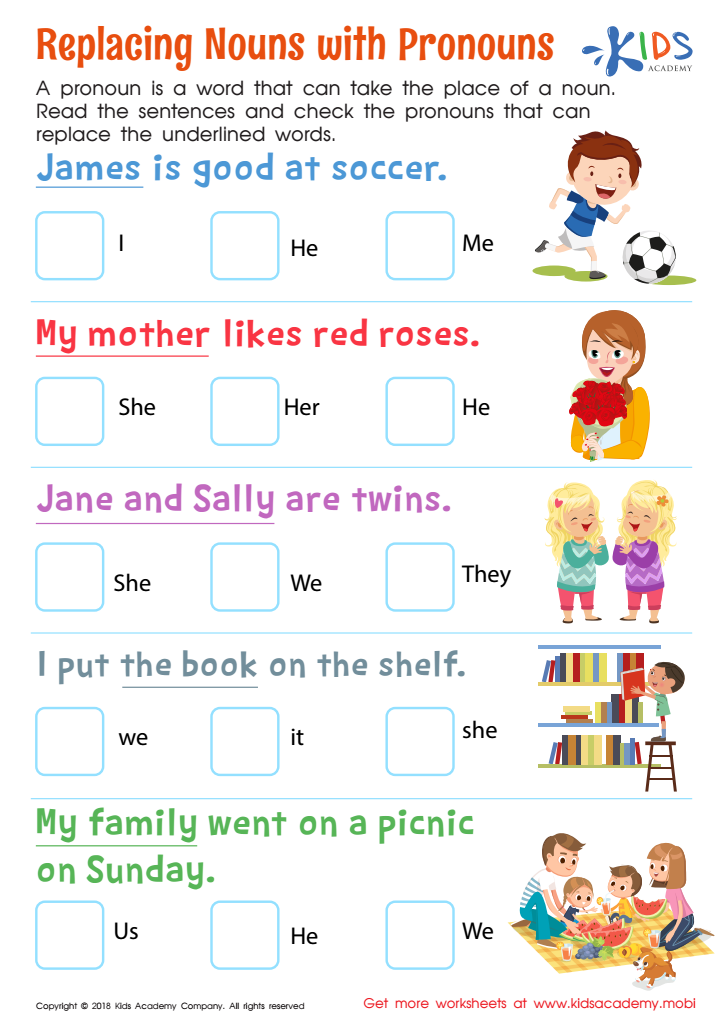
Replacing Nouns with Pronouns Worksheet
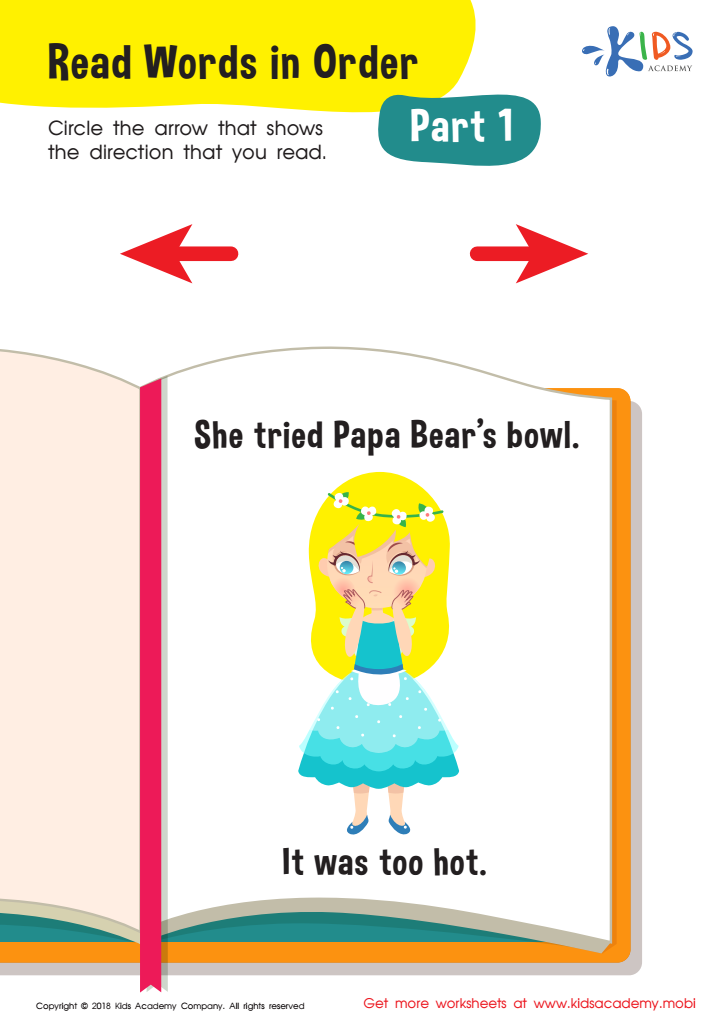
Read Words Order Part 1 Worksheet
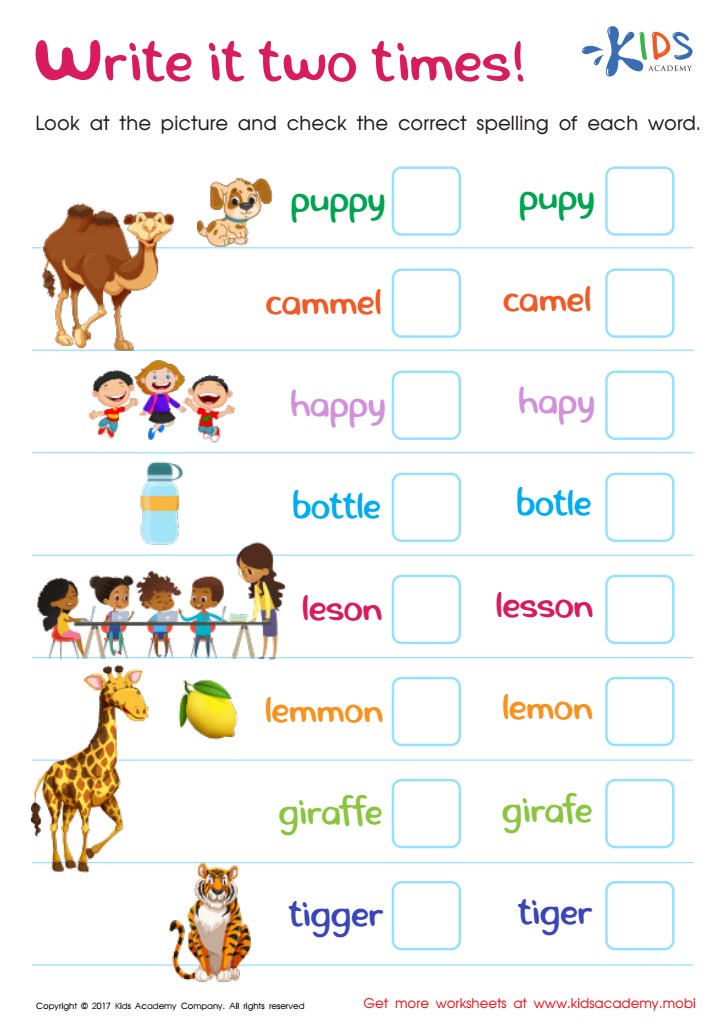
Spelling Practice Worksheet
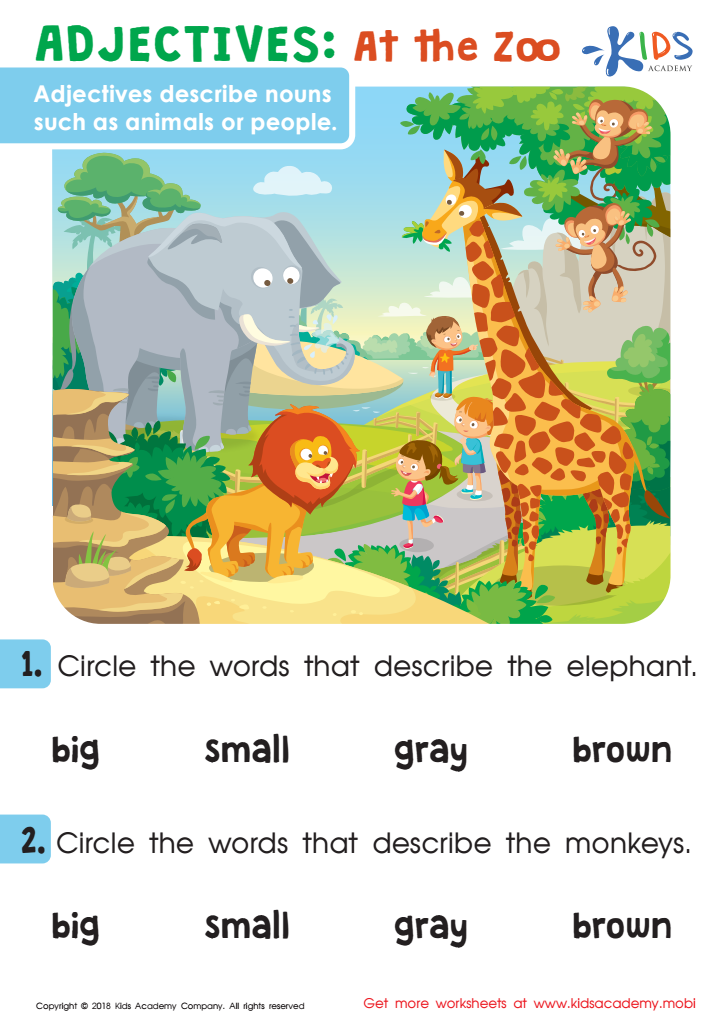
Adjectives: At The Zoo Worksheet
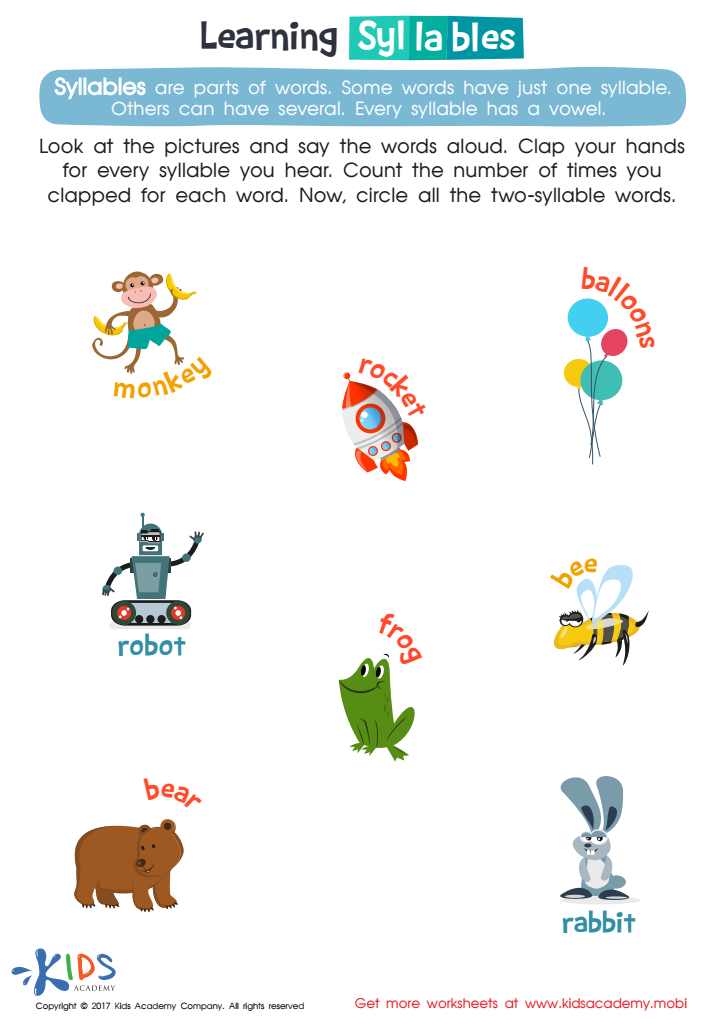
Learning Syllables Word Structure Worksheet
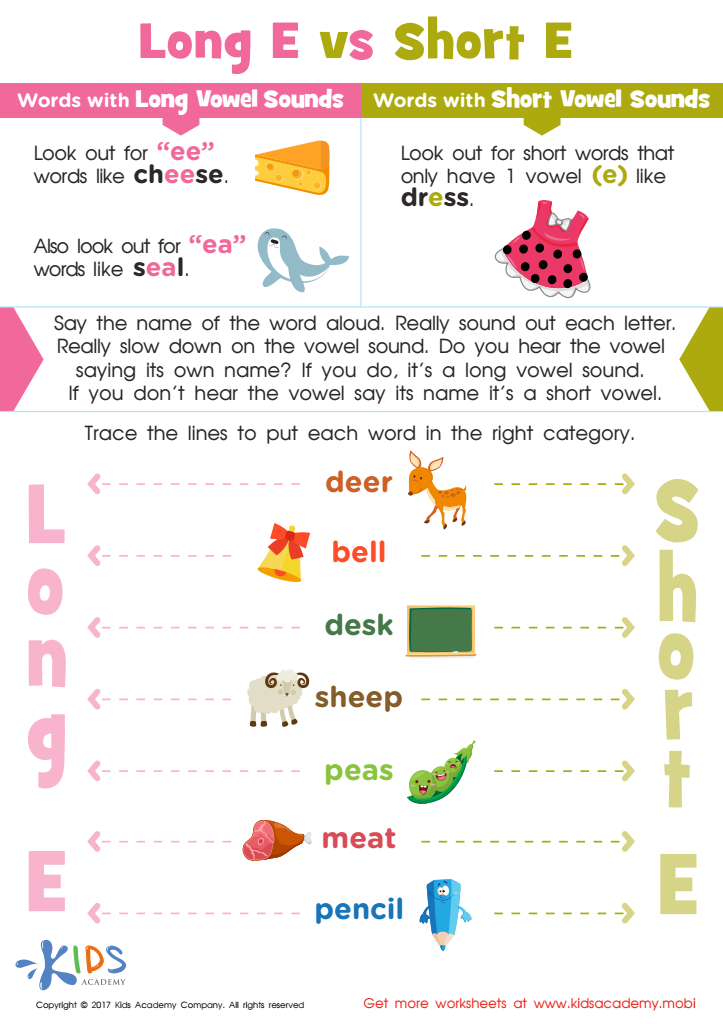
Long and Short Vowel E Spelling Worksheet
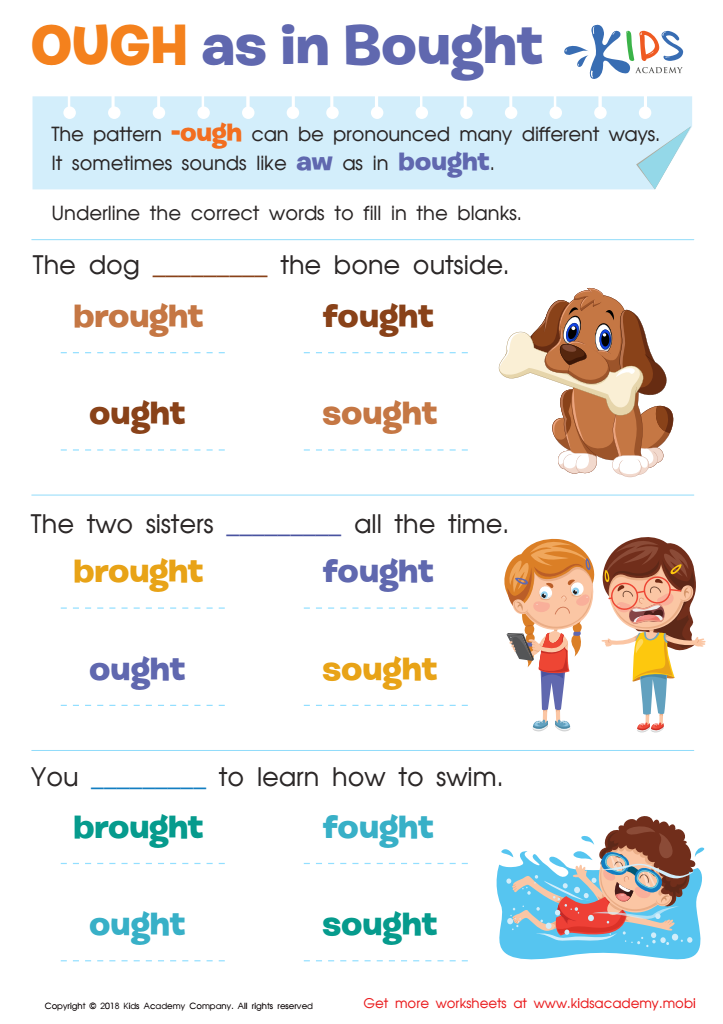
OUGH as in Bought Worksheet
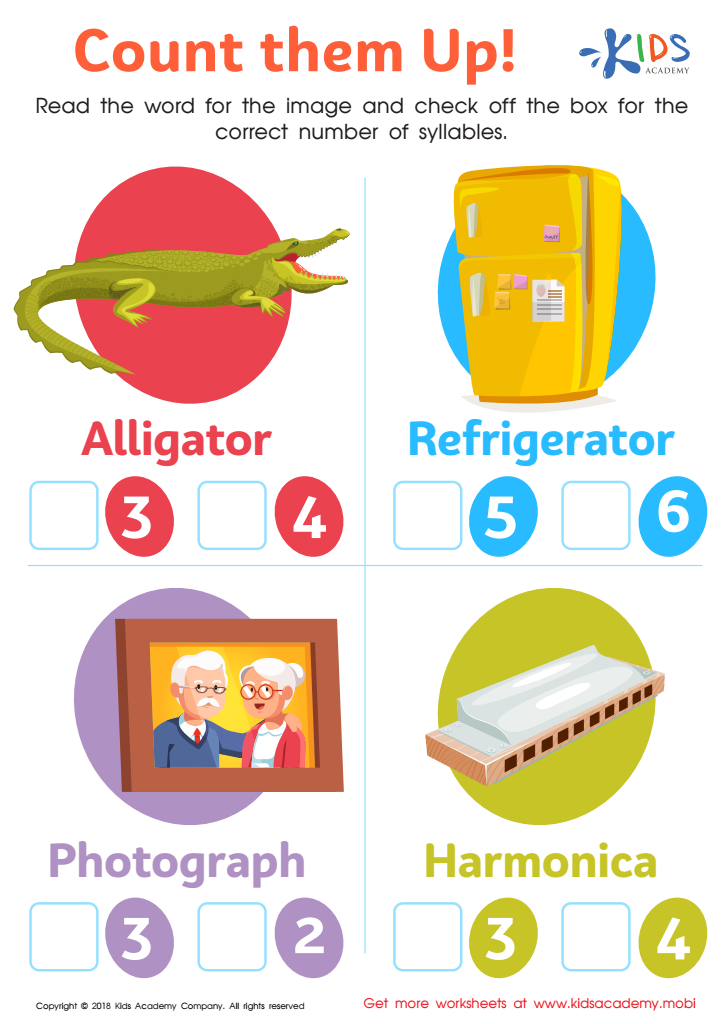
Count Them Up Worksheet
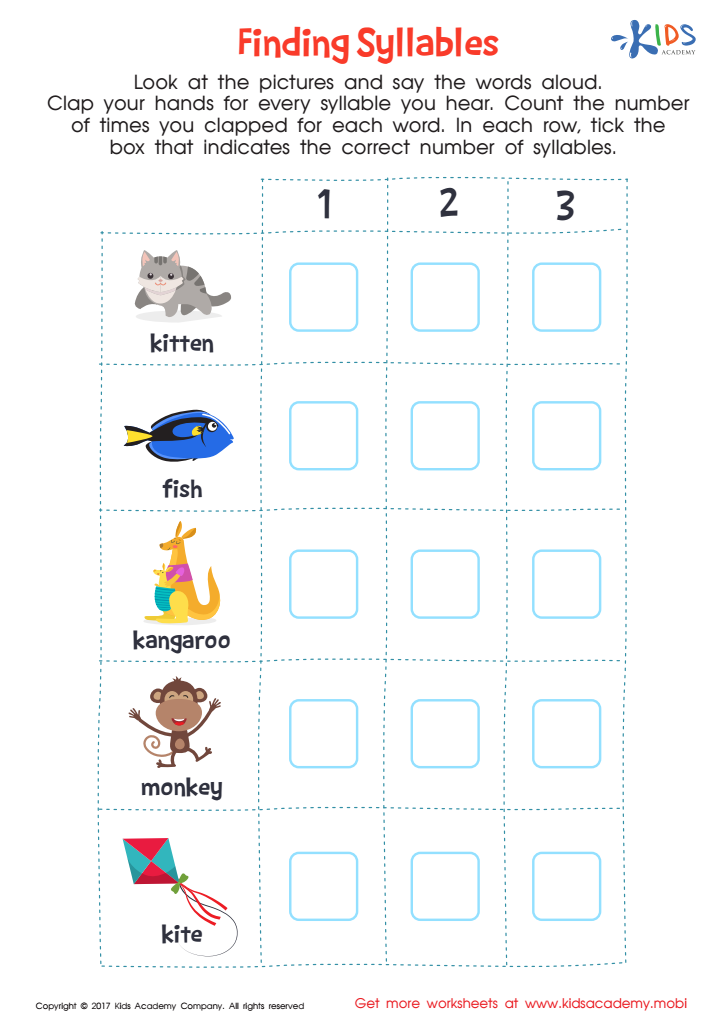
Finding Syllables Word Structure Worksheet
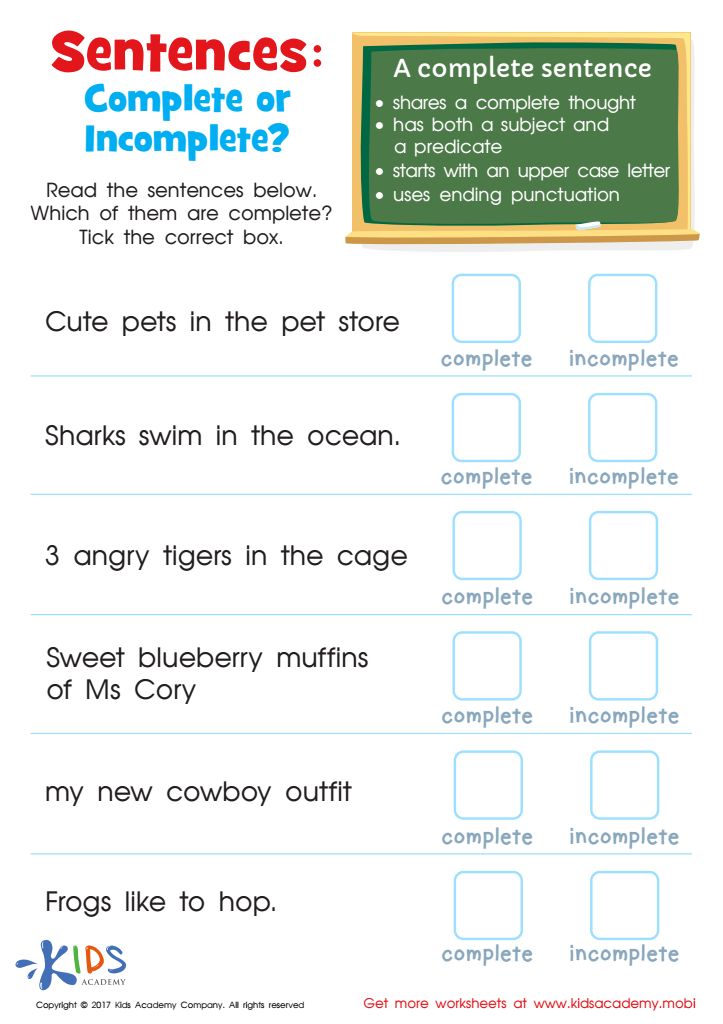
Sentences: Complete or Incomplete Worksheet
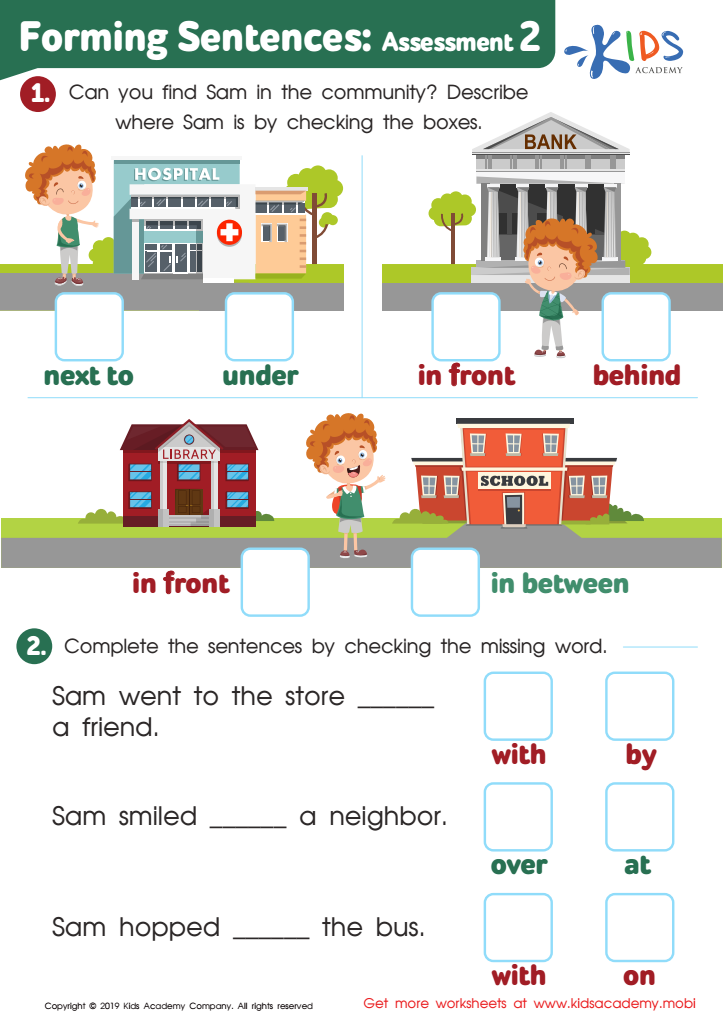
Forming Sentences: Assessment 2 Worksheet
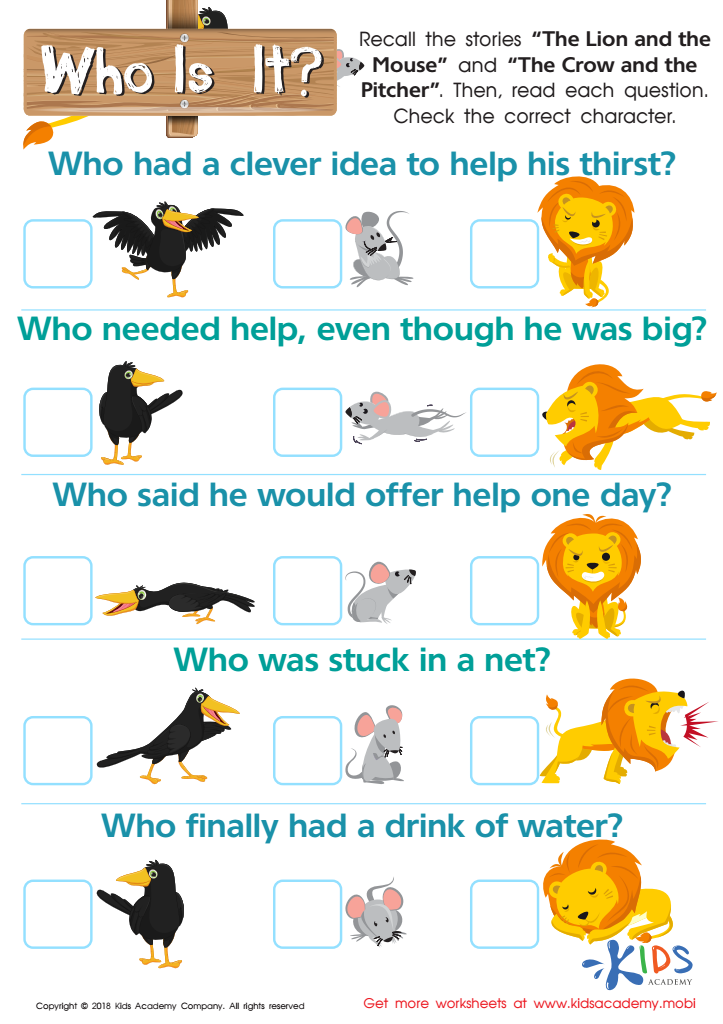
Who Is It? Worksheet
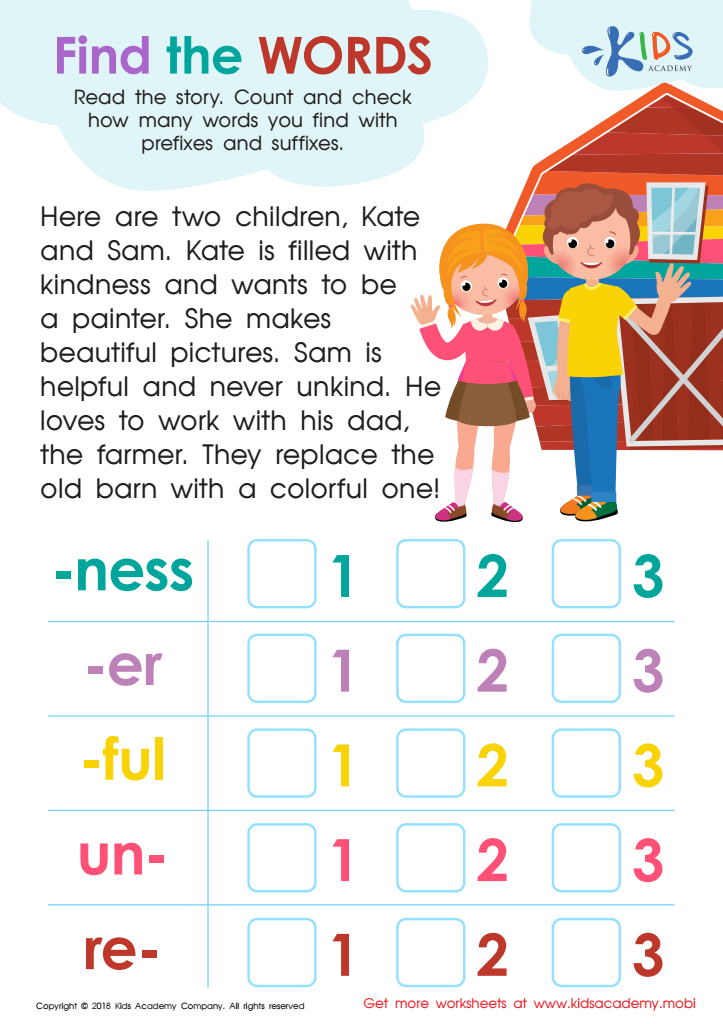
Prefix and Suffix Worksheet For Grade 3
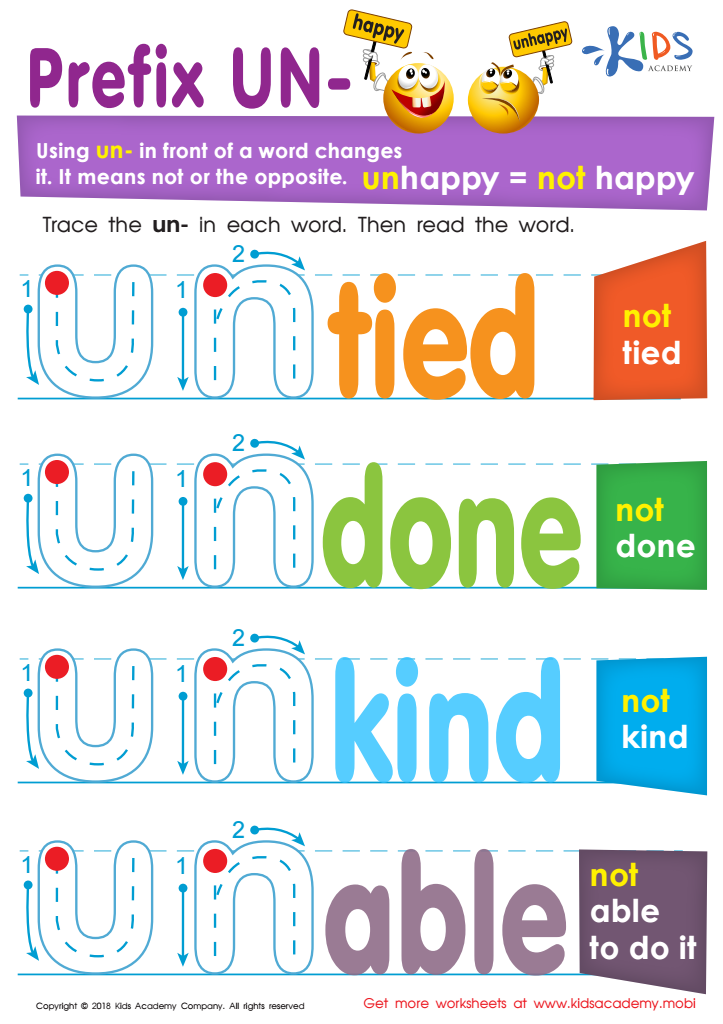
Prefix Un- Worksheet
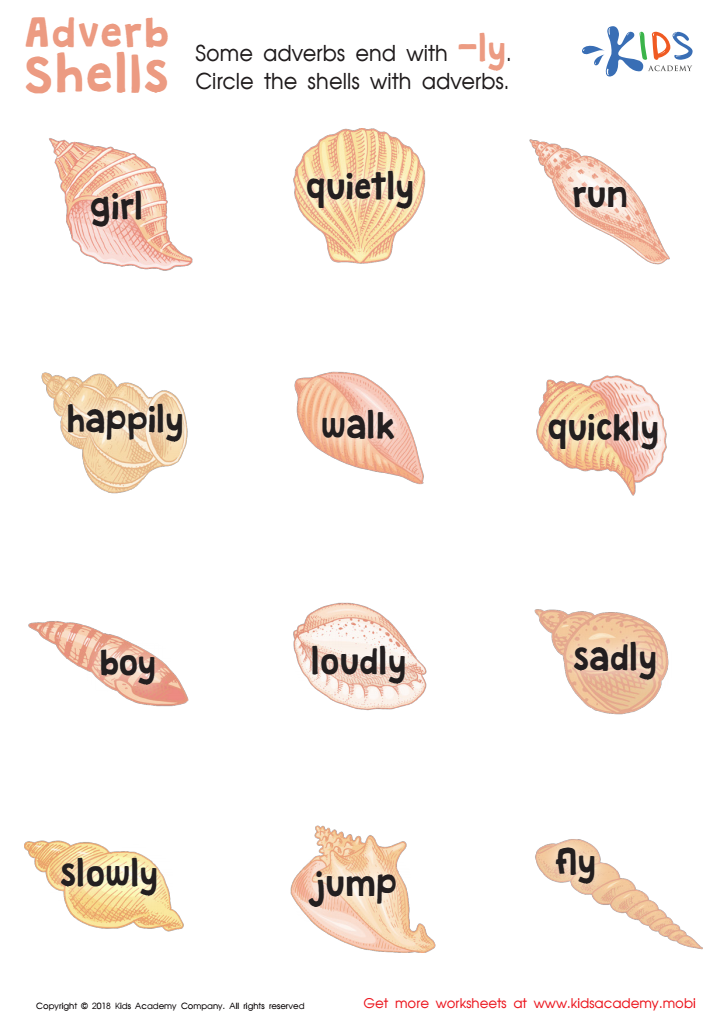
Adverb Shells Worksheet


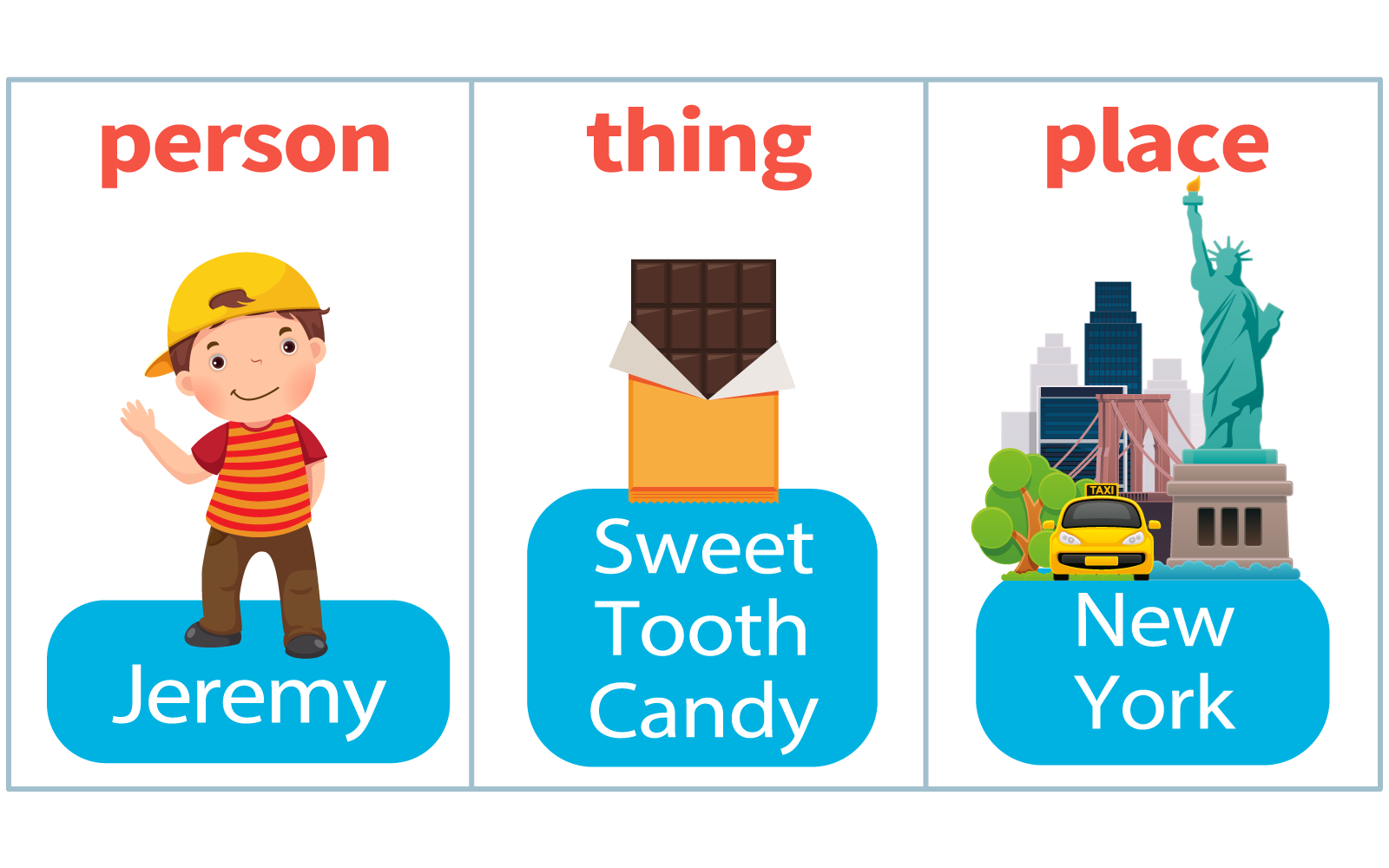

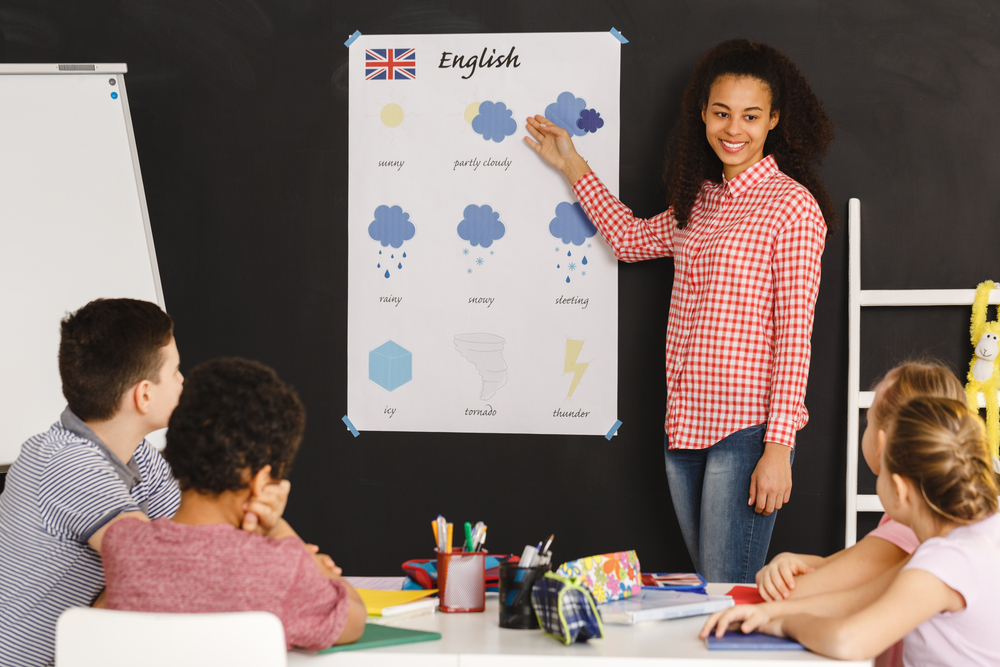


Parents and teachers should care about teaching Normal Grammar to children ages 6-8 because early mastery of grammar sets the foundation for effective communication skills. At this developmental stage, children are eager to express their thoughts, feelings, and ideas, and understanding basic grammar empowers them to do so clearly and confidently. Normal Grammar introduces concepts such as sentence structure, parts of speech, and punctuation, fostering both verbal and written communication.
Moreover, learning grammar enhances reading comprehension. As children encounter new texts, a solid grasp of grammar helps them decode sentences and understand the author's intentions. This, in turn, boosts their academic success across all subjects, as communication skills are essential for engaging with content and expressing learned concepts.
Furthermore, grammar education at this age promotes critical thinking skills. By analyzing sentence structures and understanding how language works, children develop an awareness of nuances in communication, which helps them navigate social interactions and media critically.
Finally, a focus on grammar can positively impact children's self-esteem, as they gain the tools necessary to articulate their ideas. Overall, prioritizing Normal Grammar is crucial for fostering well-rounded, confident communicators ready to tackle future challenges.