Normal Comparing Numbers Worksheets for Ages 6-9 - Page 2
32 filtered results
-
From - To
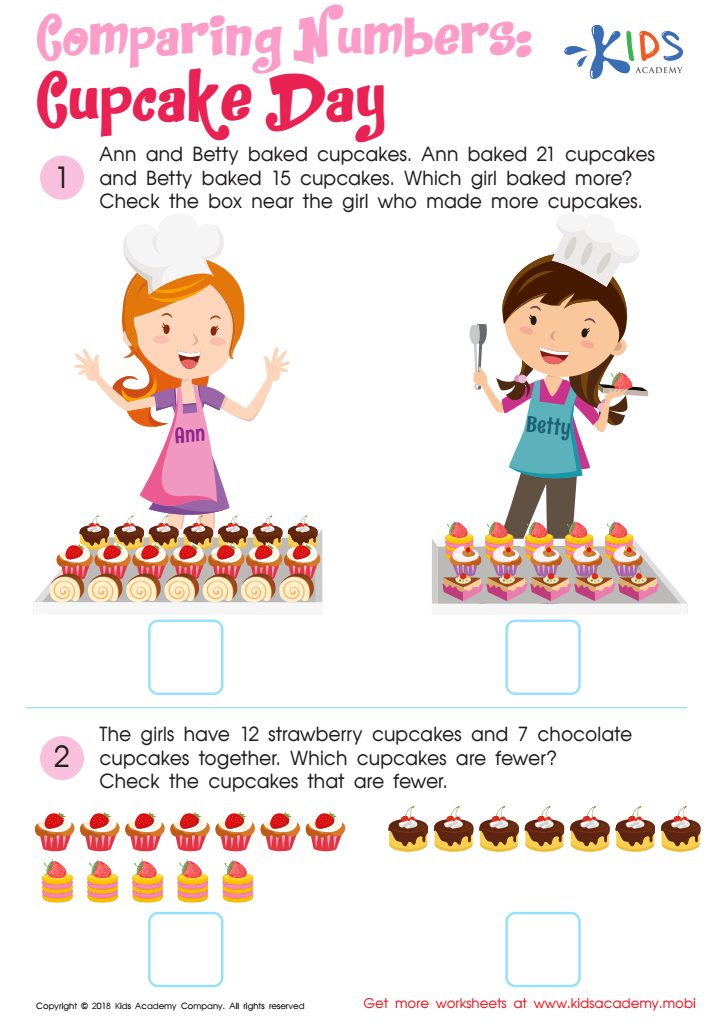
Cupcake Day Worksheet
 Assign to My Students
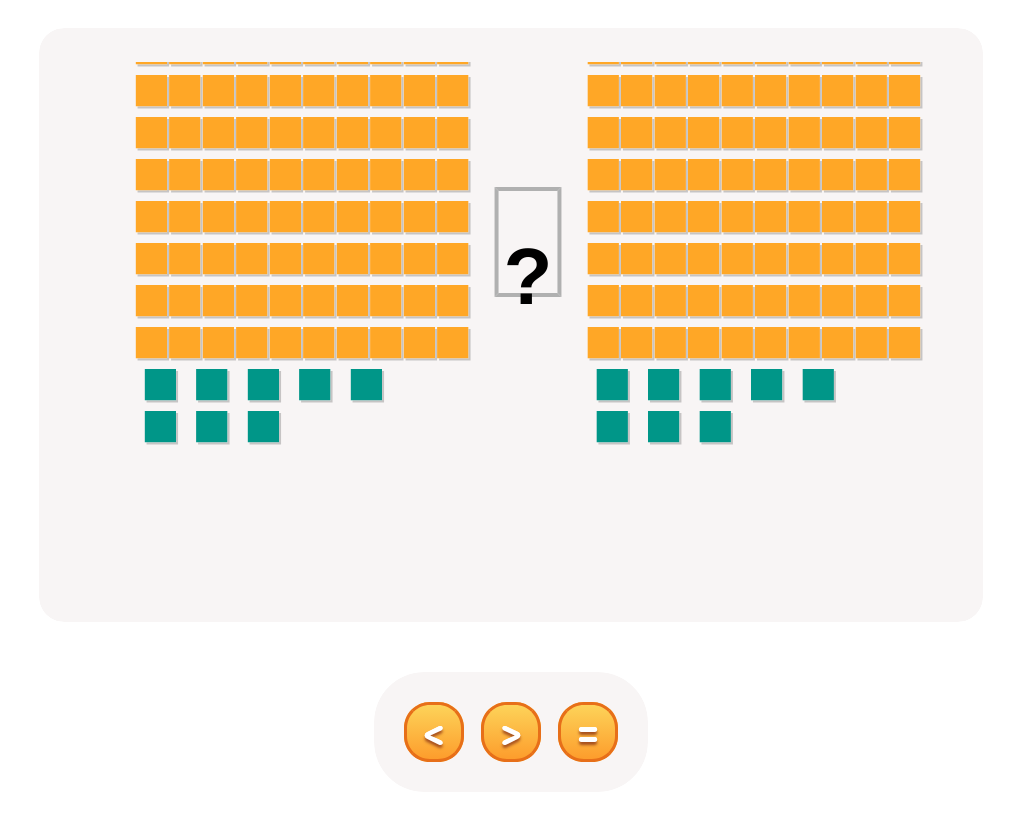

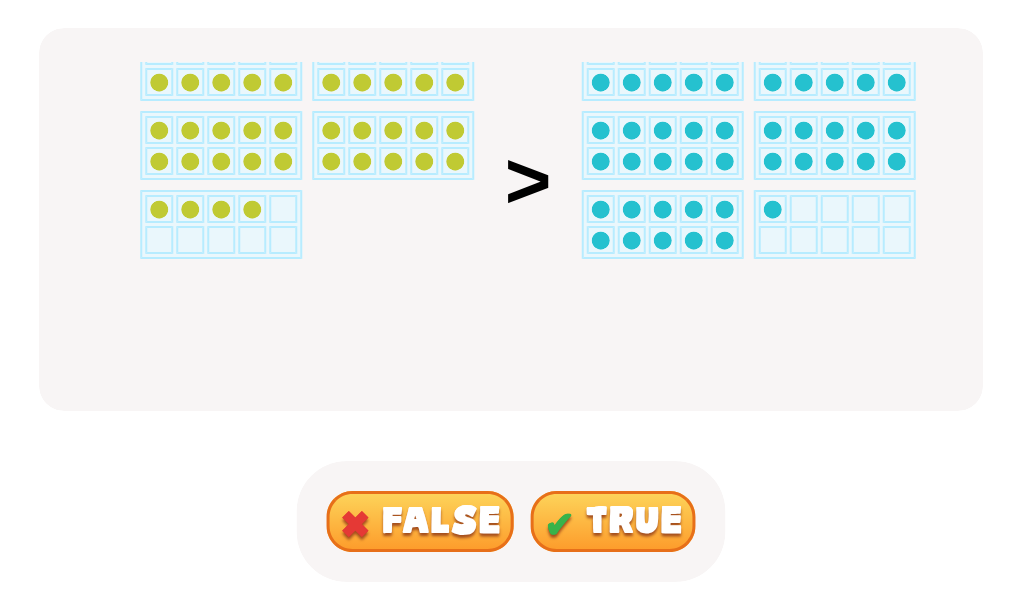
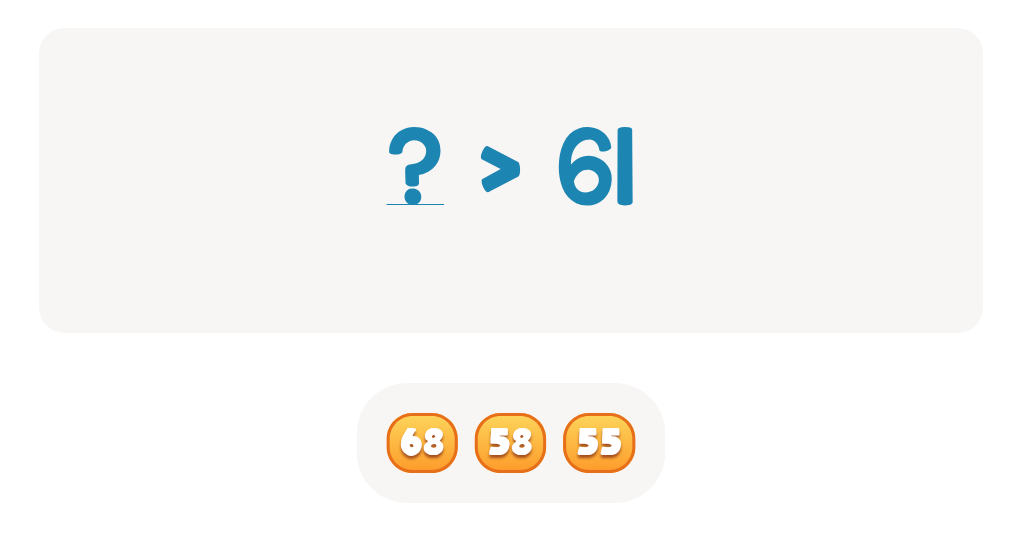
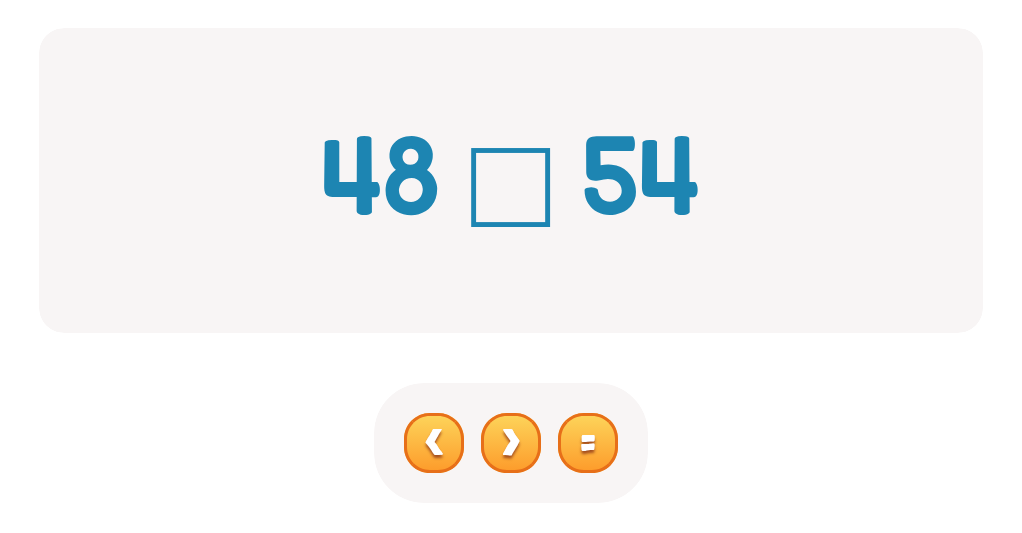
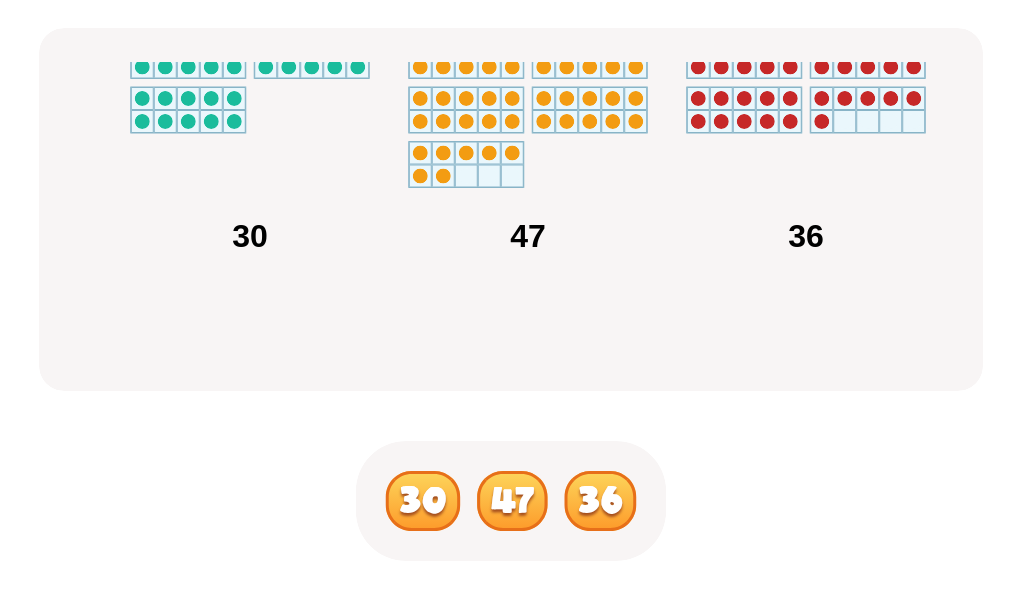
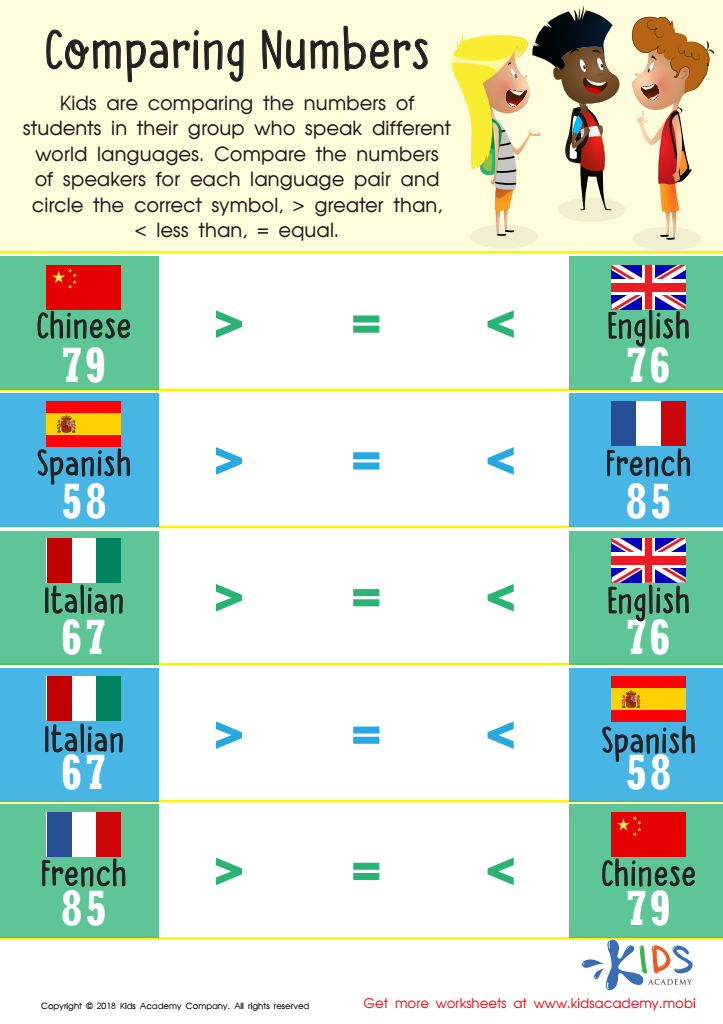
Comparing Numbers Worksheet for 1st Grade
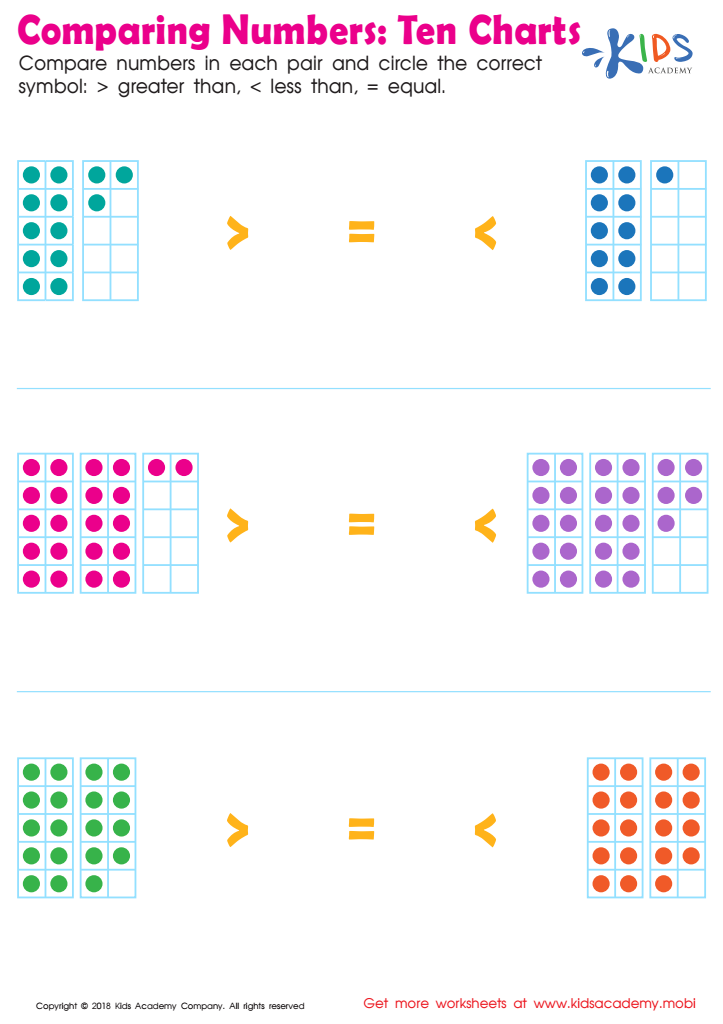
Ten Charts Worksheet
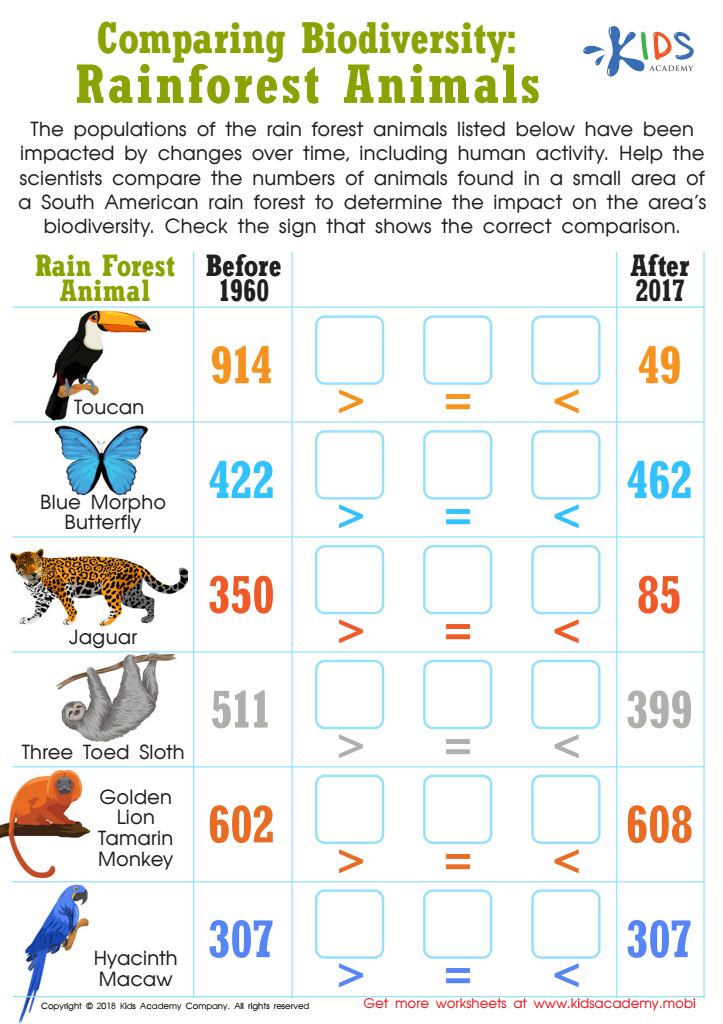
Comparing Biodiversity: Rainforest Animals Worksheet
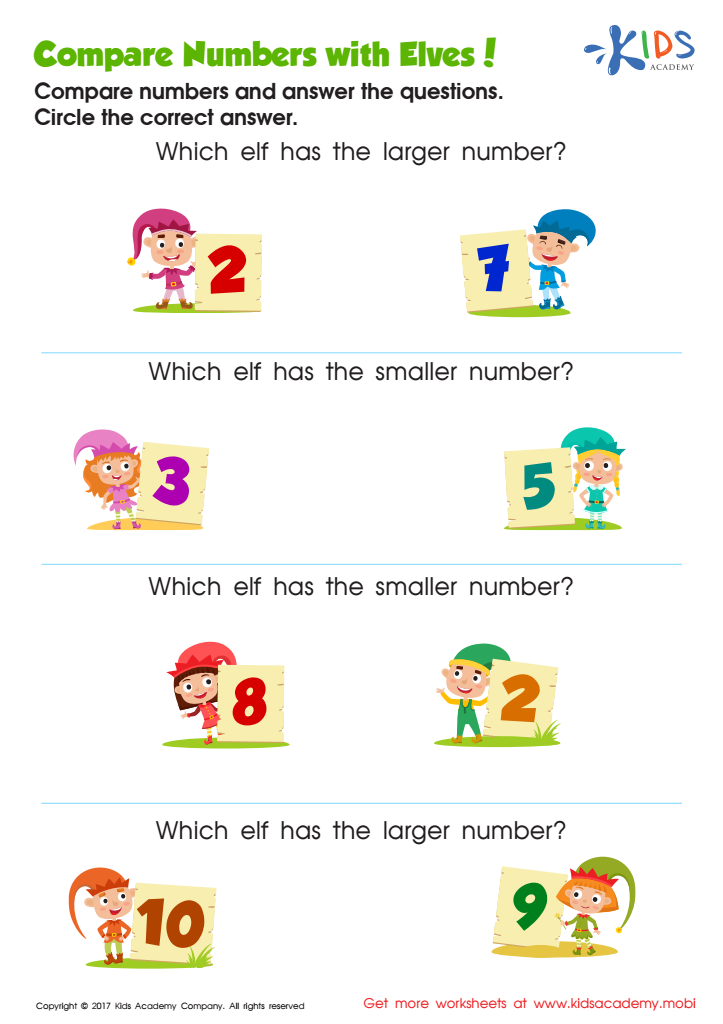
Comparing Numbers Worksheet for Kindergarten
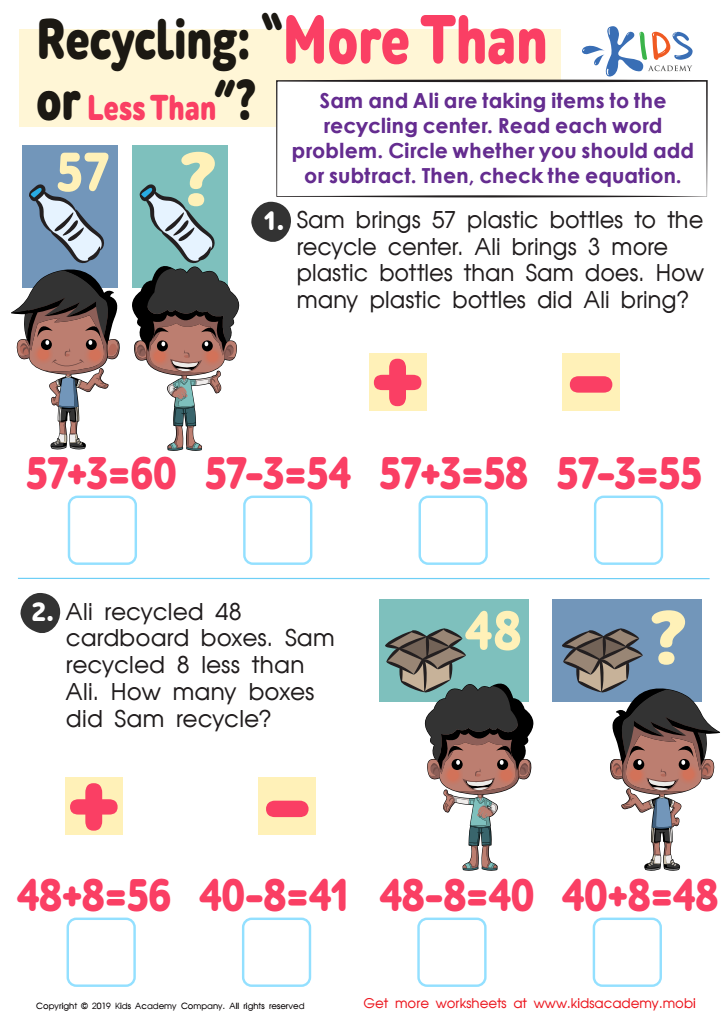
Recycling - More or Less Worksheet
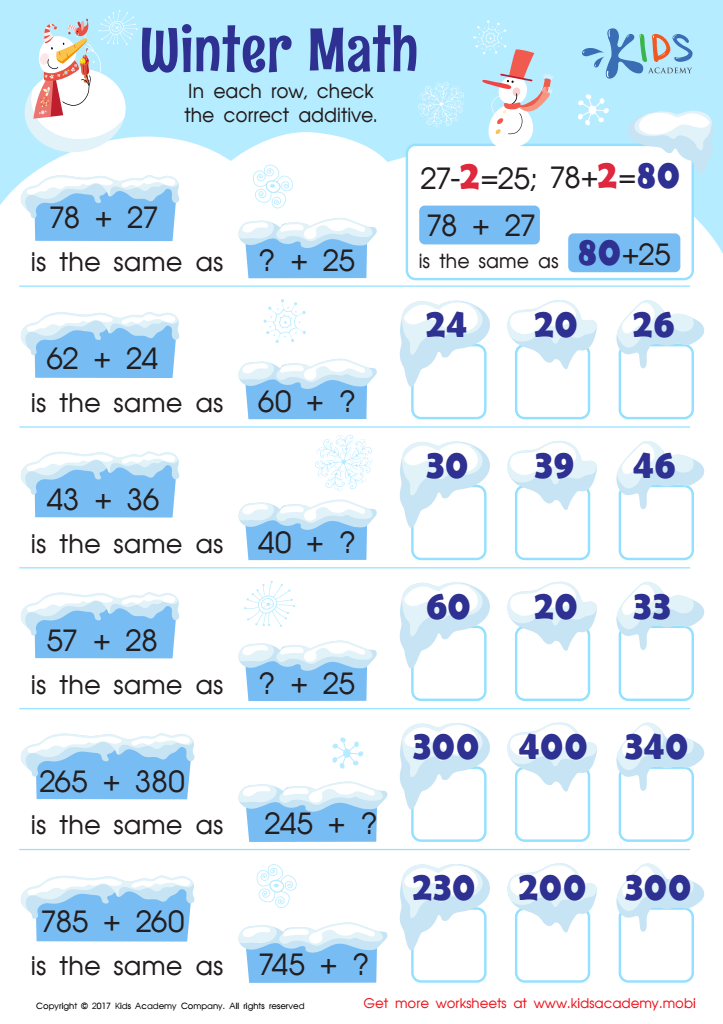
Free Addition Worksheet
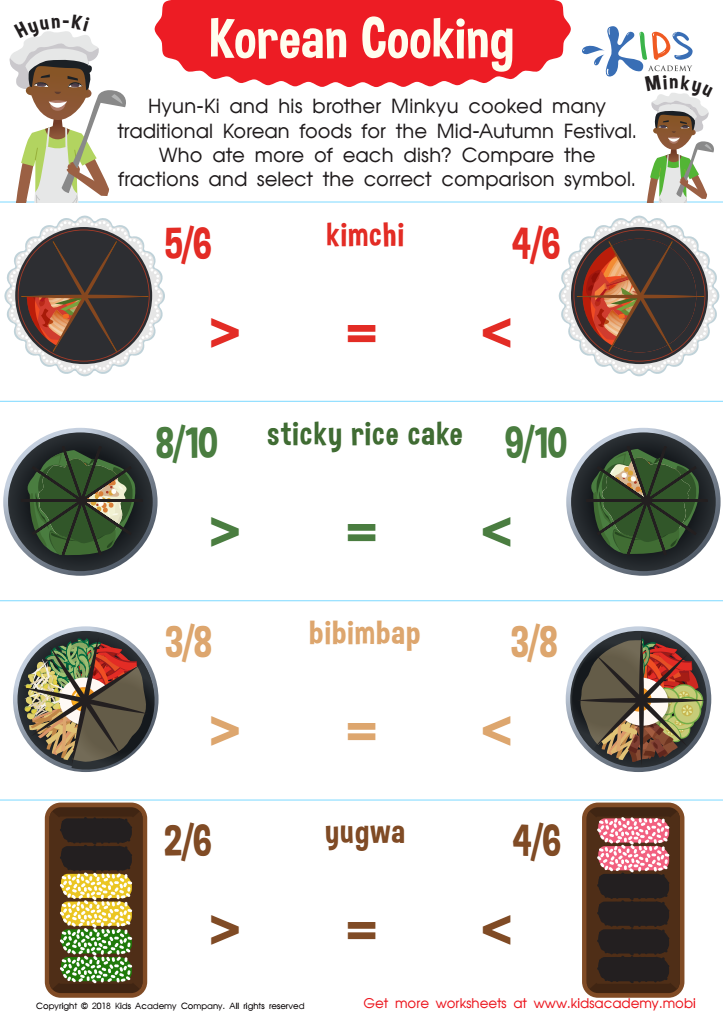
Korean Cooking Worksheet




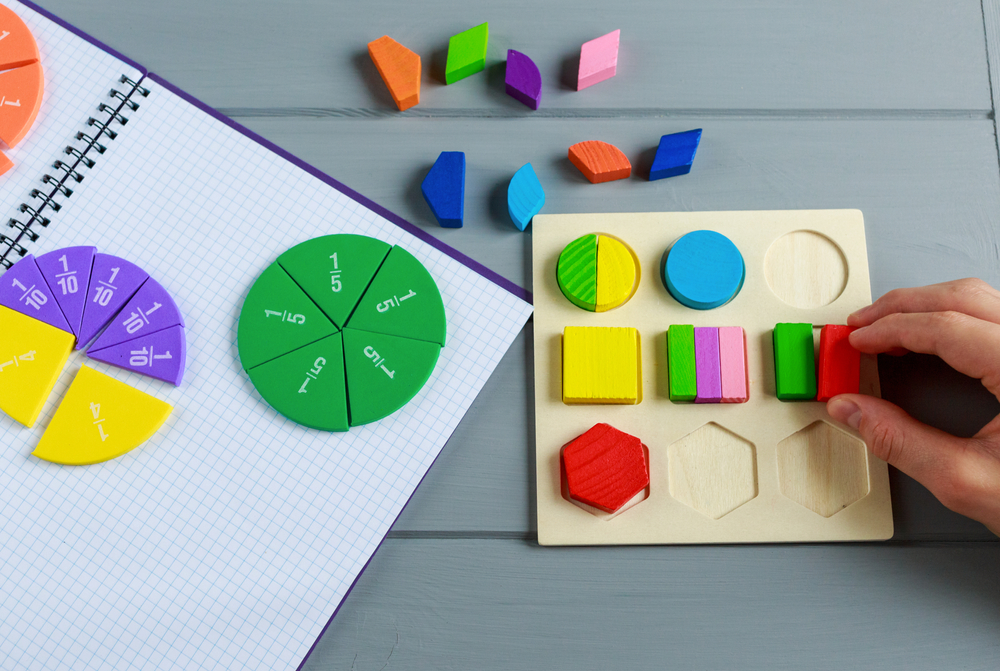



Normal comparing numbers is a crucial skill for children aged 6-9, laying the foundation for their mathematical understanding. At this age, children begin to grasp not only the concept of numbers, but also their relationships with one another. By learning how to compare numbers, children enhance their abilities in problem-solving, critical thinking, and logical reasoning.
Parents and teachers should care about this concept because it transcends beyond mere mathematics. Comparing numbers helps children develop an understanding of principles like quantity, measurement, and hierarchy. This knowledge can be pivotal when they encounter real-world scenarios, such as making decisions about distance or size in practical situations.
Moreover, this skill is essential for their future studies in various subjects, including science and economics. Children who effectively compare numbers are better equipped to tackle more complex mathematical operations, fostering confidence and a positive attitude toward learning.
Engaging children in activities that promote number comparison can create engaging and rich learning experiences. Thus, prioritizing the development of this skill in young learners not only builds their arithmetic proficiency but also cultivates a lifetime appreciation for mathematics and analytical thinking.