Filters

31 filtered results

Clear all filters
Favorites
With answer key
Interactive

31 filtered results

Difficulty Level

Grade


Check out this FREE Trial Lesson on Letter Recognition for age 7-9!

F

Favorites
With answer key
Interactive
  • 7-9
  • With answer key
  • Letter Recognition
  • Normal
Letter A Tracing Worksheet Preview

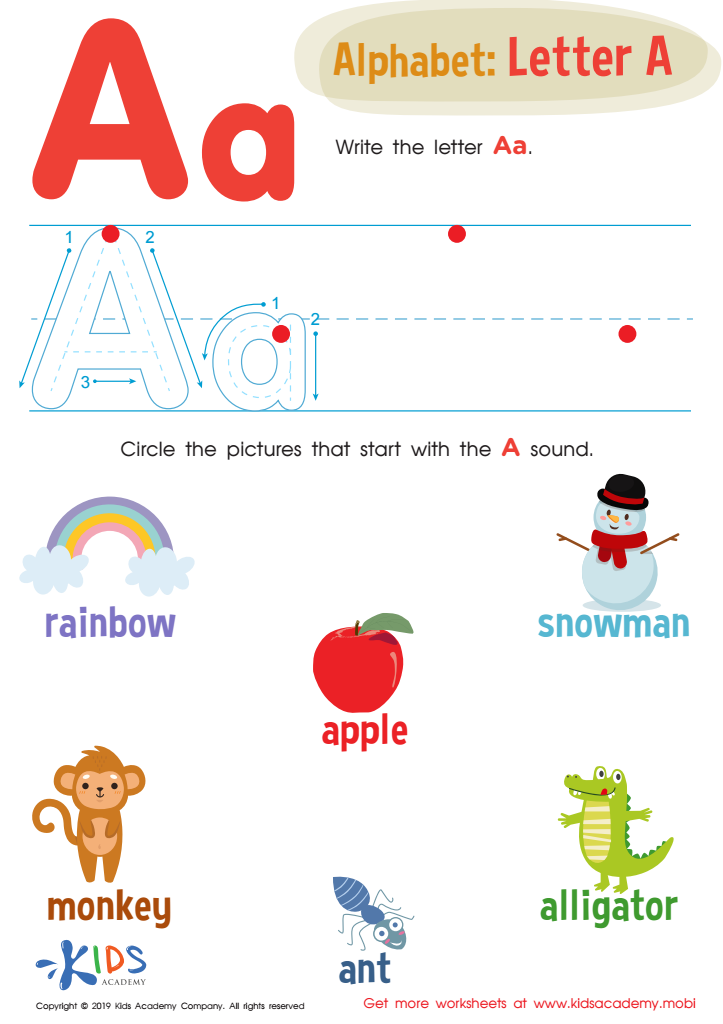
Letter A Tracing Worksheet

Learning the letter "A" is essential. This worksheet helps kids trace and write it, boosting their skill. They also circle pictures with the "A" sound, with both the word and picture provided. This helps them learn how to pronounce words like "apple" correctly.
Letter A Tracing Worksheet
Worksheet
Letter K worksheets
Letter K worksheets

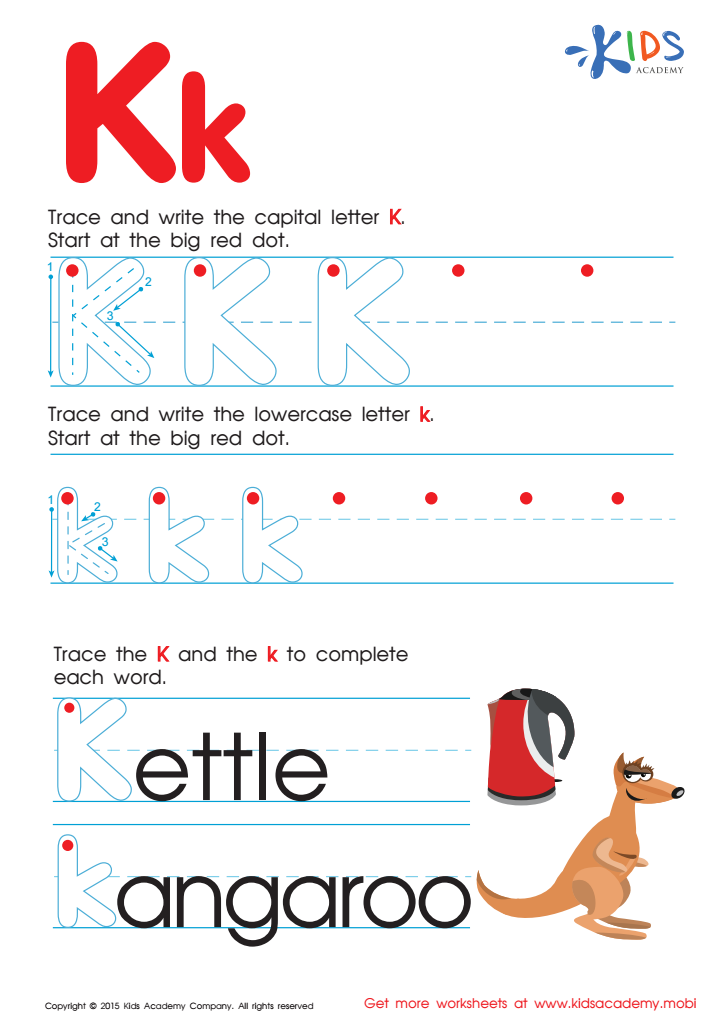
Letter K Tracing Page

Trace and write the letter K; start at the big red dot. Use it to complete words like "Kettle" and "Kangaroo". Visit Kids Academy for more free alphabet worksheets for kindergarten.
Letter K Tracing Page
Worksheet
Reading: Long I and Short I Sound Maze Worksheet


Reading: Long I and Short I Sound Maze Worksheet

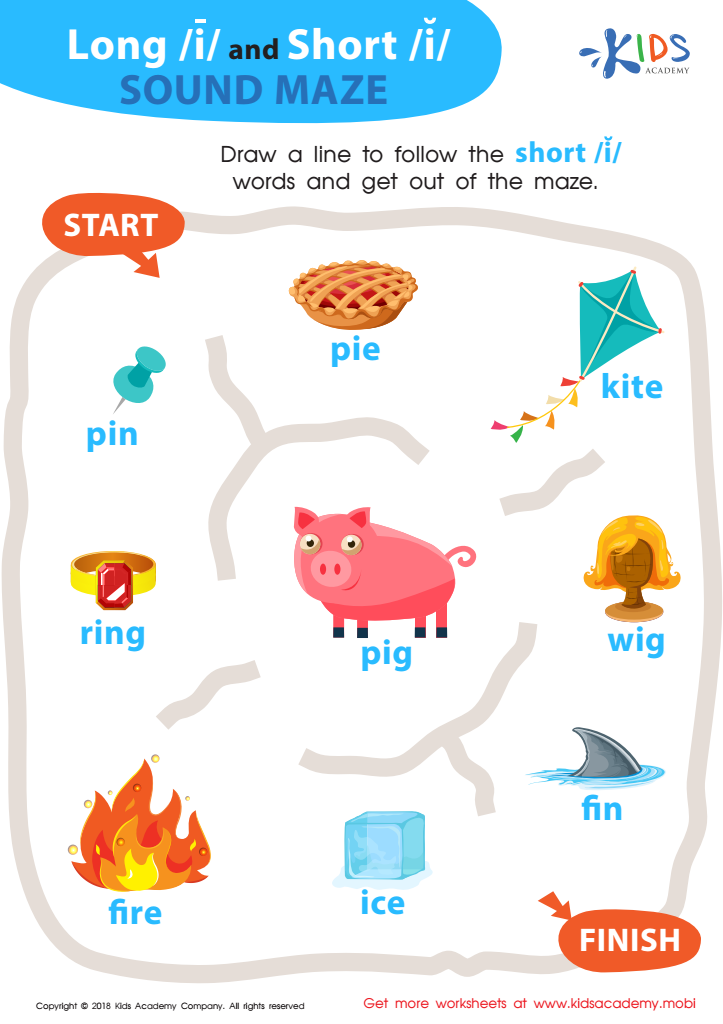
Question your students if the worksheet is entertaining. They may respond negatively! Nonetheless, this activity will bring satisfaction while learning the distinction between a long and short I sound. Students read the words in the maze and only follow the words with the short I sound to finish the exercise. Grasping the difference between long and short vowels is demanding, but this worksheet helps students understand this reading skill.
Reading: Long I and Short I Sound Maze Worksheet
Worksheet
letter F worksheets
letter F worksheets

Letter F Tracing Page

Trace "F" with your pencil! Start at the red dot and draw lines — it's fun! Check it out — it looks great! Keep practicing to make it even better. Then, try completing words. Help out the broken fan and funny frog! Get free alphabet worksheets and activities for your kids. Come see our new tracing pages!
Letter F Tracing Page
Worksheet
Rook and Bishop Worksheet

Rook and Bishop Worksheet

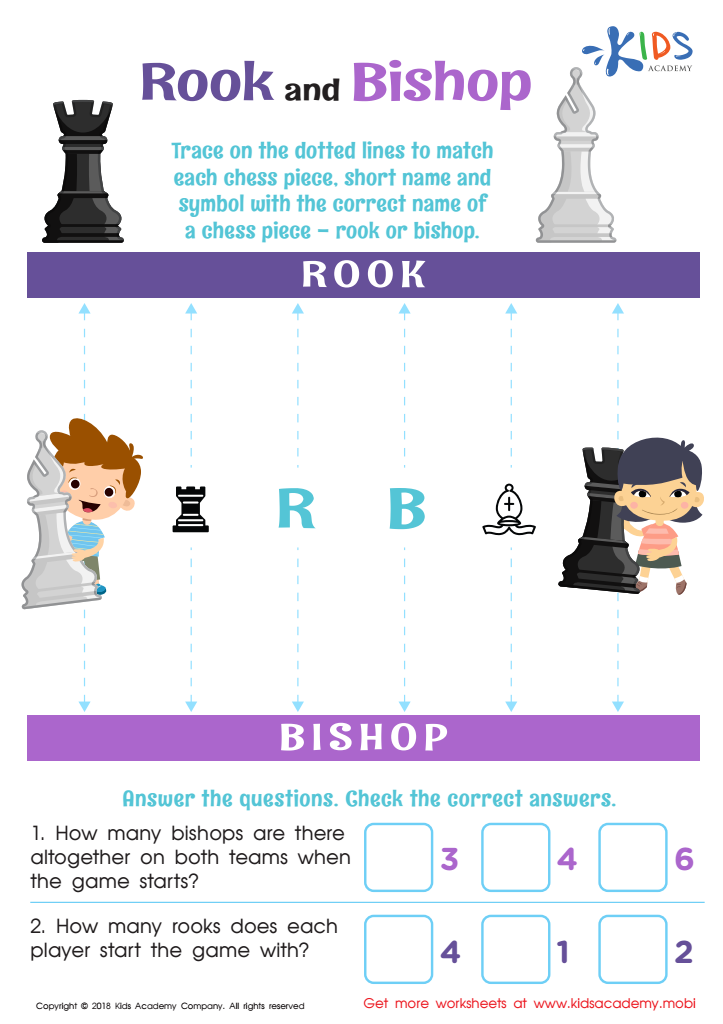
This tracing sheet helps your child learn chess pieces by matching each piece, short name and symbol to the correct name. After tracing, have them answer the questions and check their answers. It's a great way for them to become familiarized with chess.
Rook and Bishop Worksheet
Worksheet
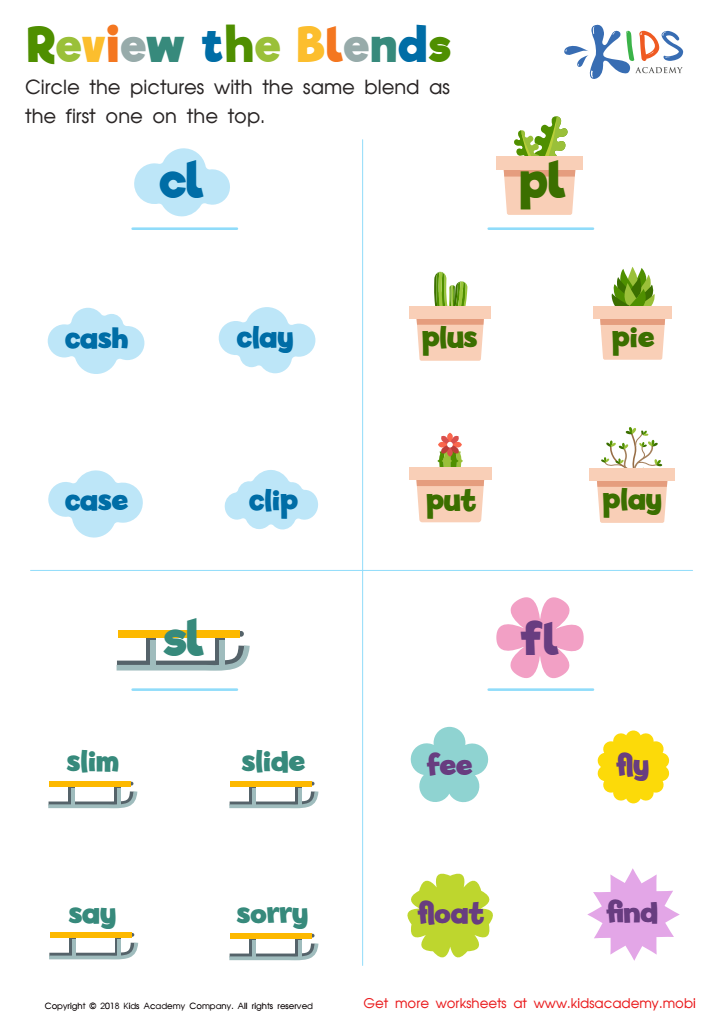
Review the Blends Worksheet


Review the Blends Worksheet

Consonant blends are two or three consonants that make a sound when pronounced together. L-blends like cl, bl, sl, fl and 3-letter blends like str, slp are common. This phonics worksheet helps early readers identify words containing two letter L-blends. Students must circle the words then read them aloud.
Review the Blends Worksheet
Worksheet
letter d worksheets
letter d worksheets

Letter D Tracing Page

Trace and write capital and lowercase letter "D" with our free printable alphabet worksheet! Be careful not to mix up "b" and "d" - just look at the ducks and write their first letter. The dolphin wants to join the fun too - do you like dolphins? Get more fun worksheets and activities at Kids Academy!
Letter D Tracing Page
Worksheet


Normal Letter Recognition is vital for children ages 7-9 because it lays the foundation for effective reading and writing skills, which are essential for future academic success. At this age, children transition from learning to read to reading to learn, making fluent letter recognition crucial.

First, proper letter recognition allows for efficient decoding of words, leading to improved reading fluency. Fluent readers can focus on comprehending text rather than slowly sounding out each letter, which enhances overall understanding and engagement with reading material.

Second, solid letter recognition aids in spelling and writing, which are integral parts of communication. Children who easily recognize letters can more accurately spell words and express their thoughts in written form, fostering better communication skills.

Additionally, early proficiency in letter recognition boosts children's confidence in their academic abilities, encouraging a positive attitude towards learning and school. Struggling with basic skills like letter recognition can cause frustration and disengagement, leading to broader educational challenges.

By prioritizing normal letter recognition, parents and teachers ensure that children develop the basic skills necessary for more advanced literacy tasks. This foundational knowledge supports long-term academic success and instills a lifelong love of reading and learning, making it a matter of critical importance.