Normal Vowels Worksheets for Ages 7-9 - Page 3
58 filtered results
-
From - To
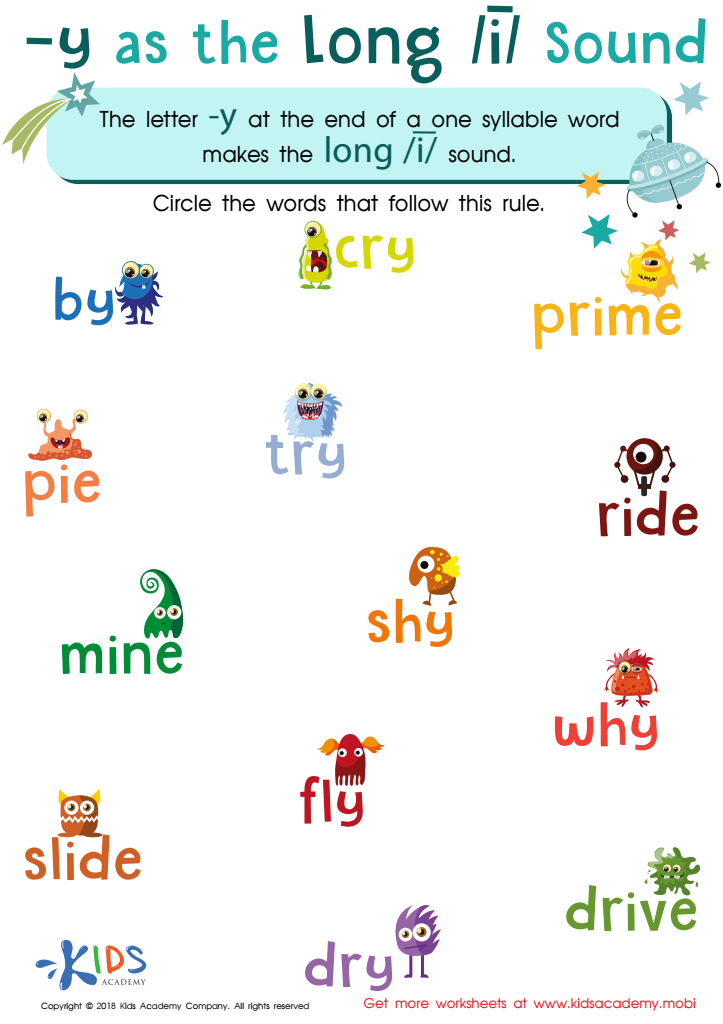
Reading: Y as Long I Worksheet
 Assign to My Students
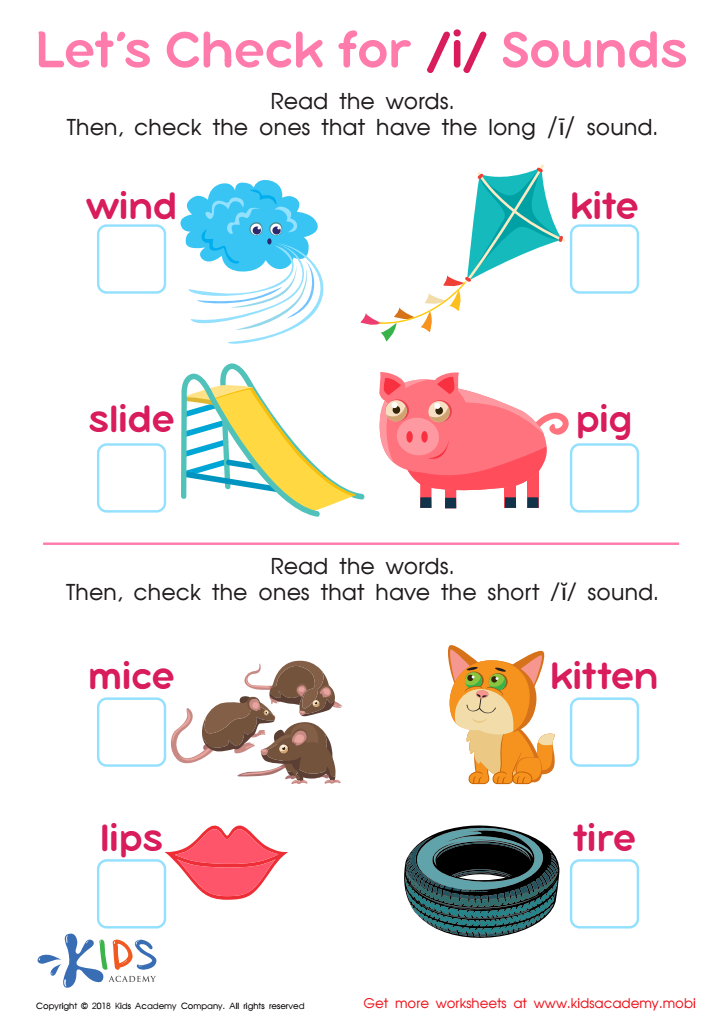
Let's Check for «i» Sounds Worksheet
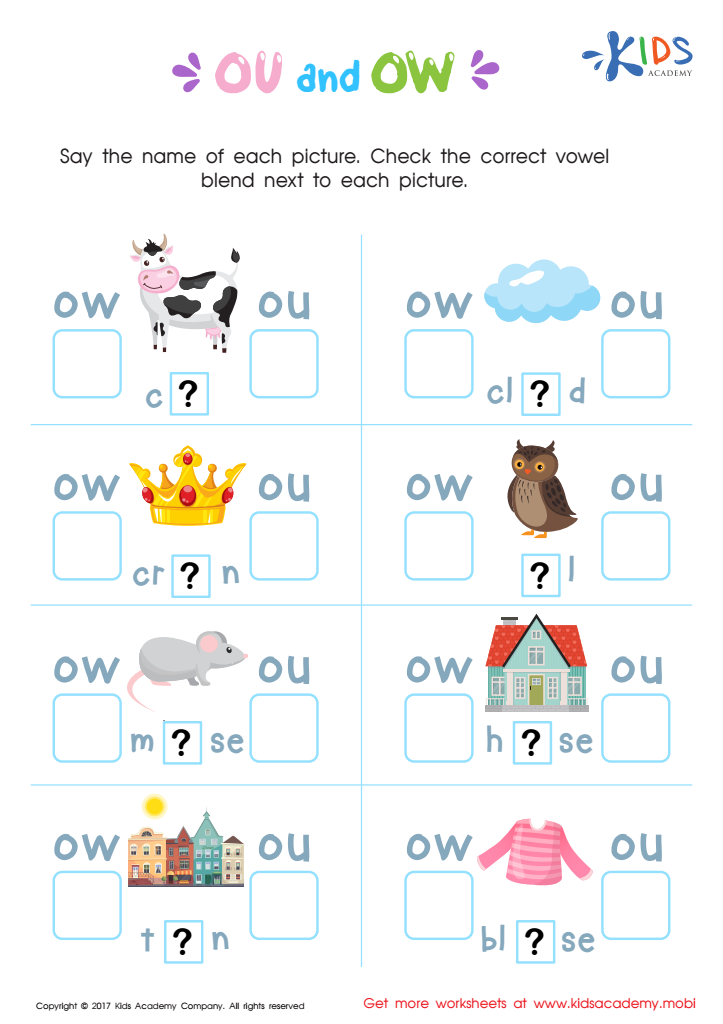
OU and OW Words Worksheet
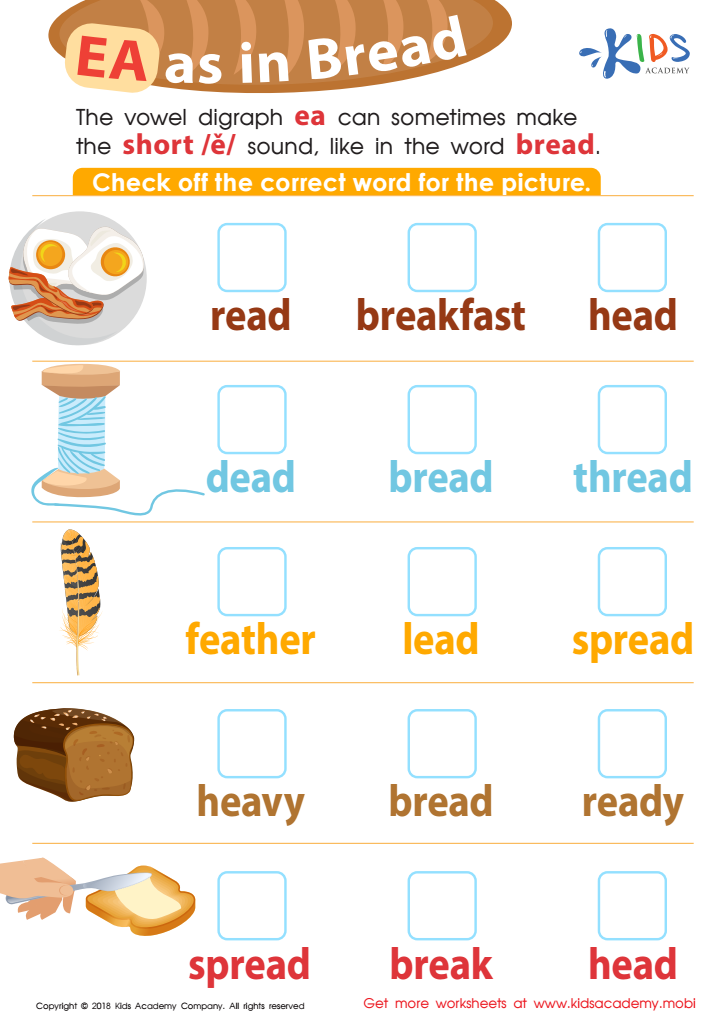
Reading: EA as in Bread Worksheet
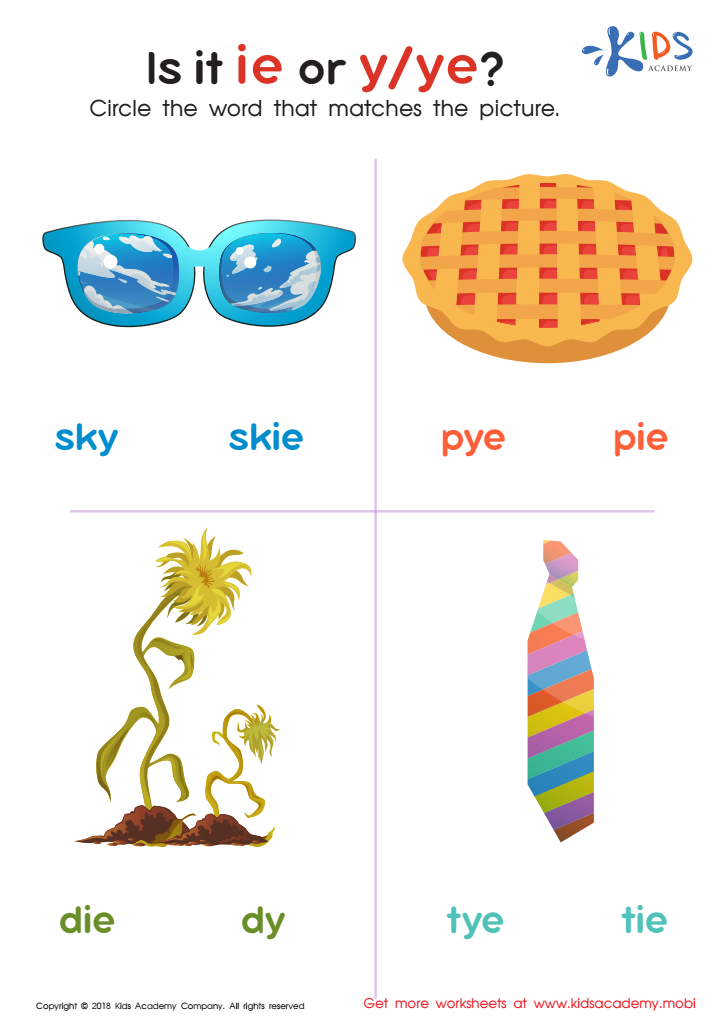
Is It IE or Y/Ye? Worksheet
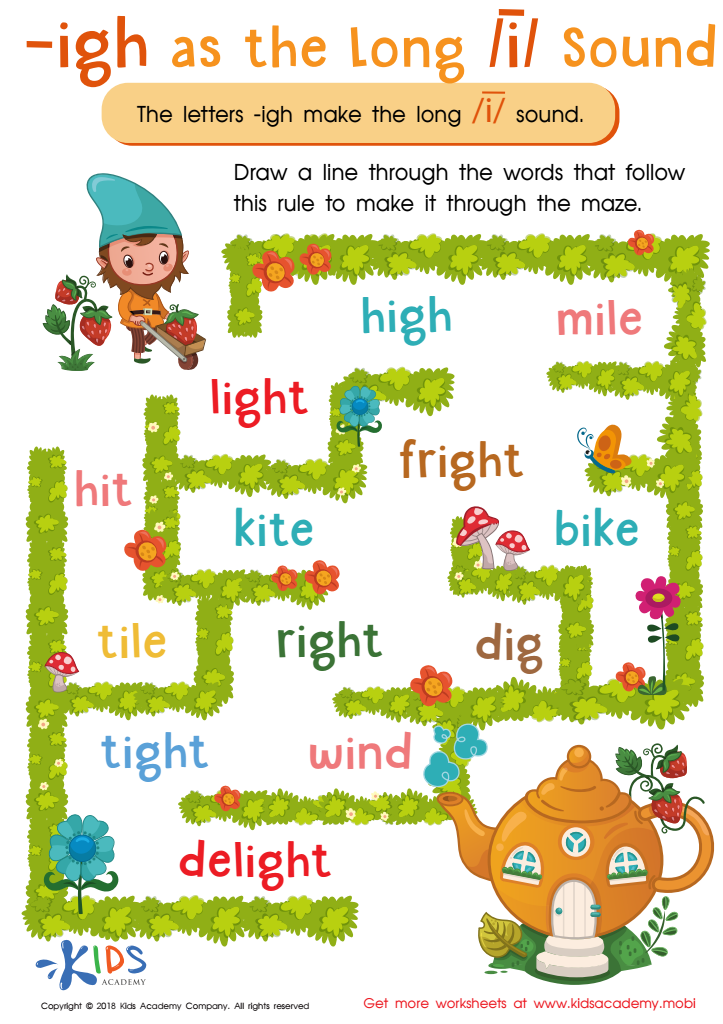
Reading: IGH as Long I Worksheet
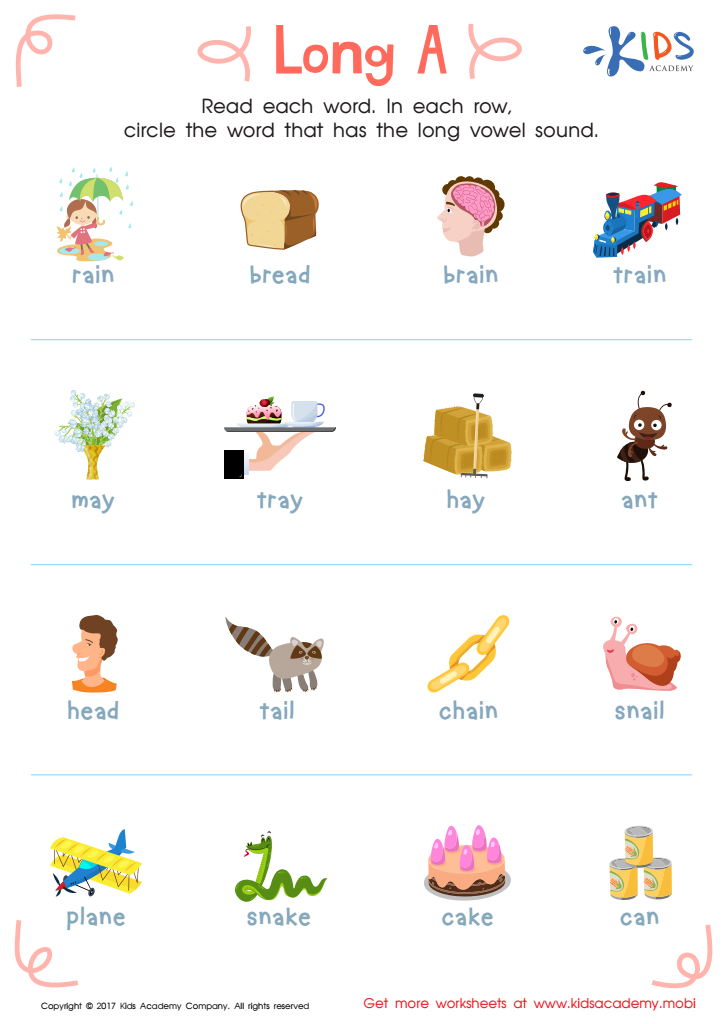
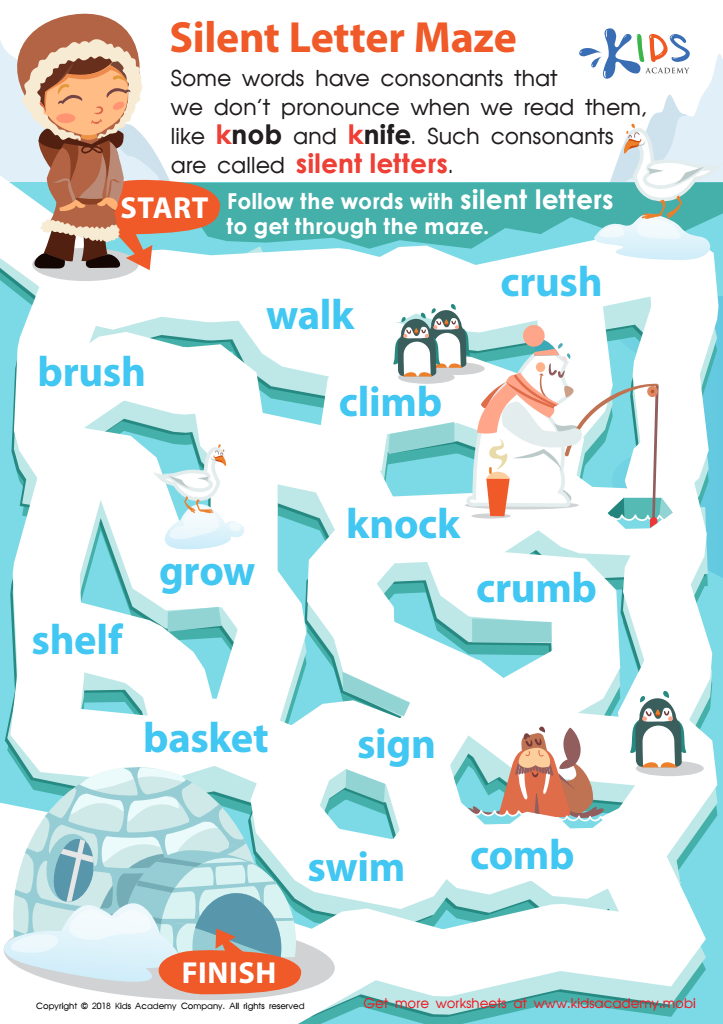
Silent Letter Maze Worksheet
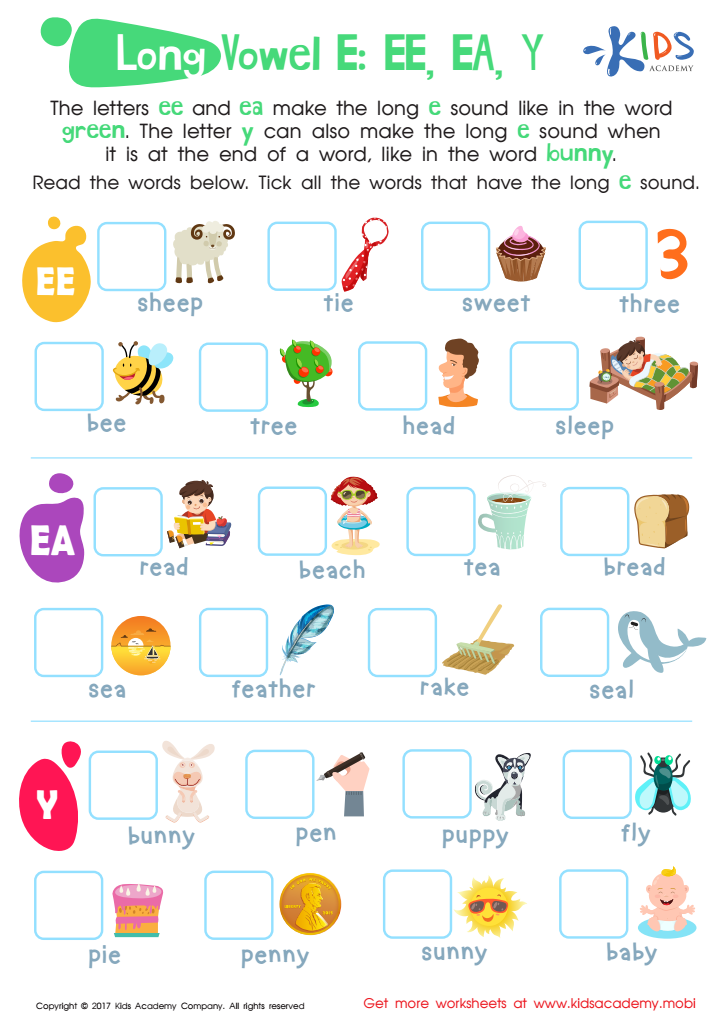
Long Vowel E Printable
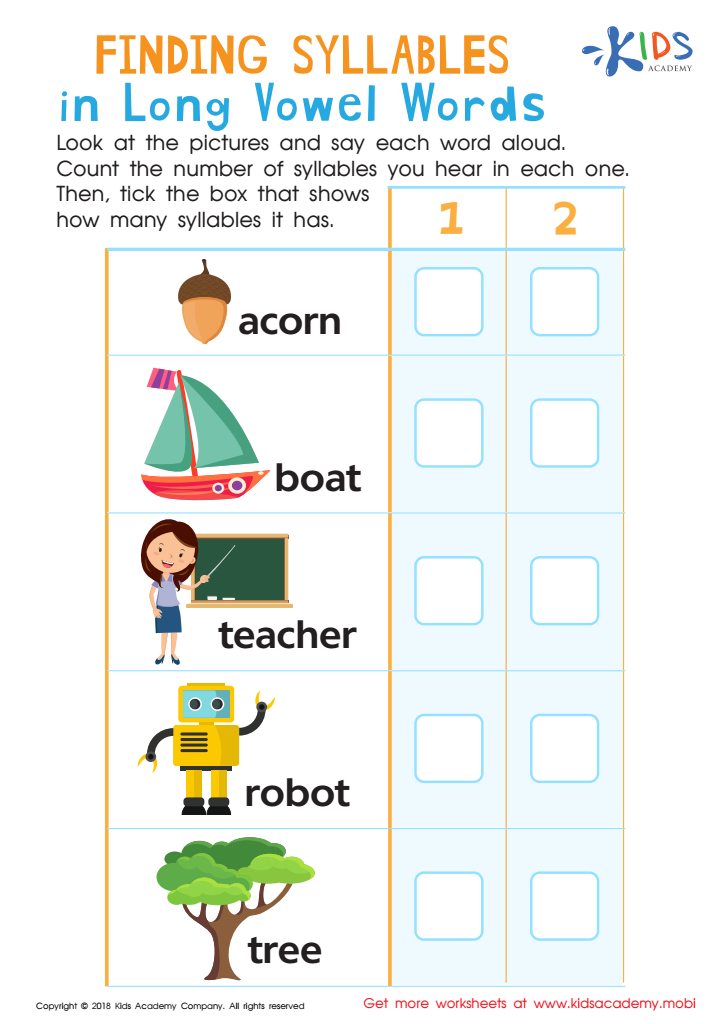
Finding Syllables in Long Vowel Words Worksheet





Parents and teachers should care about normal vowels for children aged 7-9 because these fundamental components of language are critical to developing reading, writing, and pronunciation skills. At this age, children are transitioning from basic literacy to more advanced reading skills. Normal vowels, which include the primary vowel sounds found in words like "cat," "bed," "sit," "cot," and "cut," form the core building blocks of phonics—a method widely used for teaching children how to read.
Mastering these sounds allows children to decode new words independently, enhancing their reading confidence and fluency. With consistent practice, they can recognize vowel patterns and apply them across different contexts, essential for both reading comprehension and spelling. Additionally, vowels often determine the meaning of a word, so an incorrect vowel sound can completely alter the word's meaning (e.g., "pat" versus "pet").
For teachers, incorporating lessons that emphasize vowel sounds aligns with curricular goals for literacy and encourages phonemic awareness. For parents, reinforcing these sounds at home strengthens school learning, fostering a supportive environment that nurtures early literacy development. Early competence in vowel sounds contributes to long-term literacy success, making the focus on normal vowels essential for a child's academic journey.






