Normal Social Studies Worksheets for Ages 7-9 - Page 8
174 filtered results
-
From - To
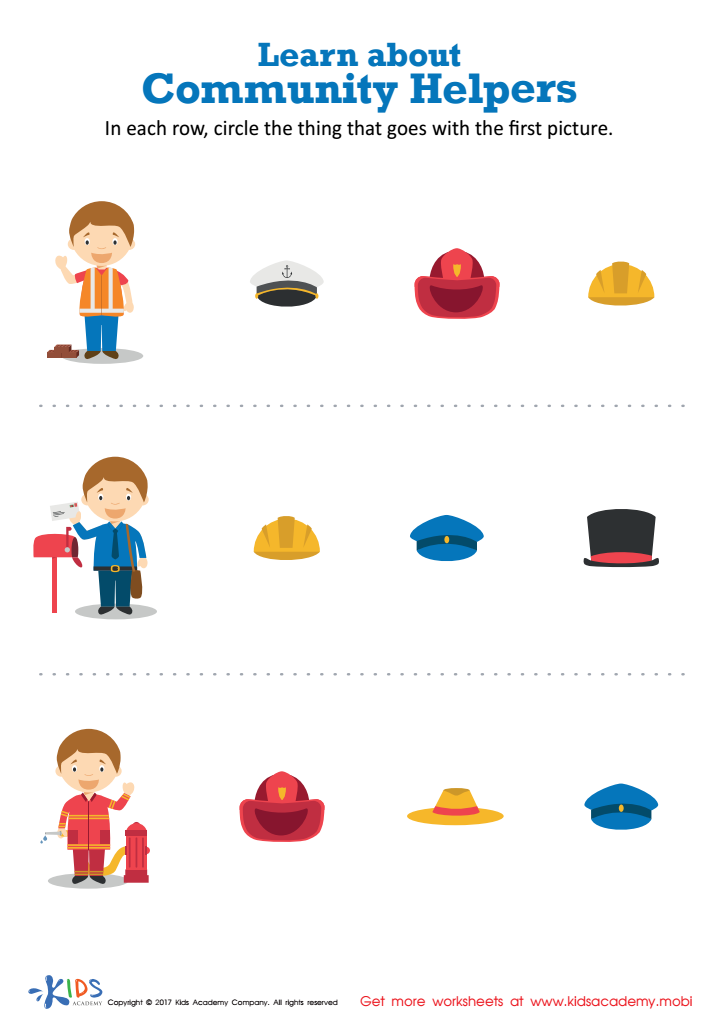
Learn about Community Helpers Printable
 Assign to My Students
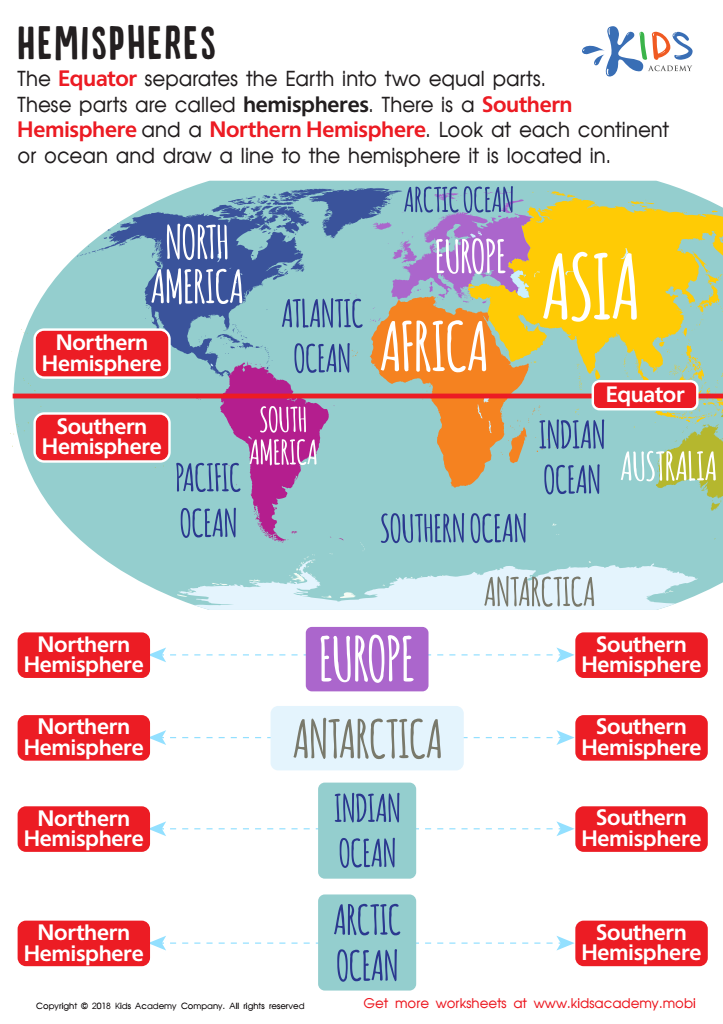
Hemispheres Worksheet
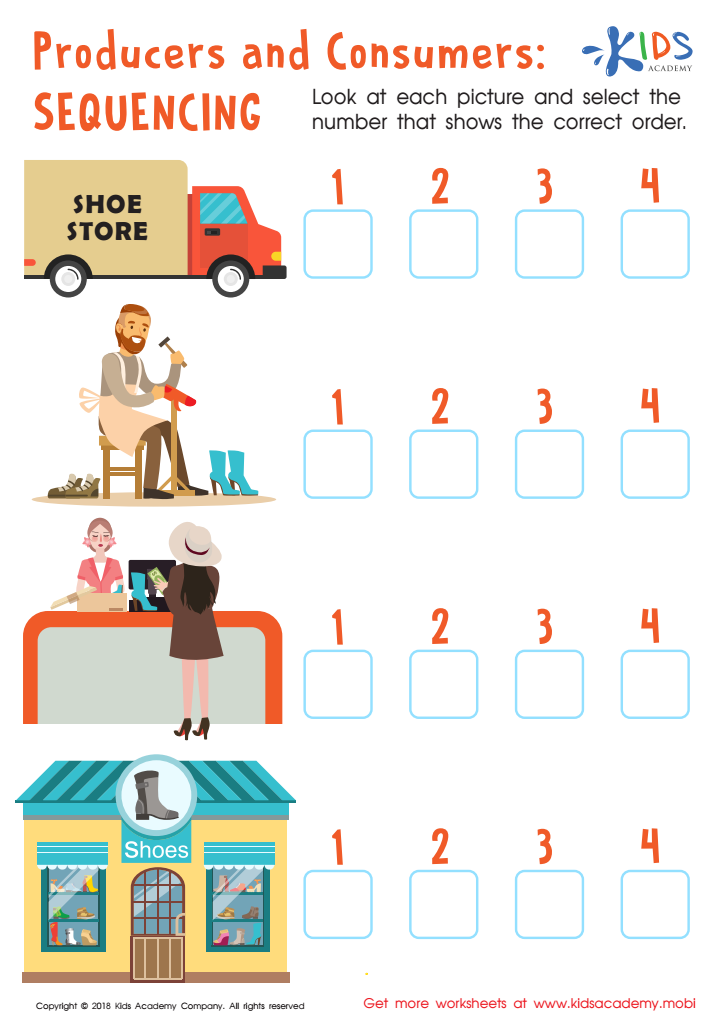
Producers and Consumers: Sequencing Worksheet
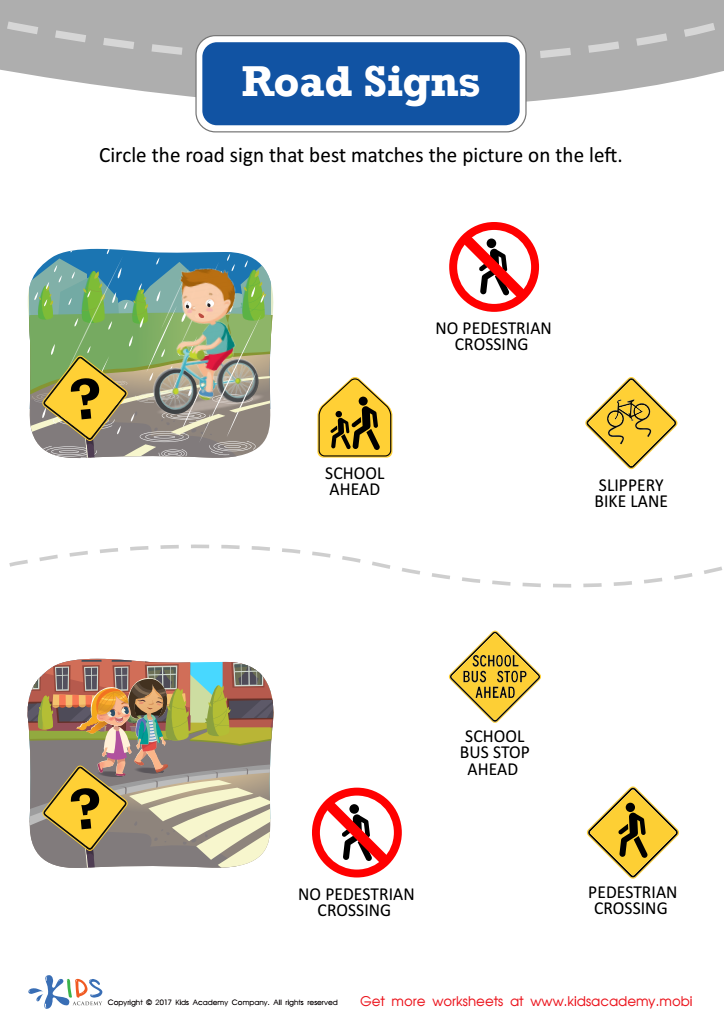
Road Signs (Part 2) Printable
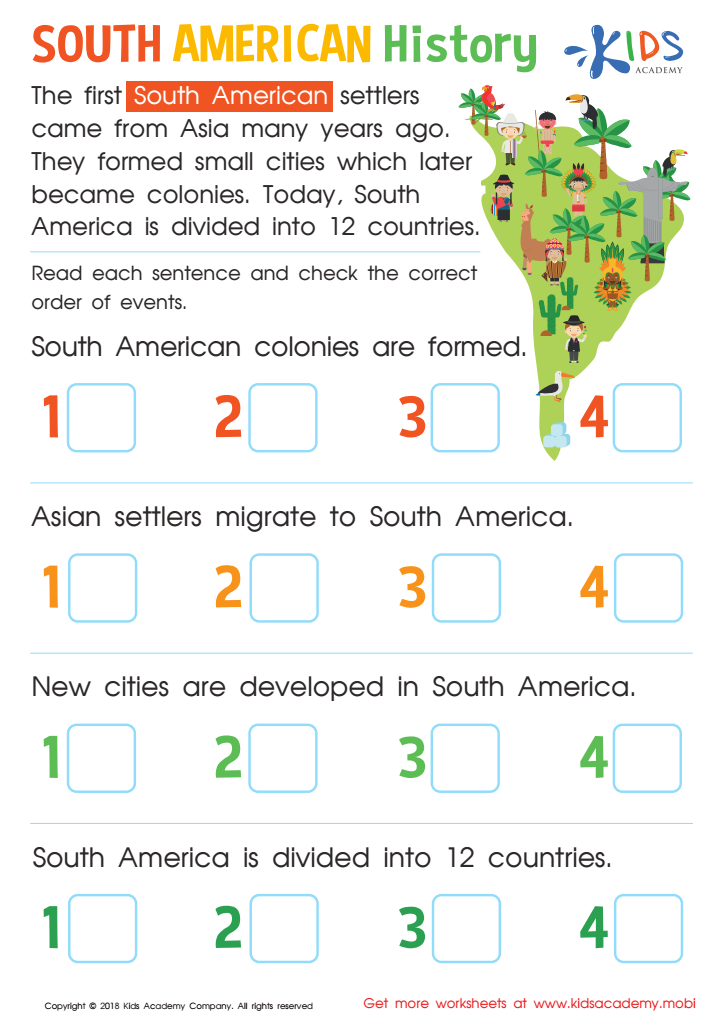
South American History Worksheet
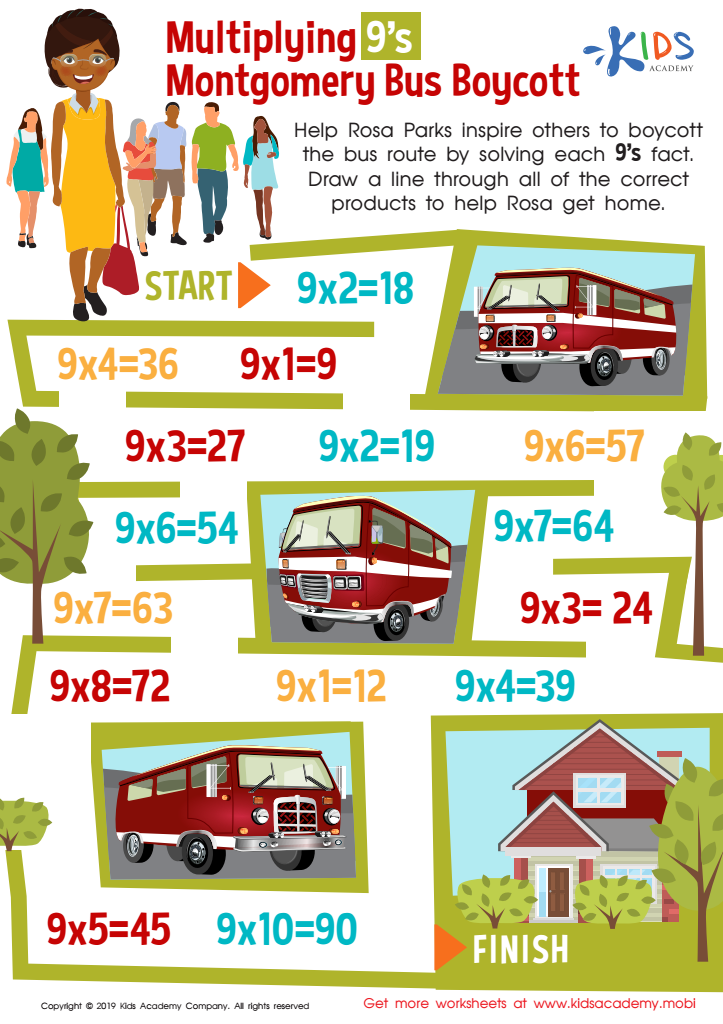
Multiplying 9’s Montgomery Bus Boycott Worksheet








Parents and teachers should care deeply about normal social studies education for ages 7-9 because it lays the foundational elements for well-rounded, informed, and empathetic future citizens. At this impressionable age, children are beginning to understand the world beyond their immediate surroundings. Social studies foster critical thinking and provide essential knowledge about history, geography, cultures, and societal norms.
First, introducing history helps young learners appreciate the importance of events and figures that have shaped our society. They gain a sense of time and a connection to the past, which is vital for understanding how societies evolve. Geography instills spatial awareness and curiosity about different places, enhancing their comprehension of the world's diversity.
Moreover, social studies cultivate empathy and cultural awareness. Learning about various cultures, traditions, and lifestyles promotes inclusivity and respect for differences. This early exposure helps combat prejudice and fosters a more harmonious society.
Furthermore, understanding societal norms and roles contributes to civic competence. Children learn about rules, laws, responsibilities, and their roles as community members. This knowledge prepares them to be active, responsible citizens who understand and participate meaningfully in their communities.
In conclusion, normal social studies for ages 7-9 are essential for developing informed, empathetic, and responsible future citizens, making it an indispensable component of early education.