Normal Letter B Worksheets for 8-Year-Olds
1 filtered results
-
From - To
Introducing our expertly crafted Normal Letter B Worksheets, specifically designed for 8-Year-Olds! These engaging and educational worksheets are perfect for young learners eager to master the nuances of the letter B. Through a series of fun-filled activities, including tracing, matching, and writing exercises, children will enhance their understanding and usage of the letter B in various contexts. Our worksheets are tailored to captivate the minds of 8-year-olds, ensuring a perfect blend of learning and enjoyment. Whether at home or in the classroom, our Normal Letter B Worksheets are the ideal resource for fostering literacy skills in young learners. Start the journey to letter mastery today!
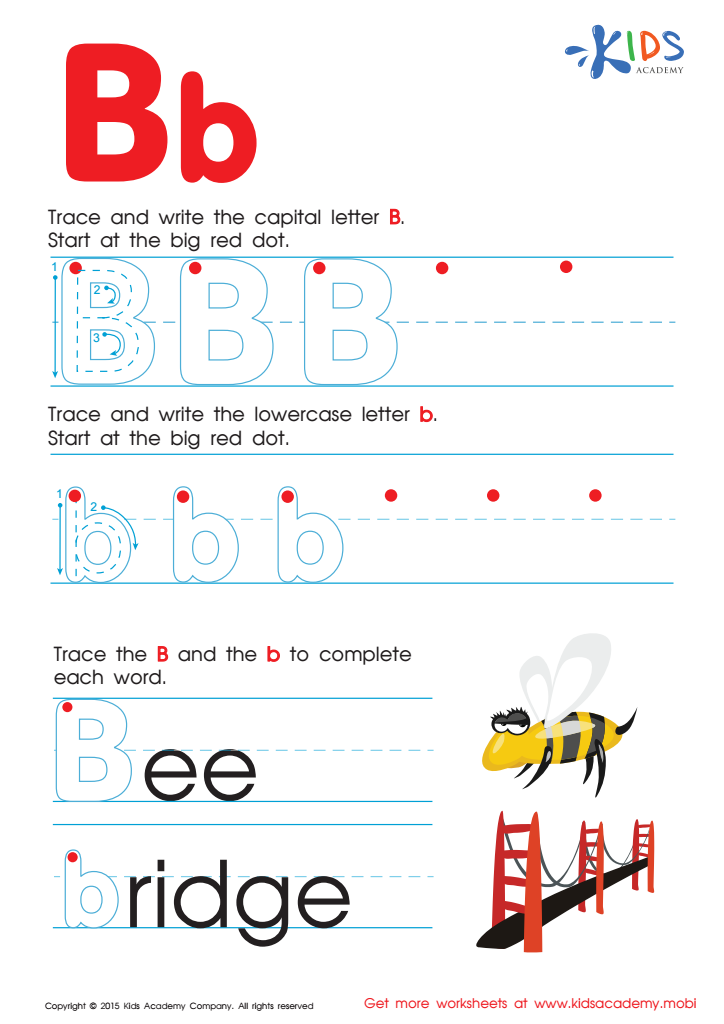
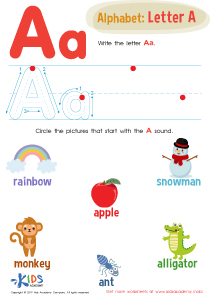
Letter B Tracing Page
 Assign to My Students







Normal Letter B worksheets designed specifically for 8-year-olds offer a wide range of benefits that support children's literacy development in a targeted and engaging way. At this age, children are refining their reading and writing skills, becoming more comfortable with sentence construction, and enhancing their vocabulary. The Letter B worksheets cater to these developmental milestones by offering exercises that reinforce letter recognition, phonemic awareness, and fine motor skills.
Firstly, Normal Letter B worksheets for 8-year-olds provide a structured approach that helps children recognize and differentiate the letter B from other letters in the alphabet. This is crucial for improving their reading skills, as it aids in word recognition and comprehension. Through various activities, such as tracing, matching, and coloring, children become familiar with both the uppercase and lowercase forms of the letter, promoting visual discrimination and attention to detail.
Secondly, these worksheets incorporate phonics exercises that emphasize the sound of the letter B, enabling children to make connections between the letter and its sound in words. This phonemic awareness is essential for developing decoding skills, which are foundational for fluent reading.
Lastly, the fine motor skills required for writing are honed through engaging tasks like tracing and drawing. These activities improve hand-eye coordination and pencil control, making writing tasks easier and more enjoyable for young learners.
In conclusion, Normal Letter B worksheets for 8-year-olds are a valuable tool in supporting early literacy development. They offer a balanced mix of learning and fun, making them an excellent resource for both educators and parents aiming to boost children's confidence and competence in reading and writing.