Normal Letter Recognition Worksheets for 9-Year-Olds
20 filtered results
-
From - To
Unveil the exciting world of letters with our "Normal Letter Recognition for 9-Year-Olds" worksheets! Tailored specifically for young learners, this collection is designed to strengthen your child's ability to recognize and differentiate between letters in a normal, everyday setting. Through engaging activities and vibrant illustrations, these worksheets promise to make learning both fun and impactful. Ideal for enhancing literacy skills, our Normal Letter Recognition worksheets will support your 9-year-old's reading and writing journey, laying a solid foundation for future academic success. Dive into this essential educational tool and watch your child's confidence in letter recognition soar!
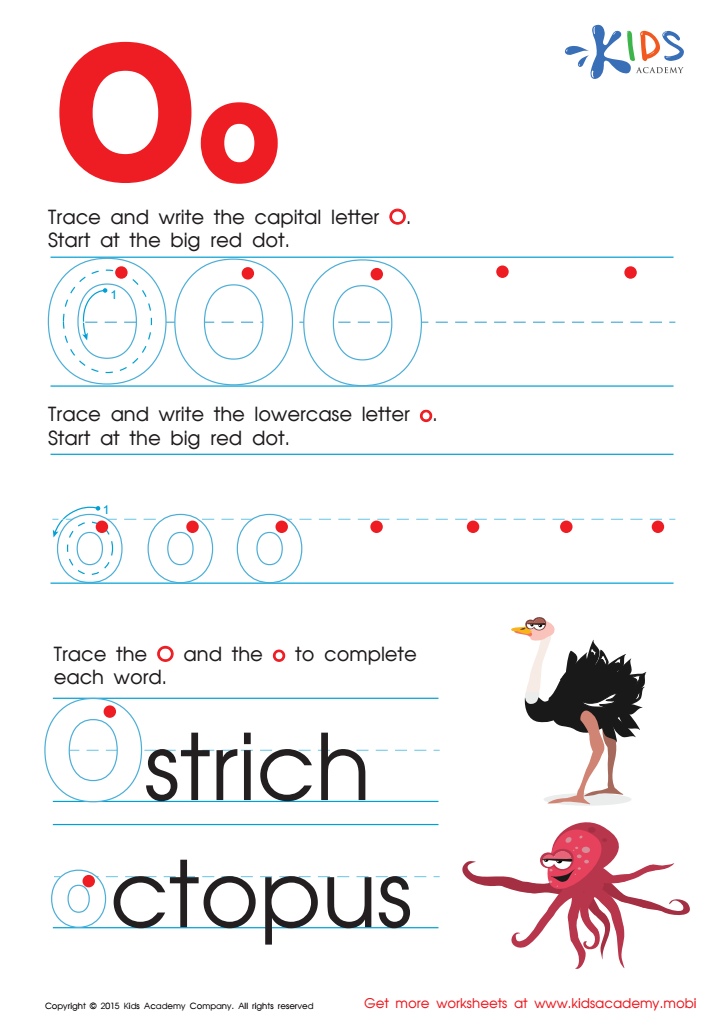
Letter O Tracing Page
 Assign to My Students
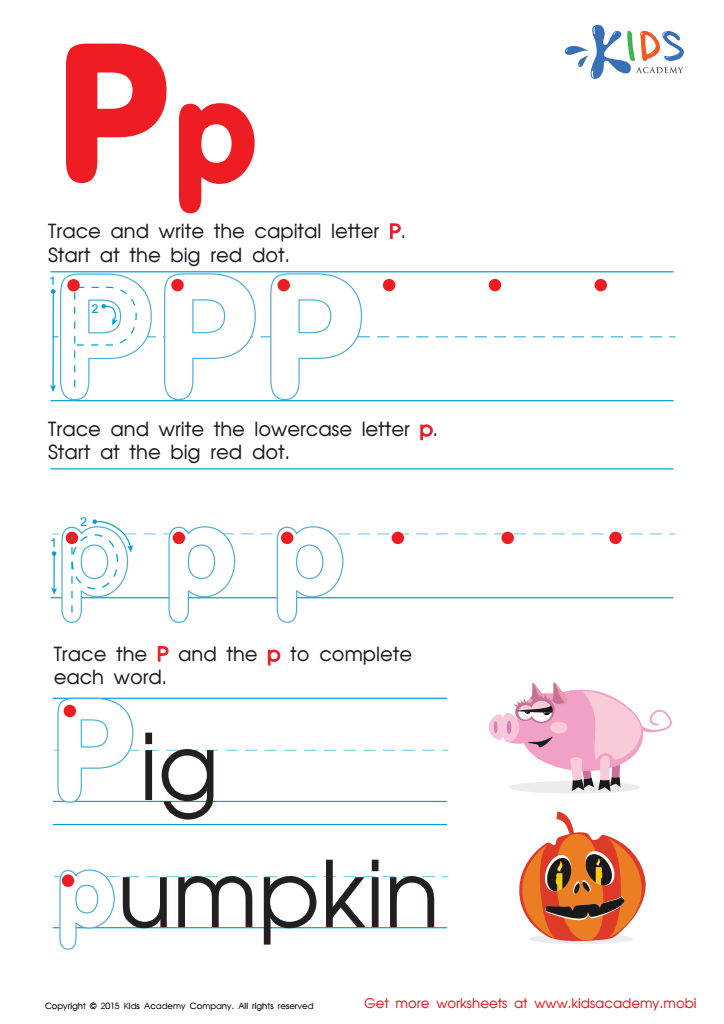
Letter P Tracing Page
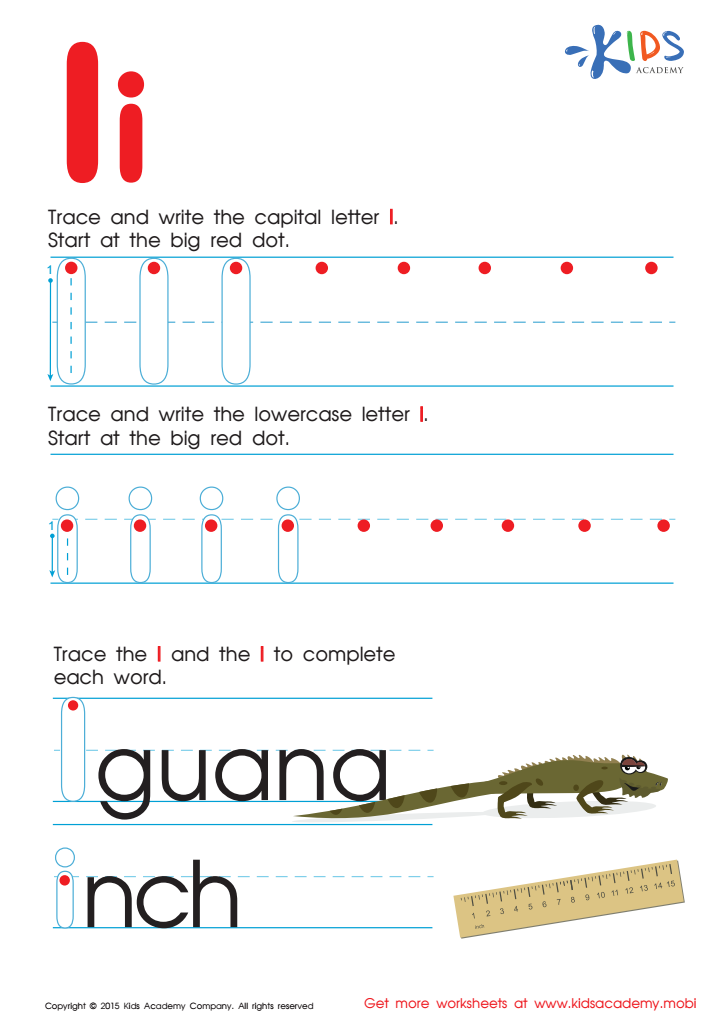
Letter I Tracing Page
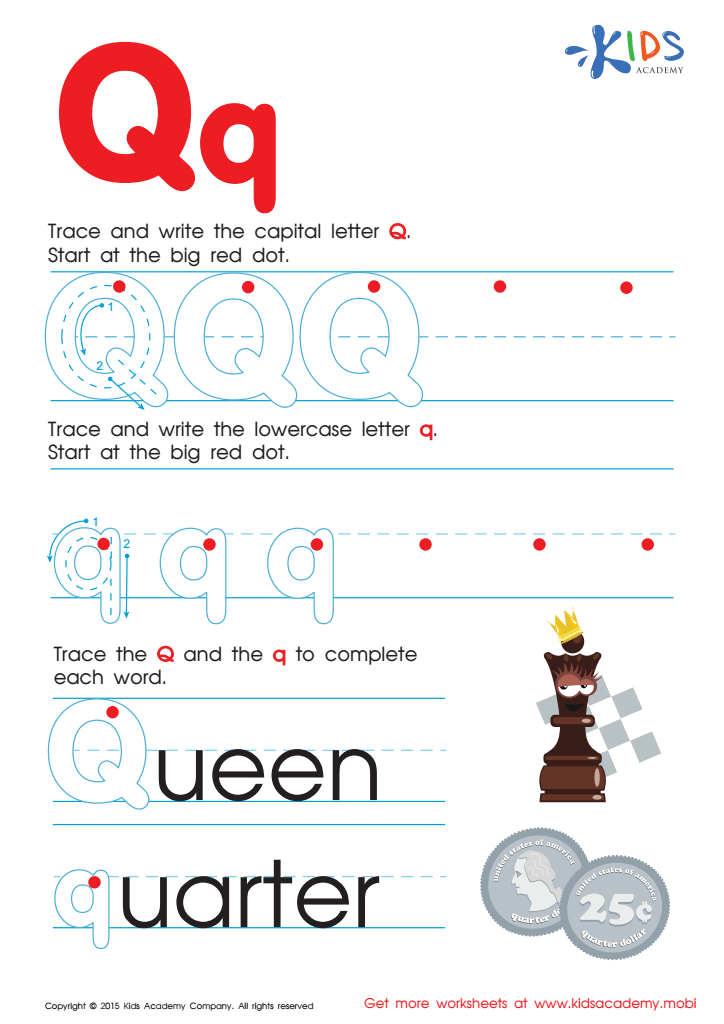
Letter Q Tracing Page
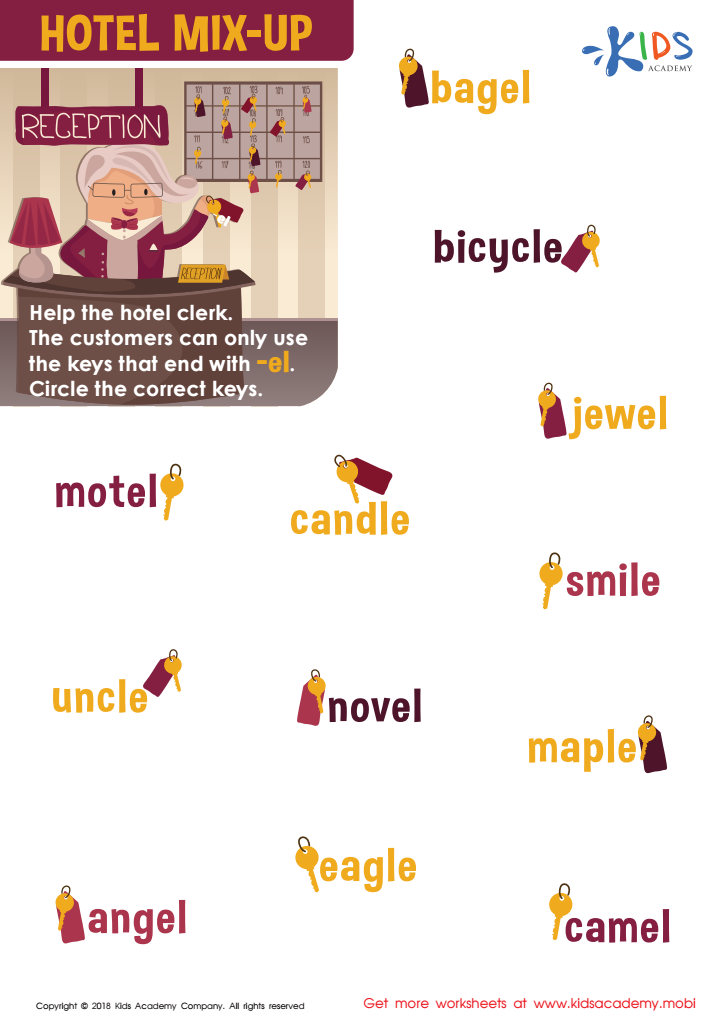
Hotel Mix-up Worksheet

Letter H Tracing Page
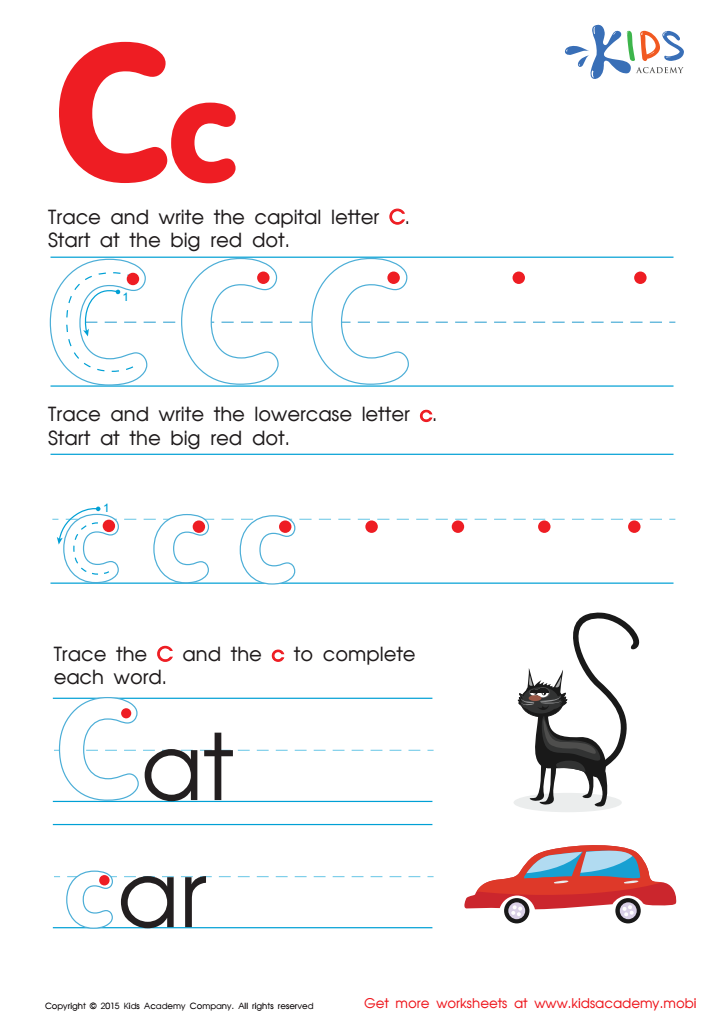
Letter C Tracing Page
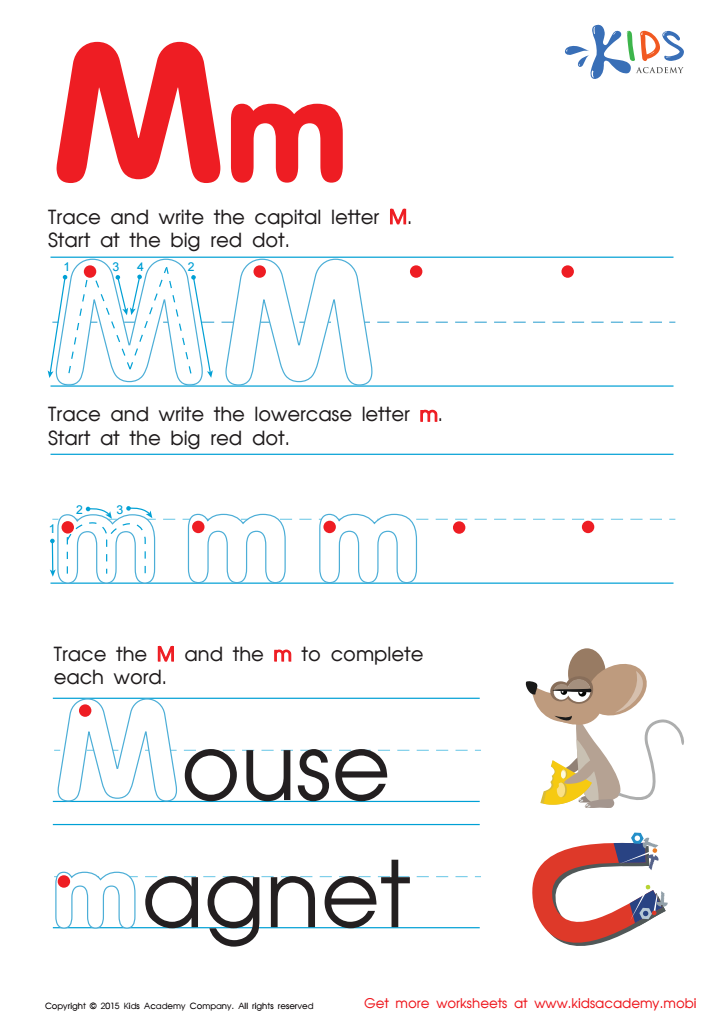
Letter M Tracing Page
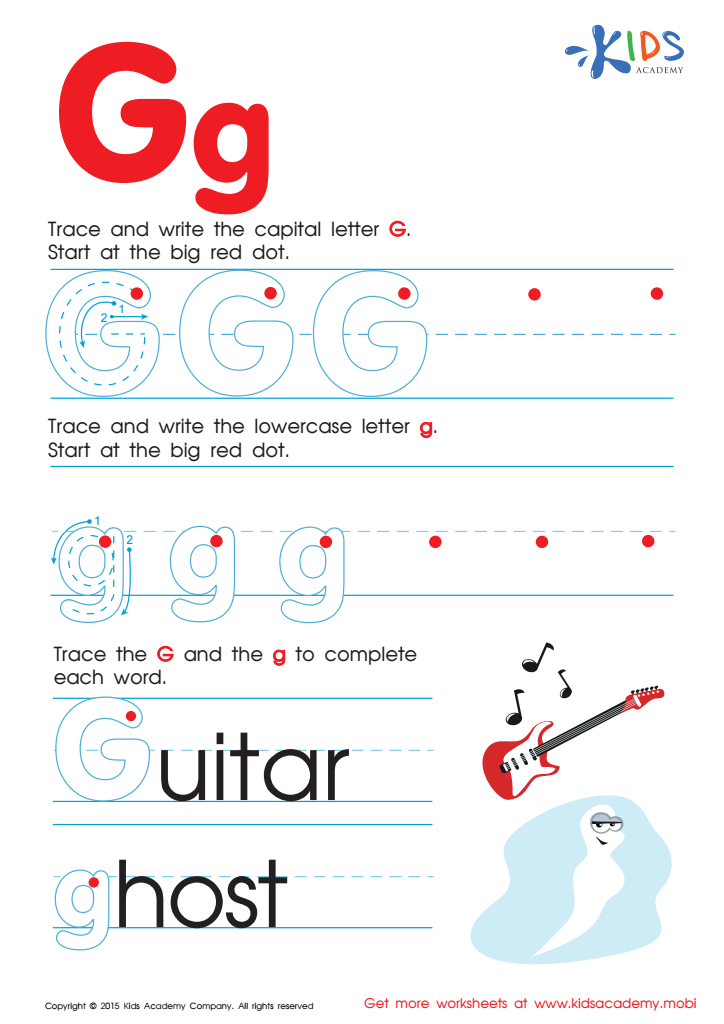
Letter G Tracing Page
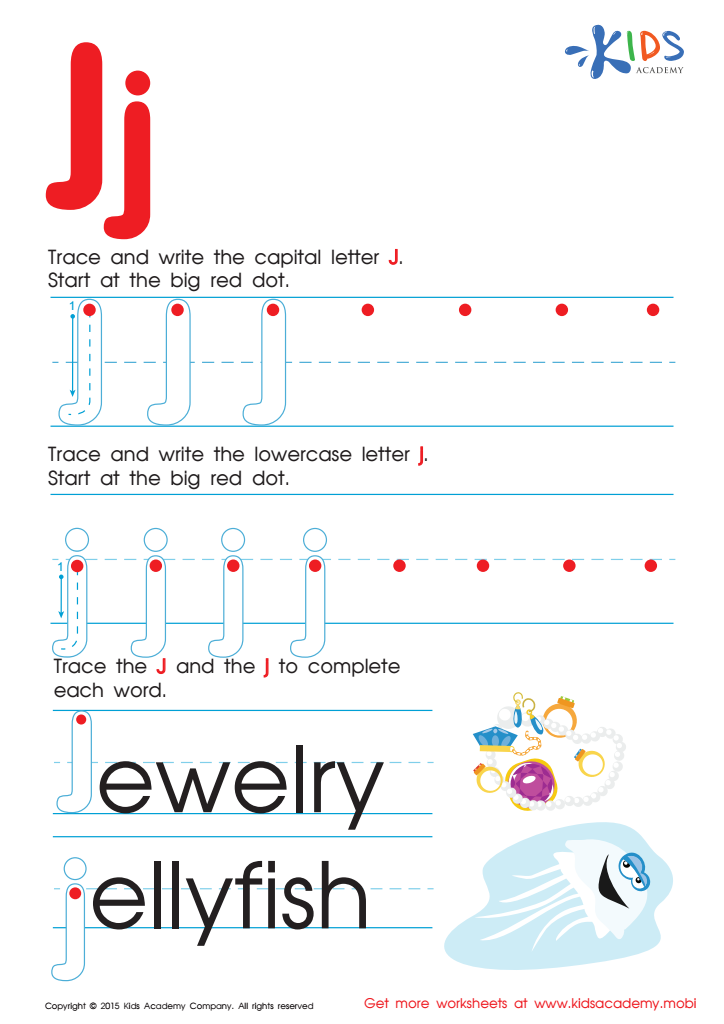
Letter J Tracing Page
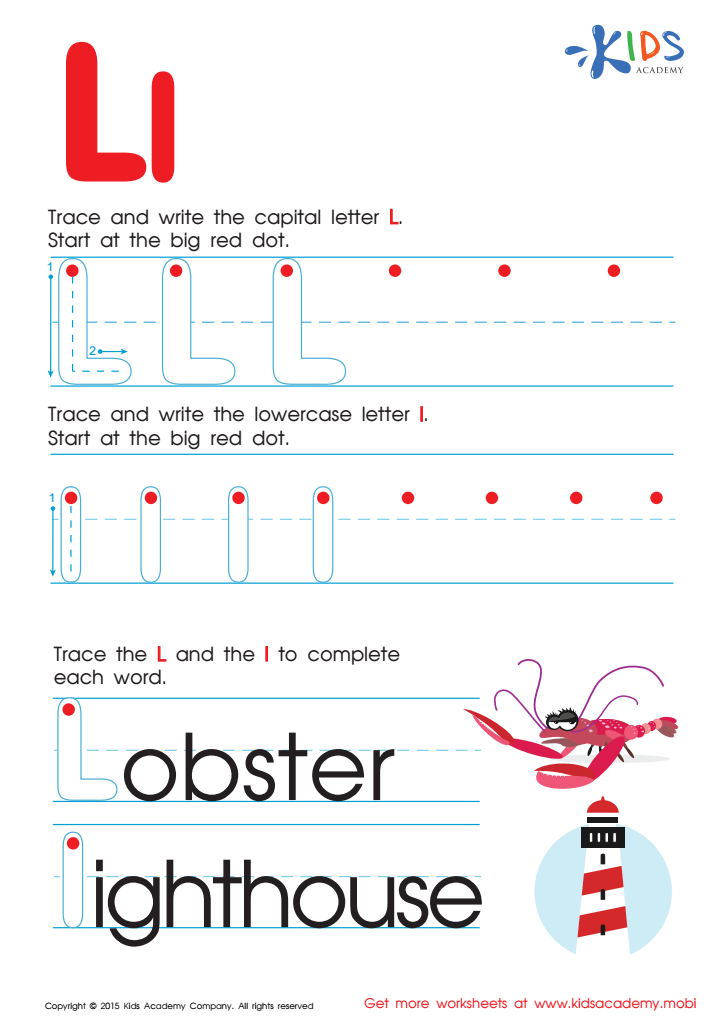
Letter L Tracing Page

Letter E Tracing Worksheet
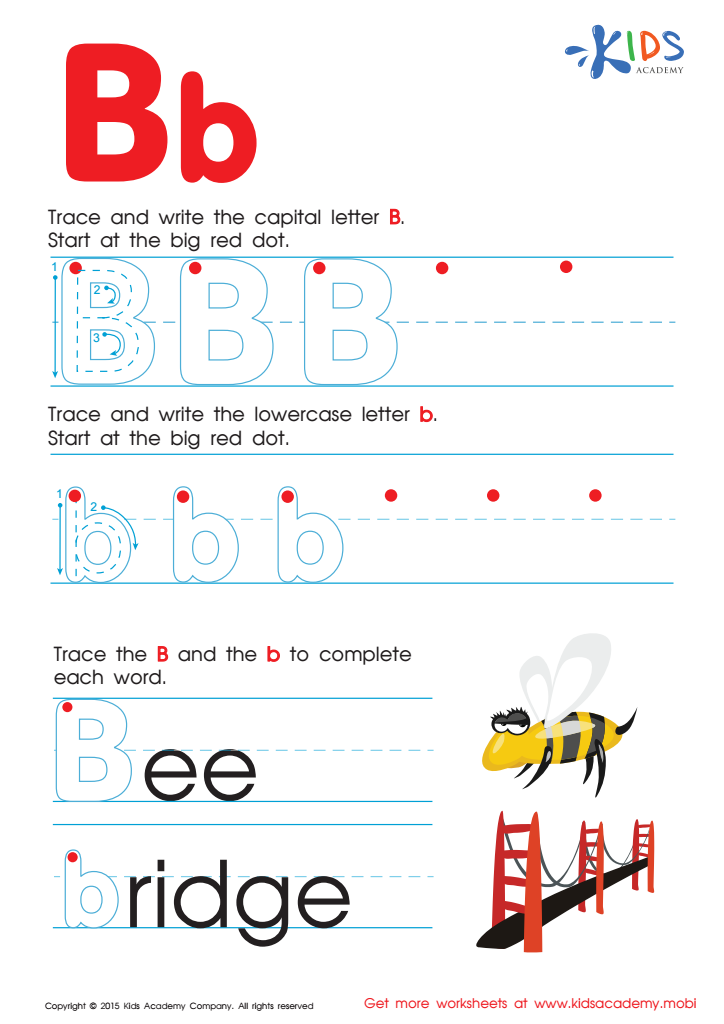
Letter B Tracing Page
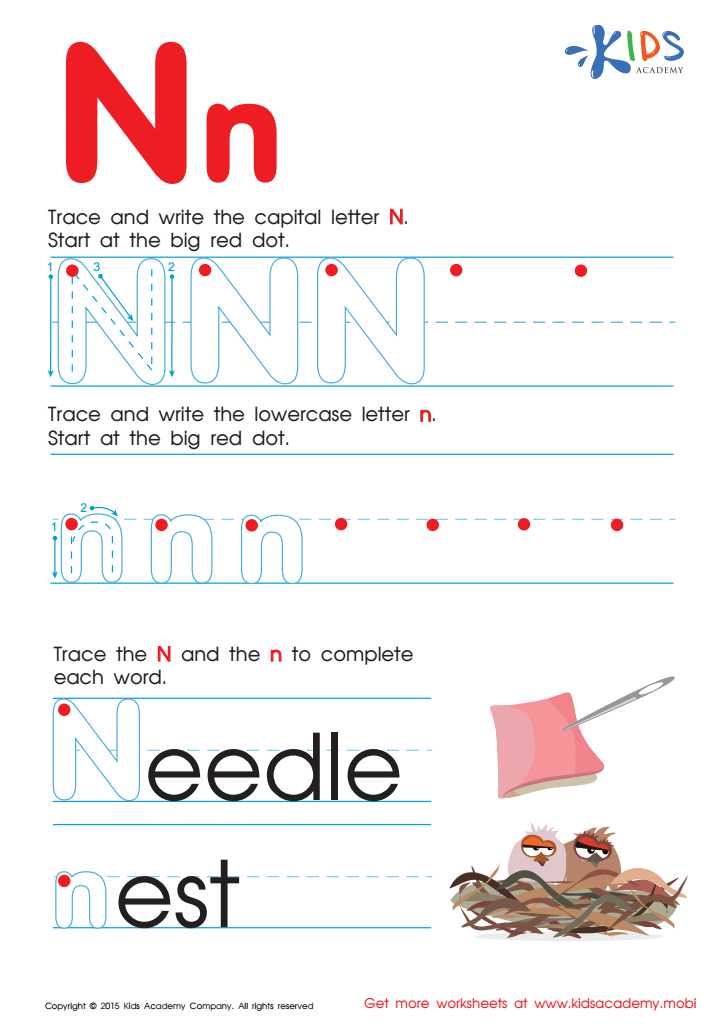
Letter N Tracing Page
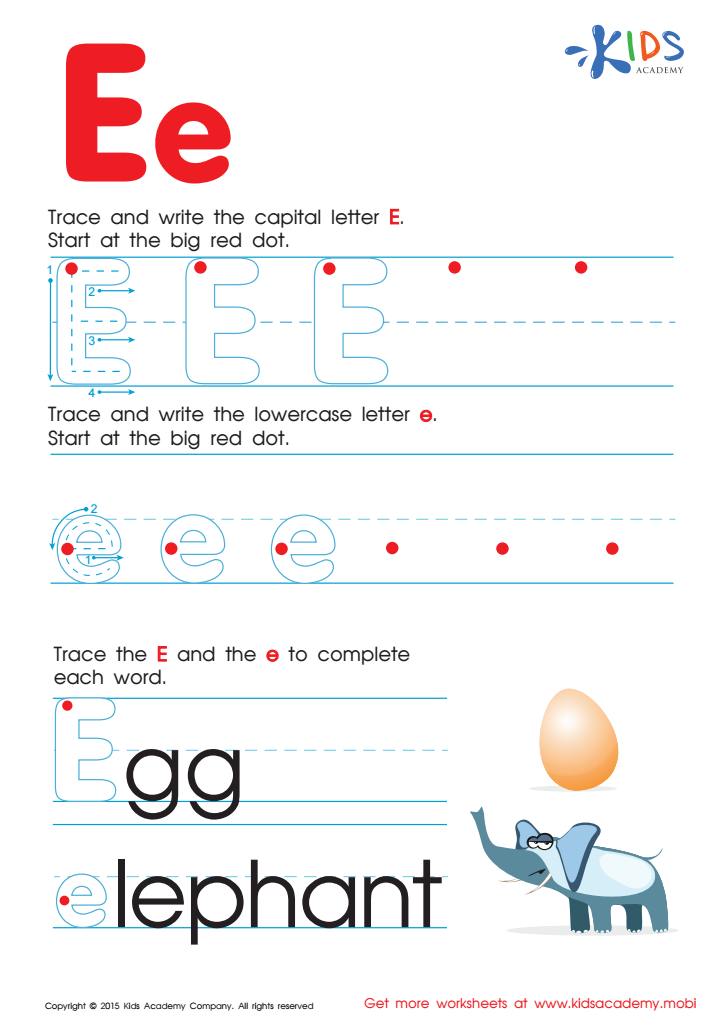
Letter E Tracing Page
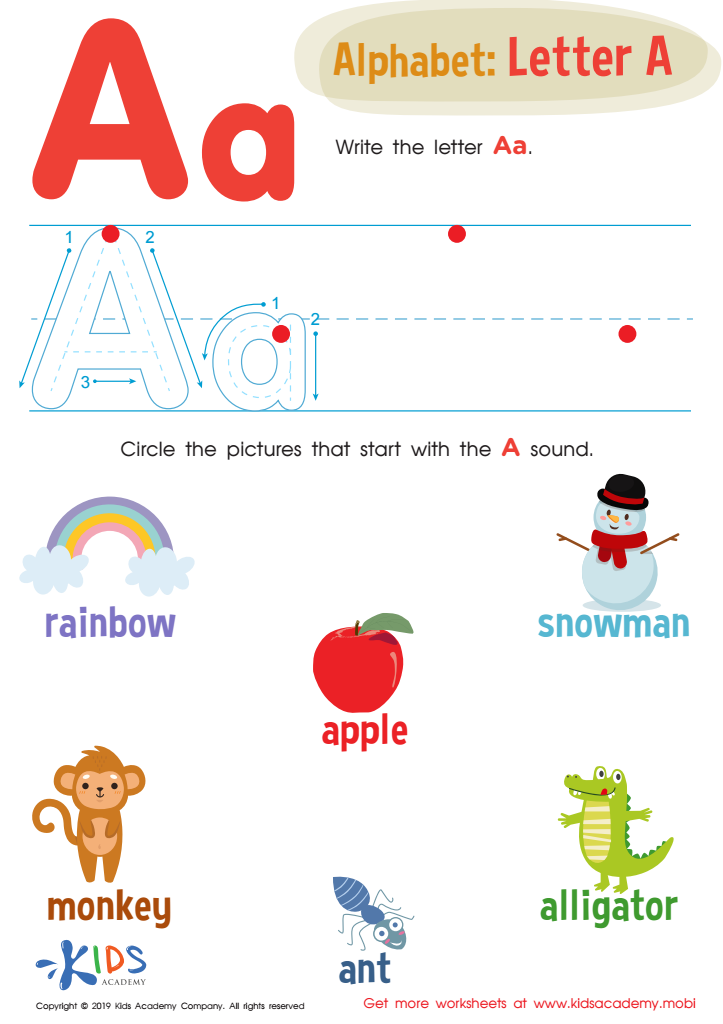
Letter A Tracing Worksheet
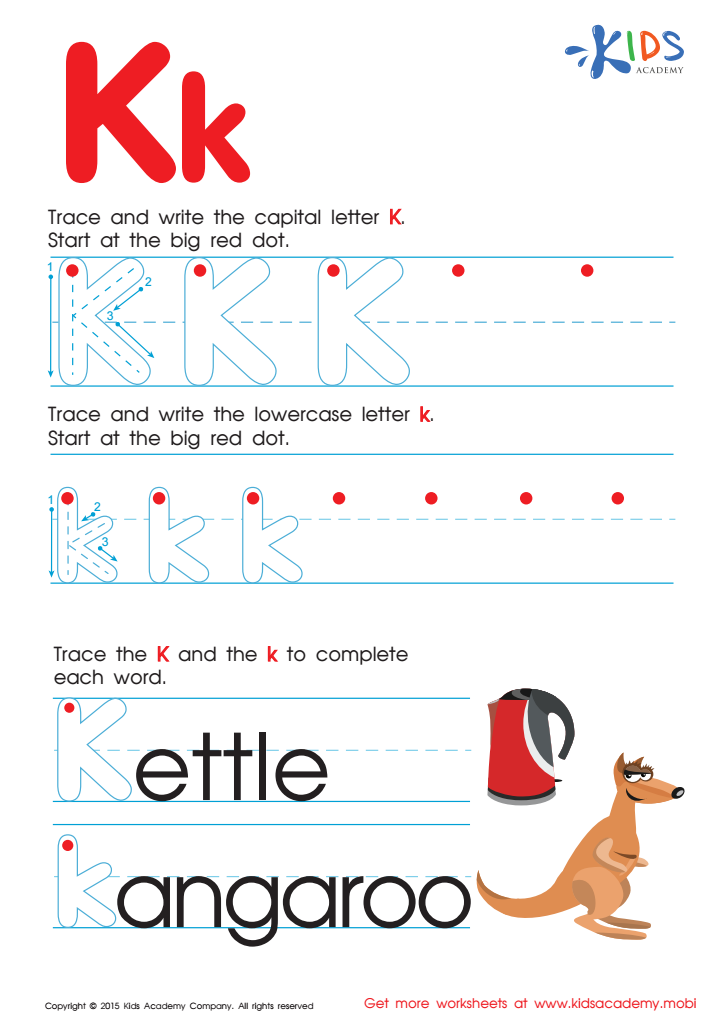
Letter K Tracing Page
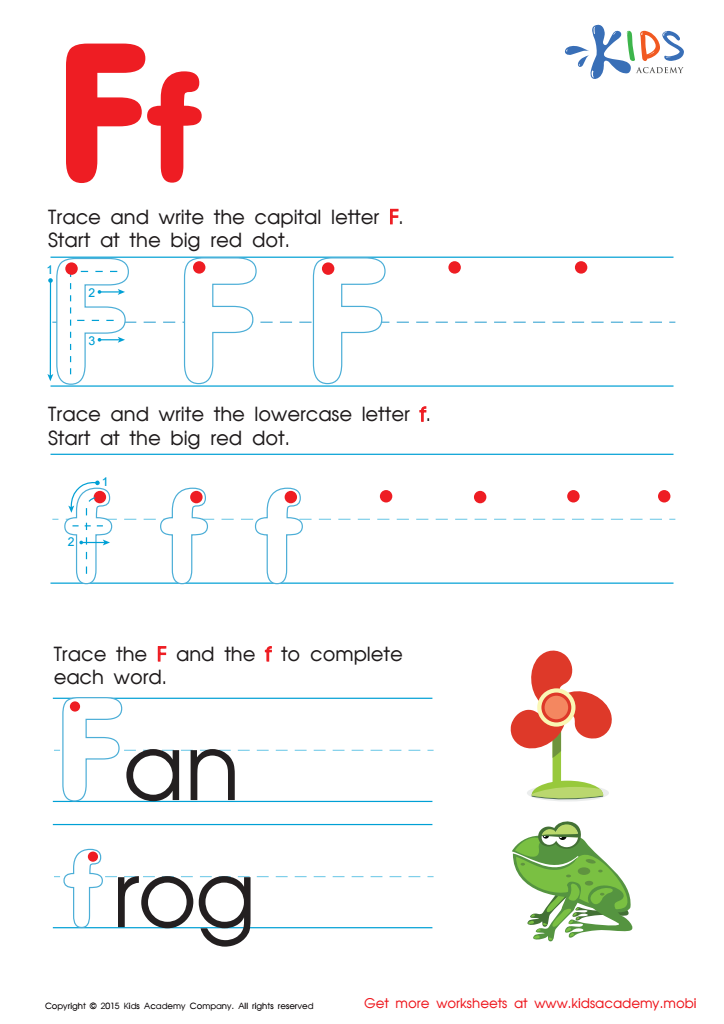
Letter F Tracing Page
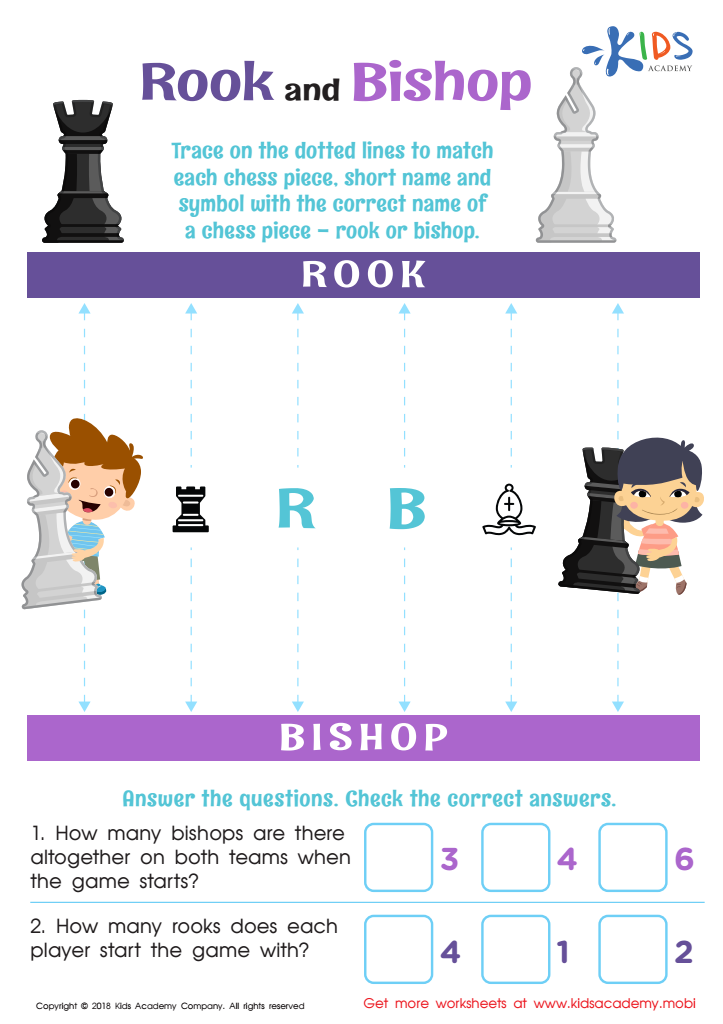
Rook and Bishop Worksheet

Letter D Tracing Page








Normal Letter Recognition worksheets designed specifically for 9-year-olds play a crucial role in enhancing literacy skills at this pivotal stage in a child’s education. At the age of 9, children are typically honing their reading and writing abilities, transitioning from learning to read to reading to learn. It is a period where their cognitive skills are sufficiently developed to tackle more complex literacy tasks, yet they may still benefit from targeted practice to solidify their foundational knowledge.
These worksheets provide a structured and age-appropriate approach to reinforcing the recognition of letters, a fundamental skill that underpins all areas of literacy. By engaging with these materials, children not only improve their ability to identify letters quickly and accurately but also enhance their understanding of the alphabetic principle - the idea that letters and letter patterns represent the sounds of spoken language.
Moreover, Normal Letter Recognition worksheets for 9-year-olds are designed to be engaging, incorporating a variety of activities that cater to different learning styles. Whether it’s through tracing, matching, or identifying letters in different fonts and contexts, these worksheets offer a comprehensive approach to letter recognition that can significantly boost a child’s confidence and competence in reading and writing. In essence, they lay a strong foundation for lifelong literacy skills.








