Civic Ideals and Practicesworksheets With Answers - Page 2
28 filtered results
-
From - To
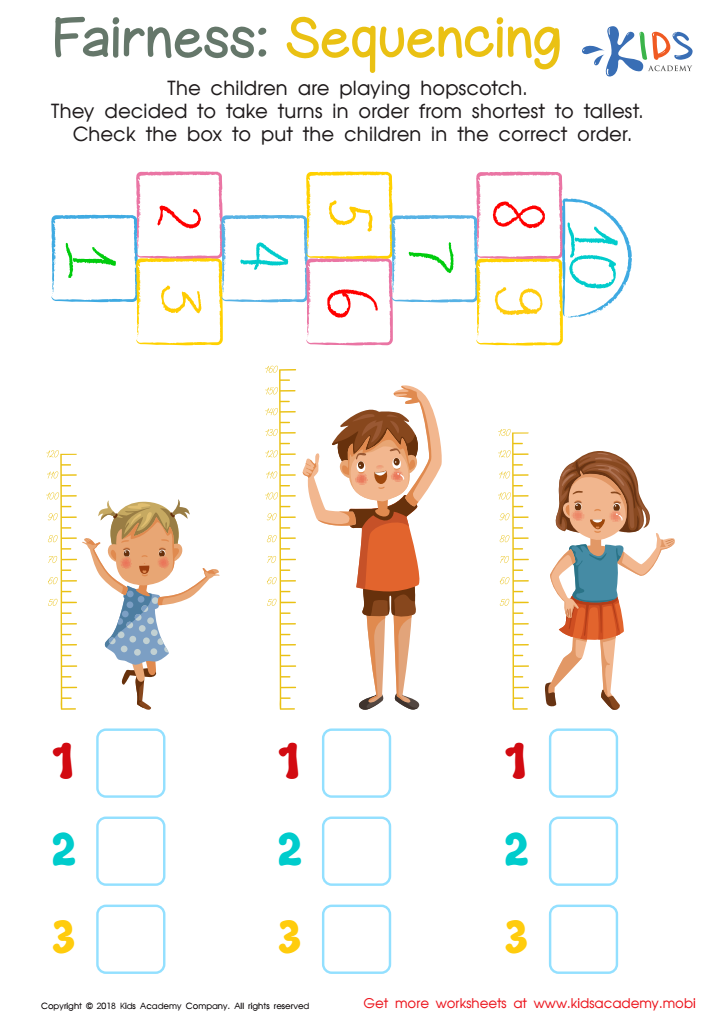
Fairness: Sequencing Worksheet
 Assign to My Students
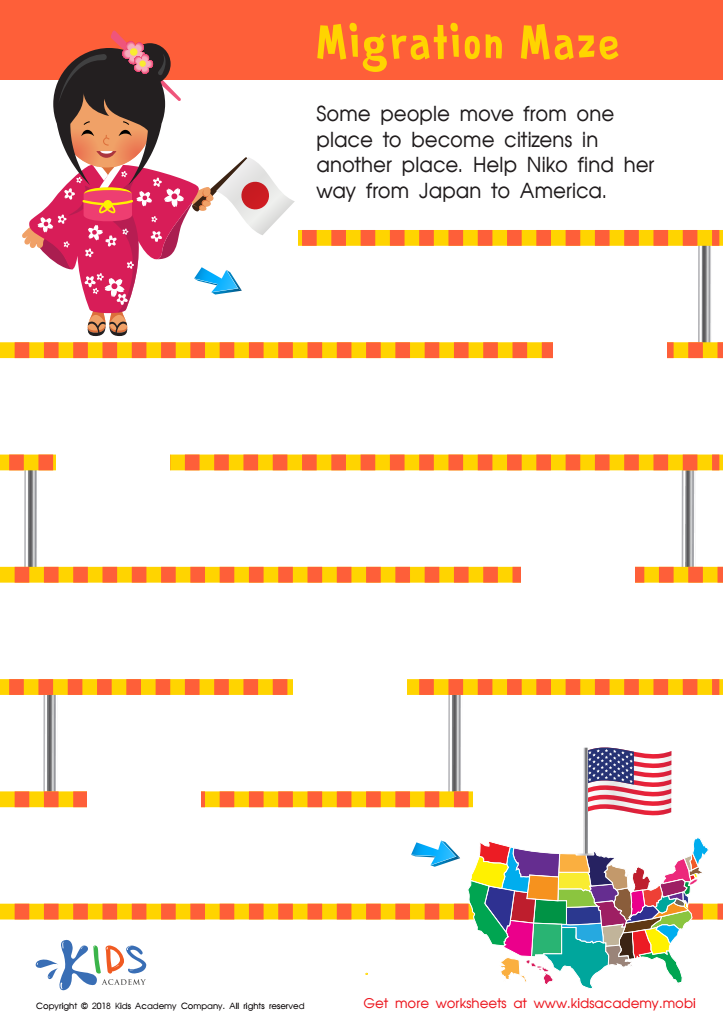
Migration Maze Worksheet
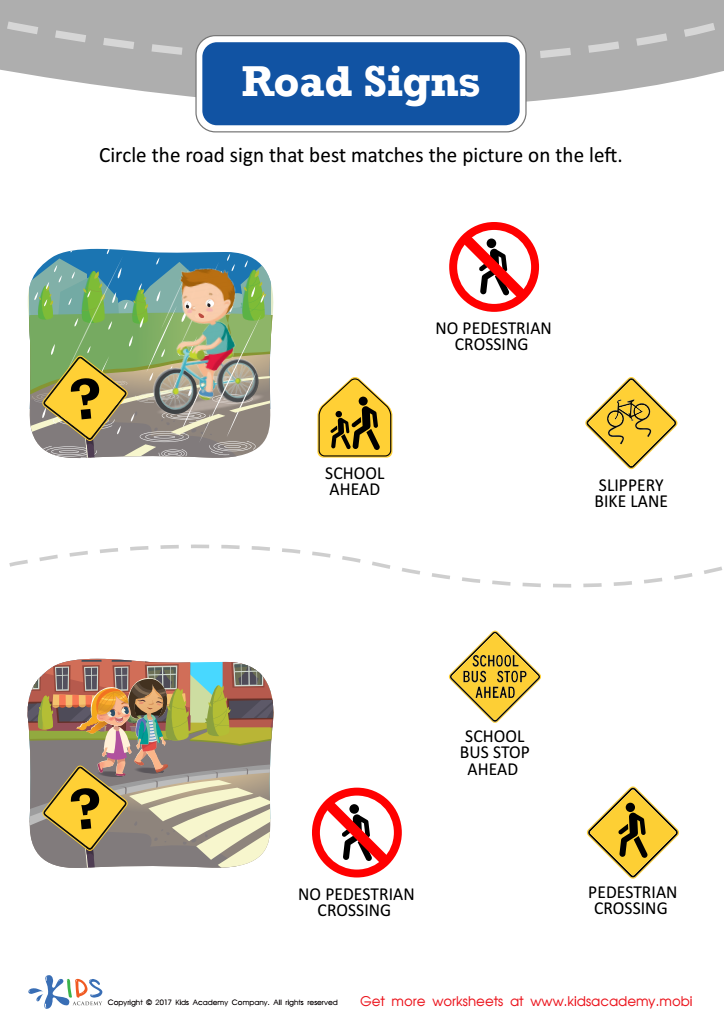
Road Signs (Part 2) Printable
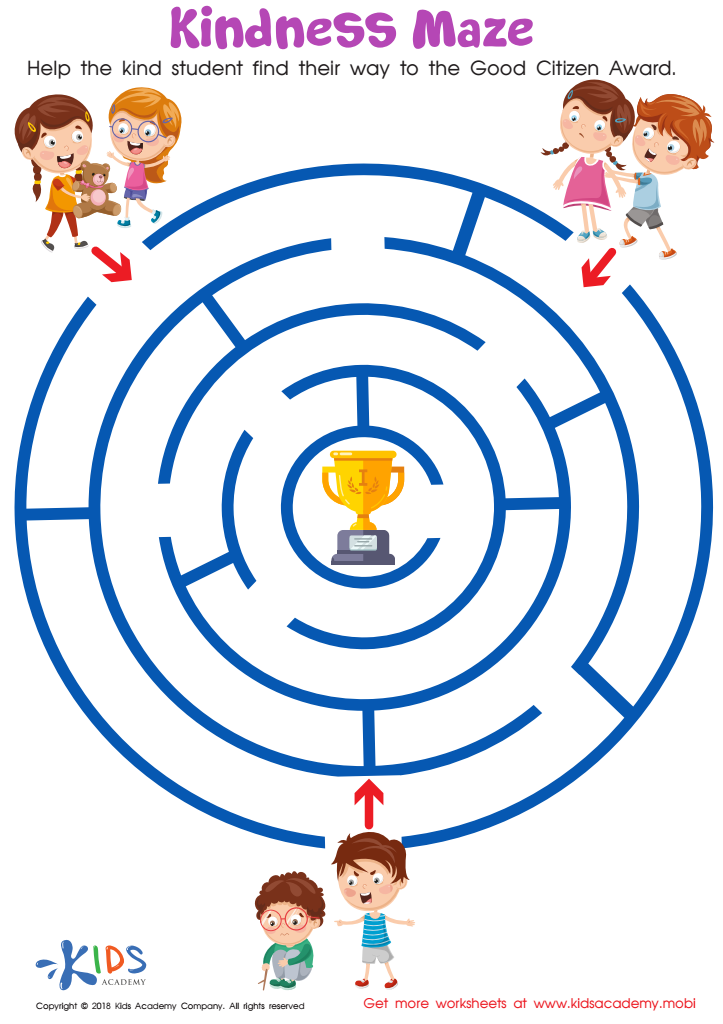
Kindness Maze Worksheet







Civic ideals and practices are essential components for developing informed, responsible, and engaged members of society. Parents and teachers should care about these concepts as they lay the foundation for students' understanding of democracy, community involvement, and social responsibility.
Firstly, understanding civic ideals—like justice, equality, and freedom— empowers children to recognize their role in advocating for themselves and others. Through discussions and activities focused on these ideals, students develop critical thinking skills and a sense of moral reasoning, which are vital for addressing societal issues.
Practicing civic engagement teaches children the importance of participation in their communities, whether by voting, volunteering, or advocating for change. This involvement fosters leadership skills and empathy, as students learn to work collaboratively toward common goals.
Moreover, instilling civic values at a young age promotes inclusivity and respect for diversity. As future leaders, students equipped with civic knowledge will be better prepared to create a more just and equitable society.
In summary, parents and teachers should prioritize civic ideals and practices because they play a pivotal role in shaping conscientious citizens who will contribute positively to their communities and the world at large. This investment ultimately helps ensure a better, more informed future for everyone.








