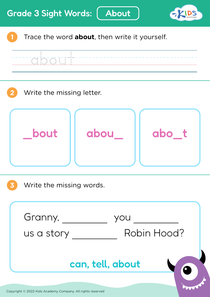
Reading: Informational Text worksheets for Grade 3 - Page 2
26 filtered results
-
From - To
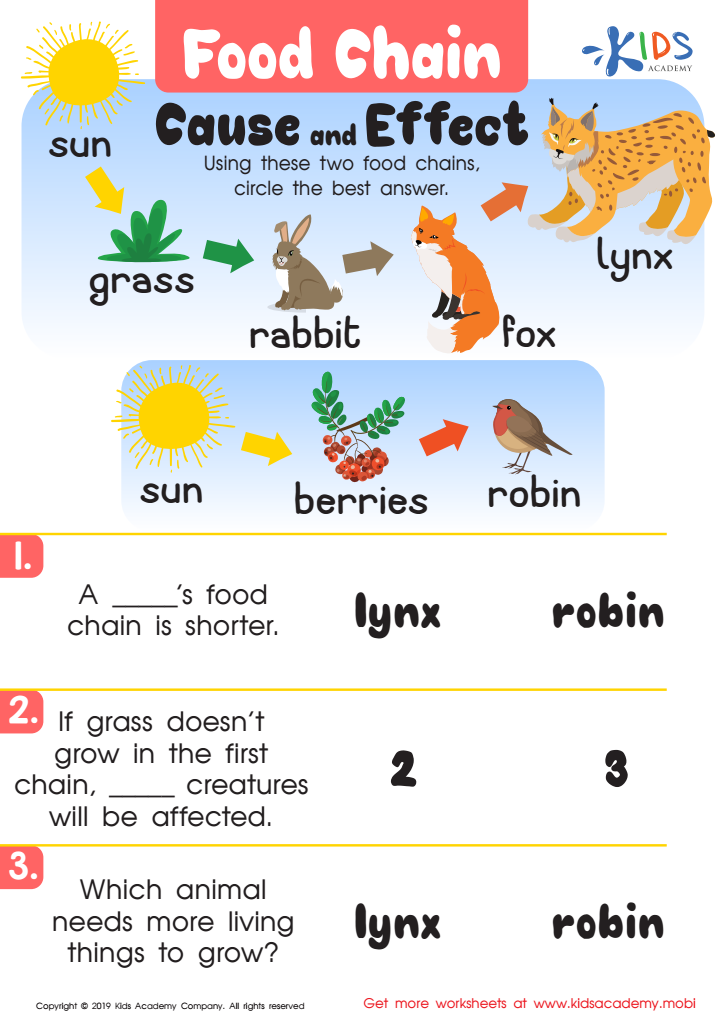
Food Chain Cause Worksheet
 Assign to My Students
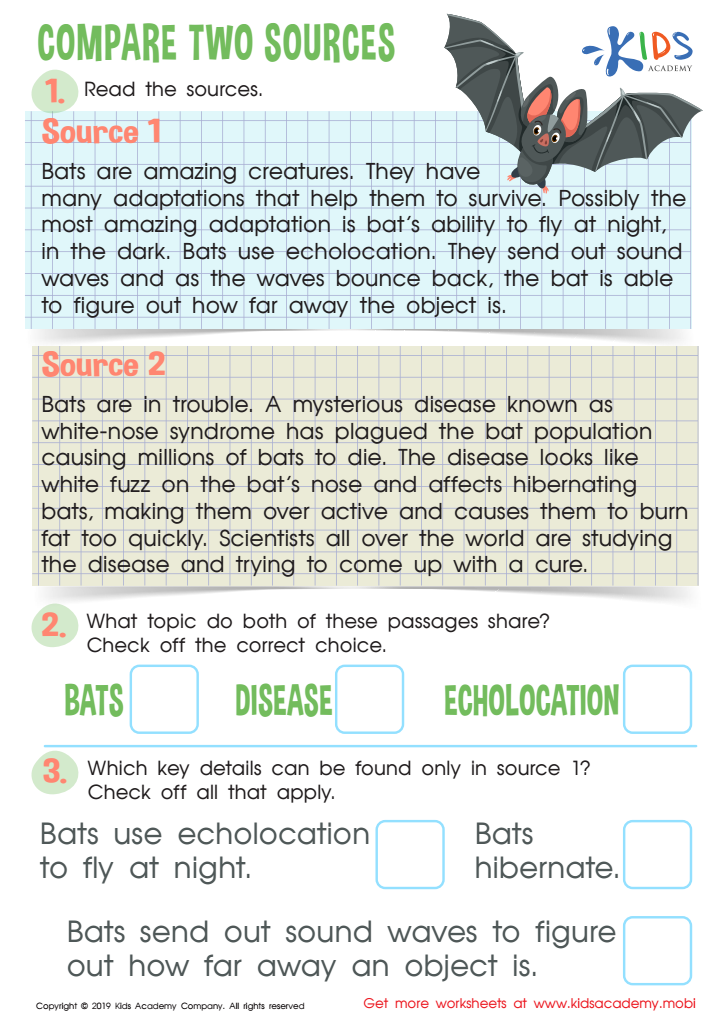
Compare Two Sources Worksheet


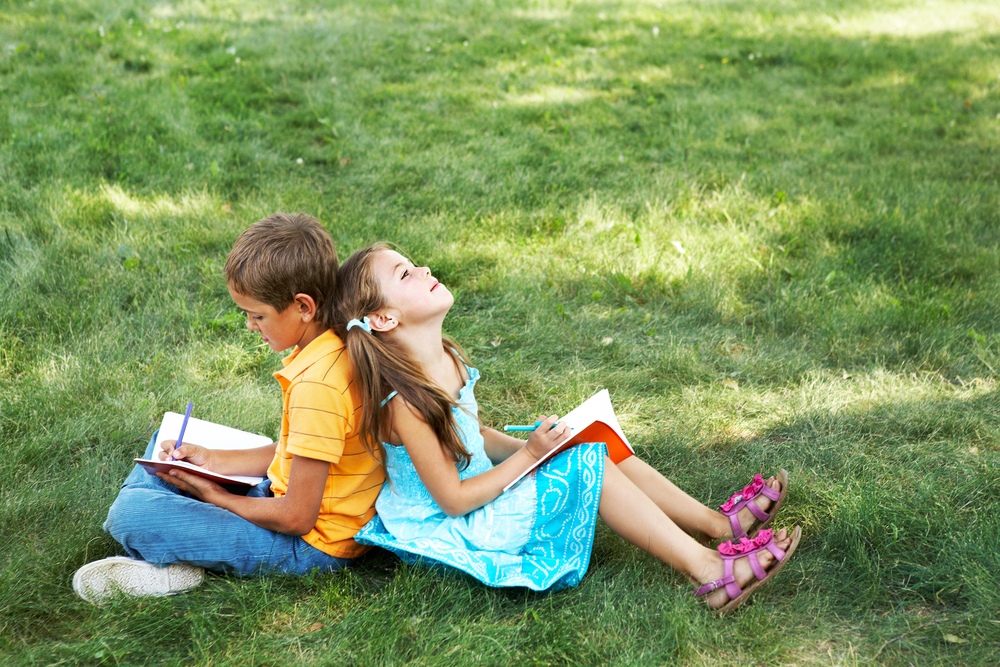





Reading informational texts is crucial for third graders as it lays the foundation for critical thinking and comprehension skills. At this stage, children transition from learning to read to reading to learn. Engaging with various informational texts—such as books, articles, and digital content—enhances their ability to gather information, analyze topics, and draw conclusions.
Teachers and parents should care about this because informational texts build young readers' knowledge about the world, promoting curiosity and encouraging lifelong learning. This genre supports other academic subjects, as understanding science, history, or math often requires the ability to interpret data and concepts presented in written form.
Additionally, familiarity with different structures, such as cause-and-effect, compare-and-contrast, and problem-and-solution, strengthens students' overall reading and writing skills. When children engage with rich informational content, they develop vocabulary, enhance their reasoning abilities, and improve their focus and comprehension.
Moreover, equipping students with the skills to critique and evaluate information is essential in today’s digital age, where they regularly encounter varying perspectives. Thus, emphasizing reading informational texts is vital in fostering informed, thoughtful young individuals who can navigate an increasingly complex world.