Operations and Algebraic Thinking worksheets for Grade 3 - Page 5
101 filtered results
-
From - To
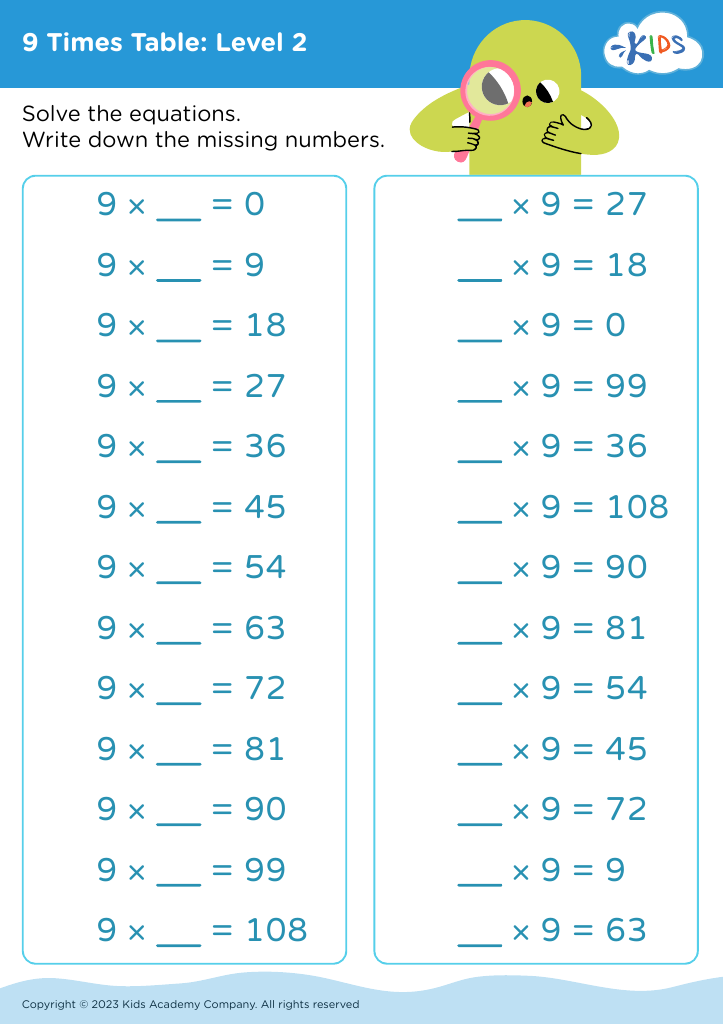
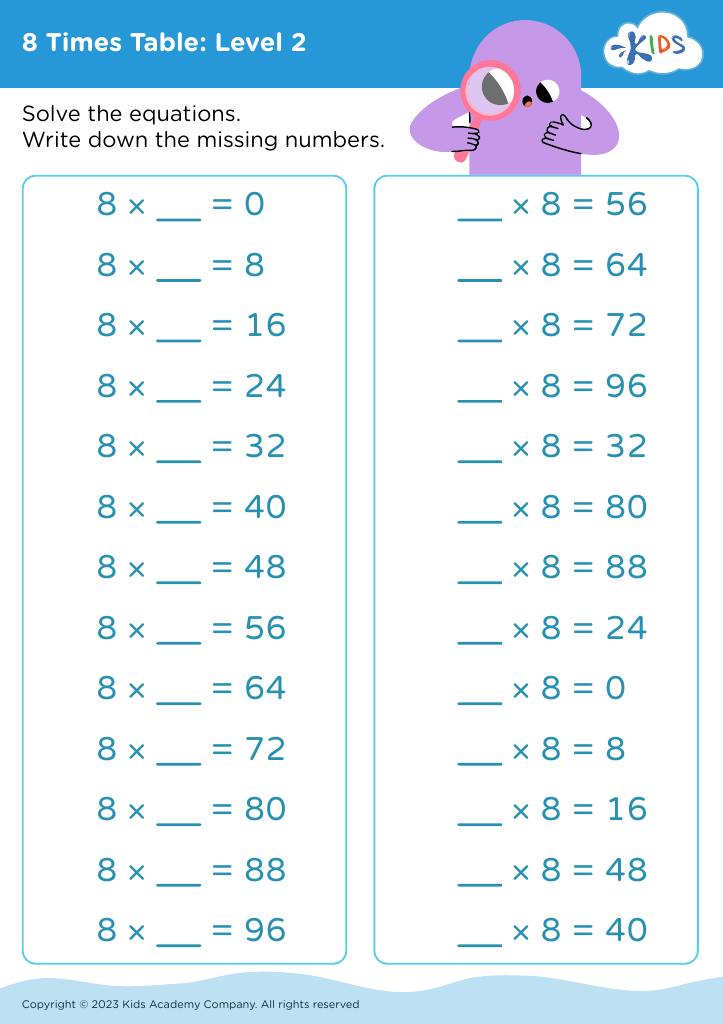
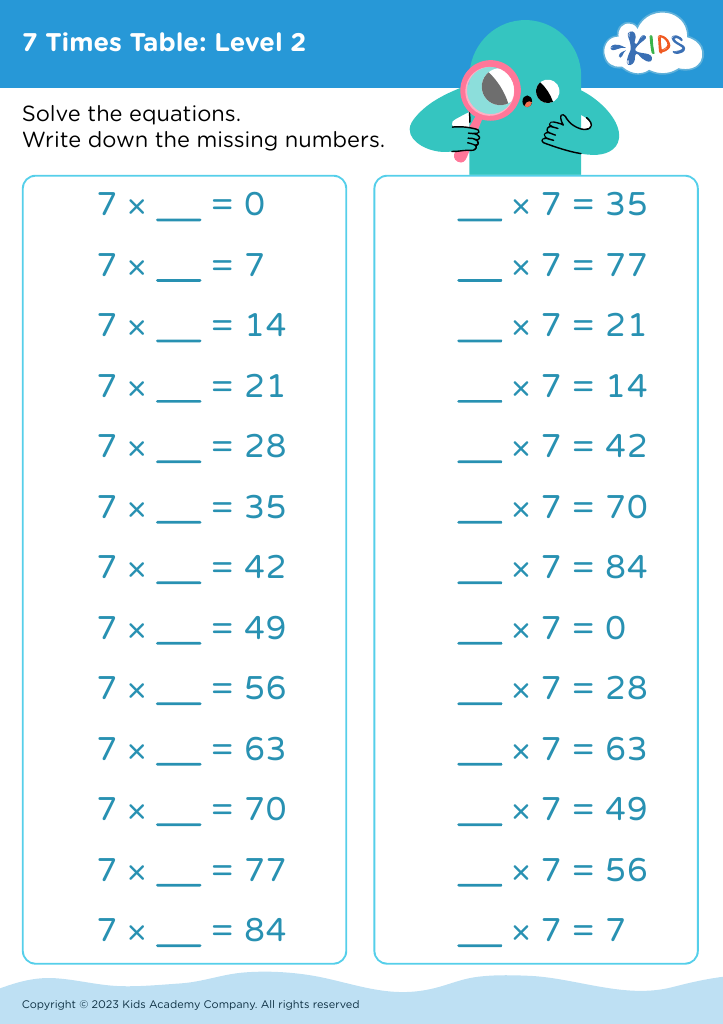
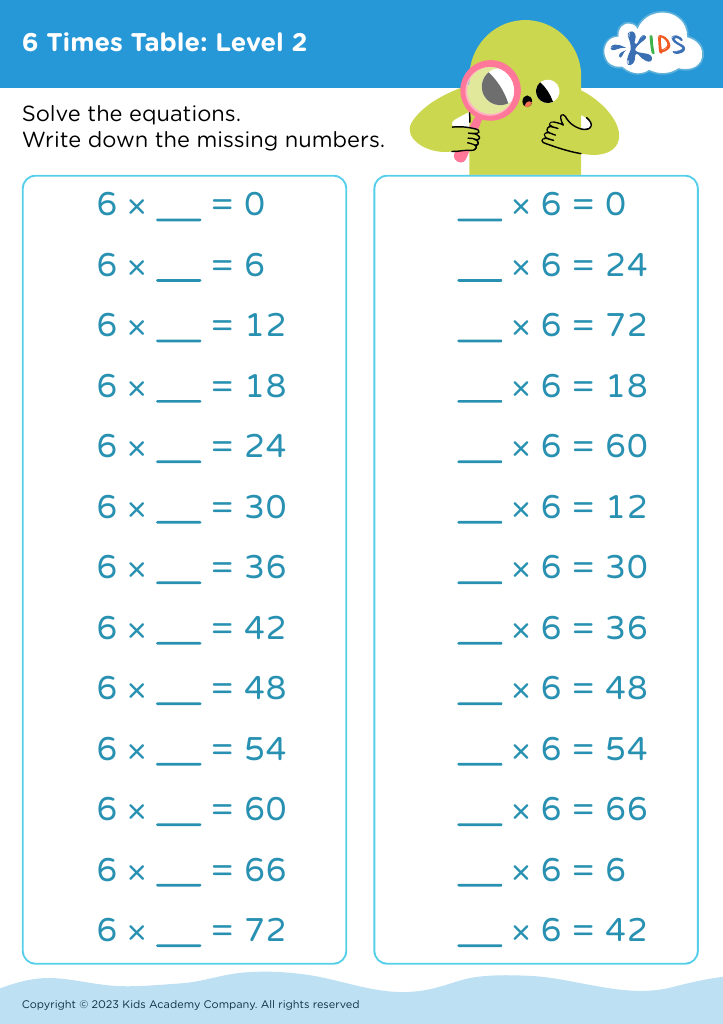
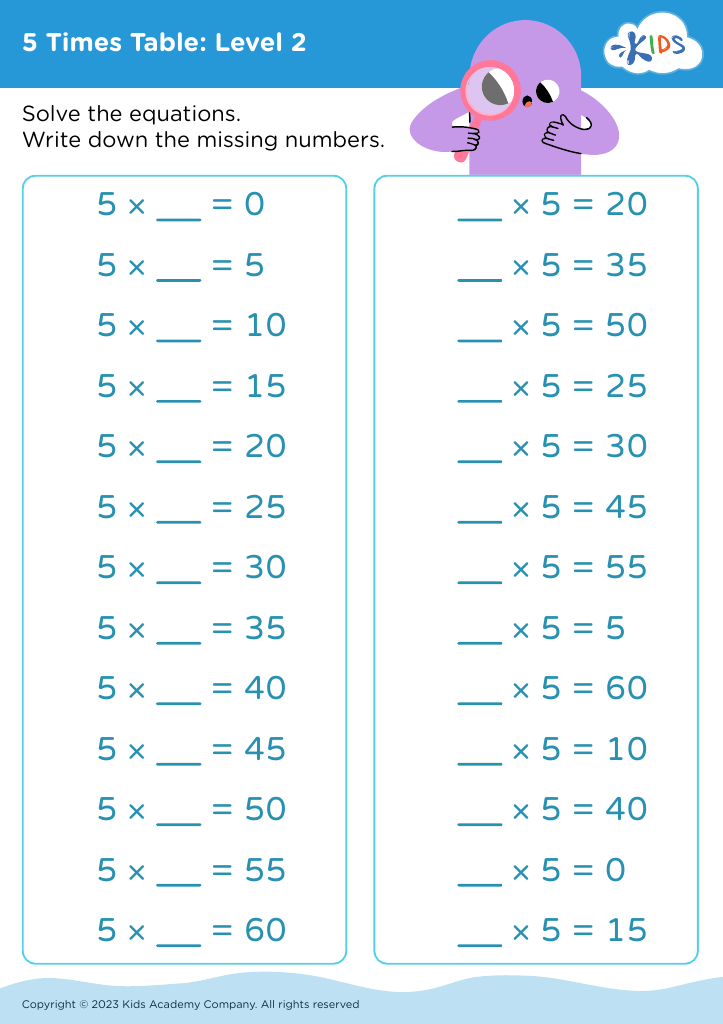







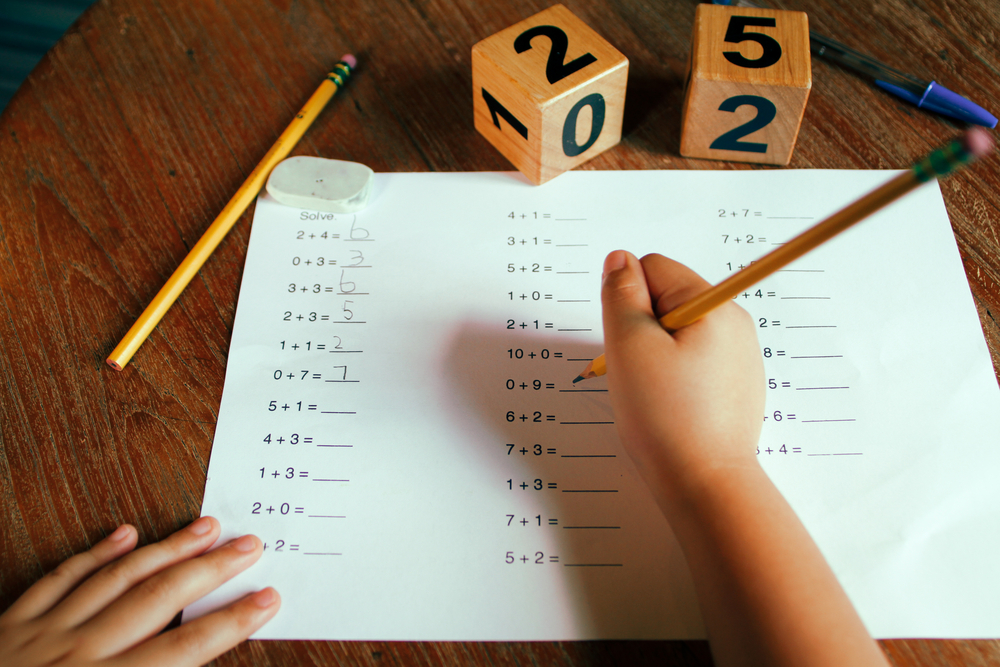
Operations and Algebraic Thinking in Grade 3 is a fundamental building block for children's mathematical understanding. At this stage, students begin to deepen their comprehension of basic arithmetic—addition, subtraction, multiplication, and division—and start learning how these concepts interact. Parents and teachers should prioritize this area because it provides students with crucial skills for problem-solving and critical thinking.
Mastery of operations lays the groundwork for future mathematical learning, such as fractions, geometry, and algebra, which they will encounter in higher grades. By fostering a strong grasp of these concepts early on, children develop confidence in their abilities, encouraging a positive attitude toward math as they progress.
Moreover, with skills in Operations and Algebraic Thinking, students become adept at recognizing patterns, making predictions, and solving real-world problems, which are essential abilities in everyday life. Engaging in activities that promote these skills—like word problems, pattern recognition, and basic equations—helps children see the relevance of math in their surroundings.
Ultimately, supporting students in this domain not only enhances their mathematical competence but also supports their overall academic success and boosts their confidence as learners.