Counting practice Easy Worksheets for Ages 3-4
23 filtered results
-
From - To
Welcome to our Counting Practice Easy Worksheets for Ages 3-4! Designed for young learners, these engaging and educational worksheets promote essential counting skills in a fun, interactive way. Each worksheet is tailored to capture the attention of preschoolers, encouraging them to learn through colorful illustrations and simple activities. Children will practice counting objects, recognizing numbers, and developing early math skills at their own pace. Ideal for parents, teachers, or childcare providers looking to reinforce foundational concepts, our resources aim to foster a love for learning while building confidence in counting. Explore our collection and watch your child's skills flourish!
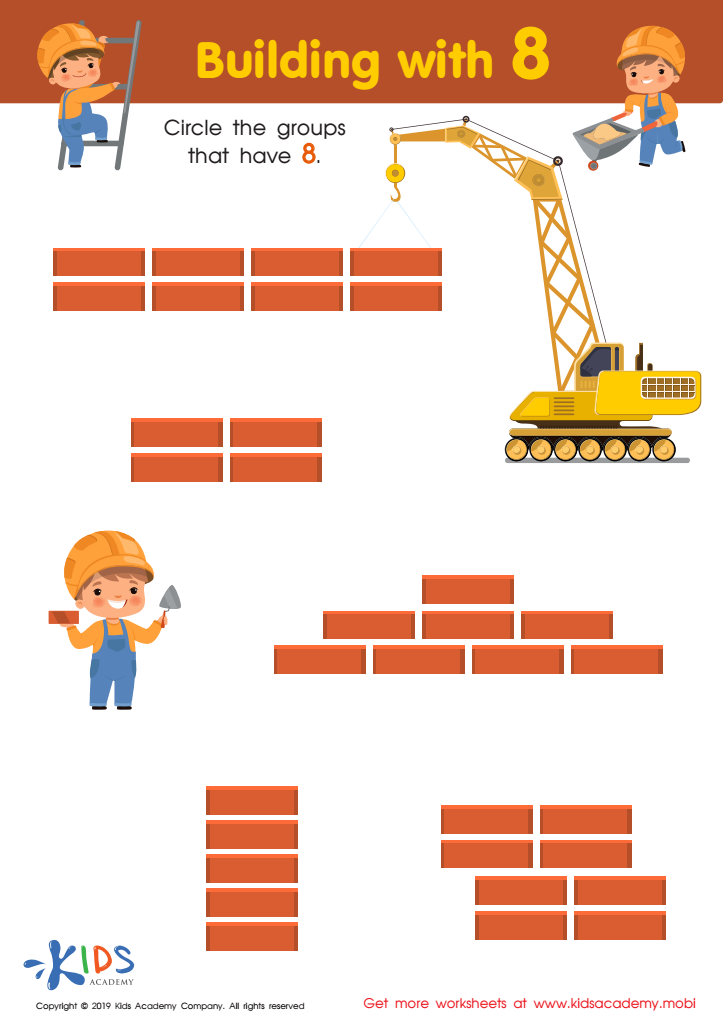
Building with 8 Worksheet
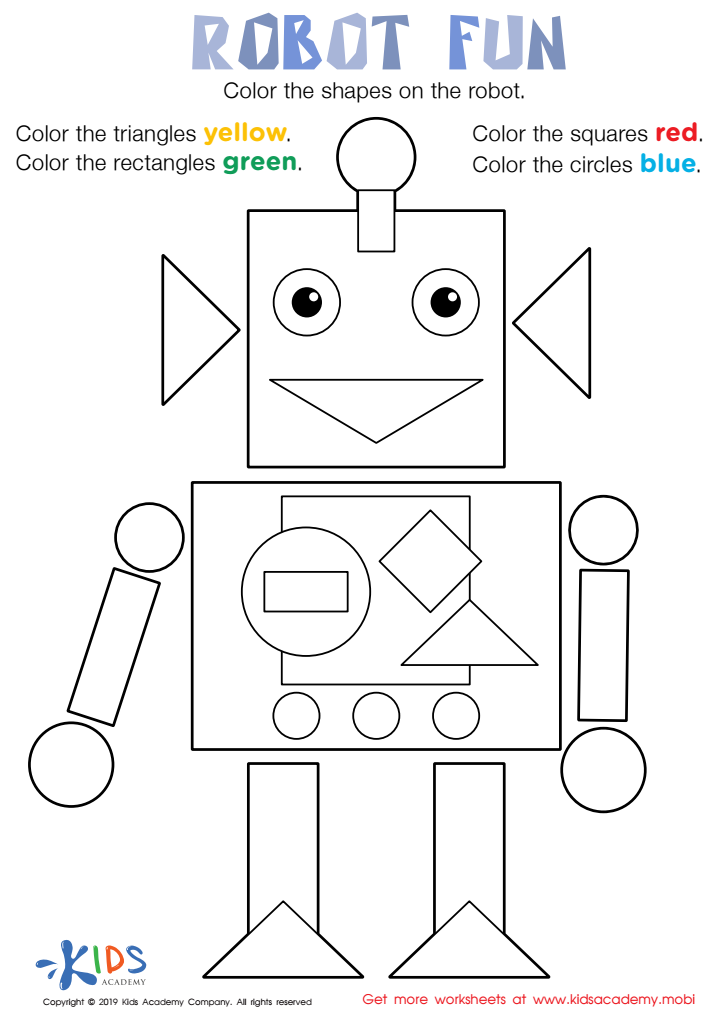
Robot Fun Worksheet
 Assign to My Students
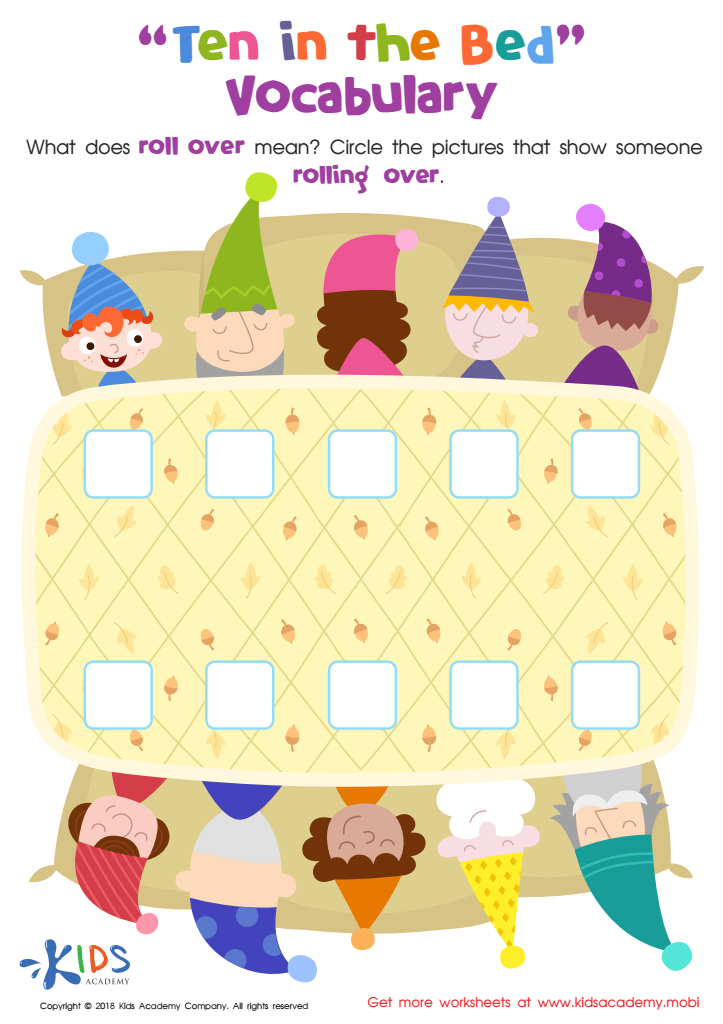
Ten in the Bed: Vocabulary Worksheet
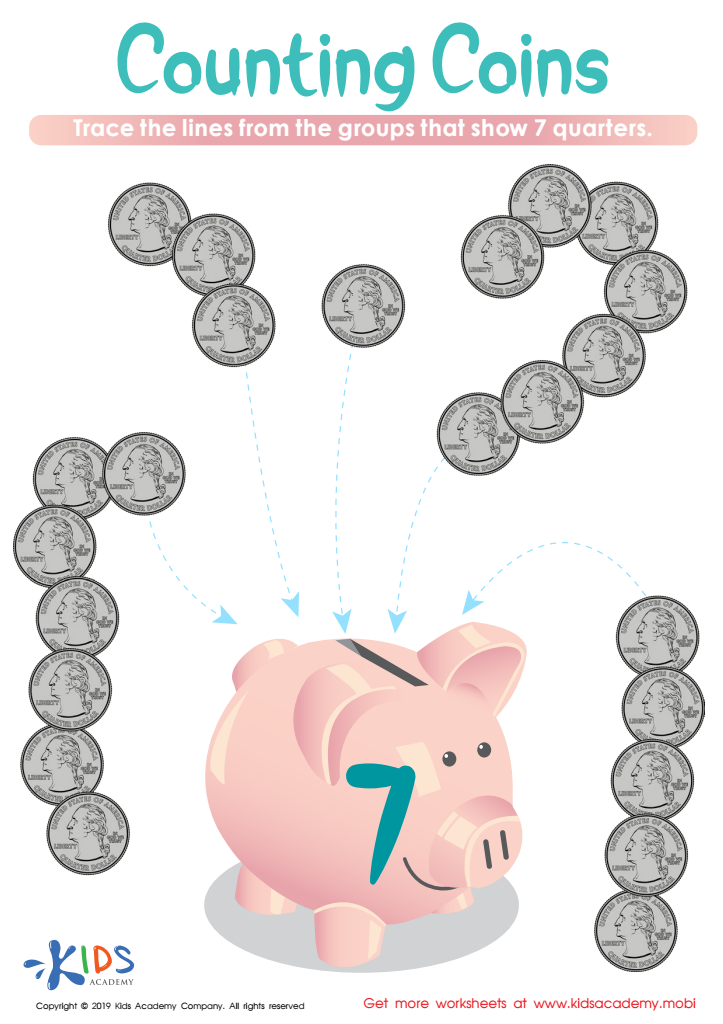
Counting Coins Worksheet
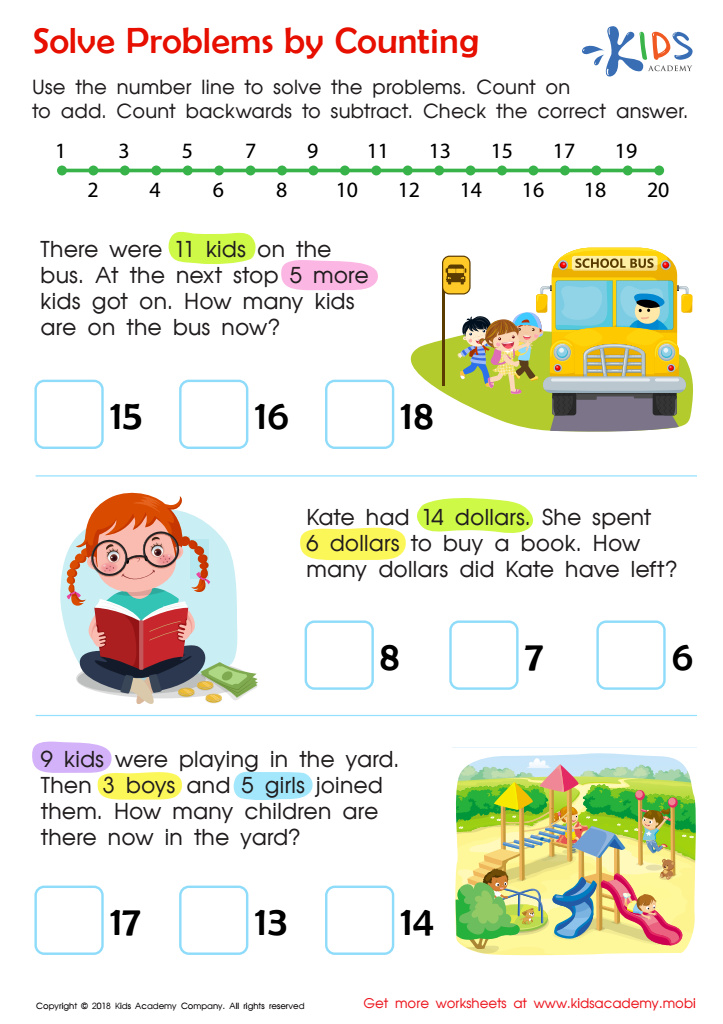
Solve Problems by Counting Worksheet
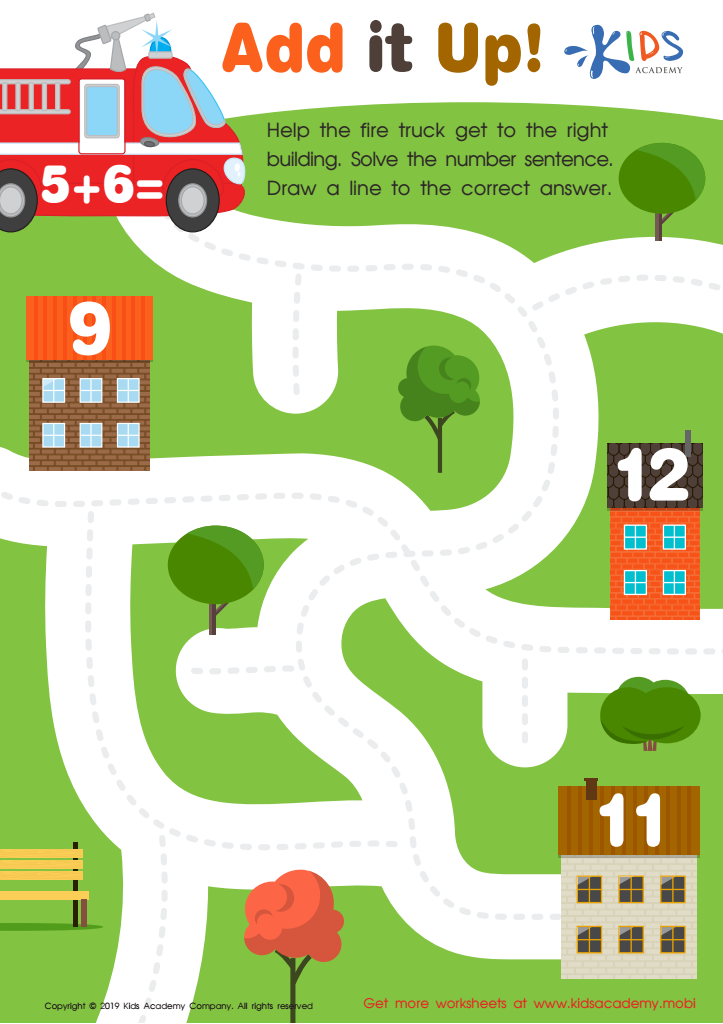
Add it Up Worksheet
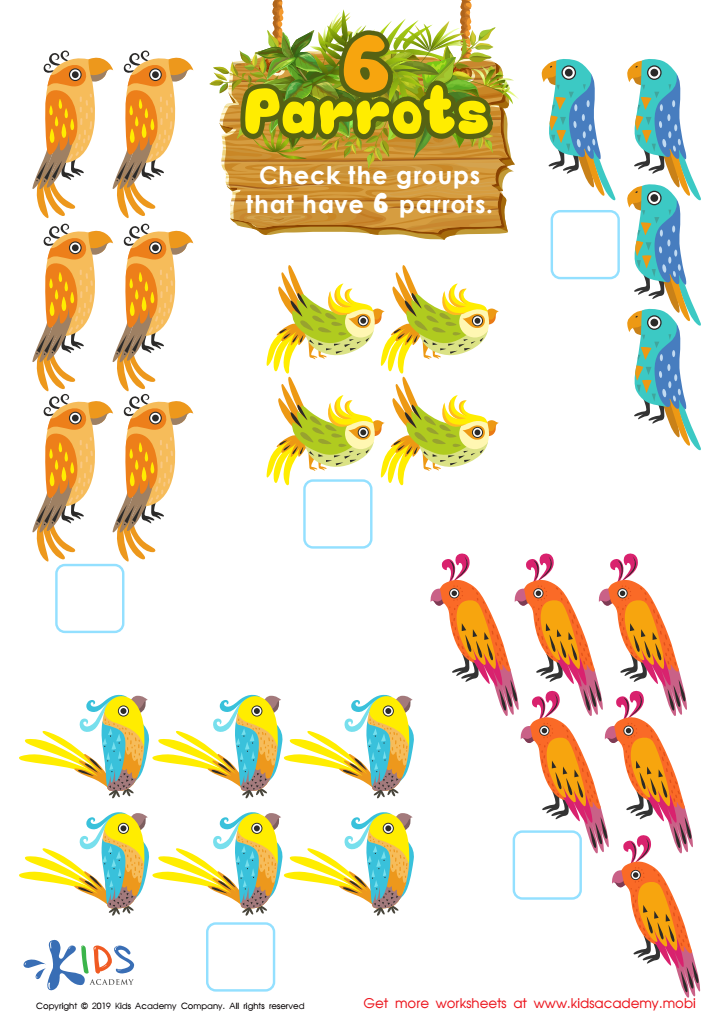
6 Parrots Worksheet
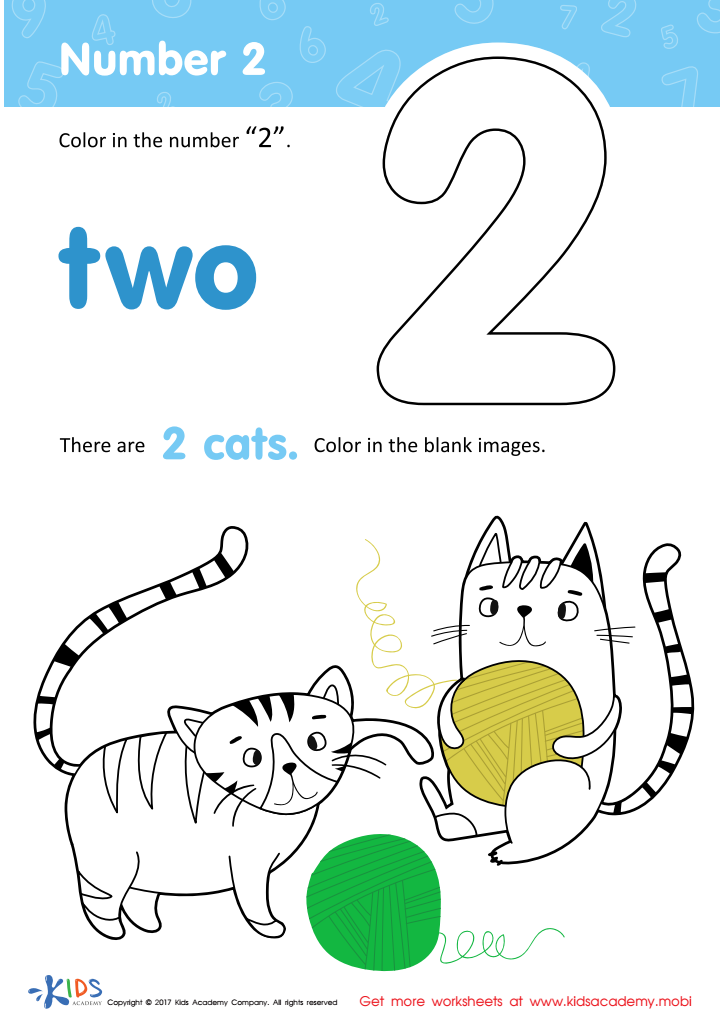
Number 2 Printable
Assign to My Students
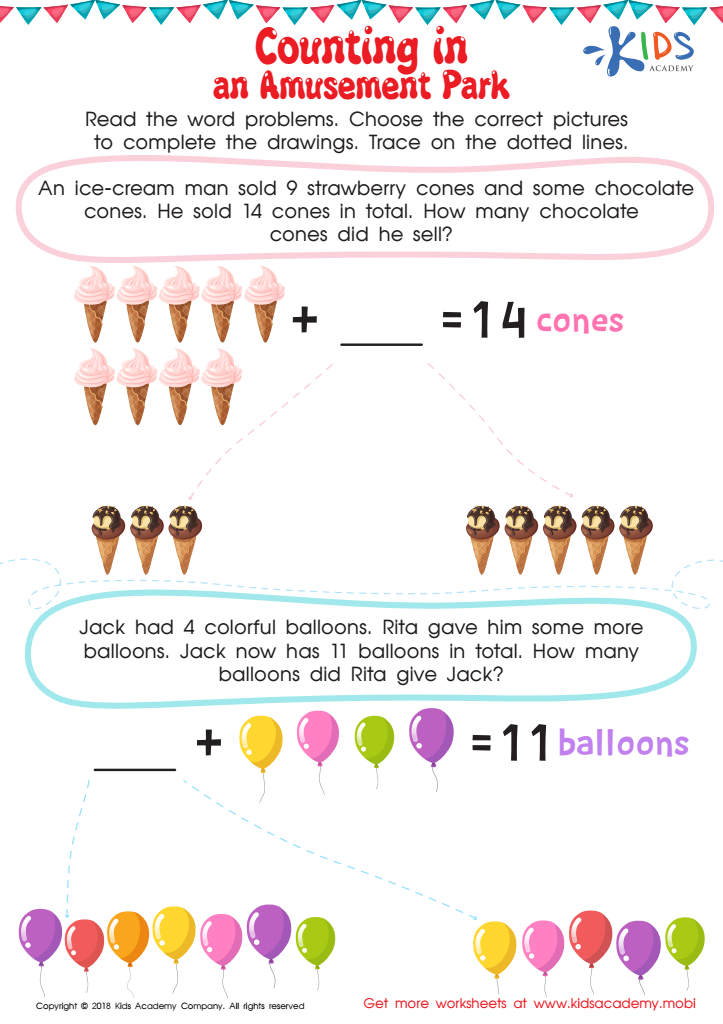
Counting in an Amusement Park Worksheet
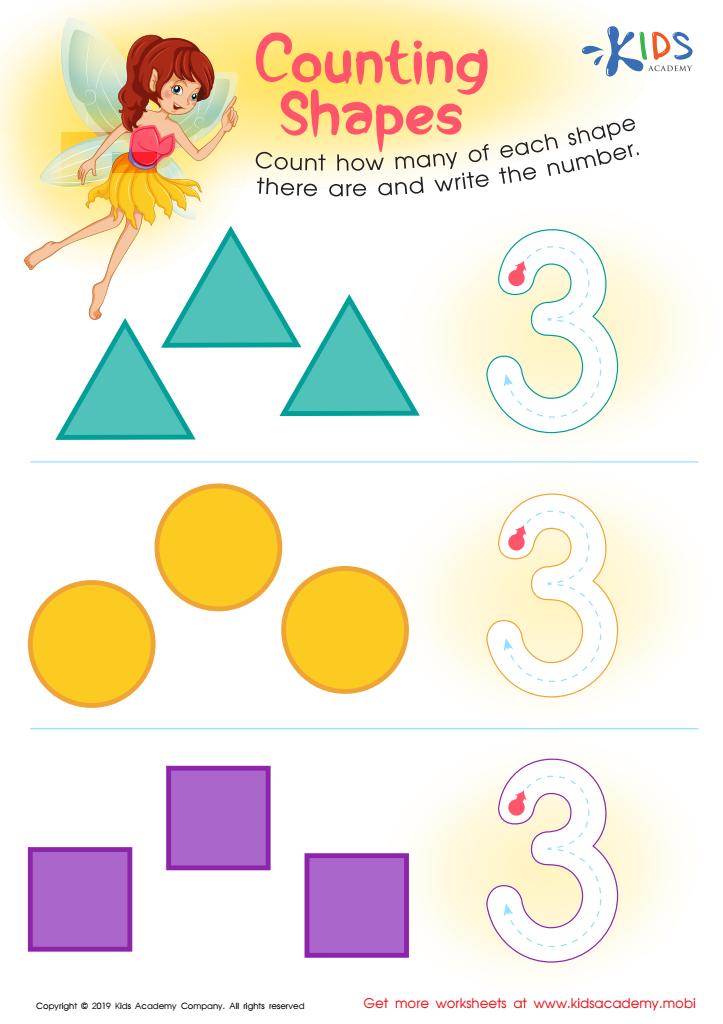
Counting Shapes Worksheet
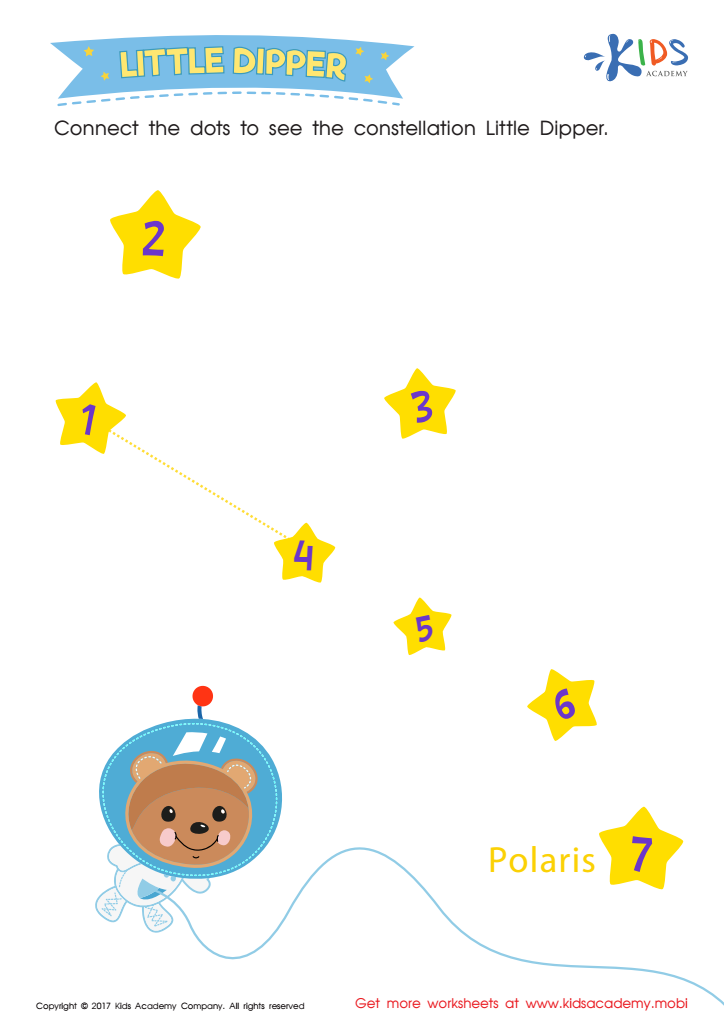
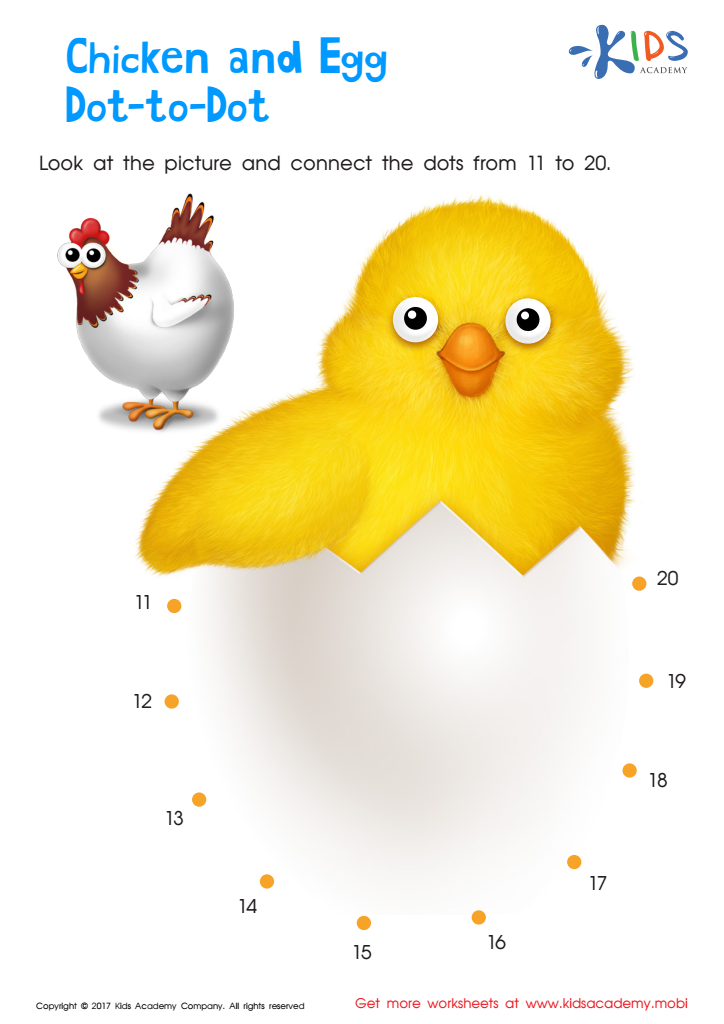
Ordering 11–20: Chicken & Egg Dot–to–dot Worksheet
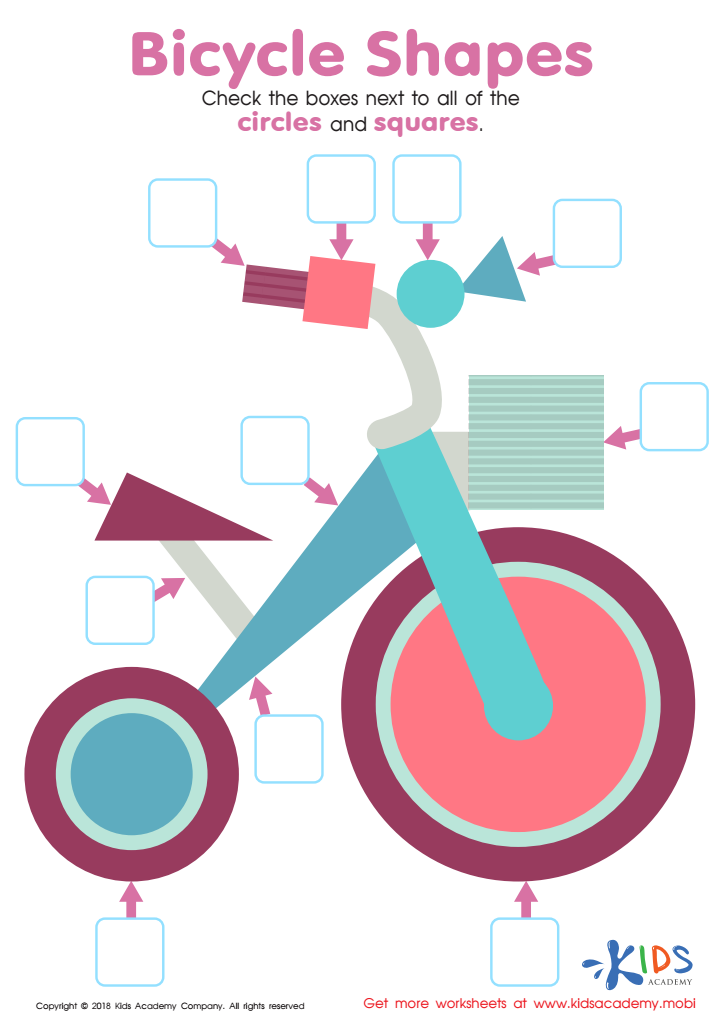
Bicycle Shapes Worksheet
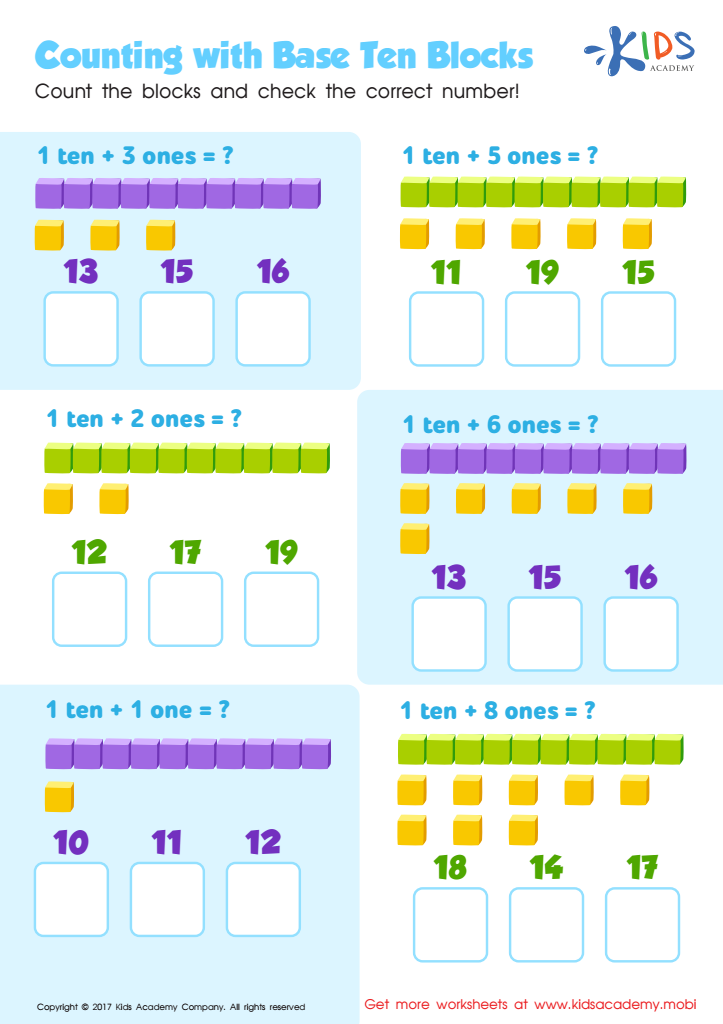
Counting with Base Ten Blocks Worksheet
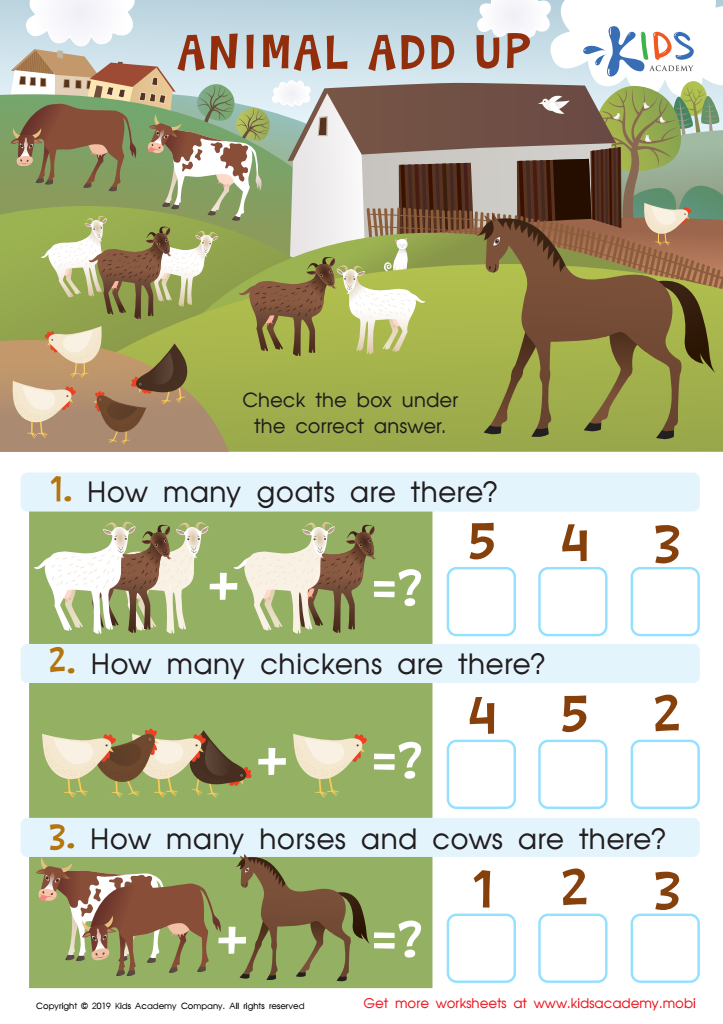
Animal Add Up Worksheet
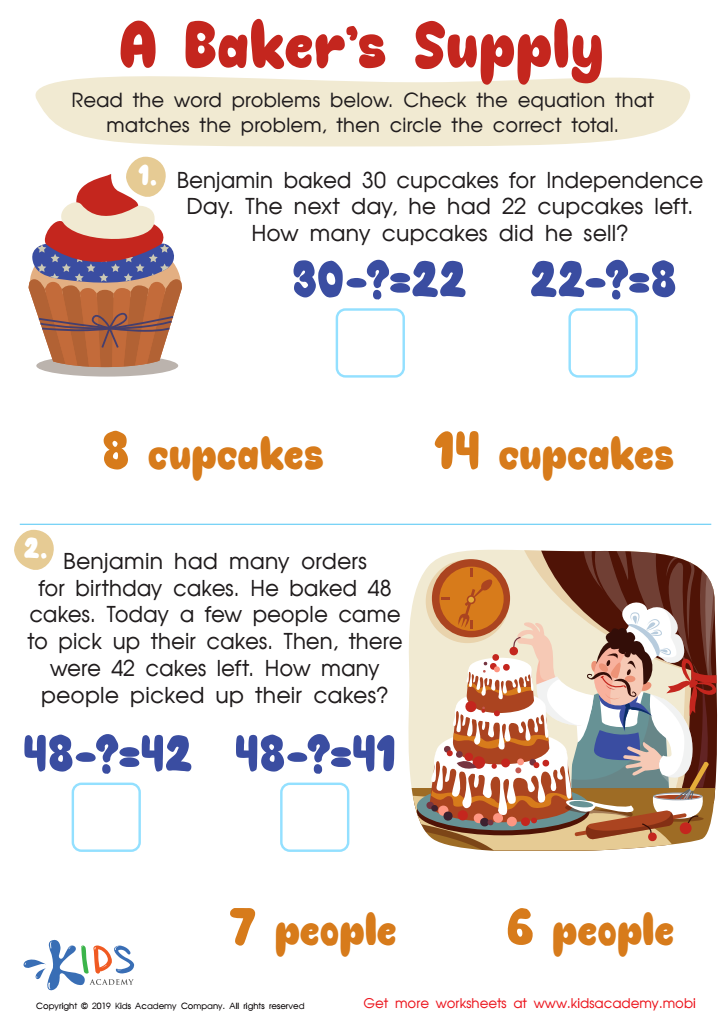
A Baker's Supply Worksheet
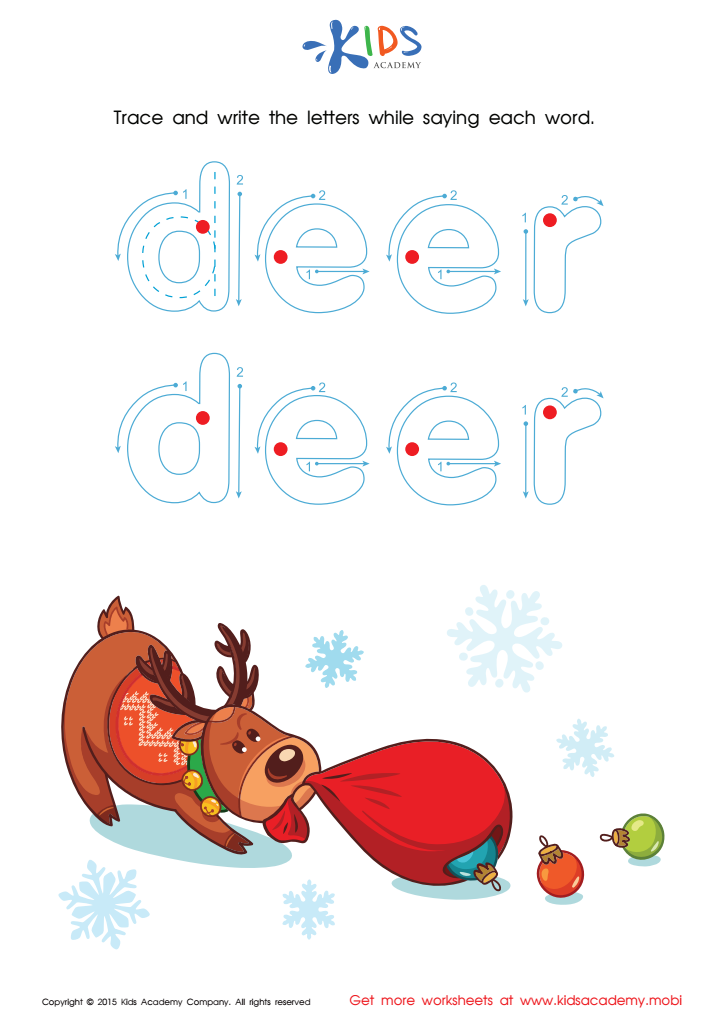
Deer Tracing Winter Words Worksheet
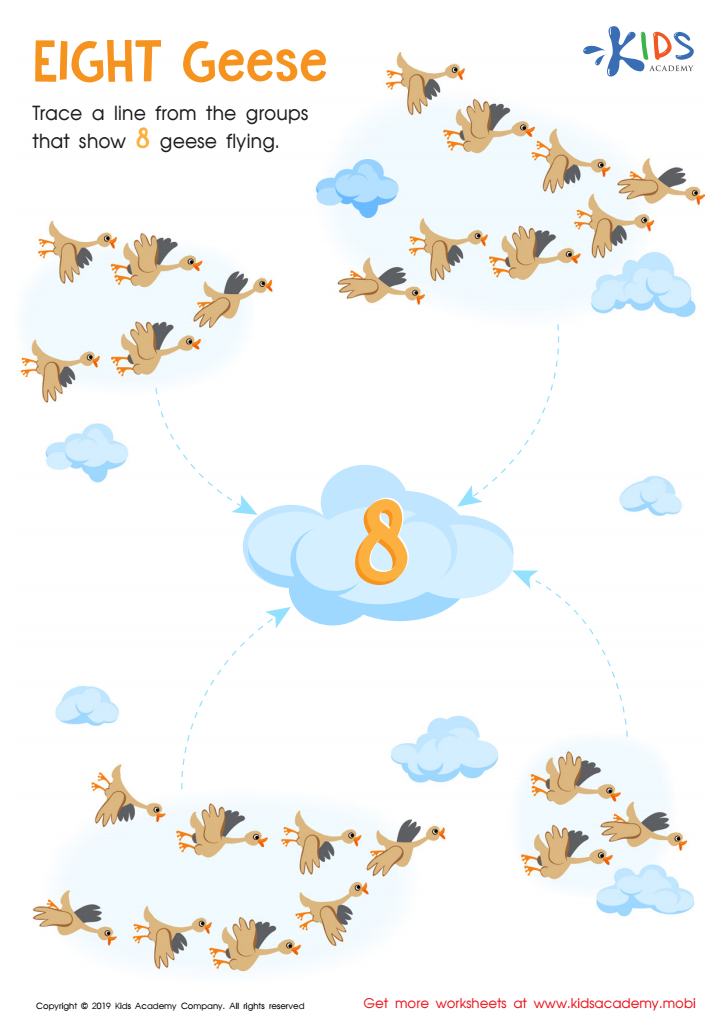
Eight Geese Worksheet
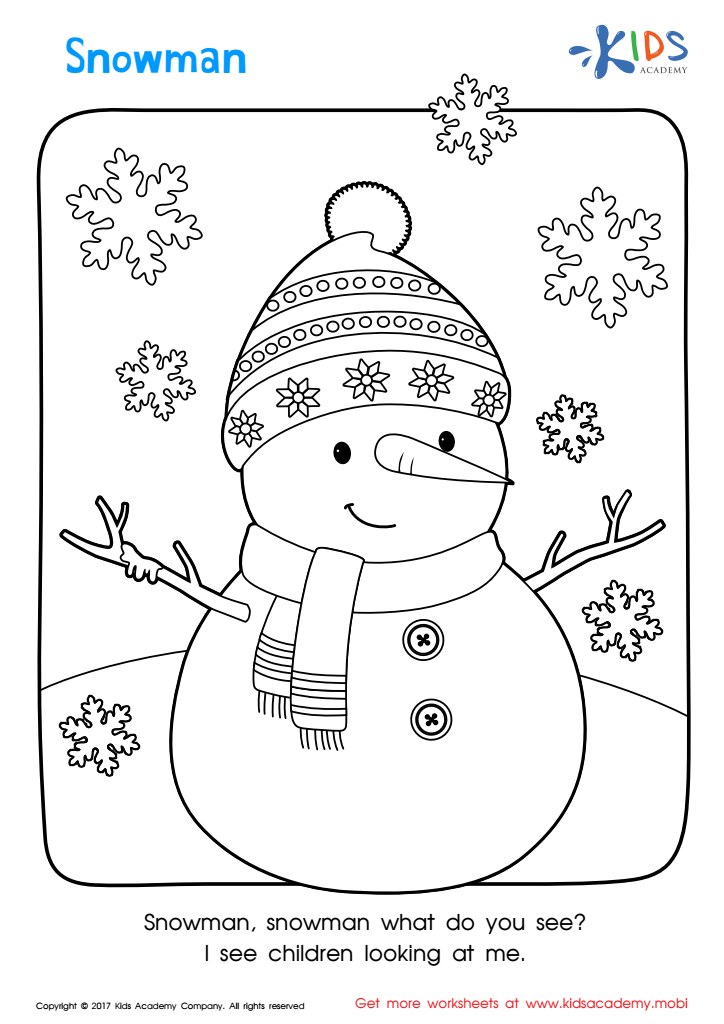
Christmas: Snowman Printable
Assign to My Students
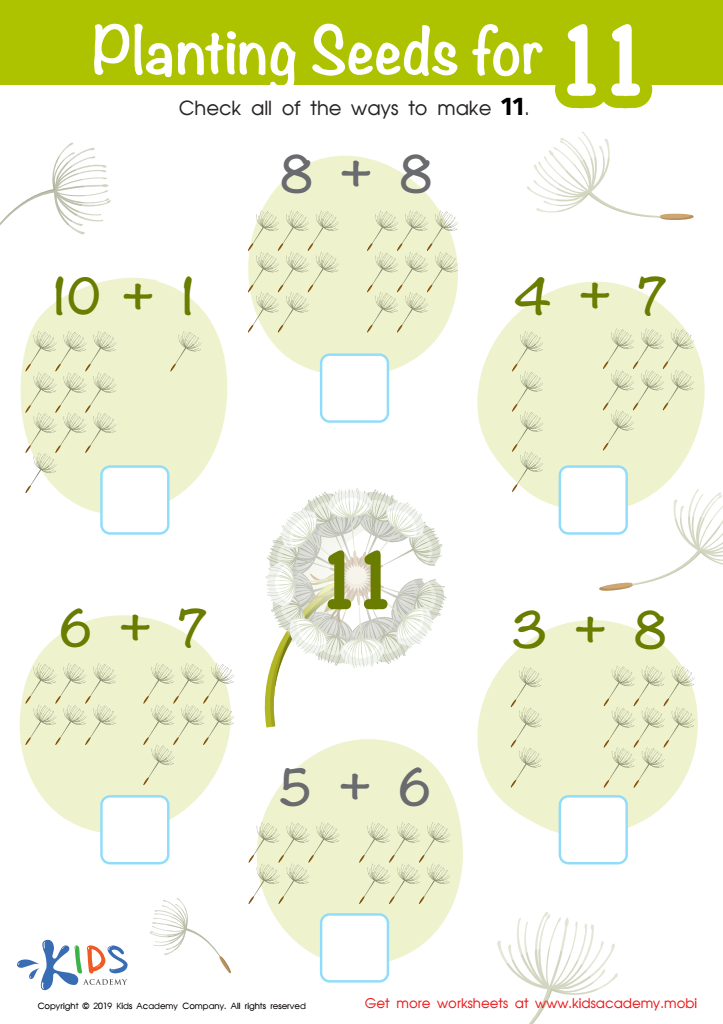
Planting Seeds for 11 Worksheet
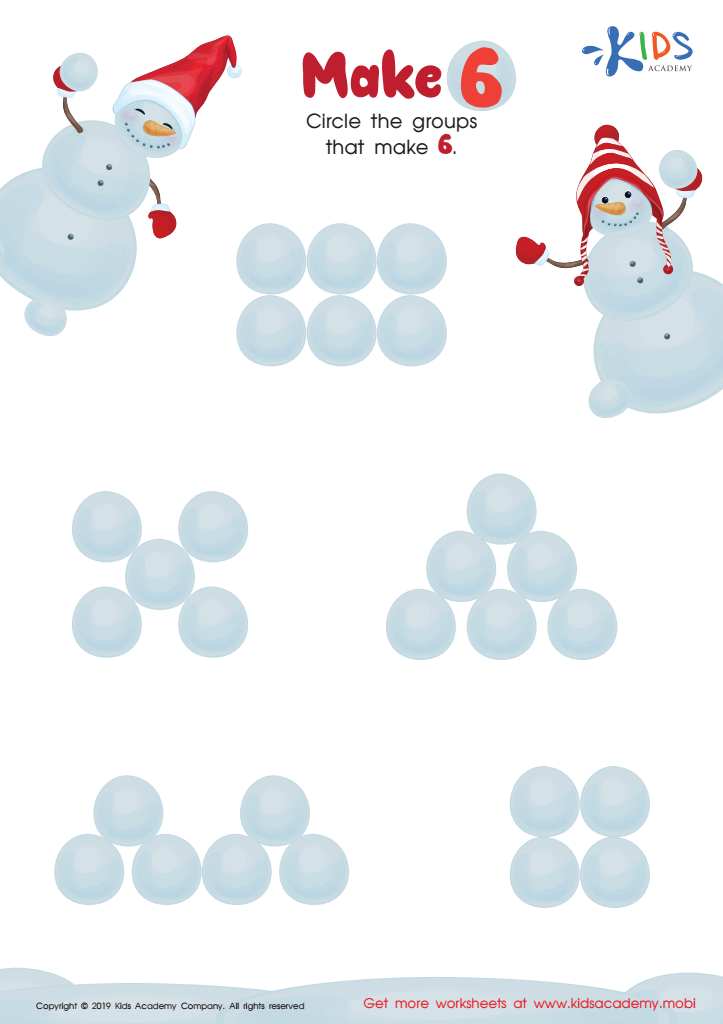
Make 6 Worksheet
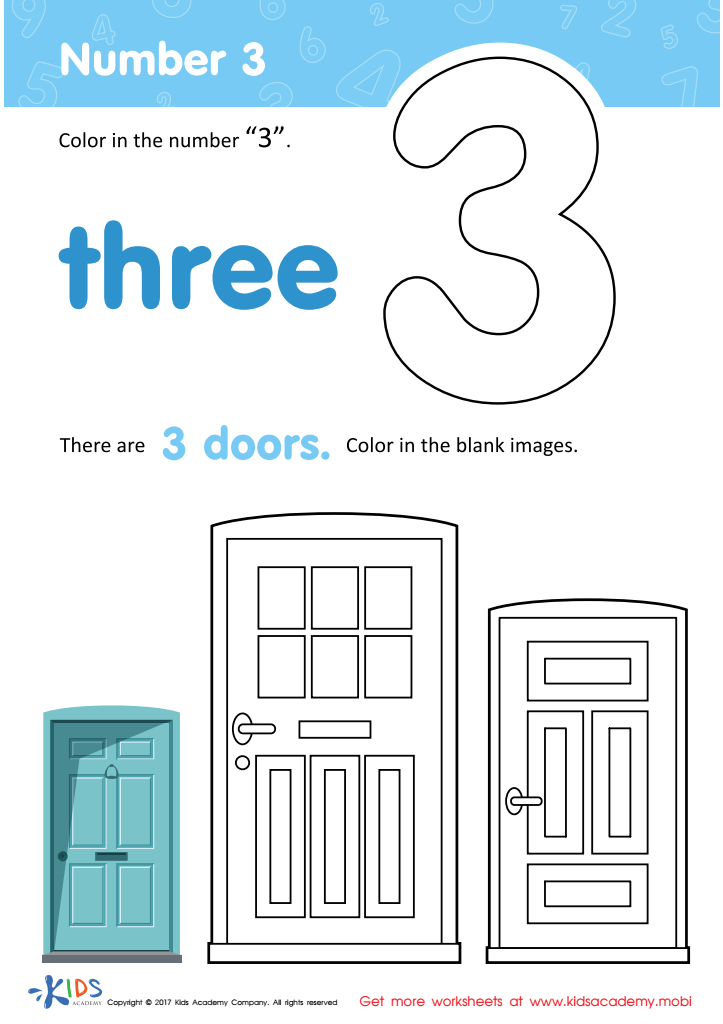
Number 3 Worksheet
Assign to My Students
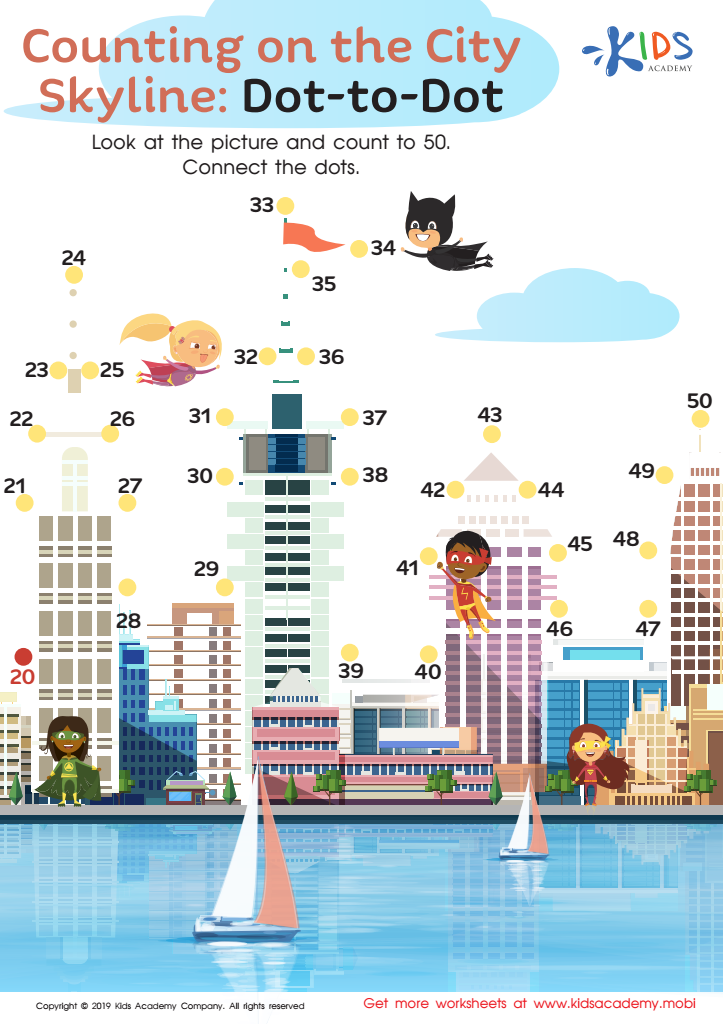
Counting on the City Skyline: Dot-to-Dot Worksheet








Counting practice for children aged 3-4 is crucial for their early mathematical development and overall cognitive growth. At this formative age, children begin to grasp foundational concepts that will support their future learning. Engaging in counting activities helps young learners develop number sense, which is an understanding of numbers, their relationships, and how they can be manipulated through basic arithmetic operations.
Moreover, counting encourages fine motor skill development, as children often engage in activities such as using manipulatives, clapping hands, or playing with counting songs and games. These activities not only promote numeracy but also enhance listening skills and attention span.
Additionally, integrating counting practice in daily routines fosters a child's ability to recognize quantities in their environment, strengthening their observational skills. This connection between mathematics and real-world experiences lays a strong foundation for problem-solving and critical thinking.
Furthermore, establishing a routine of counting and engaging in interactive counting games cultivates a positive attitude toward mathematics, which can mitigate math anxiety in later years. Overall, fostering counting practices in early childhood is essential for nurturing both academic and life skills in young children, making it a vital focus for parents and educators alike.








