Phonics recognition Easy Worksheets for Ages 3-4
4 filtered results
-
From - To
Discover the joy of learning with our "Phonics Recognition Easy Worksheets for Ages 3-4." These engaging, interactive worksheets are specially designed to help young learners develop essential phonics skills. Featuring colorful illustrations and fun activities, children will explore letter sounds, rhymes, and simple vowel combinations in an easy and enjoyable way. Our worksheets promote early language development, enhance cognitive skills, and encourage a love for reading. Perfect for parents and educators, these resources make phonics practice accessible and enjoyable. Start your child's learning journey today with our thoughtfully crafted worksheets that cater specifically to the needs of early learners!
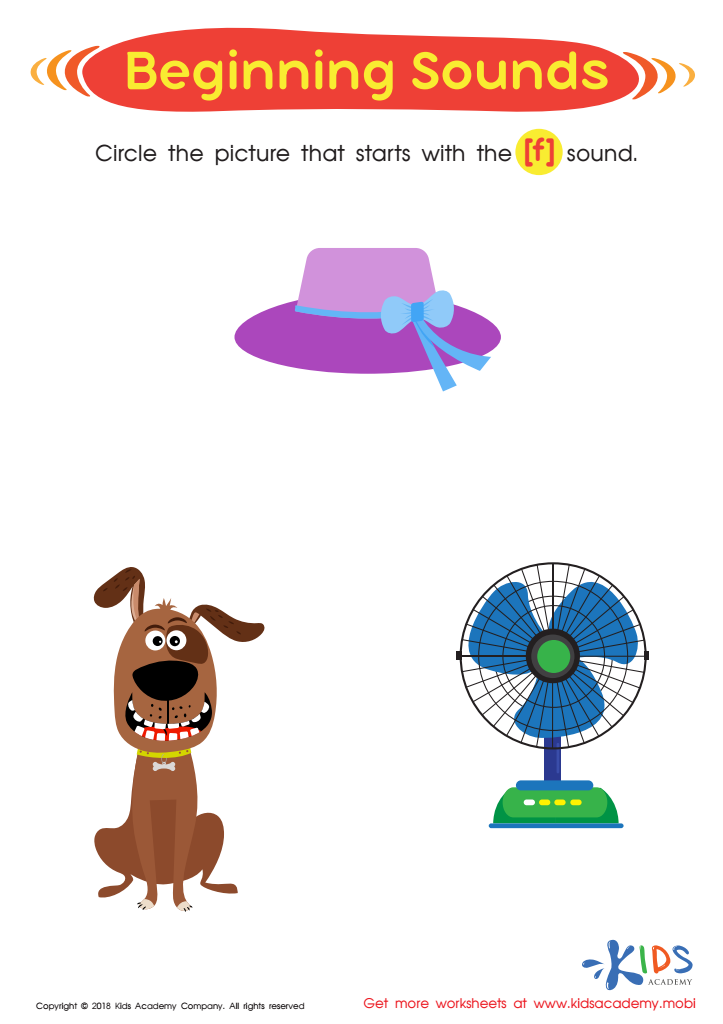
Beginning Sounds Assessment Printable
 Assign to My Students
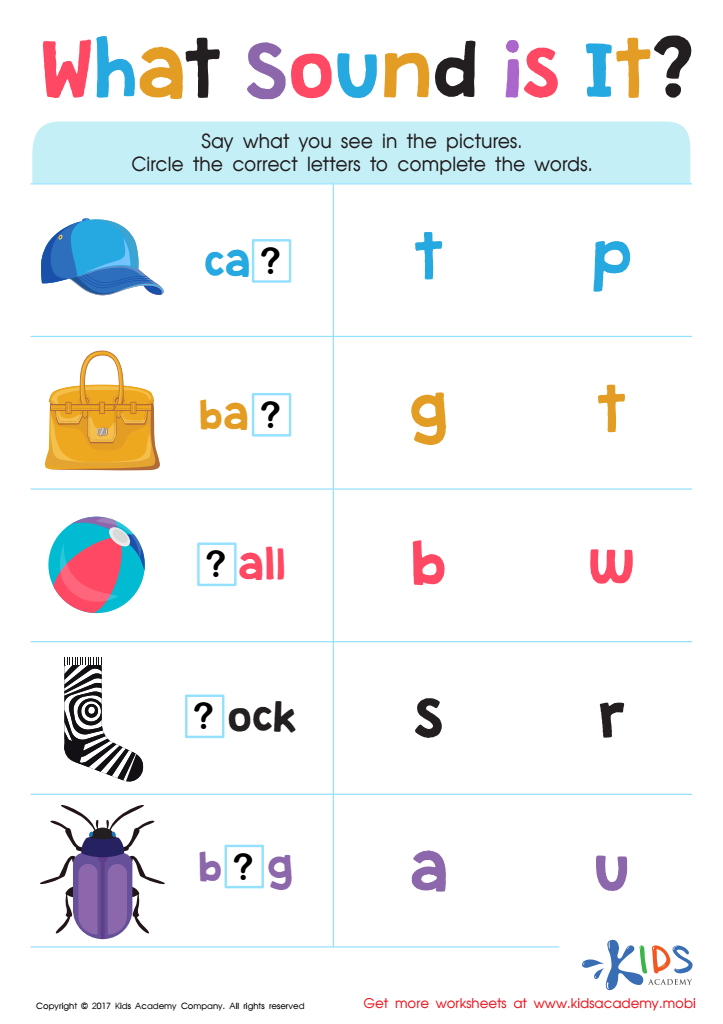
What Sound Is it? Worksheet
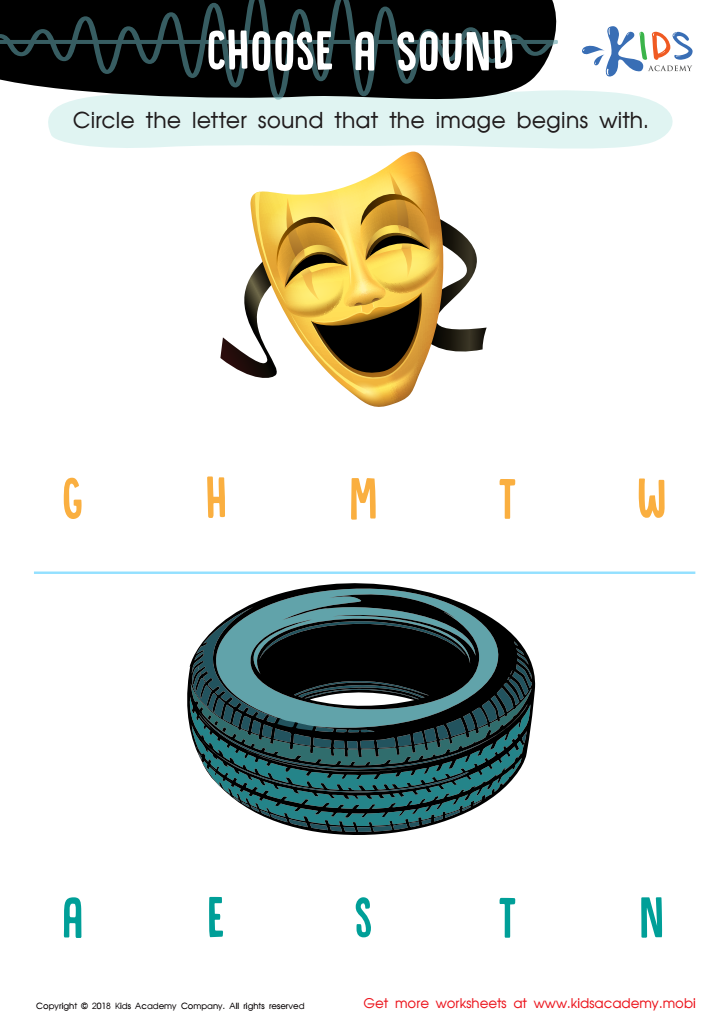
Choose a Sound Worksheet
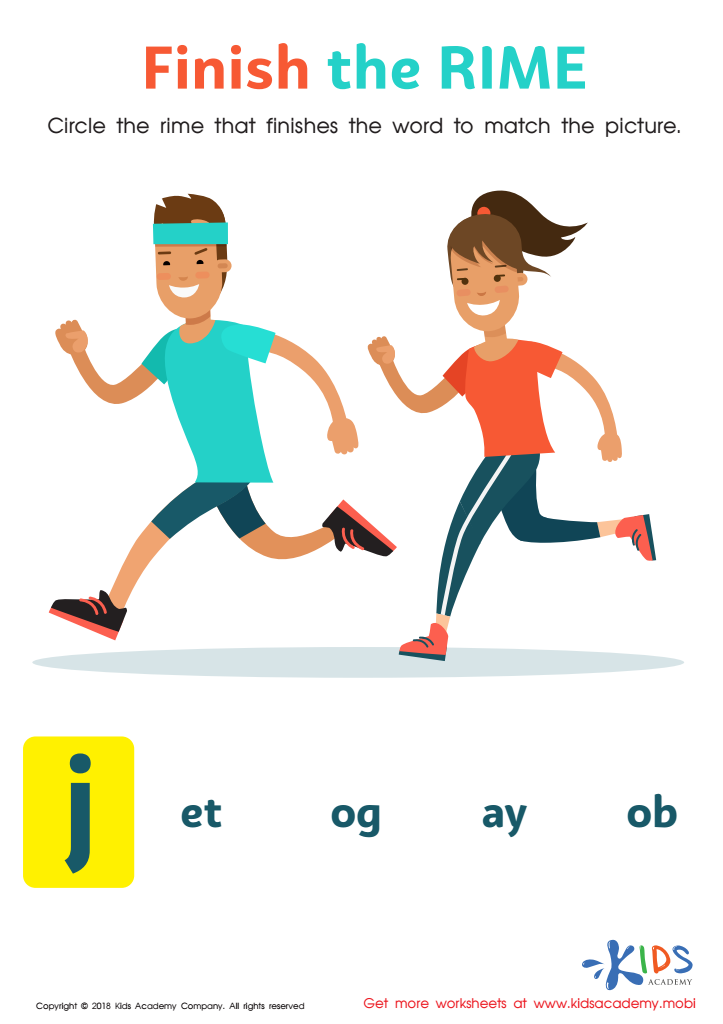
Finish the Rime Worksheet


.jpg)




Phonics recognition is a crucial component of early literacy development for children aged 3-4. Understanding the relationship between letters and sounds lays a solid foundation for reading and writing skills. Parents and teachers should prioritize phonics recognition because it promotes language development, enhances vocabulary, and boosts a child’s confidence in communication.
At this age, children are naturally curious and eager to learn. Introducing phonics through engaging activities—such as songs, rhymes, and games—makes learning enjoyable and supports retention. By recognizing letter sounds, children begin to decode simple words, enabling them to become independent readers sooner. This early skill fosters a love for reading, which has long-term benefits for academic success.
Moreover, phonics recognition provides children with the tools to comprehend and express themselves effectively. As they learn to blend sounds to form words, they gain the ability to explore their imagination and share their thoughts more freely. For teachers, incorporating phonics into lesson plans fosters a structured approach to early literacy, allowing for consistent progress among students. For parents, supporting phonics recognition at home creates a collaborative learning environment and strengthens the child’s literacy journey. Ultimately, nurturing phonics skills at this early stage lays the groundwork for lifelong learning.








