Hand-eye Coordination Easy Math Worksheets for Ages 3-5
16 filtered results
-
From - To
Nurture your child's early learning development with our Hand-eye Coordination Easy Math Worksheets for Ages 3-5. These specially designed activities combine fun and educational exercises to enhance your little one's hand-eye coordination, fine motor skills, and basic math understanding. Perfect for preschool and kindergarten children, our worksheets feature colorful illustrations and age-appropriate tasks that engage young minds. From matching numbers to tracing shapes, each worksheet is tailored to boost your child's confidence and prepare them for future academic success. Explore our collection and make learning an enjoyable adventure for your young learner!
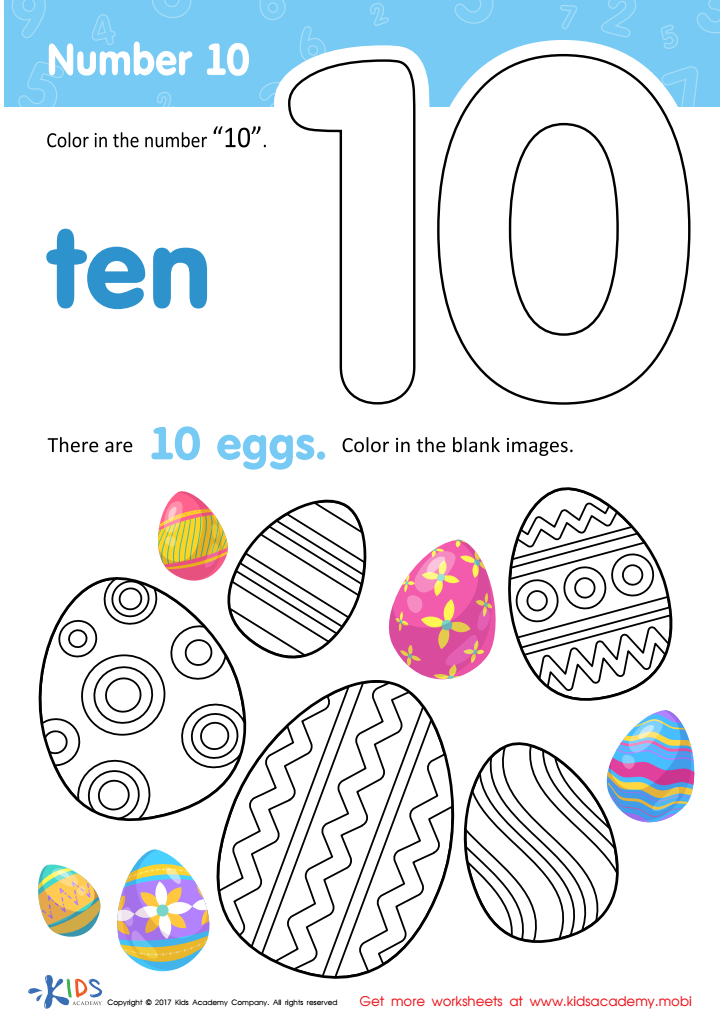
Number 10 Printable
 Assign to My Students
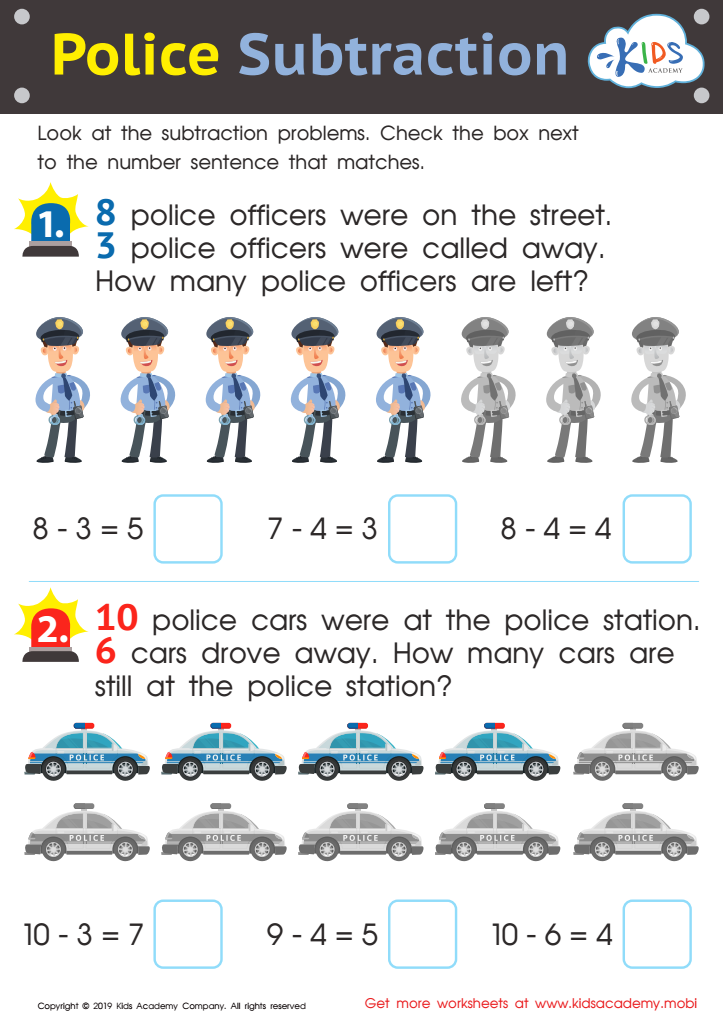
Police Subtraction Worksheet
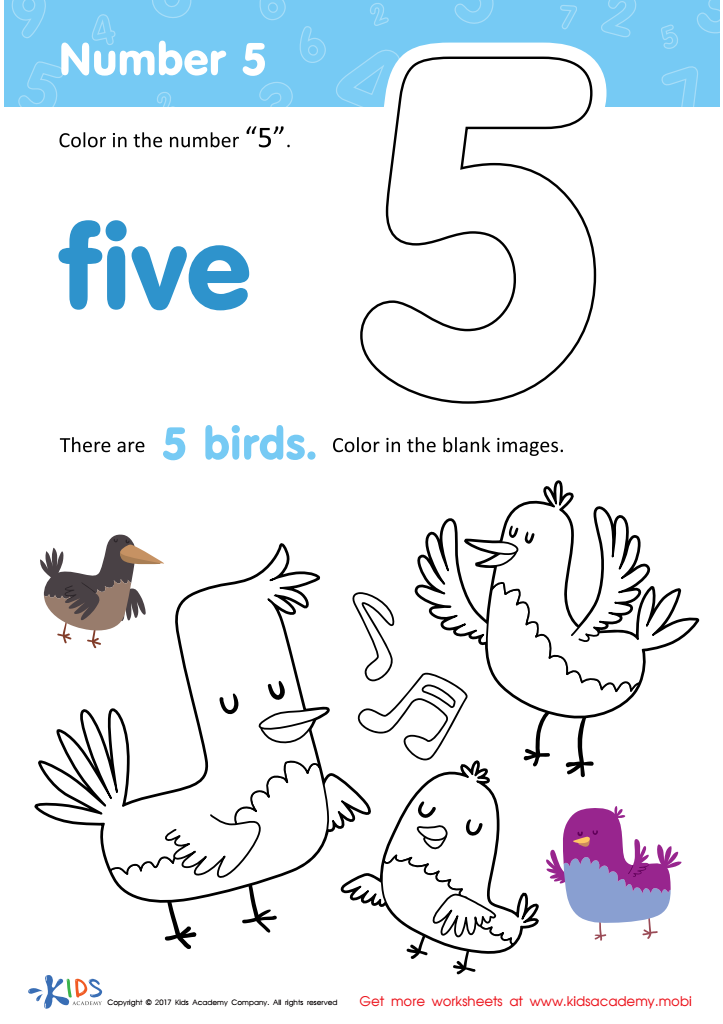
Number 5 Printable
Assign to My Students
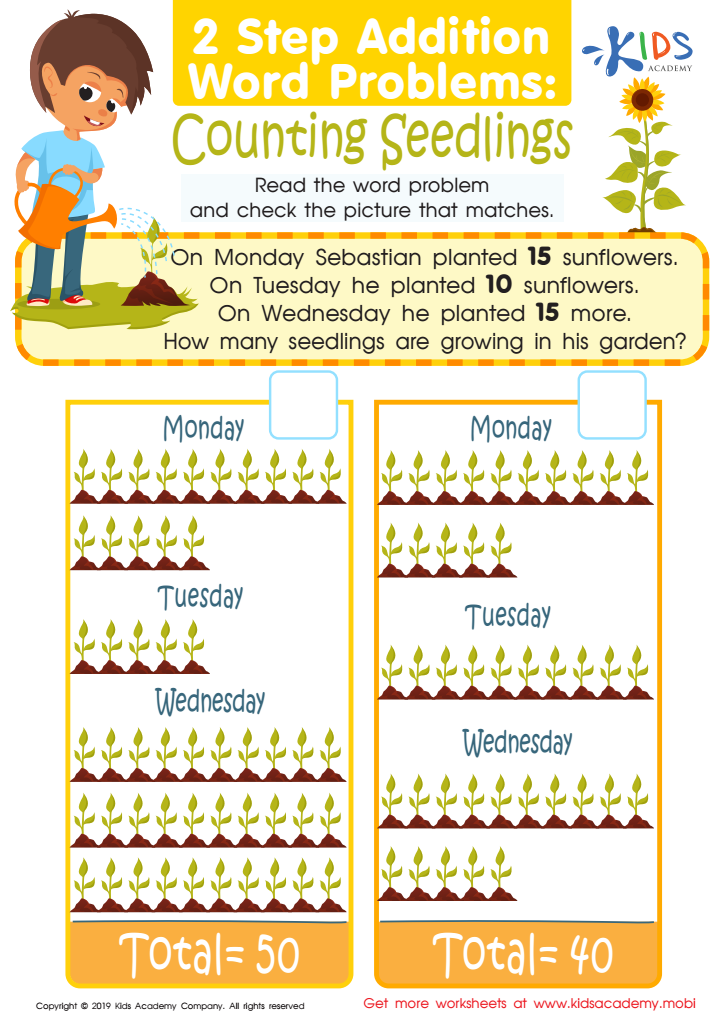
Counting Seedlings Worksheet
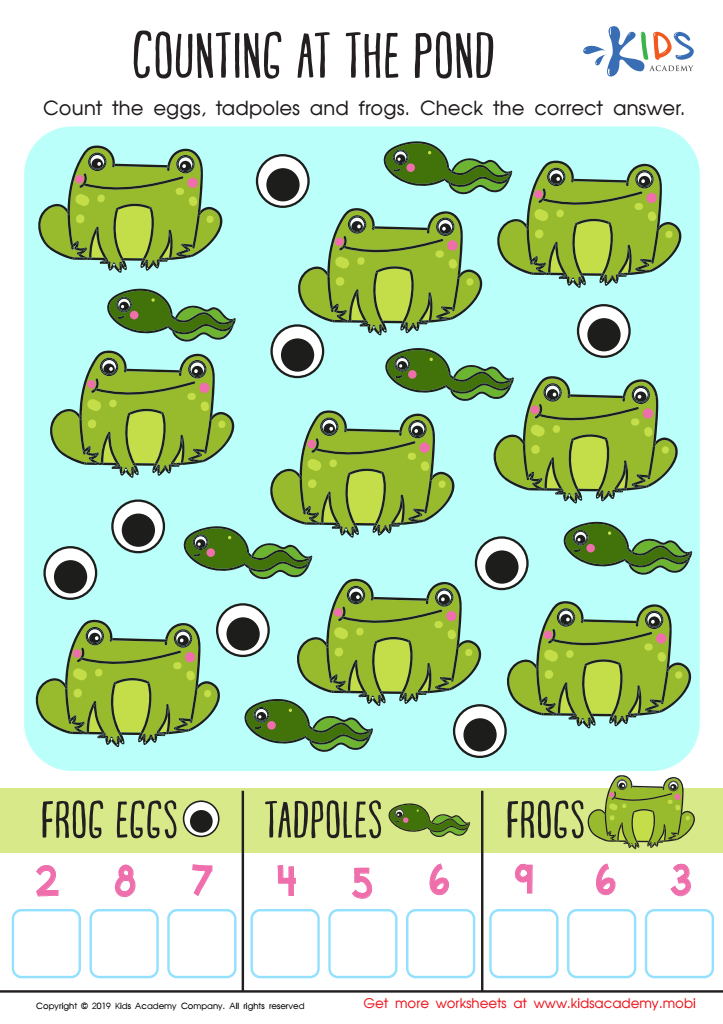
Counting at the Pond Worksheet
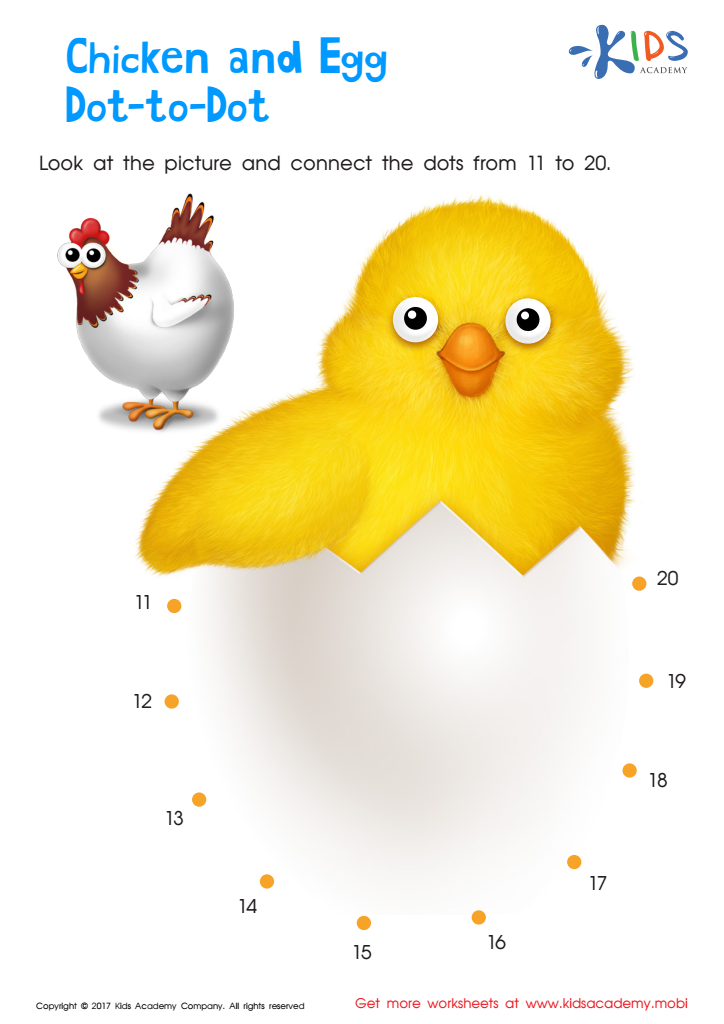
Ordering 11–20: Chicken & Egg Dot–to–dot Worksheet
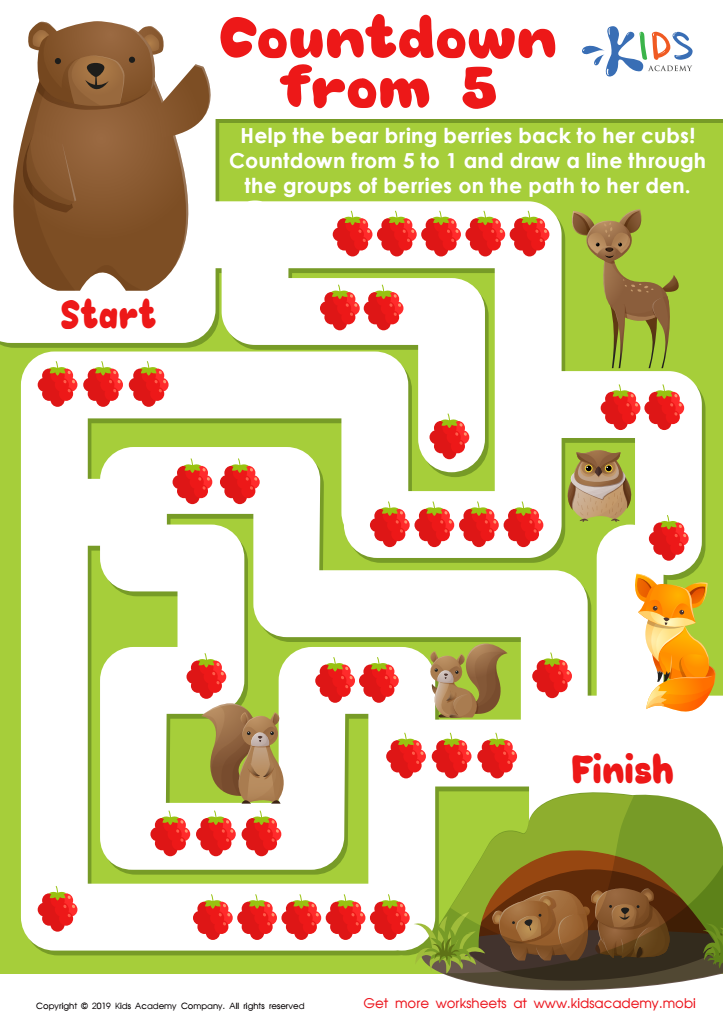
Countdown from 5 Worksheet
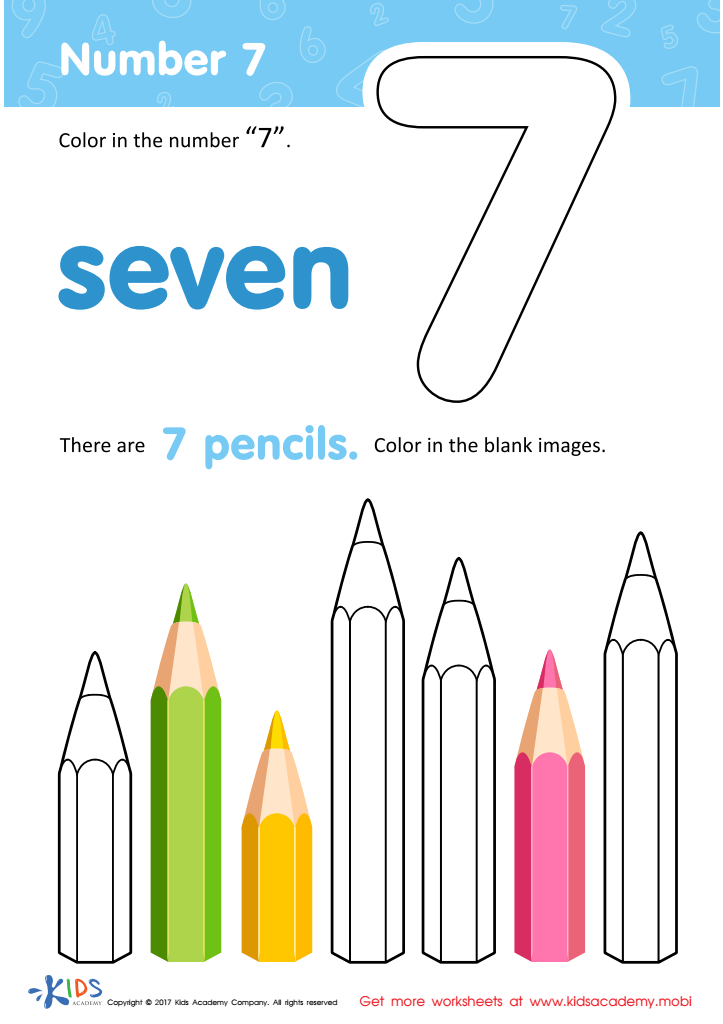
Number 7 Worksheet
Assign to My Students
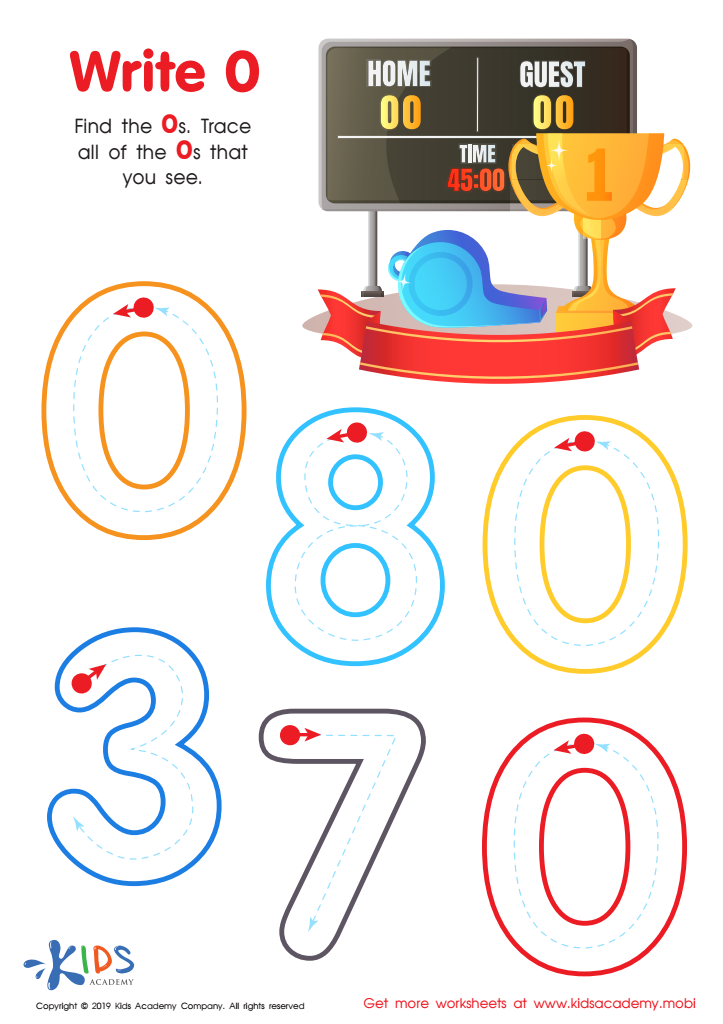
Write 0 Worksheet
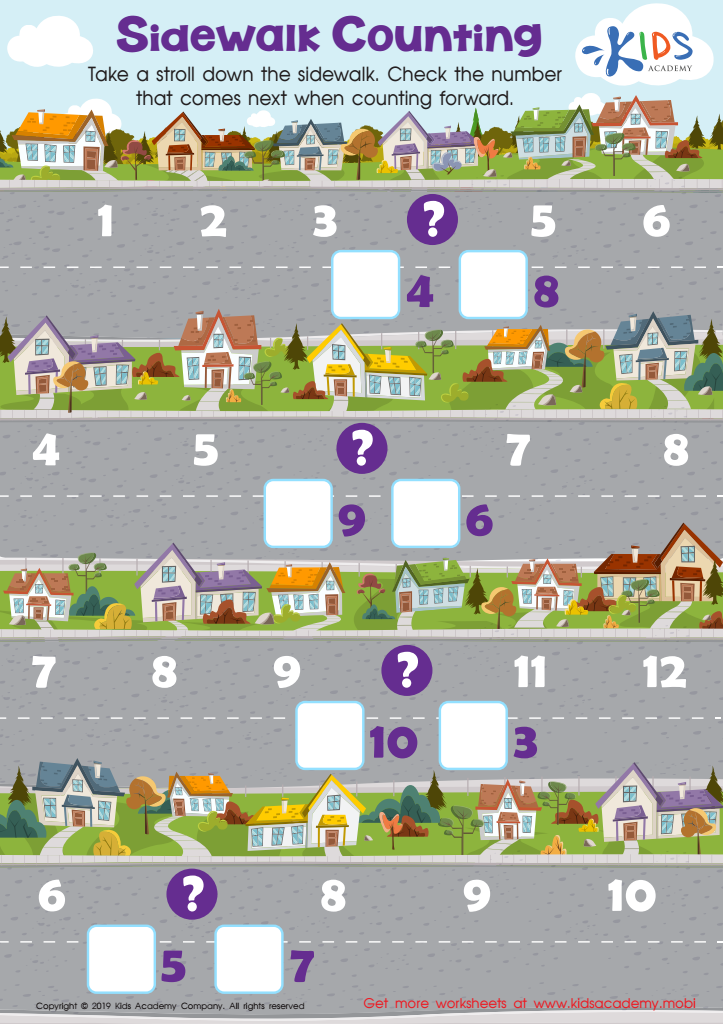
Sidewalk Counting Worksheet
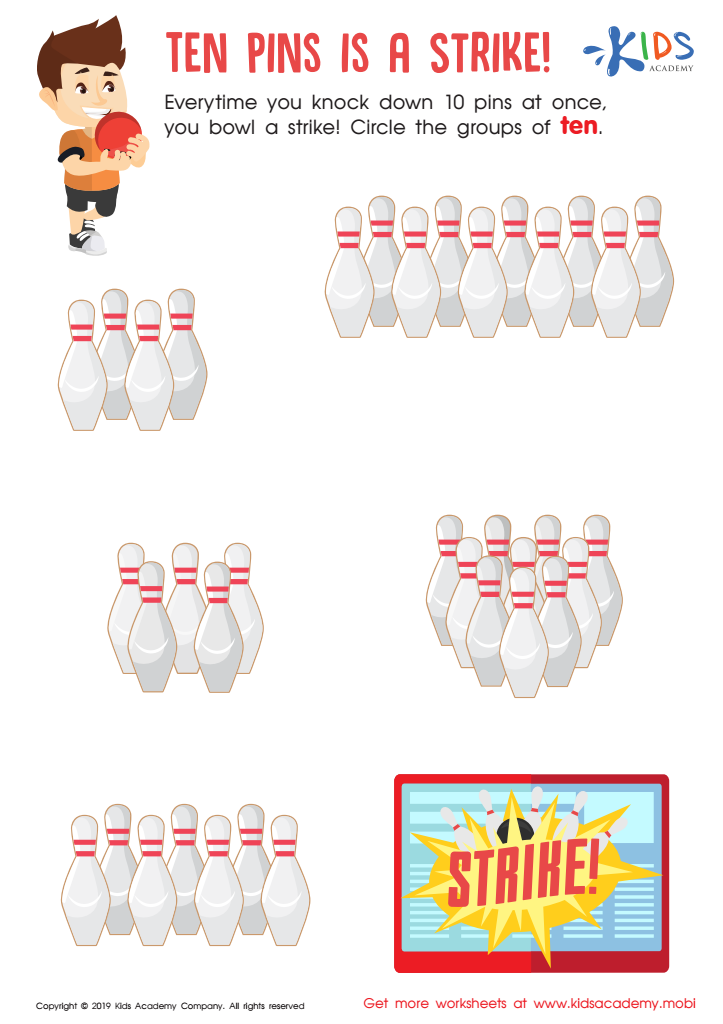
Ten Pins is a Strike Worksheet
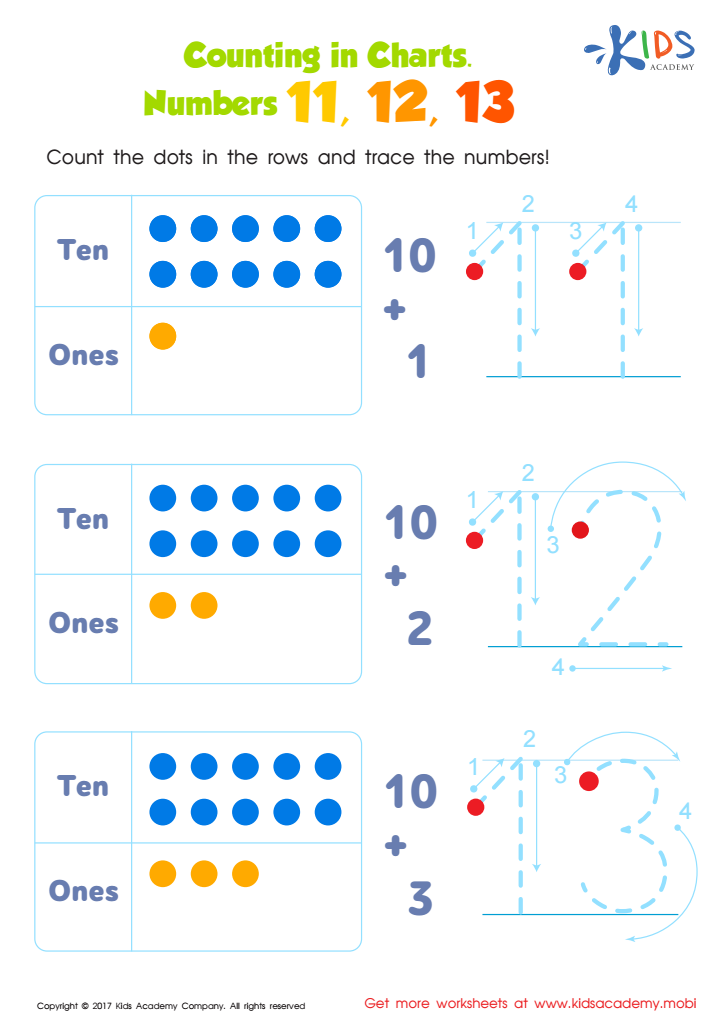
Number Tracing Worksheet For Kindergarten
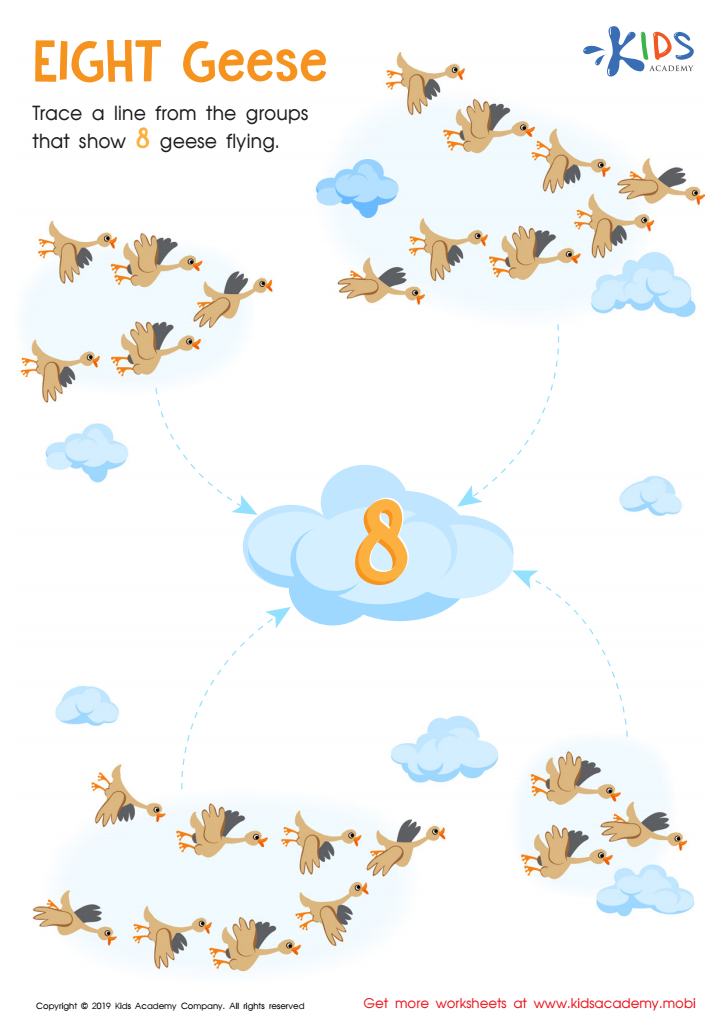
Eight Geese Worksheet
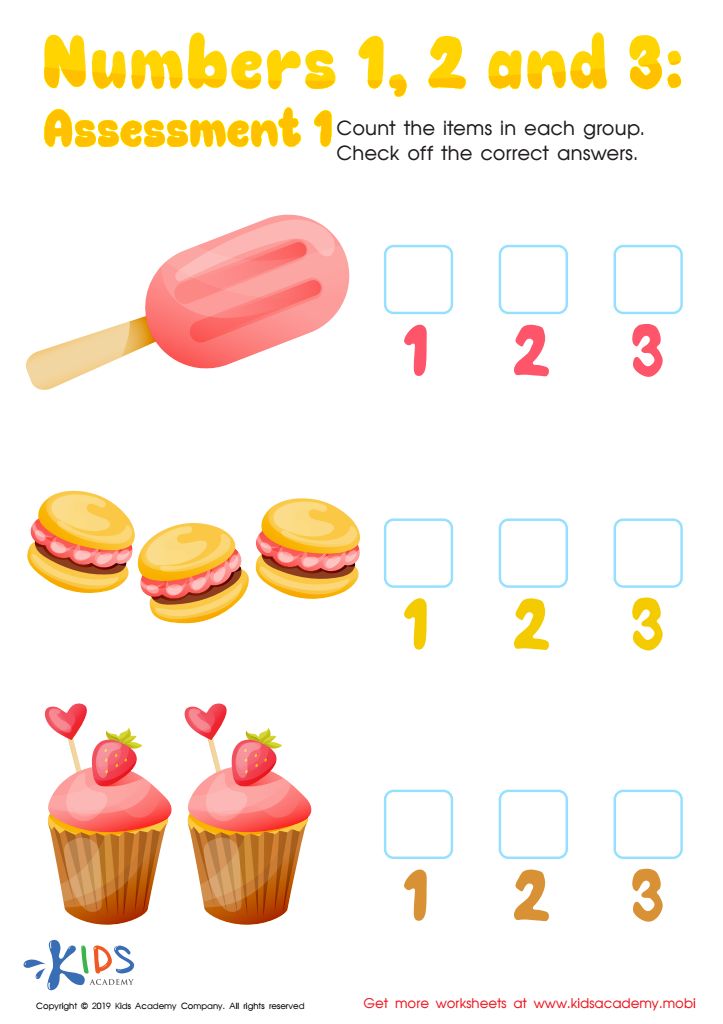
Numbers 1, 2 and 3: Assessment 1 Worksheet
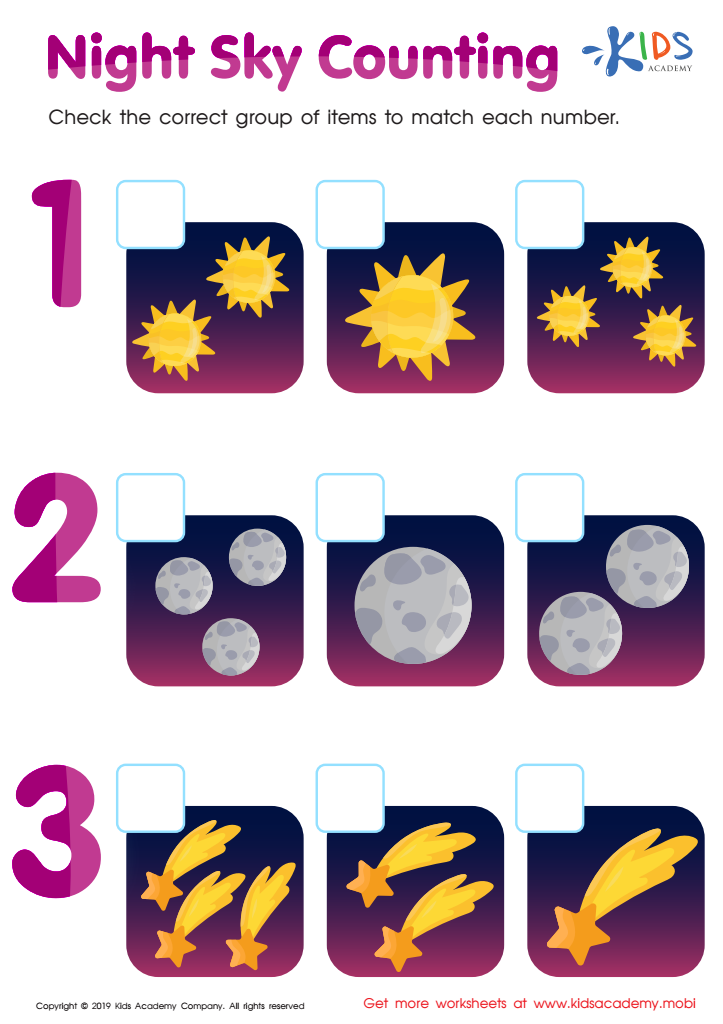
Night Sky Counting Worksheet
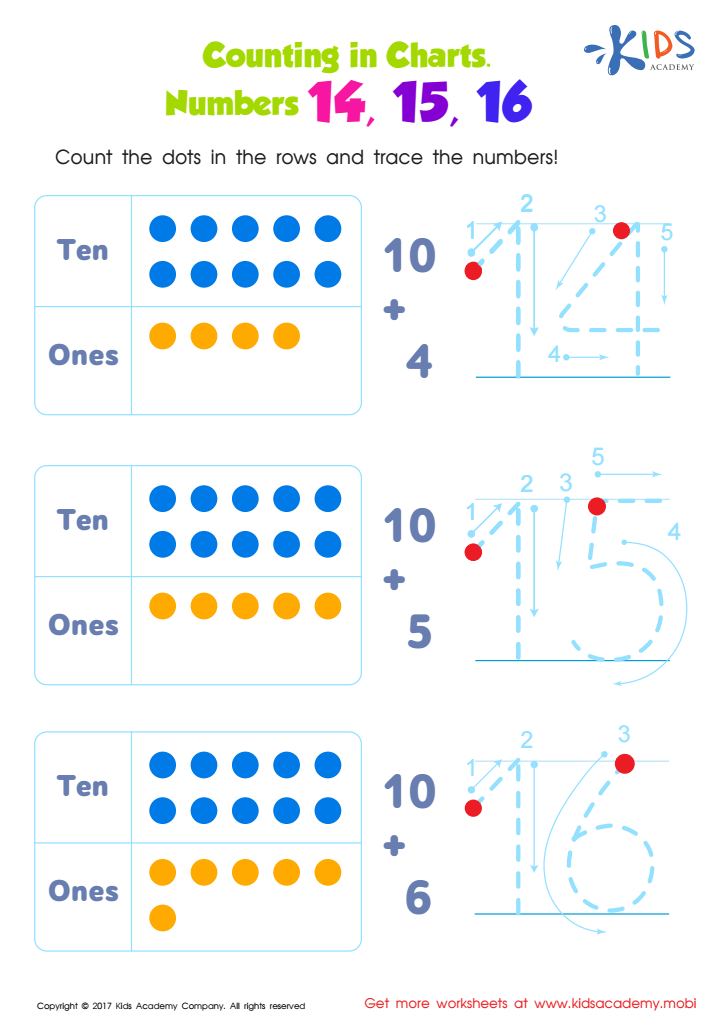
Number Tracing Worksheet





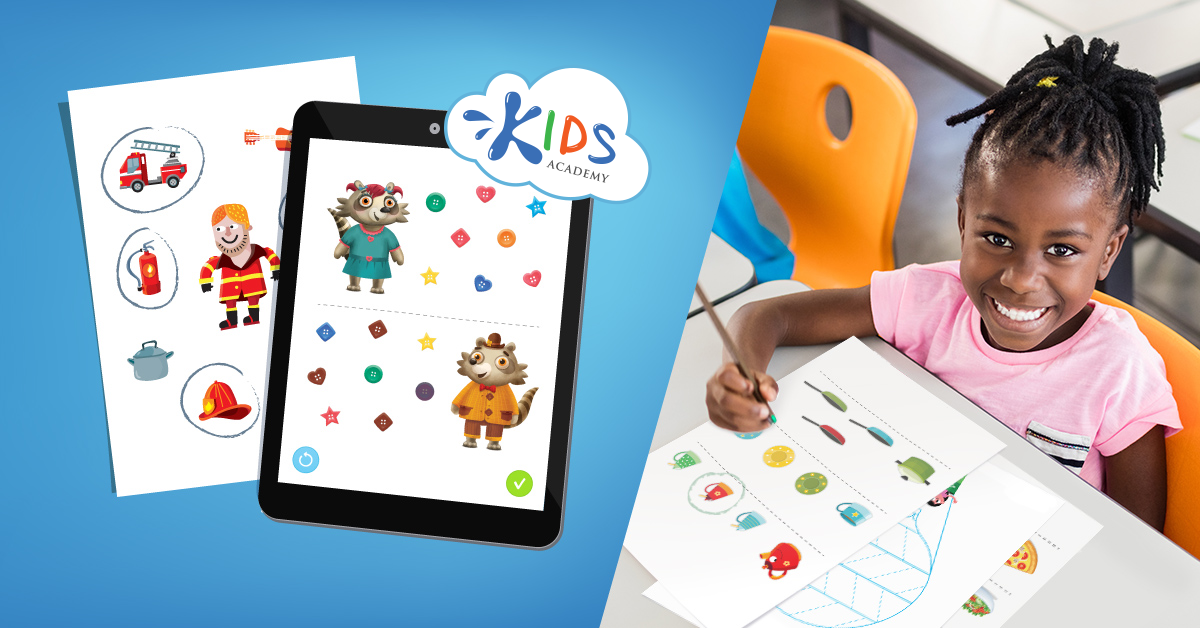


Hand-eye coordination and early math skills play essential roles in a child's development, and fostering these abilities at ages 3-5 lays a foundational groundwork for future academic success. Hand-eye coordination, the ability to synchronize visual information with hand movements, is crucial for various everyday activities such as writing, tying shoelaces, and sports. When young children engage in activities that develop this skill—such as building with blocks, drawing, or sorting objects—they enhance their fine motor skills, spatial awareness, and problem-solving abilities.
Similarly, early math skills are equally important as they are linked to cognitive development and academic achievement. Basic math concepts like counting, recognizing shapes, and understanding quantities can boost children's reasoning and analytical thinking skills. Easy math activities designed for 3-5-year-olds encourage a fun and engaging way to establish these concepts. Incorporating hand-eye coordination with early math exercises, such as counting beads or arranging number blocks, makes learning interactive and support multiple developmental domains concurrently.
Parents and teachers should emphasize these activities because they prepare children not just for advanced academic subjects, but also for everyday tasks. Consistent practice in these foundational skills contributes to a child’s overall confidence and enthusiasm towards learning, establishing a lifelong love for education.








