Number Recognition Easy Numbers 0–10 Worksheets for Ages 3-5 - Page 2
46 filtered results
-
From - To
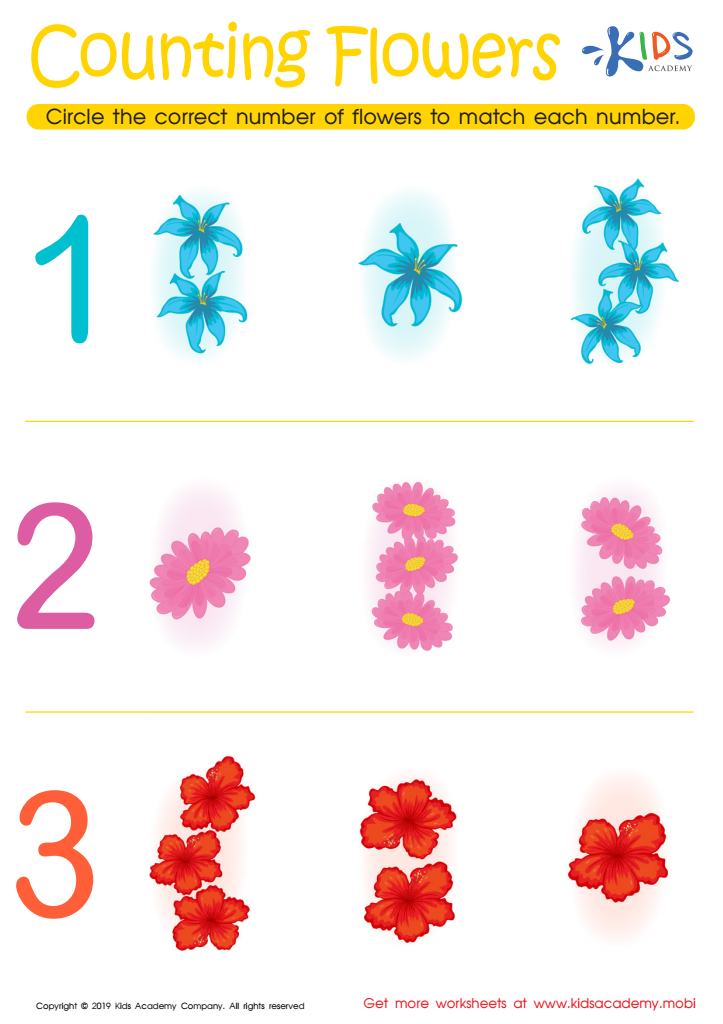
Counting Flowers Worksheet
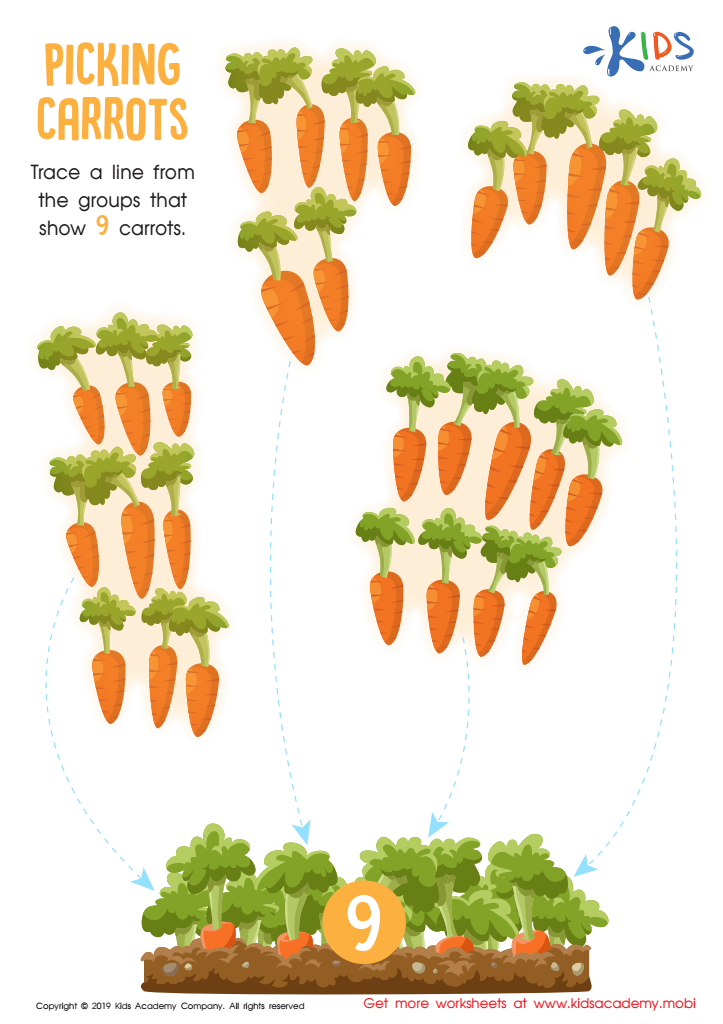
Picking Carrots Worksheet
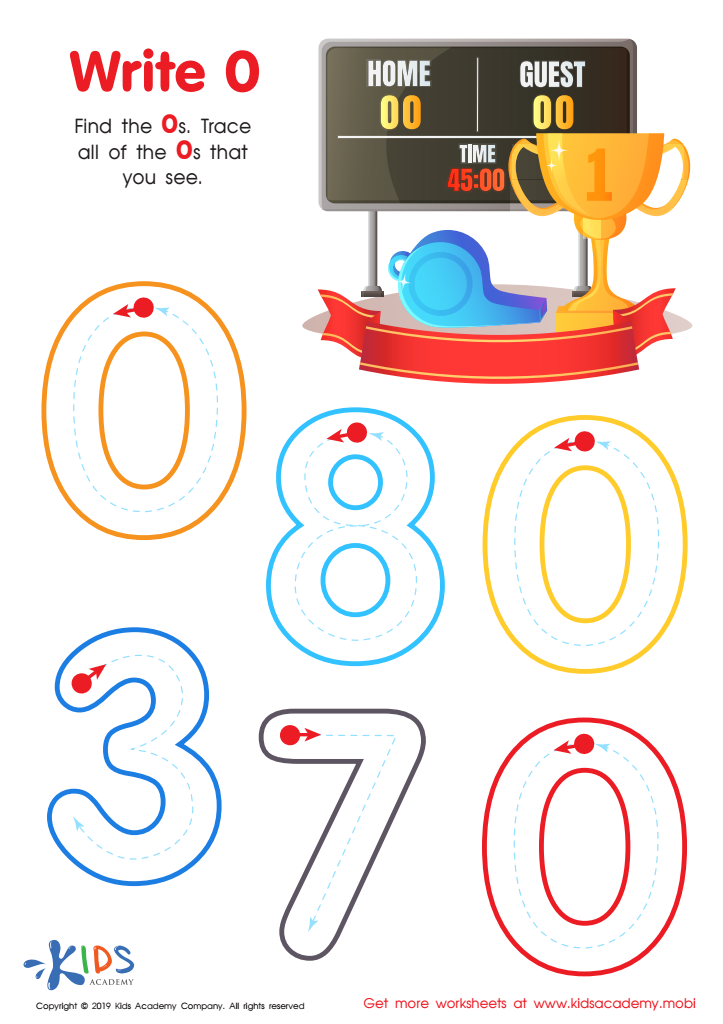
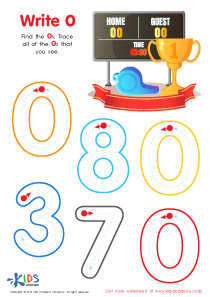
Write 0 Worksheet
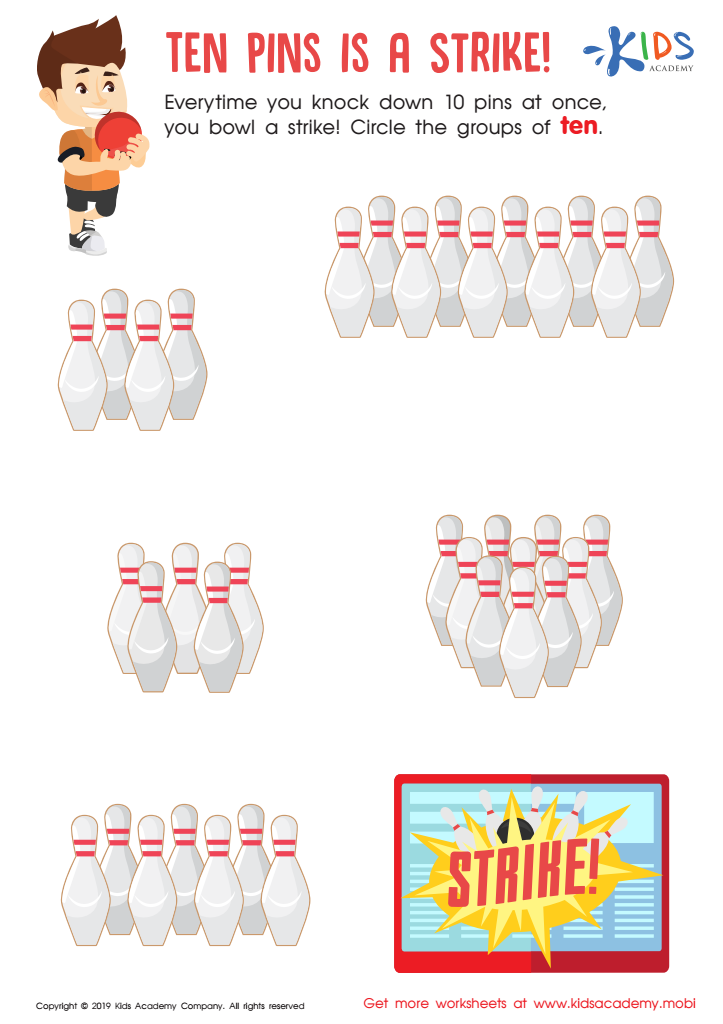
Ten Pins is a Strike Worksheet
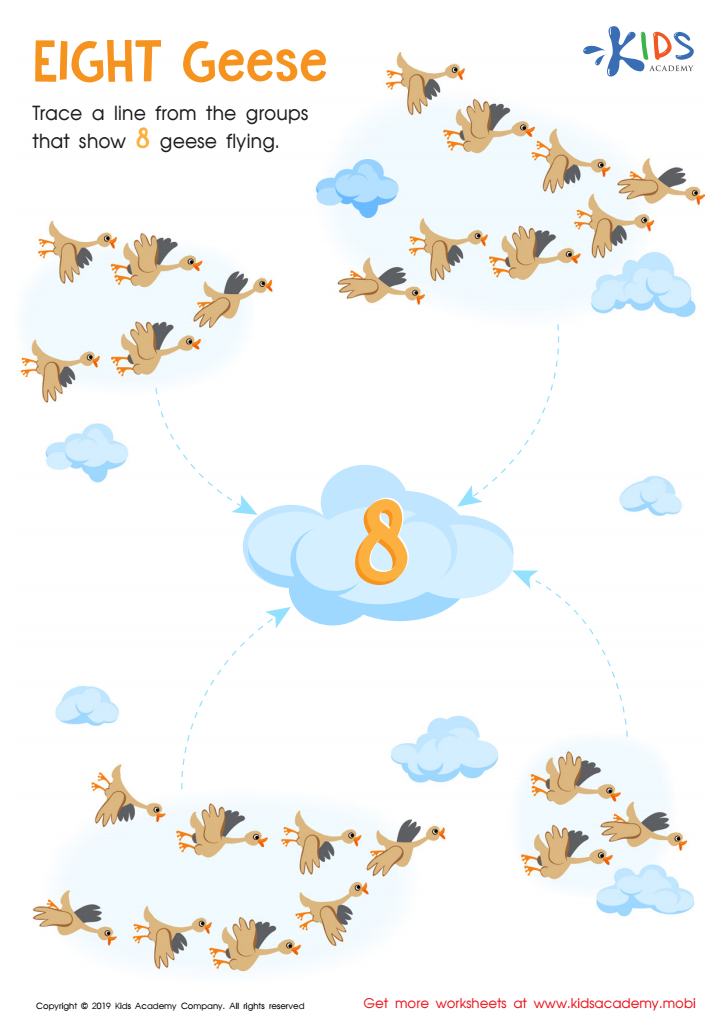
Eight Geese Worksheet
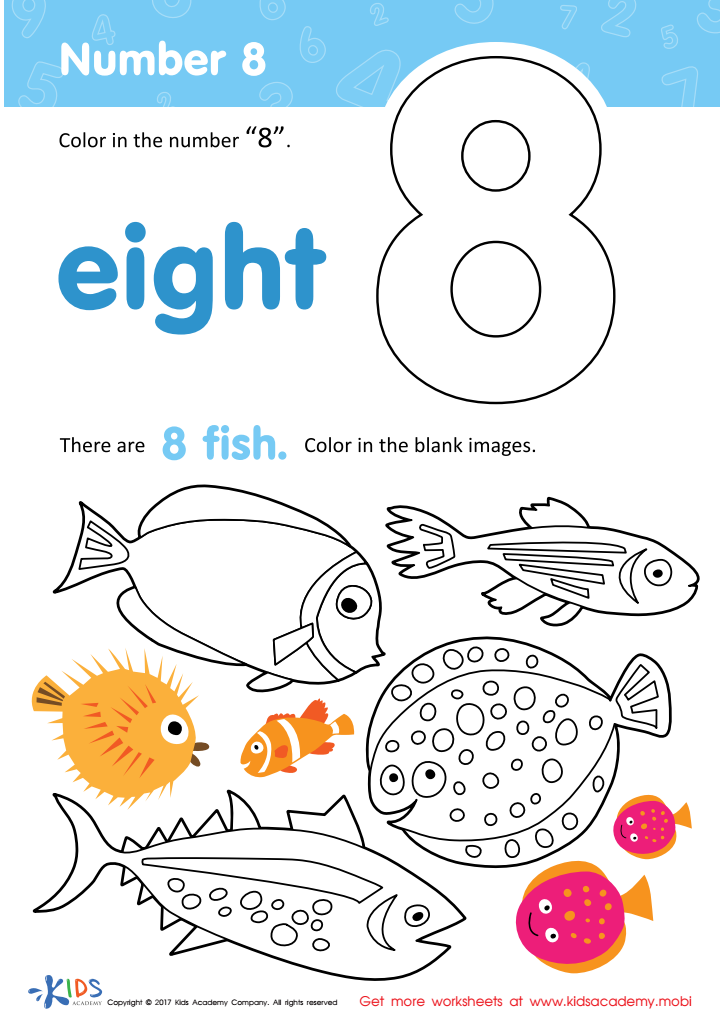
Number 8 Printable
 Assign to My Students
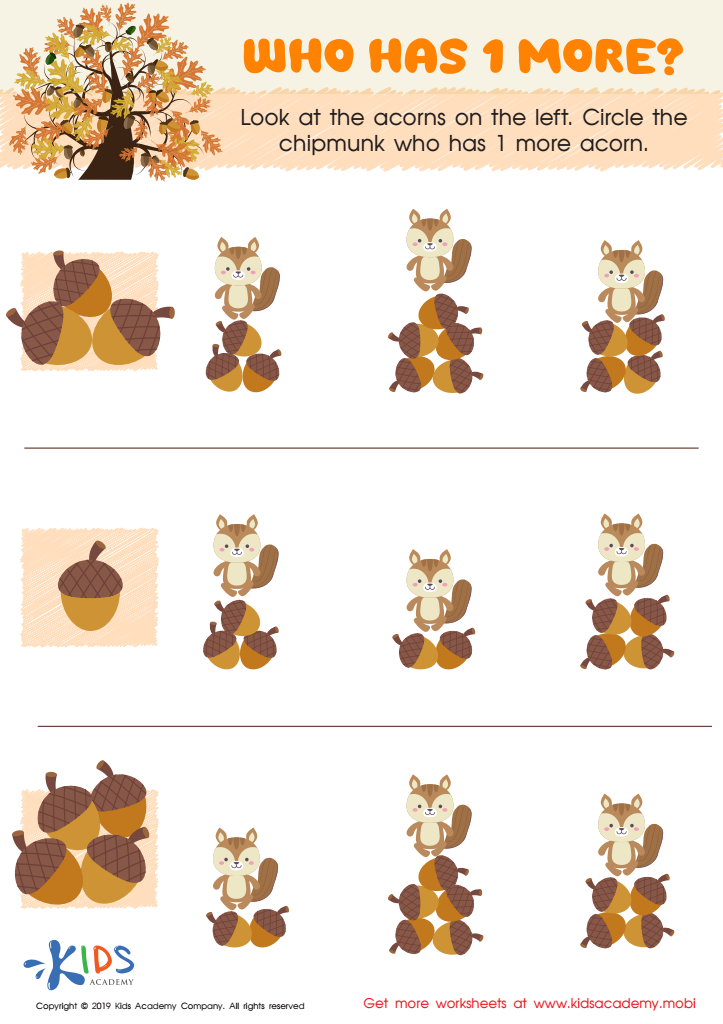
Who Has 1 More? Worksheet
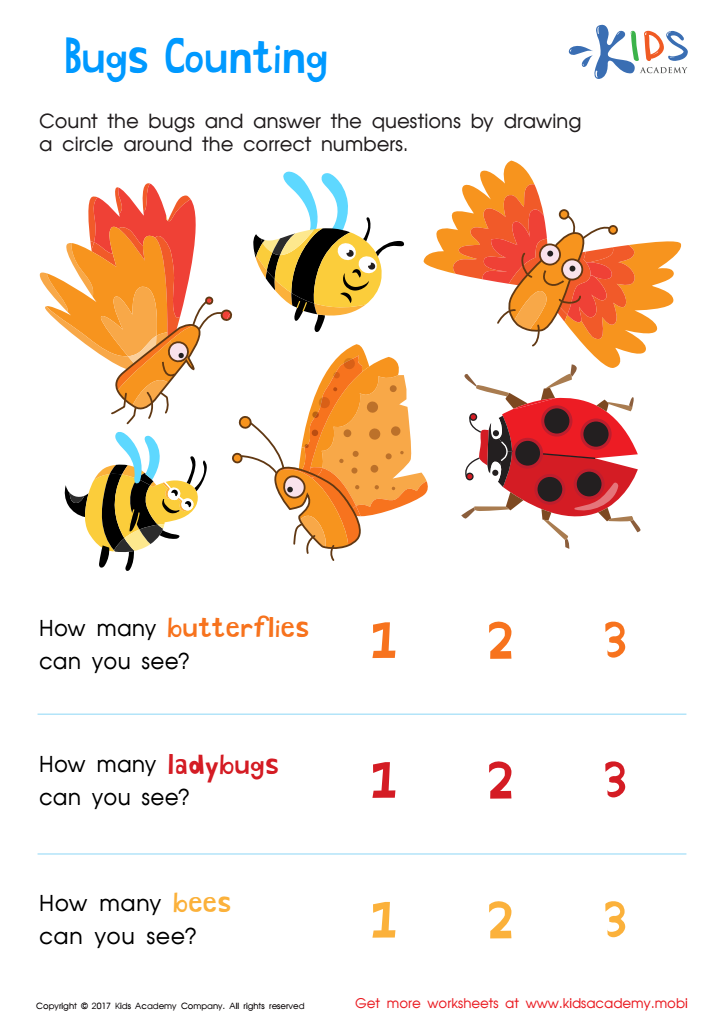
Bugs Counting Worksheet
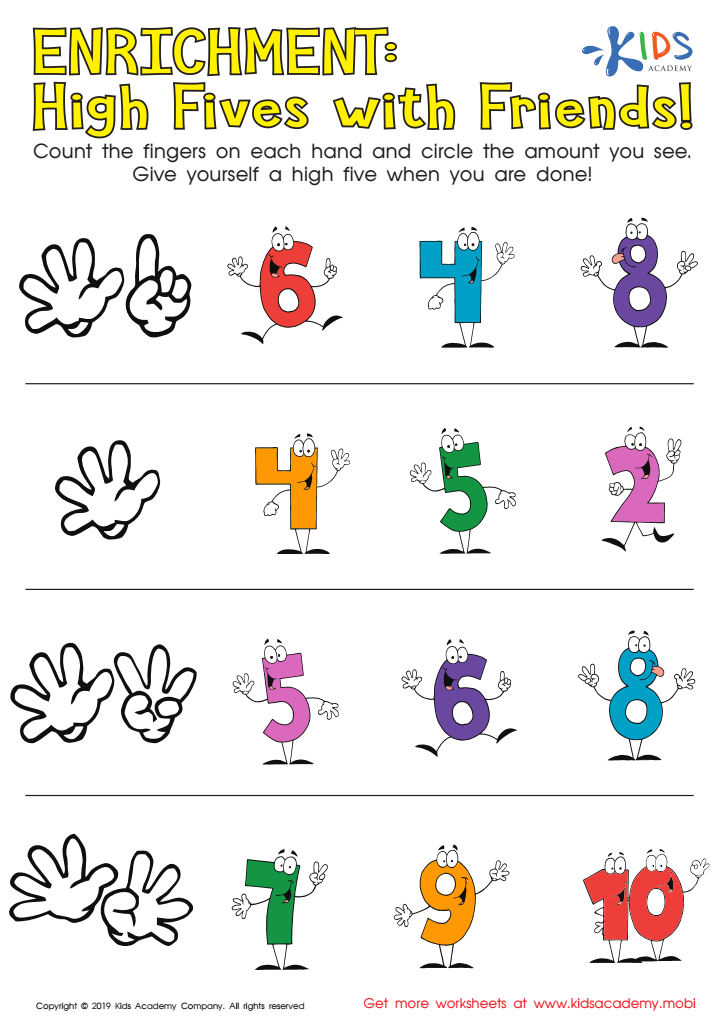
Enrichment: High Fives with Friends! Worksheet
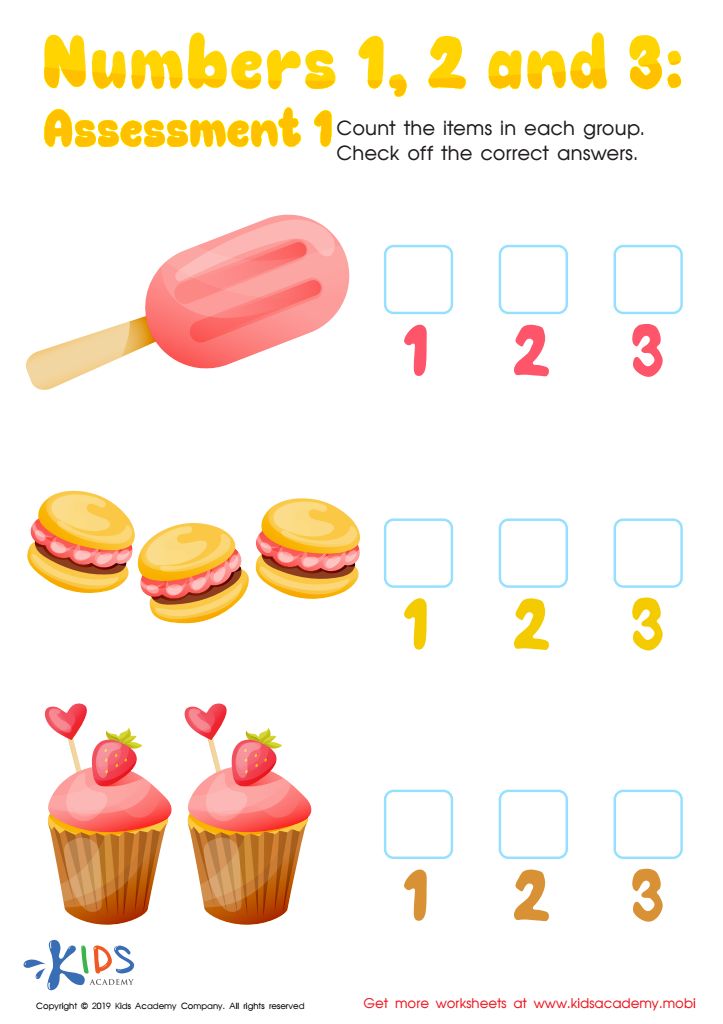
Numbers 1, 2 and 3: Assessment 1 Worksheet
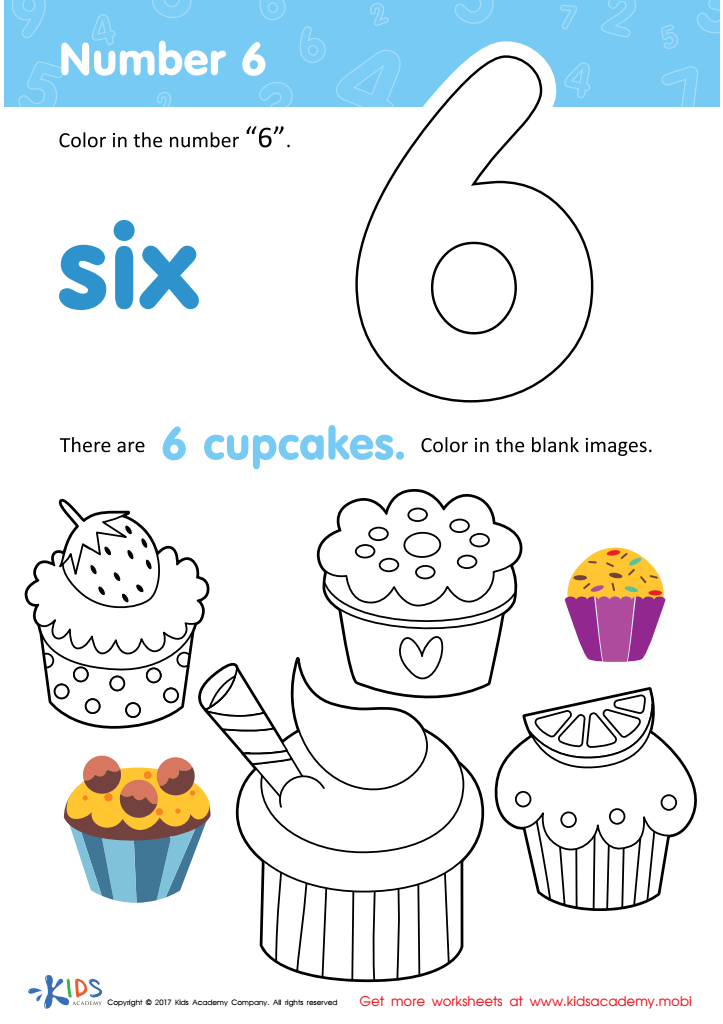
Number 6 Worksheet
Assign to My Students
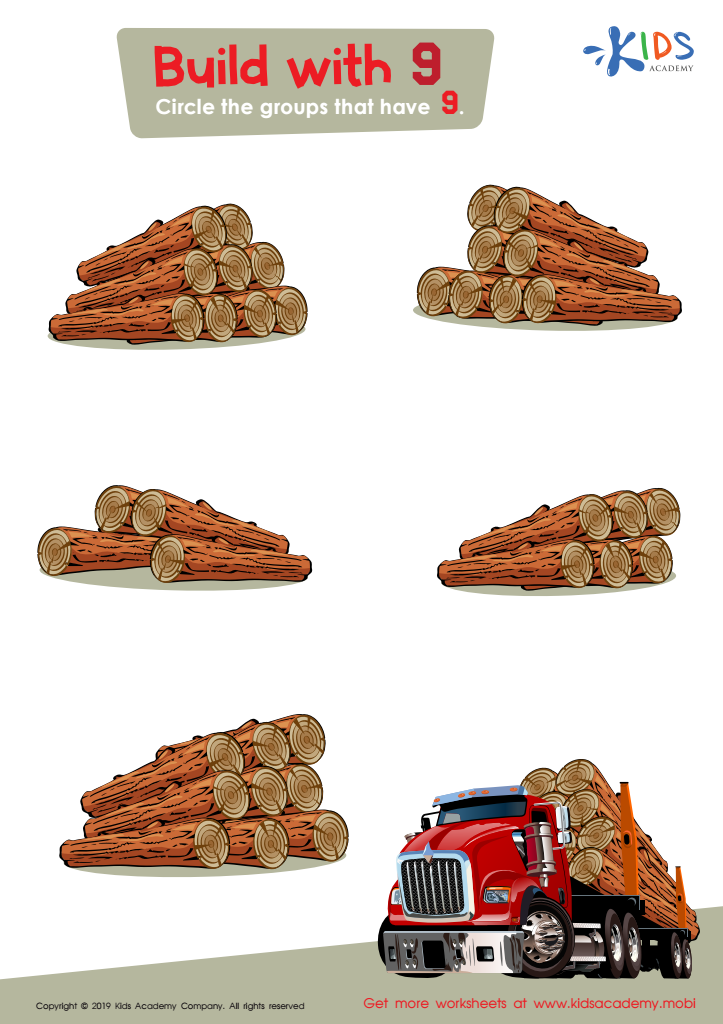
Build with 9 Worksheet
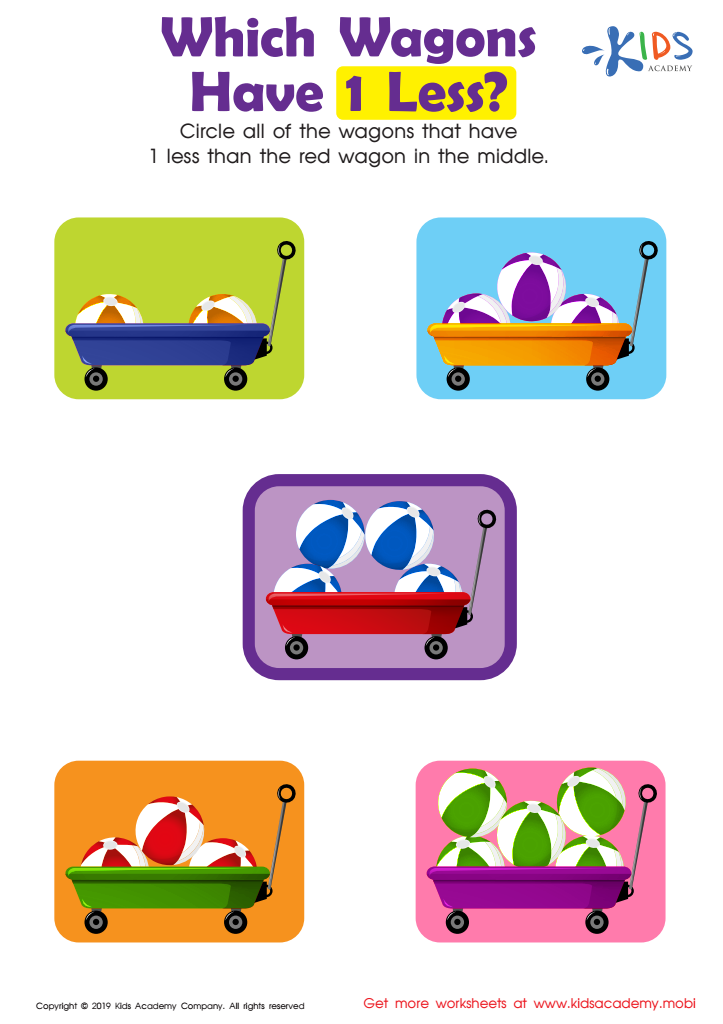
Which Wagons Have 1 Less? Worksheet
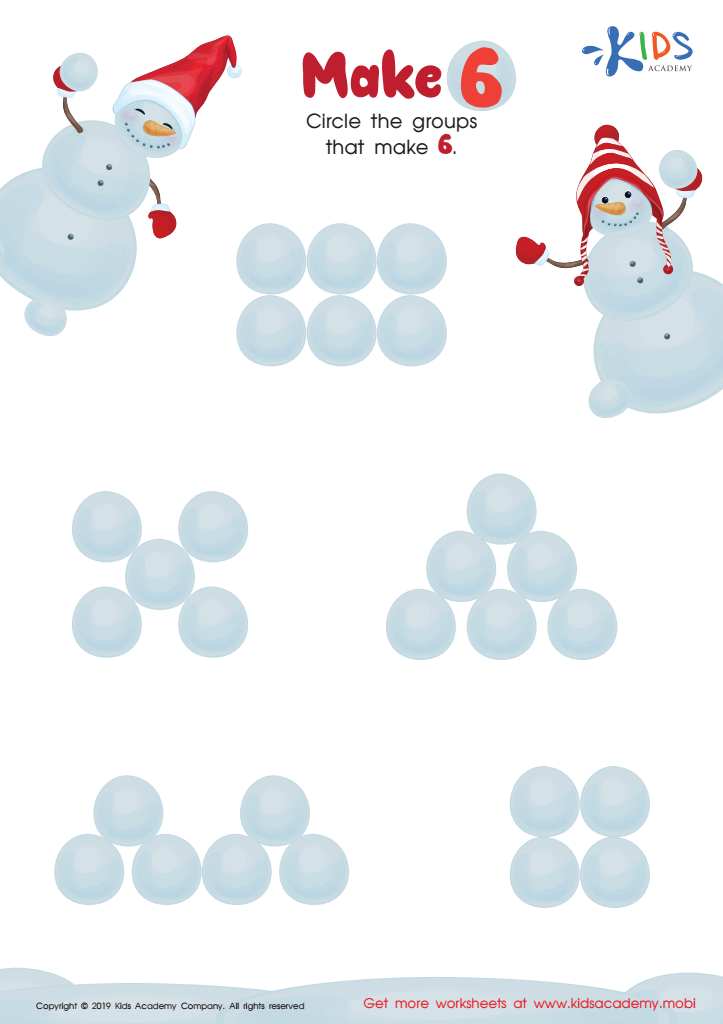
Make 6 Worksheet
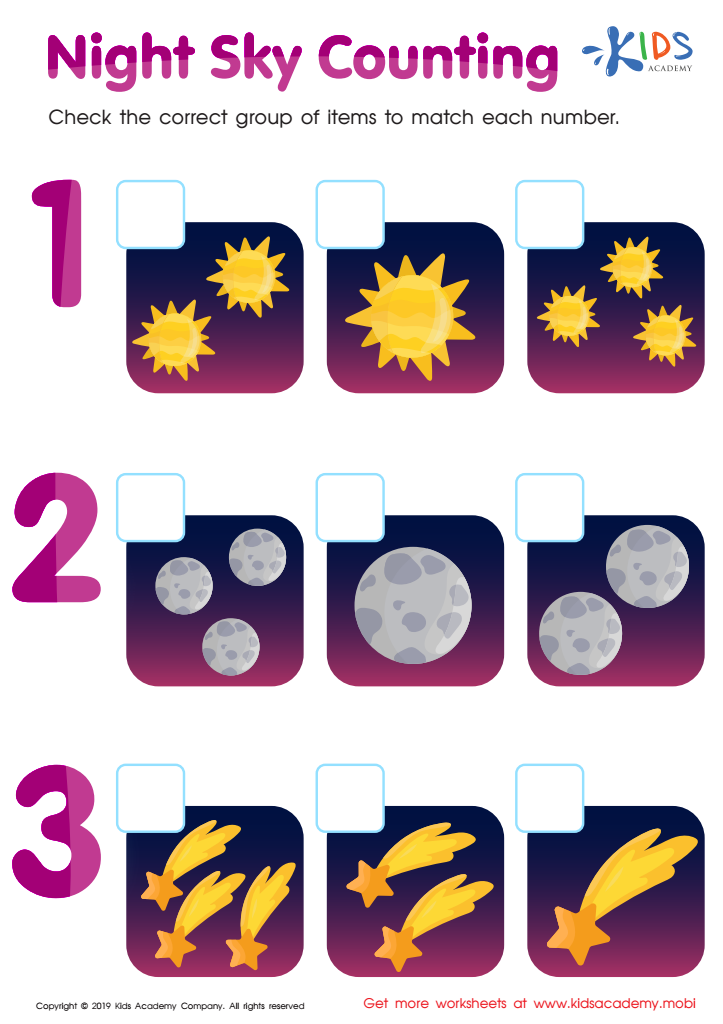
Night Sky Counting Worksheet
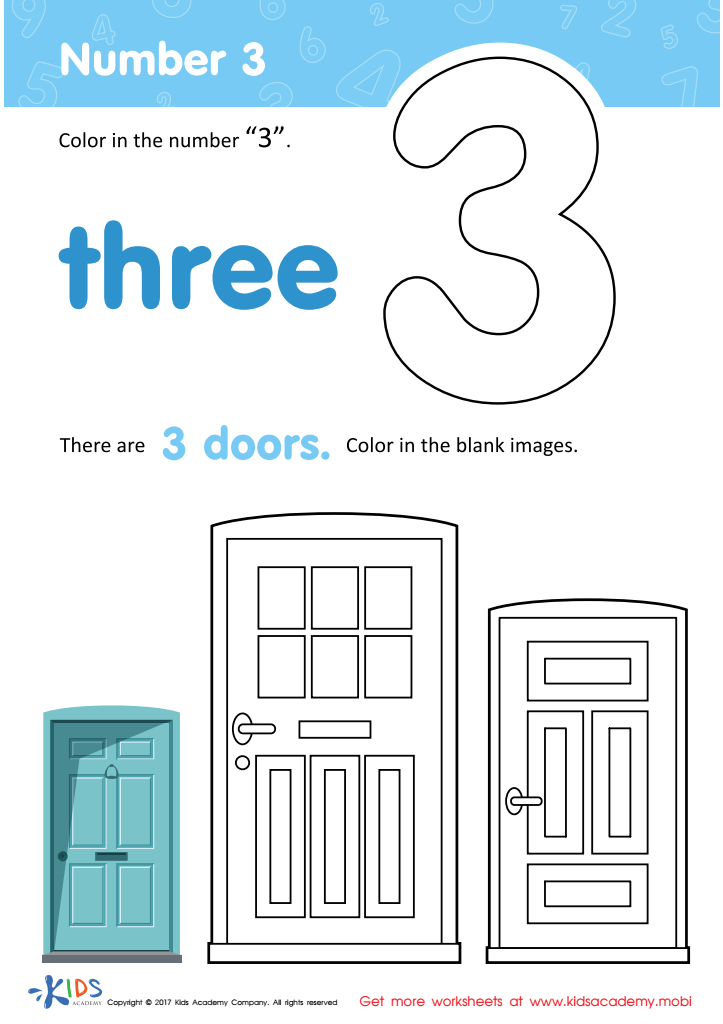
Number 3 Worksheet
Assign to My Students
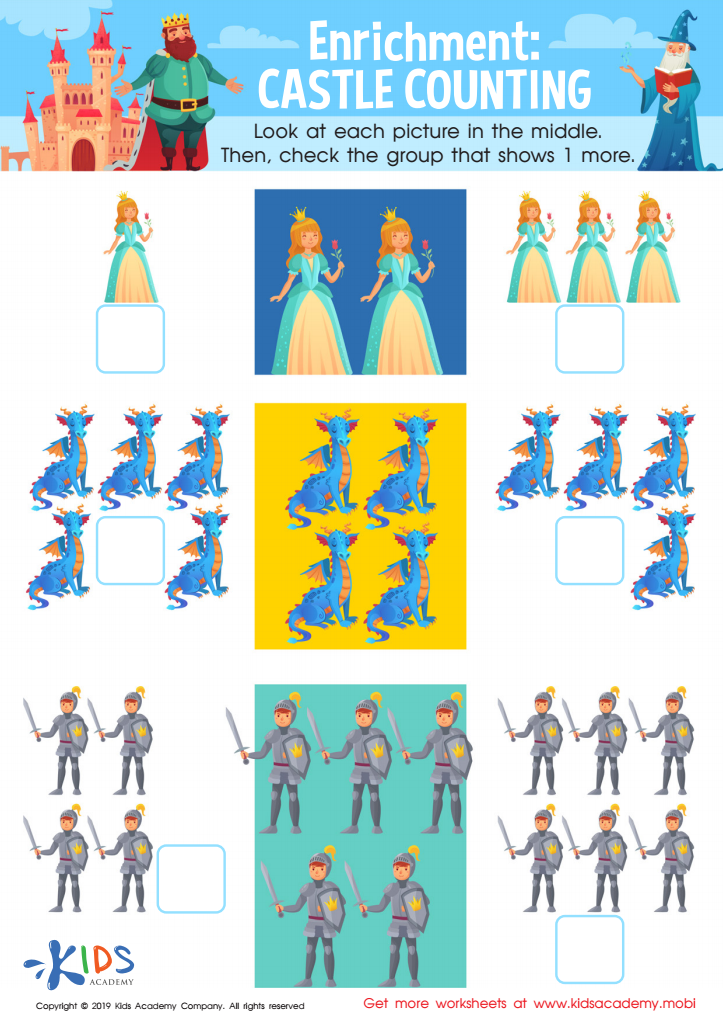
Enrichment: Castle Counting Worksheet
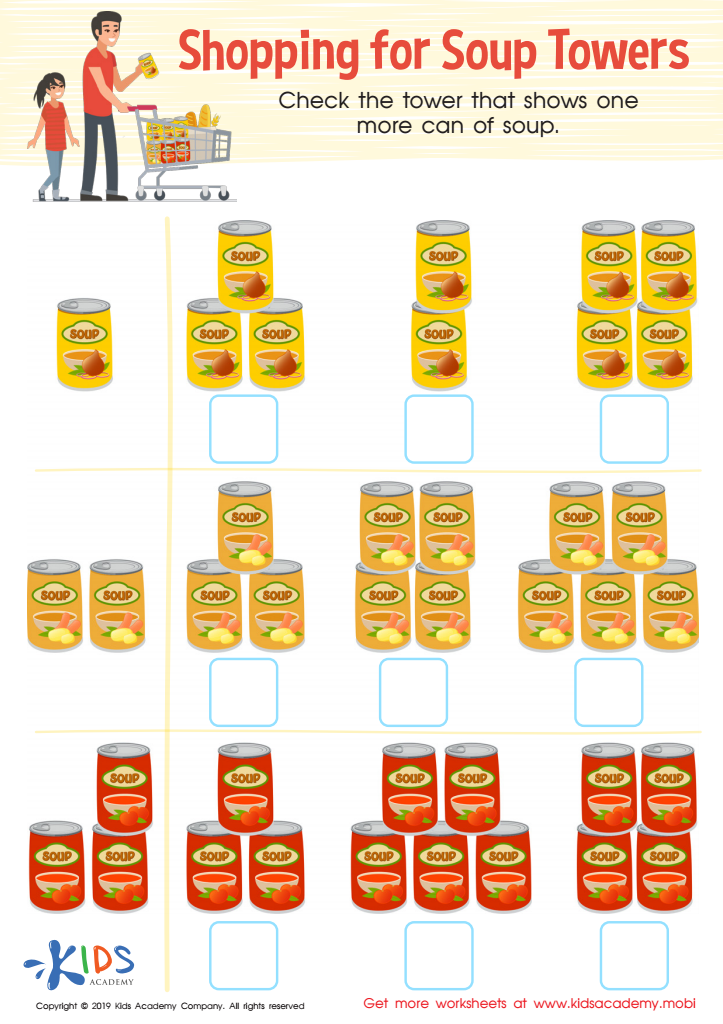
Soup Towers Worksheet
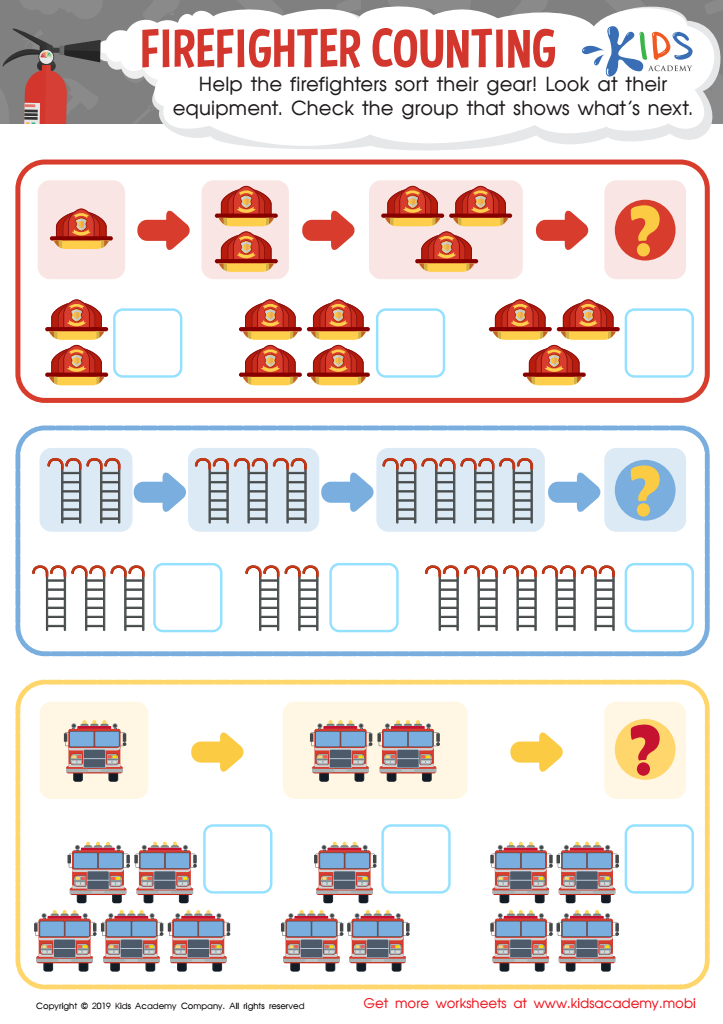
Firefighter Counting Worksheet
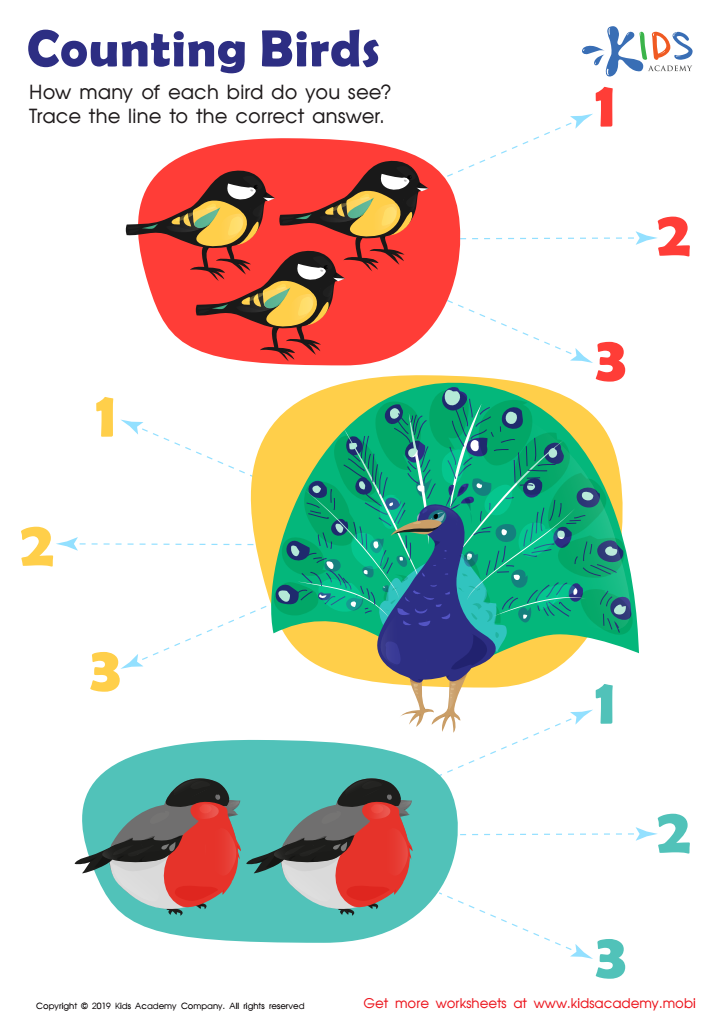
Counting Birds Worksheet
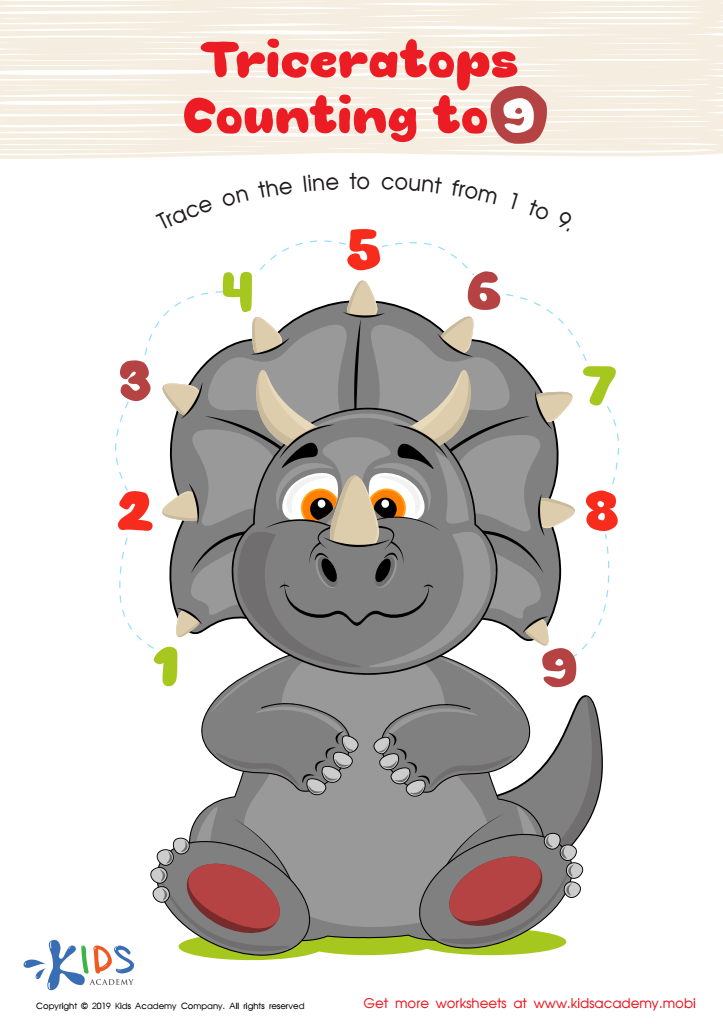
Triceratops Counting to 9 Worksheet
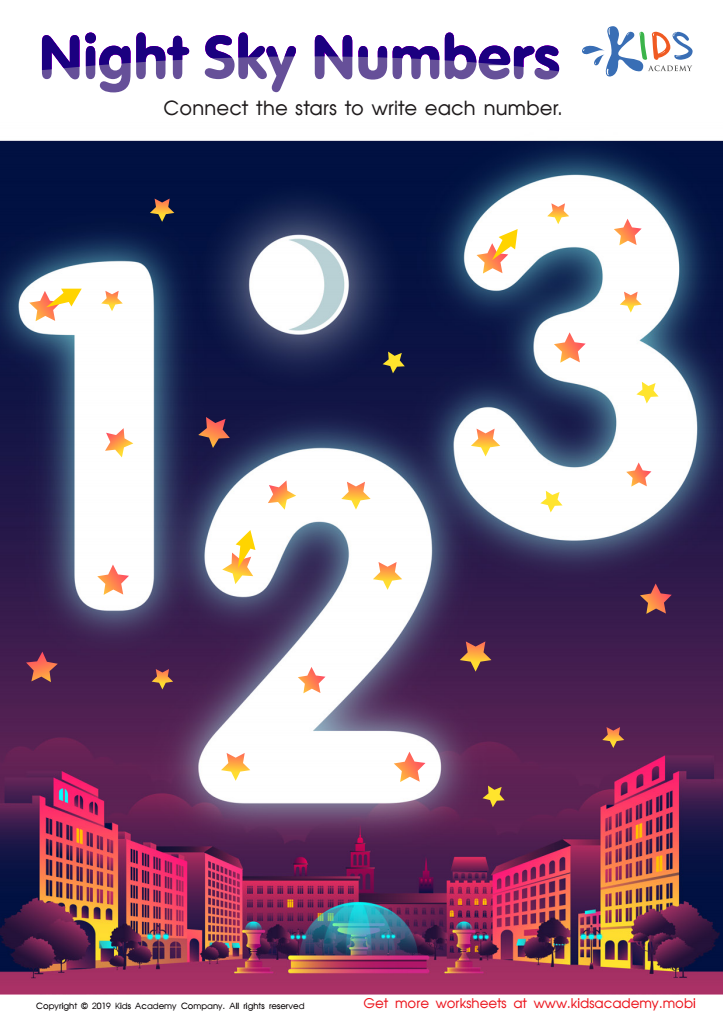
Night Sky Numbers Worksheet








Number recognition in early childhood is a fundamental building block for mathematical understanding and cognitive development. For children aged 3-5, learning to identify numbers 0–10 is essential, as it enhances their overall number sense and prepares them for more complex mathematical concepts later on. Parents and teachers should care about this foundational skill because it fosters critical thinking and problem-solving abilities, which are vital for success in school and everyday life.
Early number recognition also supports language development; as children learn numbers, they begin to associate them with quantities, fostering vocabulary related to counting and comparison. Engaging with numbers at this age encourages curiosity and exploration as children interact with their environment in meaningful ways, such as counting objects or sharing toys.
Moreover, number recognition serves as a confidence booster, as children gain assurance through mastery. The skills gained at this stage pave the way for positive attitudes toward math, reducing numerical anxiety as they grow. When parents and educators prioritize number recognition, they invest in a child’s mathematical future, promoting lifelong learning and academic success. Therefore, understanding and nurturing these essential early math skills is crucial for every child's development.