Number Recognition Easy Numbers up to 100 Worksheets for Ages 3-5
10 filtered results
-
From - To
Discover our engaging "Number Recognition Easy Numbers up to 100 Worksheets" designed for children ages 3-5! These fun and interactive worksheets help young learners develop essential number recognition skills, fostering a strong mathematical foundation. With colorful illustrations and easy-to-follow exercises, children will identify, trace, and match numbers, making learning enjoyable. Each worksheet is tailored to capture early learners' attention and enhance their understanding of numbers up to 100. Perfect for home or classroom use, these resources encourage independent learning and boost confidence in math. Visit our website to explore our complete range of worksheets that support early childhood education!
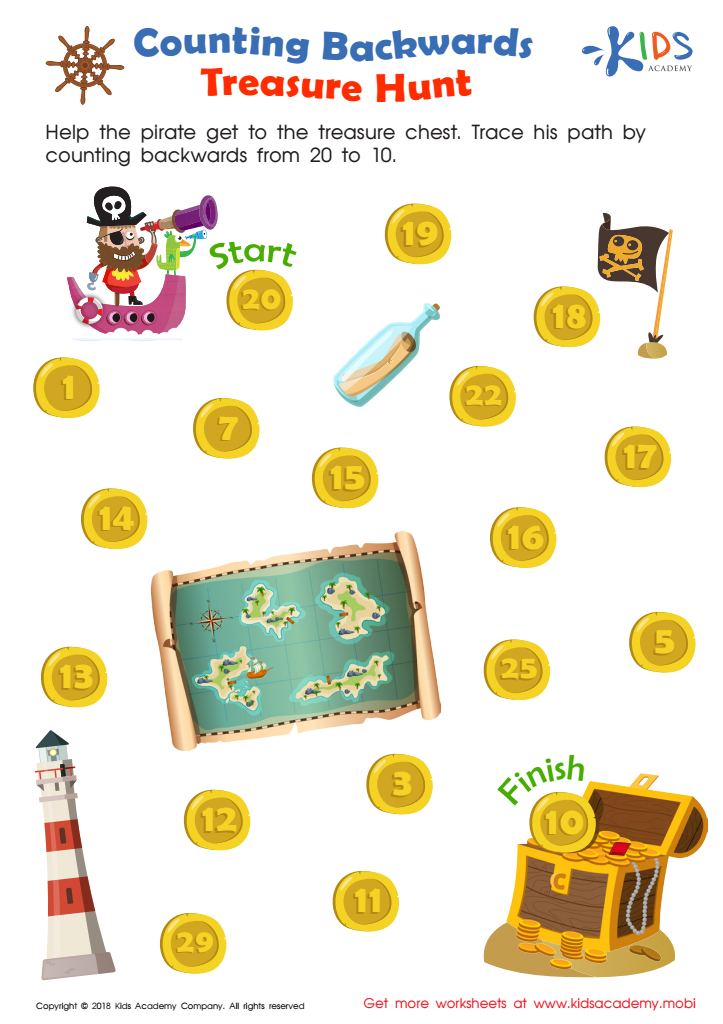
Counting Backwards: Treasure Hunt Worksheet
 Assign to My Students
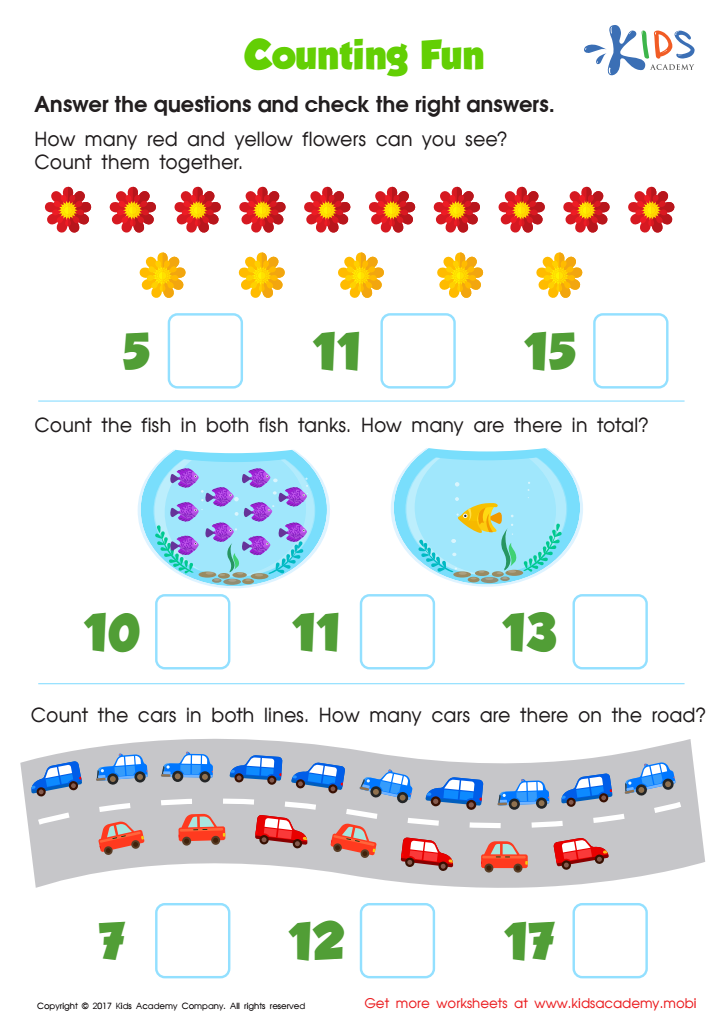
Counting Fun Worksheet
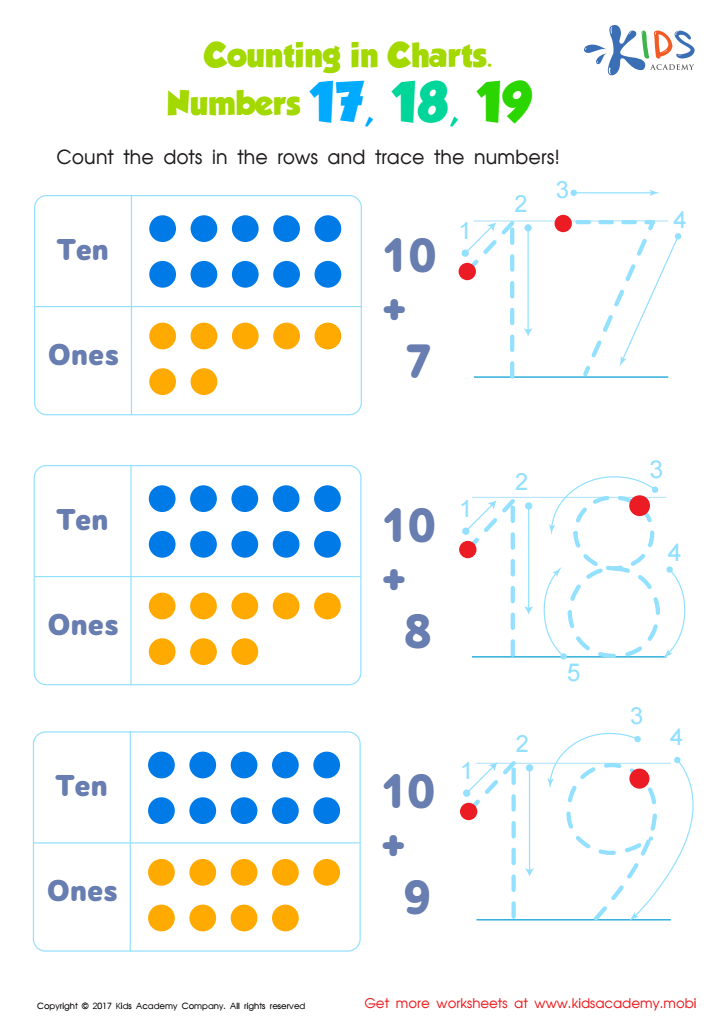
Kindergarten Number Tracing: Counting in Charts Worksheet
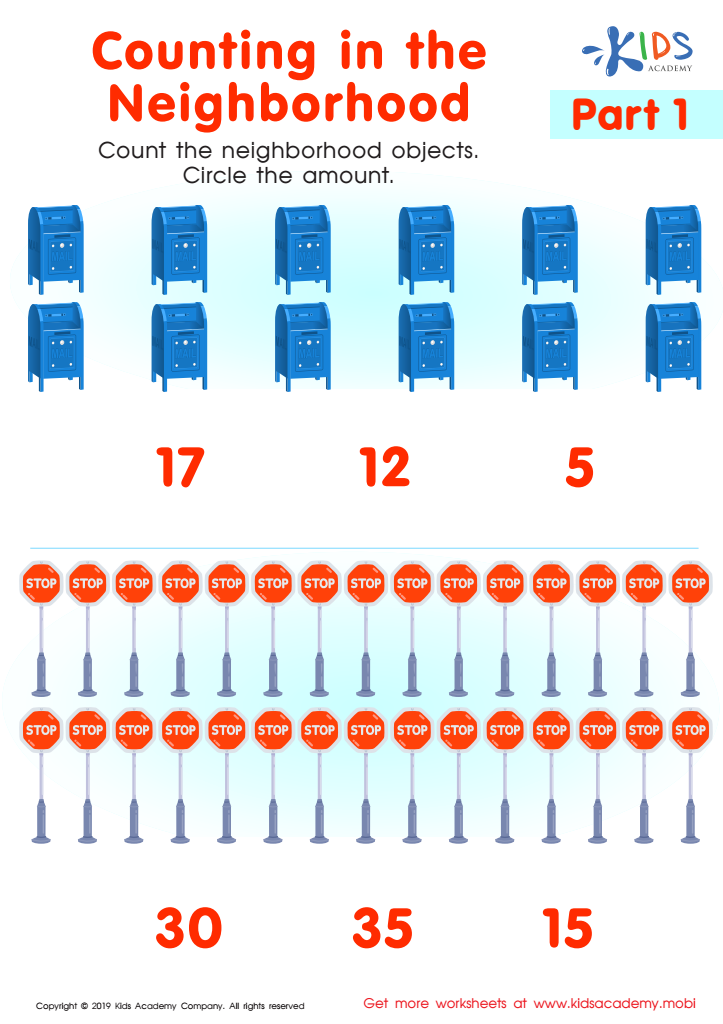
Counting in the Neighborhood Part1 Worksheet
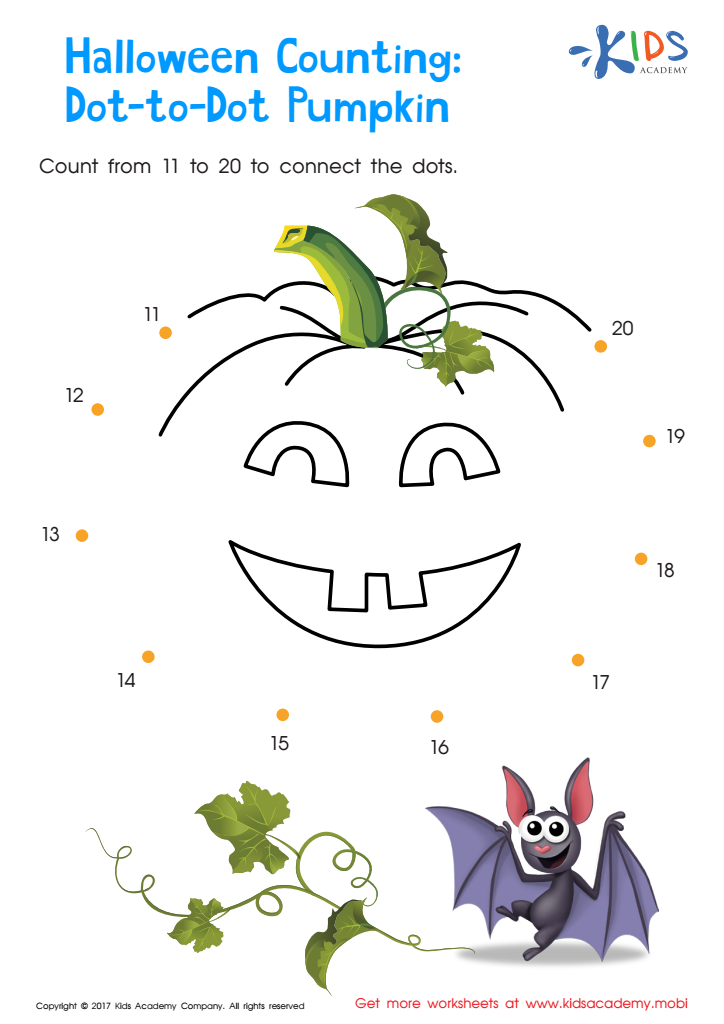
Ordering 11–20: Halloween Counting Worksheet
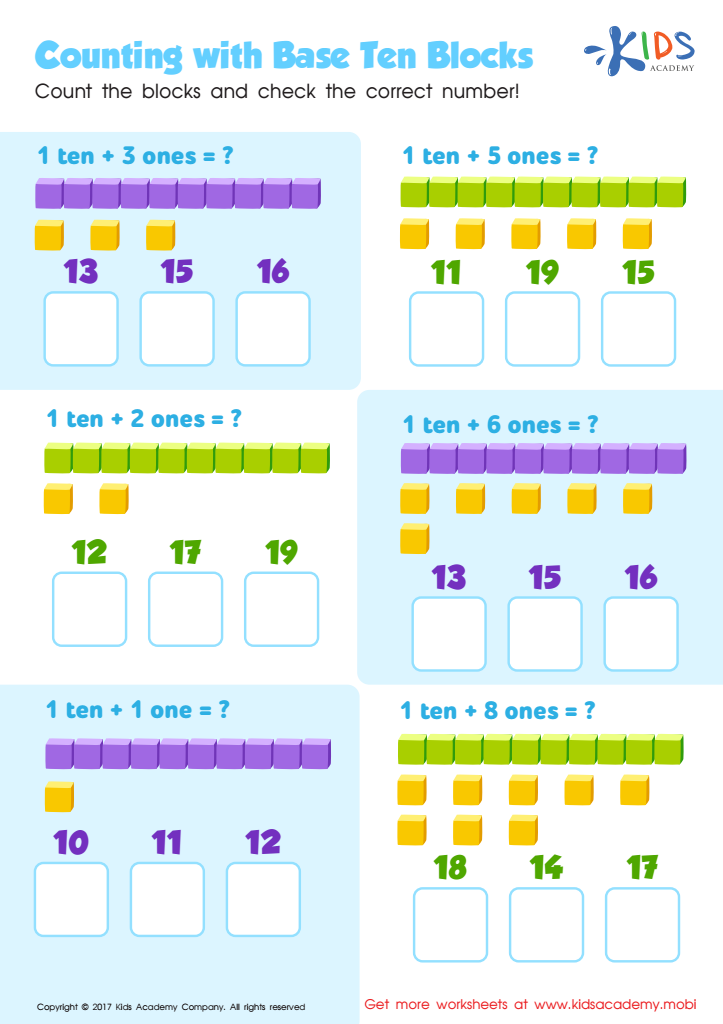
Counting with Base Ten Blocks Worksheet
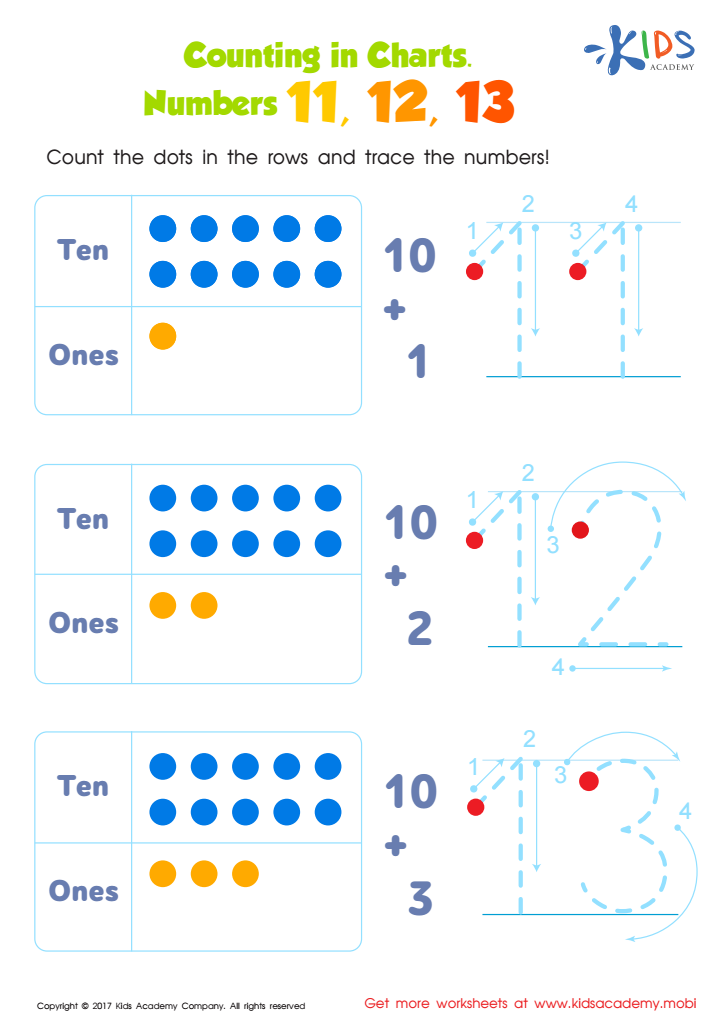
Number Tracing Worksheet For Kindergarten
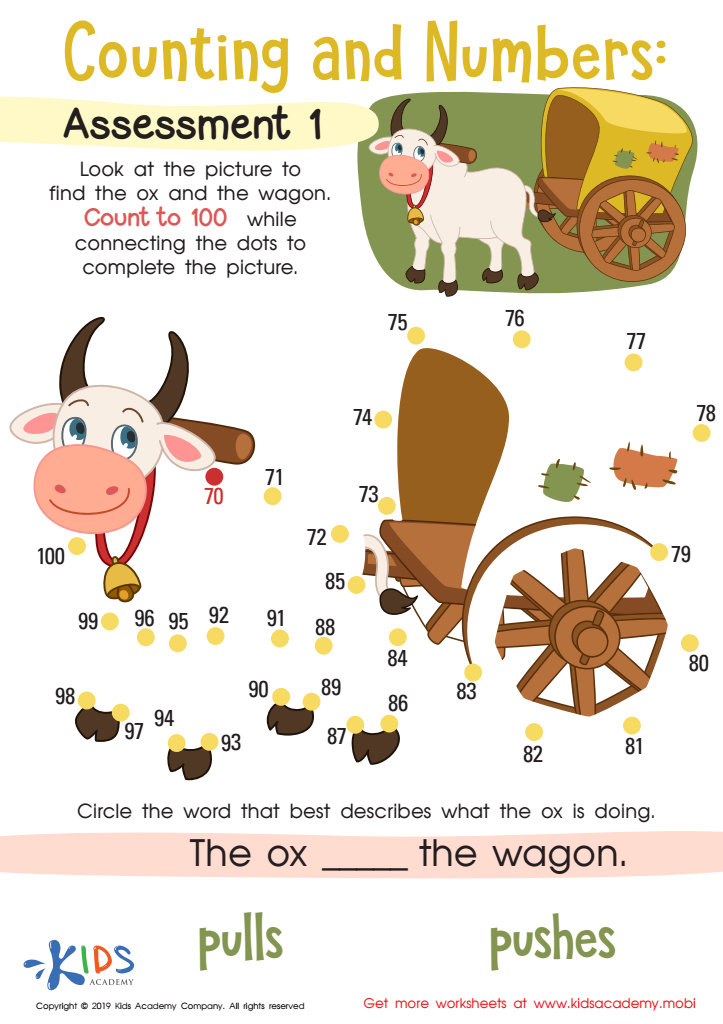
Counting and Numbers: Assessment 1 Worksheet
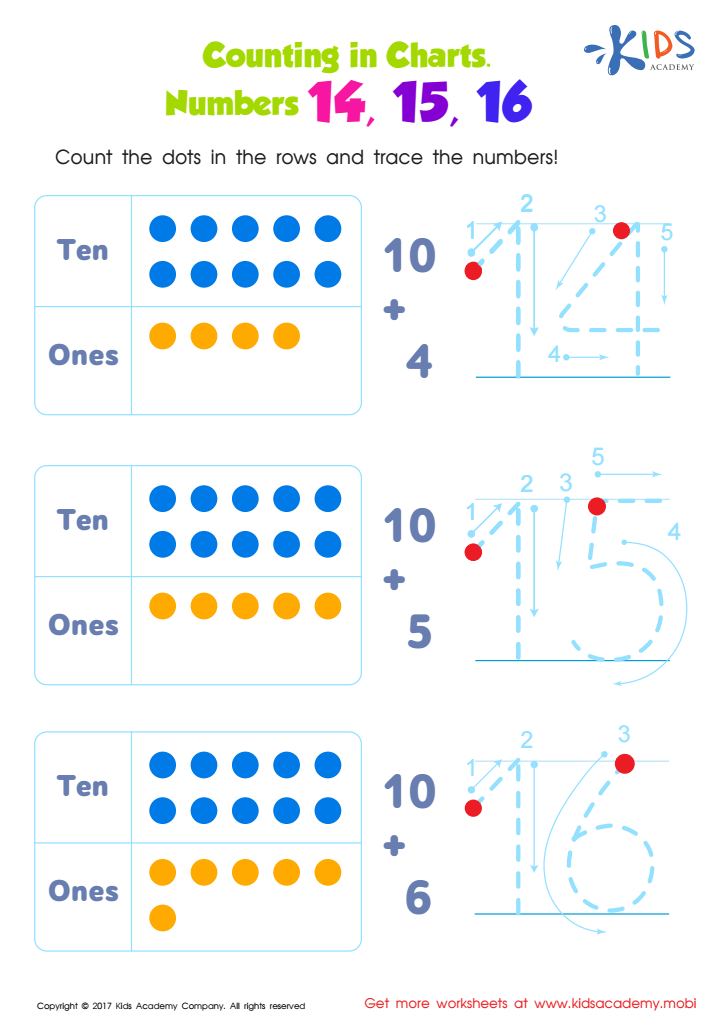
Number Tracing Worksheet

Counting on the City Skyline: Dot-to-Dot Worksheet






%20(1).jpg)

Number recognition is a foundational skill that plays a crucial role in early childhood education. For children aged 3-5, recognizing numbers up to 100 builds essential cognitive abilities and sets the stage for future mathematical understanding. Parents and teachers should prioritize number recognition because it enhances children's ability to understand quantities, fosters problem-solving skills, and prepares them for more complex math concepts in later grades.
By engaging with numbers through fun activities, such as counting games, flashcards, or interactive apps, young learners develop a strong numeric sense. This early exposure aids in their ability to categorize, compare, and build relationships between different numbers, cultivating analytical thinking.
Moreover, number recognition contributes to children's language development. As they identify and verbalize numbers, they practice communication skills, enriching their vocabulary and enhancing their ability to express ideas.
Finally, mastering number recognition can boost a child’s confidence and enthusiasm for learning. When they feel successful in identifying numbers, they are more likely to develop a positive attitude towards mathematics. Therefore, fostering number recognition among children is vital in laying the groundwork for academic success and equipping them with critical life skills. Parents and teachers play a significant role in creating an engaging and supportive learning environment for this essential skill.