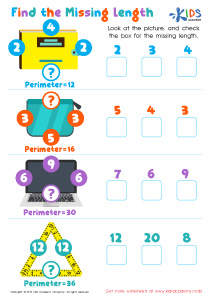
Reading comprehension Easy Subtraction Worksheets for Ages 3-5
3 filtered results
-
From - To
Transform learning with our "Reading Comprehension Easy Subtraction Worksheets" designed for children ages 3-5! These engaging resources combine foundational subtraction skills with literacy development, helping young learners grasp math concepts while enhancing their understanding of reading. Each worksheet features colorful illustrations and age-appropriate scenarios that encourage critical thinking and comprehension, making learning fun and interactive. These worksheets not only reinforce basic subtraction but also promote the ability to follow stories and instructions. Perfect for homeschooling or classroom settings, these engaging activities will foster a love for math and reading in early learners. Start your child’s educational journey today!
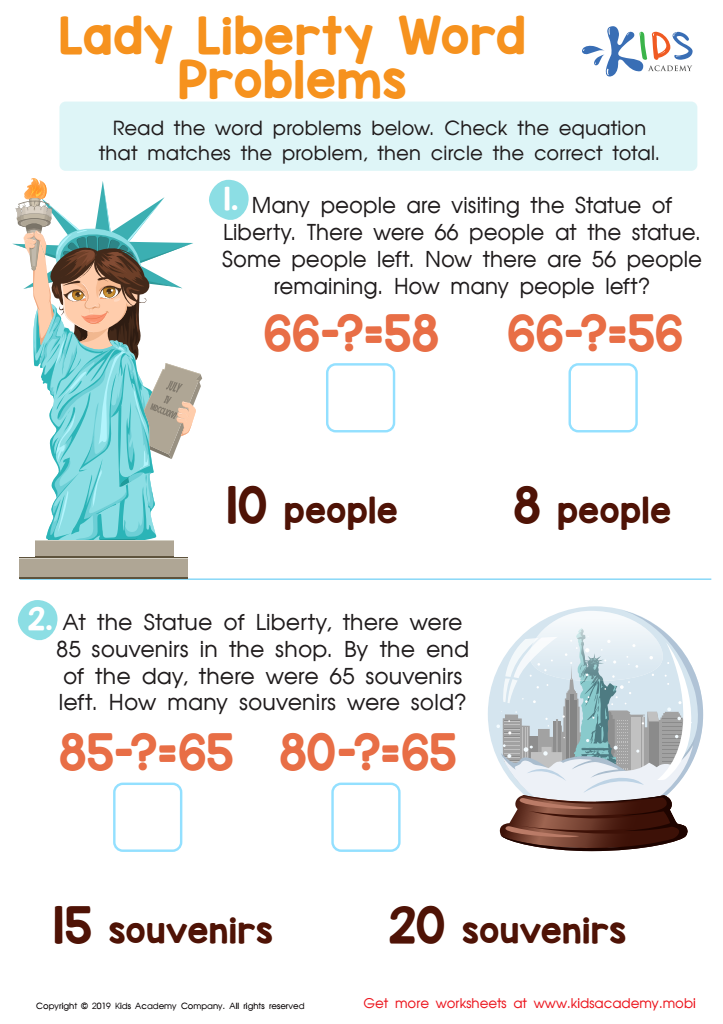
Lady Liberty Worksheet
 Assign to My Students
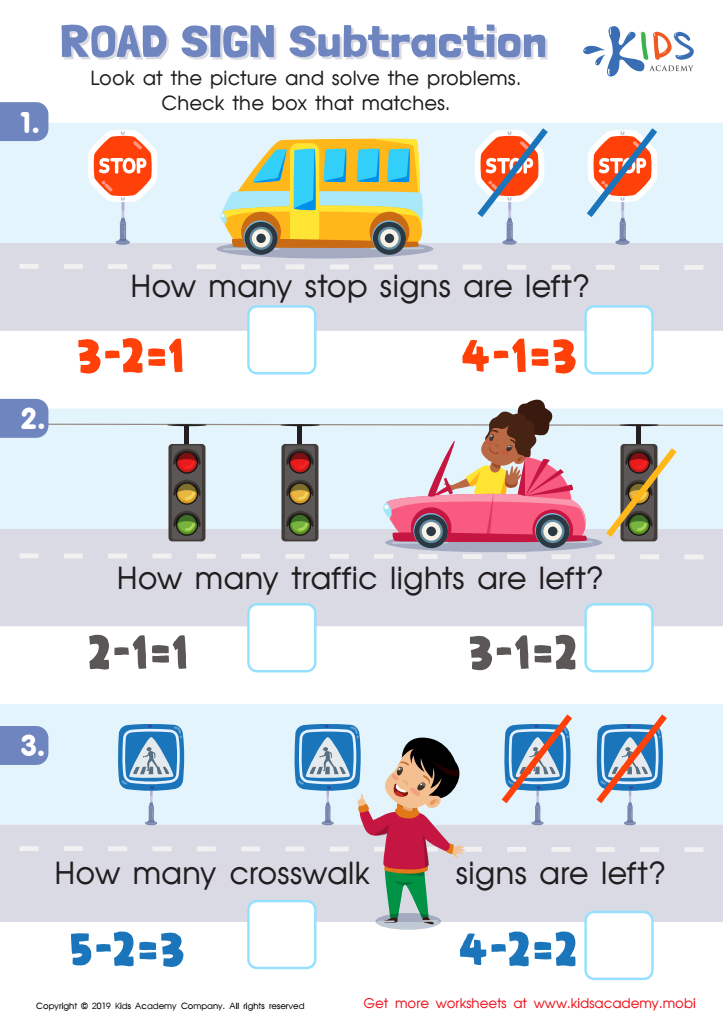
Road Sign Subtraction Worksheet
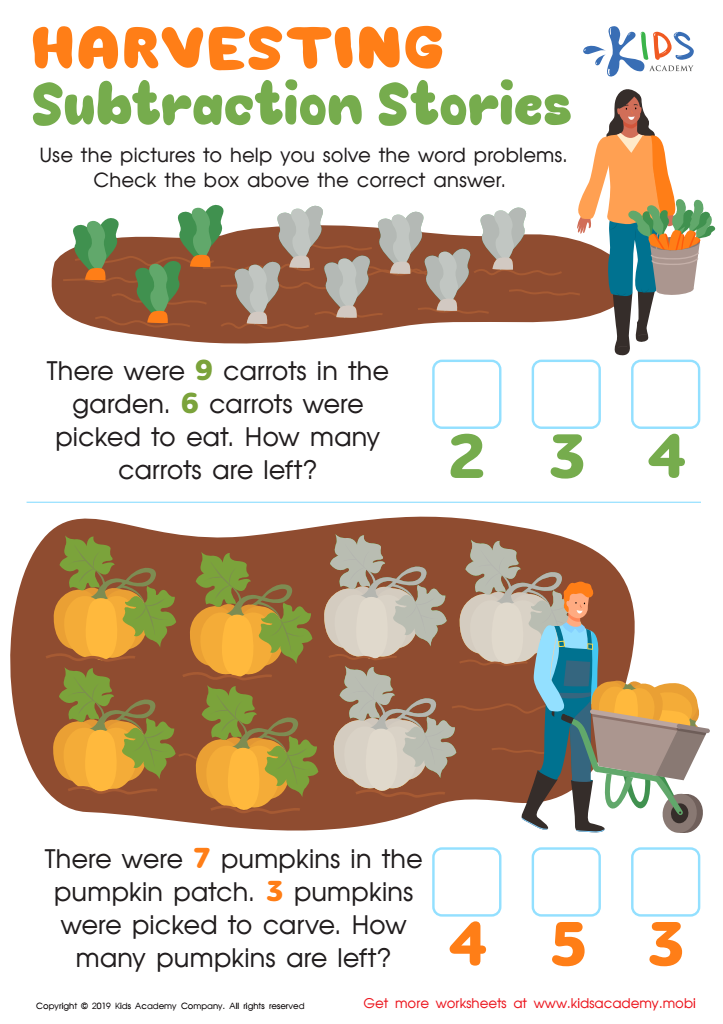
Harvesting Subtraction Stories Worksheet



.jpg)




Reading comprehension and basic math skills, like easy subtraction, are foundational for early childhood development. For parents and teachers, nurturing these skills in children aged 3-5 is crucial because they build a strong educational framework that influences future learning.
Firstly, reading comprehension fosters critical thinking and expressive language skills. Early engagement with stories helps children learn vocabulary, context, and narrative structure, enhancing their ability to understand and interpret information. This lays the groundwork for academic success across subjects.
On the other hand, introducing basic subtraction helps develop mathematical reasoning. Engaging children with fun, interactive activities can demystify numbers and develop their ability to solve problems. When combined, reading comprehension and math skills provide a holistic approach to learning, as children learn to understand not only words but also concepts behind those words.
Additionally, fostering these skills promotes confidence and independence. Children who grasp reading and basic math early are likely to feel more prepared to tackle challenges, paving the way for lifelong learning. Lastly, both skills can be learned simultaneously through thematic stories, games, and activities, making learning enjoyable and effective. Thus, parents and teachers should prioritize these essential skills to support early learners in their journey.