Color recognition Easy Worksheets for Ages 3-6 - Page 2
34 filtered results
-
From - To
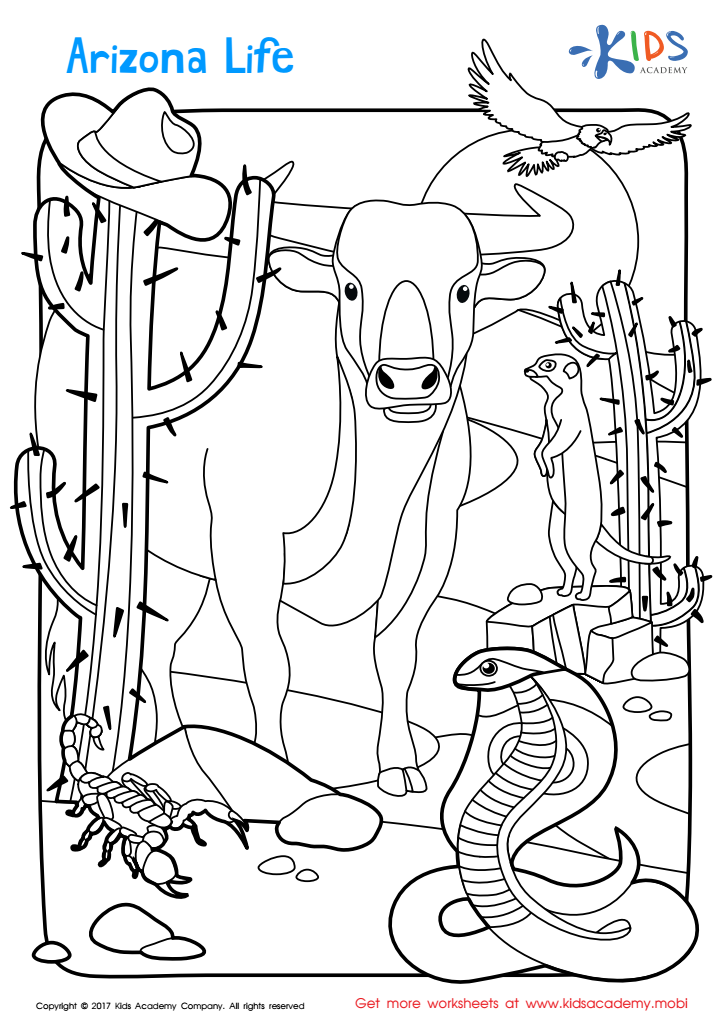
Arizona Coloring Page Worksheet
 Assign to My Students
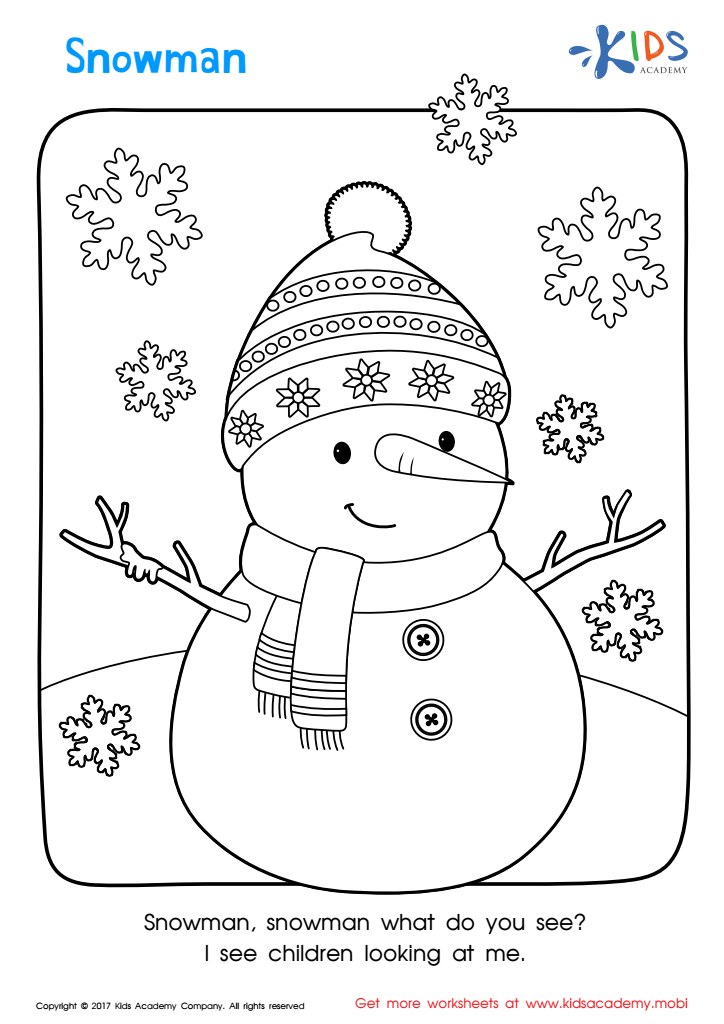
Christmas: Snowman Printable
Assign to My Students
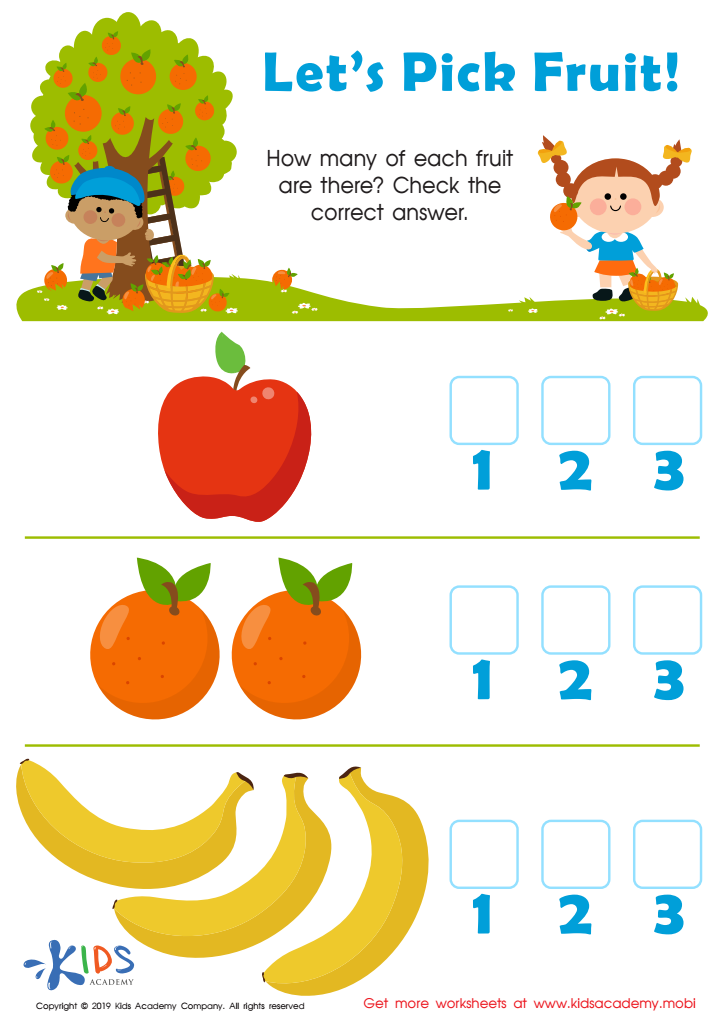
Let's Pick Fruit Worksheet
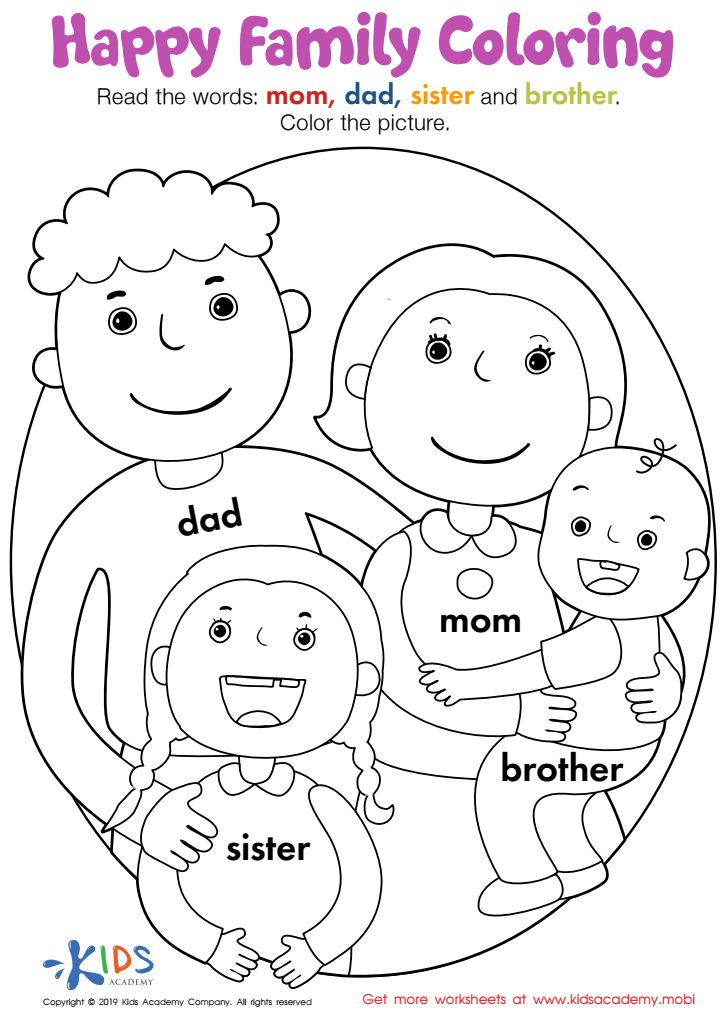
Happy Family Coloring Worksheet
Assign to My Students

Globe Coloring Page Worksheet
Assign to My Students
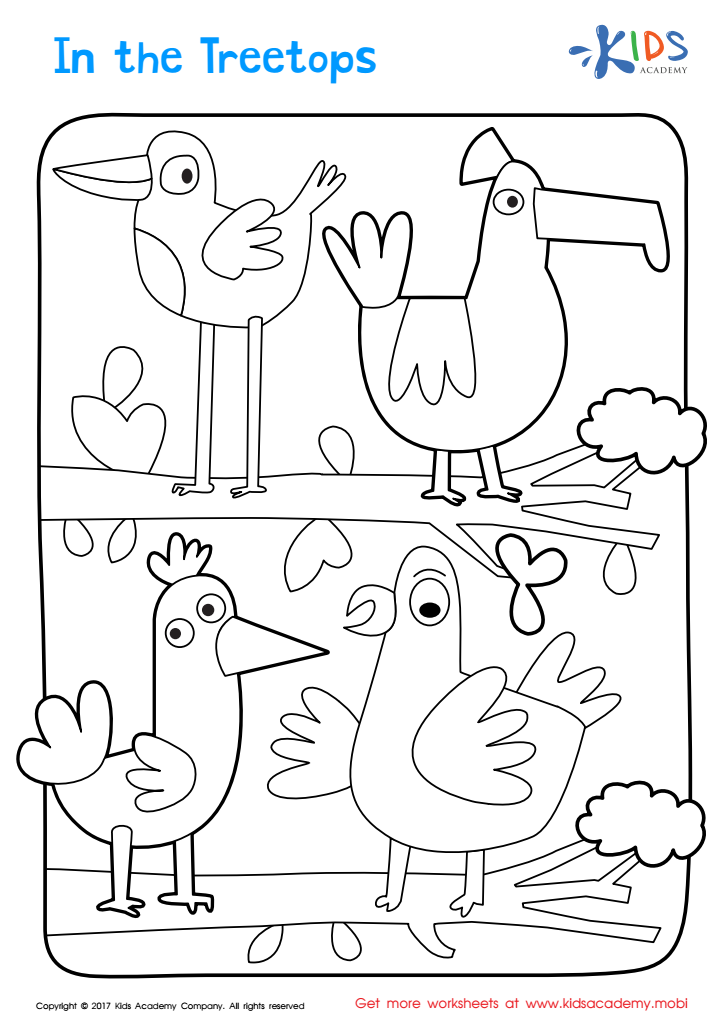
In the Treetops Coloring Page
Assign to My Students
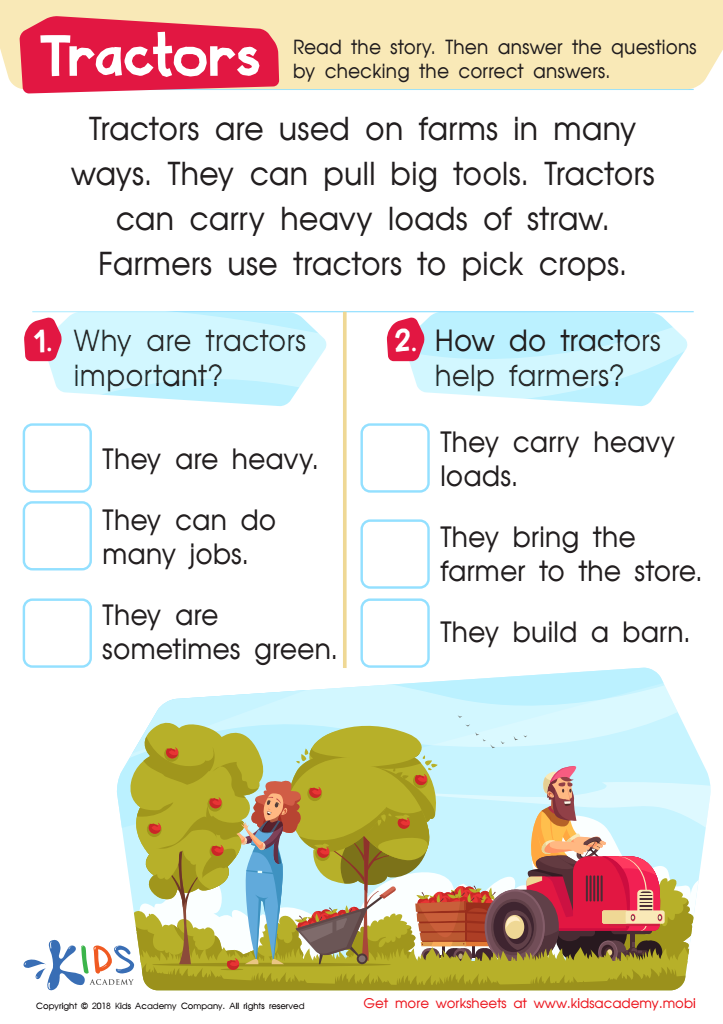
Tractors Worksheet
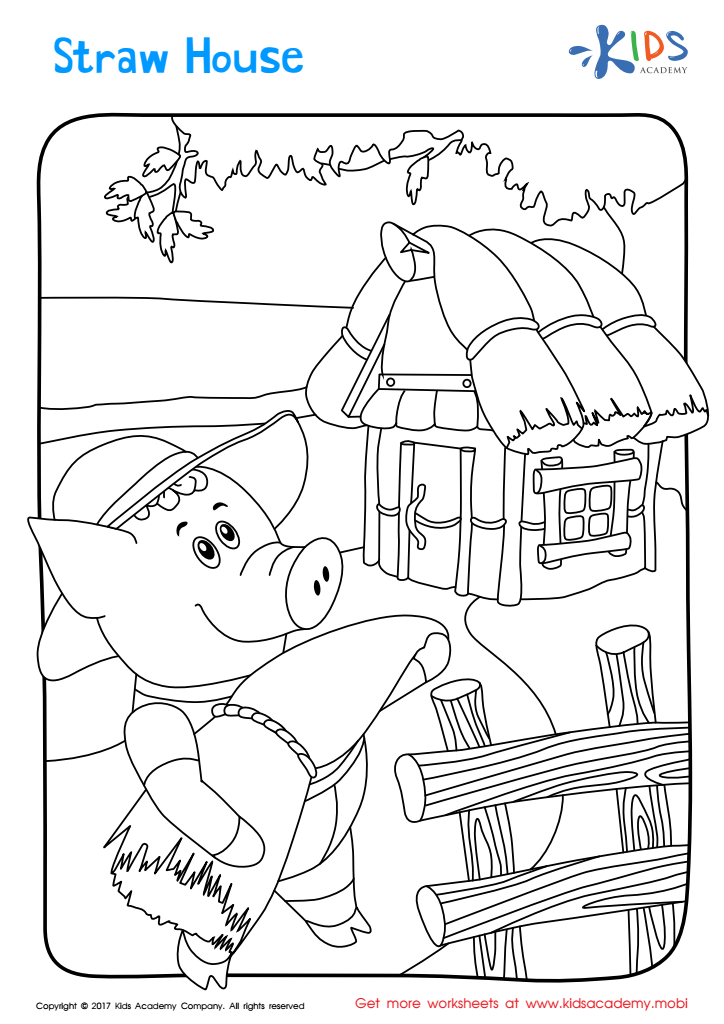
Straw House Printable Coloring Page
Assign to My Students
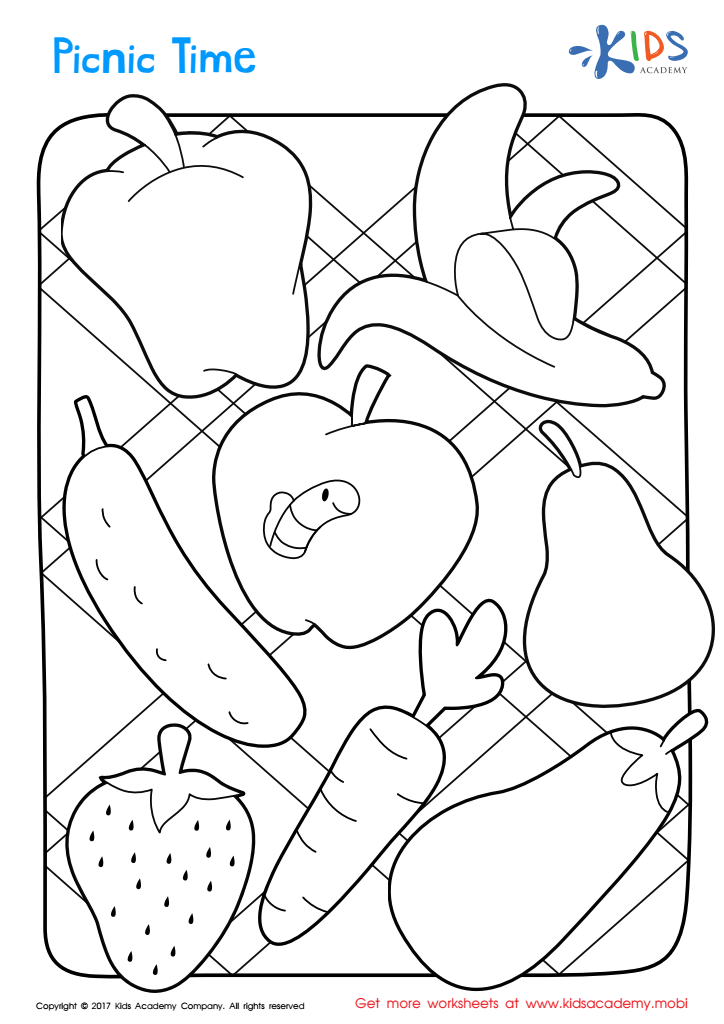
Picnic Time Coloring Page
Assign to My Students
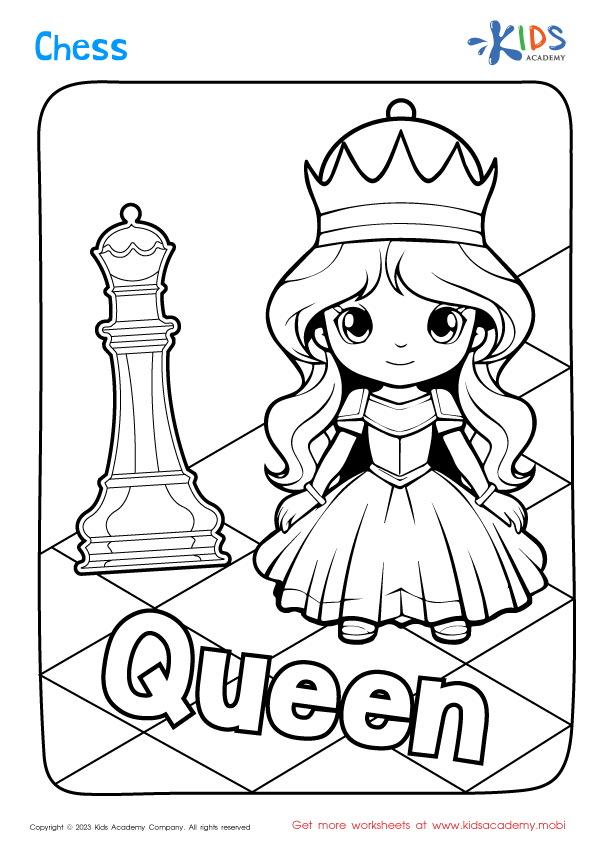








Color recognition is a fundamental skill for young children aged 3-6, and it holds significant importance for both parents and teachers. Understanding colors is a critical part of early cognitive development, influencing children’s ability to categorize, make decisions, and express themselves. Mastering color recognition helps develop language skills; as children learn to name colors, they enhance their vocabulary and communication abilities.
Additionally, recognizing colors supports creativity and excitement during playtime and artistic activities, allowing children to explore their imagination and express their feelings meaningfully. For teachers, incorporating color recognition into the curriculum fosters engagement, as colorful materials and interactive games capture the children's attention and enhance their learning experiences.
From a practical perspective, learning colors aids in everyday tasks, making it easier for children to follow instructions, sort items, and improve their overall organizational skills. For parents, helping children recognize colors lays the groundwork for future learning, providing a foundation for more complex concepts in math and science. Ultimately, nurturing color recognition in early childhood contributes to a holistic development approach, supporting emotional, cognitive, and social growth, making it essential for fostering a well-rounded early learning environment.








