Data interpretation Easy Worksheets for Ages 3-7
10 filtered results
-
From - To
Welcome to our collection of Data Interpretation Easy Worksheets designed specifically for children aged 3-7! These engaging worksheets provide young learners with a fun way to understand data collection and analysis. With colorful visuals and simple activities, your child will explore concepts such as sorting, graph reading, and basic statistics through interactive exercises. Perfect for preschool and early elementary learners, these worksheets foster critical thinking and foundational math skills. Enhance your child's educational journey while keeping them entertained! Discover the joy of learning about data interpretation today with our thoughtfully crafted resources that make complex ideas easy to grasp.
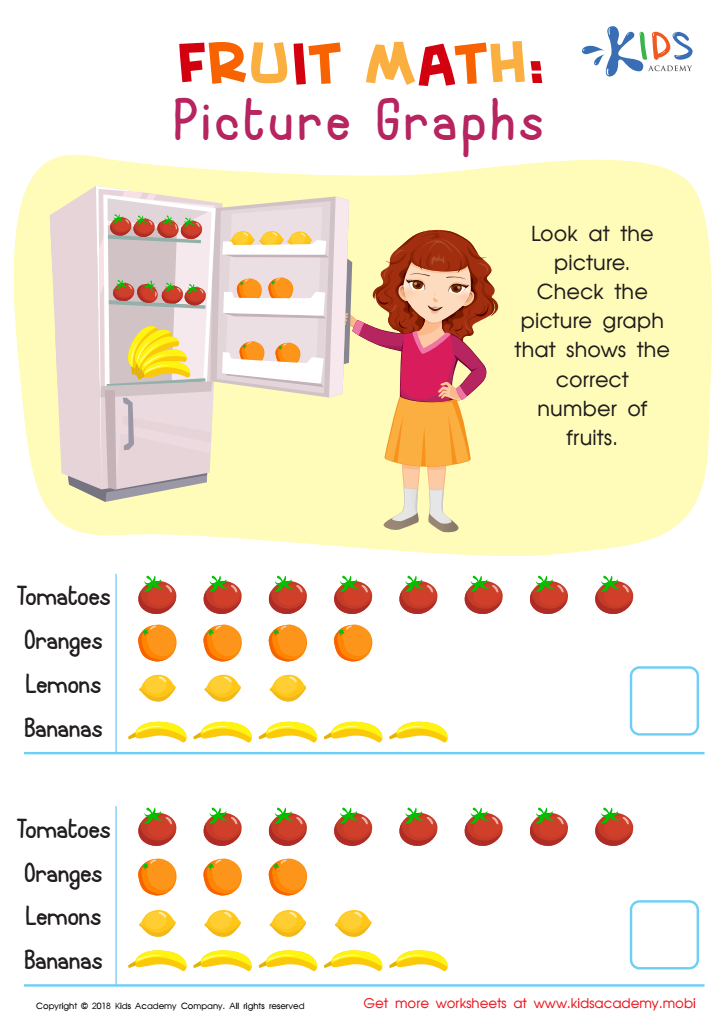
Fruit Math: Picture Graphs Worksheet
 Assign to My Students
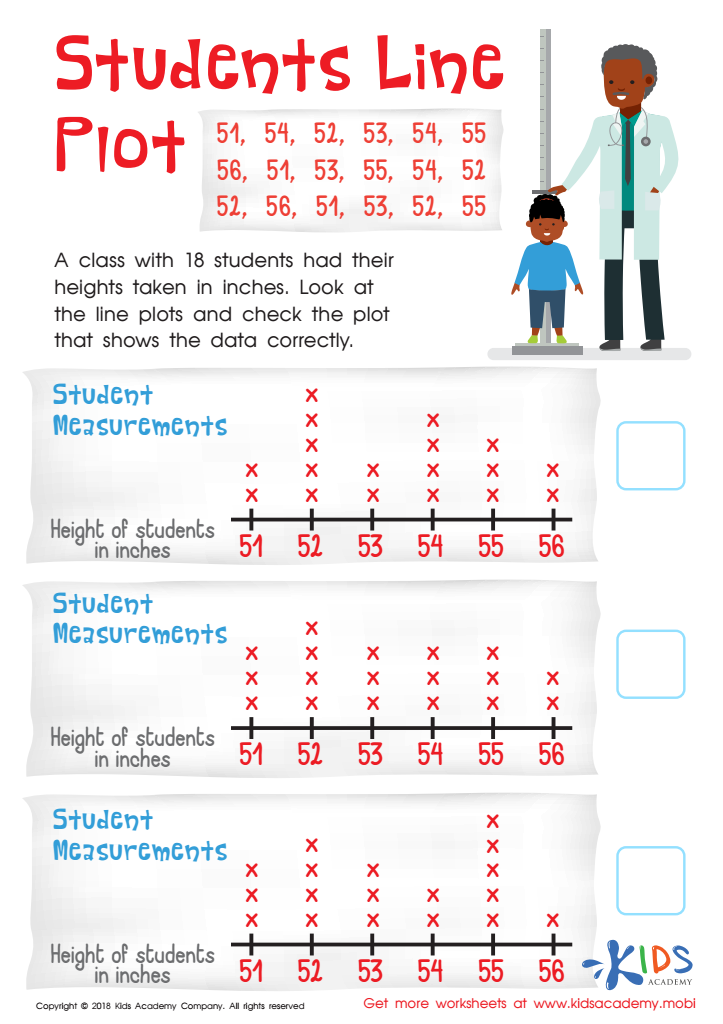
Students Line Plot Worksheet
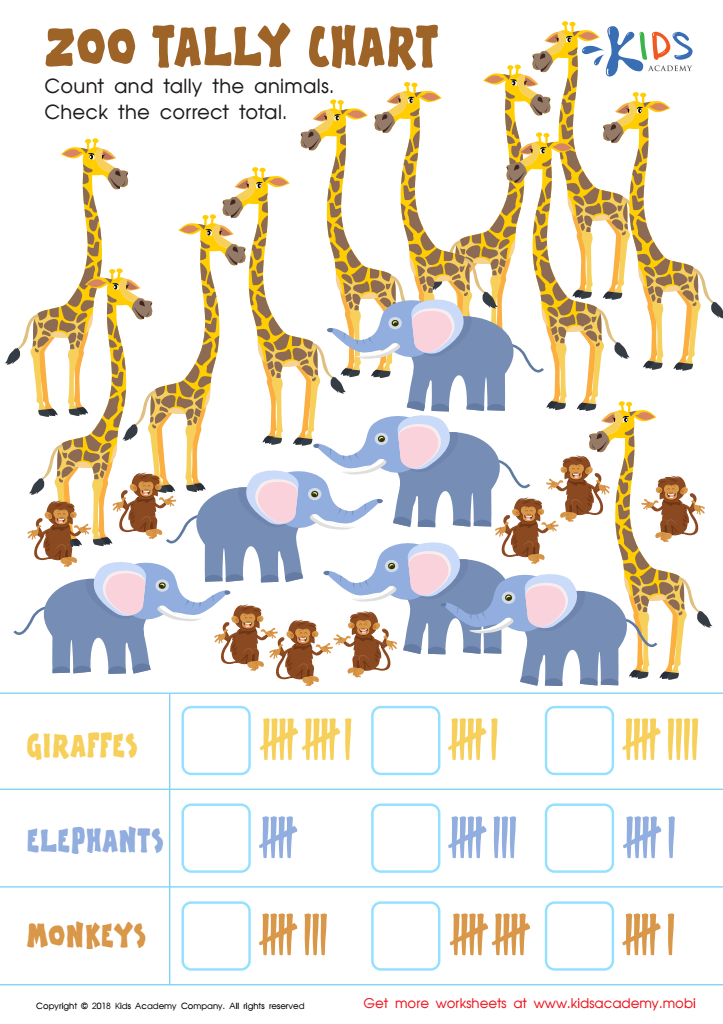
Zoo Tally Chart Worksheet
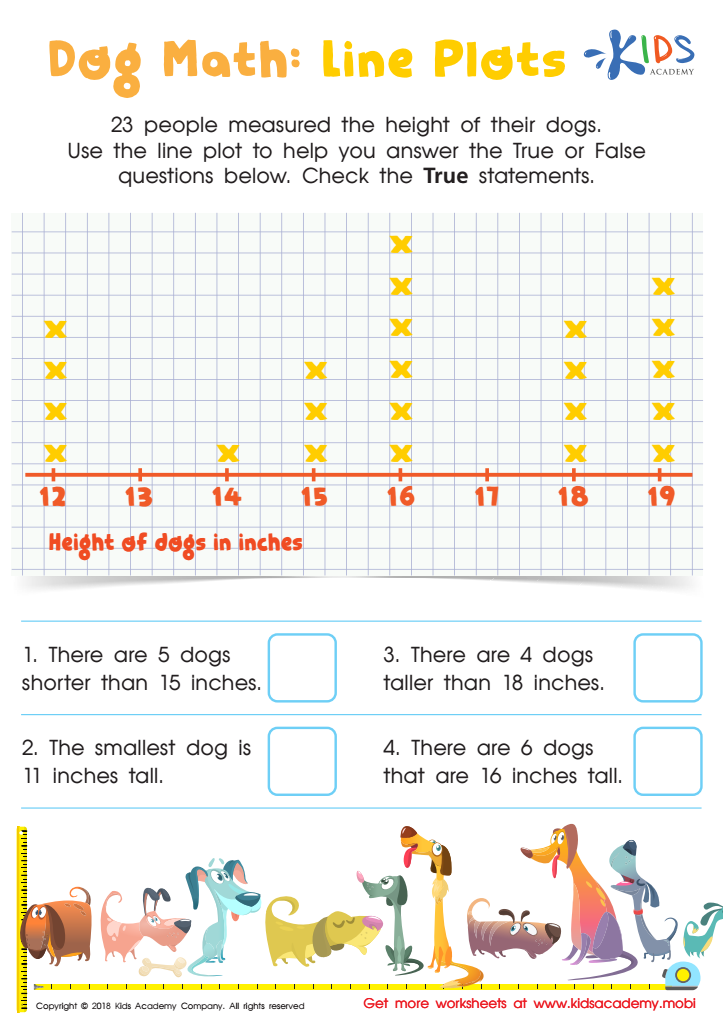
Dog Math: Line Plots Worksheet
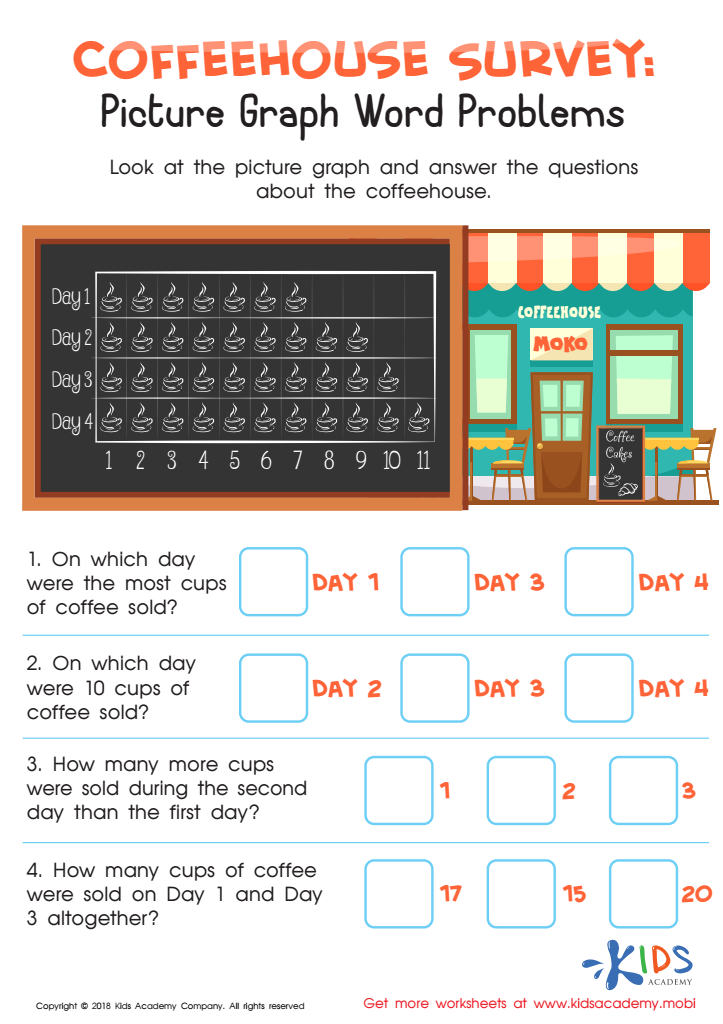
Coffeehouse Survey: Picture Graph Word Problems Worksheet
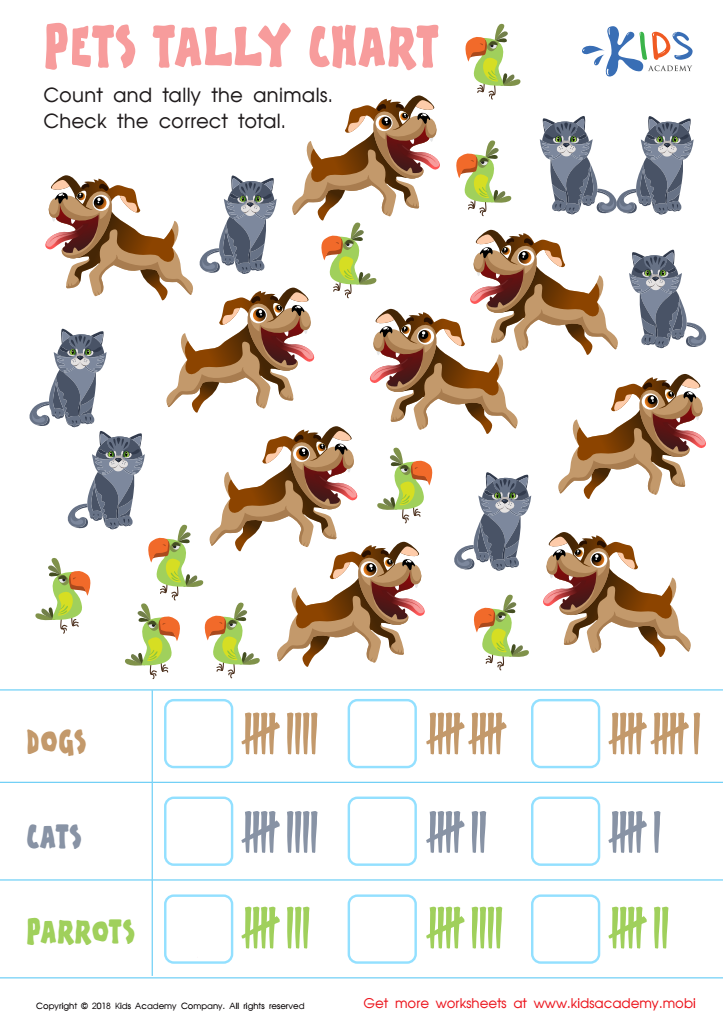
Pets Tally Chart Worksheet
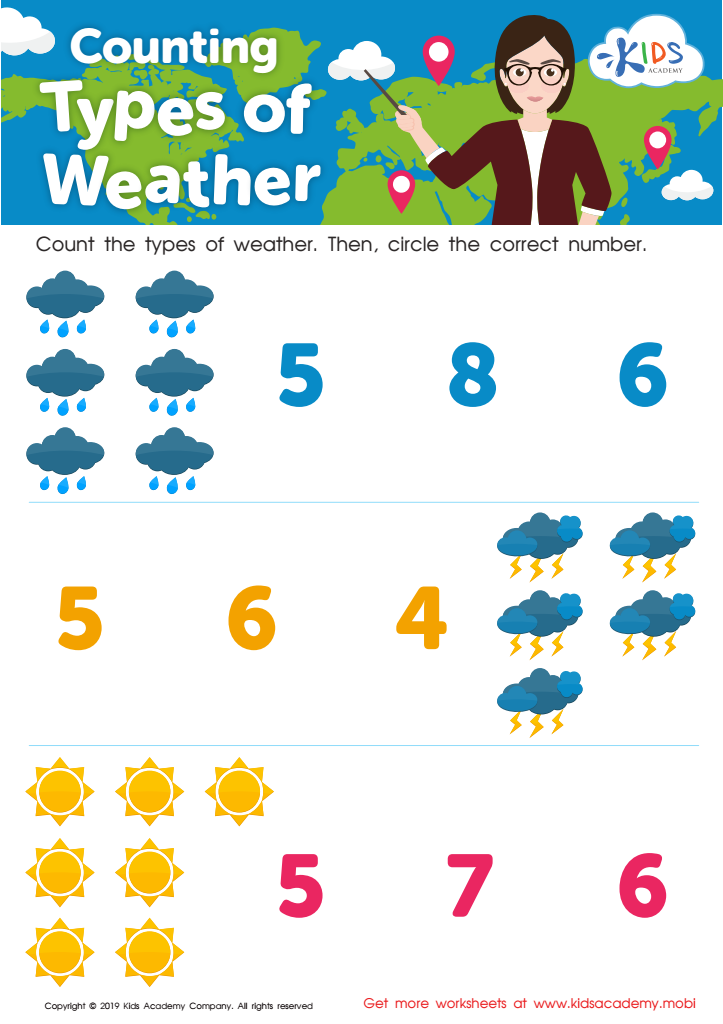
Counting Types of Weather Worksheet
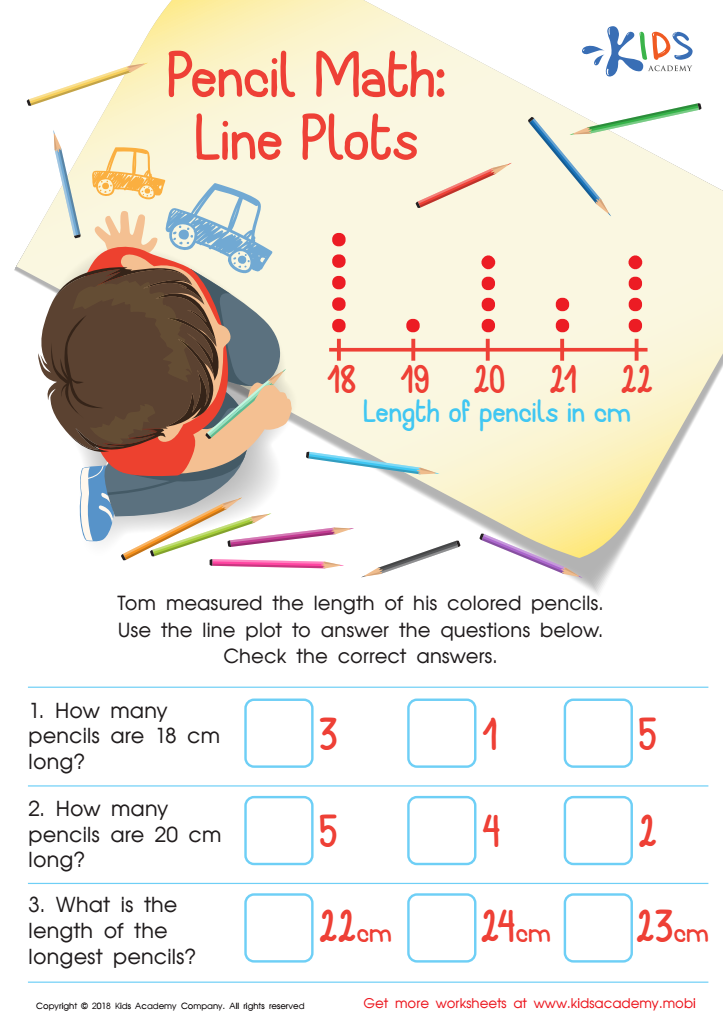
Pencil Math: Line Plots Worksheet
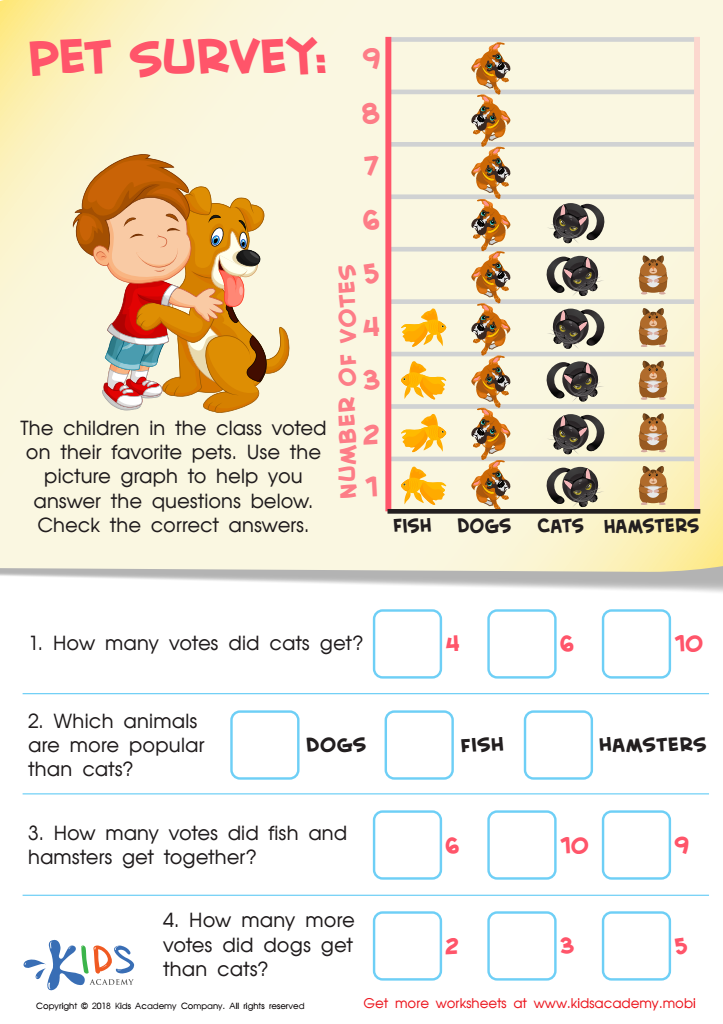
Pet Survey Worksheet
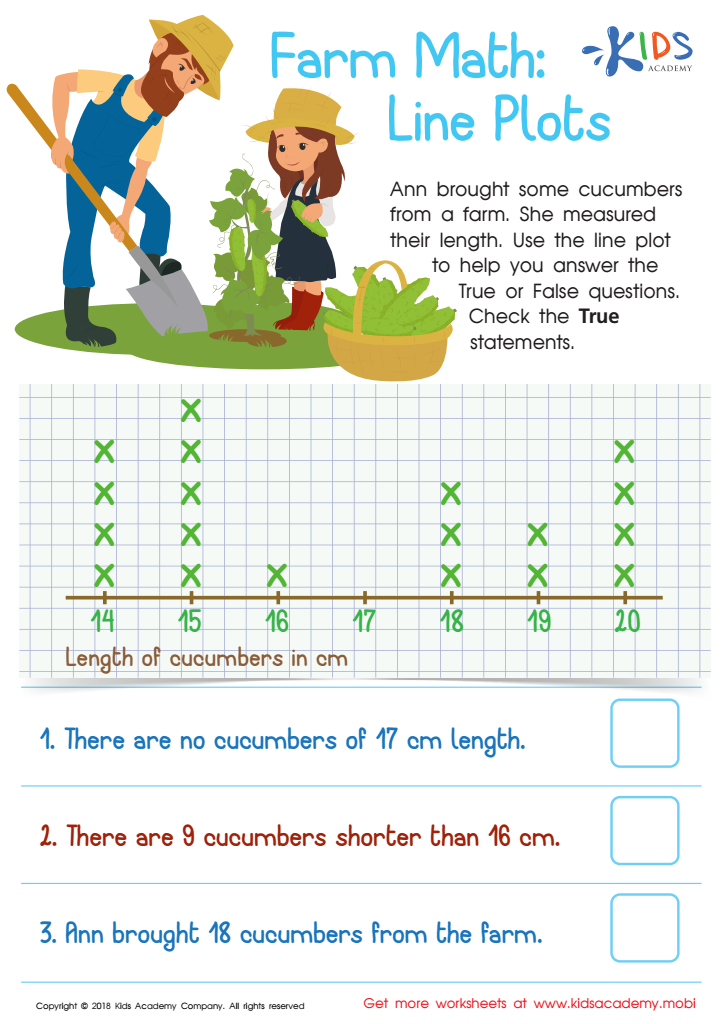
Farm Math: Line Plots Worksheet






Data interpretation is crucial for young learners, including children aged 3 to 7, because it helps them make sense of the world around them. At this age, children are naturally curious and eager to understand how things work. By introducing them to simple data interpretation skills, parents and teachers can nurture that curiosity while enhancing critical thinking and analytical skills.
Understanding basic data concepts, such as counting, sorting, and comparing, allows young children to engage with information meaningfully. For example, using colorful charts to show how many kids like different fruits can make learning enjoyable and relevant. This not only teaches them about numbers but also encourages them to observe, ask questions, and form conclusions based on evidence.
Additionally, data interpretation fosters decision-making skills. When children learn to interpret information, they become better at making choices. For instance, if they recognize which game is the most popular from a tally, they gain insight into social preferences and teamwork.
Ultimately, early data interpretation lays the foundation for math and science skills and helps foster a love for learning in a fun, interactive way. By incorporating data discussions into daily activities, parents and teachers can instill confidence and curiosity in young learners.








