Fine Motor Skills Easy Worksheets for Ages 3-7 - Page 4
81 filtered results
-
From - To
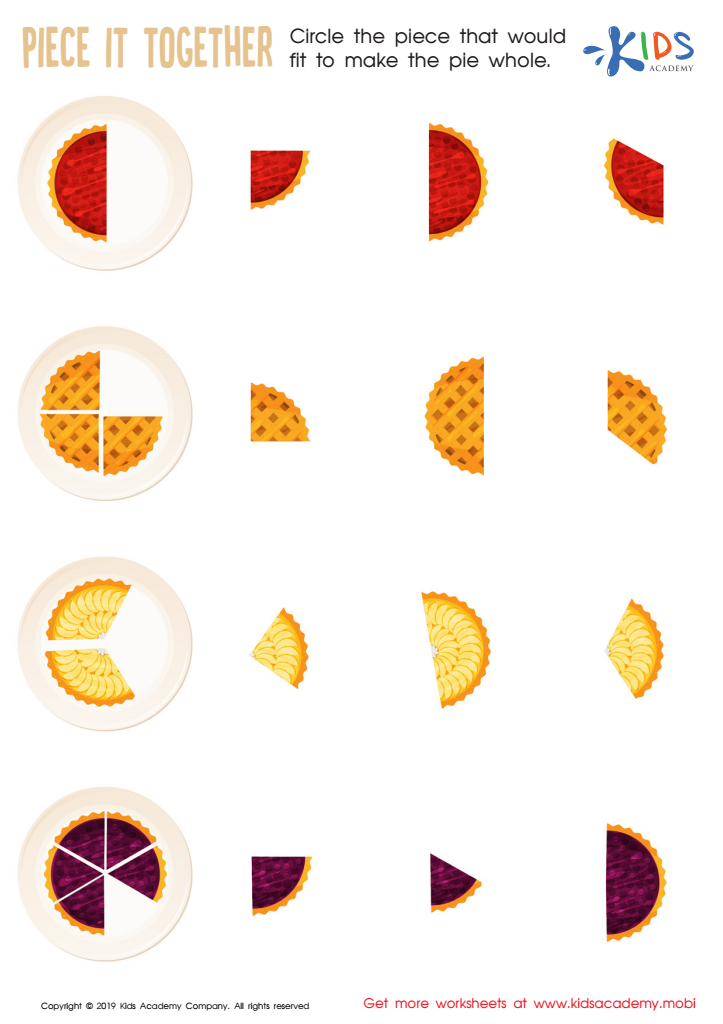
Piece it together Worksheet
 Assign to My Students
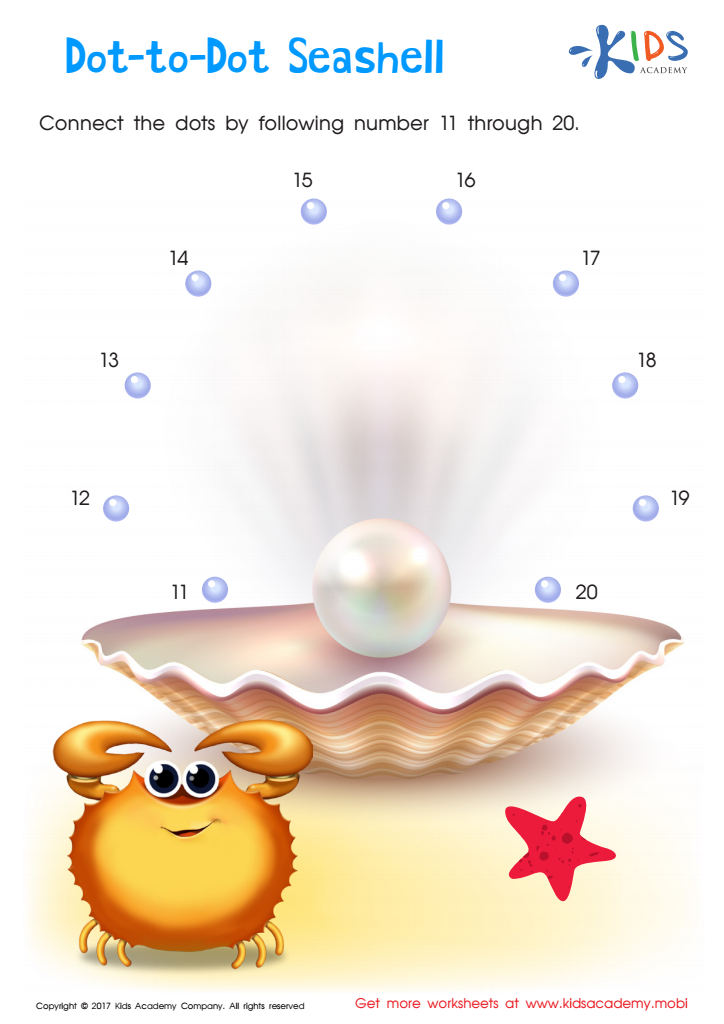
Ordering 11–20: Dot–to–dot Seashell Printable
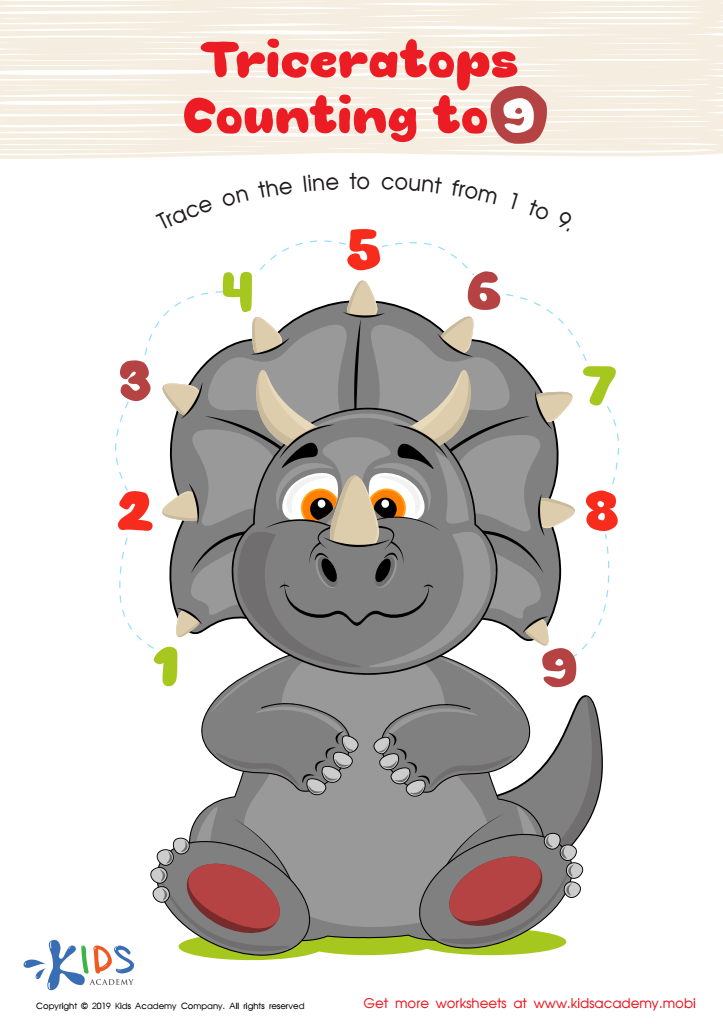
Triceratops Counting to 9 Worksheet

Counting on the City Skyline: Dot-to-Dot Worksheet
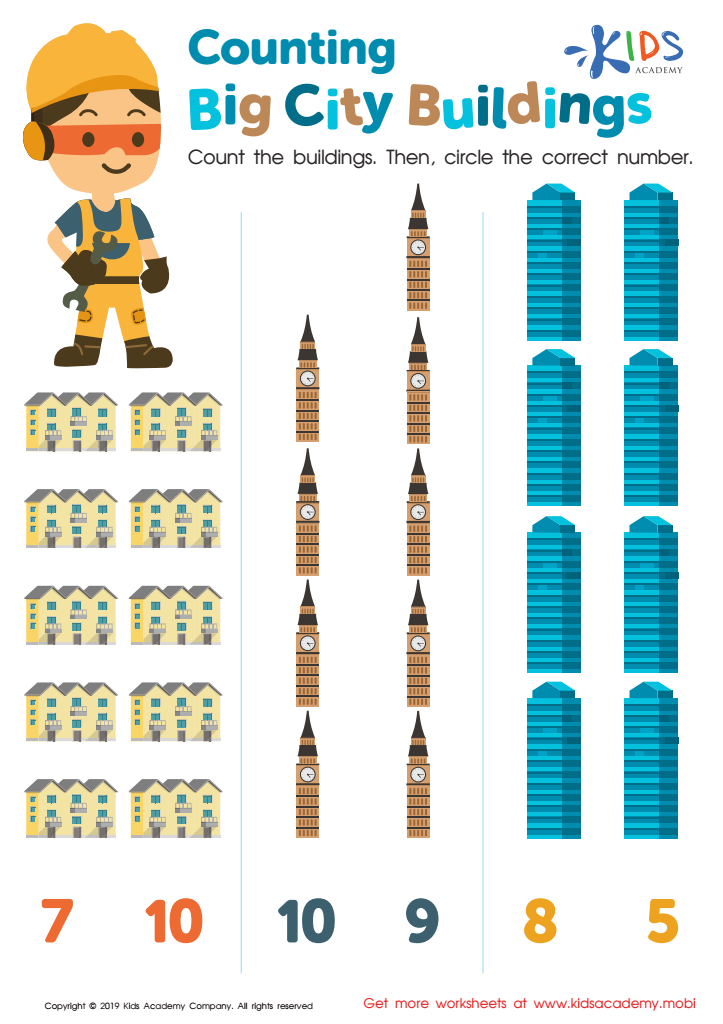
Counting Big City Buildings Worksheet
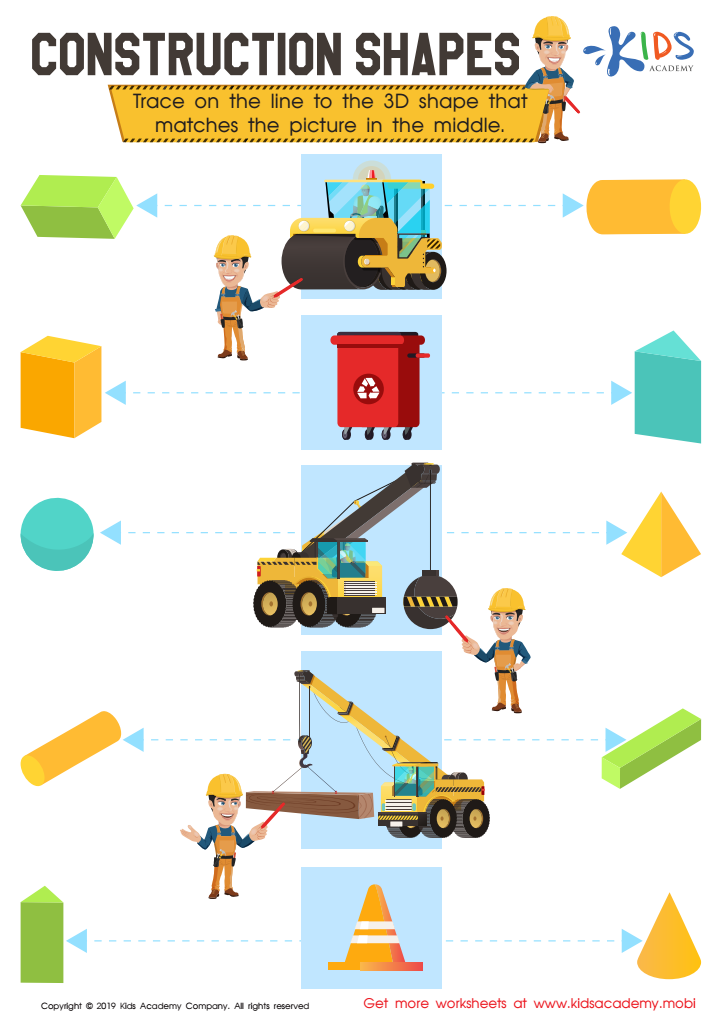
Construction Shapes Worksheet

Night Sky Numbers Worksheet








Fine motor skills are crucial for young children aged 3-7 as they lay the foundation for later academic and everyday tasks. These skills involve the coordination of small muscles in the hands and fingers, which are essential for activities such as writing, using scissors, buttoning clothes, and eventually, typing. As children develop fine motor skills, they gain independence and confidence, empowering them in both school and home environments.
Parents and teachers should care about fostering these skills because they contribute significantly to a child's cognitive, social, and emotional development. Engaging children in activities such as drawing, crafting, and simple puzzles can enhance hand-eye coordination and dexterity while making learning fun. Additionally, strong fine motor skills can lead to improved performance in tasks like handwriting, which becomes increasingly important as children progress in their education.
By prioritizing fine motor skill activities, caregivers can help children develop essential tools for learning and daily life. Encouraging practice in these early years can set a solid stage for later success, ensuring that children feel equipped to tackle new challenges and confidently engage with the world around them. Overall, nurturing fine motor skills is a vital investment in a child’s complete development.








