Easy Geometry Worksheets for Ages 3-7 - Page 2
42 filtered results
-
From - To
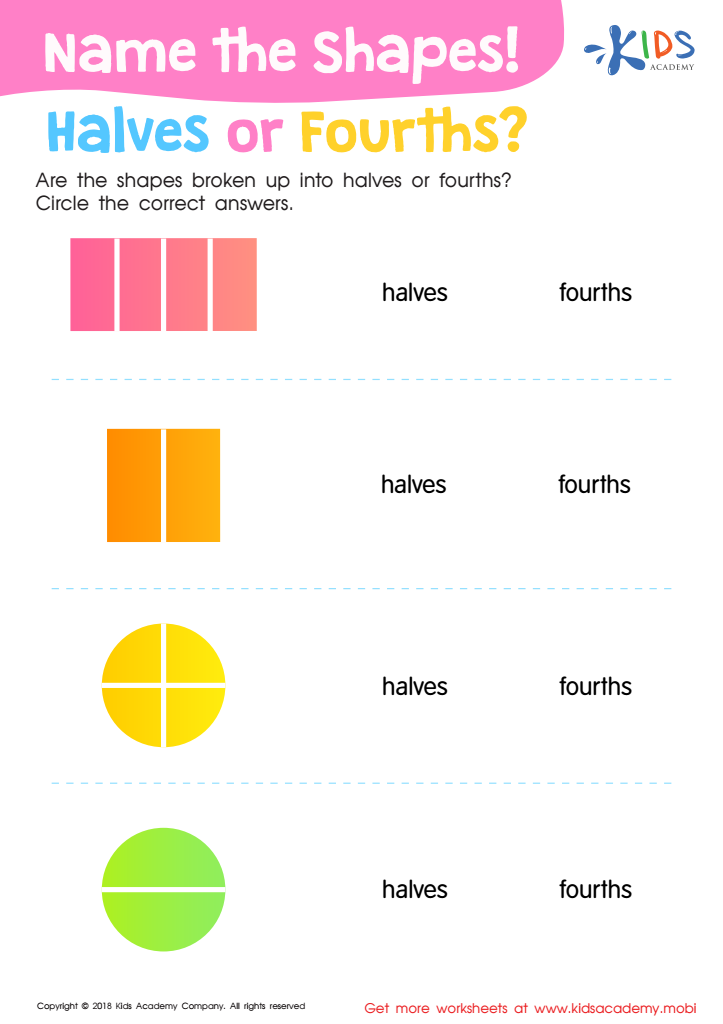
Name the Shapes Halves or Fourths? Worksheet











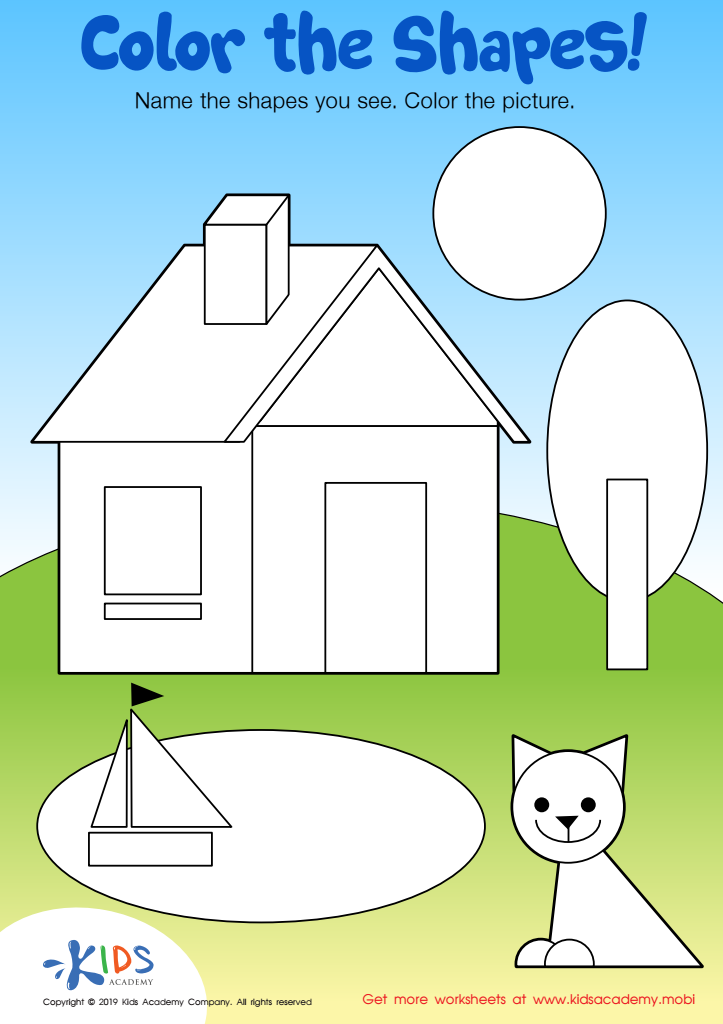
Color the Shapes Worksheet
 Assign to My Students
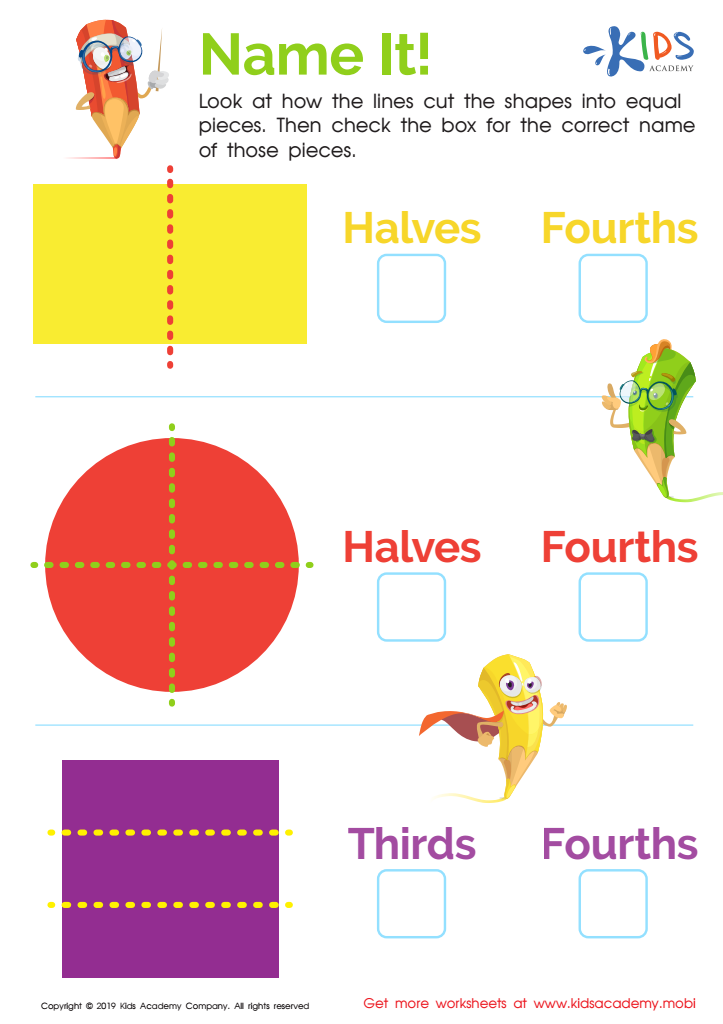
Name It! Worksheet
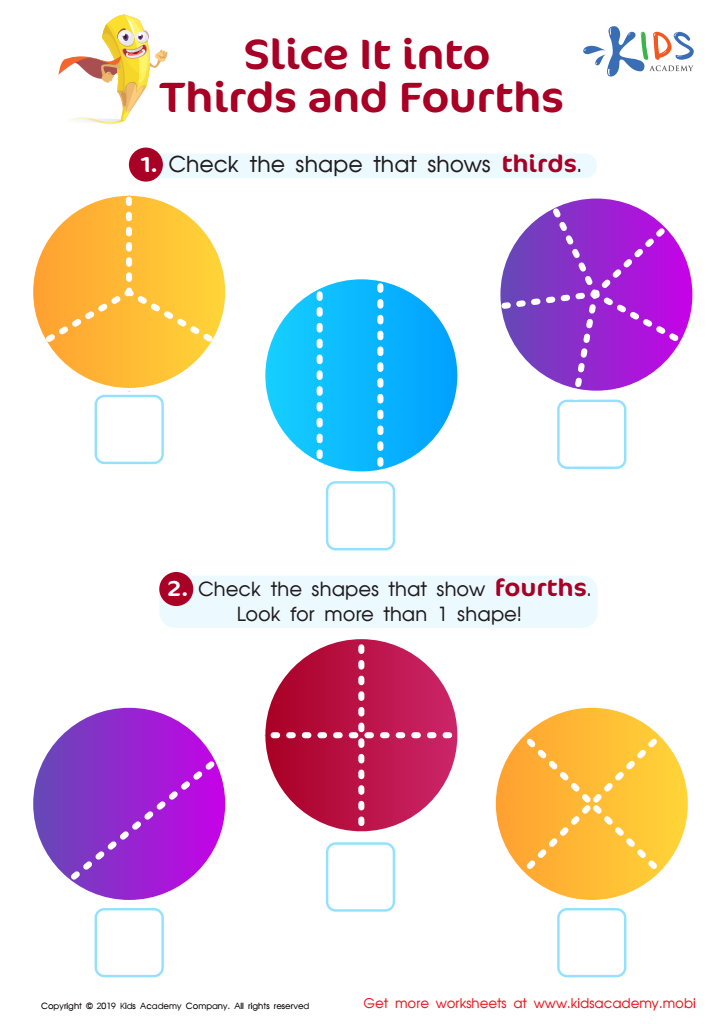
Slice in Thirds Fourths Worksheet
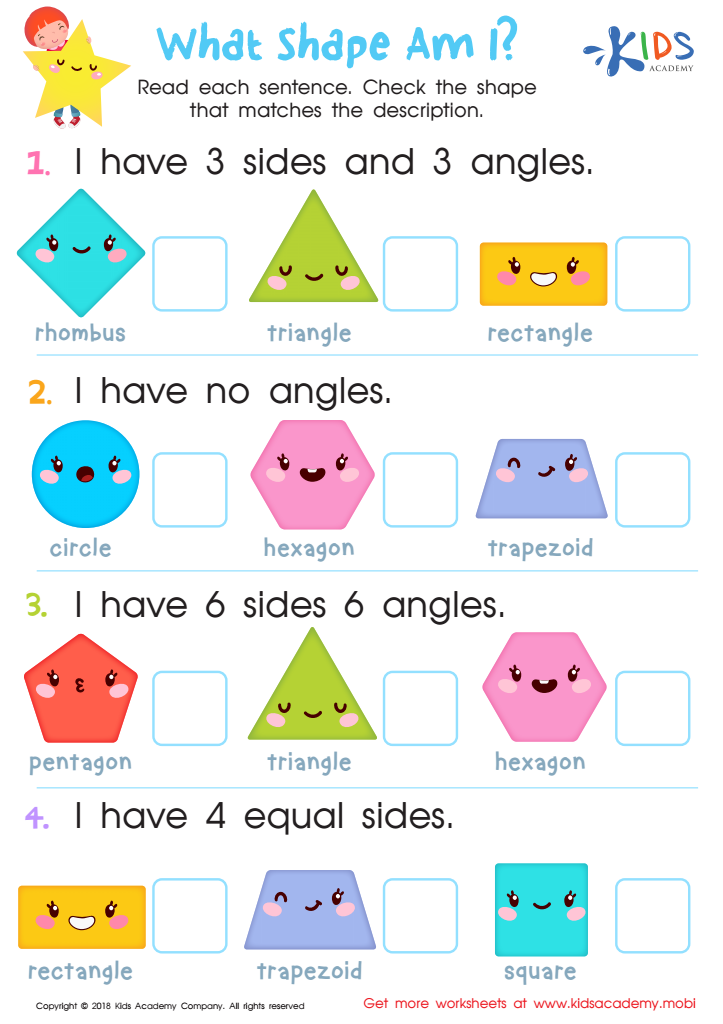
What Shape Am I? Worksheet
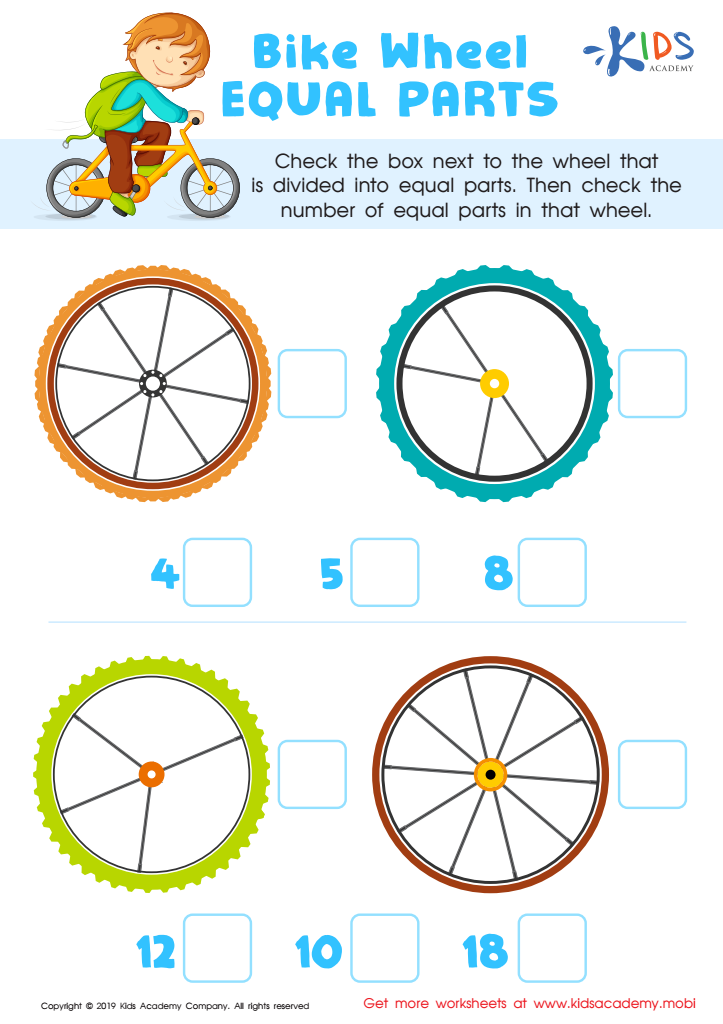
Bike Wheel Equal Parts Worksheet
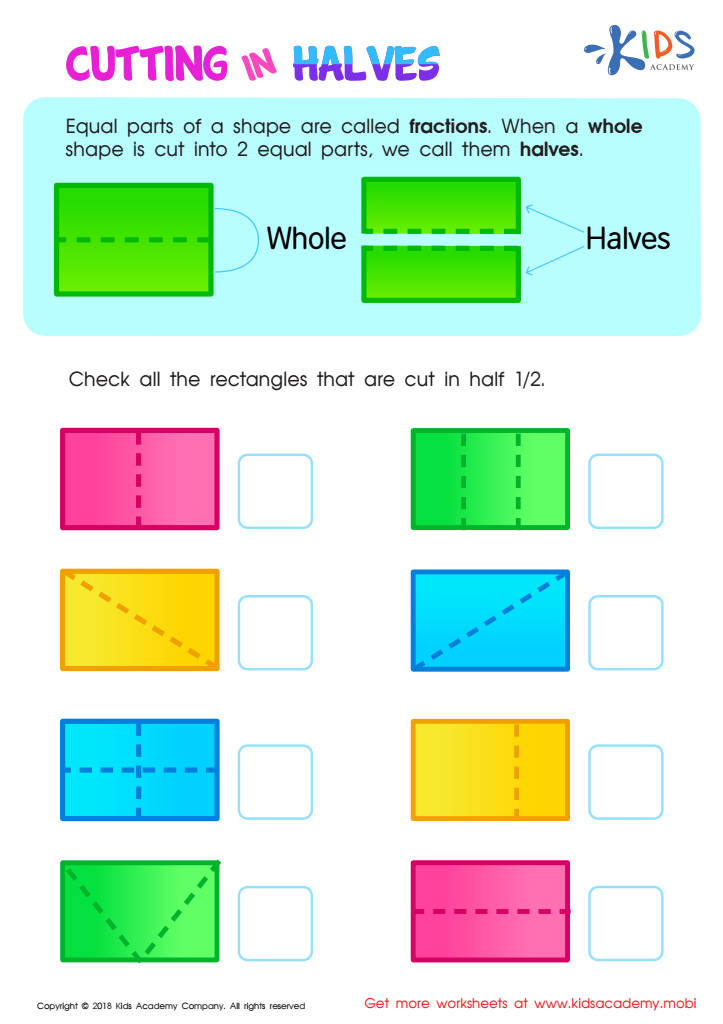
Cutting in Halves Worksheet
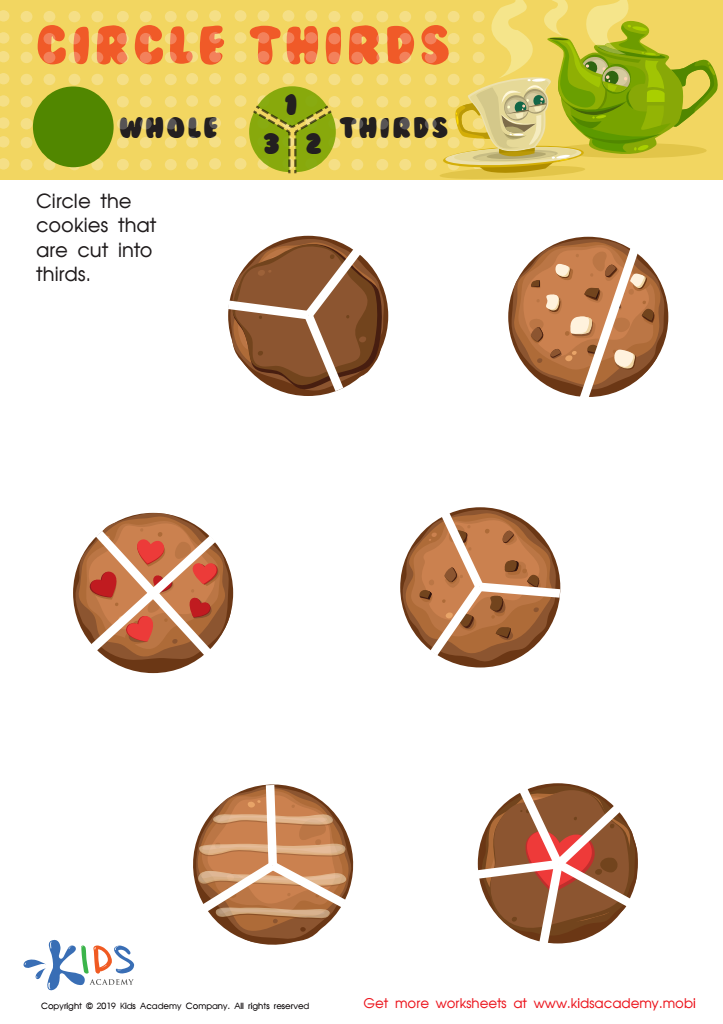
Circle Thirds Worksheet
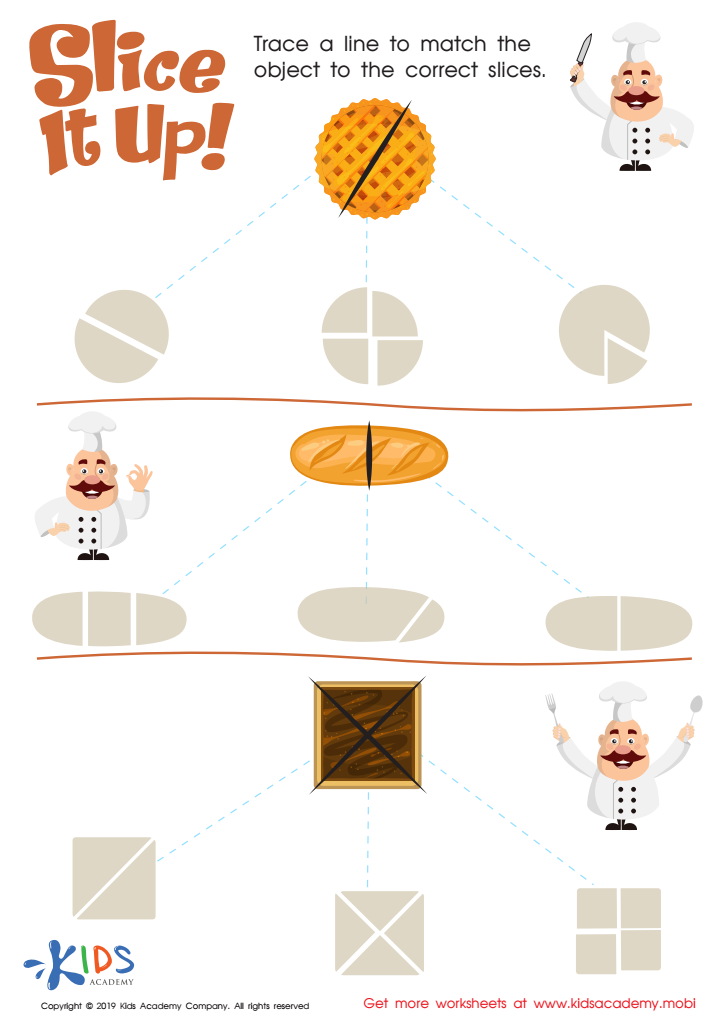
Slice It Up Worksheet
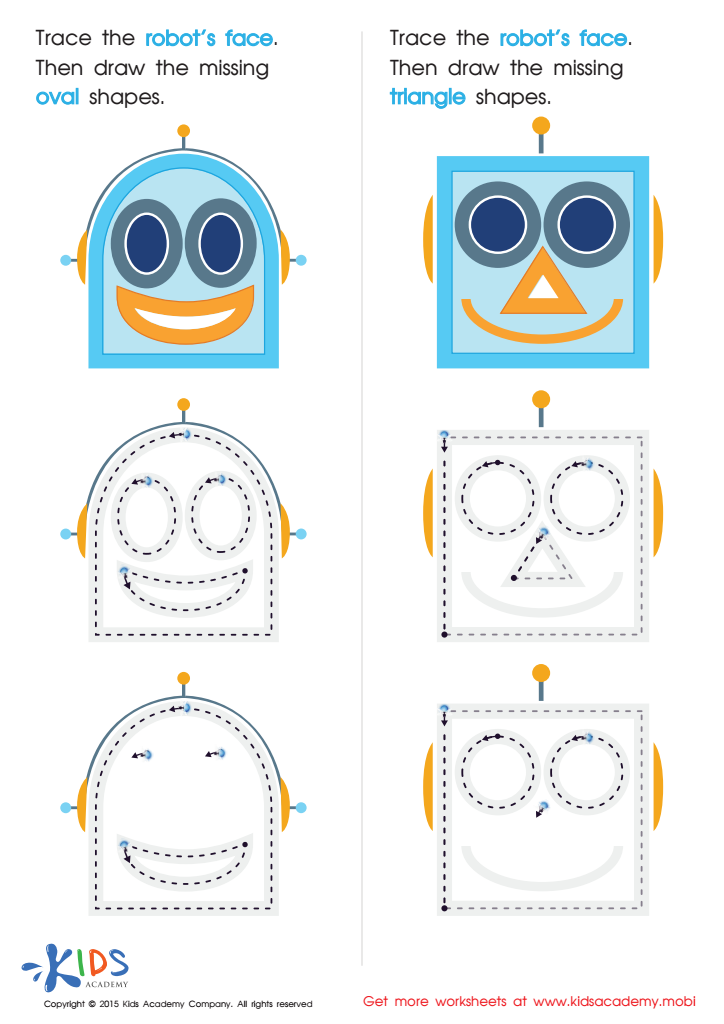
Drawing Ovals And Triangles with Fun Printable
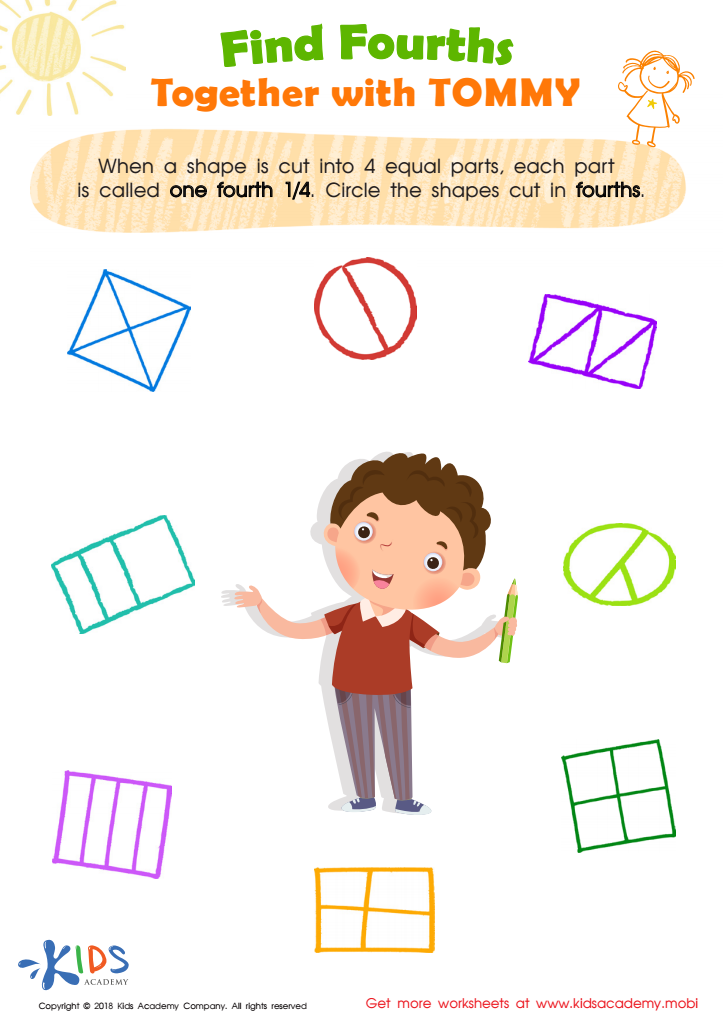
Find Fourths Together with Tommy Worksheet
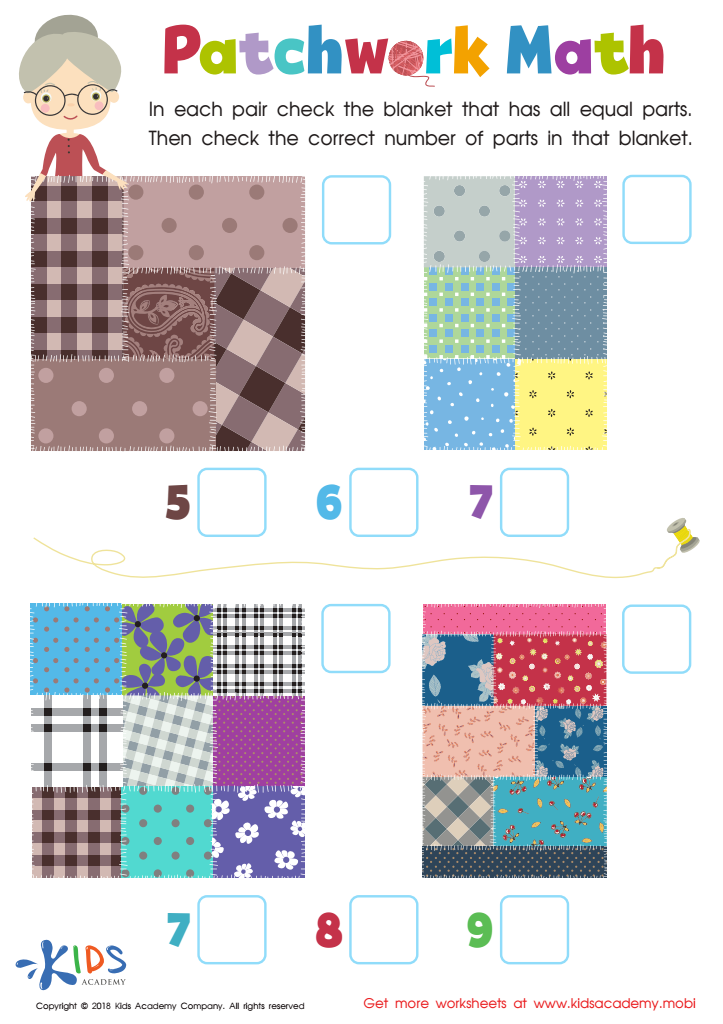
Patchwork Math Worksheet
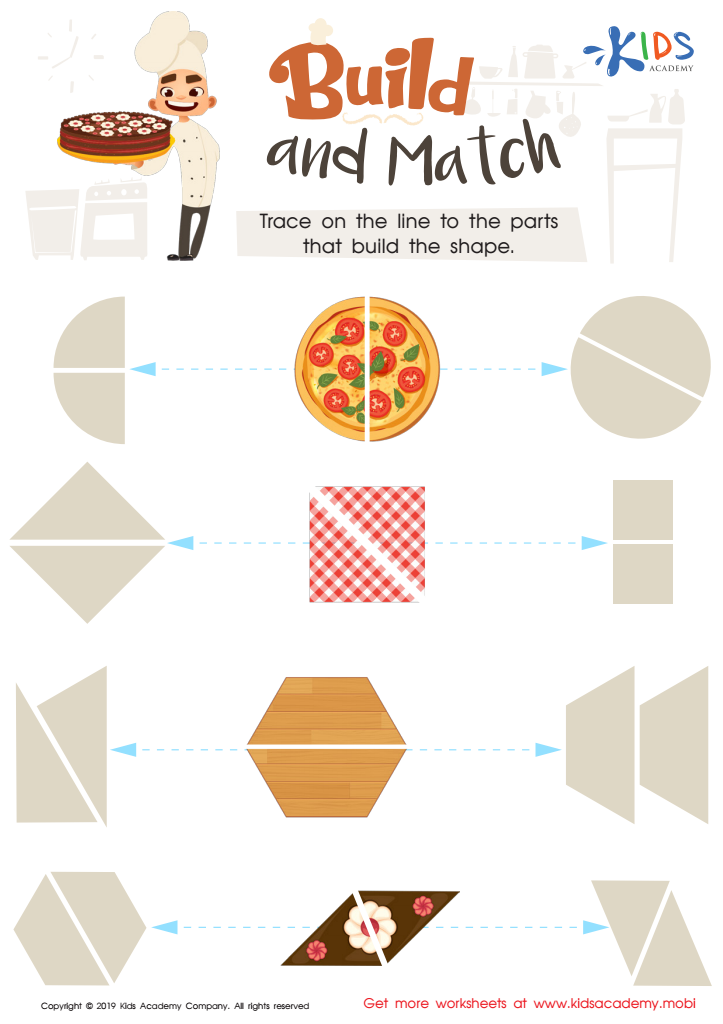
Build and Match Worksheet
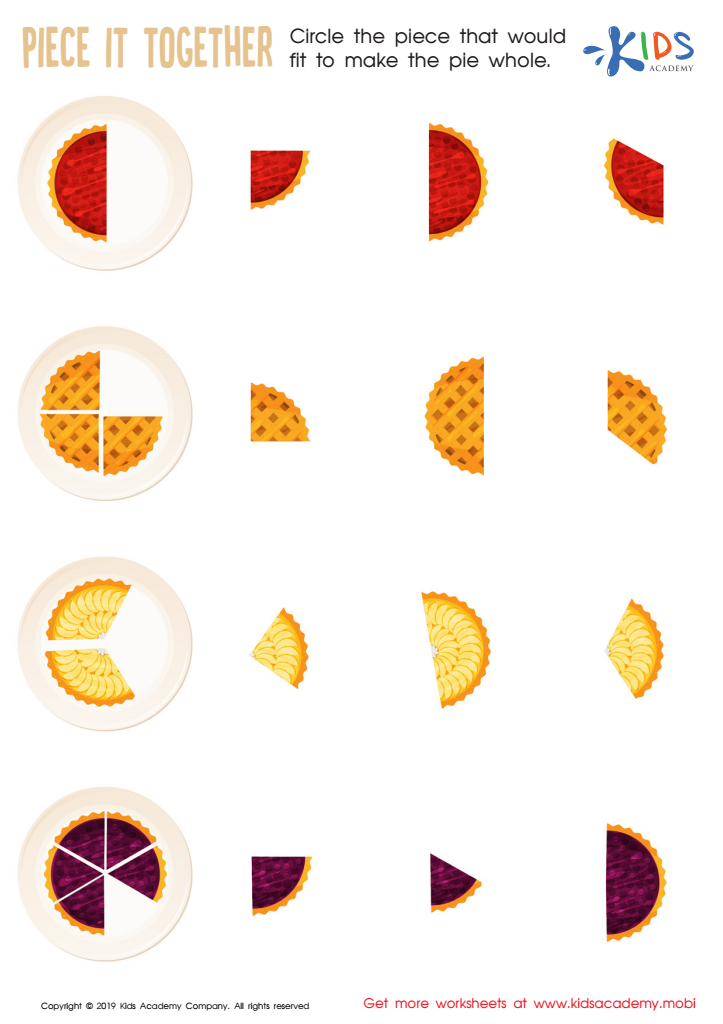
Piece it together Worksheet
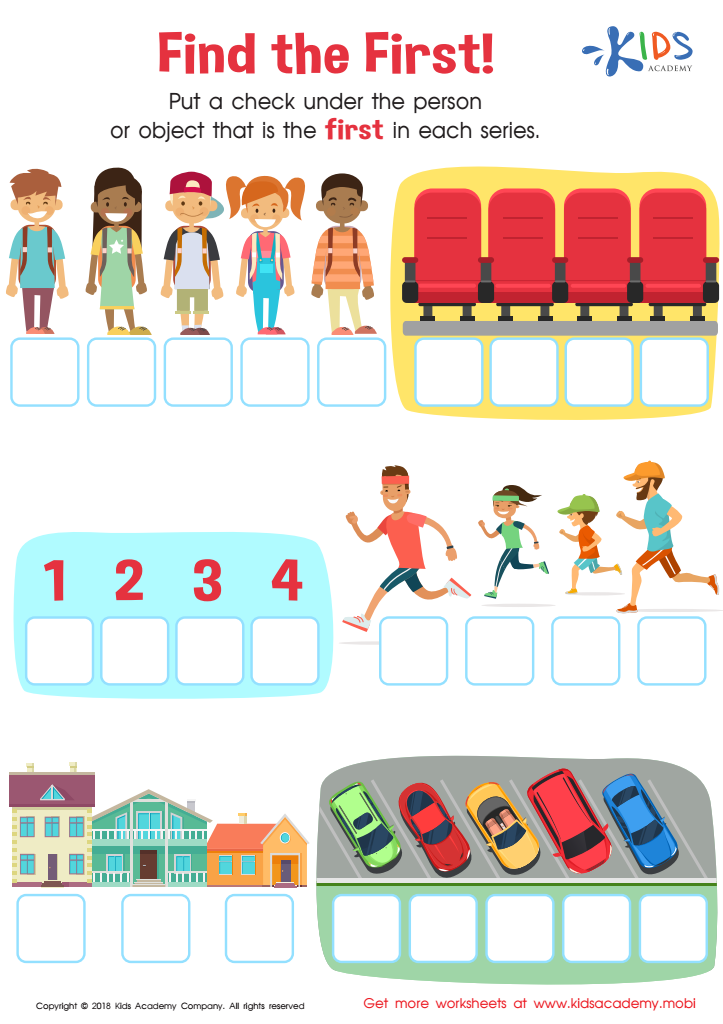
Find the First! Worksheet
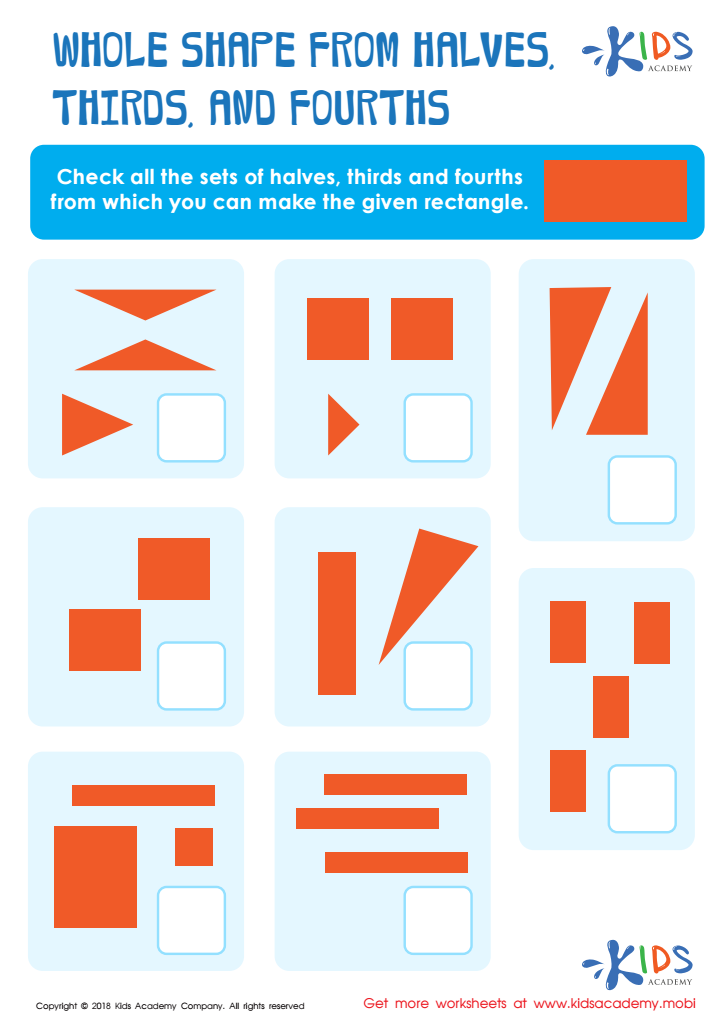
Whole Shape from Halves, Thirds and Fourths Worksheet
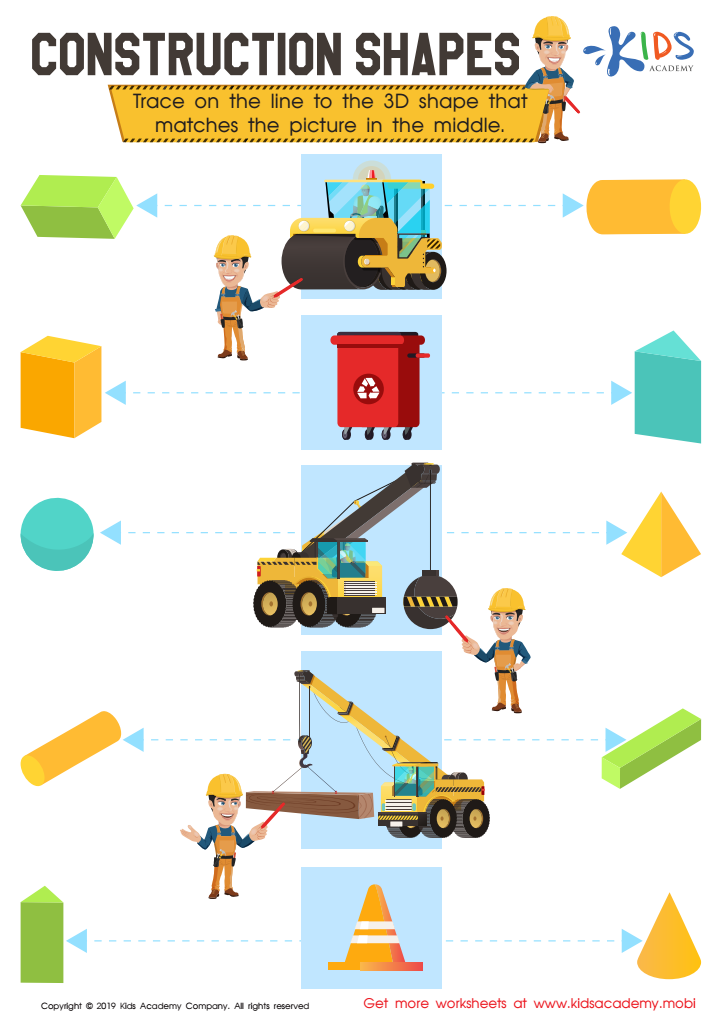
Construction Shapes Worksheet
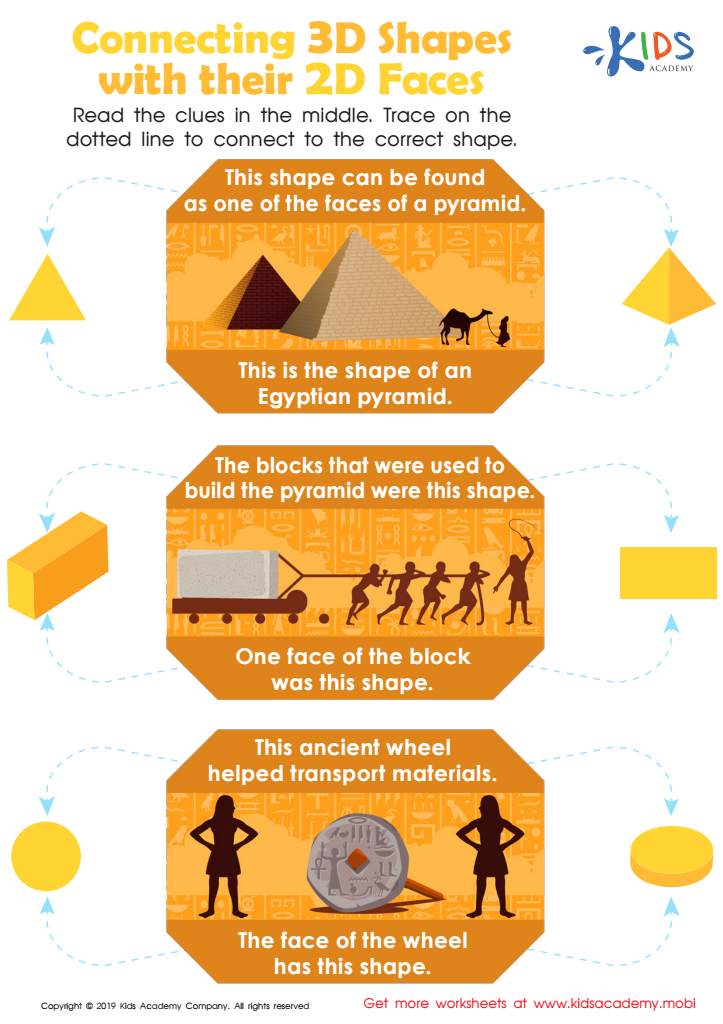
Connecting 3D Shapes with Their 2d Faces Worksheet








Parents and teachers should prioritize Easy Geometry for Ages 3-7 because this foundational knowledge sets the stage for a child's mathematical development. At this early stage, children are naturally curious and eager to explore shapes, sizes, and spatial relationships. Introducing geometry through engaging activities nurtures their innate interest in learning and promotes cognitive growth.
Understanding basic geometric concepts enhances critical thinking and problem-solving skills. Children learn to recognize shapes, explore symmetry, and comprehend measurement, which are essential skills not only for math but also for art and sciences. Additionally, spatial awareness developed through geometry is crucial for activities like reading maps and understanding geography later in life.
Incorporating geometry into early education fosters creativity as children engage in activities like building with blocks or drawing shapes. It also promotes collaborative learning when they work together, enhancing their social skills. Ultimately, prioritizing Easy Geometry encourages a strong mathematical foundation, enabling children to approach advanced concepts with confidence in the future. By making geometry fun and accessible, parents and teachers play a vital role in igniting a lifelong interest in learning, critical thinking, and discovery. Embracing this learning approach benefits children's overall development and future academic success.








