Problem-Solving Skills Easy Science Worksheets for Ages 3-7
4 filtered results
-
From - To
Discover our engaging "Problem-Solving Skills Easy Science Worksheets," designed specifically for kids aged 3-7. These fun, interactive worksheets introduce young learners to essential problem-solving techniques through age-appropriate science concepts. Promote critical thinking and analytical skills as children explore vibrant activities that spark curiosity. Each worksheet encourages children to think logically, make connections, and develop a love for science. Ideal for use at home or in the classroom, these resources are perfect for early grade teachers and parents seeking to enhance their child’s learning experience. Help your little ones become confident problem solvers with our easy-to-use and enjoyable science worksheets!
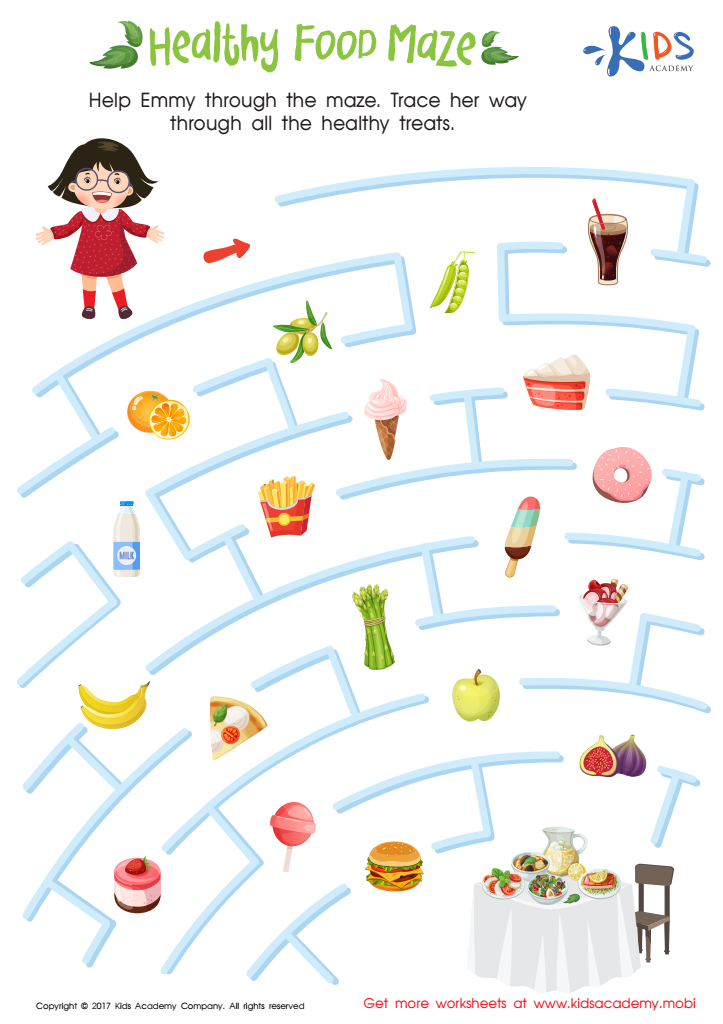
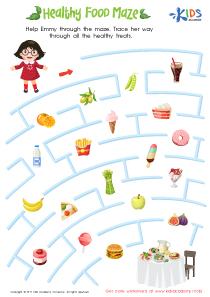
Healthy Food Maze Printable
 Assign to My Students
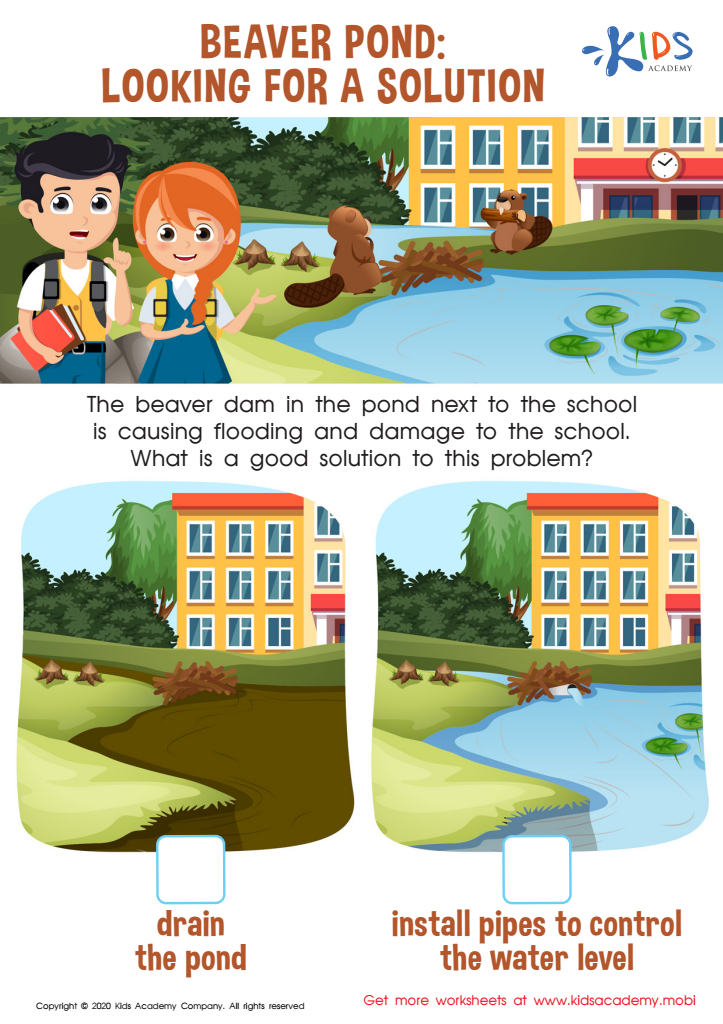
Beaver Pond: Looking for a Solution Worksheet
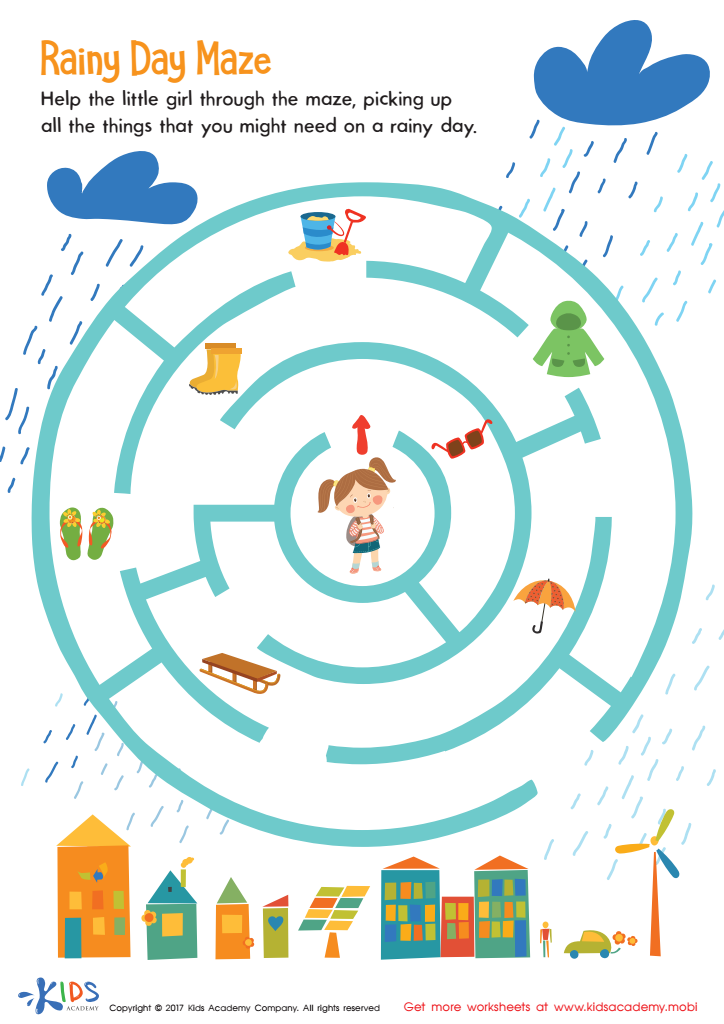
Rainy Day Maze Worksheet






Problem-solving skills are vital for children aged 3-7 as they lay the foundation for critical thinking and everyday decision-making. At this age, kids are naturally curious and often encounter challenges—from simple puzzles to social interactions. Teaching problem-solving through easy science activities engages their curiosity and enhances cognitive development.
Parents and teachers should care about fostering these skills because they encourage resilience, creativity, and independence. When children learn to navigate obstacles, they gain confidence in their abilities to find solutions. This can lead to improved academic performance as well, as problem-solving is a key aspect of math and science learning.
Furthermore, nurturing problem-solving in a scientific context helps children understand the world around them. Science activities often involve experimentation, observation, and prediction, allowing kids to ask questions and explore various solutions. This experiential learning not only cultivates a love for science but also equips children with the tools to effectively tackle problems inside and outside the classroom.
Ultimately, investing time in developing problem-solving skills fosters a mindset that values inquiry and persistence, preparing young learners for future challenges both in school and in life. Therefore, supporting problem-solving through easy science should be a priority for parents and educators alike.