Basic counting skills Easy Worksheets for Ages 3-8
6 filtered results
-
From - To
Unlock your child's potential with our "Basic Counting Skills Easy Worksheets for Ages 3-8"! Designed for young learners, these engaging and colorful worksheets make counting fun and interactive. Each activity encourages children to practice essential numbers through a variety of playful exercises that enhance their mathematical understanding. From counting objects to simple number recognition, our resources are perfect for home or classroom use. Foster a love for learning and support your child's early math development with these accessible and age-appropriate worksheets that cater to a range of skill levels. Start building a strong foundation in counting today!
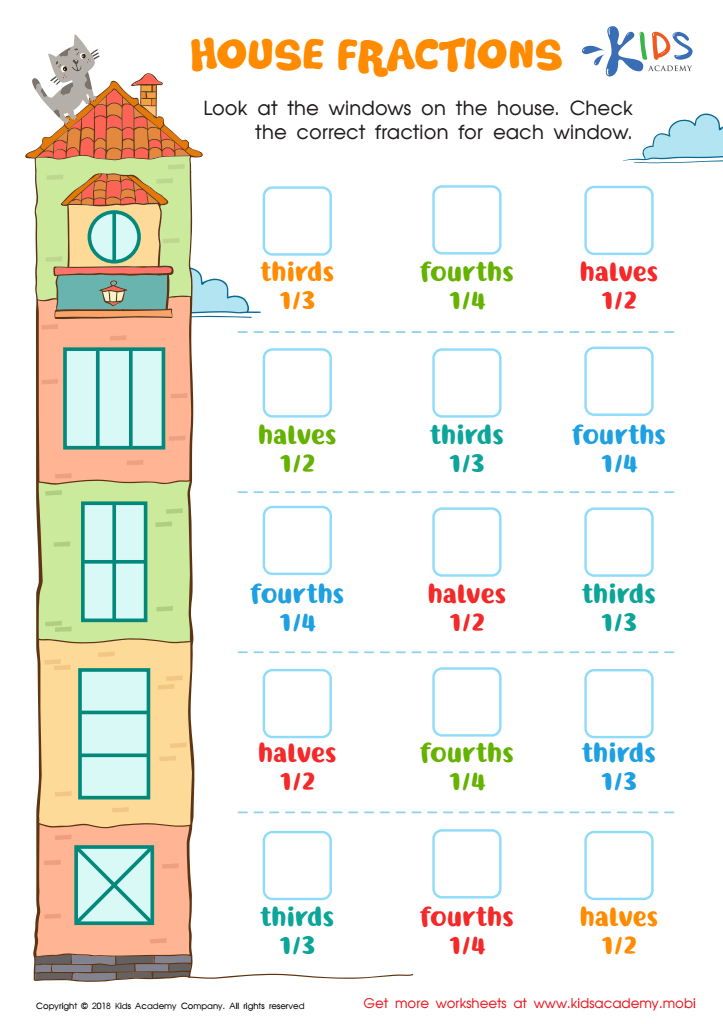
House Fractions Worksheet
 Assign to My Students
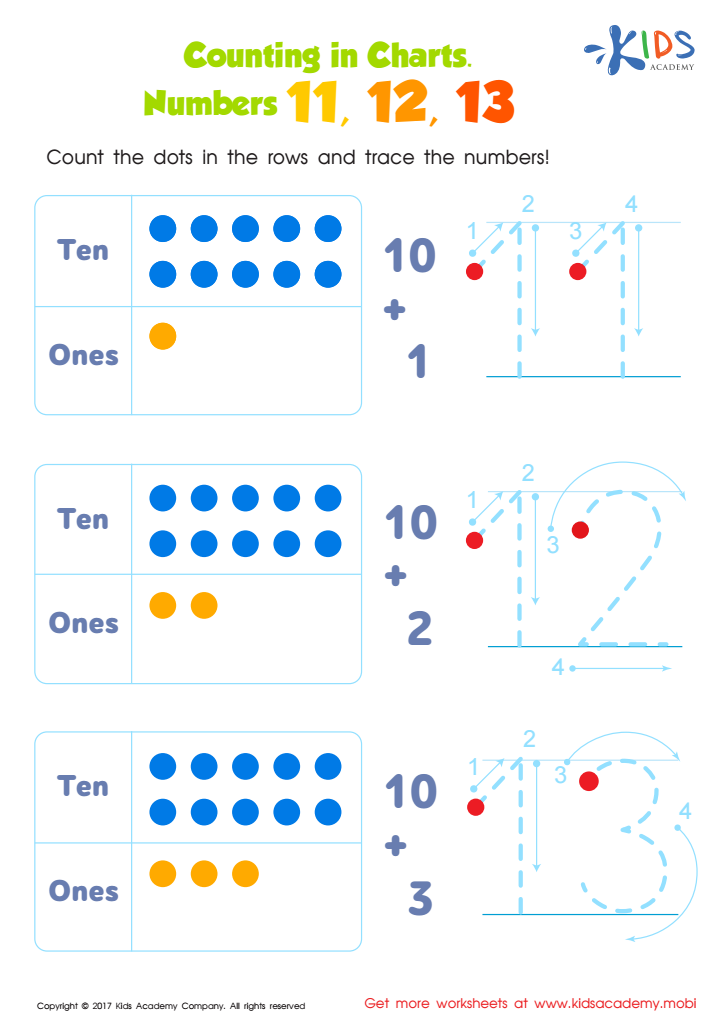
Number Tracing Worksheet For Kindergarten
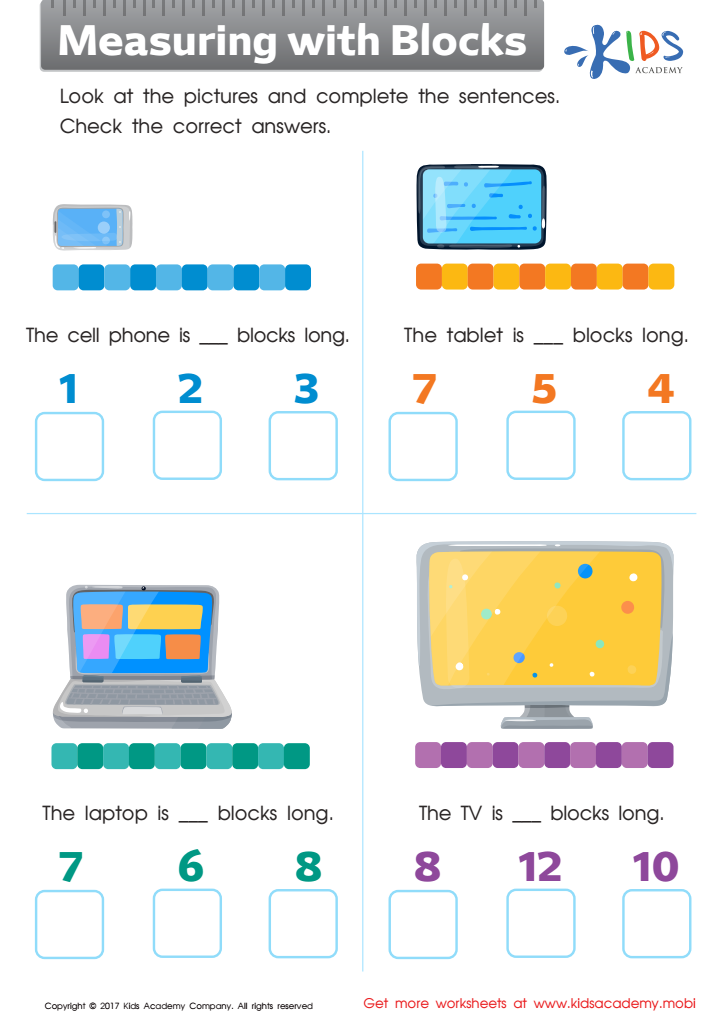
Measuring with Blocks Worksheet
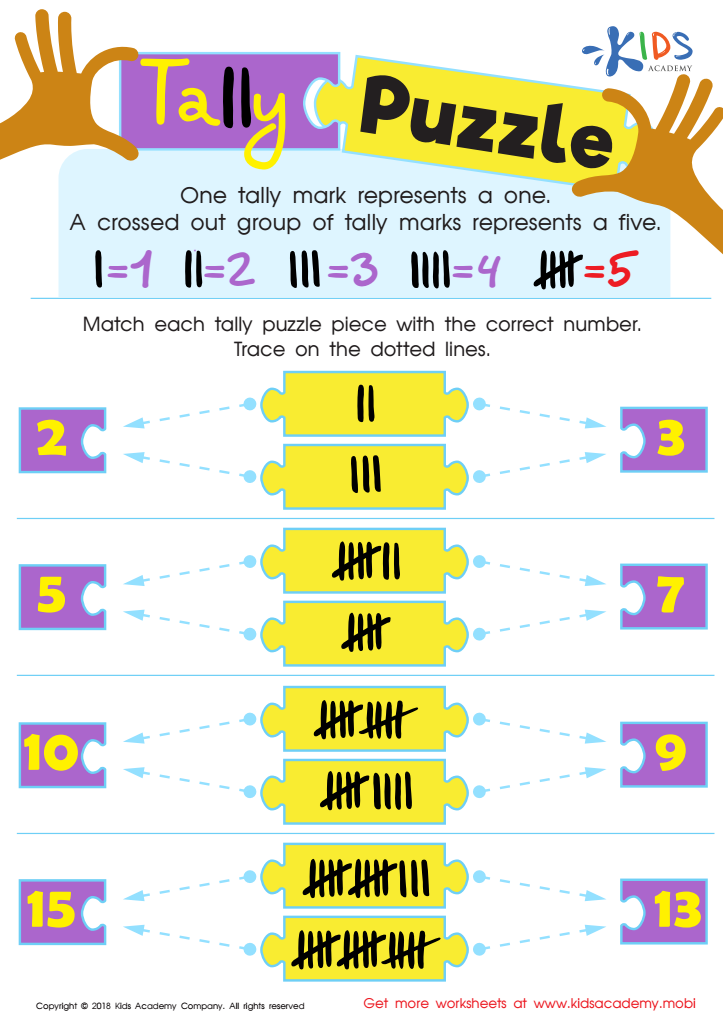
Tally Puzzle Worksheet
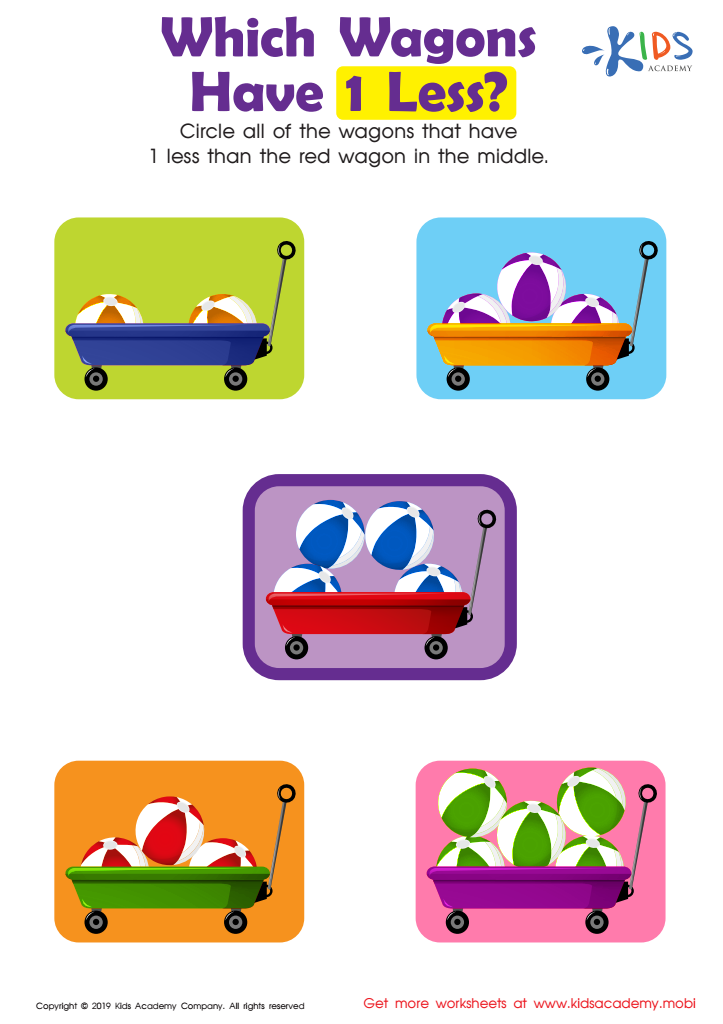
Which Wagons Have 1 Less? Worksheet





Basic counting skills are foundational for young children, impacting their cognitive development and future academic success. For parents and teachers of children aged 3-8, fostering these skills is crucial for several reasons.
Firstly, counting forms the bedrock of numeracy. As children learn to count, they develop an understanding of quantities and how numbers relate to their surroundings. This understanding is essential for later math concepts like addition, subtraction, and even more advanced operations.
Moreover, counting skills enhance problem-solving abilities. Engaging children in counting activities, such as counting toys or snacks, promotes critical thinking and encourages them to explore patterns and relationships in numbers.
Additionally, counting serves to build confidence. Mastering basic counting enables children to participate more actively in educational activities, cultivates their interest in math, and fosters a positive attitude toward learning.
Lastly, counting is a fun and engaging activity that lends itself to playful learning. Parents and teachers can use songs, games, and hands-on activities to make counting enjoyable, ensuring that children absorb these essential skills in a supportive environment.
By nurturing basic counting skills, we equip children with tools they need for lifelong learning, boosting their confidence, academic performance, and curiosity about the world around them.








