Critical Thinking Easy Worksheets for Ages 3-8
22 filtered results
-
From - To
Discover our engaging Critical Thinking Easy Worksheets for children aged 3-8, designed to foster analytical skills and creativity in young learners. These worksheets offer fun and interactive activities that prompt kids to think deeply, solve problems, and reason effectively. Whether at home or in the classroom, our thoughtfully crafted materials support cognitive development through enjoyable exercises tailored to various learning levels. Promote critical thinking in your child's everyday learning journey and watch them thrive as they enhance their decision-making and analytical skills. Explore our diverse selection today and equip your child with essential tools for lifelong learning!
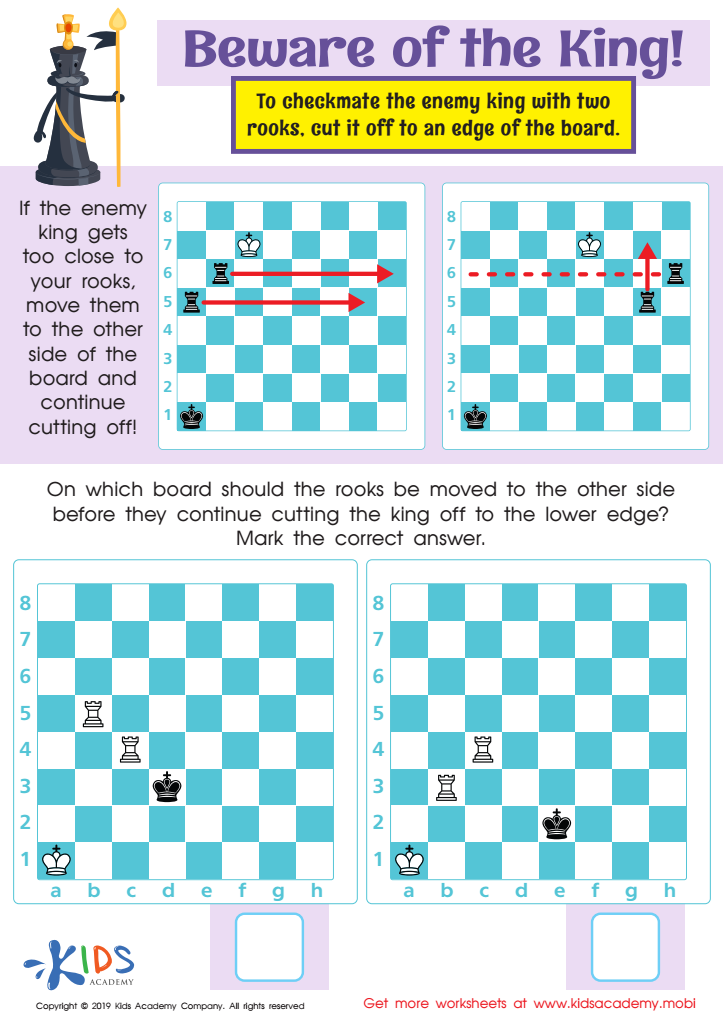
Beware of the King! Worksheet
Folktales Printable PDF Worksheet: The 3 Little Pigs
 Assign to My Students
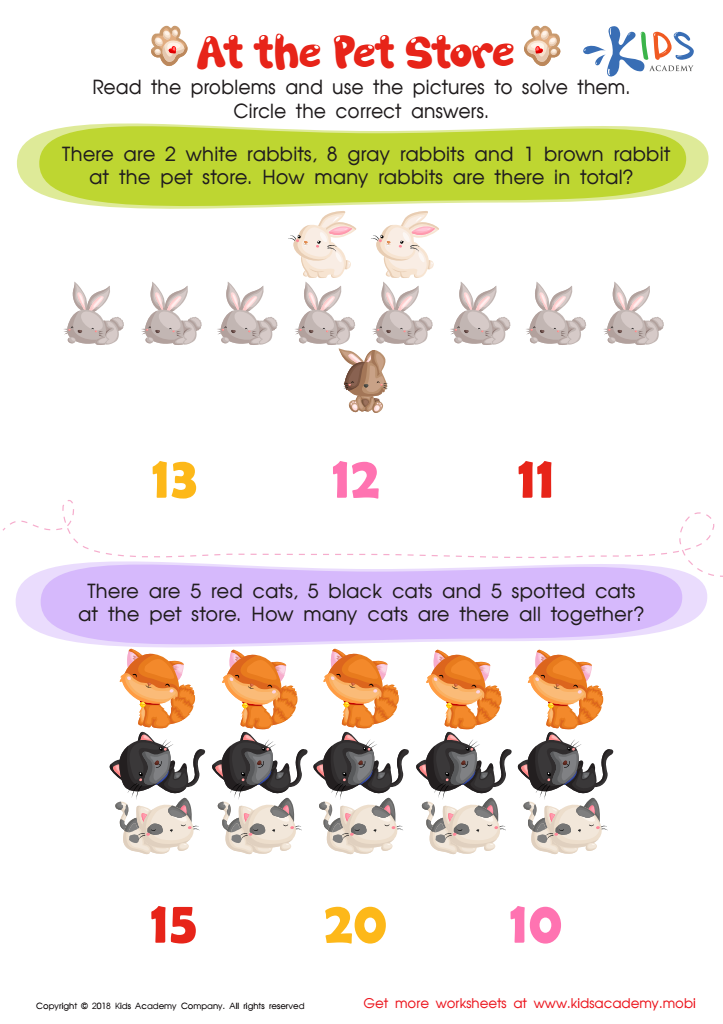
At the Pet Store Word Problems Worksheet
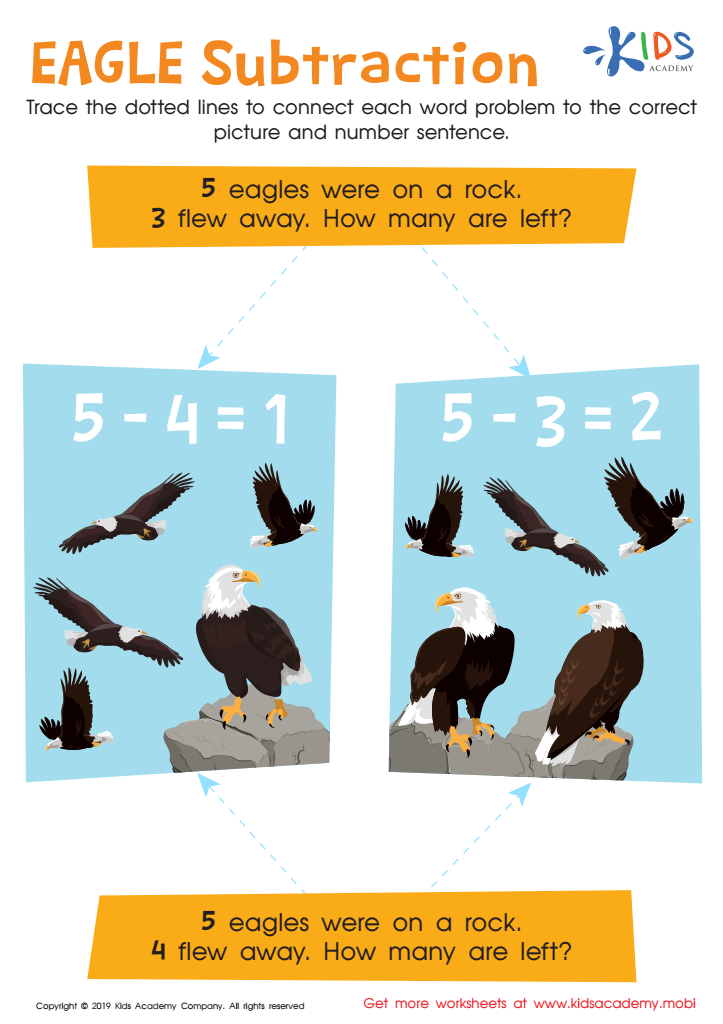
Eagle Subtraction Worksheet
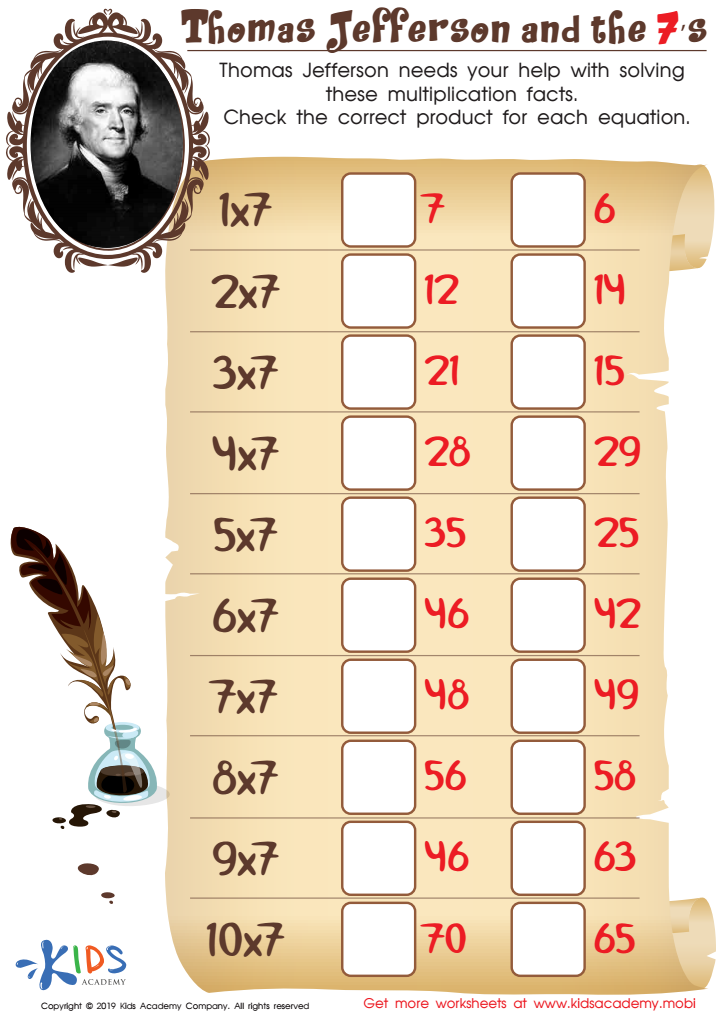
Thomas Jefferson and the 7’s Worksheet
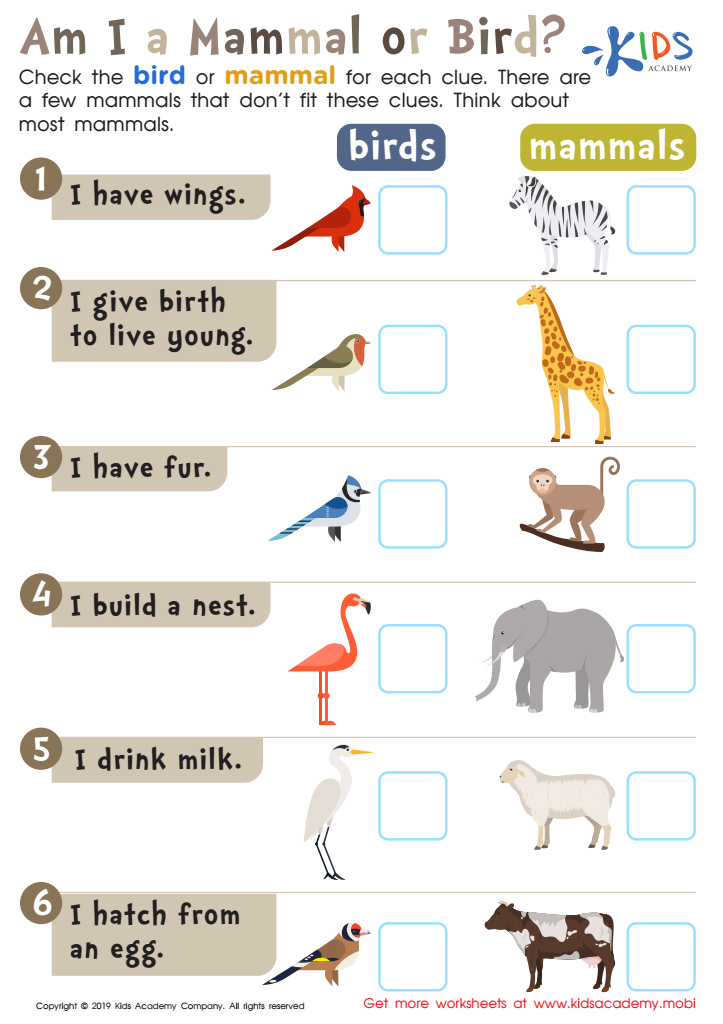
Am I a Mammal or Bird? Worksheet
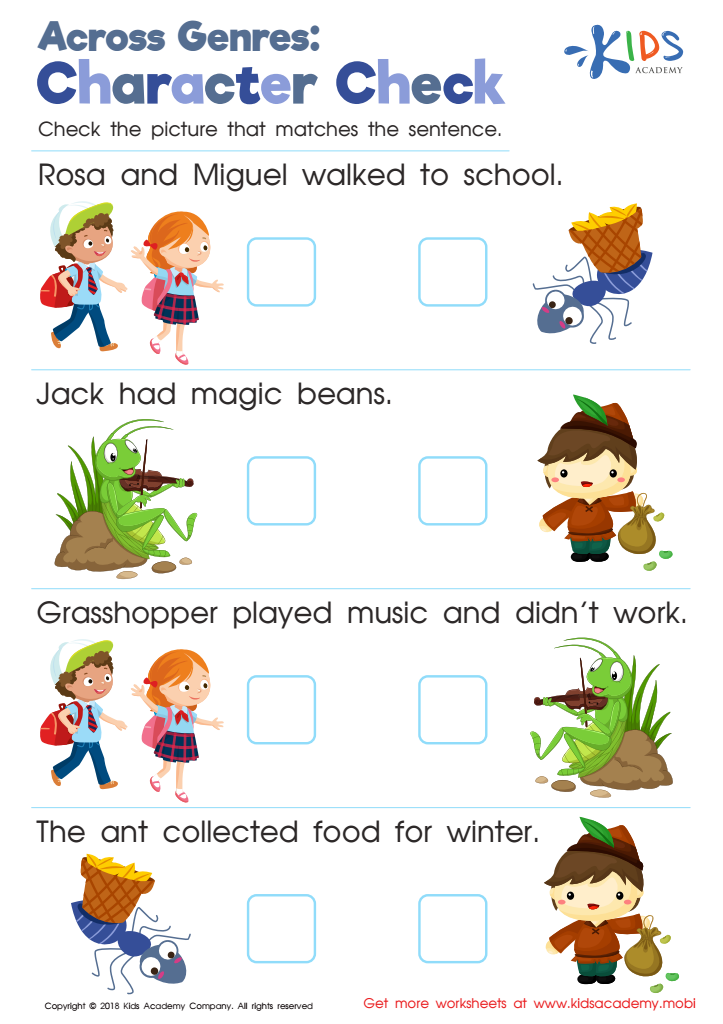
Across Genres: Character Check Worksheet
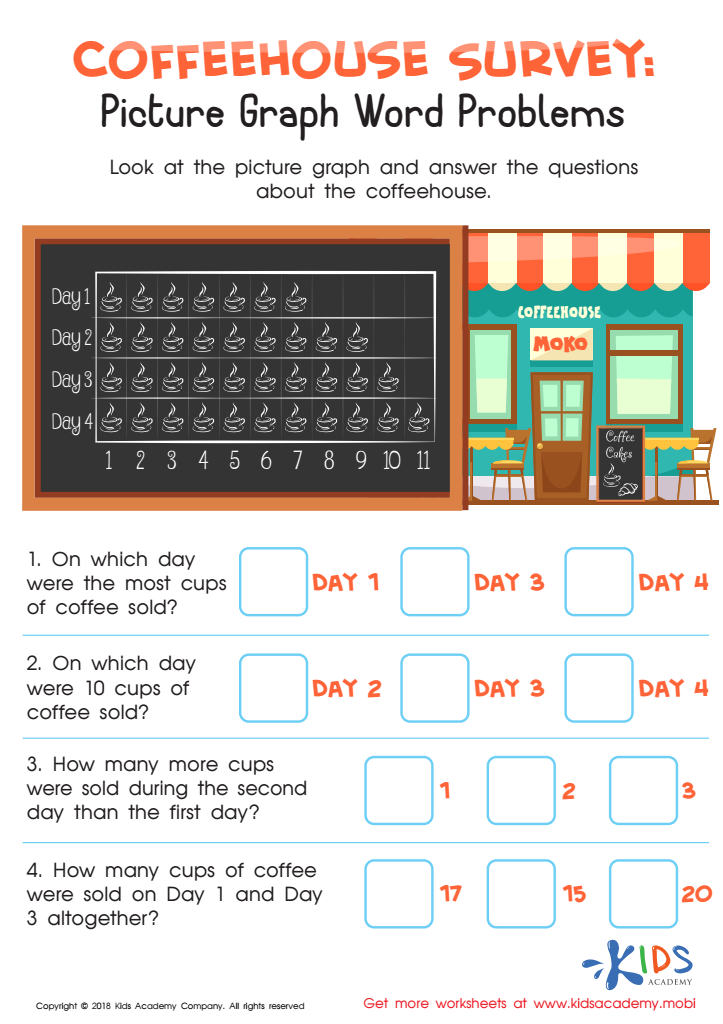
Coffeehouse Survey: Picture Graph Word Problems Worksheet
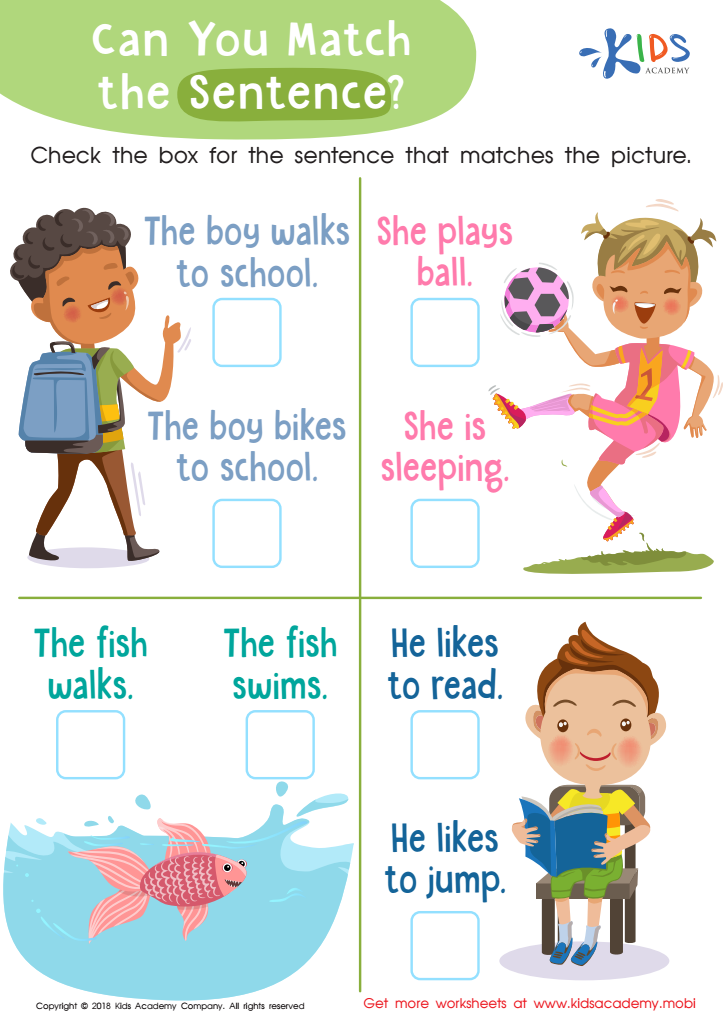
Can You Match the Sentence? Worksheet
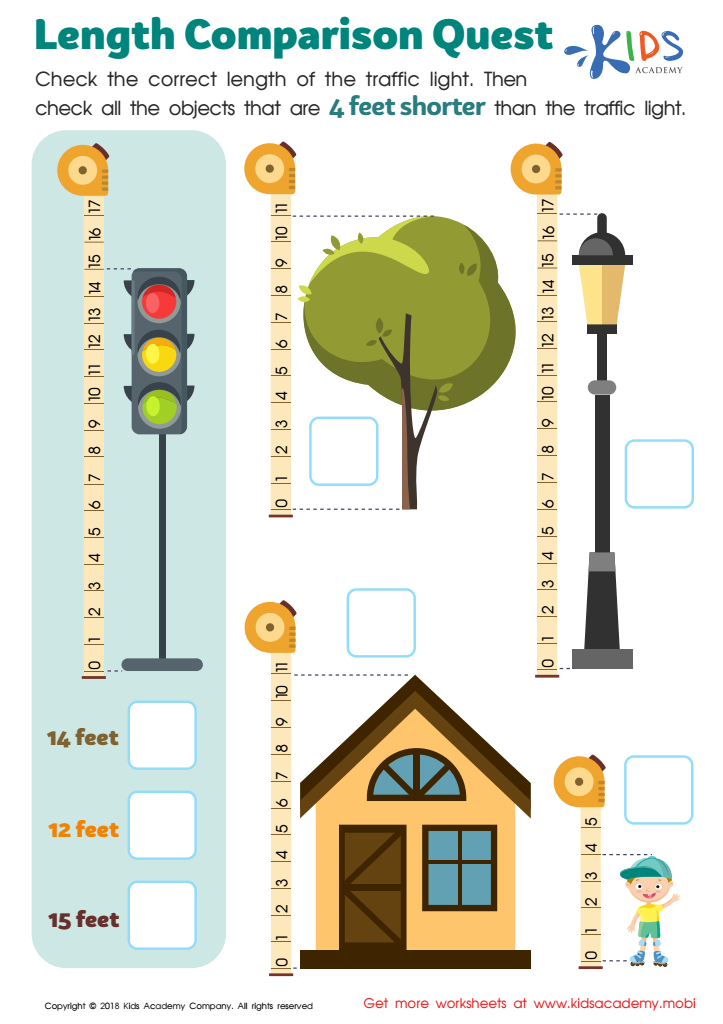
Length Comparison Quest Worksheet
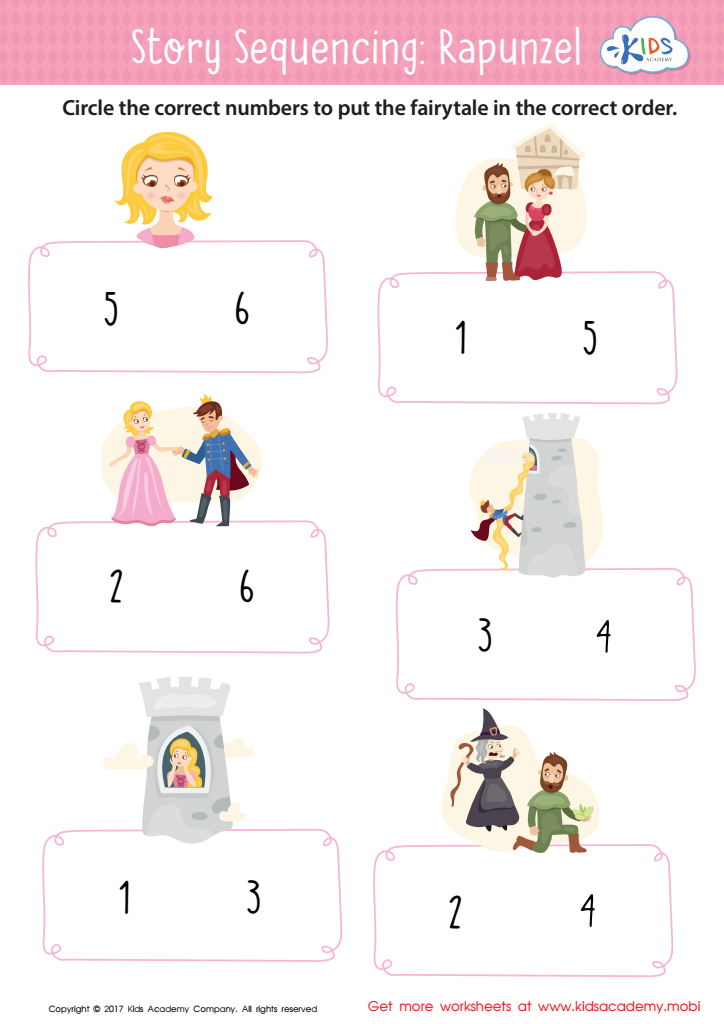
Rapunzel Story Sequencing Worksheet
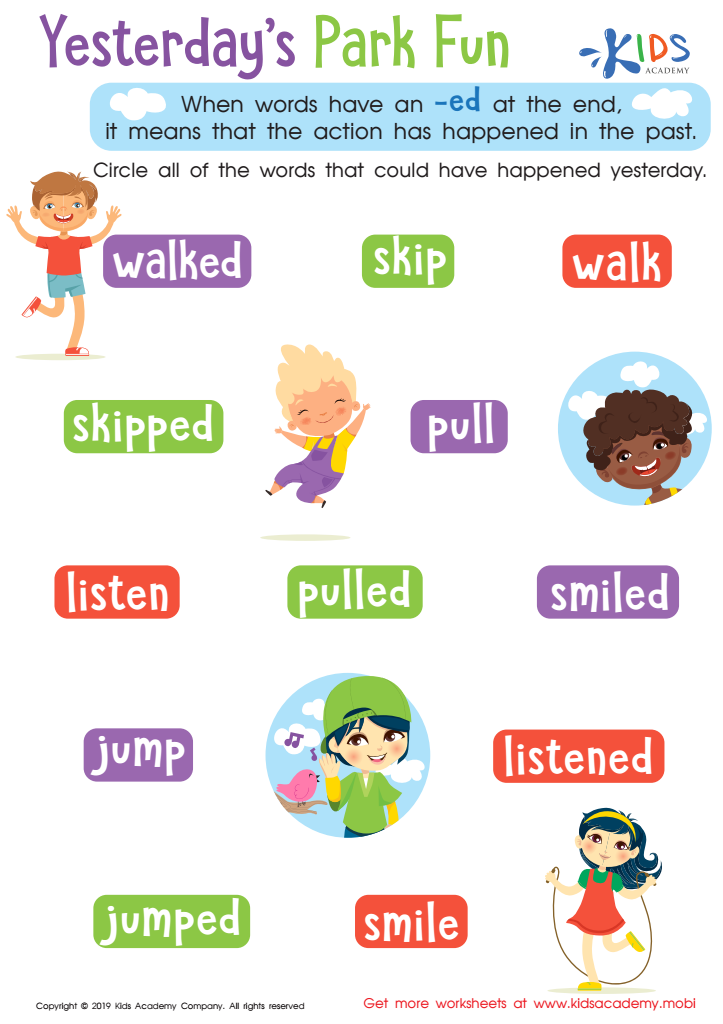
Yesterday's Park Fun Worksheet
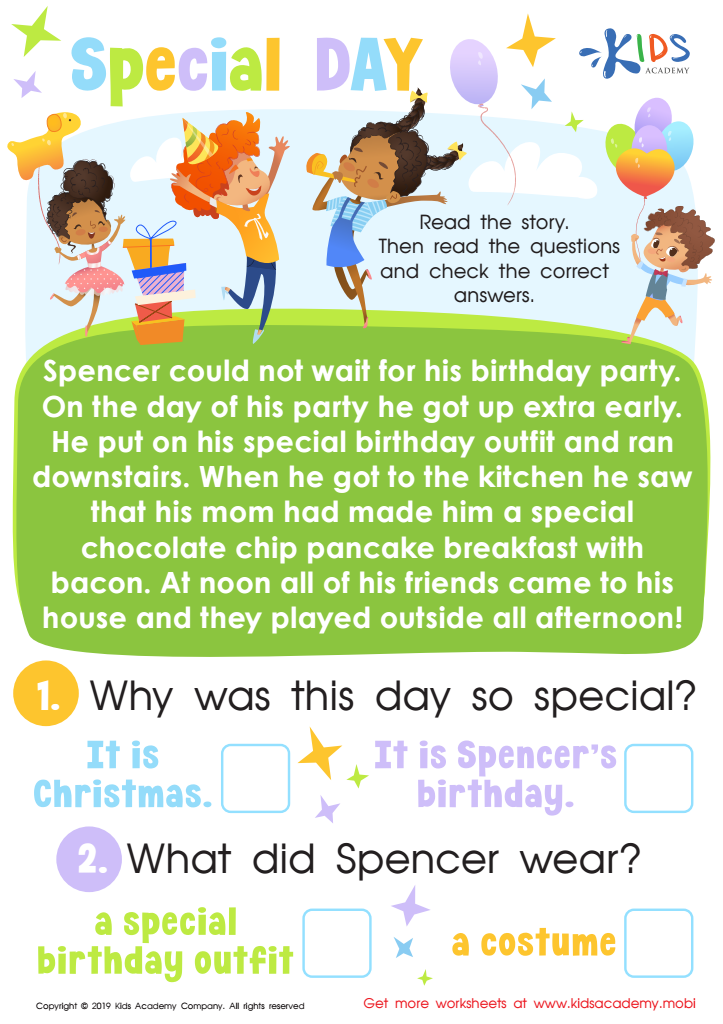
Special Day Worksheet
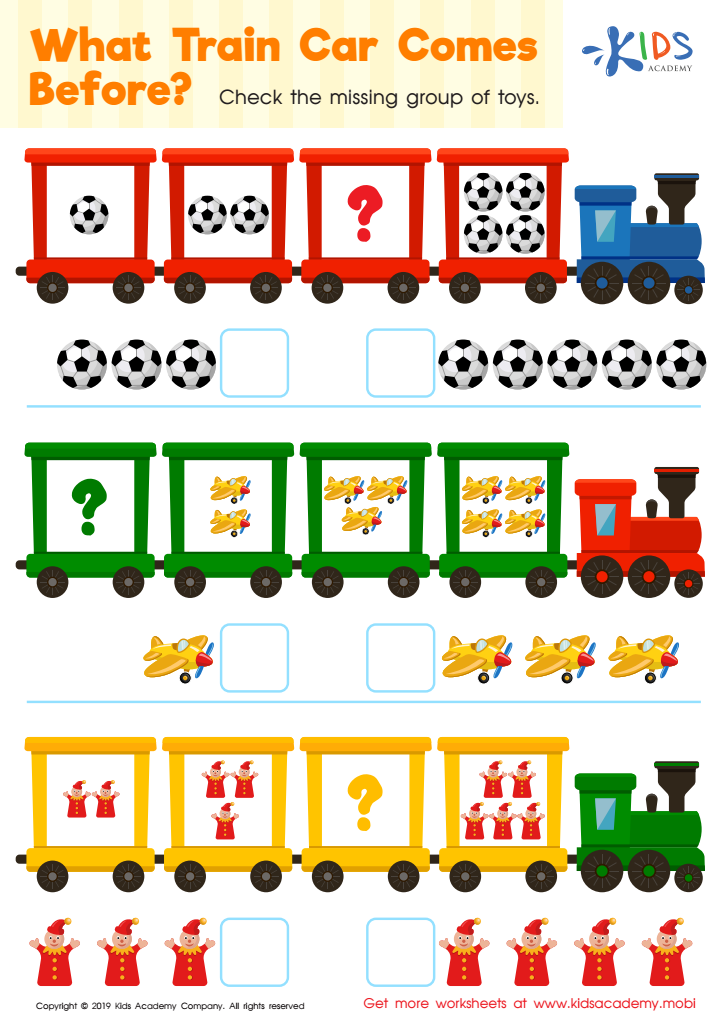
What Train Car Comes Before? Worksheet

Questions About Stories: Assessment 1 Worksheet

Three Little Pigs: Illustrations Worksheet
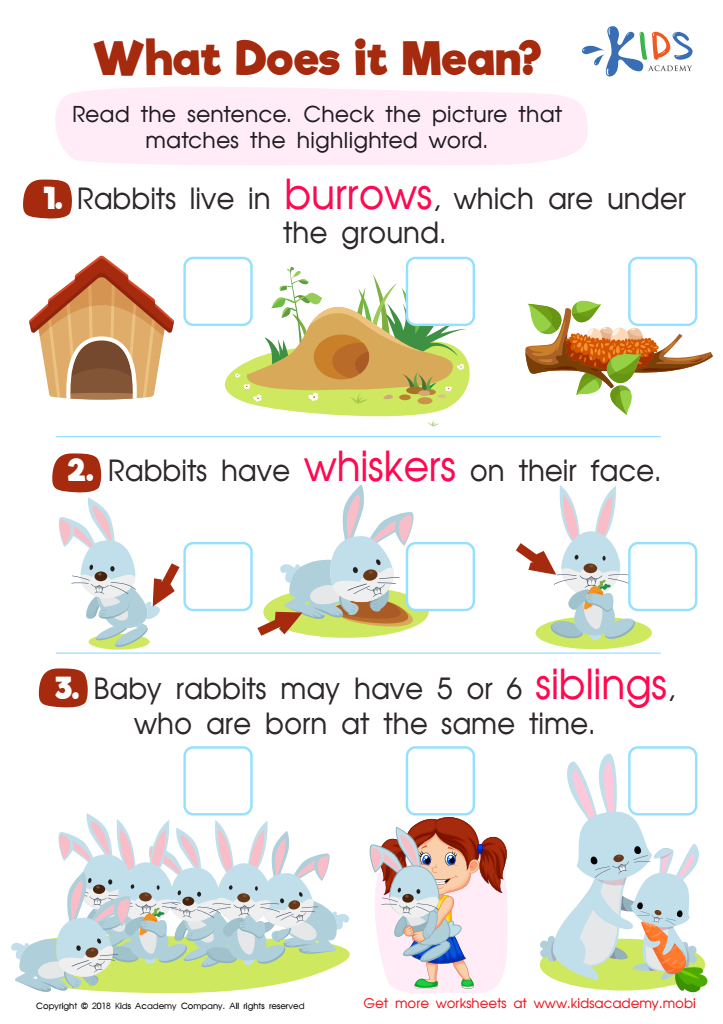
What Does It Mean? Worksheet
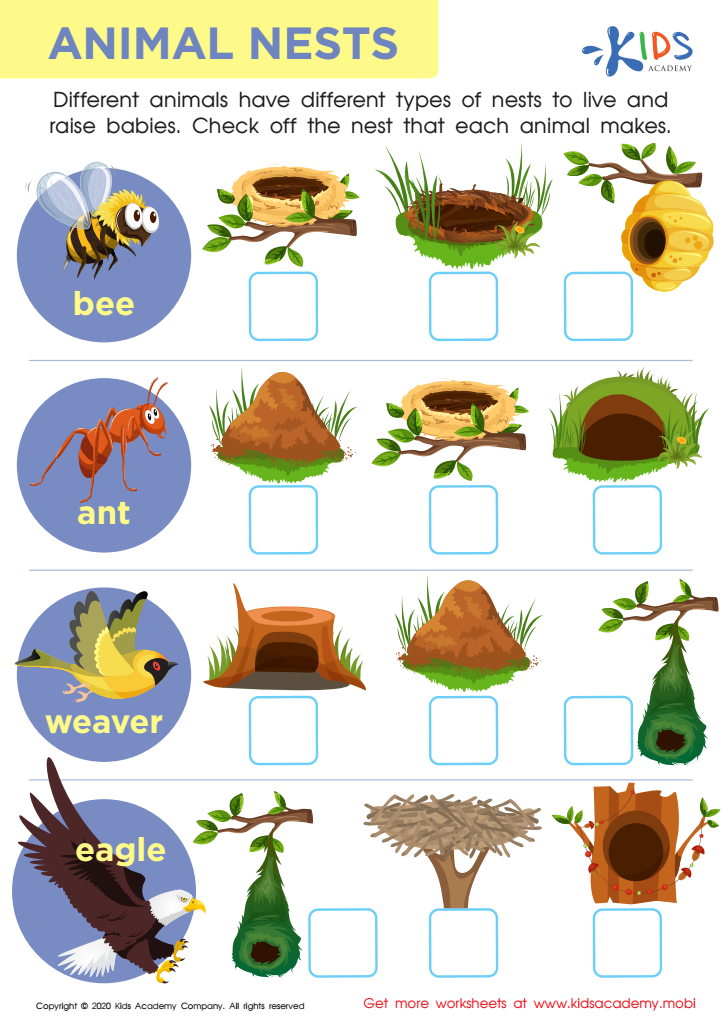
Animal Nests Worksheet
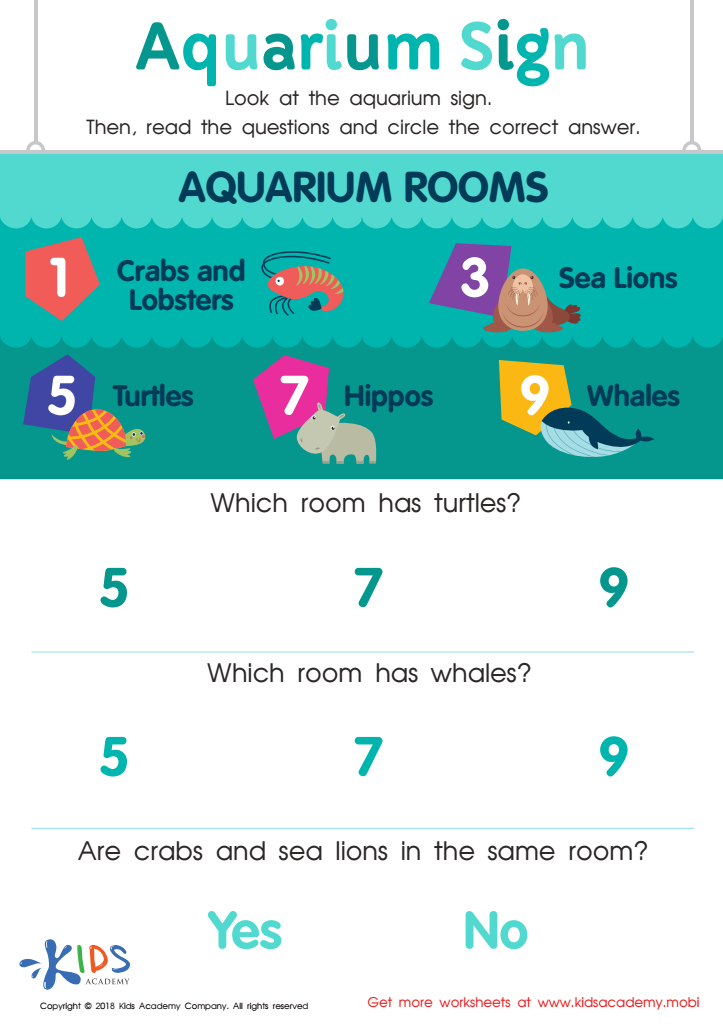
Assessment: Aquarium Sign Worksheet
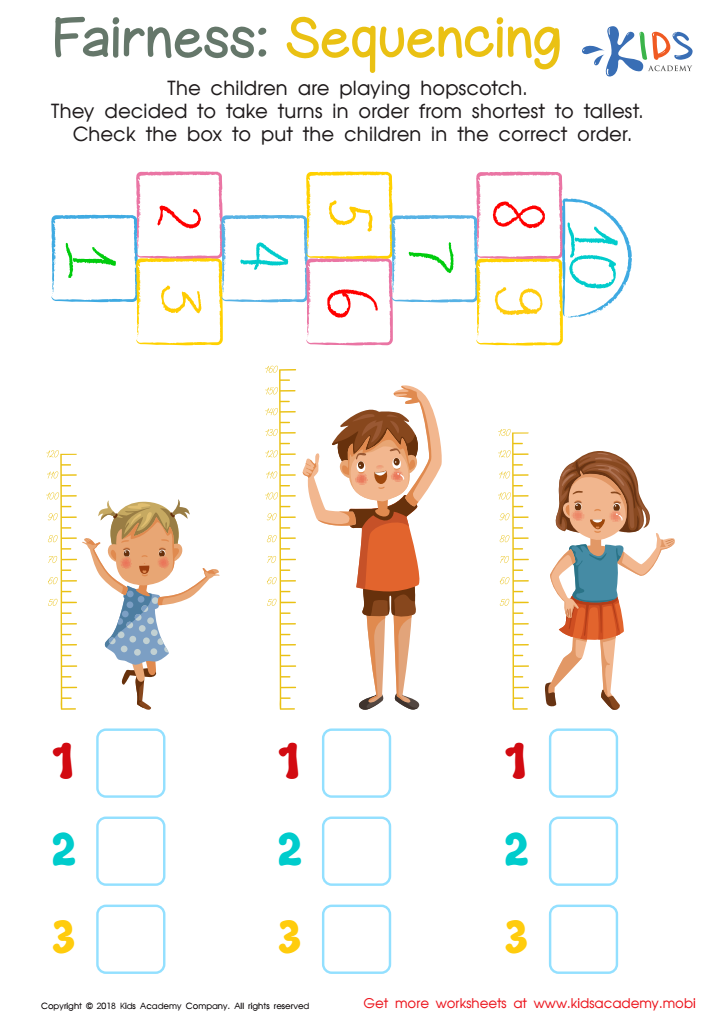
Fairness: Sequencing Worksheet








Critical thinking is an essential skill that shapes children's ability to understand the world and make informed decisions. For children aged 3-8, fostering critical thinking lays a foundation for effective problem-solving, creativity, and logical reasoning. Parents and teachers should prioritize this skill because early exposure helps children develop confidence in their thought processes and decision-making abilities.
At this age, children are naturally curious, asking questions and exploring their surroundings. Encouraging critical thinking during these formative years supports their innate curiosity and further enhances it. Engaging in activities that promote critical thinking—such as puzzles, open-ended questions, or storytelling—empowers children to analyze situations, evaluate options, and articulate their thoughts clearly.
Additionally, fostering critical thinking skills cultivates resilience and adaptability. As children learn to navigate challenges and consider multiple perspectives, they become better equipped to handle real-life situations. In a society that values innovation and collaboration, nurturing critical thinkers from an early age ensures that they become proactive learners and engaged citizens.
By emphasizing critical thinking, parents and teachers contribute to developing lifelong learners who are not only critical consumers of information but also empathetic, thoughtful individuals who can contribute positively to society.








