Object identification Easy Worksheets for Ages 3-8
3 filtered results
-
From - To
Introduce your young learners to the fascinating world of object identification with our easy worksheets for ages 3-8! Specifically designed to capture the interest of early grade students, these fun and engaging worksheets help children recognize and name everyday objects. Through vibrant illustrations and age-appropriate exercises, Kids Academy nurtures critical thinking and vocabulary skills. Perfect for both classroom and home use, our worksheets offer a playful approach to learning, ensuring that every child enhances their observational abilities while having fun. Start your child’s educational journey with Kids Academy - where learning meets fun!
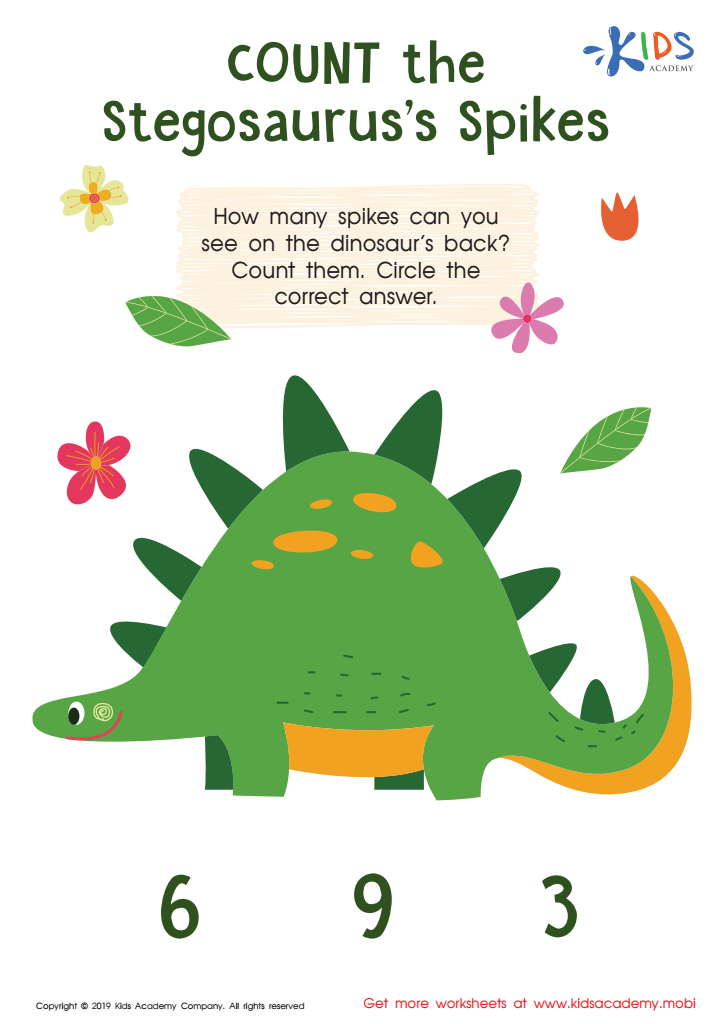
Count the Stegosaurus's Spikes Worksheet
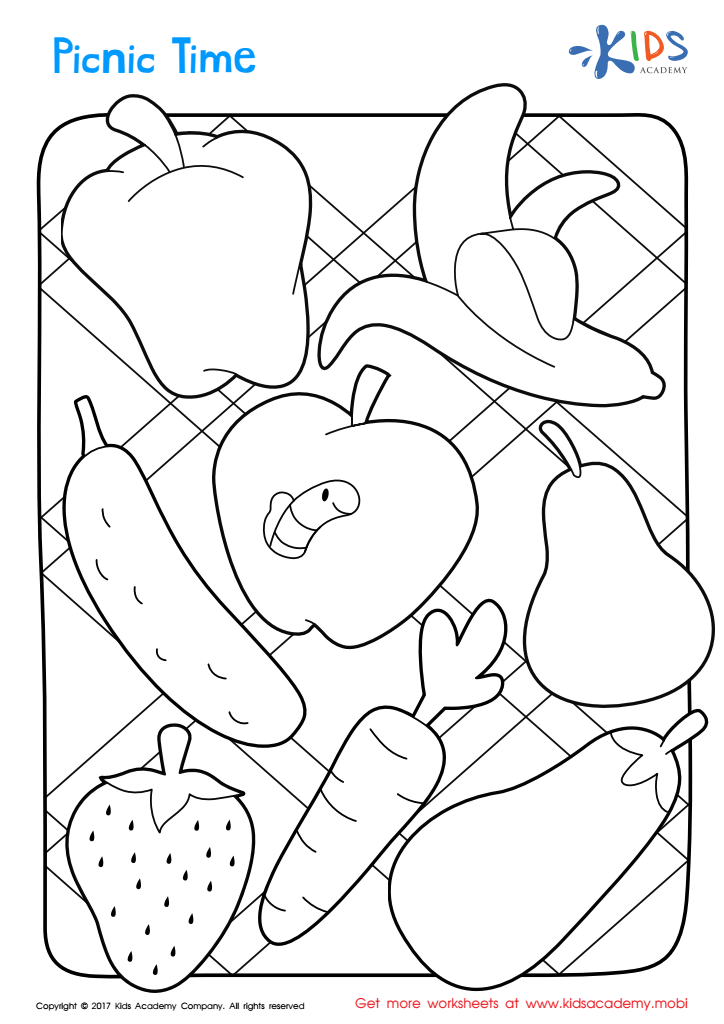
Picnic Time Coloring Page
 Assign to My Students
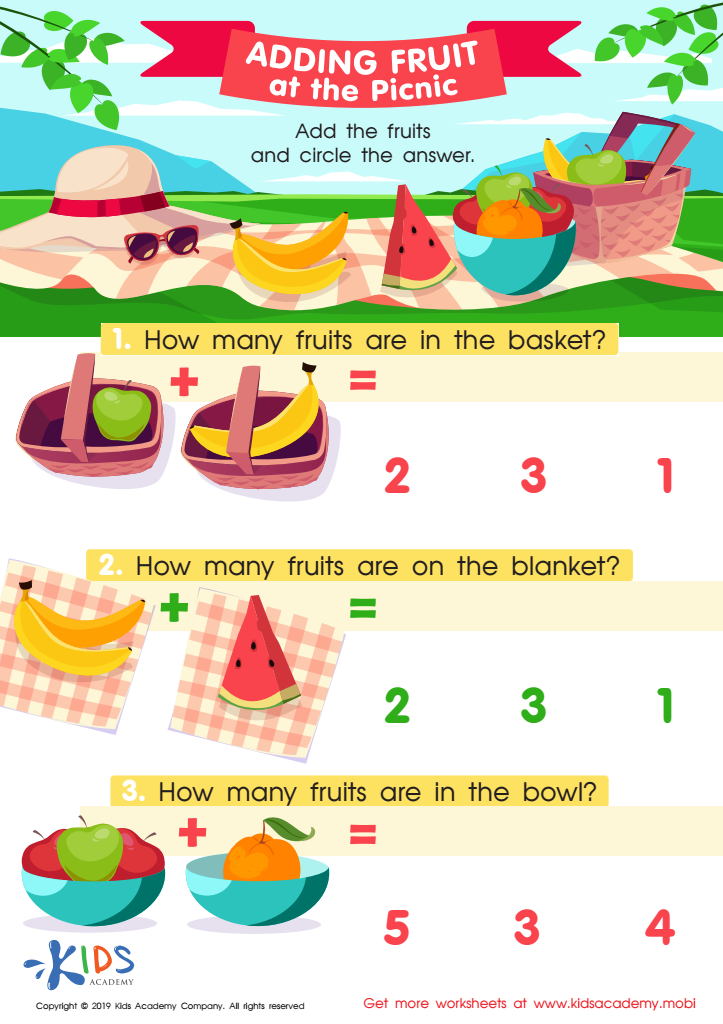
Adding Fruit at the Picnic Worksheet






Object identification is a fundamental skill that forms the foundation for a child's cognitive and social development. For children aged 3-8, learning to recognize and identify objects is a crucial step in their educational journey. Here's why parents and teachers should prioritize it:
-
Language Development: Identifying objects helps children build their vocabulary. As they learn the names and functions of different objects, they become better communicators. This skill aids in more complex language tasks later on, such as reading and writing.
-
Cognitive Skills: It enhances problem-solving and critical thinking skills. By distinguishing between different objects, children learn to categorize and understand attributes like size, shape, and color. This forms the basis for more complex learning.
-
Social Interaction: Knowing the names and uses of objects improves a child’s ability to interact with peers and adults. It helps them in sharing, asking for things, and understanding instructions, which promotes smoother social engagements.
-
Confidence Building: Successfully identifying objects boosts a child’s confidence. When they can correctly name or describe something, it gives them a sense of achievement and encourages them to take on more learning challenges.
-
Safety and Independence: Recognizing everyday objects, such as different foods, toys, and household items, makes children more self-sufficient and aware of their environment, promoting safety and exploration.
Therefore, aiding children in object identification is not just about learning names but developing a broad array of essential life skills.








