Observational skills Easy Worksheets for Ages 3-8
5 filtered results
-
From - To
Enhance your child's observational skills with our engaging Easy Worksheets designed specifically for ages 3-8. These worksheets help young learners develop critical thinking and attention to detail through fun, age-appropriate activities. From spotting differences and completing patterns to identifying colors and shapes, each worksheet is crafted to promote focus and curiosity. Our resources support cognitive development and prepare young minds for further learning. Easy to print and enjoy at home or in the classroom, these worksheets make skill-building enjoyable and effective. Discover the joy of learning with our Observational Skills Easy Worksheets today! Perfect for parents and educators alike!
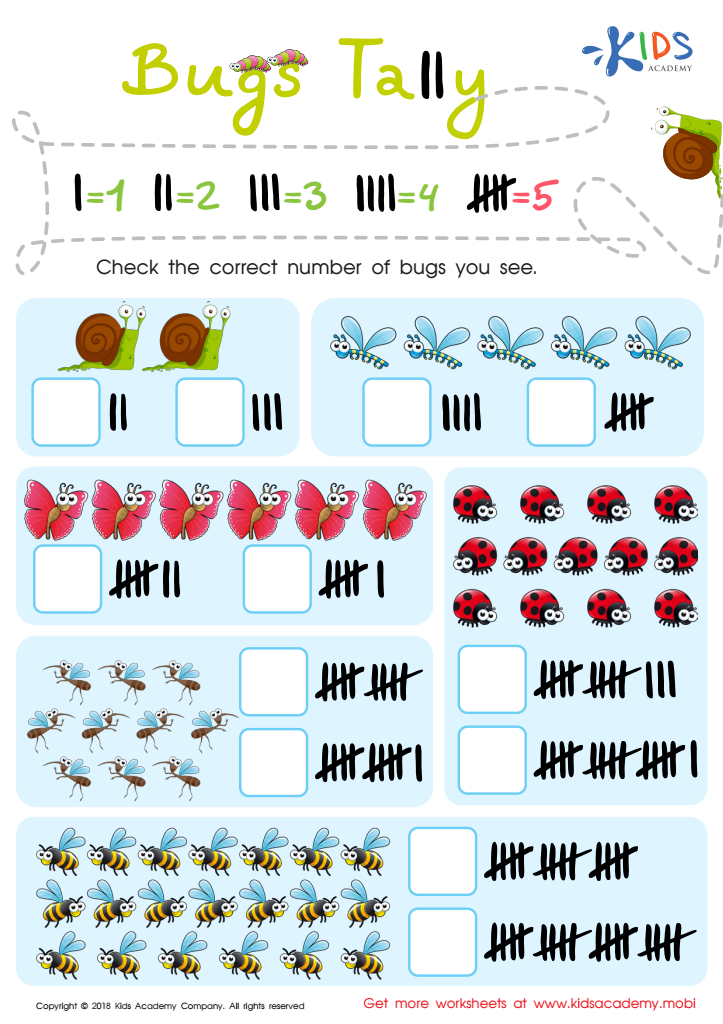
Bugs Tally Worksheet
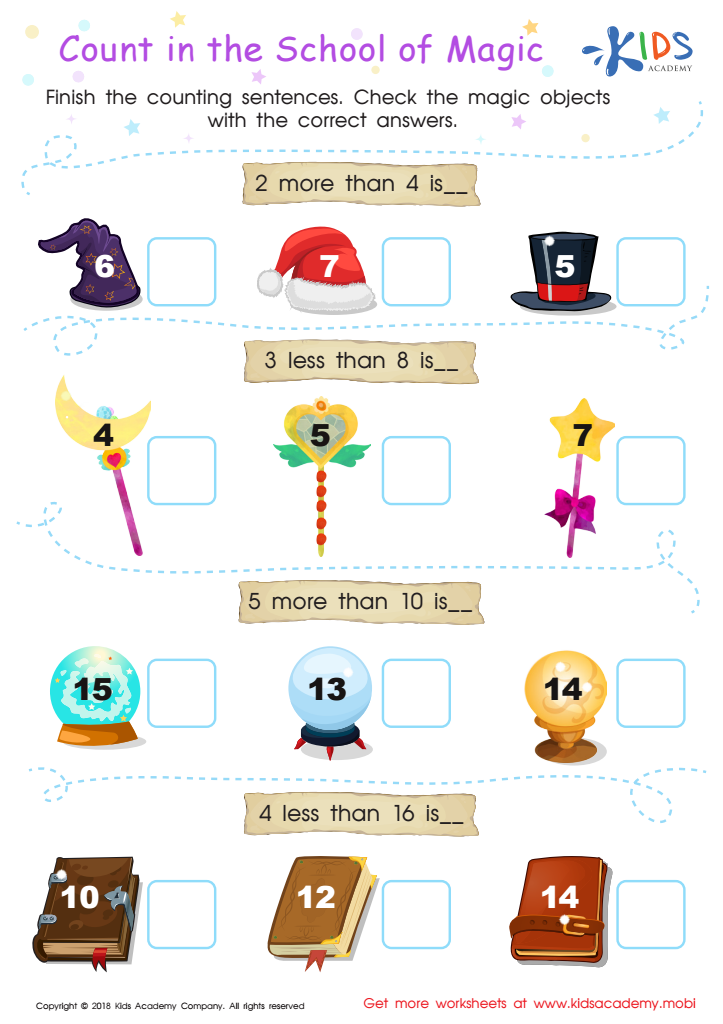
Count in the School of Magic Worksheet
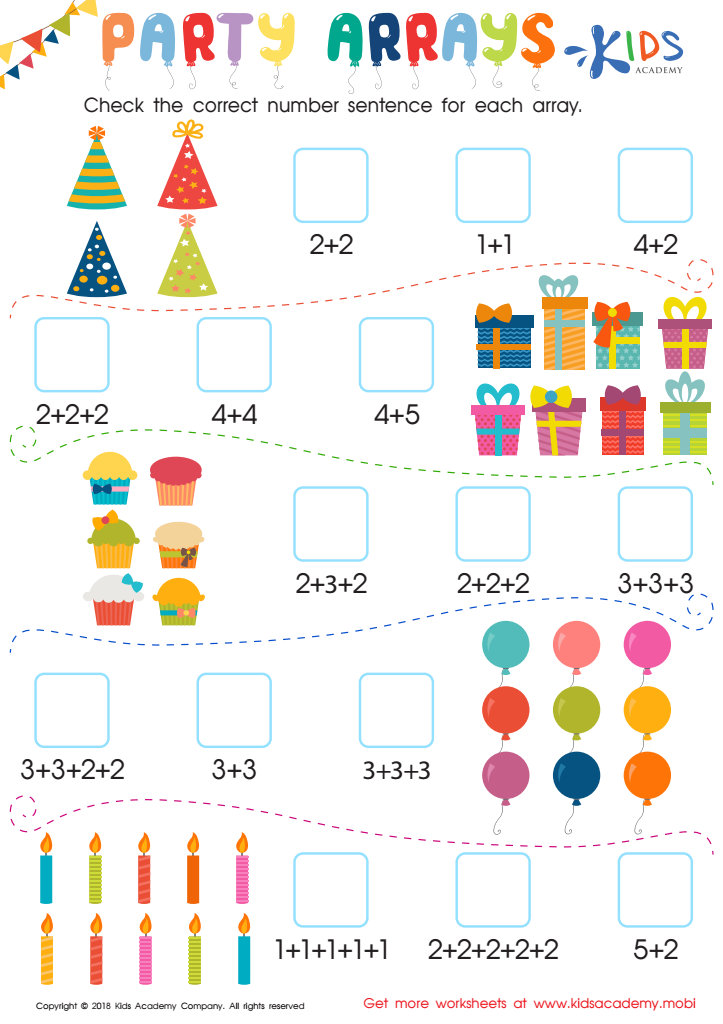
Party Arrays Worksheet
Summer and Winter Worksheet
 Assign to My Students
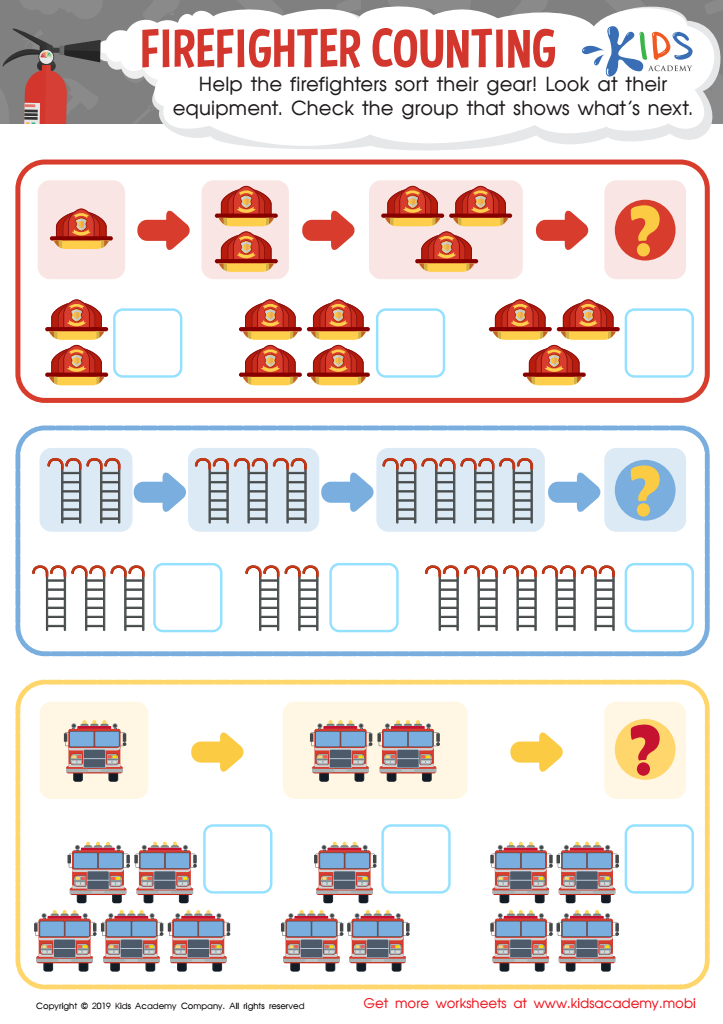
Firefighter Counting Worksheet







Observational skills are crucial for children aged 3-8 as they form the foundation for learning and cognitive development. For parents and teachers, nurturing these skills is vital because they help children make sense of their environment, leading to more effective learning experiences. Young children are naturally curious and observant, often learning through exploration and play. By enhancing their observational skills, adults can foster critical thinking, problem-solving abilities, and social skills in young learners.
When children hone their observational abilities, they become better at noticing details, identifying relationships, and making connections across different subjects. This not only supports literacy and numeracy development but also encourages creativity and innovation. For instance, a simple walk outside can inspire questions about nature, fostering a love for science.
Moreover, observational skills benefit children's emotional intelligence, helping them understand social cues and empathize with peers. Educators and parents who actively engage in activities that encourage observation—such as storytelling, games, or outdoor exploration—help children build these essential skills at an early age. By prioritizing observational skills, adults ultimately empower children to become lifelong learners who are confident, curious, and equipped to navigate the world around them.








