Phonics Skills Easy Worksheets for Ages 3-8
5 filtered results
-
From - To
Unlock the power of reading with our Phonics Skills Easy Worksheets, designed specifically for children aged 3-8! These engaging resources help young learners build a strong foundation in phonics through fun activities that promote letter recognition, sound blending, and word formation. Each worksheet is crafted to be interactive and age-appropriate, making learning a joyful experience. Perfect for home or classroom use, our worksheets instill essential phonics skills that pave the way for successful reading. Explore a variety of exercises that cater to different learning styles, ensuring that every child can thrive. Start your child’s phonics journey today!
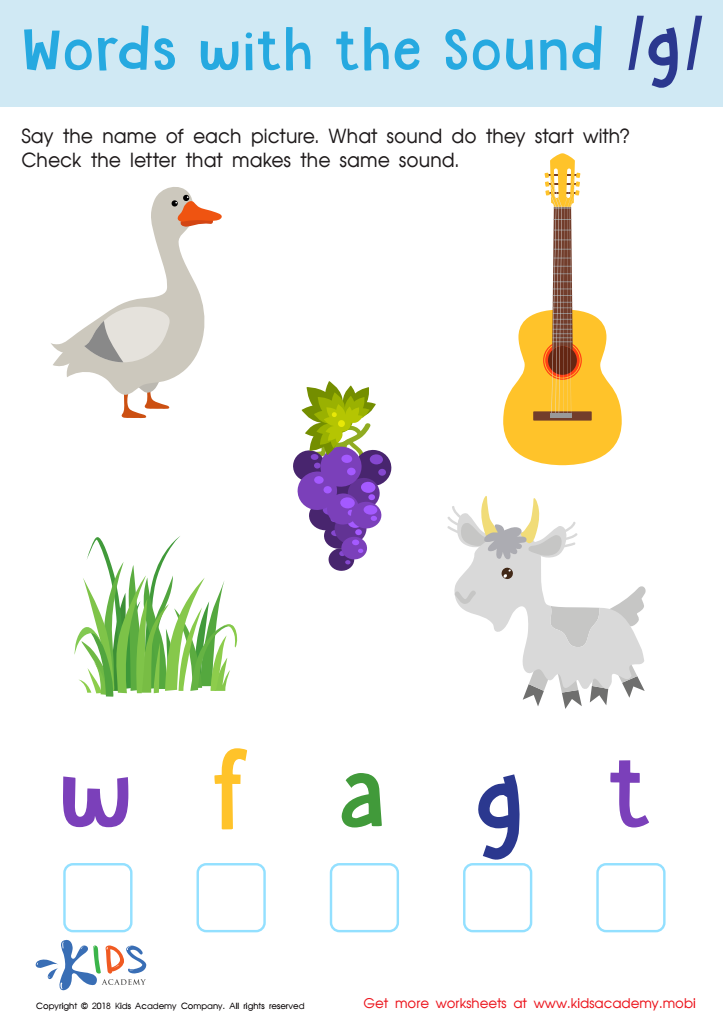
Words with sound g Reading Worksheet
 Assign to My Students
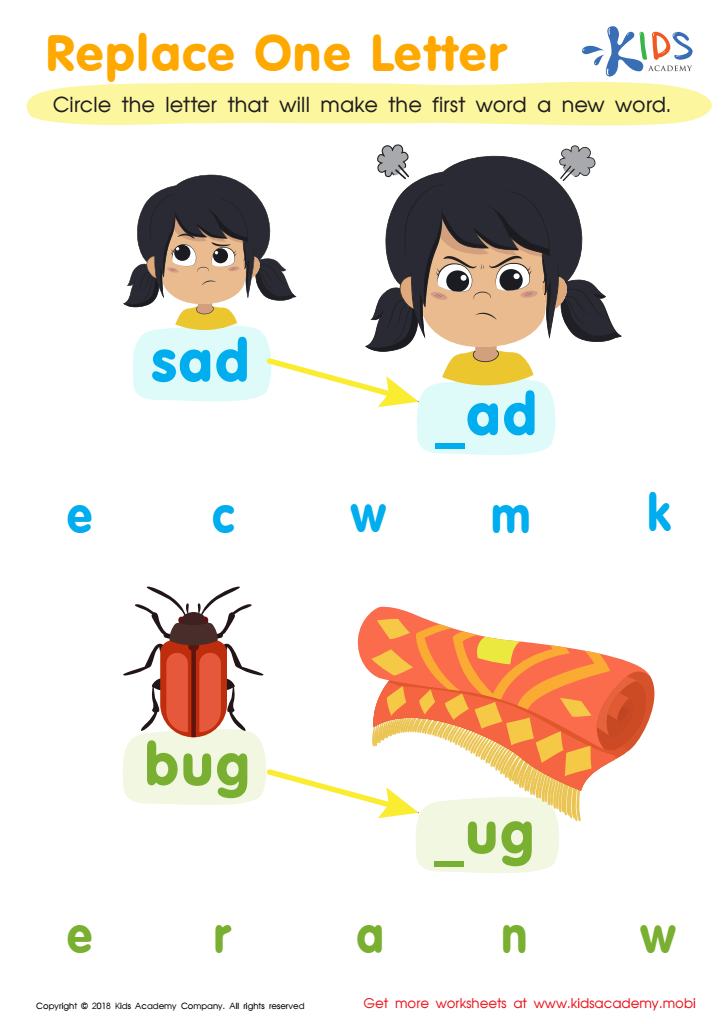
Replace One Letter Worksheet
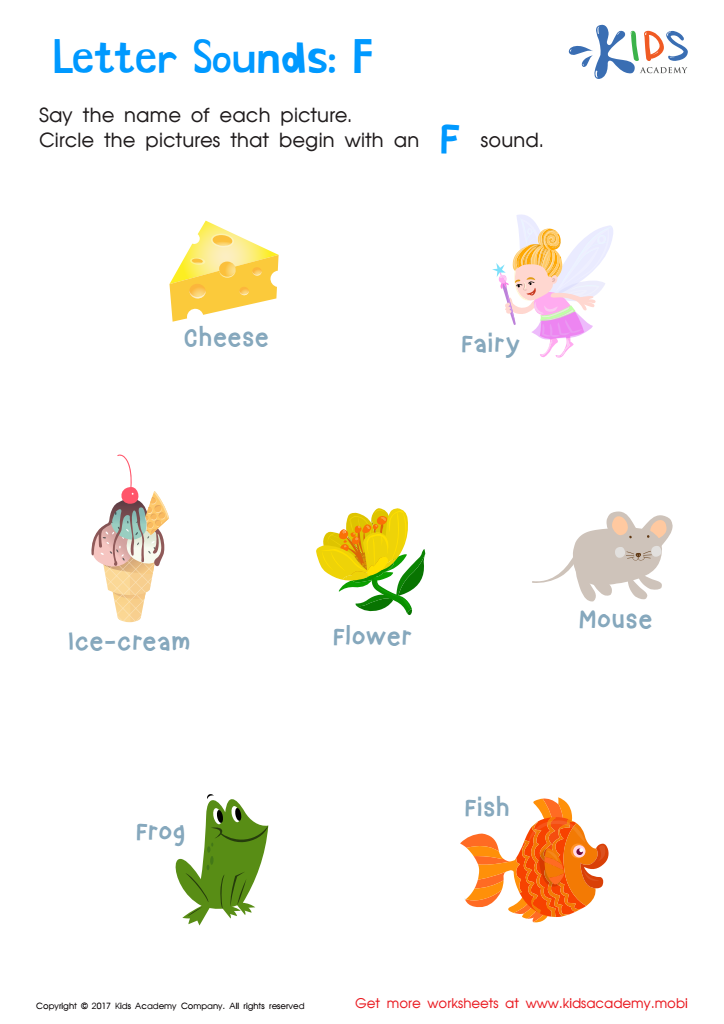
Letter F Sounds Worksheet
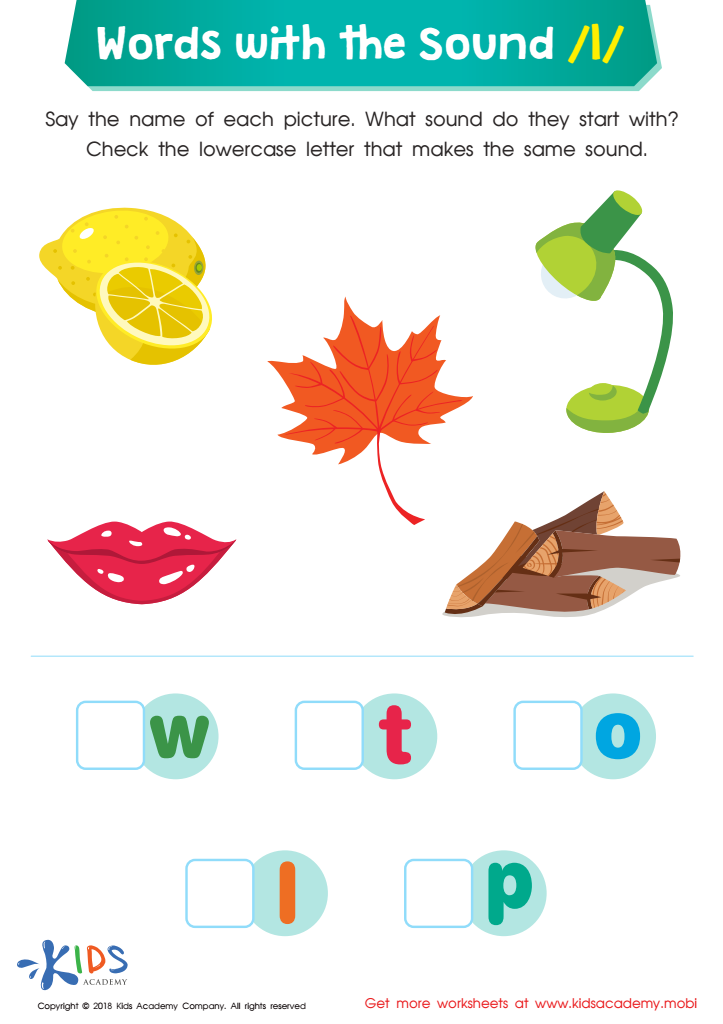
Words with Sound L Reading Worksheet
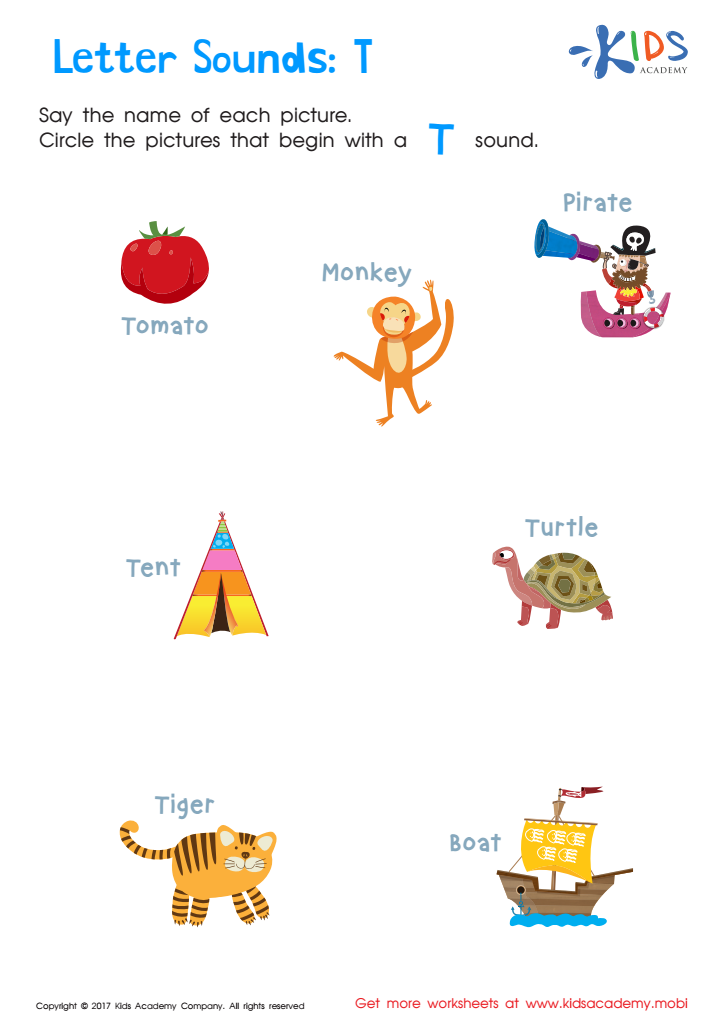
Letter T Sounds Worksheet







Phonics skills are crucial for children aged 3-8, serving as the foundation for reading proficiency and overall literacy development. Understanding phonics equips young learners with the ability to recognize the relationship between sounds and letters, facilitating their ability to decode words. This skill is essential for building confidence while reading, as it allows children to tackle new words and build vocabulary.
For parents and teachers, fostering phonics skills early on is vital to ensure future academic success. Children with strong phonics skills are more likely to become fluent readers, engage meaningfully with texts, and develop a love for reading. Moreover, early phonics instruction can help identify and address learning difficulties, setting the stage for targeted interventions before challenges become more pronounced.
Additionally, phonics skills enhance communication, critical thinking, and listening abilities—tools essential for children's broader learning experiences. As literacy shapes children's educational journey, ensuring they master phonics during these formative years can lead to greater empowerment and opportunities in both their academic and personal lives. By prioritizing phonics instruction, parents and teachers create a supportive environment that nurtures curiosity, fosters independence, and instills a lifelong passion for reading.








