Writing practice Easy Tracing Numbers Worksheets for Ages 3-8
3 filtered results
-
From - To
Our Writing Practice Easy Tracing Numbers Worksheets are the perfect tool for young children aged 3-8 to develop essential number recognition and writing skills. Each worksheet features large, traceable numbers to help beginners learn to write numerals with confidence. Designed to be engaging and enjoyable, these worksheets promote fine motor skills, hand-eye coordination, and early math concepts. With vibrant visuals and clear instructions, kids will have fun while mastering their numbers. Ideal for both classroom and home use, our tracing numbers worksheets make learning easy and effective. Insightful guidance ensures a solid foundation for future math success.
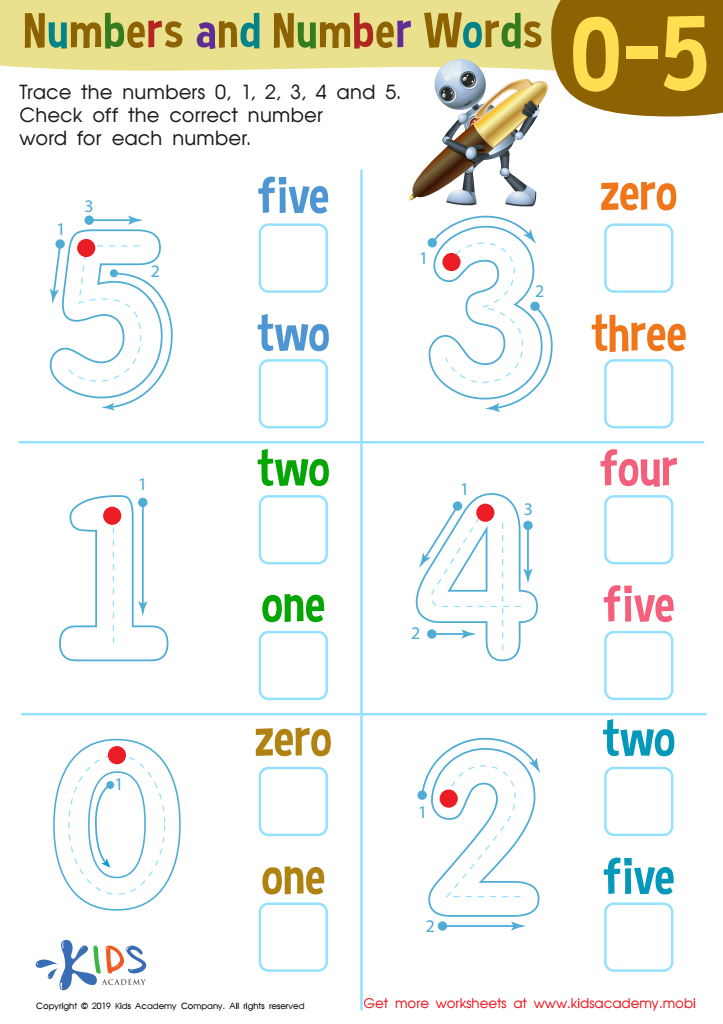
Numbers and Number Words Worksheet
 Assign to My Students
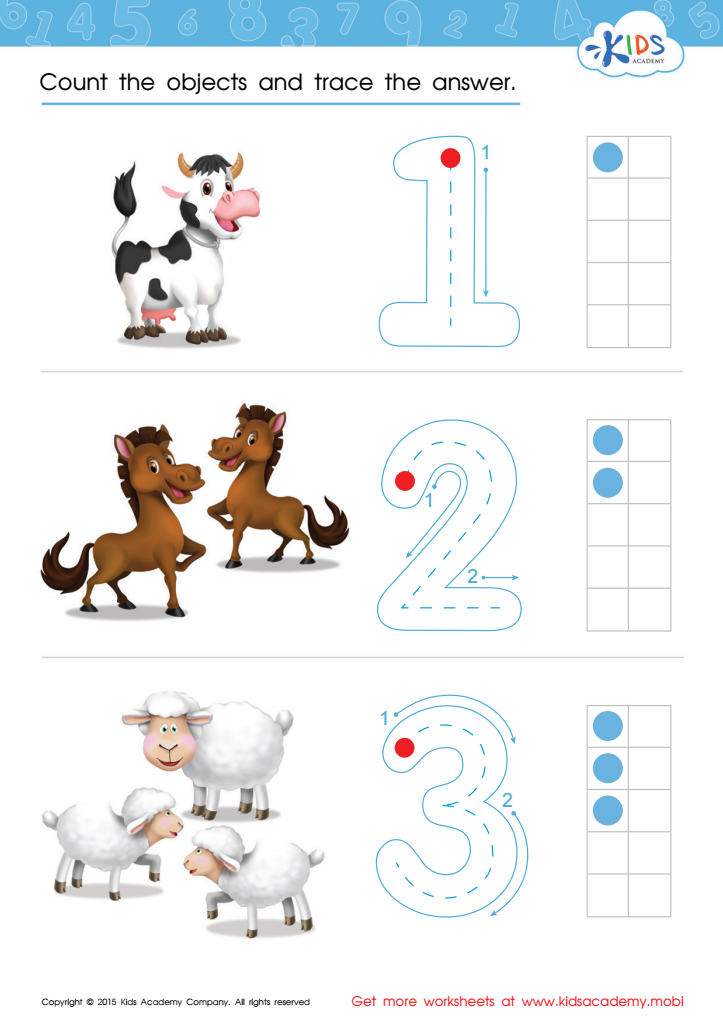
Count and Trace 1 – 3 Worksheet
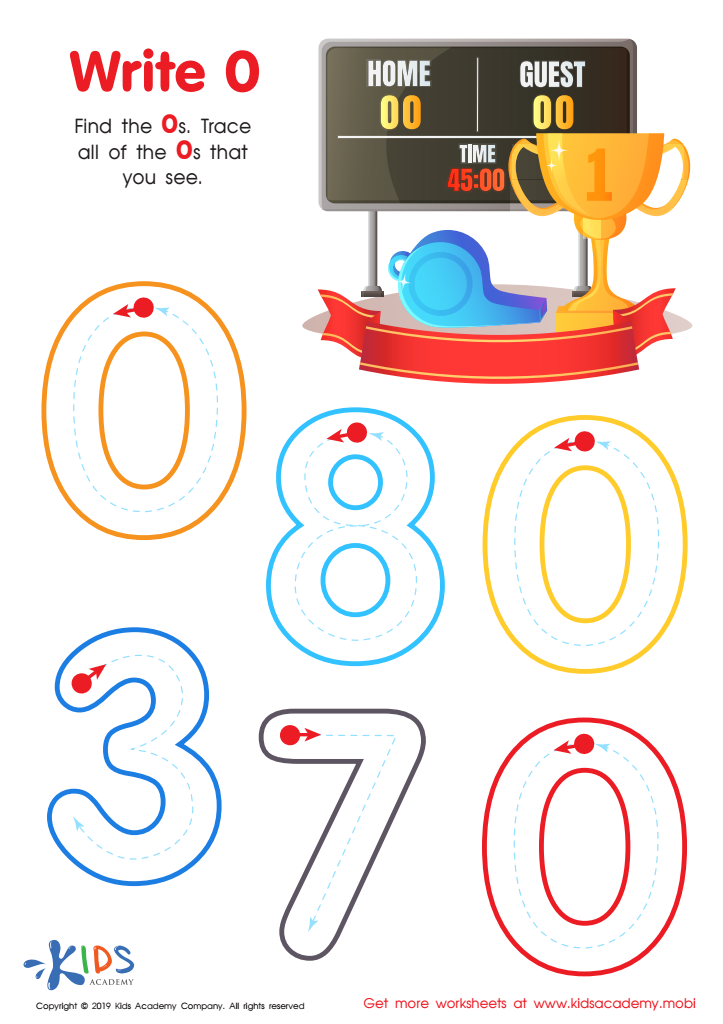
Write 0 Worksheet








Parents and teachers should care about writing practice and easy tracing numbers for ages 3-8 because these activities lay the foundational skills essential for future academic success and personal development. Tracing numbers helps young children develop fine motor skills, which are crucial for later handwriting proficiency. Through repeated tracing exercises, children enhance their hand-eye coordination, control, and dexterity, all of which are vital when they begin to write independently.
Furthermore, early interaction with numbers fosters numerical literacy. By tracing and practicing writing numbers, children become familiar with number shapes, sequences, and concepts. This early exposure builds a strong foundation for mathematical skills, which are vital throughout their education. Tracing numbers also improves cognitive abilities, including memory, attention, and problem-solving skills, as children learn to recognize patterns and sequences.
Beyond academics, writing practice instills discipline and concentration. As children focus on tracing lines and numbers, they learn the value of practice, patience, and perseverance, skills that are beneficial both in and out of the classroom. Early achievements in writing and number recognition boost a child’s confidence, encouraging a positive attitude toward learning that will serve them well throughout their schooling. Encouraging these practices at a young age ensures well-rounded development in both cognitive and motor domains.