Vocabulary expansion Easy Building Vocabulary Worksheets for Ages 3-8
7 filtered results
-
From - To
Unlock your child's potential with our Vocabulary Expansion Worksheets, designed specifically for ages 3 to 8. These easy-to-use, printable resources help young learners build a robust vocabulary through engaging activities and fun exercises. As children explore new words, they enhance their reading comprehension and communication skills, setting a strong foundation for academic success. Our worksheets feature colorful illustrations and interactive tasks that make learning enjoyable. Whether at home or in the classroom, these vocabulary-building tools are perfect for promoting language development in young learners. Start your child’s vocabulary journey today and watch their language skills soar!
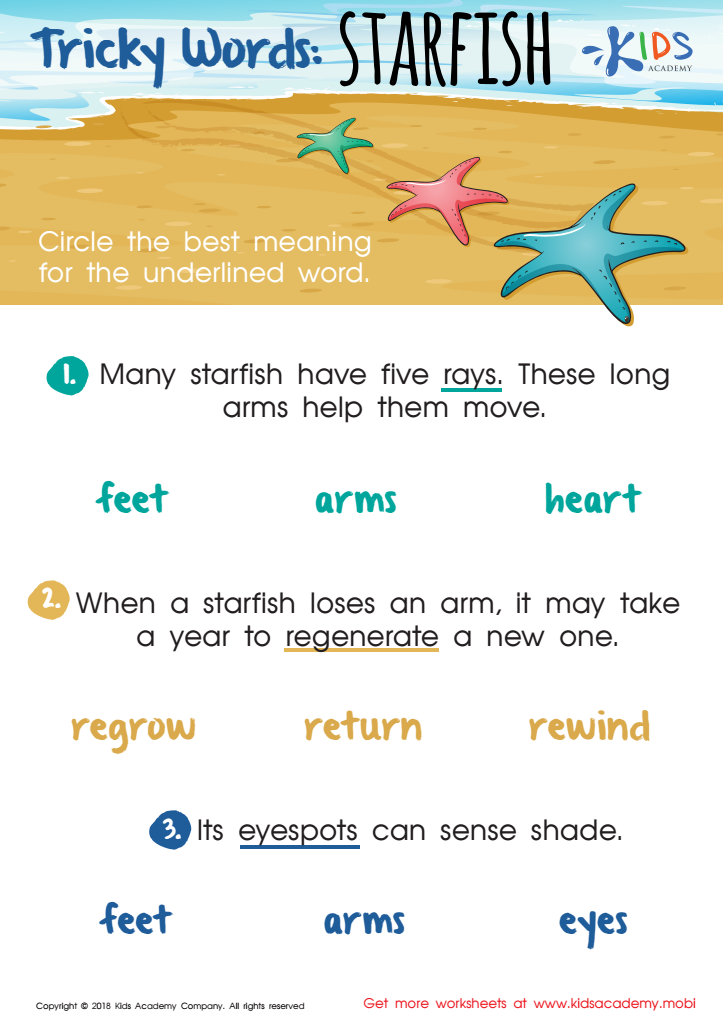
Tricky Words: Starfish Worksheet
 Assign to My Students











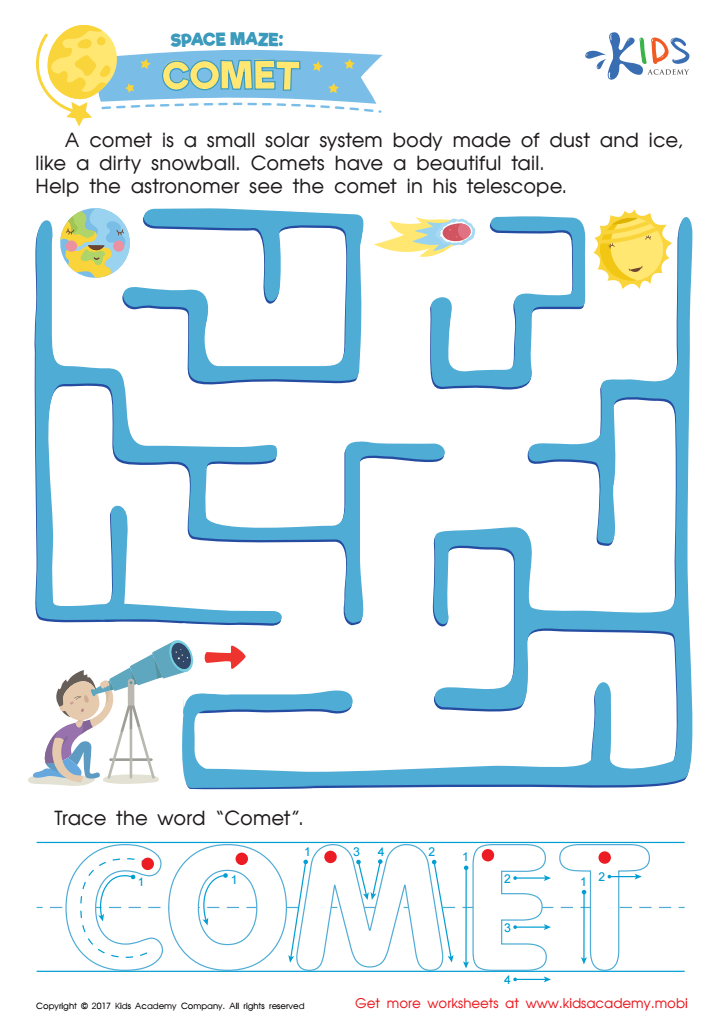
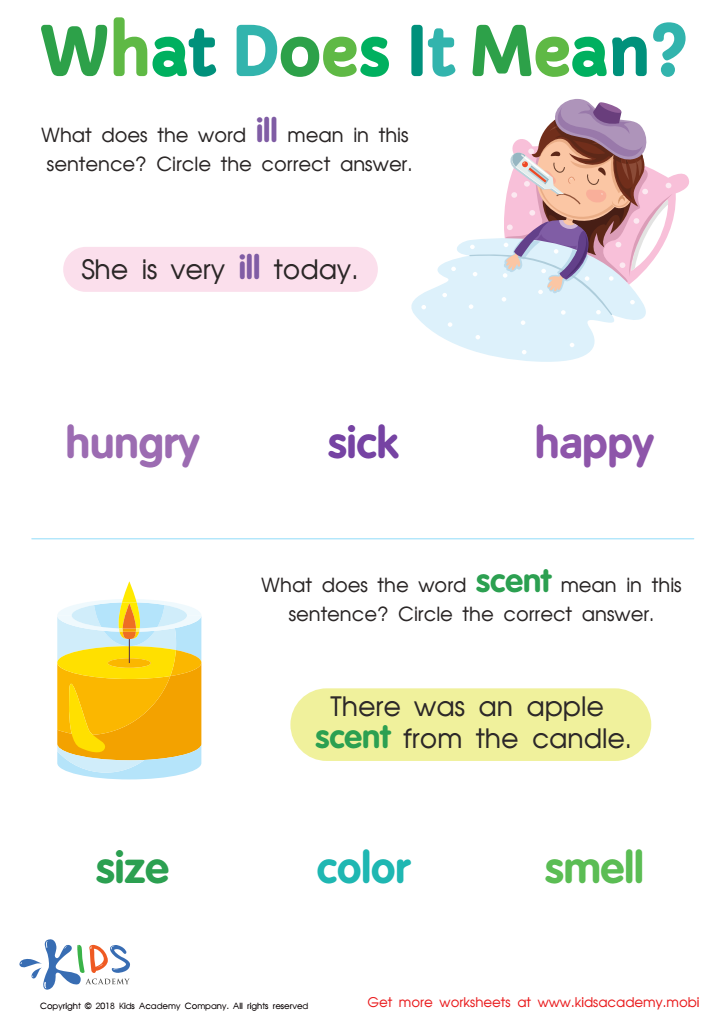
What Does It Mean? Worksheet
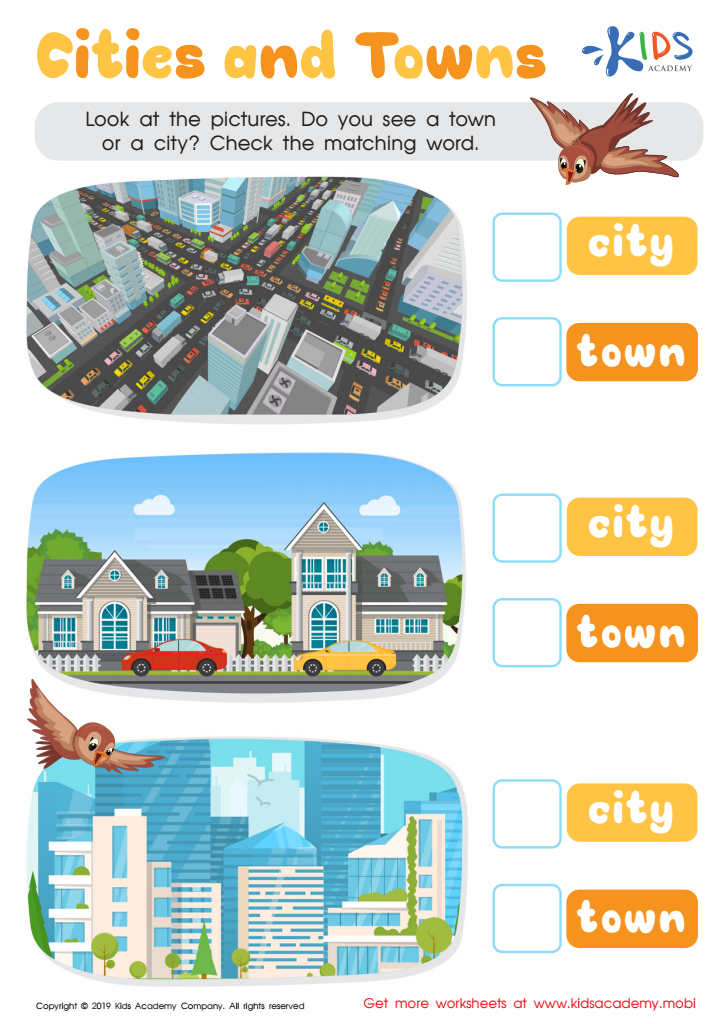
Cities and Towns Worksheet
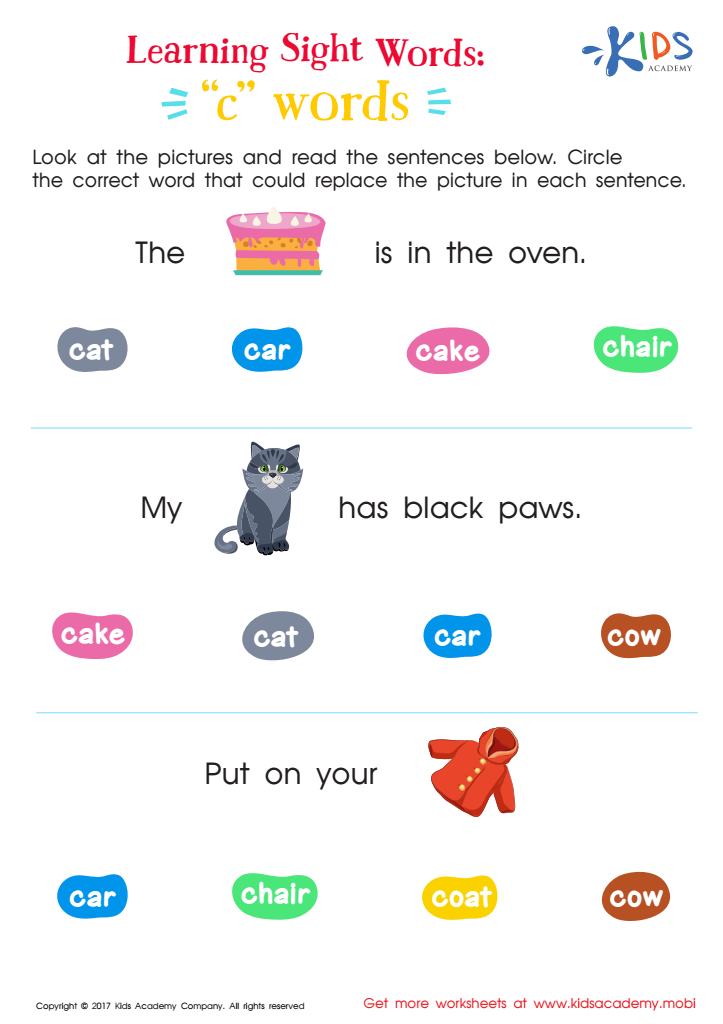
"C" Words Printable Sight Words Worksheet
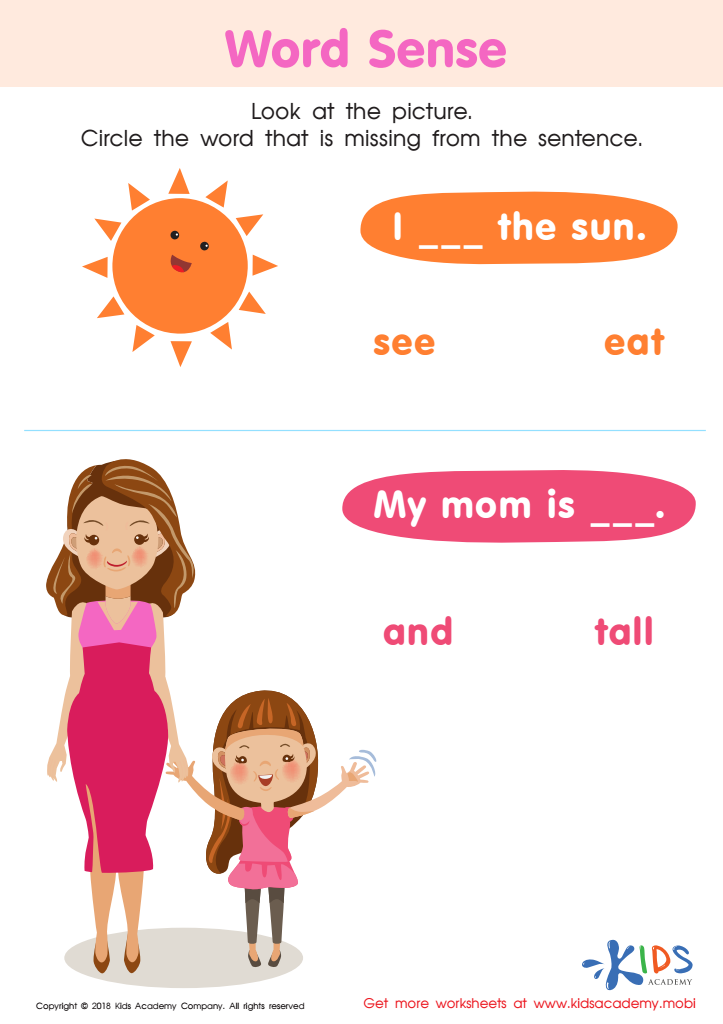
Word Sense Worksheet
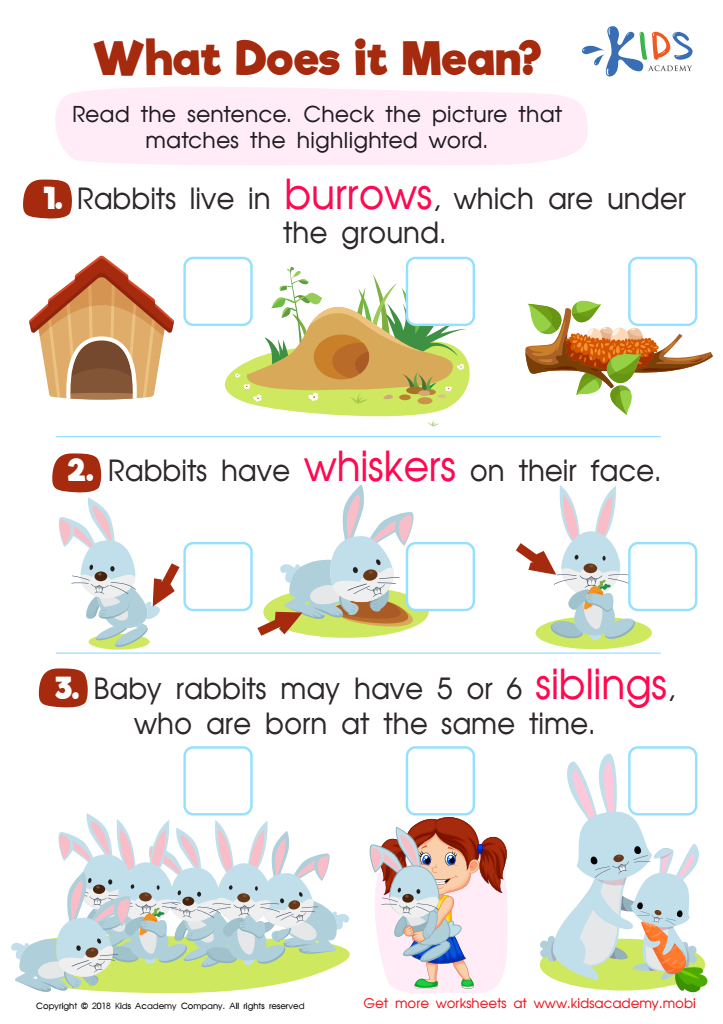
What Does It Mean? Worksheet


.jpg)




Vocabulary expansion for children ages 3-8 is crucial for their overall linguistic and cognitive development. At this early stage, children are rapidly acquiring language skills, which serve as the foundation for communication, literacy, and academic success. Parents and teachers should prioritize building vocabulary for several reasons.
Firstly, a rich vocabulary enhances comprehension skills, enabling children to understand and engage with stories, lessons, and conversations more effectively. This comprehension is essential for later reading comprehension and writing proficiency.
Secondly, a strong vocabulary boosts self-expression. Children with varied word choices can articulate their thoughts, feelings, and ideas more clearly, fostering better communication skills and confidence.
Moreover, vocabulary development is closely linked to critical thinking. Exposure to diverse words and concepts encourages children to make connections, ask questions, and engage in discussions that enhance cognitive abilities.
Lastly, building vocabulary can make learning more enjoyable. Engaging activities, like storytelling or interactive games, foster curiosity and love for language.
In summary, investing in vocabulary expansion during these formative years is vital. It equips children with essential tools for effective communication, academic readiness, emotional expression, and lifelong learning. A rich vocabulary ultimately sets the stage for a brighter future.