Fine Motor Skills Easy Math Worksheets for Ages 3-9 - Page 2
44 filtered results
-
From - To

Eight Geese Worksheet

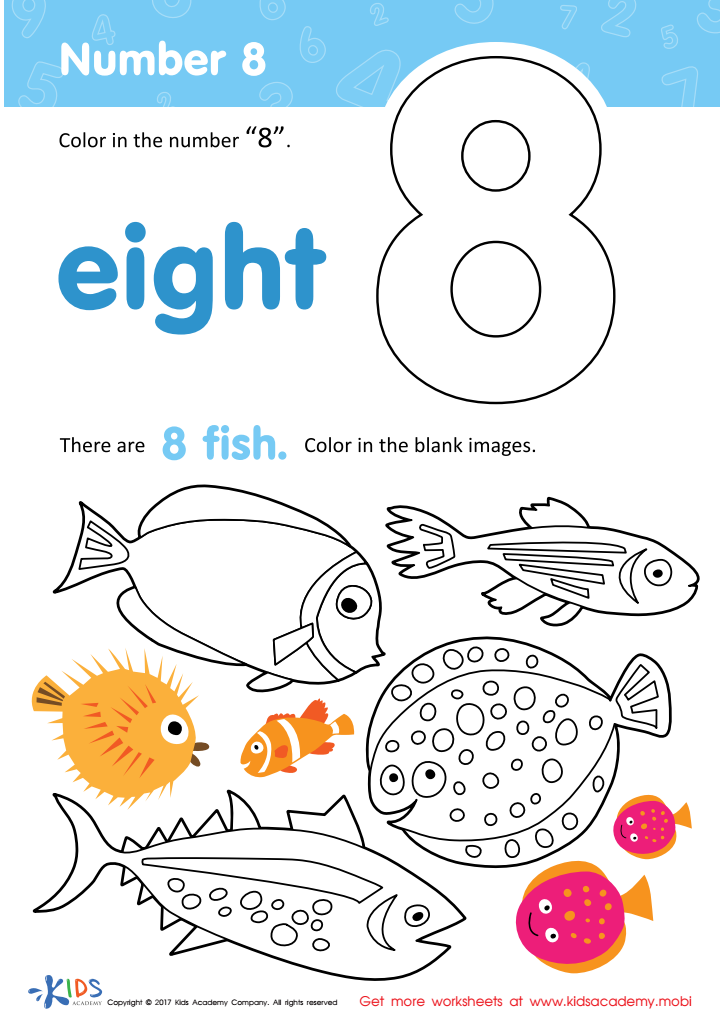
Number 8 Printable
 Assign to My Students
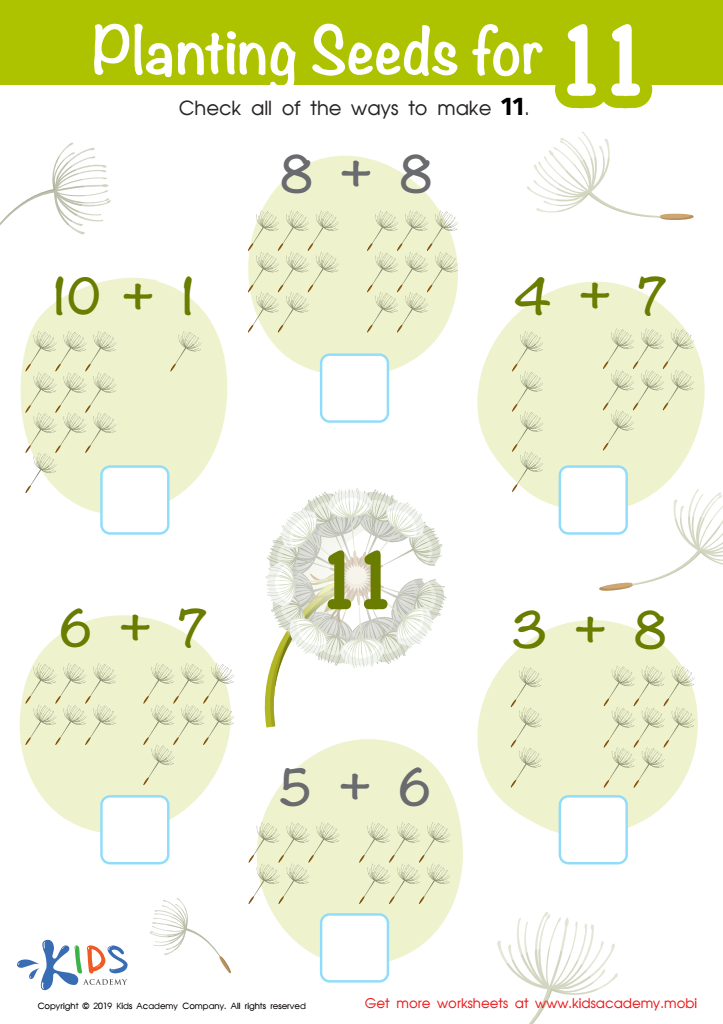
Planting Seeds for 11 Worksheet
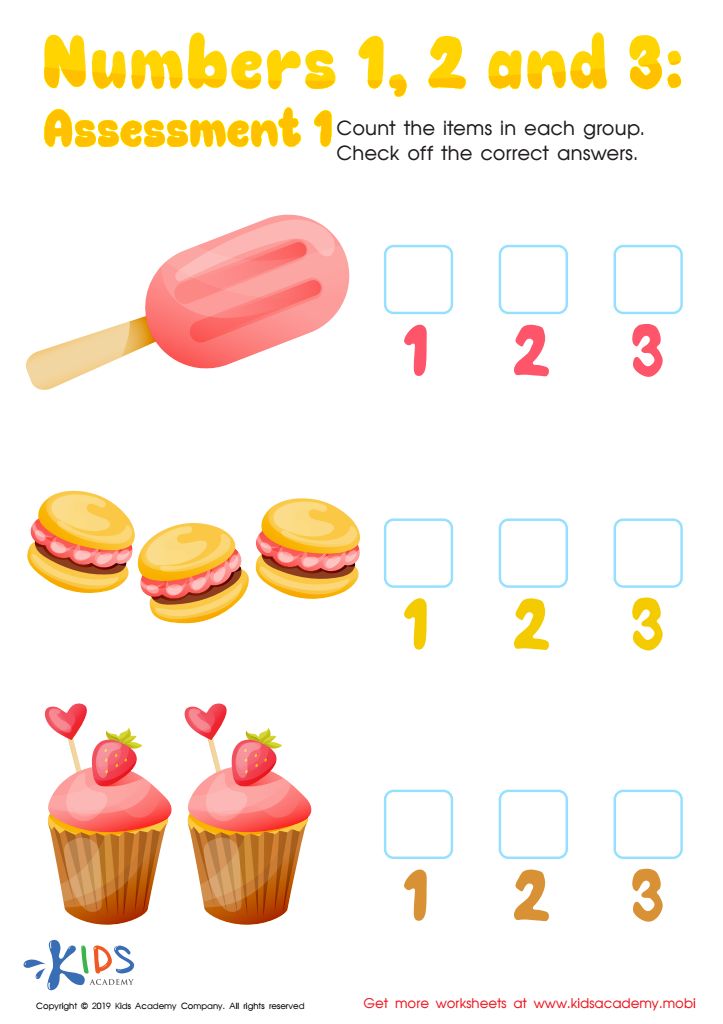
Numbers 1, 2 and 3: Assessment 1 Worksheet
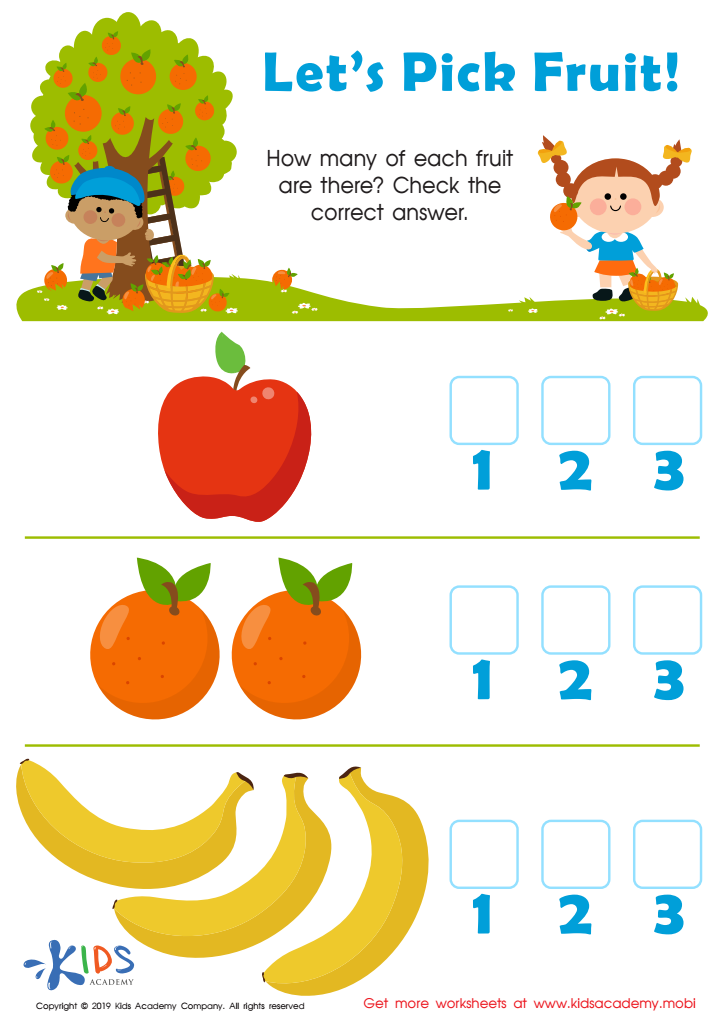
Let's Pick Fruit Worksheet
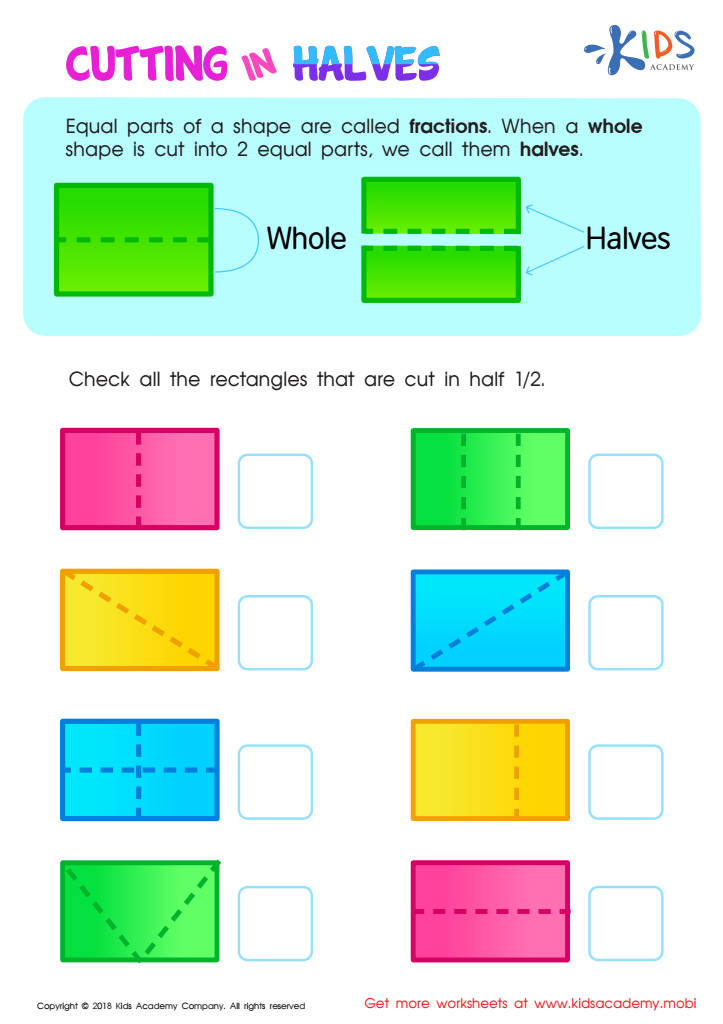
Cutting in Halves Worksheet

Build with 9 Worksheet
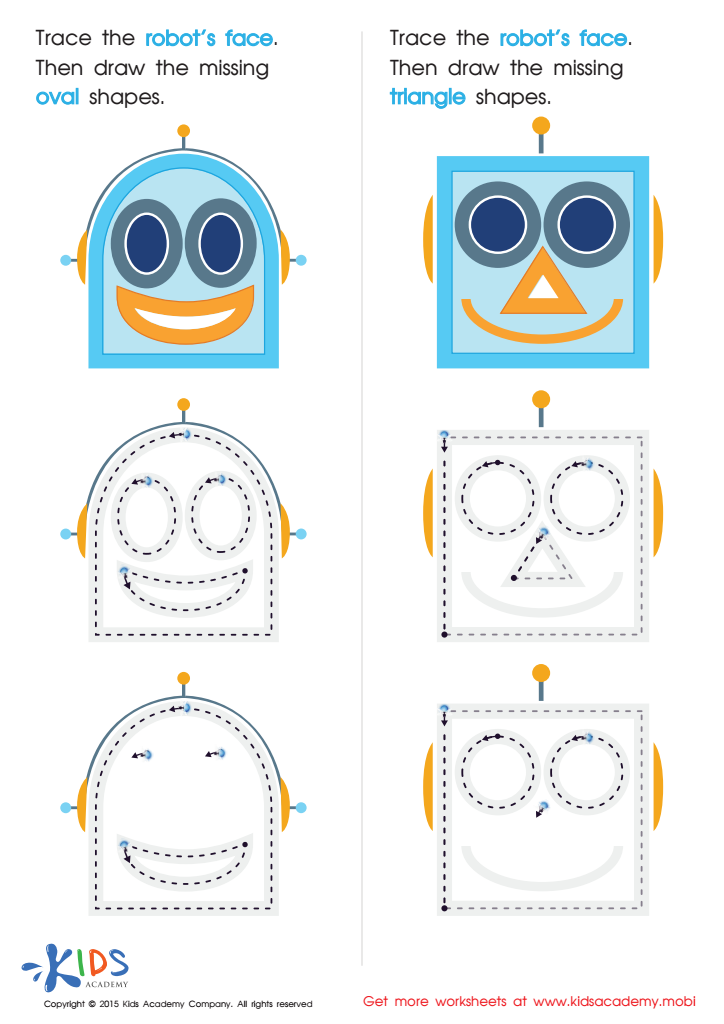
Drawing Ovals And Triangles with Fun Printable
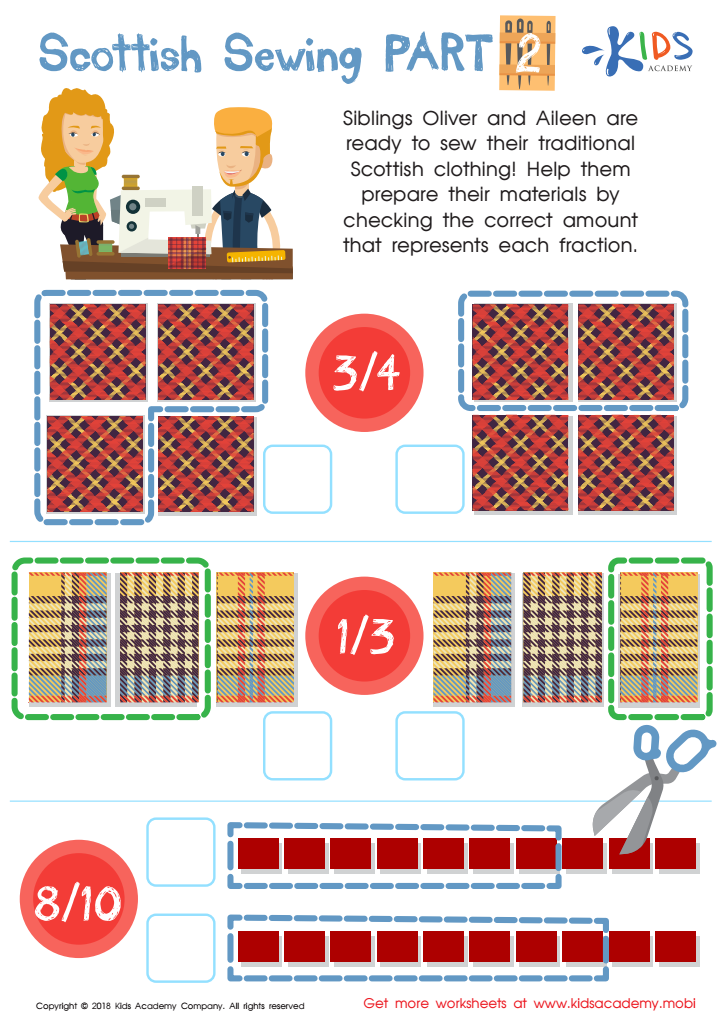
Scottish Sewing Part 2 Worksheet
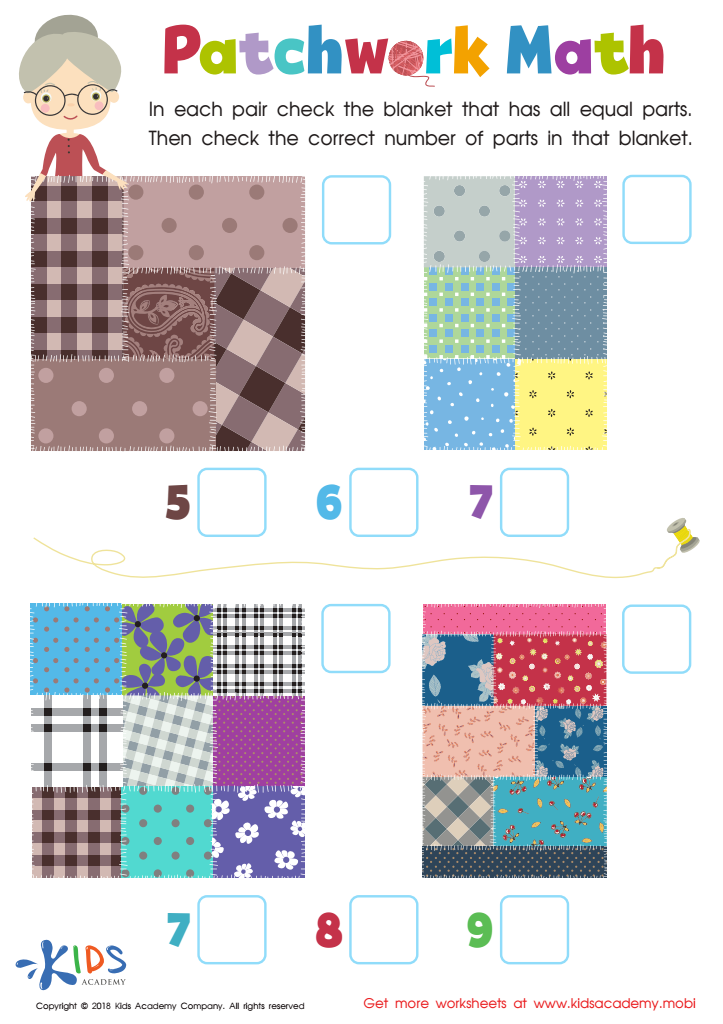
Patchwork Math Worksheet
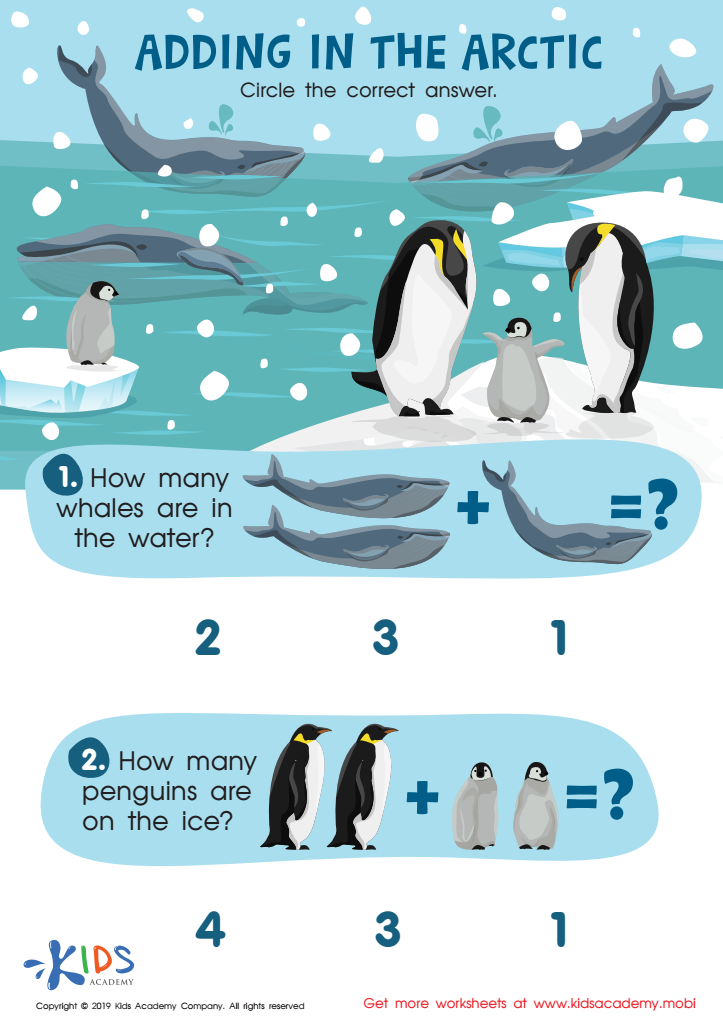
Adding in the Arctic Worksheet
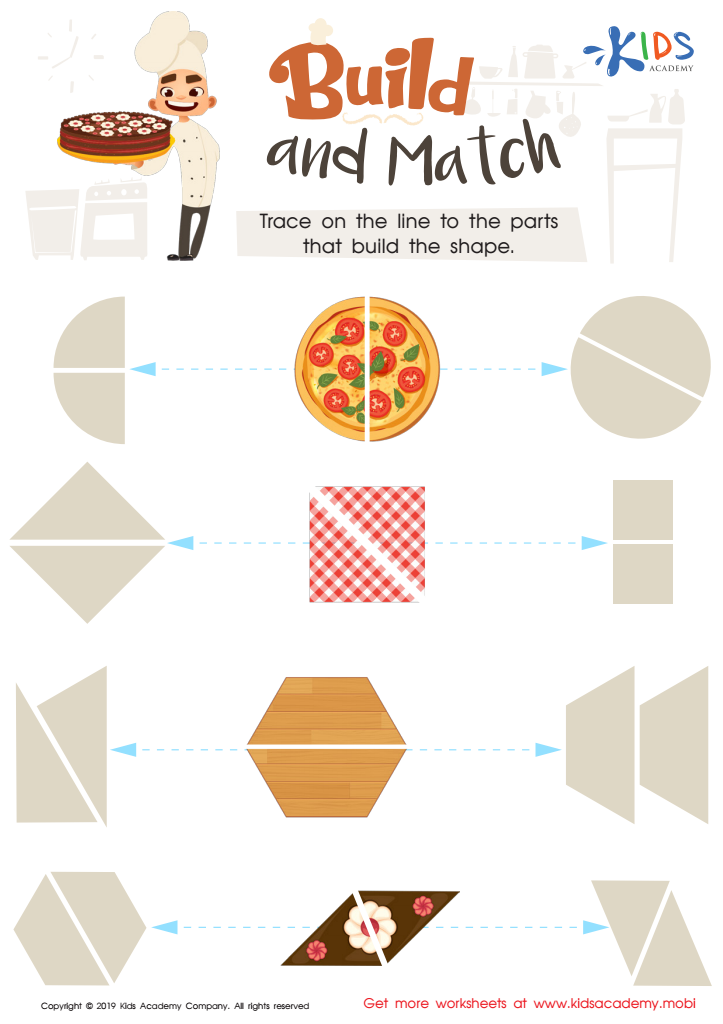
Build and Match Worksheet
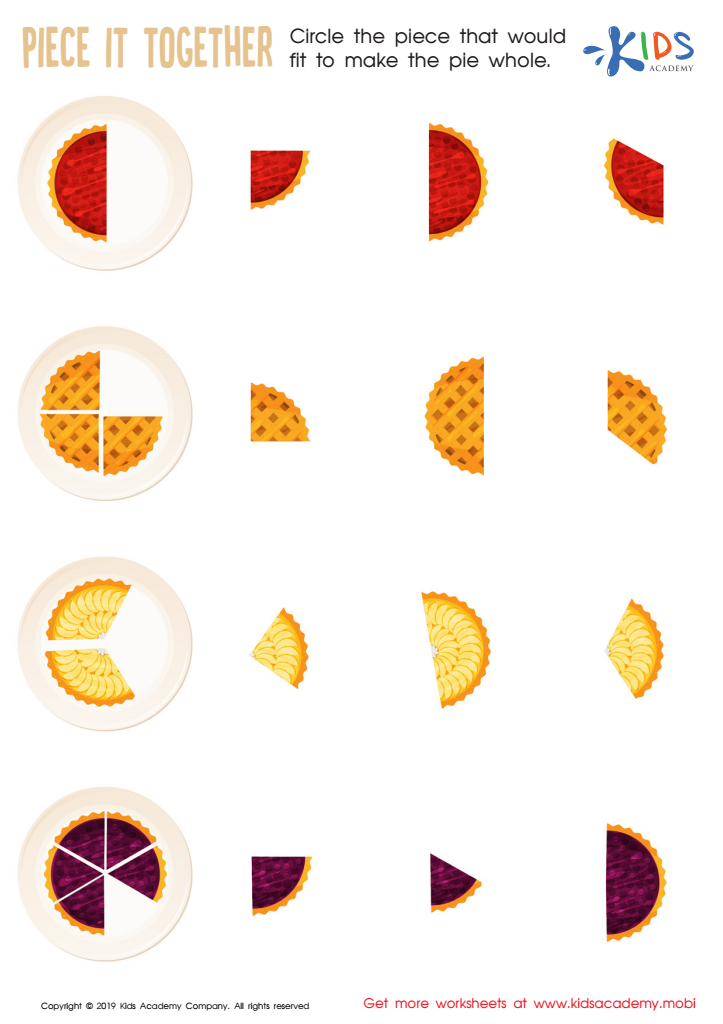
Piece it together Worksheet
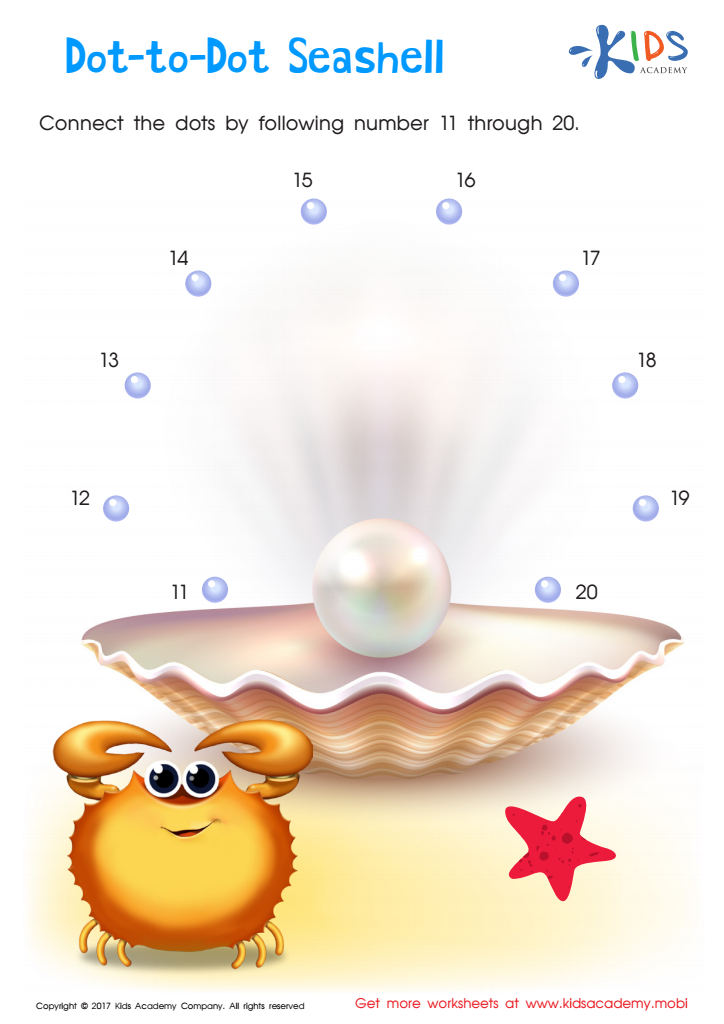
Ordering 11–20: Dot–to–dot Seashell Printable
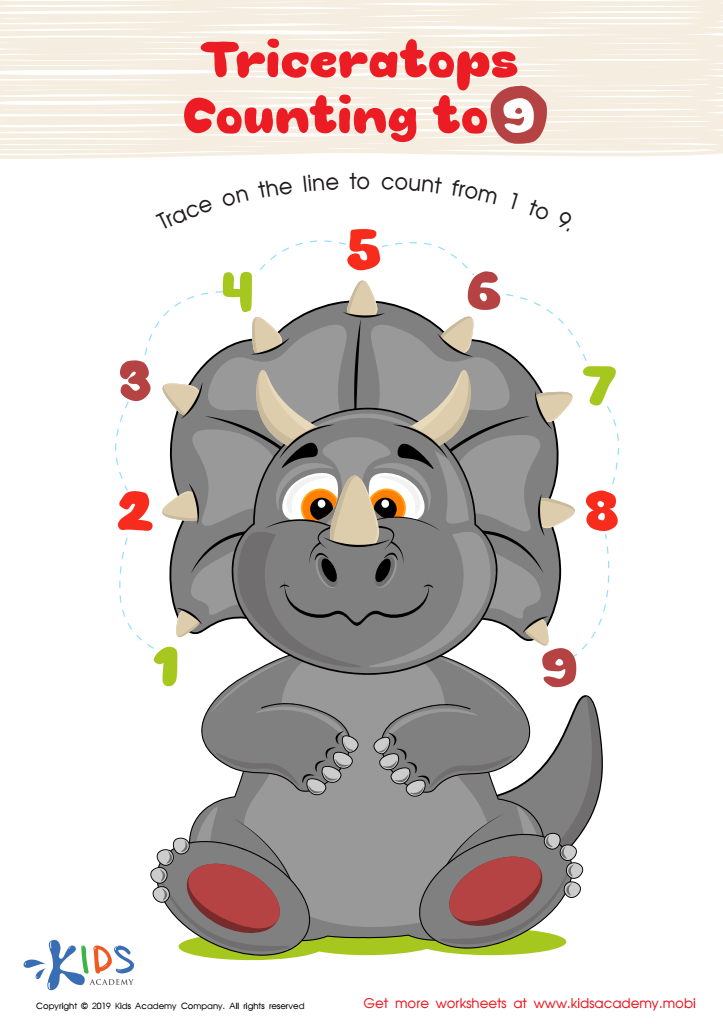
Triceratops Counting to 9 Worksheet

Counting on the City Skyline: Dot-to-Dot Worksheet
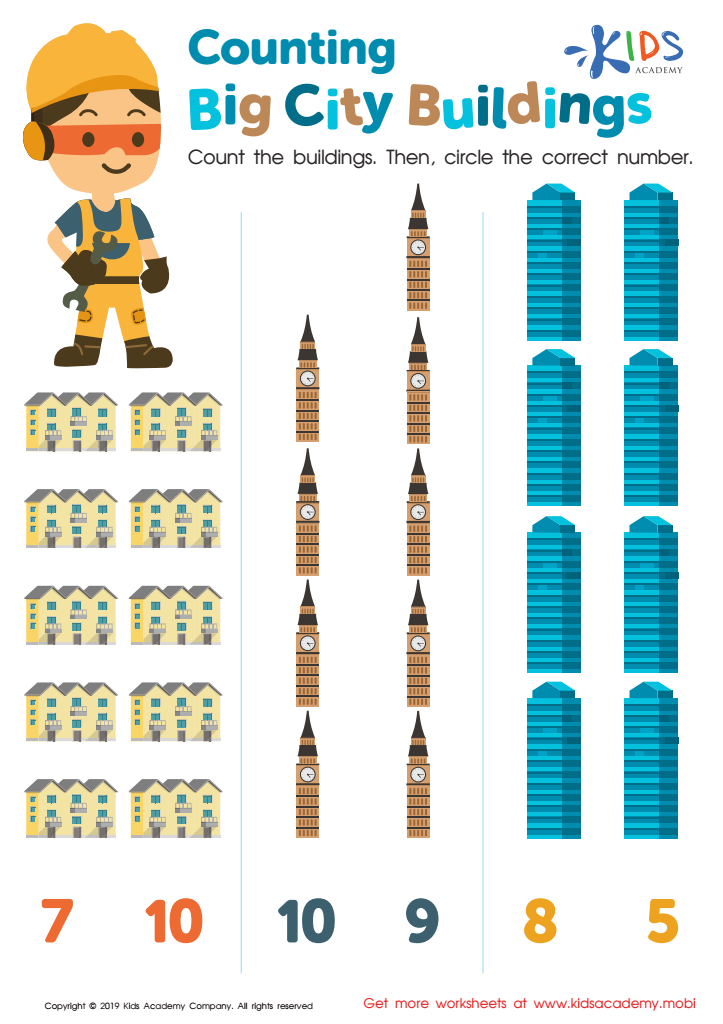
Counting Big City Buildings Worksheet
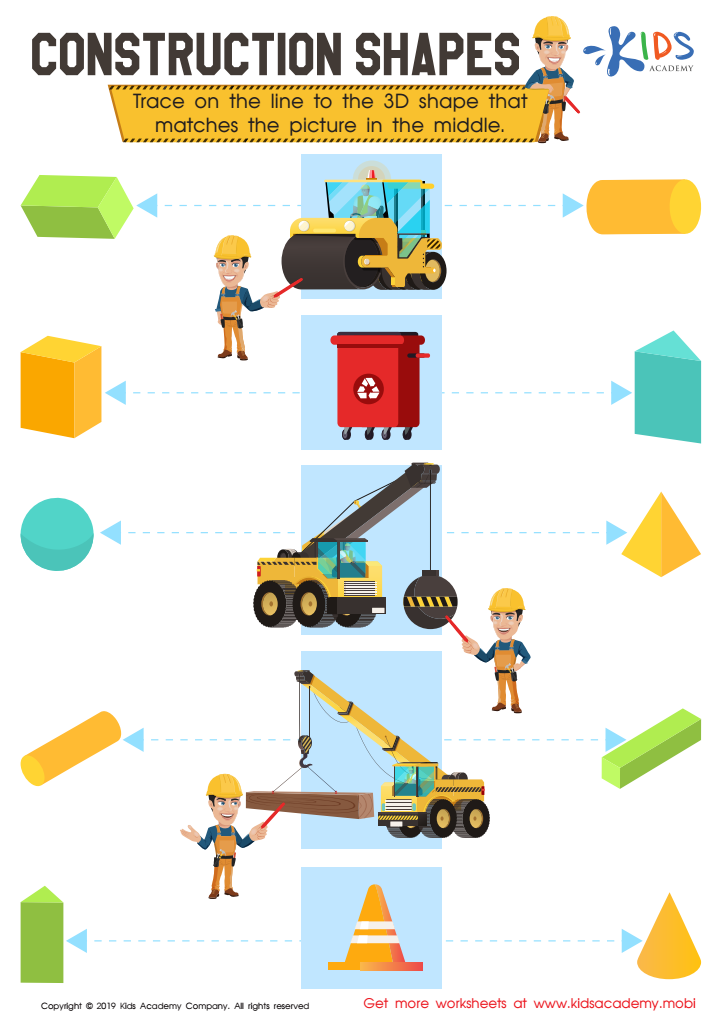
Construction Shapes Worksheet

Night Sky Numbers Worksheet







Fine motor skills are essential for children aged 3-9, as they lay the foundation for academic success and everyday tasks. These skills involve the coordination of small muscles in the hands and fingers, enabling kids to perform a variety of functions like writing, drawing, and manipulating objects. When children engage in activities that develop fine motor skills, they simultaneously enhance their ability to grasp basic math concepts.
Easy math activities, like threading beads, sorting shapes, or using scissors, promote fine motor skills while teaching fundamental math principles. By incorporating these strategies, parents and teachers can create a multi-dimensional learning experience where children gain essential skills in an enjoyable way. The use of fine motor activities fosters hand-eye coordination and encourages critical thinking, as children learn to make connections between physical actions and mathematical ideas.
Moreover, strong fine motor skills help boost a child's confidence in their academic abilities. When children can successfully complete tasks that require these skills, they develop a sense of achievement that can translate to other areas, including math. Consequently, nurturing fine motor skills not only prepares children for future learning but also supports their overall cognitive and social development, making it a priority for educators and parents alike.








