Problem-Solving Skills Easy Math Worksheets for Ages 3-9 - Page 2
49 filtered results
-
From - To
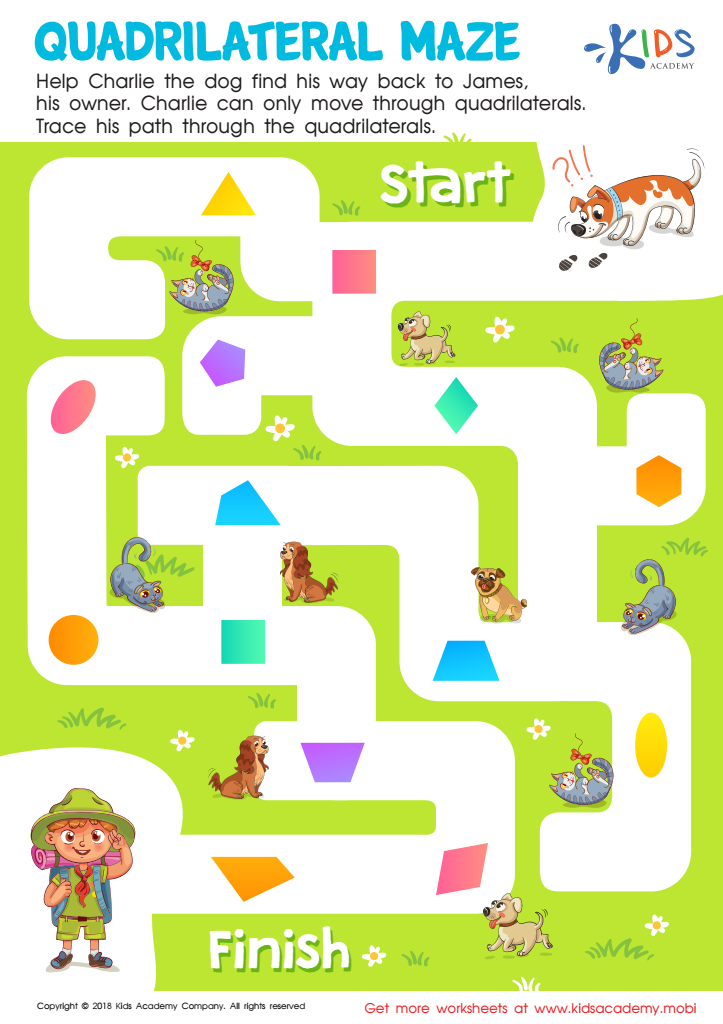
Quadrilateral Maze Worksheet
 Assign to My Students
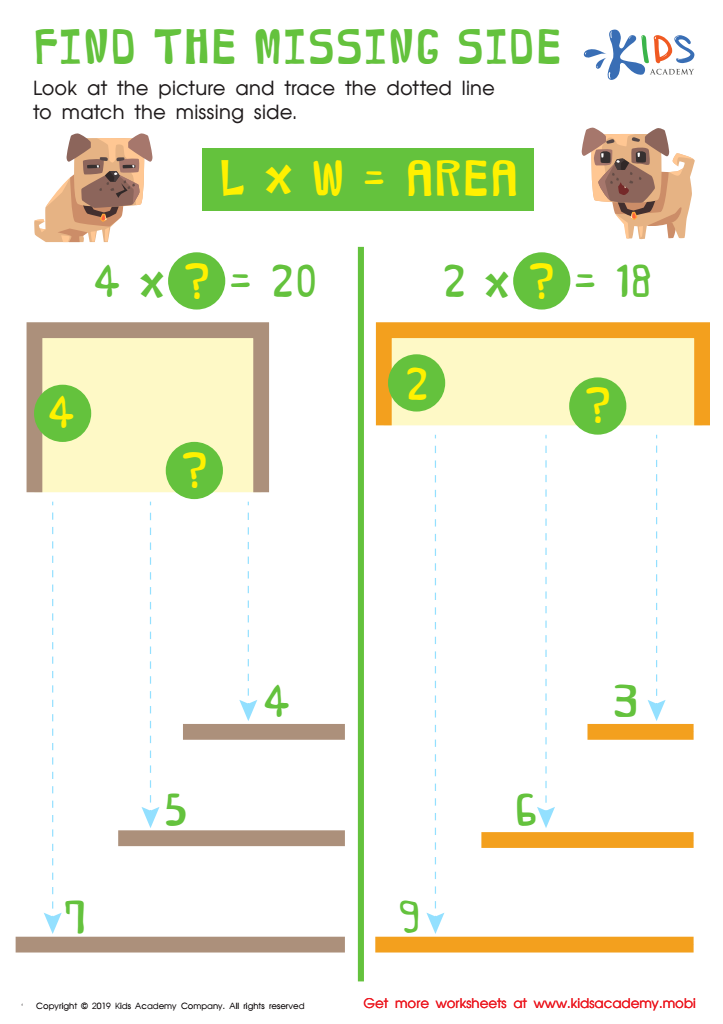
Find the Missing Side Worksheet
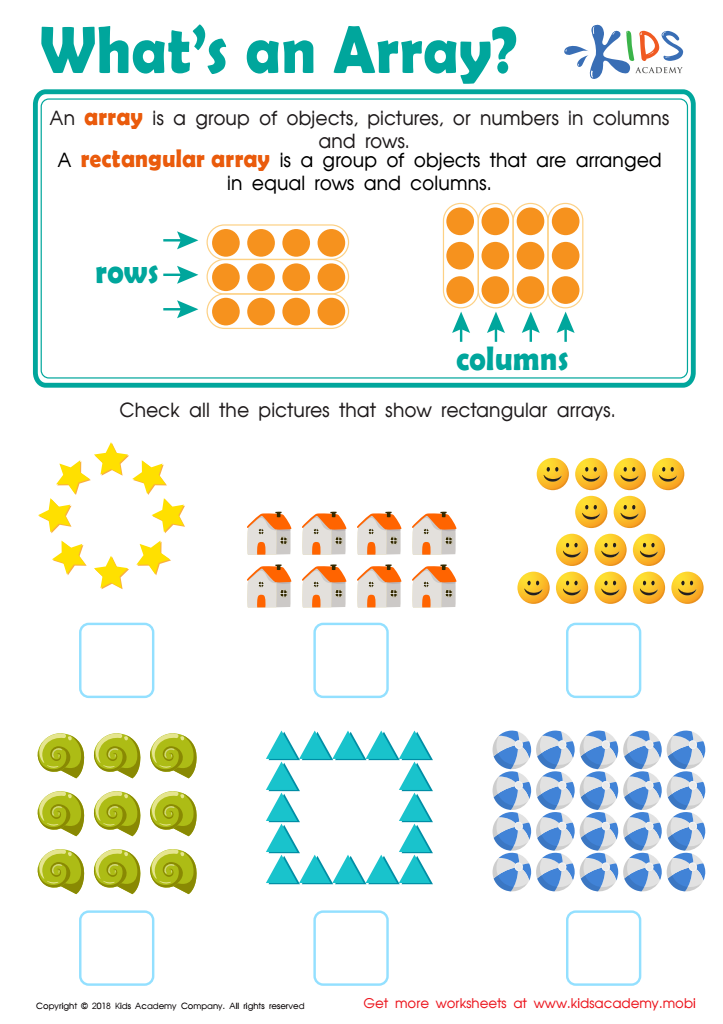
What's an Array? Worksheet
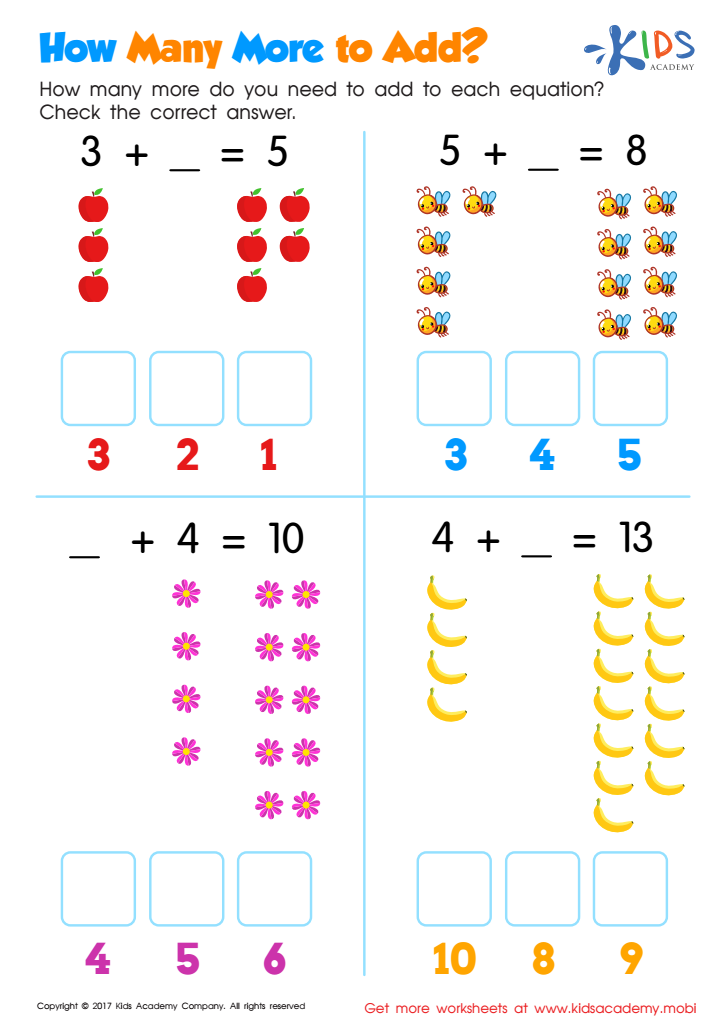
How Many More to Add Worksheet
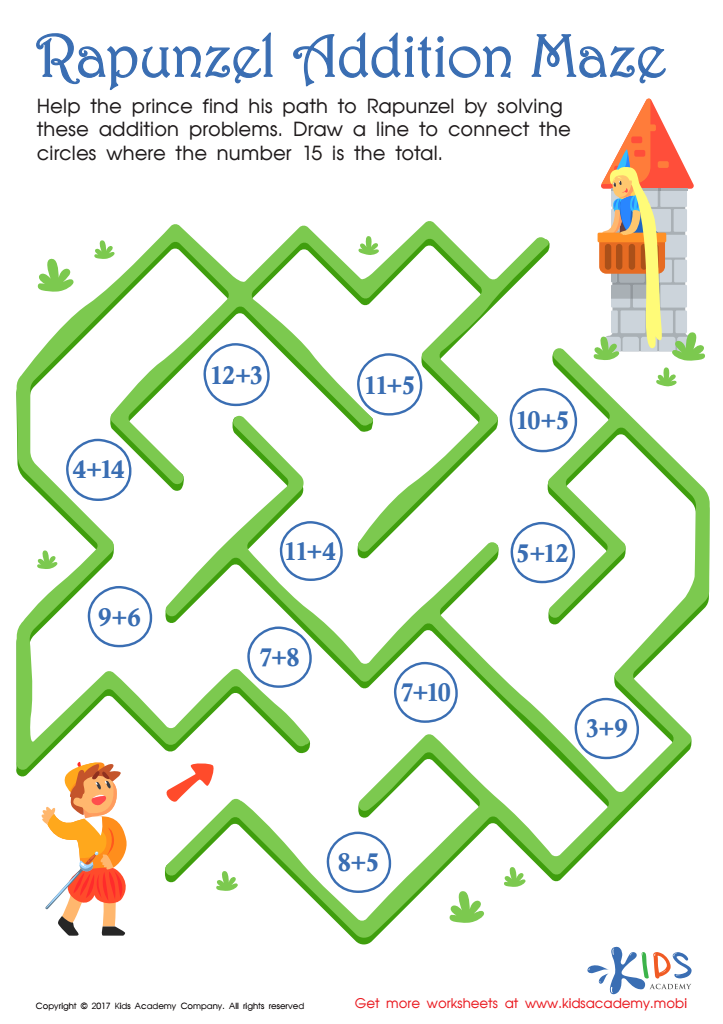
Rapunzel Addition Maze Worksheet
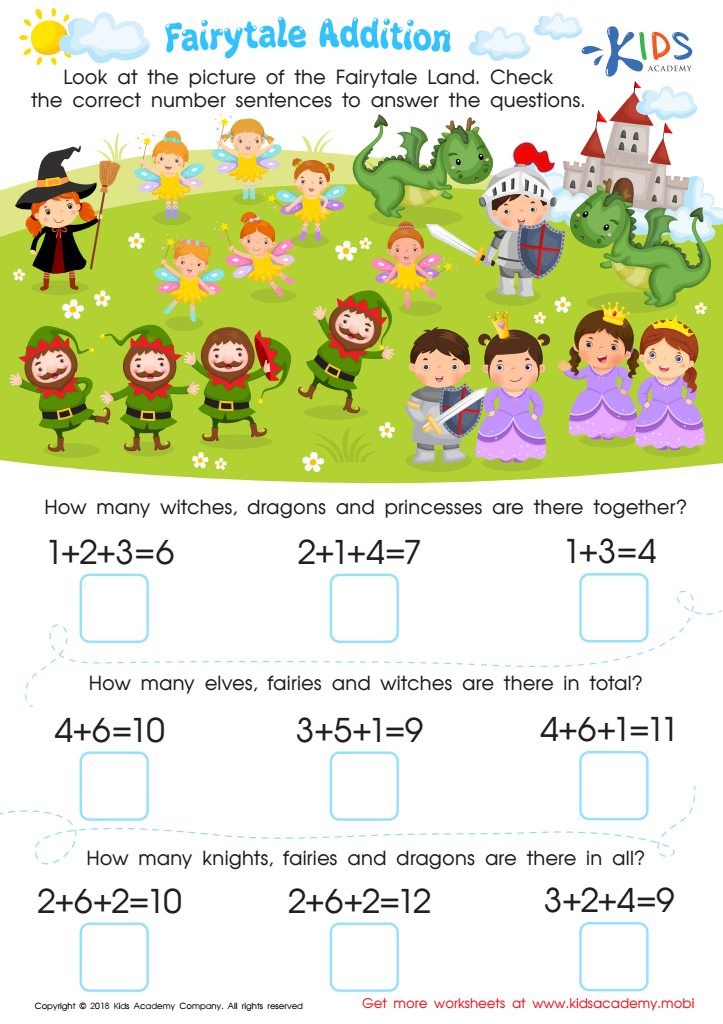
Fairytale Addition Worksheet
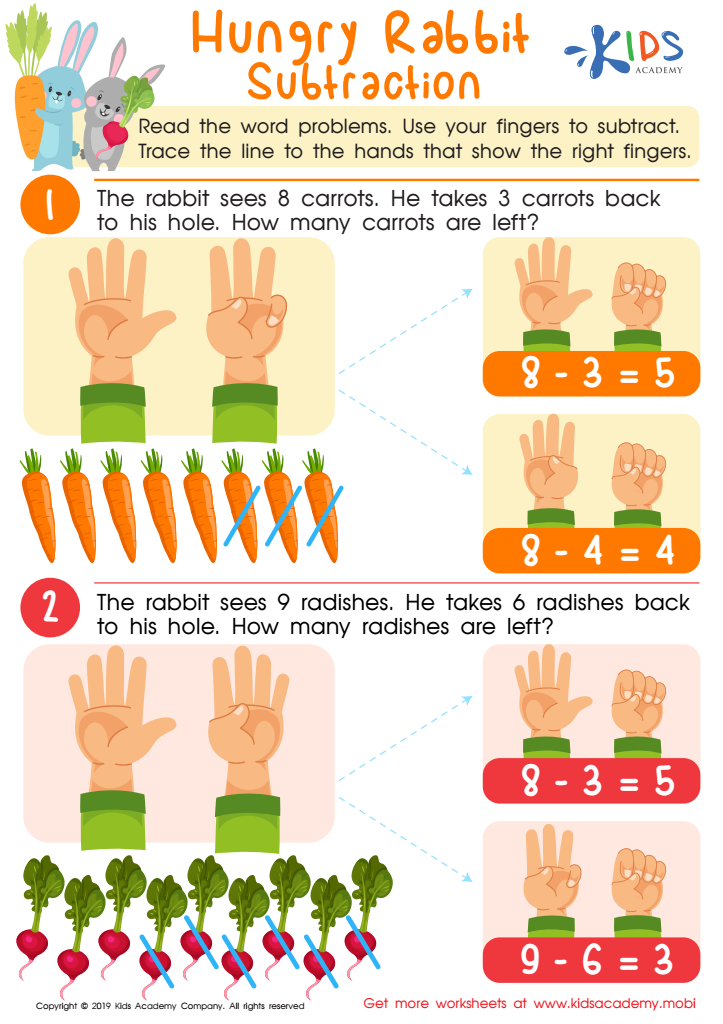
Hungry Rabbit Subtraction Worksheet
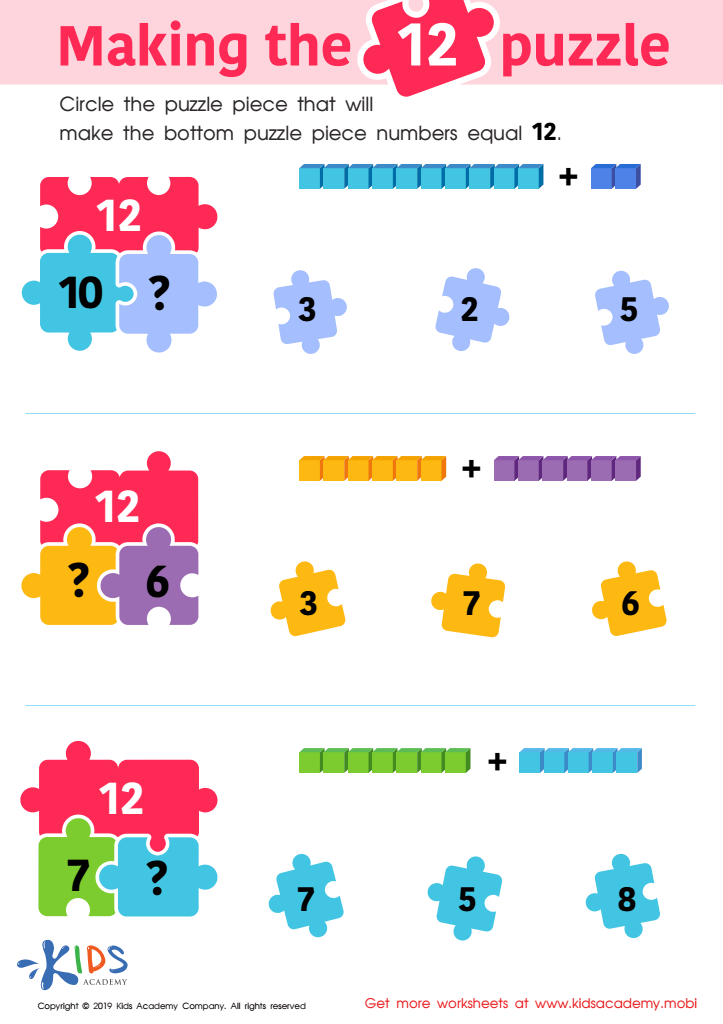
Making the 12 Puzzle Worksheet
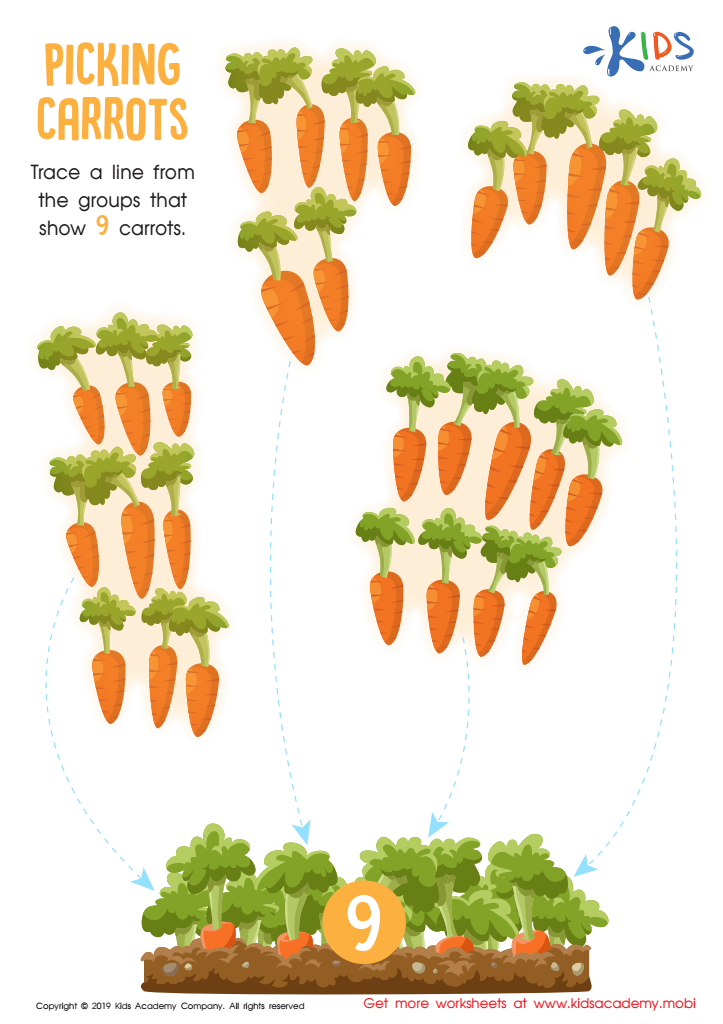
Picking Carrots Worksheet
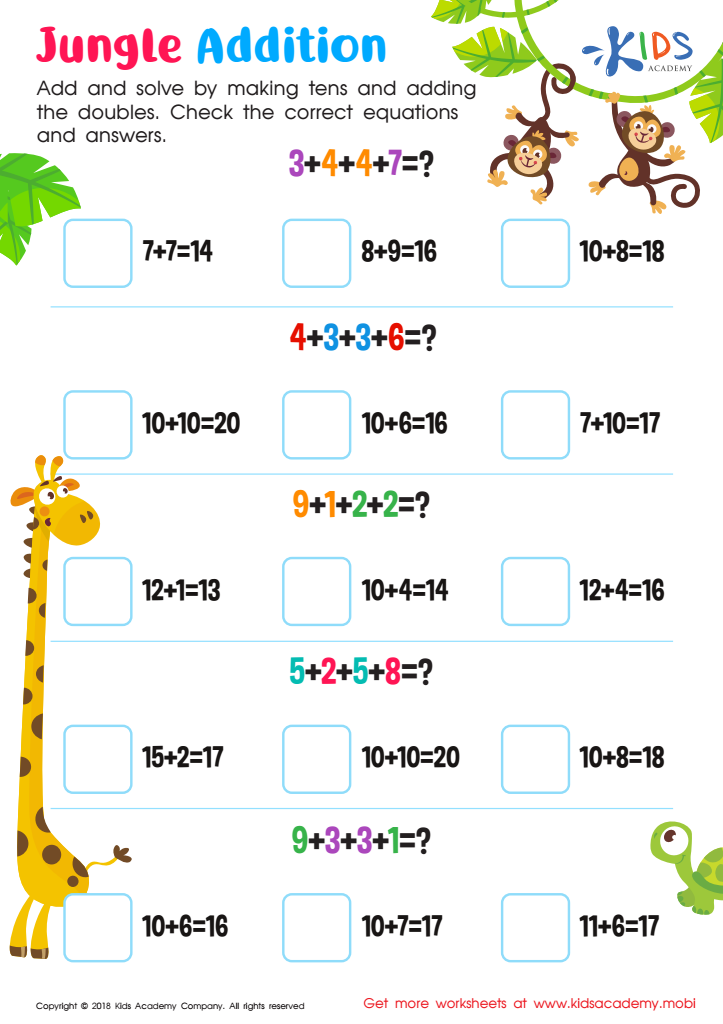
Jungle Addition Worksheet
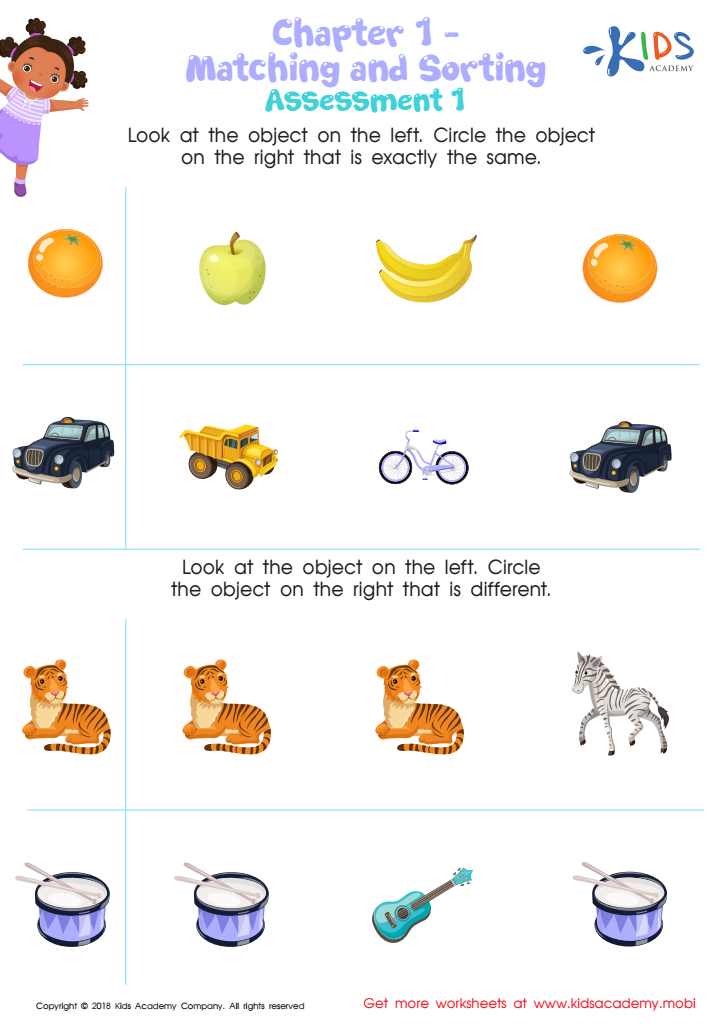
Matching and Sorting for Preschool: Assessment 1 Worksheet
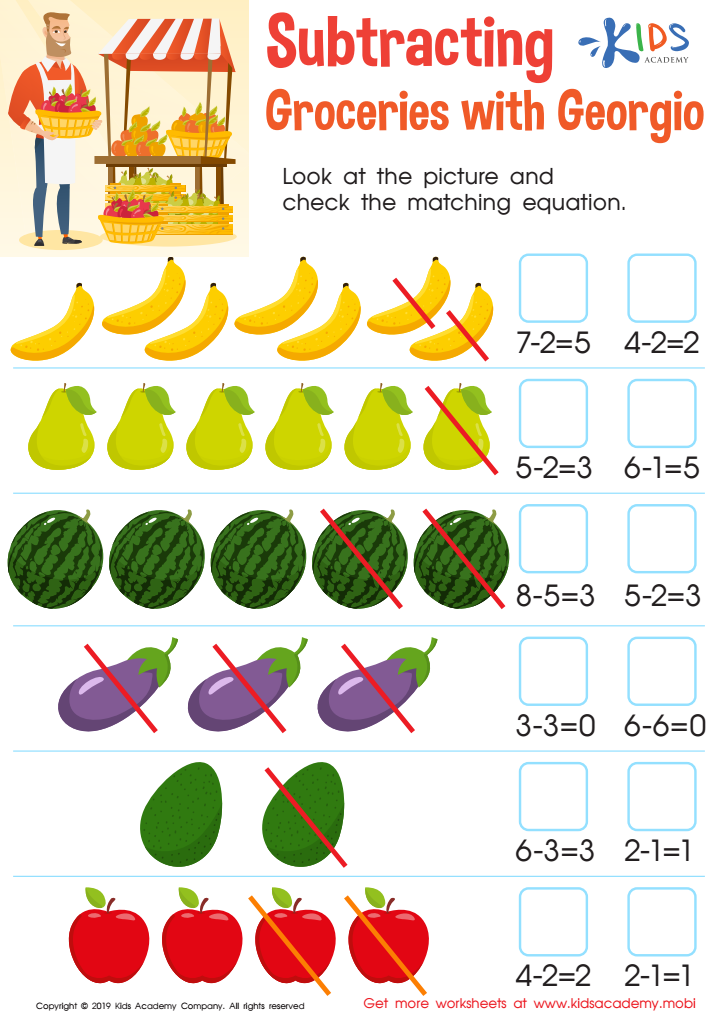
Subtracting: Groceries with Georgio Worksheet
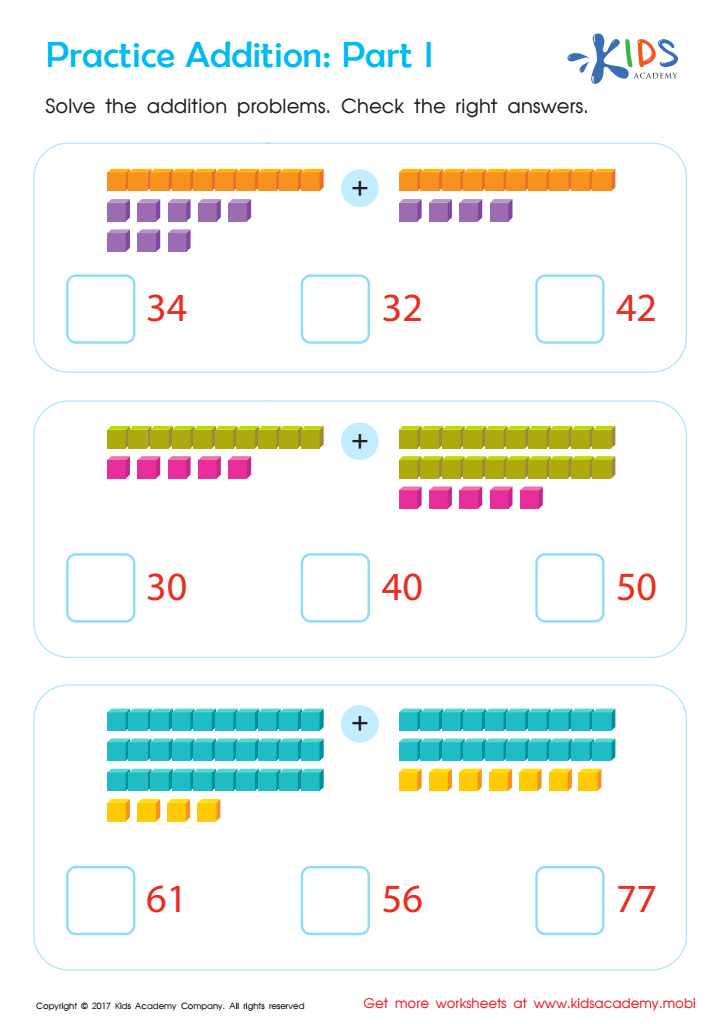
Practice Addition: Part 1 Worksheet
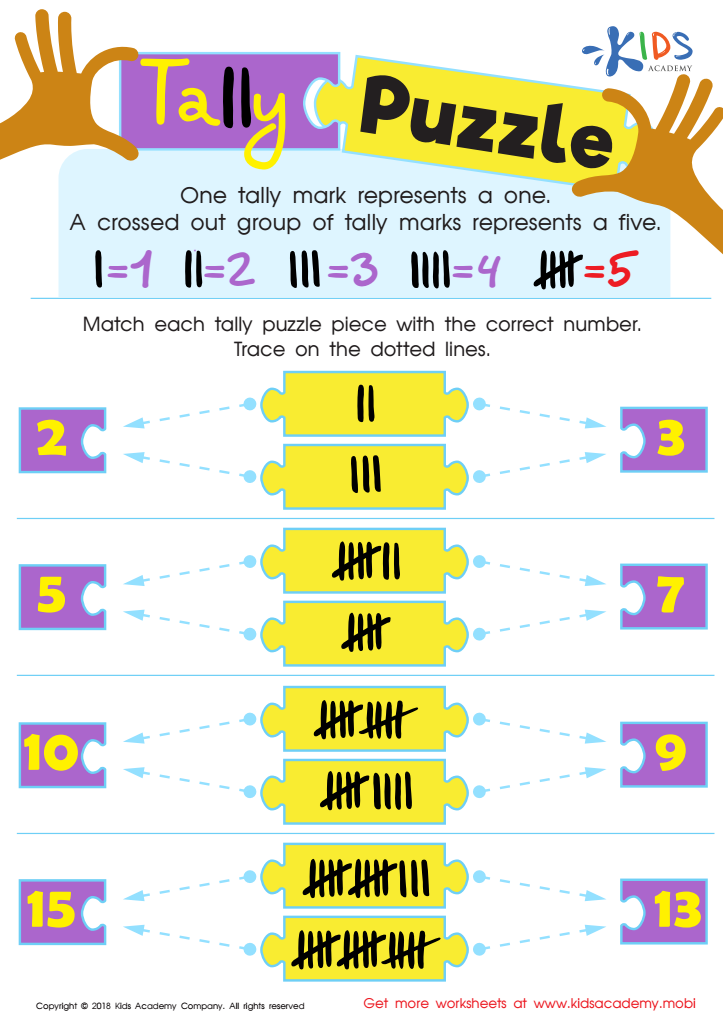
Tally Puzzle Worksheet
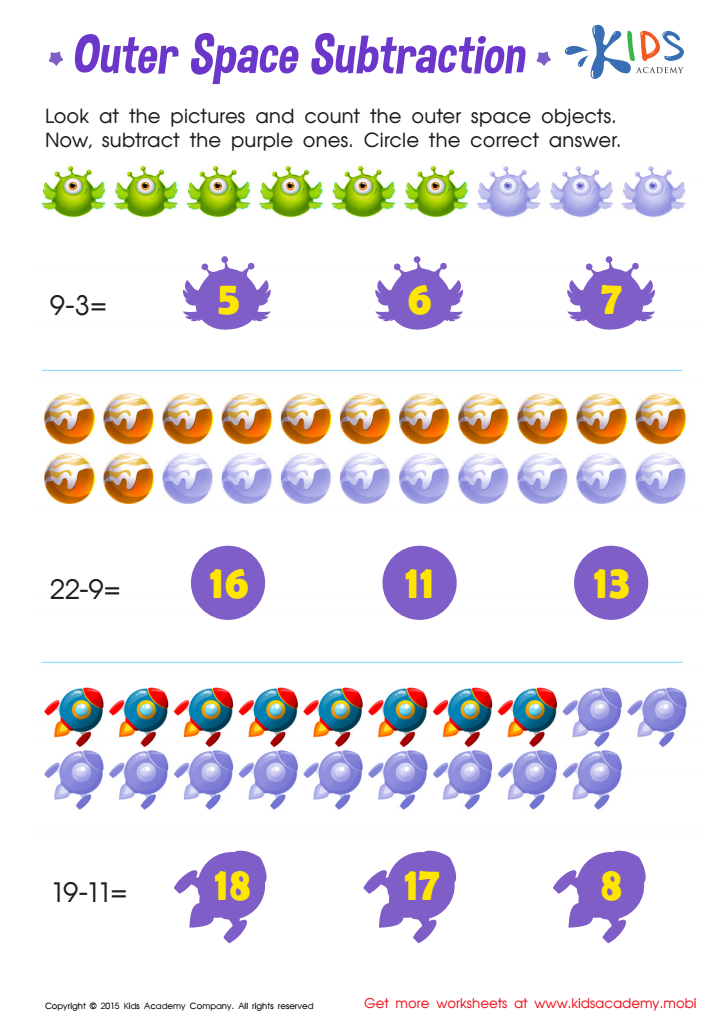
Outer Space Substraction Worksheet

Haystack Steps Worksheet
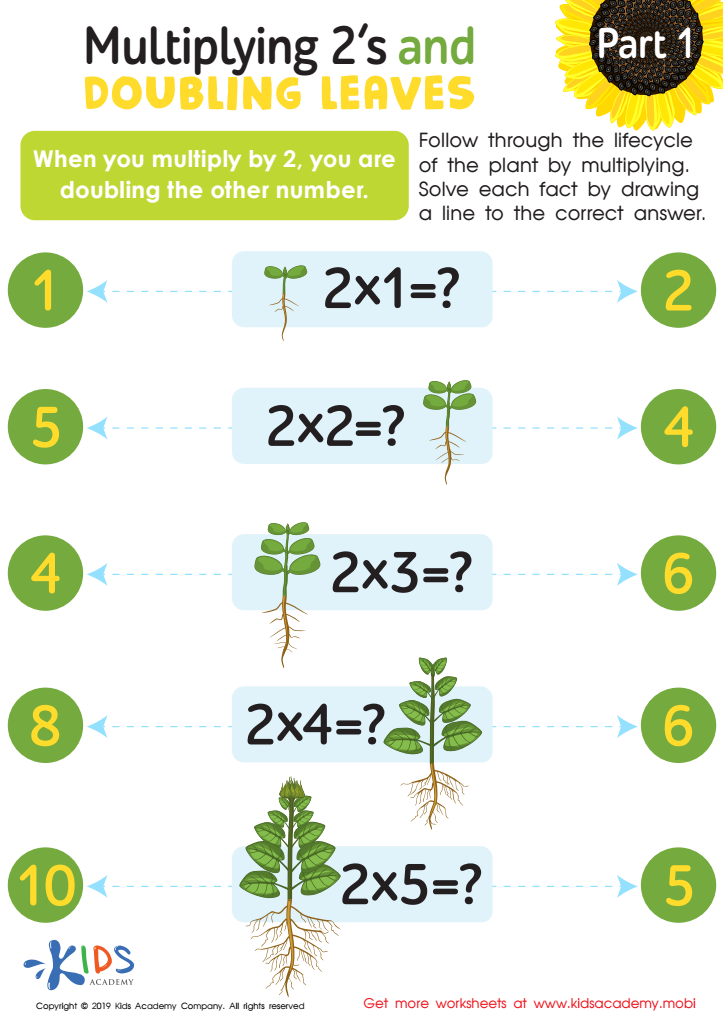
Multiplying 2’s and Doubling Leaves Part 1 Worksheet
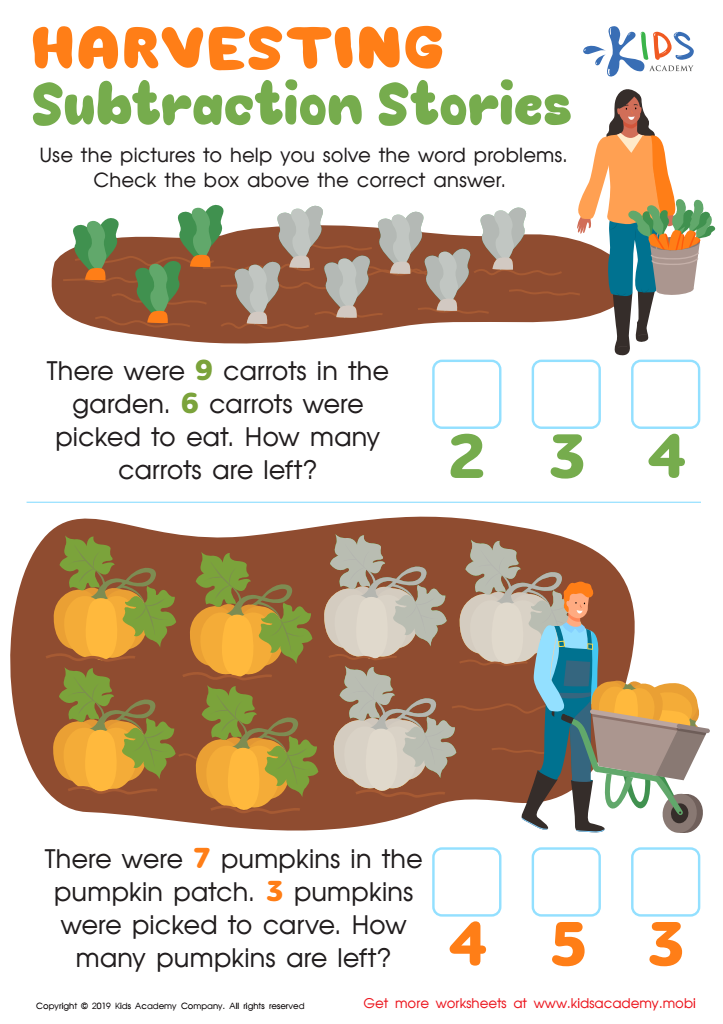
Harvesting Subtraction Stories Worksheet
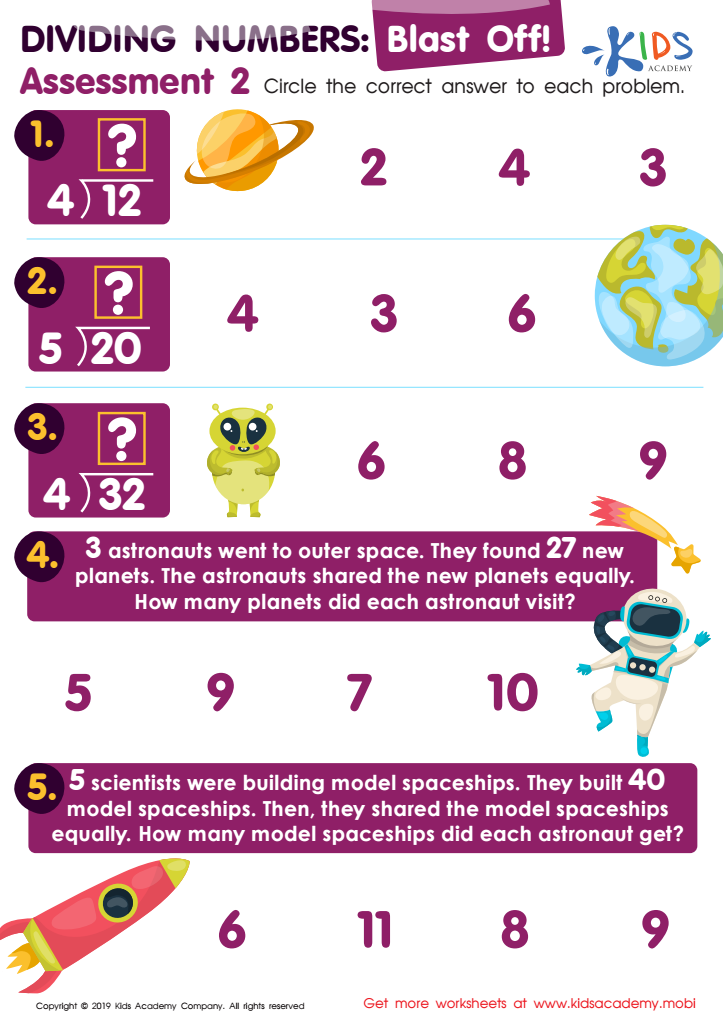
Dividing Numbers Assessment 2 Worksheet
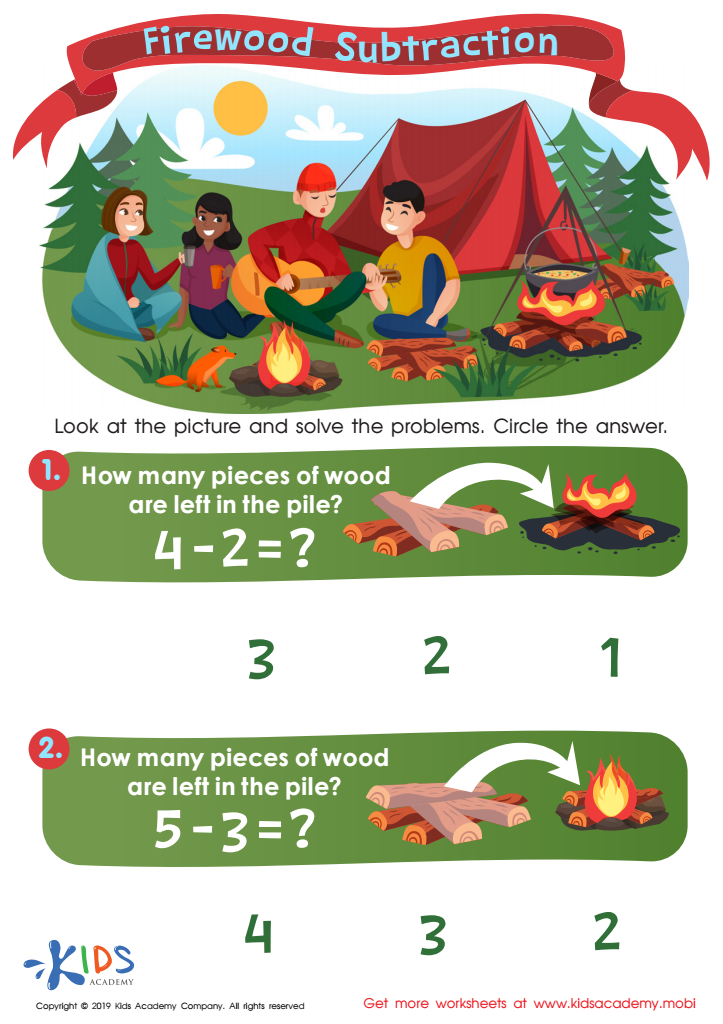
Firewood Subtraction Worksheet
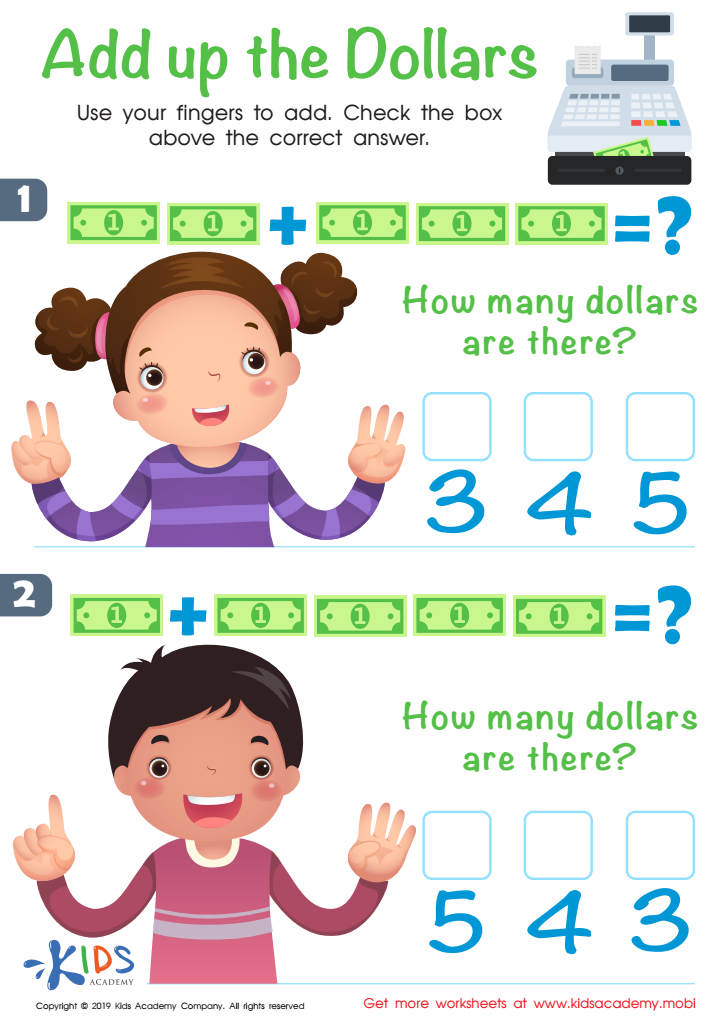
Add up the Dollars Worksheet
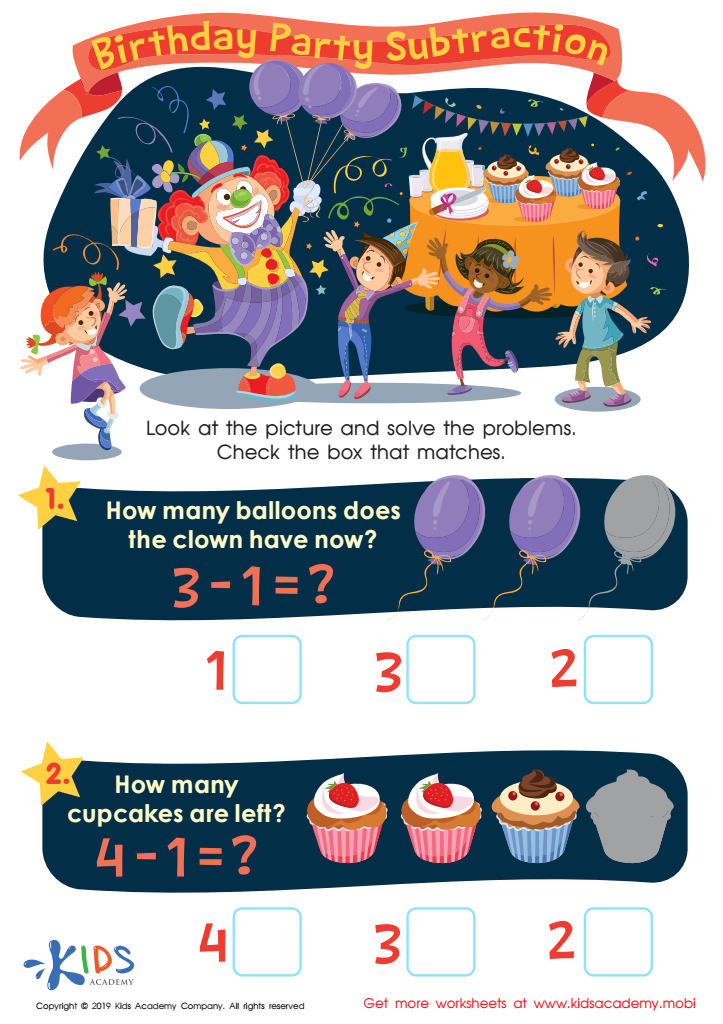
Birthday Party Subtraction Worksheet

Enrichment: Firefighter Ladders Worksheet
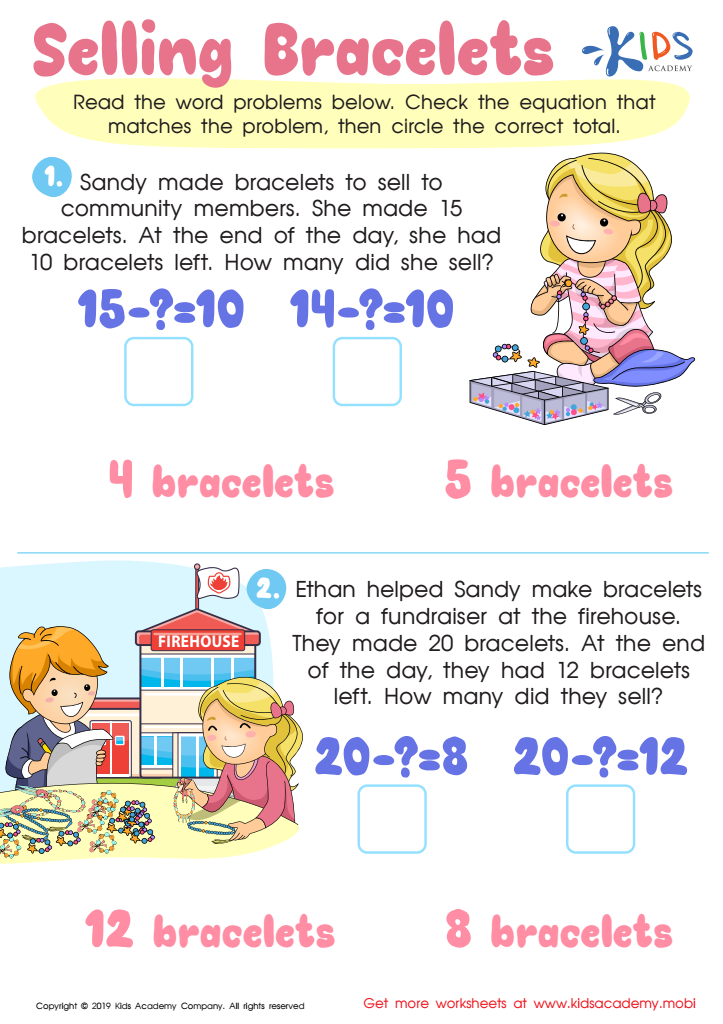
Selling the Bracelets Worksheet








Problem-solving skills in math are foundational not only for academic success but also for everyday life. For children aged 3-9, these skills translate to important cognitive development. Parents and teachers should care deeply about fostering these skills because they enhance critical thinking and the ability to tackle life's challenges creatively. Engaging toddlers and early grade students in simple math problems helps them recognize patterns, understand relationships, and improve their logical thinking. These early encounters with math set a positive precedent for future learning, facilitating smoother transitions to higher-level concepts in later grades.
Moreover, problem-solving skills attain broader competencies beyond math. They instill patience, boost confidence, and cultivate resilience in young learners. By grappling with simple math problems, children learn the importance of perseverance and refine their ability to concentrate on tasks. Early mastery of these skills can lead to stronger academic performance across subjects as students progress through school years.
Additionally, fostering problem-solving skills in math at a young age supports a lifelong love for learning and curiosity. It also provides children with tools to navigate social and professional future scenarios where analytical capacities are indispensable. Therefore, nurturing problem-solving skills in math from ages 3-9 is an invaluable investment in a child's multifaceted development.








