Problem-Solving Skills Easy Worksheets for Ages 4-5 - Page 2
31 filtered results
-
From - To
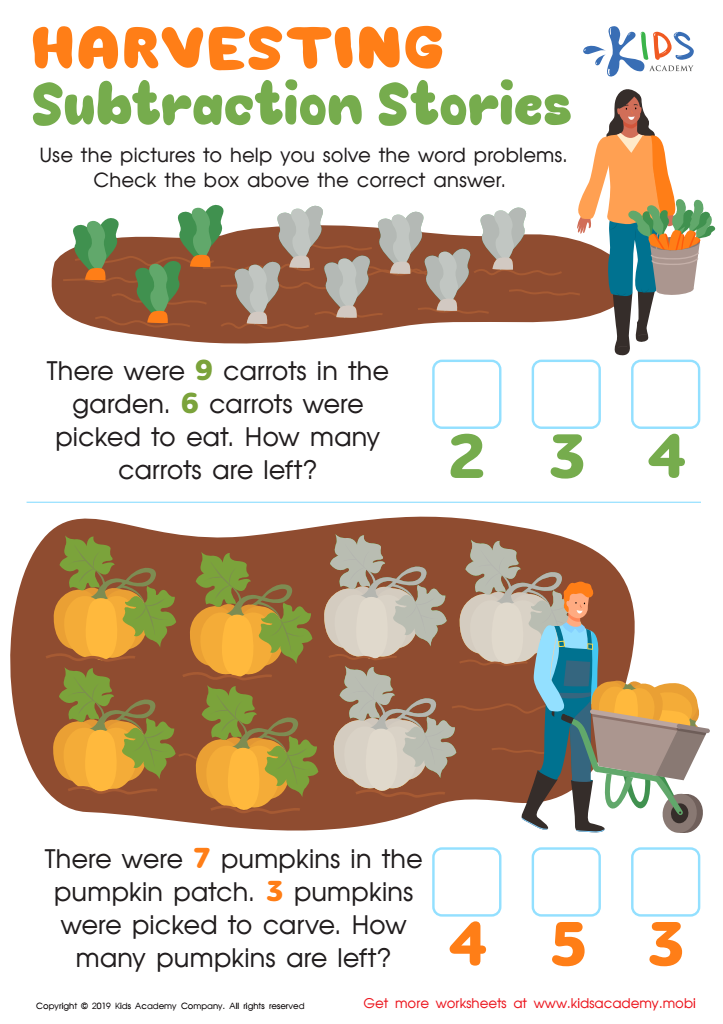
Harvesting Subtraction Stories Worksheet
 Assign to My Students
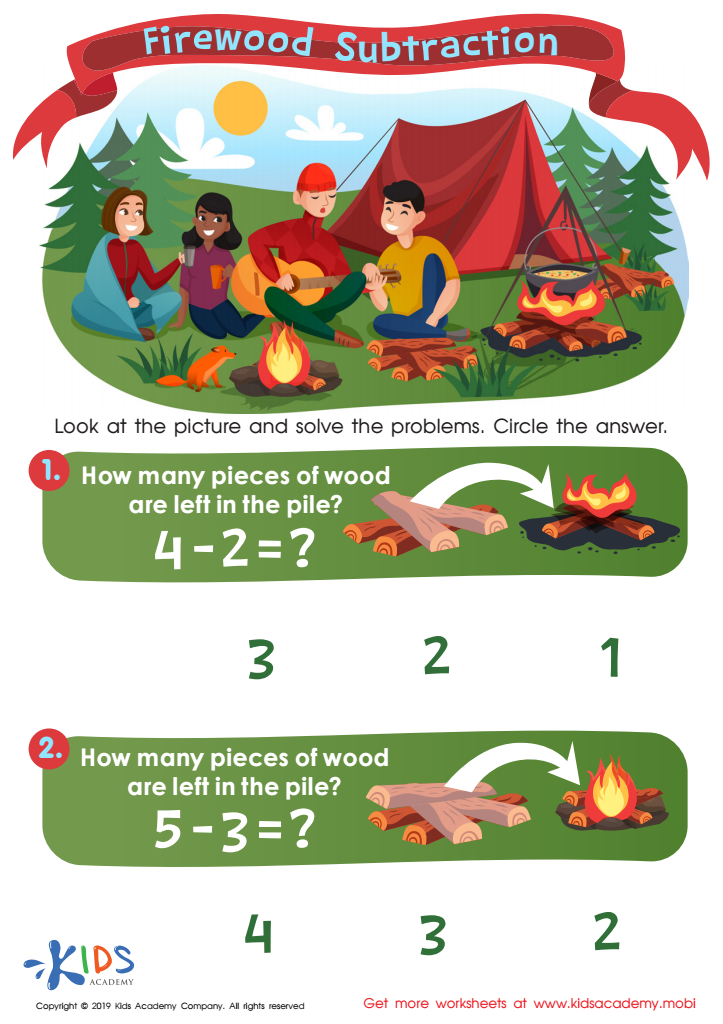
Firewood Subtraction Worksheet
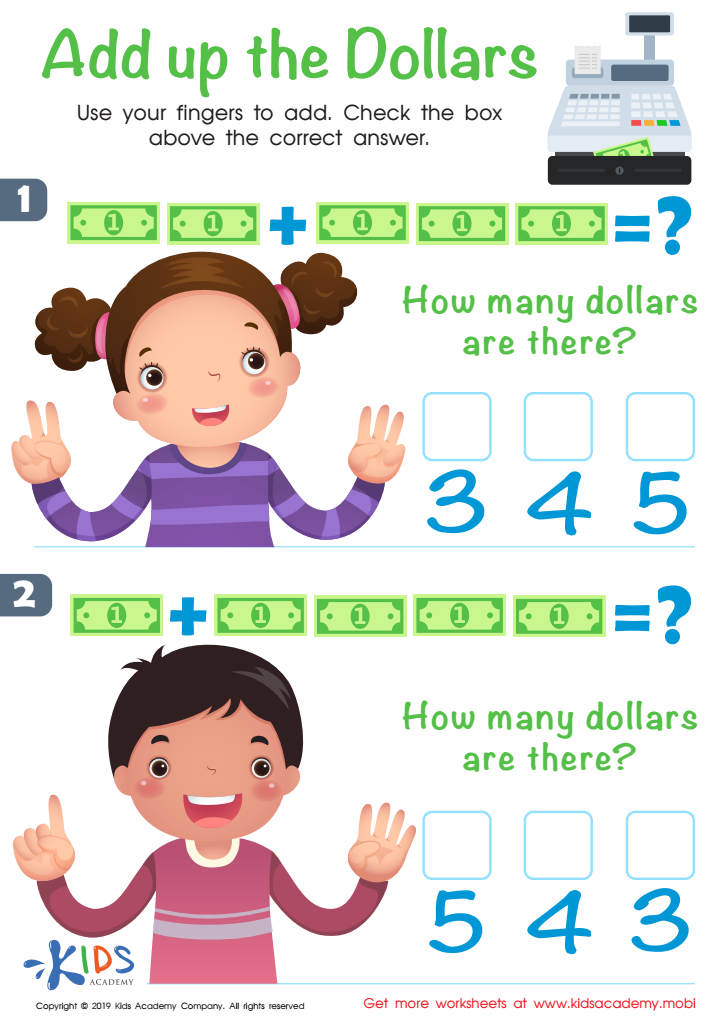
Add up the Dollars Worksheet
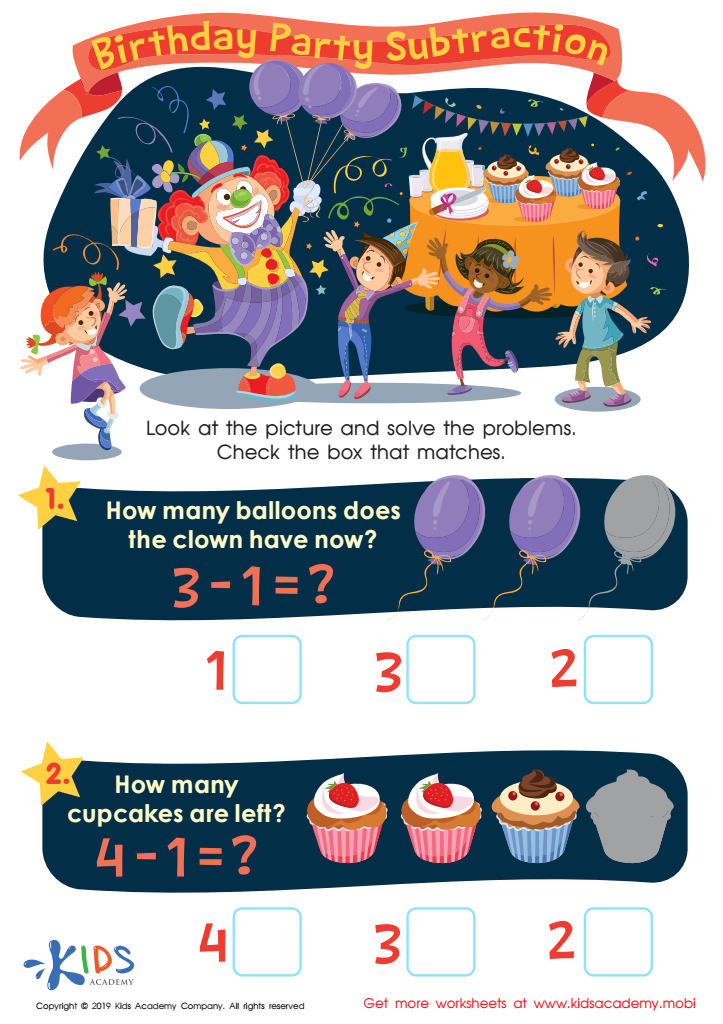
Birthday Party Subtraction Worksheet

Enrichment: Firefighter Ladders Worksheet
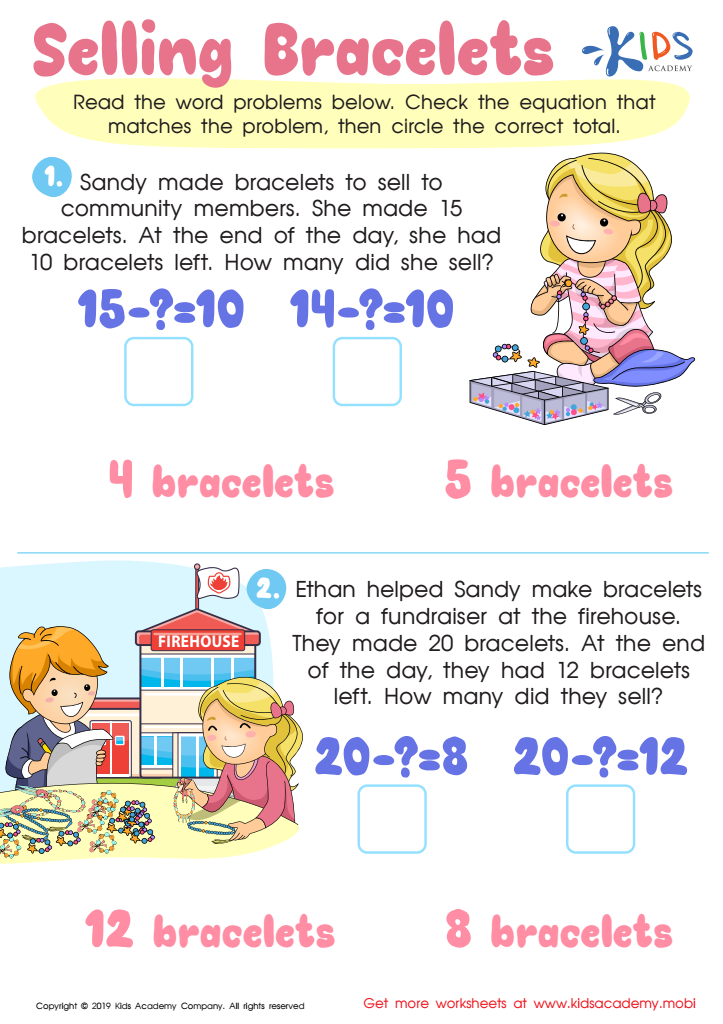
Selling the Bracelets Worksheet
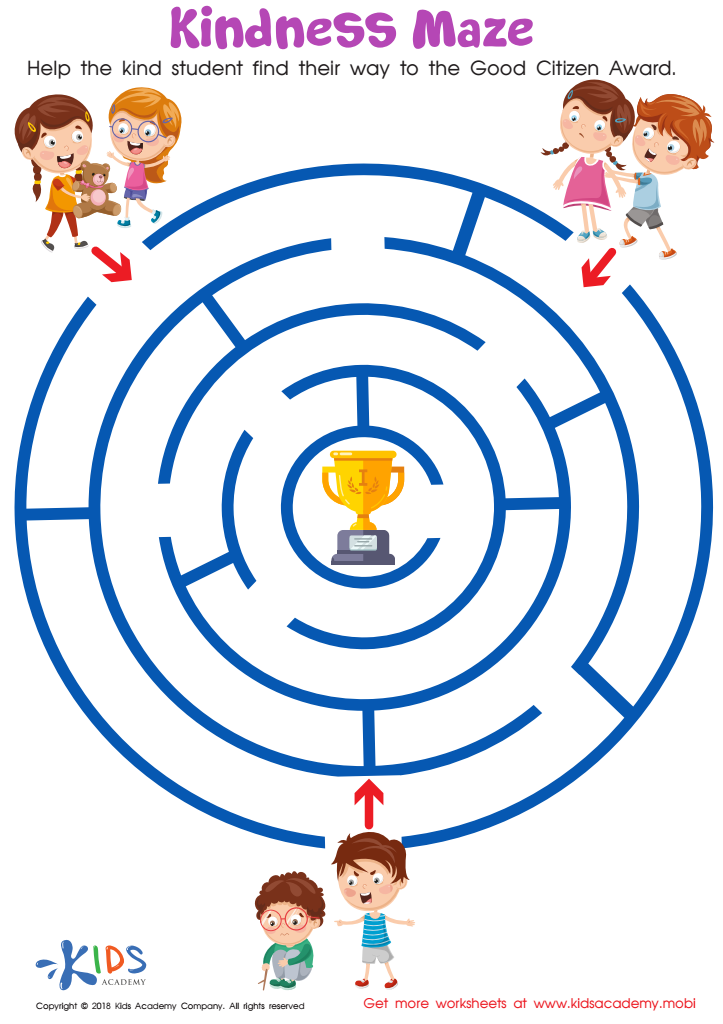
Kindness Maze Worksheet








Parents and teachers should care about fostering problem-solving skills in young children, ages 4-5, because these skills are foundational to their overall development. Problem-solving abilities help children navigate challenges and develop independence and confidence.
First, critical thinking and problem-solving promote cognitive development. They encourage children to think logically, understand cause and effect, and take corrective actions when facing obstacles. These skills are essential for academic success, including reading comprehension and mathematical reasoning.
Second, problem-solving facilitates social development. As children learn to resolve conflicts and negotiate with their peers, they improve their communication and collaboration abilities. This not only helps in making friends but also nurtures empathy and patience.
Additionally, early problem-solving experiences can shape a child's resilience and adaptability. They learn that mistakes are opportunities for learning rather than failures, fostering a growth mindset. This mindset is critical for their future personal and professional lives.
Finally, problem-solving skills are crucial for everyday life. Whether tying shoelaces or deciding the best way to build a block tower, being able to solve problems makes kids more self-sufficient.
Investing in problem-solving skills early on equips children with tools they’ll use throughout their lives, making this a crucial focus for parents and teachers alike.








